Koral

Koral sits just off Nossa Senhora da Paz park Ipanema, a few blocks from the beach and Rio's densest concentration of design-led dining. The restaurant operates as a neighbourhood anchor in one of the city's most competitive dining zones, where format and sourcing detail can separate a venue from the dozens of options within a five-minute walk.
Pearl is the En Primeur Club membership app — saves, bookings, and concierge access live there. Same editors, same standards.
- Address
- Rua Barão Da Torre, 446, Rio de Janeiro, Rio de Janeiro, 22411-000, BRA
- Phone
- +55 21 99513-6437
- Website
- guide.michelin.com
- Directions
- Get directions
 Saves & bookings on Pearl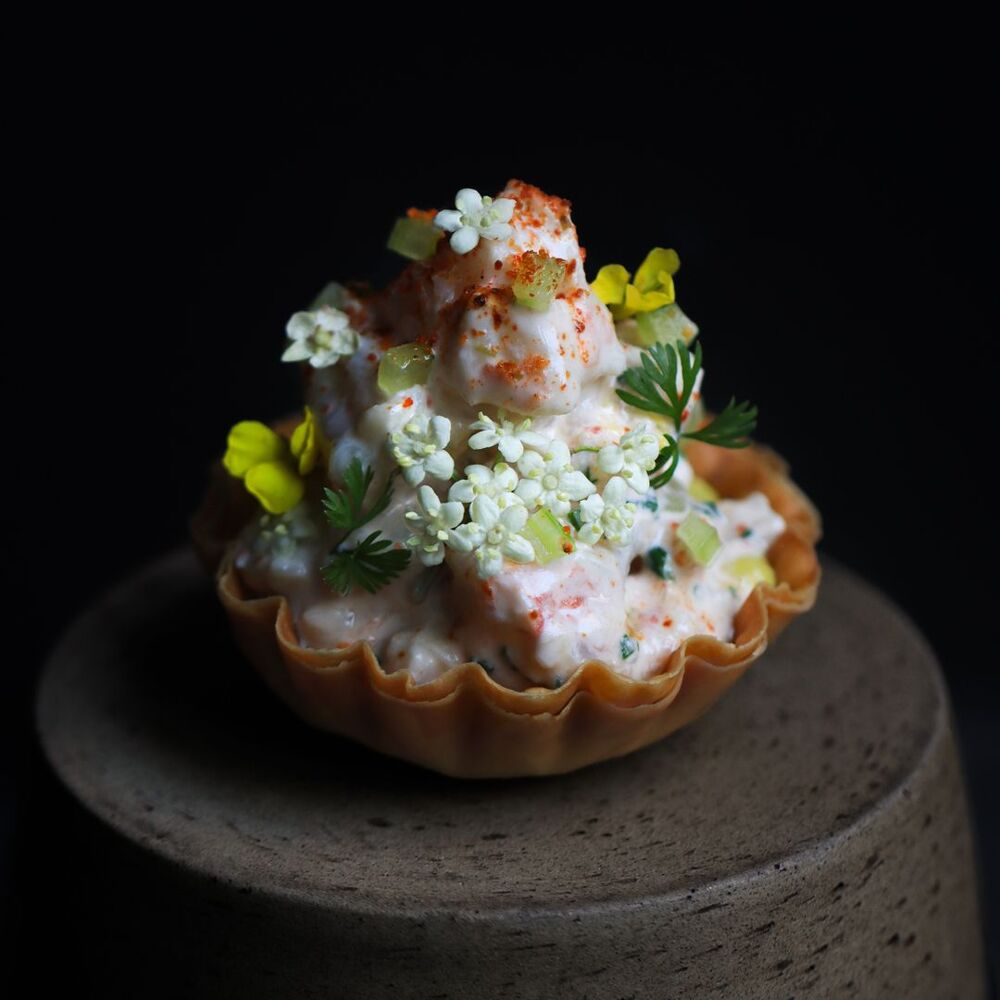
Koral occupies a ground-floor address on Rua Barão da Torre, one block south of the Nossa Senhora da Paz park that divides upper and lower Ipanema. The street runs parallel to the beach and pulls a mix of residential foot traffic, office lunches, and evening reservations from the neighbourhood. The location places the restaurant inside the competitive corridor that also holds Alloro, Anna, and the Brazilian-focused counter service at Aconchego Carioca, all within a five-minute walk. That density means sourcing transparency and ingredient specificity matter more than format novelty.
The sourcing approach
Rio's ingredient supply splits between large-volume distributors that service hotel kitchens and a smaller group of specialty foragers and coastal fishermen who work direct with chefs. Koral's menu structure suggests reliance on the latter model, with daily-changing availability tied to what arrives from fishing cooperatives in Niterói and small-scale organic farms in the Serra dos Órgãos foothills. This approach aligns the restaurant with the seasonal-regional strategy that defines the upper tier of Rio's contemporary dining scene, where chefs like those at . Org Bistrô and Nôa build menus around weekly harvest cycles rather than fixed supplier contracts.
The emphasis on provenance extends to seafood selection, where Rio's diners now expect dock dates and catch methods listed alongside species names. Koral's location, 400 metres from Ipanema beach and within the same postal zone as the city's weekend organic markets, positions it to pull from the same hyper-local channels that supply Aprazível in Santa Teresa and Ferro e Farinha in Jardim Botânico. That proximity allows the kitchen to work with ingredients delivered the morning of service, a logistical advantage over venues in Leblon or Barra that rely on midday distributor runs.
The competitive set and neighbourhood context
Ipanema's restaurant density means formats overlap and price tiers compress. The neighbourhood supports a dozen contemporary Brazilian spots, half a dozen Italian trattorias, and a growing set of Asian-inflected concepts like Spicy Fish and the izakaya-style counters near Praça Nossa Senhora da Paz. Koral's address places it inside the highest-density block, where walk-in traffic mixes with advance reservations and where every venue competes on ingredient storytelling as much as technique.
The broader dining pattern in Rio now favours ingredient-transparent menus over blind tasting formats, a shift driven by the city's rising food media coverage and a generation of chefs trained in farm-to-table kitchens in São Paulo and abroad. Rudä, a few blocks west, operates a similar model at a slightly lower price point, while Nosso in Leblon runs a more casual counter format with the same sourcing discipline. Koral sits somewhere between those two, balancing neighbourhood accessibility with the ingredient granularity that supports a higher check average.
For context on the wider Rio dining landscape, consult our full Rio de Janeiro restaurants guide, which covers the city's regional Brazilian, contemporary, and international formats. Visitors planning a broader itinerary should also review our full Rio de Janeiro hotels guide, our full Rio de Janeiro bars guide, our full Rio de Janeiro wineries guide, and our full Rio de Janeiro experiences guide for logistical planning across neighbourhoods.
Outside Rio, Brazil's coastal cities maintain a similar focus on seafood traceability and daily-market sourcing. 74 Restaurant in Armação dos Búzios operates a dock-to-table model two hours north, while inland cities like Goiânia and Cuiabá, home to 1929 Trattoria Moderna and Açaí Cuiabano, rely on riverine and Amazonian supply chains instead. São Paulo's 1900 Pizzeria and Santa Cruz do Sul's 360 Terra e Mar offer ingredient-focused approaches in different urban contexts, while Açaí da Barra in Presidente Prudente demonstrates how regional sourcing scales down in smaller cities.
The restaurant's position on Barão da Torre also benefits from Ipanema's public-transport density. Three bus lines run north-south on the street, and the nearest metro station (General Osório) sits 600 metres southeast at the edge of Copacabana. That connectivity makes Koral accessible for visitors staying in Leblon, Copacabana, or the hotels clustered around Lagoa Rodrigo de Freitas, all of which lie within a 15-minute taxi or rideshare ride. Street parking remains difficult throughout Ipanema, and the neighbourhood's one-way grid complicates drop-offs; particularly direct approach arrives by foot from the metro or from hotels within walking distance.
For diners accustomed to ingredient-forward dining in other markets, the Rio comparison set extends to formats like Jōdo Saké Bar in Los Angeles or Onigiri Time in Pasadena, where daily procurement drives menu structure and where the kitchen's sourcing network becomes the primary credential. Koral operates inside that same discipline, where the story behind an ingredient carries as much weight as its preparation. That approach resonates with the city's evolving diner expectations and positions the restaurant as a neighbourhood anchor rather than a destination concept.
Quick Comparison
Comparable venues by cuisine and price in the same metro.
| Venue | Cuisine | Price | Awards |
|---|---|---|---|
| Koral | Just a few metres from the Nossa Senhora da Paz park, in the heart of Ipanema, there is a restaurant... | This venue | Not listed |
| Rudä | Brazilian | $$ | Brazilian, $$ |
| Nôa | Mediterranean Cuisine | $$$ | Mediterranean Cuisine, $$$ |
| Nosso | Contemporary | $$ | Contemporary, $$ |
| Spicy Fish | Asian Contemporary | $ | Asian Contemporary, $ |
Recognition history
Dated appearances from independent guides and award organizations, with the underlying list record or original source where available.
Michelin Bib Gourmand
Michelin
Continue exploring
More in Rio de Janeiro
Restaurants in Rio de Janeiro
Browse all →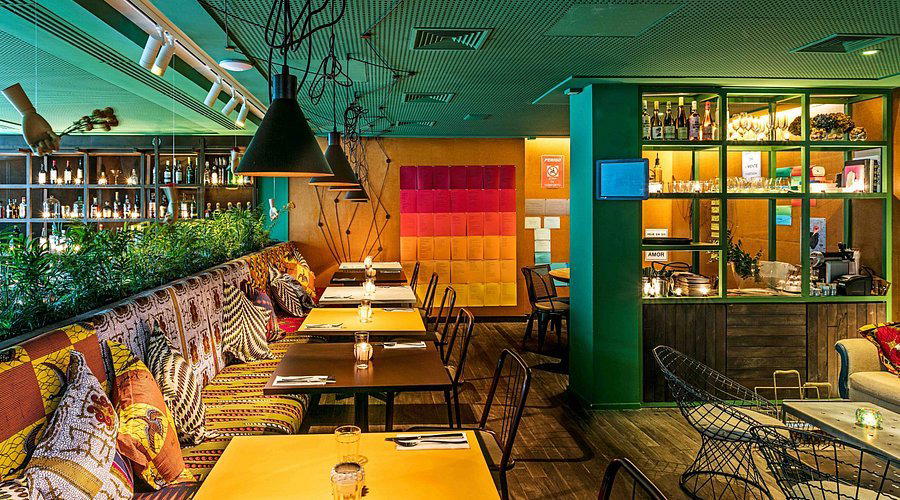
Bars in Rio de Janeiro
Browse all →
At a Glance
- Modern
- Lively
- Trendy
- Cozy
- Date Night
- Business Dinner
- Group Dining
- Family
- Special Occasion
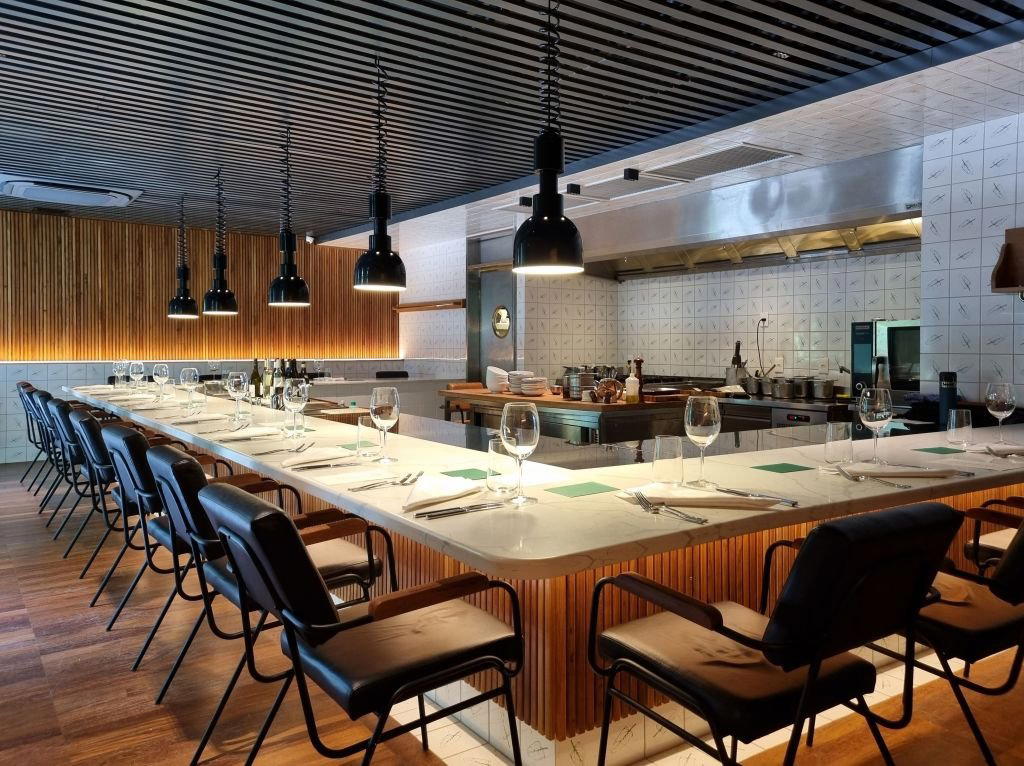
- Open Kitchen
- Standalone
- Terrace
- Extensive Wine List
- Craft Cocktails
- Local Sourcing
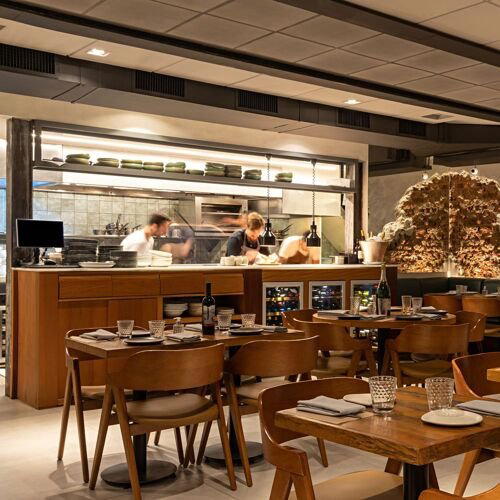
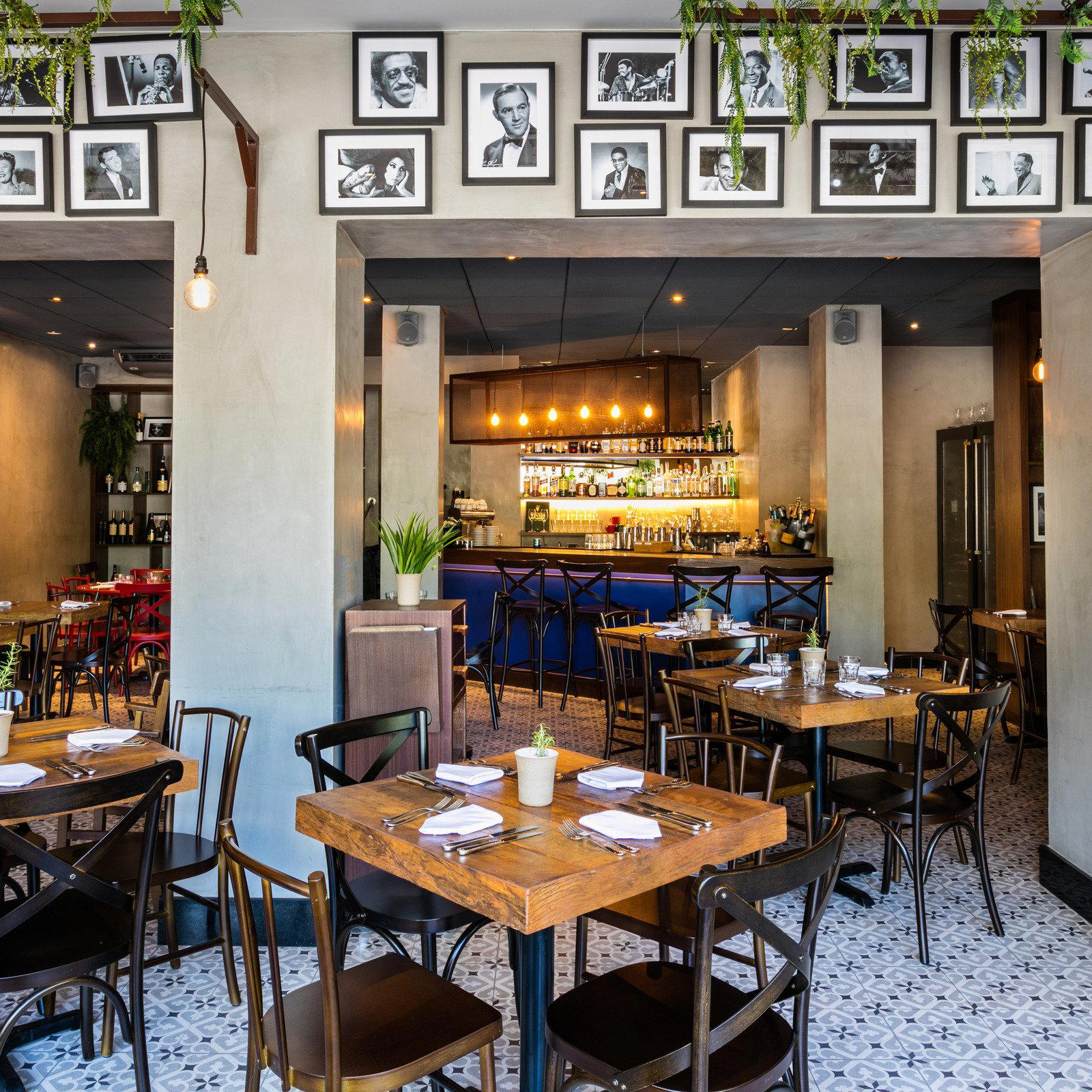
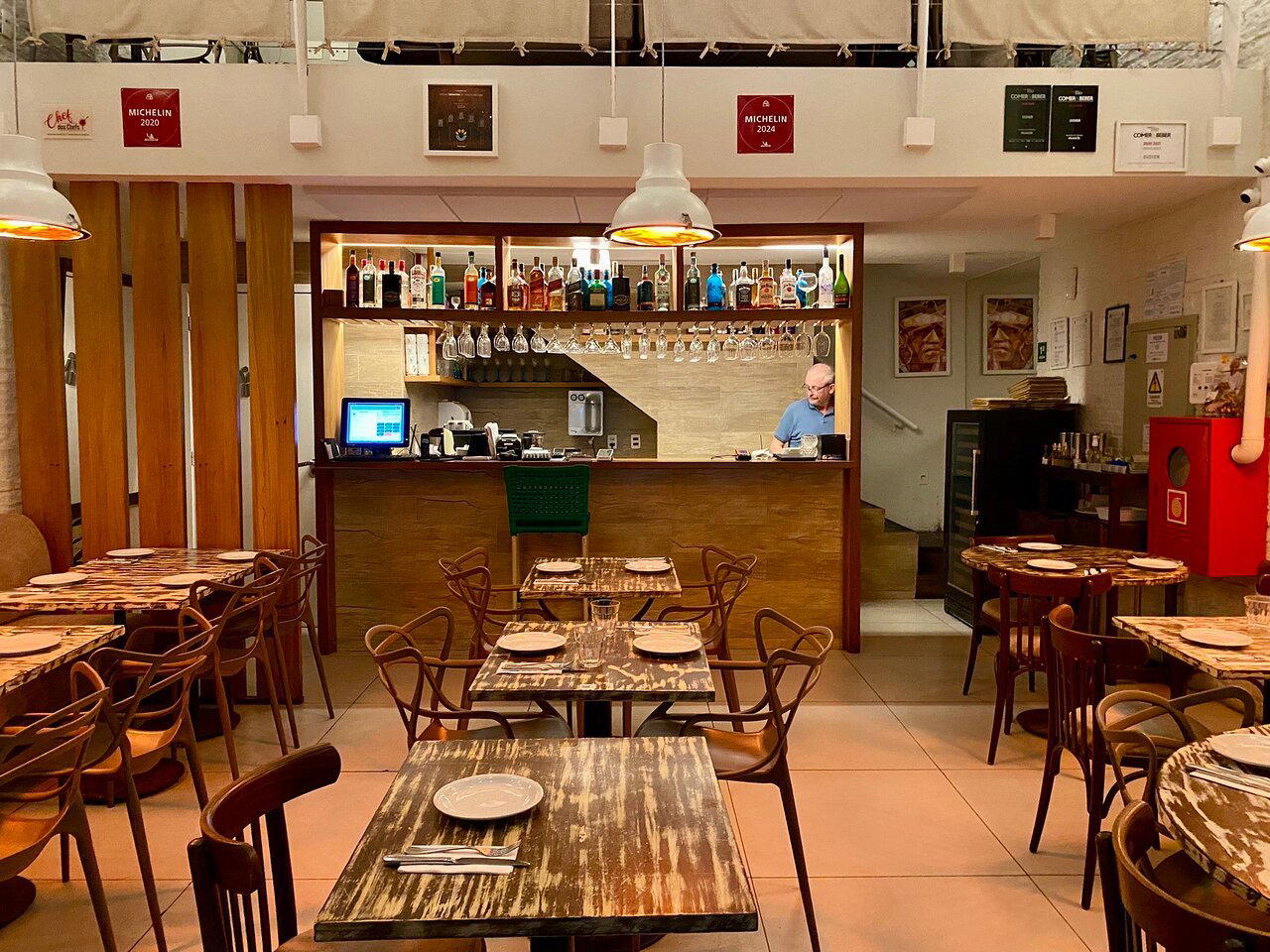
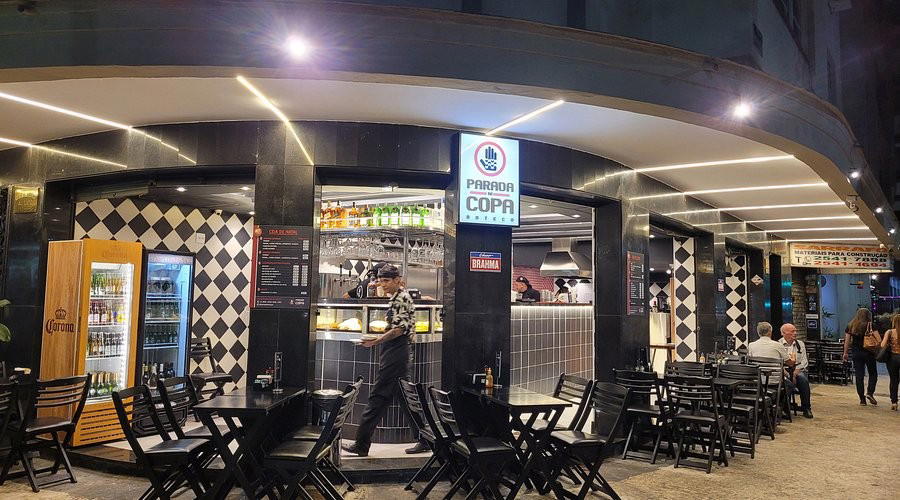
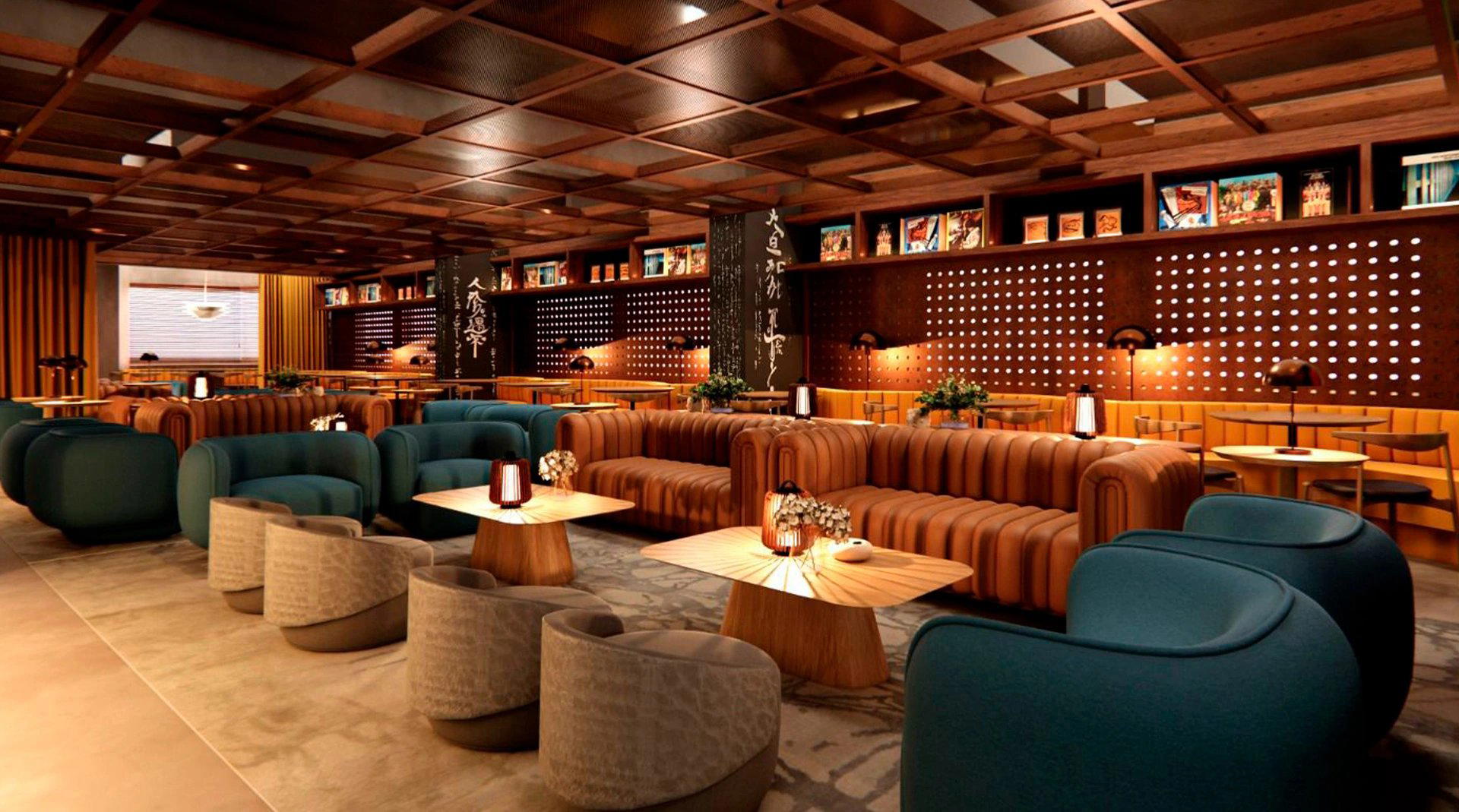
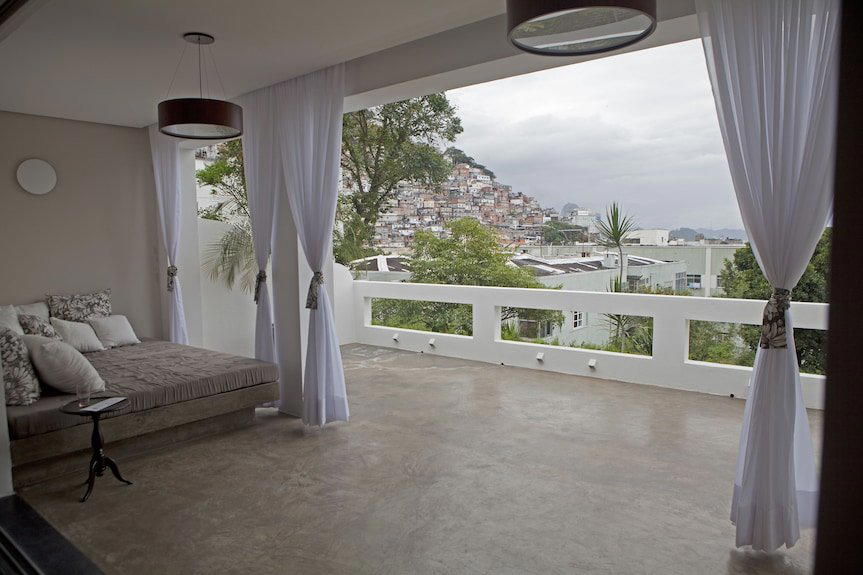
A modern, warmly lit dining room with an open kitchen that creates an energetic but comfortable atmosphere, blending a casual neighborhood feel with the refinement of a MICHELIN‑listed restaurant.