
Founded in 1983 in Vila Mariana, 1900 Pizzeria has grown into São Paulo's most recognised artisanal pizza chain, ranked 14th on the 50 Top World Artisan Pizza Chains list in 2025. Across multiple locations, it serves Paulistana, In Pala, and Napoletana style pizzas fired in wood-burning ovens, making it a reference point for understanding how São Paulo developed its own distinct pizza culture.
Pearl is the En Primeur Club membership app — saves, bookings, and concierge access live there. Same editors, same standards.
- Address
- R. Estado de Israel, 240 - Vila Clementino, São Paulo - SP, 04022-000, Brazil
- Phone
- +55 11 5575-1900
- Website
- 1900.com.br
- Directions
- Get directions
 Saves & bookings on Pearl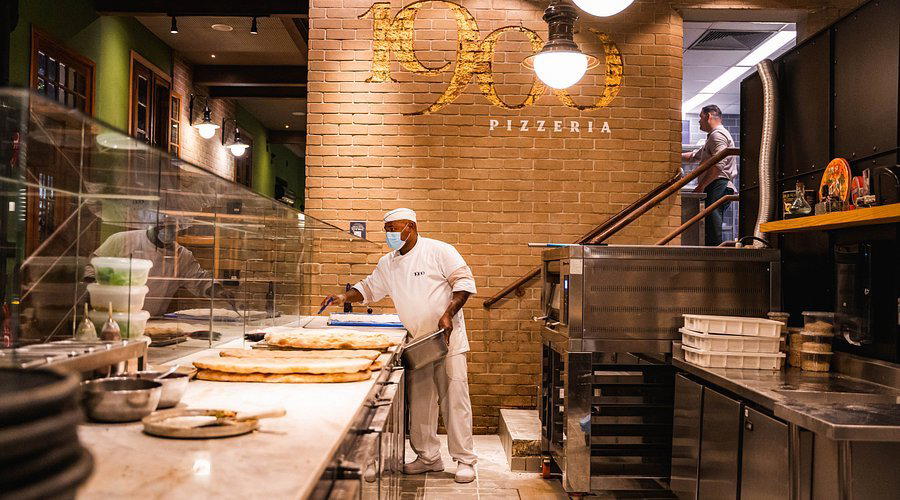
The Wood-Fired Foundations of São Paulo's Pizza Tradition
São Paulo has one of the largest Italian-descended populations of any city outside Italy, and its pizza culture reflects that inheritance in ways that diverge sharply from both Neapolitan orthodoxy and the American-style pies that dominate elsewhere. The city developed its own Paulistana style over decades, thin-crust, generously topped, and engineered for a shareable dining format that suits large family tables. That local style now sits alongside imported Napoletana traditions and Roman-influenced In Pala formats as São Paulo's pizzerias increasingly operate across multiple registers simultaneously.
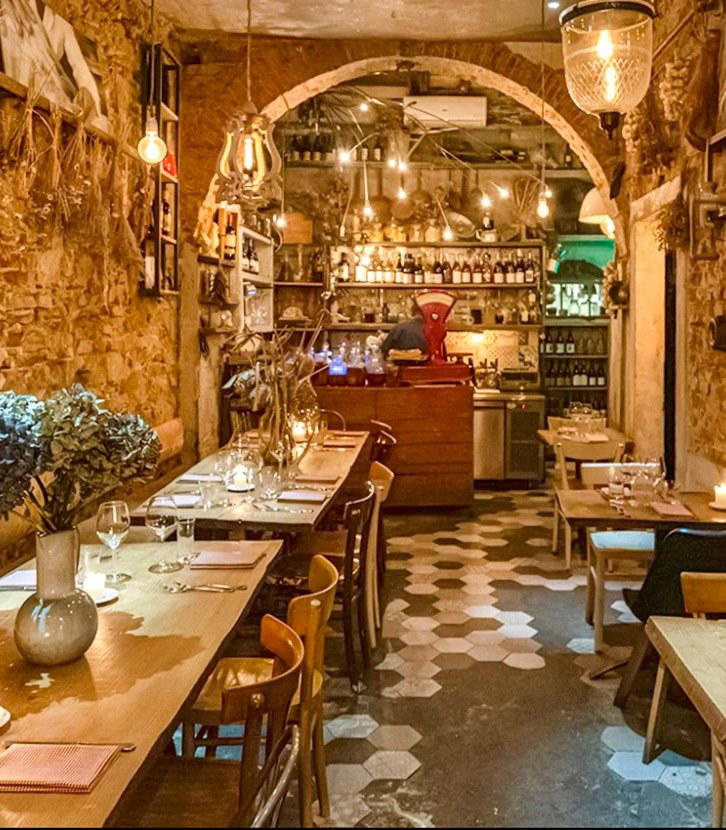
1900 Pizzeria, founded in 1983 in Vila Mariana by Giovanni Momo, arrived at an early point in that tradition's formation. The Vila Clementino address on Rua Estado de Israel sits within the same dense residential zone that shaped the original location. Approaching the space, what registers first is the weight of routine: regulars who know what they're ordering before they sit, the low-level percussion of a busy dining room mid-service, and the particular heat signature that spreads out from a wood-burning oven into a room where the ceiling absorbs forty years of smoke and seasoning.
Three Styles, One Oven: How the Format Works
The decision to operate across three distinct pizza traditions, Paulistana, In Pala, and Napoletana, reflects São Paulo's plural pizza audience. The Paulistana format, with its thin base and high topping density, represents the house dialect. The Napoletana style, characterised by high-hydration dough, leopard-spotted char, and a softer, more elastic crumb, requires a different oven temperature and a different timetable. In Pala, the Roman tray-baked format with a lighter, more open crumb structure, adds a third grammar to the kitchen's vocabulary.
Running all three with any consistency requires ingredient discipline that goes well beyond sourcing a single flour or a single tomato. The interaction between dough hydration, fermentation time, and oven temperature changes with each style, and the quality of the result depends substantially on how the raw materials behave before they meet heat. Flour protein content, mozzarella moisture levels, and the acidity of a tomato sauce all function differently depending on which format they're supporting. That technical context matters for understanding why 1900 Pizzeria's 2025 ranking of 14th on the 50 Leading World Artisan Pizza Chains list carries weight: that list measures consistency across artisanal production indicators, not just flavour impression on a single visit.
Ingredient Sourcing Inside São Paulo's Pizza Scene
Brazil's pizza supply chain has matured considerably since the 1980s. Domestic producers now supply buffalo mozzarella from herds concentrated in the São Paulo state interior, and Brazilian wheat milling has produced flour grades that support high-hydration doughs without the import premiums that once made Napoletana-style production economically marginal in the city. For a multi-location operation like 1900 Pizzeria, the sourcing question becomes structural: maintaining consistent dough character across locations requires either centralised production or rigorous standardisation of raw materials, and either approach places quality control at the supply level rather than purely at the oven level.
The wood-firing process itself is a sourcing question. Wood species, moisture content, and fire management affect both the thermal profile of the oven and the aromatic quality of the finished crust. A wood-fired oven running at proper Napoletana temperatures, typically above 450°C, requires wood that burns hot and clean. That's a supply chain decision that precedes any conversation about dough or toppings.
Placing 1900 in São Paulo's Wider Restaurant Order
São Paulo's full-service restaurant tier is dominated at its upper end by places like D.O.M. and Tuju, both operating with tasting menu formats and price points that place them in a different conversation from a pizza operation. Maní occupies a middle register where Brazilian-international creative cooking meets a more approachable format. The restaurant sits outside all of these competitive sets, it is not trying to compete with fine dining and its recognition comes from a different evaluative tradition, one focused on artisanal process, consistency, and the integrity of a specific food category.
The city's premium dining options, from Michelin-starred tasting menus to the kind of destination restaurants that appear on international lists like Le Bernardin in New York or Atomix, serve a different function in a trip than a well-executed pizza dinner in a neighbourhood setting. Both have a place. A meal at the restaurant is closer in spirit to understanding how São Paulo actually eats on a Tuesday night than to the kind of occasion dining its fine-dining peers represent.
Brazil's broader restaurant geography, from Lasai in Rio de Janeiro to Manu in Curitiba and Manga in Salvador, reflects how distinctly regional Brazilian cooking has become in recent years. São Paulo's Italian inheritance is as much a regional identity marker as Bahia's Afro-Brazilian food traditions. The pizza culture here is not an imitation of somewhere else; it is what happened when Italian technique met Brazilian ingredients, a Brazilian social dining format, and forty-plus years of local iteration.
Planning a Visit
The Vila Clementino location sits on Rua Estado de Israel, 240, a residential address in a neighbourhood south of Paraíso that is navigable by metro with a short walk from the Ana Rosa or Santa Cruz stations. For an operation with multiple São Paulo locations, it is worth confirming which branch leading suits your itinerary before heading out. The restaurant is walk-in friendly, and evenings may be busier at peak times.
Those planning travel beyond São Paulo may find it useful to cross-reference dining options in Campos do Jordão, Gramado, or Itacaré if the itinerary extends into the interior or coast.
Side-by-Side Snapshot
Comparable venues nearby, for context on price, style, and recognition.
| Venue | Cuisine | Price | Notes |
|---|---|---|---|
| 1900 PizzeriaThis venue — the venue you are viewing | Italian Pizza | $$ | Not listed |
| Unica Pizzeria | Neapolitan Pizza | $$ | Campo Belo |
| Di Bari Pizza | Artisanal Neapolitan-Style Pizzeria | $$ | Ipiranga |
| A Pizza da Mooca | Modern Neapolitan Pizza Pizzeria | $$ | Pinheiros |
| A Pizza da Mooca | Modern Neapolitan Pizza | $$ | Cambuci |
| Modern Mamma Osteria | Modern Italian Trattoria | $$$ | Pinheiros |
Recognition history
Dated appearances from independent guides and award organizations, with the underlying list record or original source where available.
50 Top Pizza 50 Top World Artisan Pizza Chains #11
50 Top Pizza
Continue exploring
More in São Paulo
Restaurants in São Paulo
Browse all →
Bars in São Paulo
Browse all →

At a Glance
- Classic
- Cozy
- Family
- Casual Hangout
- Group Dining
- Open Kitchen
Current opening hours
- Monday
- 6 PM–12 AM
- Tuesday
- 6 PM–12 AM
- Wednesday
- 6 PM–12 AM
- Thursday
- 6 PM–12 AM
- Friday
- 6 PM–12 AM
- Saturday
- 6 PM–12 AM
- Sunday
- 6 PM–12 AM
Hours can change for holidays and private events. Last verified .
Warm and family-friendly atmosphere with a nice setting, filled with families enjoying pizza dinners.