Kopi Per Hari occupies a modest address on Jl. Raya Krukut in the Limo district of Depok, operating in a neighbourhood where everyday coffee culture runs deeper than any single café's reputation. The name translates simply as 'coffee per day', a signal of intent rather than ambition, pointing toward the kind of place built around regular ritual rather than destination dining.
Pearl is the En Primeur Club membership app — saves, bookings, and concierge access live there. Same editors, same standards.
- Address
- Jl. Raya Krukut No.68, Krukut, Kec. Limo, Kota Depok, Jawa Barat 16512, Indonesia
- Phone
- +6285817083624
- Website
- linktr.ee
- Directions
- Get directions
 Saves & bookings on Pearl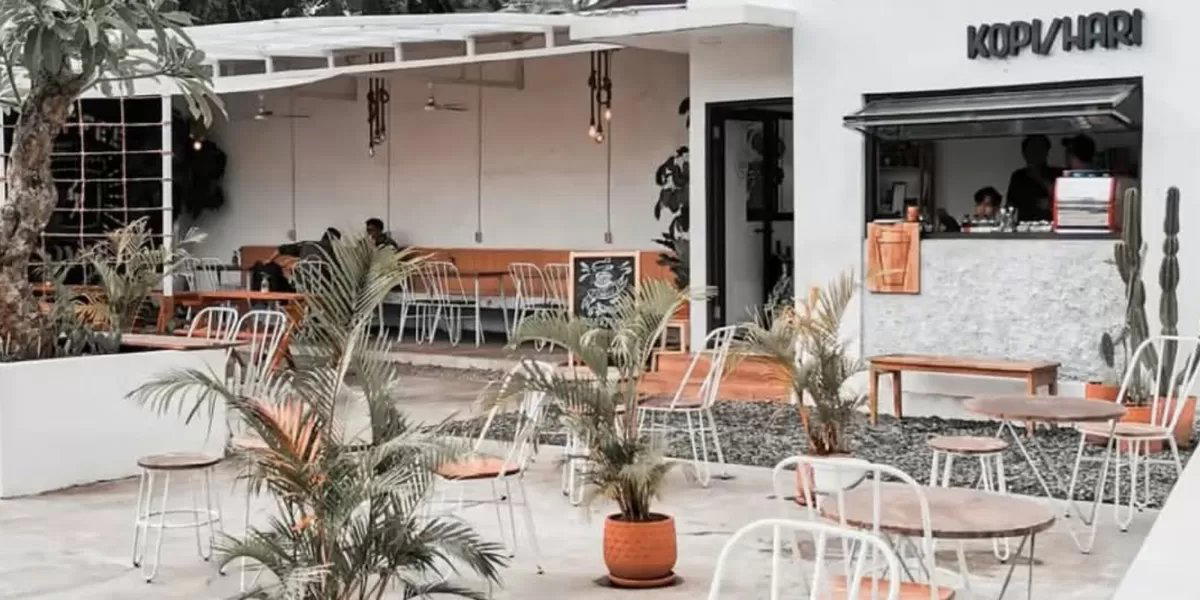
Where Depok's Daily Coffee Habit Takes Shape
The Limo district of Depok sits at the quieter southern fringe of Greater Jakarta's urban sprawl, where the density of shopping complexes and university corridors gives way to residential streets and the kind of low-key commercial strips that sustain neighbourhood life. It is in this context, away from the curated café corridors of South Jakarta or the specialty coffee clusters of Kemang and Senopati, that Kopi Per Hari operates on Jl. Raya Krukut. The address alone signals something: this is a neighbourhood café shaped by the rhythms of the surrounding area.
Indonesia's coffee culture has undergone a significant bifurcation over the past decade. On one side sits the specialty wave, single-origin Flores or Aceh beans, pour-overs served with tasting cards, and price points that reference cafés in Melbourne or Seoul. On the other sits the persistent, deeply rooted tradition of kopi kedai culture: strong, often sweetened, brewed in ways that prioritise consistency and familiarity over extraction science. Kopi Per Hari's name places it in conversation with the latter tradition. 'Per hari', per day, frames the offering as something meant to be returned to, not consumed as an event.
The Sourcing Question Behind Indonesian Coffee
Indonesia is the fourth-largest coffee producer in the world by volume, and the country's geographic spread, from Sumatra's wet-hulled Mandheling to the dry-processed beans of Flores and the distinctive terroir of Toraja, means that what a café chooses to source, and from where, defines its character more than almost any other single decision. The commodity-grade robusta that underpins much of Indonesian street coffee comes from Java and Lampung, offering the bitterness and body that local palates have been calibrated toward for generations. Specialty arabica from Aceh's Gayo highlands or from the volcanic soils around Kintamani in Bali occupies a different tier entirely, the kind of sourcing decision that connects a café to a global specialty conversation, as venues like Locavore NXT in Ubud have demonstrated by building their entire identity around Indonesian provenance.
For neighbourhood cafés in cities like Depok, the sourcing decision is less ideological and more practical. The question is whether a café is drawing from local roasters with traceable supply chains, from regional distributors working with estate producers, or from the large commercial suppliers that service most of the city's warung and kopi shops. Each choice produces a different cup and a different kind of relationship with the customer. The café that sources well but communicates that sourcing quietly, without menus that read like harvest reports, often builds a more durable local following than one that foregrounds provenance at the expense of accessibility.
The parallel is visible across Java's secondary cities. Agreya Coffee in Bogor, roughly in the same outer-Jakarta orbit as Depok, represents one model of how neighbourhood cafés in mid-sized Indonesian cities have begun threading specialty sourcing into formats that feel local rather than imported. The question for any café in Depok's Limo district is how much of that sensibility translates into a community that eats rice and tofu at lunch and wants coffee that costs less than a TransJakarta fare.
Neighbourhood Context and the Depok Dining Circuit
Depok's food scene is more layered than its reputation suggests. The city of roughly two million people supports a full range of formats, from the Japanese yakiniku chain presence at Hanamasa on Margonda to independent warung and local specialty operations scattered across its kecamatan. The Limo district, where Kopi Per Hari is located, sits to the southwest of the Margonda corridor, making it more of a residential-quarter option than a destination along the city's main commercial artery.
That positioning matters. Cafés and food spots anchored in residential quarters of Indonesian cities tend to build loyalty through consistency and through the social function they serve, a place to do university assignments, to meet a colleague, to eat something familiar before commuting. The competitive pressure is different from Margonda or Cinere's strip developments: here, a café competes less against other specialty venues and more against the warung kopi three doors down and the instant-noodle options at the nearest minimarket. For the broader Depok dining picture, our full Depok restaurants guide maps the range across the city's districts.
The comparison group for this kind of neighbourhood café in Indonesia is less the fine-dining end of the spectrum, where venues like Kita in Menteng or the hotpot chains at Hai Di Lao in Central Jakarta operate on entirely different economic assumptions, and more the everyday food infrastructure that most urban Indonesians actually navigate week to week.
What to Order and How to Visit
Specific dish recommendations cannot be confirmed. What the address and name suggest is a coffee-forward operation, likely serving kopi in formats familiar to Indonesian café culture, hitam, susu, and the kind of light food accompaniments (roti bakar, pisang goreng, or similar) that define the warung-café category. The physical address on Jl. Raya Krukut No. 68 places it on a main road in Limo, making it accessible by kendaraan pribadi or ojek from the surrounding residential areas. Walk-in service is standard here.
Visitors arriving from South Jakarta or the Depok city centre will find Limo reachable via the Cinere-Depok axis or through routes running southwest from Margonda. The café is not positioned as an evening destination, the café follows daily opening hours from 7 AM to 11 PM.
The Broader Indonesian Food Context
Indonesia's restaurant scene is generating serious international attention at the high end, with Bali drawing comparison visits from travellers who also book Bikini Restaurant in Badung or Jungle Fish in Gianyar, while cities like Yogyakarta sustain deep heritage food traditions through places like Gudeg Yu Djum. Bandung adds its own register with operations like Kunyit Restaurant, and the Chinese-Indonesian dining circuit runs through venues including Hwang Fu Dimsum in Tangerang and Chongqing Liuyishou Hotpot in South Jakarta. In that national context, neighbourhood kopi spots in Depok's outer districts represent the unglamorous but structurally essential layer of Indonesian food culture, the daily habit that most of the country actually lives inside.
Comparison Snapshot
Comparable venues nearby, for context on price, style, and recognition.
| Venue | Cuisine | Price | Notes |
|---|---|---|---|
| Kopi Per HariThis venue — the venue you are viewing | Indonesian Coffee House | $$ | Not listed |
| Hanamasa Margonda Depok | Japanese All-You-Can-Eat Yakiniku & Shabu-Shabu | $$ | Beji |
| Canary Restaurant | Indonesian | $$ | Pasar Minggu |
| Ipo | Indonesian Warung | $ | Tanakawu |
| Super Grain | Build-Your-Own Grain Bowls | $$ | Menteng |
| TRI DATU RESTOURANT | Indonesian Warung | $$ | Baturiti |

At a Glance
- Cozy
- Modern
- Trendy
- Casual Hangout
Current opening hours
- Monday
- 7 AM–11 PM
- Tuesday
- 7 AM–11 PM
- Wednesday
- 7 AM–11 PM
- Thursday
- 7 AM–11 PM
- Friday
- 7 AM–11 PM
- Saturday
- 7 AM–11 PM
- Sunday
- 7 AM–11 PM
Hours can change for holidays and private events. Last verified .
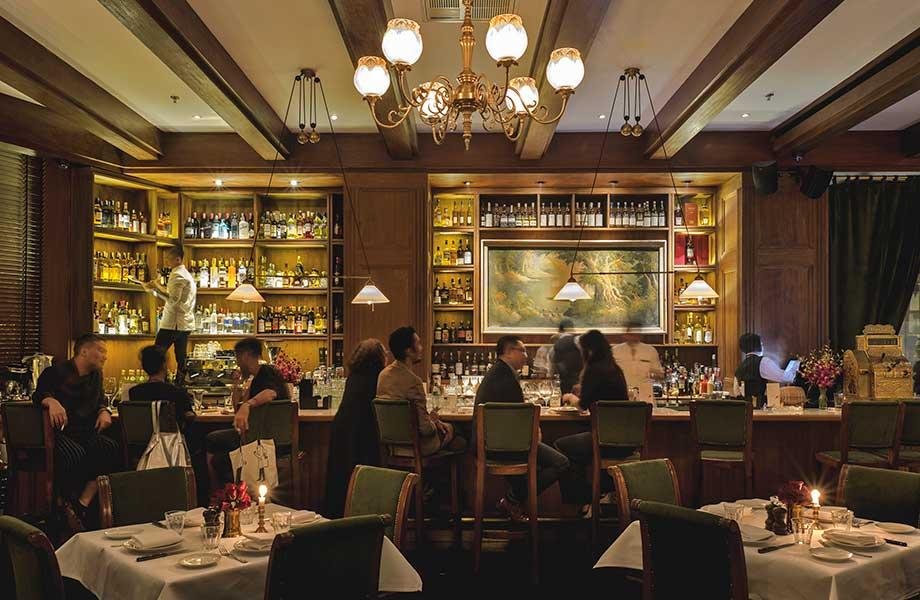
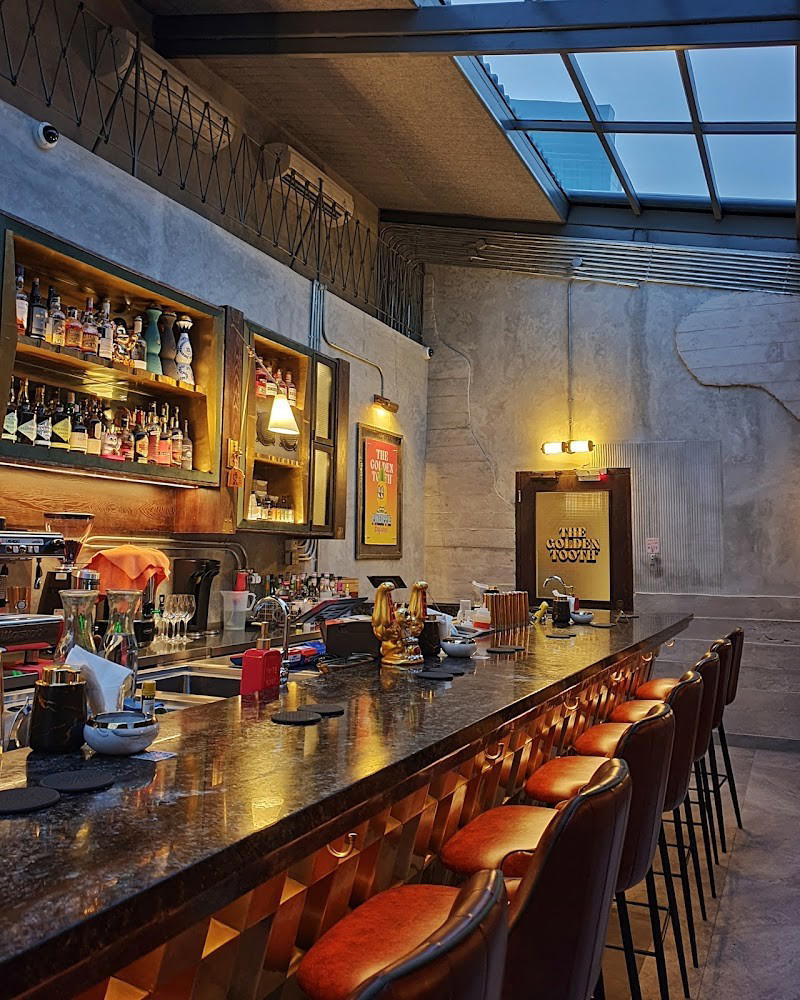
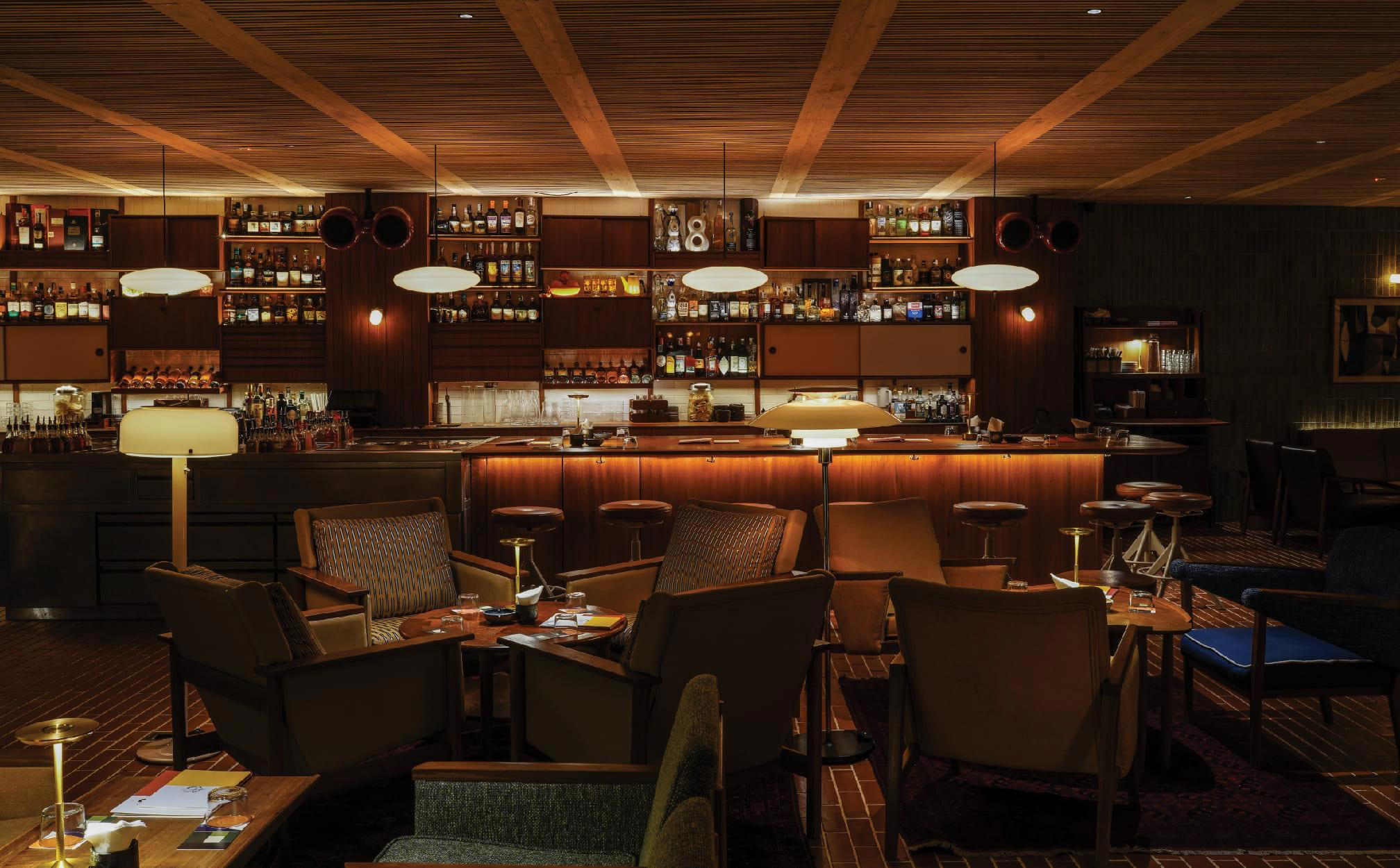
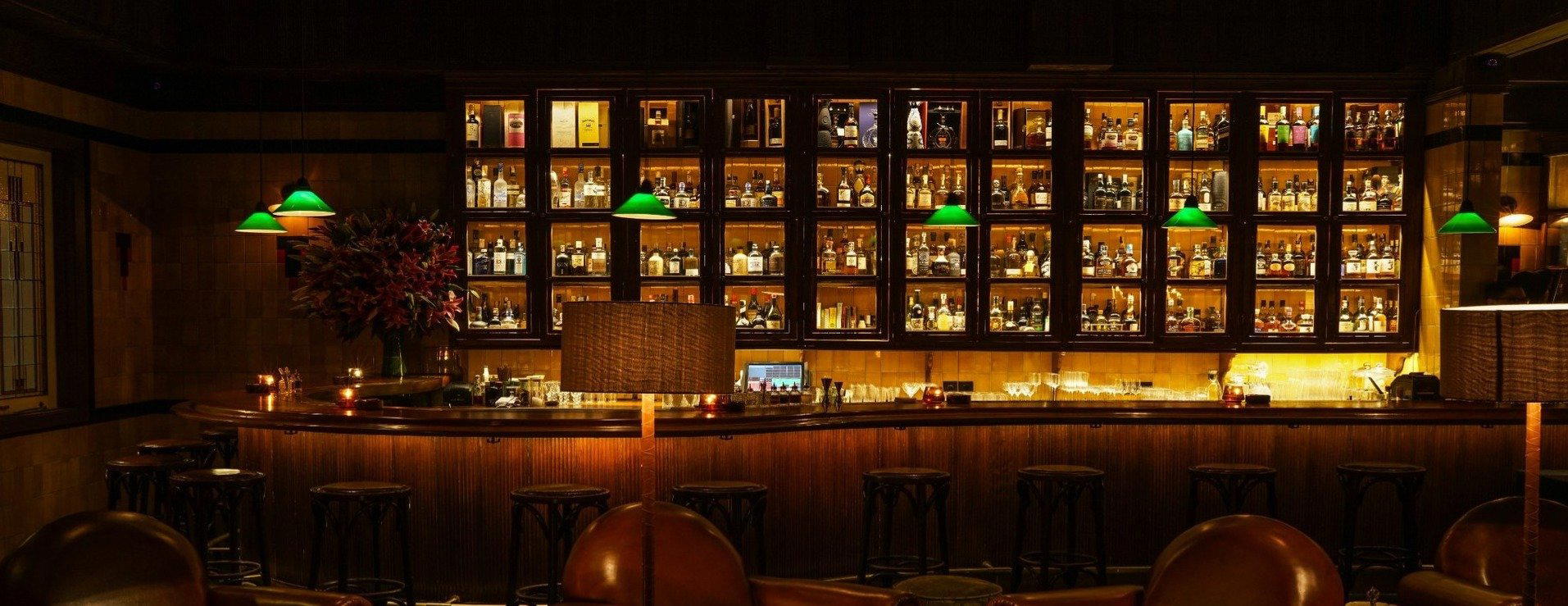
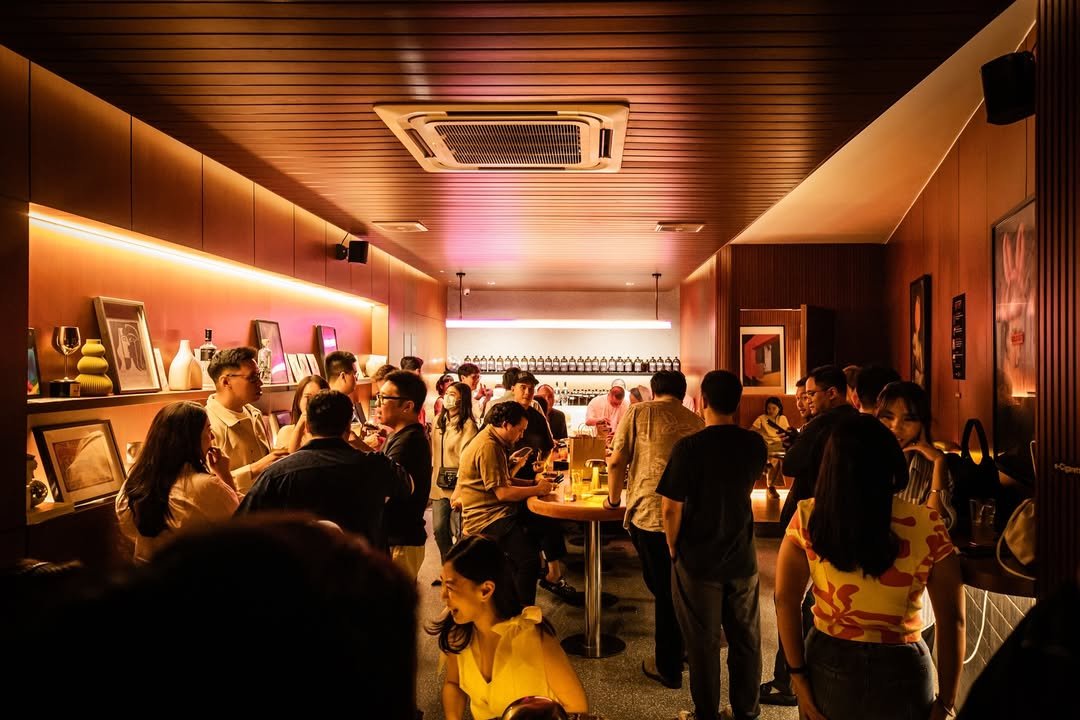
Cozy and inviting with Scandinavian-inspired indoor and outdoor spaces blending modern minimalism and natural elements.