Gudeg Yu Djum
Gudeg Yu Djum is one of Yogyakarta's most referenced addresses for gudeg, the slow-cooked jackfruit dish that defines Central Javanese cuisine. Located along Jalan Laksda Adisucipto east of the city centre, it draws locals and visitors who treat the dish not as a novelty but as a benchmark. The kitchen operates on tradition rather than reinvention, making it a reliable entry point into Yogyakarta's deeply rooted food culture.
Pearl is the En Primeur Club membership app — saves, bookings, and concierge access live there. Same editors, same standards.
- Address
- Jl. Laksda Adisucipto KM. 9 No. 6A, (Maguwohaarjo, barat Pasar Sambilegi), Yogyakarta, DI Yogyakarta
- Directions
- Get directions
 Saves & bookings on Pearl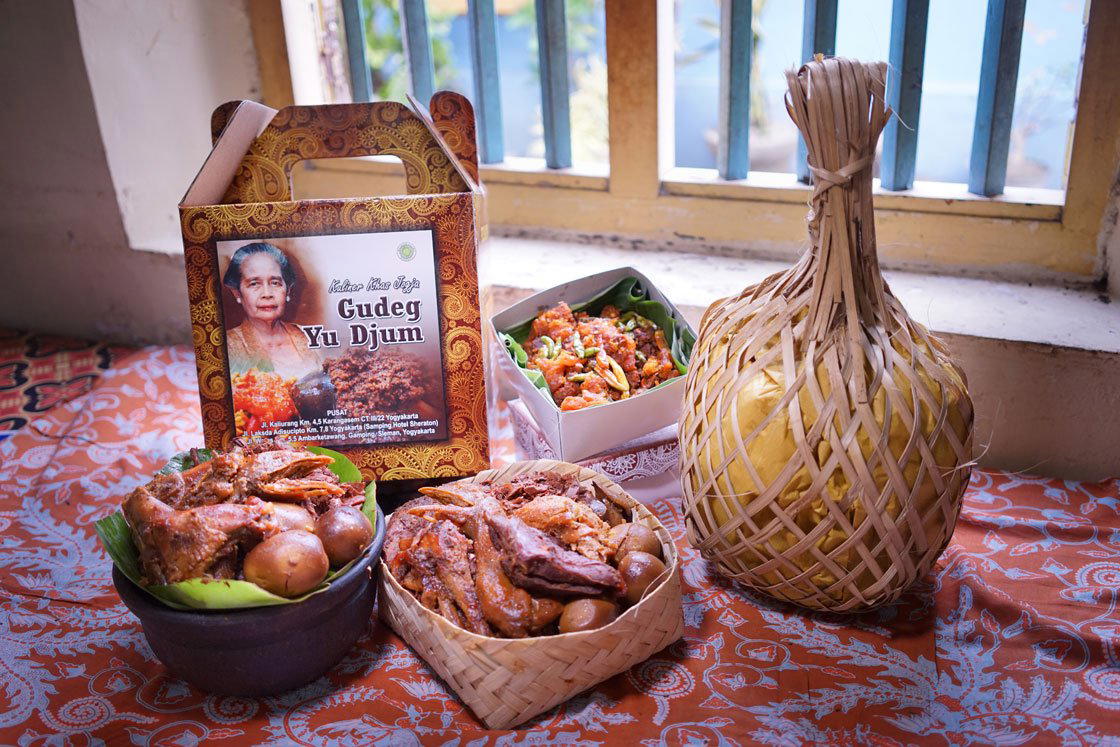
Where Jackfruit Becomes Architecture
Approaching Jalan Laksda Adisucipto on the eastern corridor out of Yogyakarta's centre, the strip reads as ordinary commercial Java: motorcycle repair shops, convenience stops, the occasional warung spilling plastic chairs onto the pavement. Gudeg Yu Djum is a restaurant in Yogyakarta serving Traditional Javanese Gudeg at a casual price point of about $3 per person. It sits among these without ceremony. There is no design intervention, no curated facade signalling what happens inside.
Gudeg, the dish that defines this address, is not a meal that photographs easily or explains quickly. It is jackfruit, young and unripe, cooked for hours in coconut milk and palm sugar with aromatics including galangal, bay leaf, and teak leaves, which give the finished product its characteristic brown-amber colour. The result is dense, subtly sweet, and deeply layered in a way that registers differently from the bright chilli heat that dominates much of Indonesian cooking. In the context of Central Javanese cuisine, it is the baseline, the reference point around which everything else is measured.
The Sourcing Logic Behind Slow-Cooked Tradition
Understanding what goes into gudeg requires understanding Central Java's agricultural calendar. Young jackfruit, harvested before the fruit matures and sweetens, is a seasonal ingredient tied to local growing cycles around Yogyakarta and the broader Kedu Plain to the west. The teak leaves used during cooking are not decorative; they contribute both colour and a mild tannin note that balances the palm sugar's sweetness. Palm sugar itself, produced from the sap of Arenga or coconut palms, varies meaningfully by region and producer, with Javanese varieties carrying a distinct earthiness that distinguishes them from the lighter palm sugars common in coastal cooking.
This is the ingredient reality behind what looks, on the surface, like a simple stall dish. The cooking time required, typically starting before dawn for morning service, means the dish is structurally inseparable from its sourcing chain. Shortcuts in ingredient quality show immediately in the final texture and depth of flavour. Addresses like Gudeg Yu Djum, which have maintained consistency across decades, are implicitly making sourcing decisions with each batch, even when those decisions are invisible to the diner.
For travellers moving between Indonesia's more internationally profiled food scenes, such as Locavore NXT in Ubud or August in Jakarta, the gudeg tradition in Yogyakarta offers a useful counterpoint. Where those kitchens make sourcing explicit and conceptual, the gudeg warung tradition embeds it invisibly into daily practice. The ingredient discipline is no less present; it simply does not announce itself.
Yogyakarta's Food Identity and Where Gudeg Sits Within It
Yogyakarta occupies a specific position in Indonesia's culinary geography. It is not a city where restaurant culture competes with street food; the two operate on parallel tracks, each with its own authority. The kraton, the Sultanate palace at the city's centre, has historically influenced Javanese court cuisine, including the sweet-leaning flavour profiles that distinguish Yogyakarta's cooking from the saltier, more pungent registers of Surabaya or the fiercer heat of Padang. Gudeg is one widely recognised expression of that court-influenced tradition in everyday food.
Within Yogyakarta's gudeg circuit, there is a tier of long-established names that function as benchmarks rather than novelties. These are not restaurants in the formal sense; they are production-focused kitchens that open when the food is ready and close when it is gone. The absence of a website or listed phone number for Gudeg Yu Djum is not an oversight; it reflects a category of operation that predates and operates independently of digital booking infrastructure. Arriving early matters. Midmorning visits often find the complete spread; by afternoon, the selection narrows as portions sell out.
Compared to more internationally positioned Indonesian dining, such as Nusantara By Locavore or the modernist Indonesian formats gaining traction in Jakarta, the gudeg tradition represents a different claim to seriousness. The authority comes from duration and repetition, not from technique innovation. That is a legitimate form of culinary credibility, and one that often goes underweighted by visitors conditioned to equate sophistication with formal dining formats.
What to Expect at the Table
The format at the restaurant follows the standard gudeg warung structure. Gudeg arrives as the centrepiece, accompanied by supporting elements that vary but typically include opor ayam (chicken in coconut milk), krecek (spiced buffalo skin), hard-boiled eggs cooked in the same palm sugar braise, and sambal goreng. Rice, white and simply cooked, anchors the plate. The combination of sweet gudeg with the richer, more savoury opor and the slight heat of krecek functions as a complete flavour system; each element moderates and amplifies the others.
This kind of composed accompaniment structure is worth noting for visitors arriving from other parts of Indonesia's food scene. It is not à la carte in any meaningful sense; you are eating a set of flavours designed to work together. Adjustments are possible, but the dish has an intended internal logic that rewards eating it as presented.
For practical planning, the address on Jalan Laksda Adisucipto places it roughly along the road connecting central Yogyakarta toward the airport. Arriving without a booking is standard; walk-in is the operating model.
Elsewhere in the archipelago, contrasting approaches to Indonesian tradition show up at addresses like Kunyit Restaurant in Bandung and Jamoo Restaurant in Surabaya, each operating within different regional food cultures.
Planning Your Visit
Getting to the restaurant requires a short ride east of the city centre along Jalan Laksda Adisucipto toward the Sambilegi market area. The address is accessible by ojek (motorcycle taxi), ride-hailing apps including Gojek and Grab, or private vehicle.
How It Stacks Up
Comparable venues nearby, for context on price, style, and recognition.
| Venue | Cuisine | Price | Notes |
|---|---|---|---|
| Gudeg Yu DjumThis venue — the venue you are viewing | Traditional Javanese Gudeg | $ | Not listed |
| Richeese Factory Tenggarong | Cheese Fried Chicken Fast Food | $ | Tenggarong |
| Saung Abah Ayam Bakar Bambu Bogor | Sunda Ayam Bakar Bambu | $ | Panaragan |
| Bakso Babi Alang-alang | Indonesian Pork Meatballs (Bakso Babi) | $ | Makale |
| Rijs Hanny's Kitchen | Sundanese Home-Style | $$ | Puncak |
| Warung Babi Guling Pak Malen | Balinese Babi Guling | $ | Seminyak |
Continue exploring
More in Yogyakarta
Restaurants in Yogyakarta
Browse all →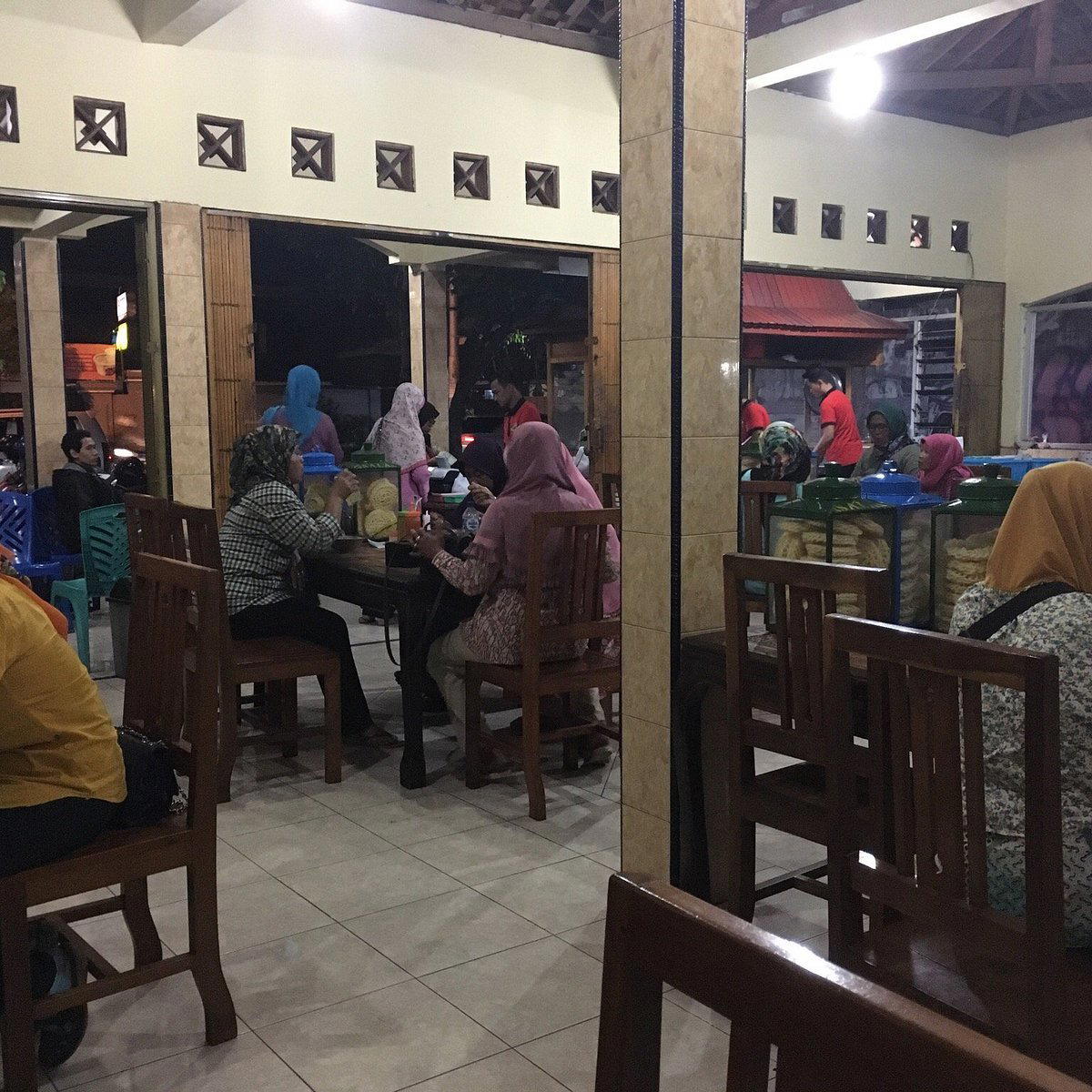



At a Glance
- Well Known
- Classic
- Family
- Casual Hangout
- Solo
- Standalone
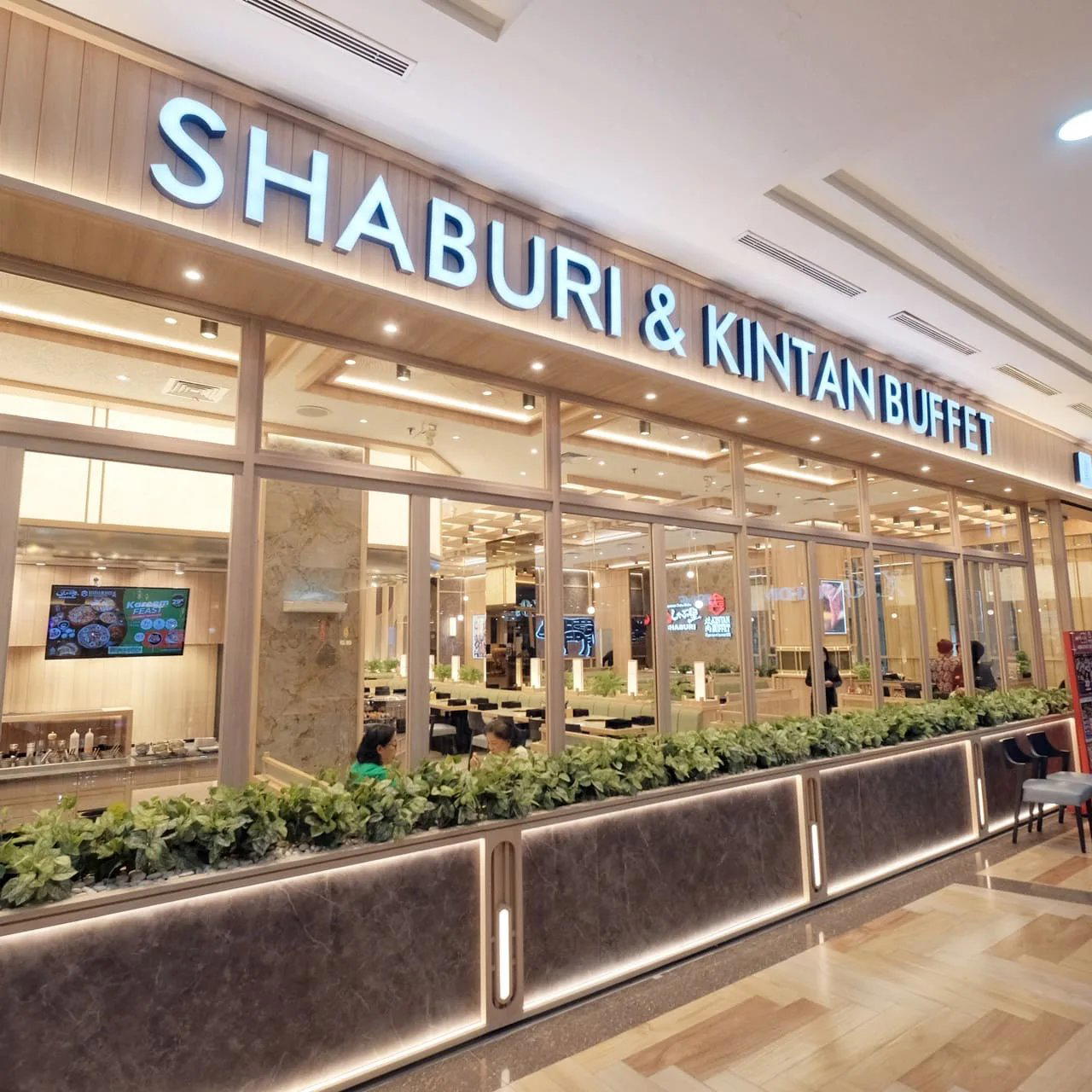
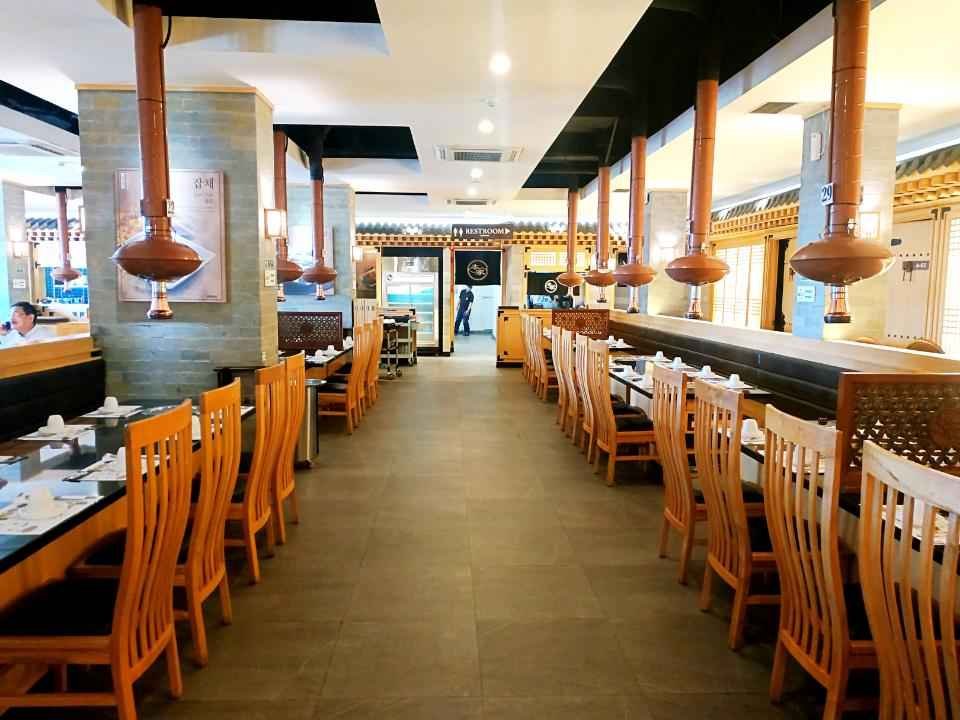
Casual, traditional Indonesian restaurant atmosphere focused on local comfort food rather than formal dining.