Our verdict
Super Grain sits on Level 3A of Grand Indonesia East Mall in Menteng, Jakarta, positioning itself within the city's growing appetite for grain-forward and health-conscious dining. The mall address places it inside one of Central Jakarta's most trafficked retail and dining destinations, where the competition for lunchtime and weekend covers is sharp and the diner profile skews urban professional.

Pearl is the En Primeur Club membership app — saves, bookings, and concierge access live there. Same editors, same standards.
- Address
- Grand Indonesia East Mall Lvl. 3A, Ménténg, Jakarta 10310
- Directions
- Get directions

The menu
What to order
- Grain bowls
- Salad bowls
- Rice bowls
Where Central Jakarta Eats When It's Thinking About What It Eats
Grand Indonesia East Mall is not a quiet destination. On any given weekend, the third floor draws a cross-section of Jakarta's urban middle class: young professionals, families navigating stroller logistics, and office workers from the surrounding Menteng and Sudirman corridors treating themselves to a sit-down lunch between errands. Level 3A, where Super Grain operates, sits within that current. The dining floor here is less a food court and more a curated row of concepts, each competing not just on price or speed but on the story they tell about what's on the plate.
The broader context matters. Jakarta's mall dining scene has matured considerably over the past decade. What once defaulted to fast-casual chains and international franchises now hosts concepts with real culinary intent, responding to a diner base that has travelled, read menus in other cities, and returned with different expectations. Super Grain occupies this newer wave, where the name itself signals an orientation: grains, in their many forms, as the anchor of a menu rather than a side note.
The Sourcing Argument Behind a Grain-Forward Menu
Across Indonesian and Southeast Asian dining more broadly, the move toward grain diversity is not simply a wellness trend imported from Western markets. It reconnects, in part, with agricultural traditions that predate the dominance of polished white rice. Varieties of red rice, black rice, sorghum, millet, and locally grown ancient grains have always existed in the archipelago's farming regions; the shift at restaurants like Super Grain is one of visibility and positioning, bringing those ingredients to a mall-floor audience that might otherwise encounter them only in heritage or village contexts.
This sourcing orientation carries practical implications for what ends up in a bowl or on a plate. Grain diversity means suppliers drawn from a wider and often more regional network than a standard rice-and-noodle kitchen would require. It also means the menu is shaped by what's available and seasonally viable, which tends to produce a more honest relationship between ingredient and dish than menus built around year-round consistency at any cost. For diners tracking where their food comes from, that provenance chain is part of what the name promises.
August in Jakarta operates at a higher price tier with a tasting-menu format and a strong local-sourcing philosophy that has drawn regional attention. Locavore NXT in Ubud has taken that sourcing argument to its logical extreme, with a hyper-local Balinese ingredient focus that has attracted international recognition. Super Grain works within a more accessible register, but the underlying question it asks of the kitchen — what do you do when grains are the protagonist, not the backdrop — is the same one those higher-end programs have been answering at greater length.
The Mall Dining Format and What It Demands
Mall dining in Jakarta operates under pressures that fine dining does not. Turnover expectations, ambient noise levels, and the visual competition of a busy retail floor all shape the experience before the food arrives. Super Grain's positioning on Level 3A of Grand Indonesia East Mall means it draws from foot traffic as much as from destination seekers, and that dual audience requires a format that reads quickly on approach: a clear menu logic, a defined aesthetic, and a price point that communicates value to someone who wandered over from a neighboring shop as readily as to someone who planned the visit.
This is not a criticism of the format. Some of Jakarta's most interesting food has always lived inside malls, and the city's geography, traffic, and climate make the mall a rational dining environment rather than a compromise. The question for any concept in this setting is whether the food holds up against the distractions. For a grain-focused concept, where the cooking technique and ingredient sourcing are central to the offer, the answer depends on how much of that sourcing story survives the translation from kitchen intent to tray or table. The Menteng dining corridor more broadly, including spots like Kita Restaurant and Bar nearby, shows that the neighborhood has an appetite for concepts with genuine culinary thinking, even in accessible formats.
For reference on how grain and health-conscious dining plays out at different price tiers across Indonesia, Kynd Community in Bali offers a useful comparison: a plant-forward concept that has built a following on ingredient transparency and format clarity in a similarly accessible setting. The lesson from that model is that sourcing credibility and casual format are not mutually exclusive, provided the menu communicates its logic without requiring the diner to do research.
Menteng and the Broader Jakarta Dining Scene
Menteng is one of Central Jakarta's older and more established residential and commercial districts. Its dining scene mixes long-running local institutions with newer concepts that have migrated toward the Grand Indonesia corridor. The area benefits from proximity to the central business district while retaining a neighborhood character distinct from the newer Senopati or SCBD clusters to the south. For a comprehensive view of what's worth eating and drinking in the area, our full Menteng restaurants guide maps the options across formats and price tiers.
Jakarta's wider dining story in 2024 and beyond involves a continued diversification of concepts beyond the city's traditional Chinese-Indonesian, Japanese, and Western strongholds. Regional Indonesian cuisines are getting more attention, as are ingredient-led formats that ask diners to engage with provenance rather than just flavor. This is the current Super Grain enters, where the name is also a kind of editorial position: a claim that grains deserve more thought than they typically receive on a Jakarta menu. How that claim lands depends on execution, and execution in a mall-floor concept is visible in the daily details of sourcing consistency, cooking method, and the clarity of what arrives at the table.
For those tracking the Jakarta and broader Indonesian dining scene, comparable sourcing-led conversations are happening at different scales and formats: Bikini Restaurant Bali and Jungle Fish Bali in Gianyar reflect the Bali side of Indonesia's ingredient-conscious dining shift, while Kunyit Restaurant in Bandung and Gudeg Yu Djum in Yogyakarta anchor the heritage end of the spectrum. Super Grain operates in a different register from all of them, but the conversation about where Indonesian food comes from and how it should be handled connects across all these contexts.
Planning Your Visit
Super Grain is located on Level 3A of Grand Indonesia East Mall in Menteng, Central Jakarta (Jl. MH Thamrin No. 1). Grand Indonesia is accessible from the Bundaran HI MRT station, making it one of the more transport-accessible dining destinations in Central Jakarta. Mall hours govern the operating window, and the weekend lunch period is the highest-traffic slot on the third floor. Walk-in dining is the standard format for mall-level concepts in this tier, though the peak weekend crowd on the Grand Indonesia dining floor means arriving before or after the midday rush produces a more comfortable experience. Contact details and current menu information are best confirmed directly with the venue or via the mall's directory.
Frequently asked questions
Is Super Grain good for families?
Grand Indonesia East Mall's third floor is a high-traffic, family-oriented destination on weekends, and Super Grain fits that context. The grain-forward menu format tends to offer enough variety to accommodate different preferences across age groups. The mall setting provides easy access, including parking and surrounding amenities, which makes a family outing practical.
Is Super Grain formal or casual?
Super Grain operates in a mall dining format on Level 3A of Grand Indonesia East Mall in Menteng, which sets the register firmly casual. Expect counter or table service in a busy commercial environment rather than a structured fine-dining sequence. The focus is the food concept, not ceremony.
What makes Super Grain different from other healthy-eating spots in Jakarta's Grand Indonesia Mall?
Super Grain's point of difference within Jakarta's mall dining circuit is its explicit focus on grain diversity, drawing on Indonesian and broader Southeast Asian grain traditions rather than defaulting to Western wellness bowl formats. Located on Level 3A of Grand Indonesia East Mall in Menteng, the venue positions itself within a broader regional movement toward ingredient-led, grain-centred menus that engage local sourcing arguments rather than imported health trends.
What do people recommend at Super Grain?
The venue's grain-forward positioning suggests the core menu revolves around dishes built around diverse grain bases rather than conventional white rice or wheat staples. Specific dish recommendations are best confirmed directly at Level 3A, Grand Indonesia East Mall, as menu details are subject to change.
Where is Super Grain located?
Super Grain is located at Grand Indonesia East Mall Lvl. 3A, Ménténg, Jakarta 10310, Menteng.
Is Super Grain reservation-only?
Mall-format restaurants in Jakarta, including those on the busy third floor of Grand Indonesia East Mall, typically operate as walk-in venues rather than reservation-required counters. During peak weekend hours at Grand Indonesia, wait times can be expected given the location's foot traffic. Contacting the venue directly via the mall's directory is the most reliable way to confirm current policy.
Fast Comparison
| Venue | Cuisine | Price | Awards | Notes |
|---|---|---|---|---|
| Super GrainThis venue — the venue you are viewing | Healthy Grain Bowls | $10–20 | Not listed | Not listed |
| Mozaic | Modern Indonesian-European Fine Dining | $200–300 | La Liste Top Restaurants · Les Grandes Tables du Monde Member | French |
| Nusantara By Locavore | Modern Indonesian Regional | $20–30 | Not listed | Indonesian |
| Ibu Oka | Balinese Babi Guling | $1–10 | Not listed | Balinese |
| Room 4 Dessert | Dessert-Focused Tasting Menu | $50–100 | La Liste Pastry: Pastry Game Changer Award · Tatler Listed in Best Restaurants Asia-Pacific | Dessert |
| Locavore NXT | Hyper-Local Modern Indonesian Tasting | $100–150 | World's 50 Best #44 · La Liste Top Restaurants | Indonesian |
Details
- Casual
- Modern
- Cozy
- Casual Hangout
- Solo
- Group Dining
- Standalone
- A La Carte
- Vegetarian Friendly
- Halal
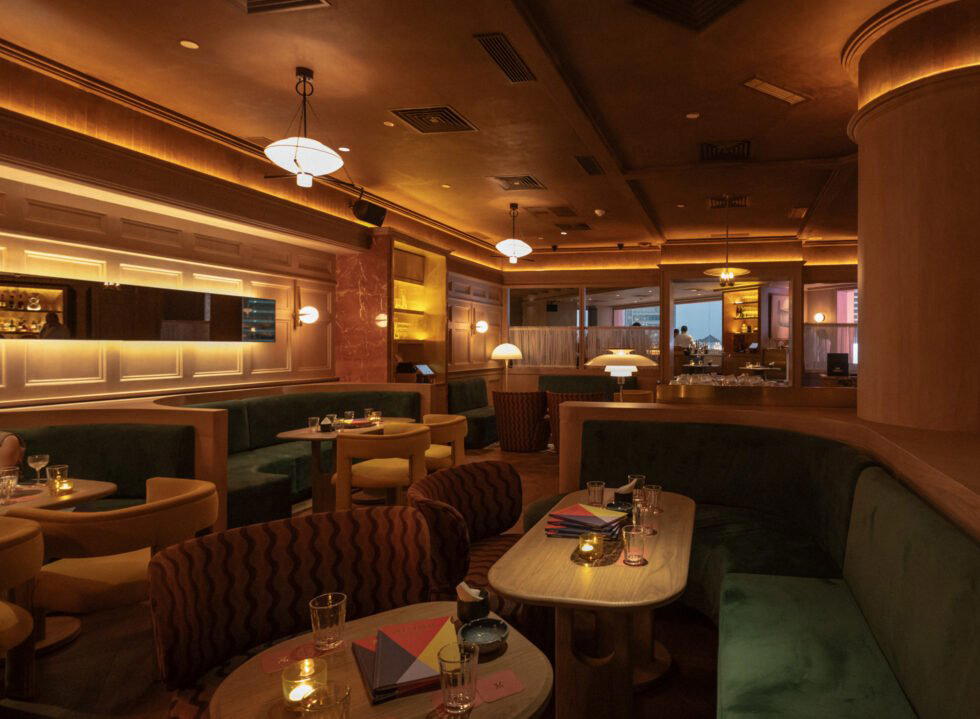
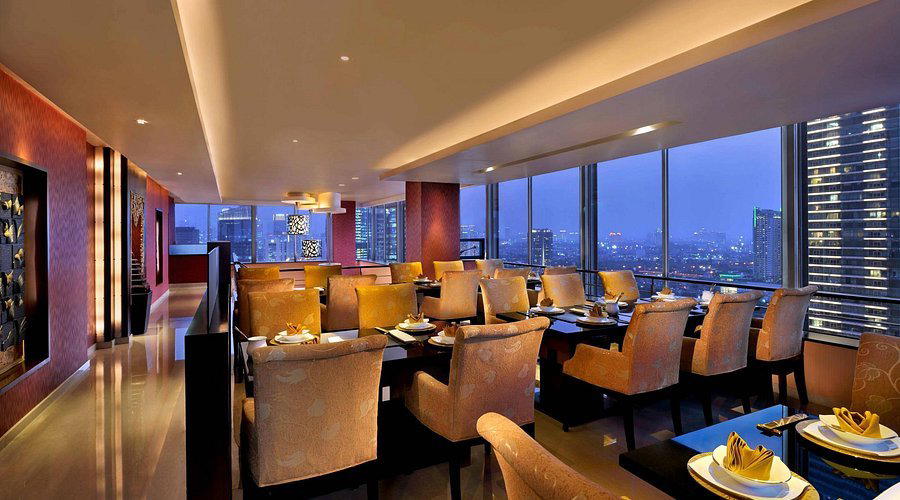
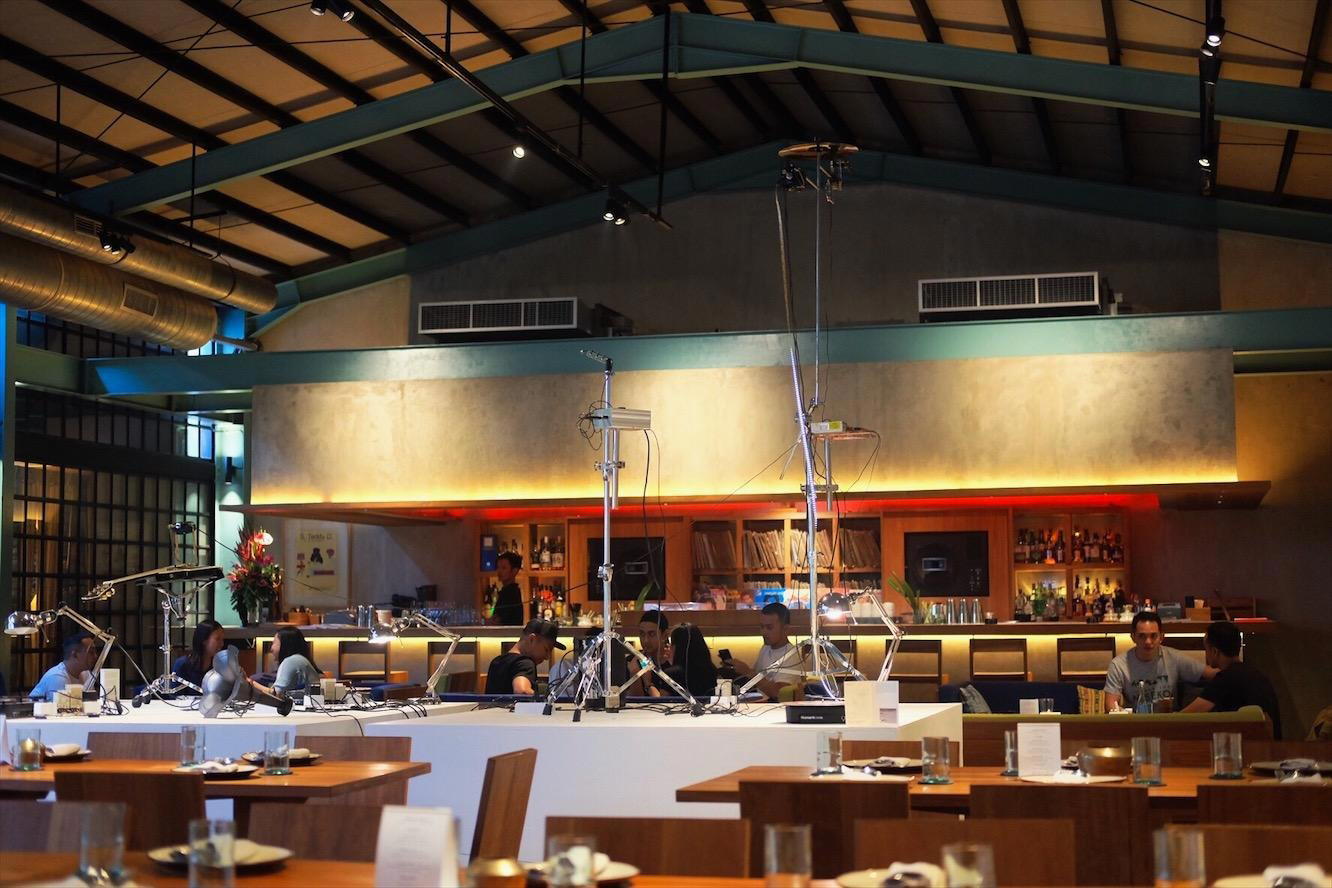
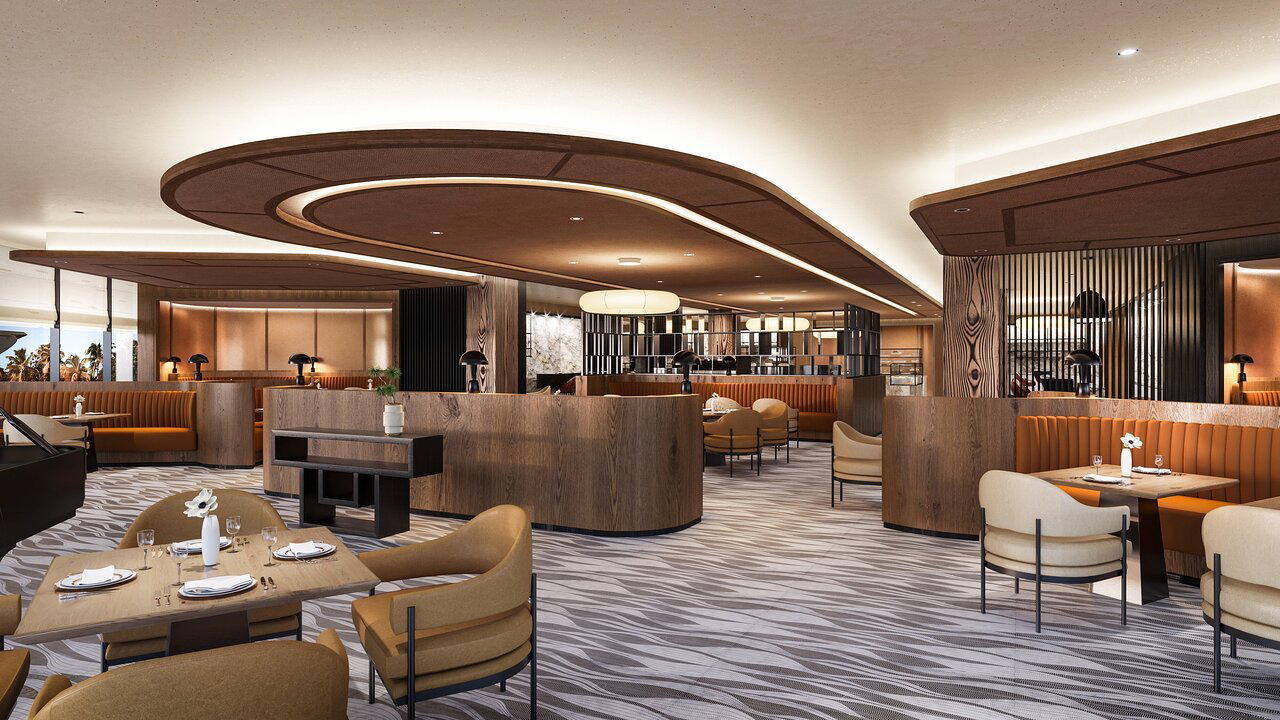
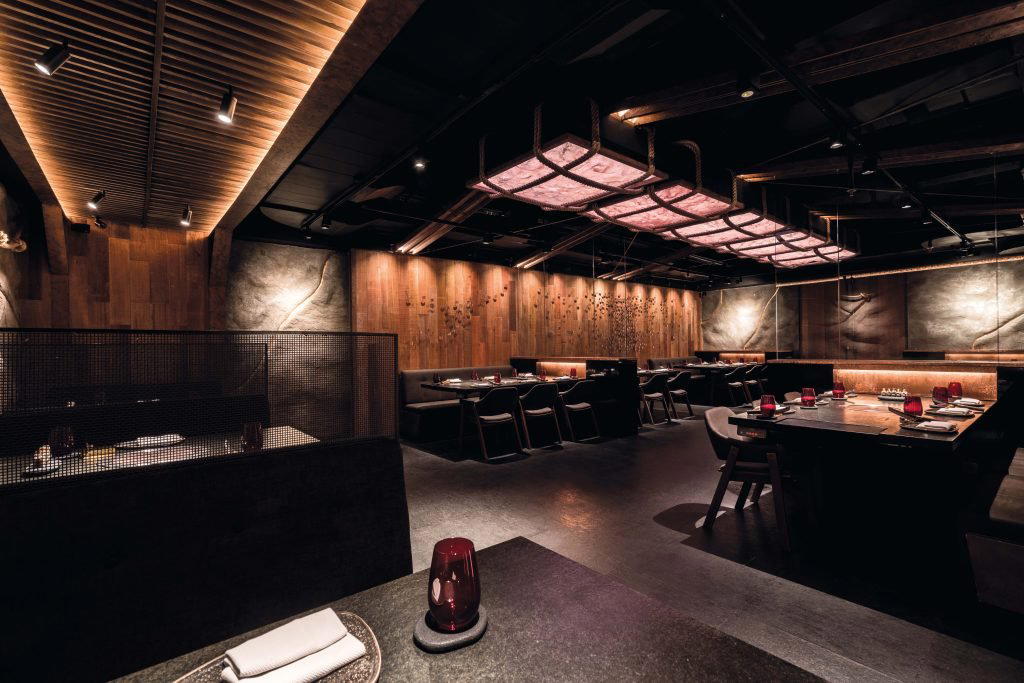
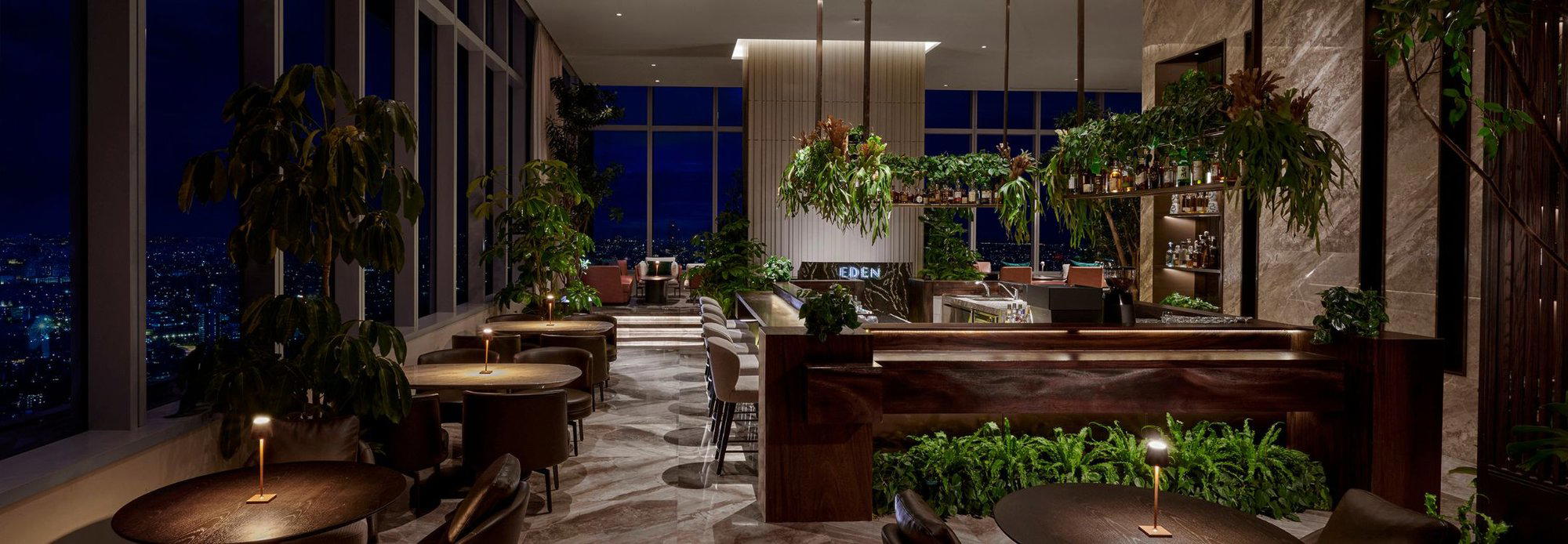
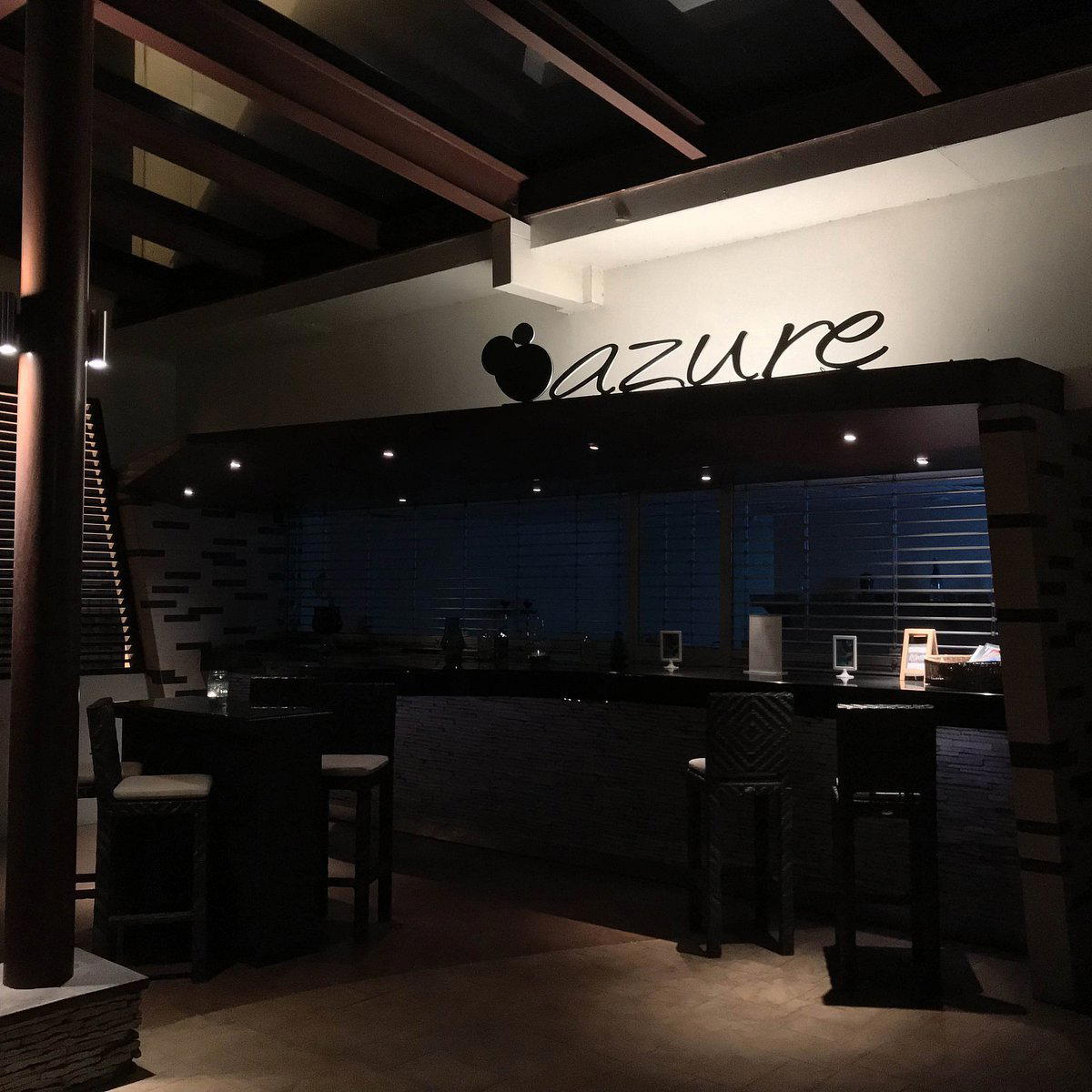
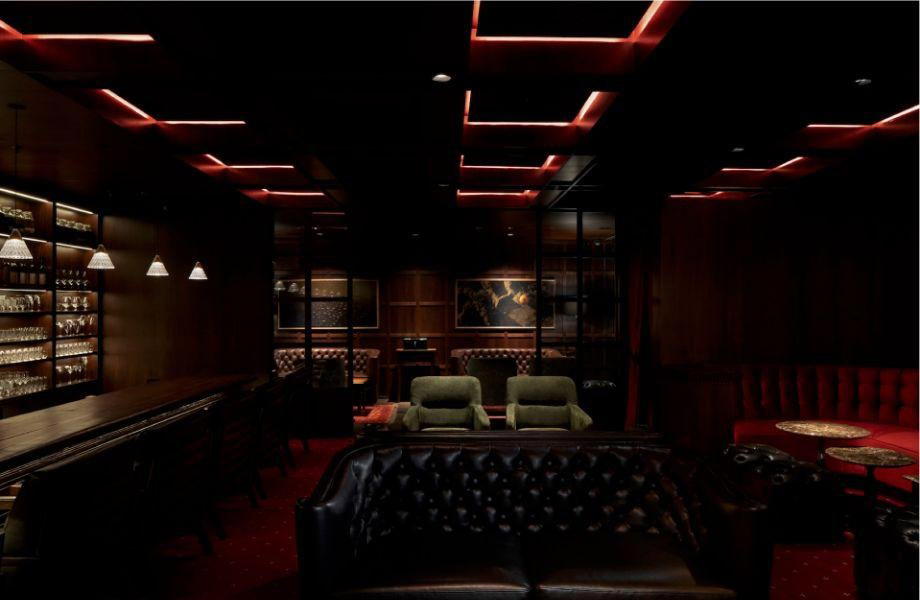
Casual, health-conscious, and conversational with a simple mall-restaurant atmosphere.