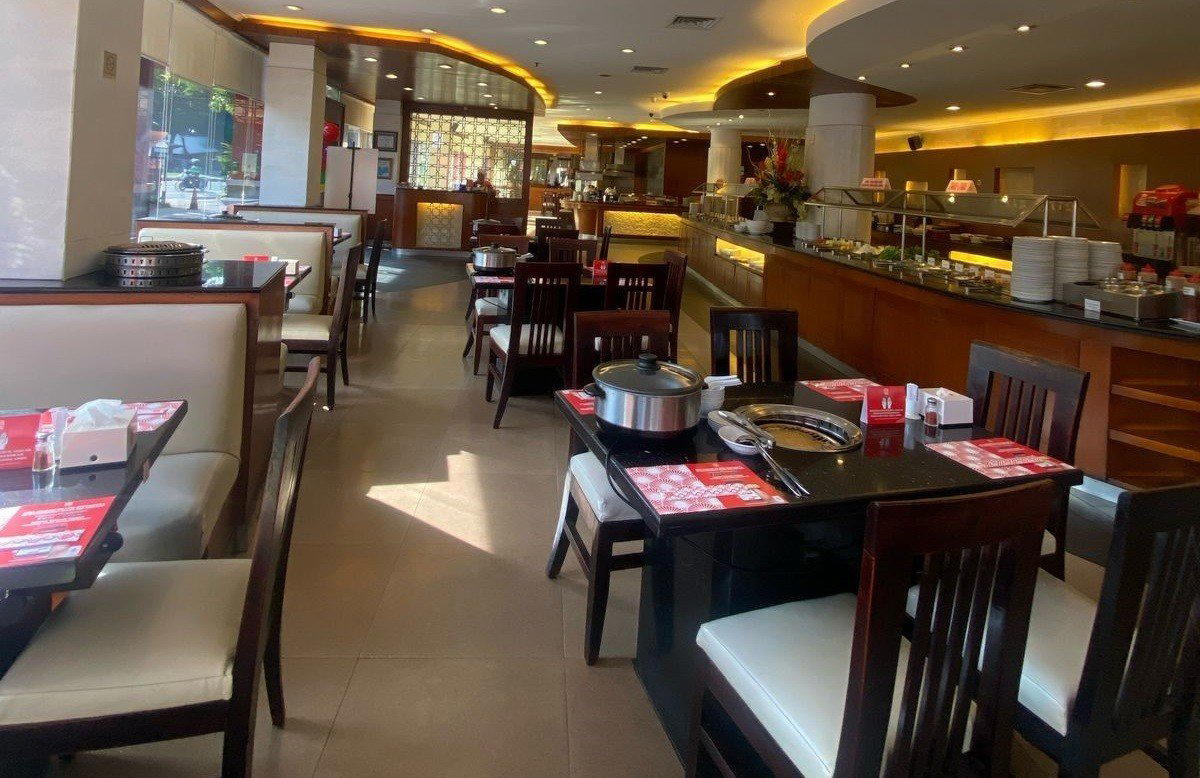
Hanamasa Margonda Depok sits on Jalan Margonda Raya, one of Depok's main commercial corridors, serving the all-you-can-eat yakiniku and shabu-shabu format that made the Hanamasa chain a fixture of Indonesian dining. The format suits family groups and large tables, with a broad protein and vegetable selection grilled or simmered at the table. For context on Depok's broader restaurant scene, see our full guide.
- Address
- Jl. Margonda No.223, Kemiri Muka, Kecamatan Beji, Kota Depok, Jawa Barat 16423, Indonesia
- Phone
- +622177804440
- Website
- hanamasaresto.com
- Directions
- Get directions
The All-You-Can-Eat Tradition and Its Place in Indonesian Dining
In Indonesian cities outside Jakarta's central dining districts, the all-you-can-eat format has long served a specific social function: it removes per-item anxiety from group meals, makes the table the focal point rather than the menu, and turns eating into an extended communal activity rather than a transaction. Hanamasa Margonda Depok is a Japanese all-you-can-eat yakiniku and shabu-shabu restaurant in Depok, priced at about $15 per person. The Margonda branch on Jalan Margonda Raya sits within walking distance of Universitas Indonesia and along a corridor dense with mid-range commercial dining, placing it squarely in the price tier and format most relevant to the student and family demographics that define this part of Kota Depok.
The yakiniku and shabu-shabu combination that Hanamasa standardised across its Indonesian network draws on two distinct Japanese traditions: grilled meat cooked tableside over a charcoal or gas grate, and thin-sliced protein simmered in a communal broth. Both formats arrived in Indonesia through the commercial dining boom of the late twentieth century, filtered through local taste preferences and price expectations. What the Hanamasa network did was package those formats into a predictable, scalable experience that could anchor a mall food court or a standalone shophouse unit on a busy arterial road. The Margonda location reflects that blueprint.
Margonda Raya and What the Corridor Tells You
Jalan Margonda Raya is Depok's principal commercial spine, running from the Pondok Cina commuter rail station southward through the city's busiest retail and food strip. The road's character is shaped by the proximity of Universitas Indonesia's Depok campus and the density of residential catchment areas feeding into it from Beji, Kemiri Muka, and surrounding kecamatan. That demographic mix creates consistent demand for mid-range dining formats that can absorb large groups without per-head bill anxiety, which is precisely the market the all-you-can-eat category serves most efficiently here.
For those approaching from Jakarta, the Pondok Cina KRL commuter line stop places Margonda's dining strip within reach without the need for a private vehicle, though traffic on the road itself during peak evening hours runs slow enough that timing matters. The address at No. 223 sits within the Kemiri Muka administrative area of Kecamatan Beji.
The Format in Context: What All-You-Can-Eat Yakiniku Actually Is
The yakiniku tradition in Japan emerged as a Korean-influenced grilling culture that was absorbed, systematised, and eventually exported back through East and Southeast Asia in commercial form. In its premium Japanese incarnation, the format involves high-grade cuts, careful sourcing, and tableside grilling as a considered ritual. In its Indonesian commercial iteration, the emphasis shifts from provenance to volume and variety: a wide selection of proteins, seafood, and vegetables served in unlimited rotation, with dipping sauces and broth options calibrated to local palates.
The shabu-shabu component follows a parallel logic. Where high-end shabu counters in Tokyo or the premium end of Indonesian dining in Jakarta invest in broth quality and wagyu-grade protein, the chain format prioritises accessibility and throughput. The two formats combined under one roof and one flat price point have made the Hanamasa model durable across Indonesian cities for decades. Comparable hotpot formats elsewhere in Indonesia's dining scene include Chongqing Liuyishou Hotpot in South Jakarta and Hai Di Lao in Central Jakarta, both of which operate at a different price and experience tier than the Hanamasa chain model but reflect the same appetite for interactive tableside cooking in Indonesian urban dining.
Across Indonesia's broader dining scene, the range of formats and registers is wide. At the fine-dining end, August in Jakarta and Locavore NXT in Ubud represent the investment-grade end of the spectrum, where tasting menus and sourcing credentials define the proposition. Further afield, restaurants like Bikini Restaurant Bali in Badung and Jungle Fish Bali in Gianyar operate in tourist-facing casual formats. The Hanamasa model sits at a different point on that range entirely: community-facing, price-accessible, and built for repeat local use rather than destination dining.
Japanese-Influenced Dining in Indonesian Cities
Japanese food culture has had a sustained commercial presence in Indonesian urban dining since the 1980s, first through premium sushi bars and ramen shops in Jakarta's business districts, and later through the chain-format models that reached secondary cities. Depok's position as a satellite city of Jakarta means it received the second wave: commercial Japanese dining rather than the artisanal or premium variety. That pattern holds across similar Indonesian cities. For a sense of how Japanese-influenced formats translate at the more specialist end elsewhere, Kimukatsu Manado Town Square in Manado City offers a point of comparison, while Kita Restaurant and Bar in Kecamatan Menteng represents the Jakarta end of Japanese-influenced dining.
The cultural roots of yakiniku and shabu-shabu in Indonesia are worth understanding separately from their Japanese origins. Both formats were adopted and adapted by Indonesian diners over several decades, and what the market absorbed was not the full cultural context of either tradition but rather the communal, interactive eating ritual at their core. That ritual resonates strongly with Indonesian dining culture, where the shared table, the extended meal, and the social function of food are central rather than incidental. The all-you-can-eat format amplifies those values by removing the constraint of individual ordering.
For contrast with Indonesian regional cuisine's own traditions of communal eating, Gudeg Yu Djum in Yogyakarta and Kunyit Restaurant in Bandung show how local culinary identity operates at the city level across West and Central Java.
Planning Your Visit
Hanamasa Margonda is located at Jl. Margonda No. 223, Kemiri Muka, Kecamatan Beji, Kota Depok, Jawa Barat 16423. Phone, hours, and booking information are not listed in the record. The format is self-service in the sense that the all-you-can-eat model is well-understood by Indonesian diners and requires minimal orientation for first-time visitors familiar with similar chains. Those arriving from Jakarta should account for road conditions on Margonda Raya, which can be slow during afternoon and evening peaks.
For broader context on dining across the region, Hwang Fu Dimsum in Tangerang, Agreya Coffee Bogor in Bogor, and Kynd Community in Bali represent the range of formats and cities covered in our Indonesia editorial. And for a sense of how the world's upper-tier dining rooms operate at the other end of the formality spectrum, Le Bernardin in New York City and Atomix in New York City offer useful reference points.
Booking and Cost Snapshot
Comparable venues nearby, for context on price, style, and recognition.
| Venue | Cuisine | Price | Notes |
|---|---|---|---|
| Hanamasa Margonda DepokThis venue — the venue you are viewing | Not listed | $$ | Not listed |
| Kopi Per Hari | Krukut, Indonesian Coffee House | $$ | Not listed |
| Hachi Grill Ampera | Not listed | $$ | Ragunan, Japanese Yakiniku & Shabu-Shabu All-You-Can-Eat |
| Kotei Restaurant Air Mancur | Bogor, Japanese Sushi & Beverages | $$ | Not listed |
| Gurēsu | Bangka, Modern Japanese Omakase | $$ | Not listed |
| Sushi Masa | Not listed | $$$ | Penjaringan, Premium Japanese Omakase & Sushi |

At a Glance
- Lively
- Group Dining
- Family
- Casual Hangout
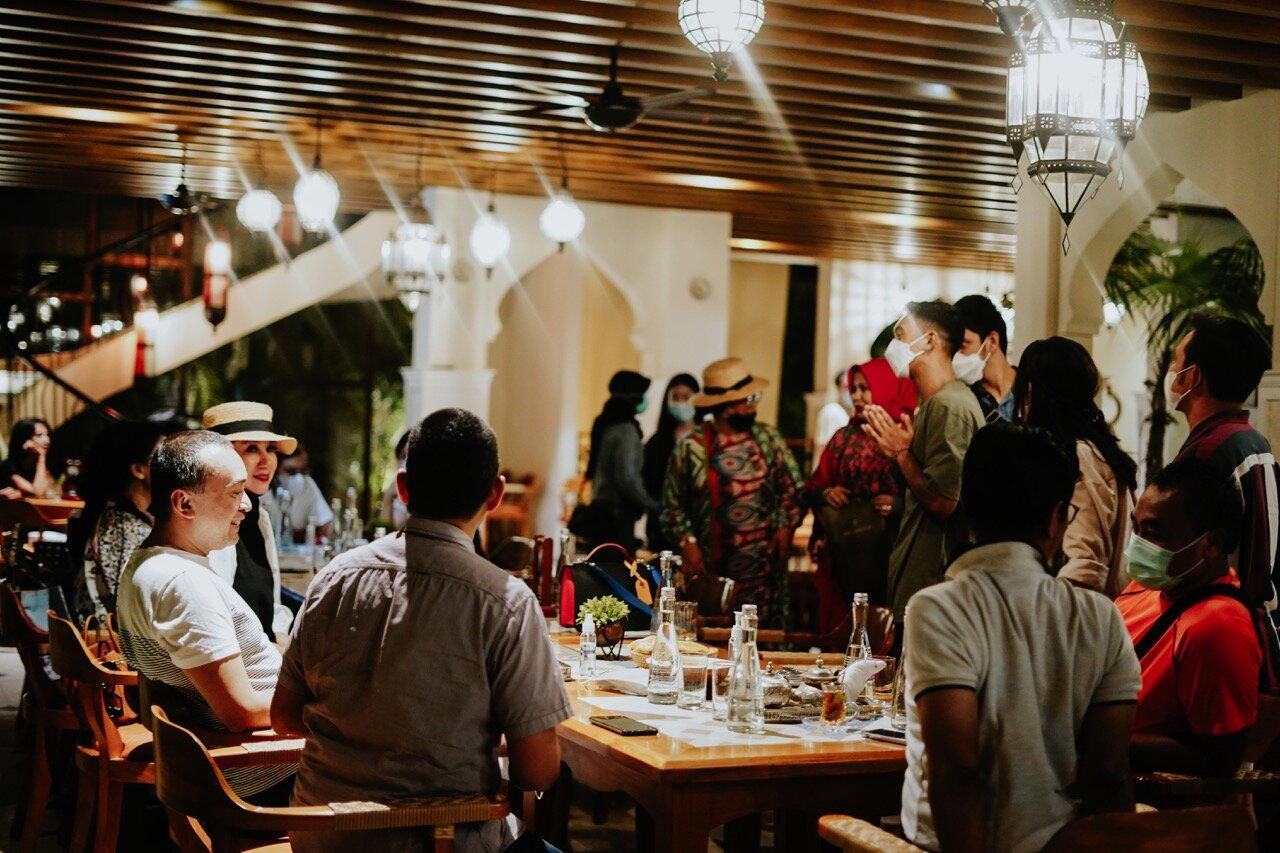
Casual family-friendly atmosphere ideal for group gatherings with a lively dining vibe.