
Meatguy Steakhouse brings dry-aging discipline to South Tangerang, with beef aged between 28 and 120 days using techniques that include butter tallow incorporation. Chef Yudi Teuku oversees a menu anchored by Australian Wagyu cuts and an open-fire grill, set inside a space that includes a boutique wine cellar and cigar lounge.
Pearl is the En Primeur Club membership app — saves, bookings, and concierge access live there. Same editors, same standards.
- Address
- Jl. Maleo JA 1 No.1, Pd. Pucung, Kec. Pd. Aren, Kota Tangerang Selatan, Banten 15229, Indonesia
- Phone
- +62 21 50102860
- Website
- meatguysteakhouse.com
- Directions
- Get directions
 Saves & bookings on Pearl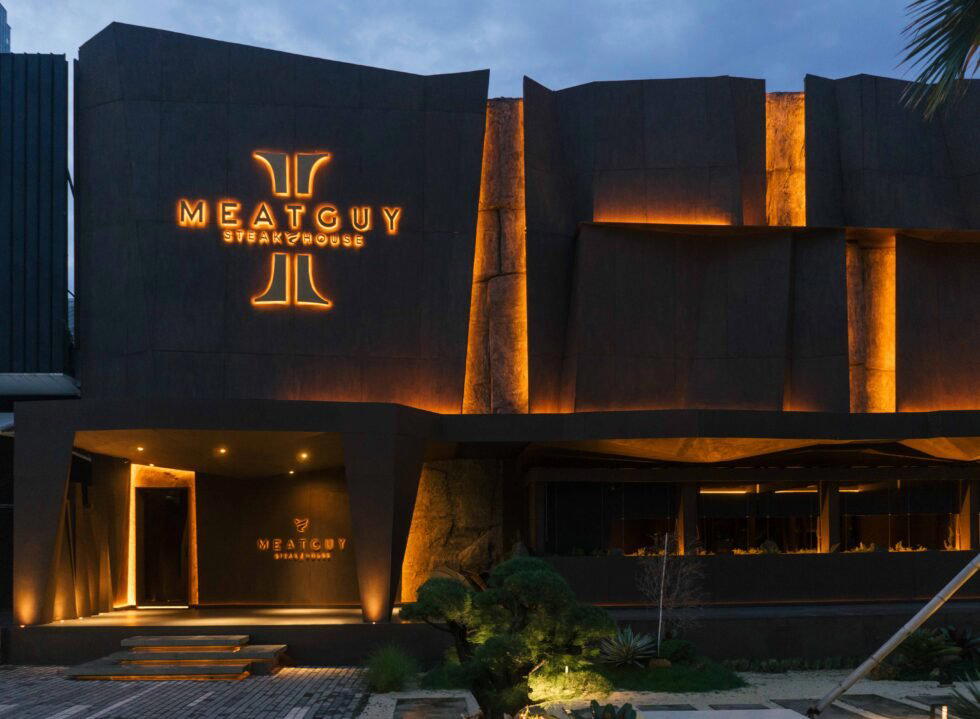
Where Jakarta's Steakhouse Tradition Gets Serious About the Aging
Meatguy Steakhouse is a premium dry-aged steakhouse in South Tangerang, Jakarta, led by chef Yudi Teuku and priced at about US$100 per person. For decades, the genre arrived pre-packaged from Western chains or filtered through hotel dining rooms that priced for expense accounts and offered little else of technical interest. Jakarta has been working through that inheritance, and the more compelling newer entrants have done so by grounding themselves in a specific craft position rather than a broad aspiration. Meatguy Steakhouse takes its position in the dry-aging tier, where the kitchen's commitment runs from 28 days at the shorter end to 120 days at the outer edge, with butter tallow incorporated into the process. That range, and that ingredient choice, places the operation in a global conversation about what aging technique actually does to texture and flavour concentration, rather than simply using "aged" as a marketing word.
The Environment Before the Menu
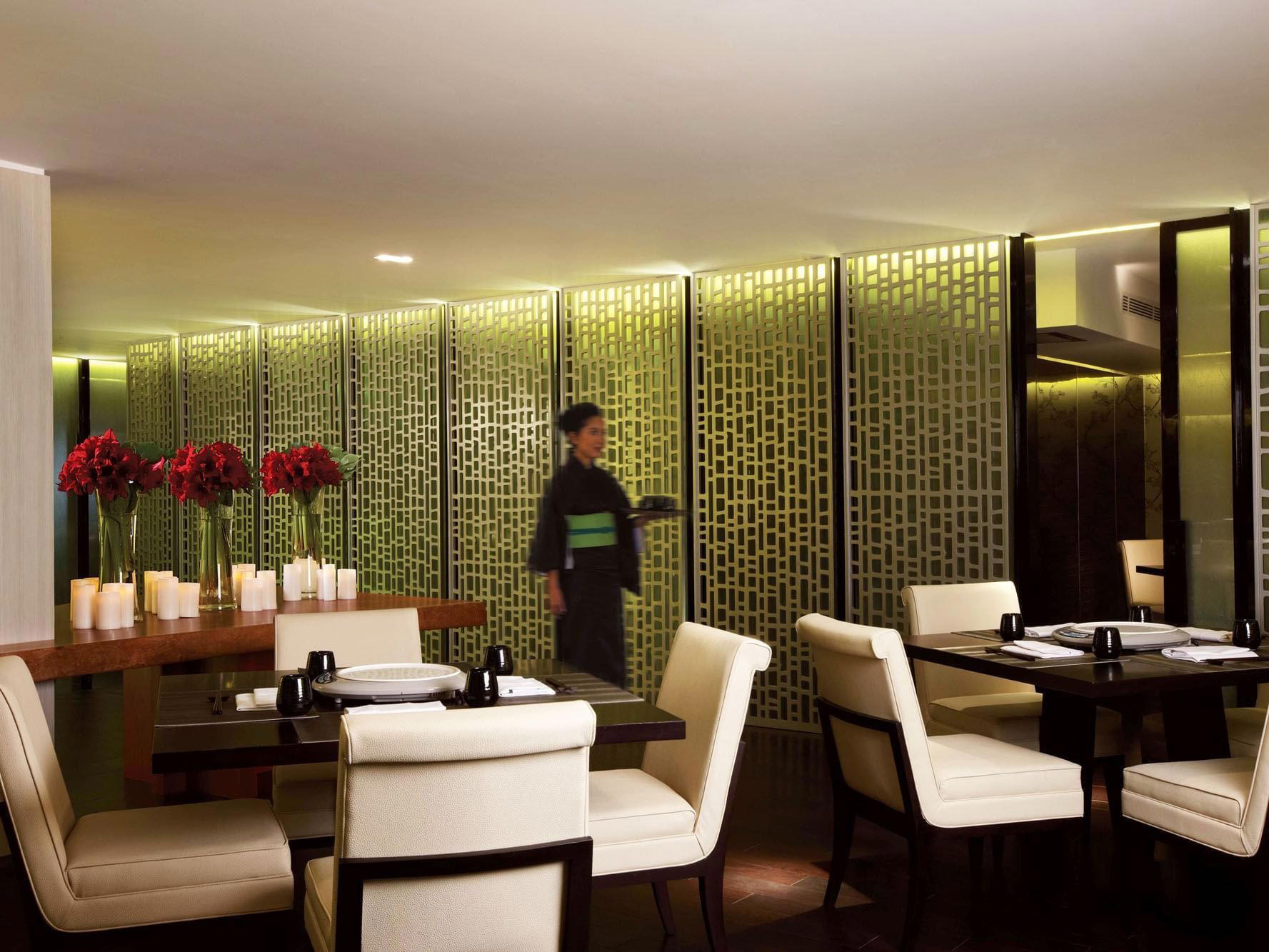
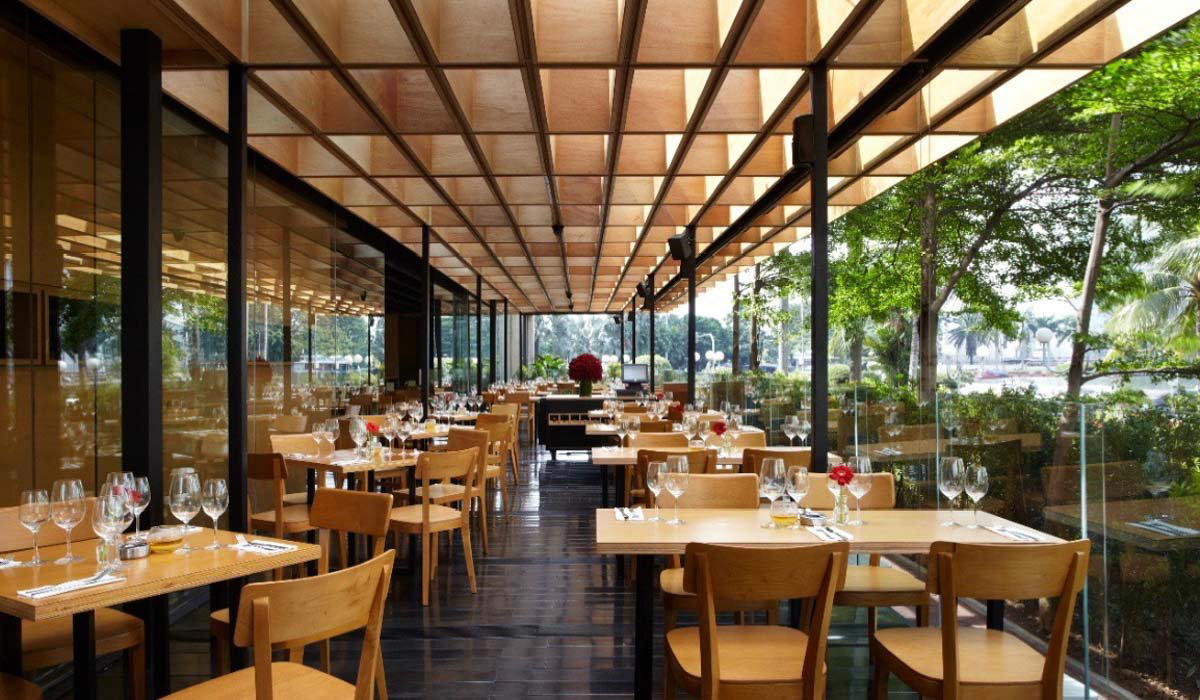
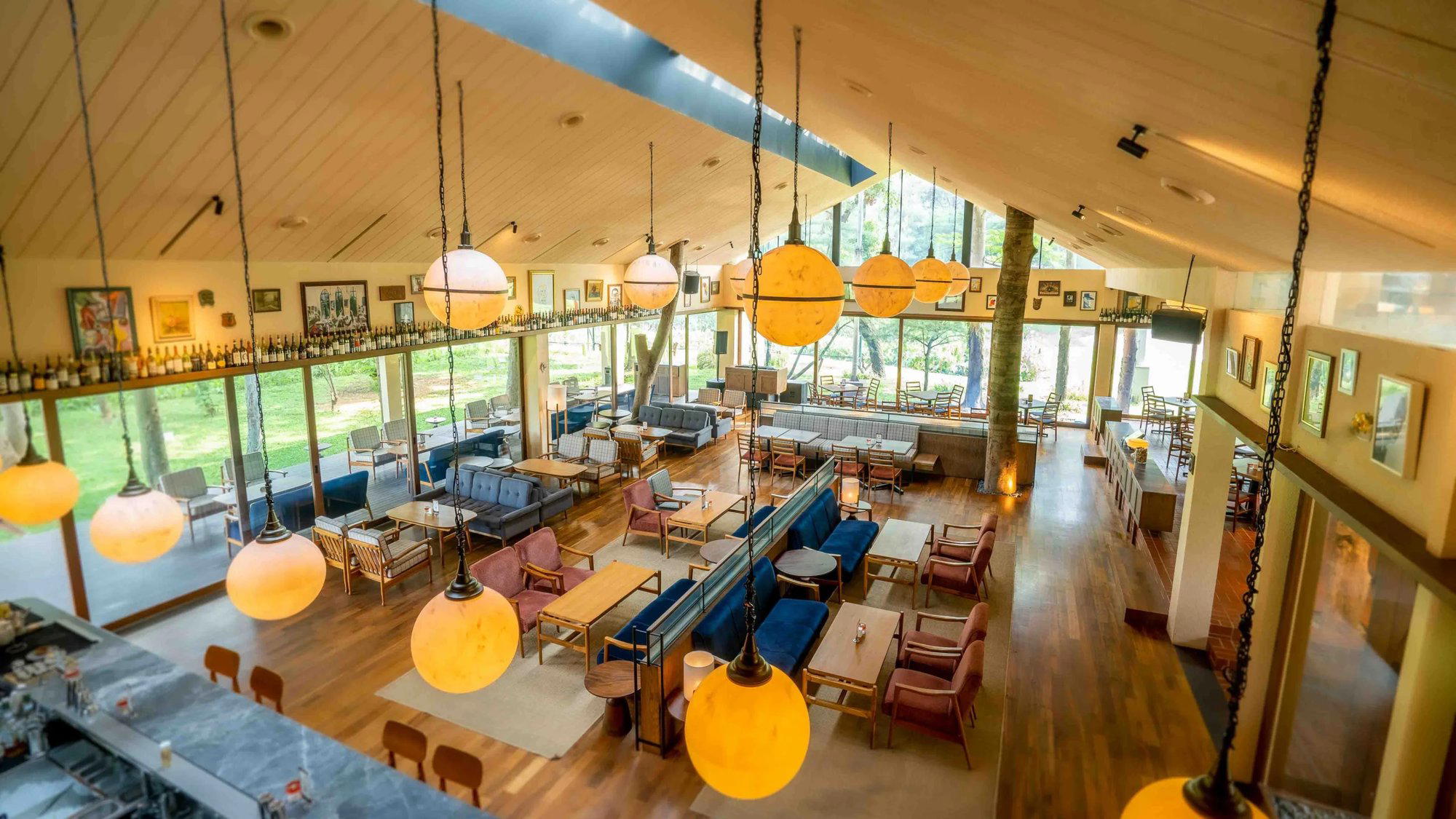
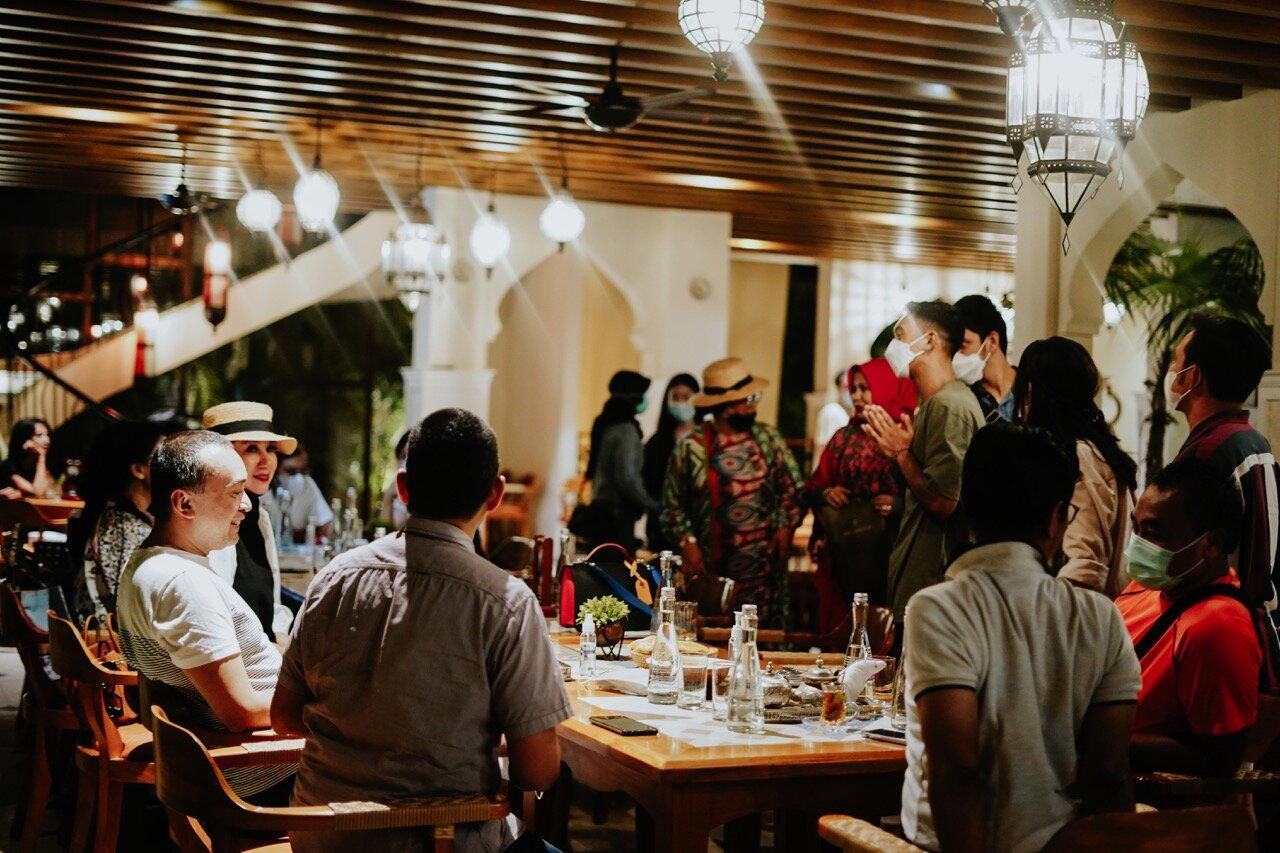
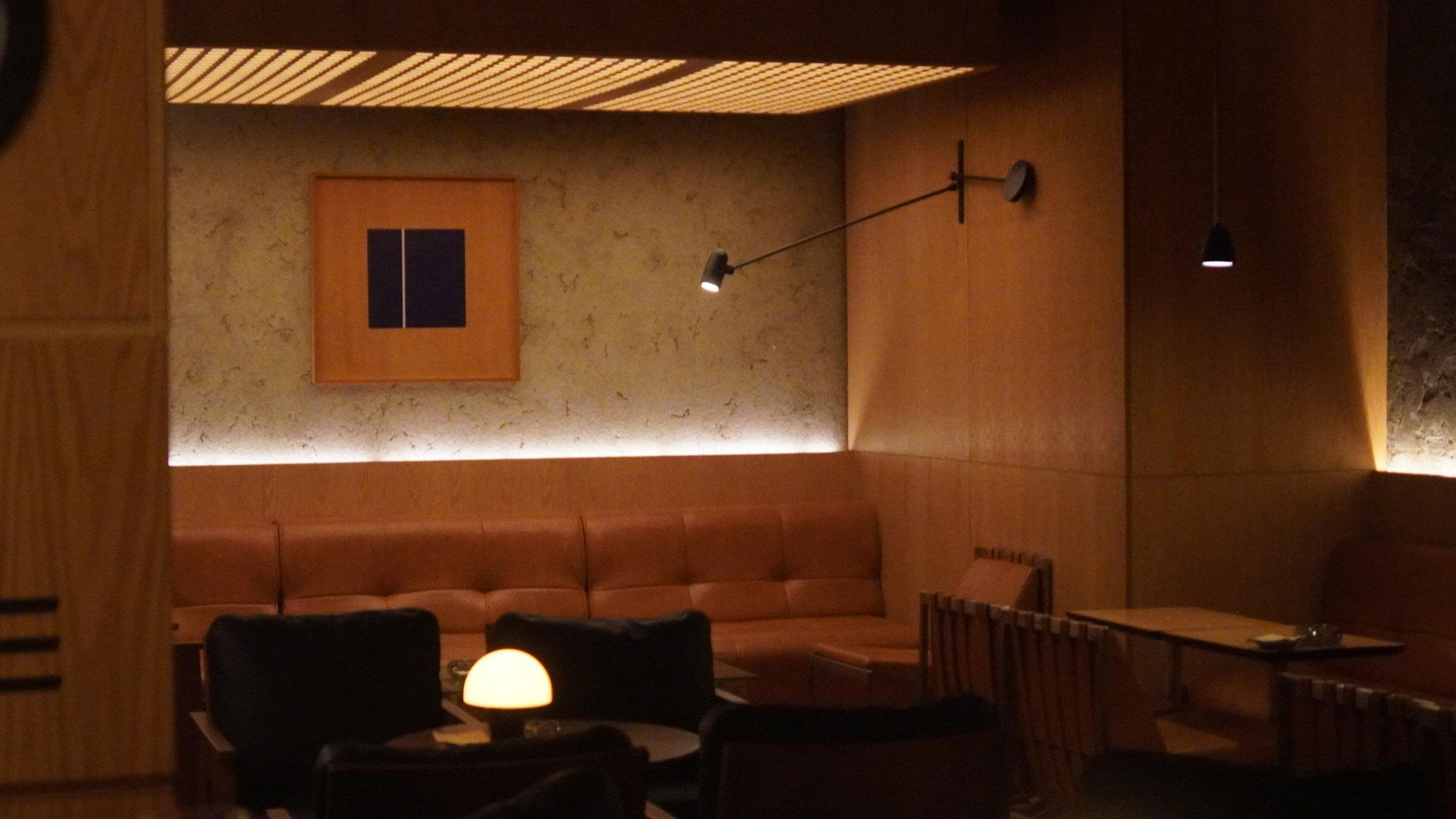
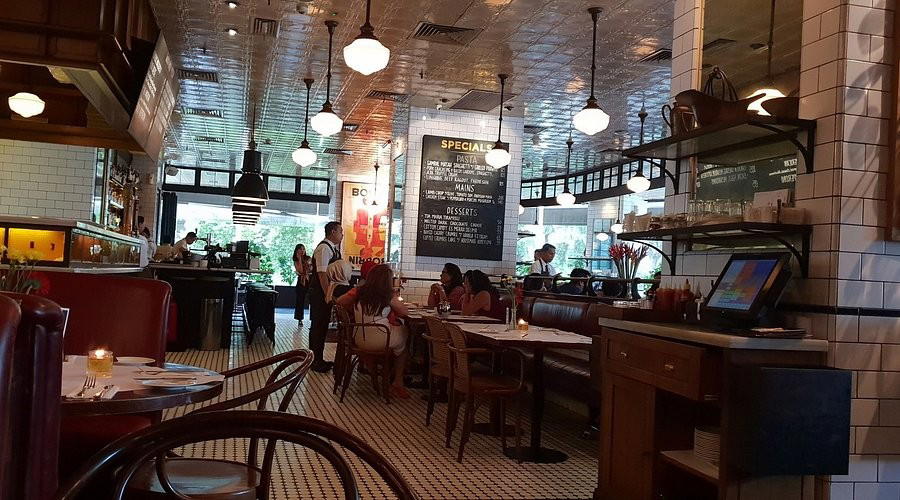
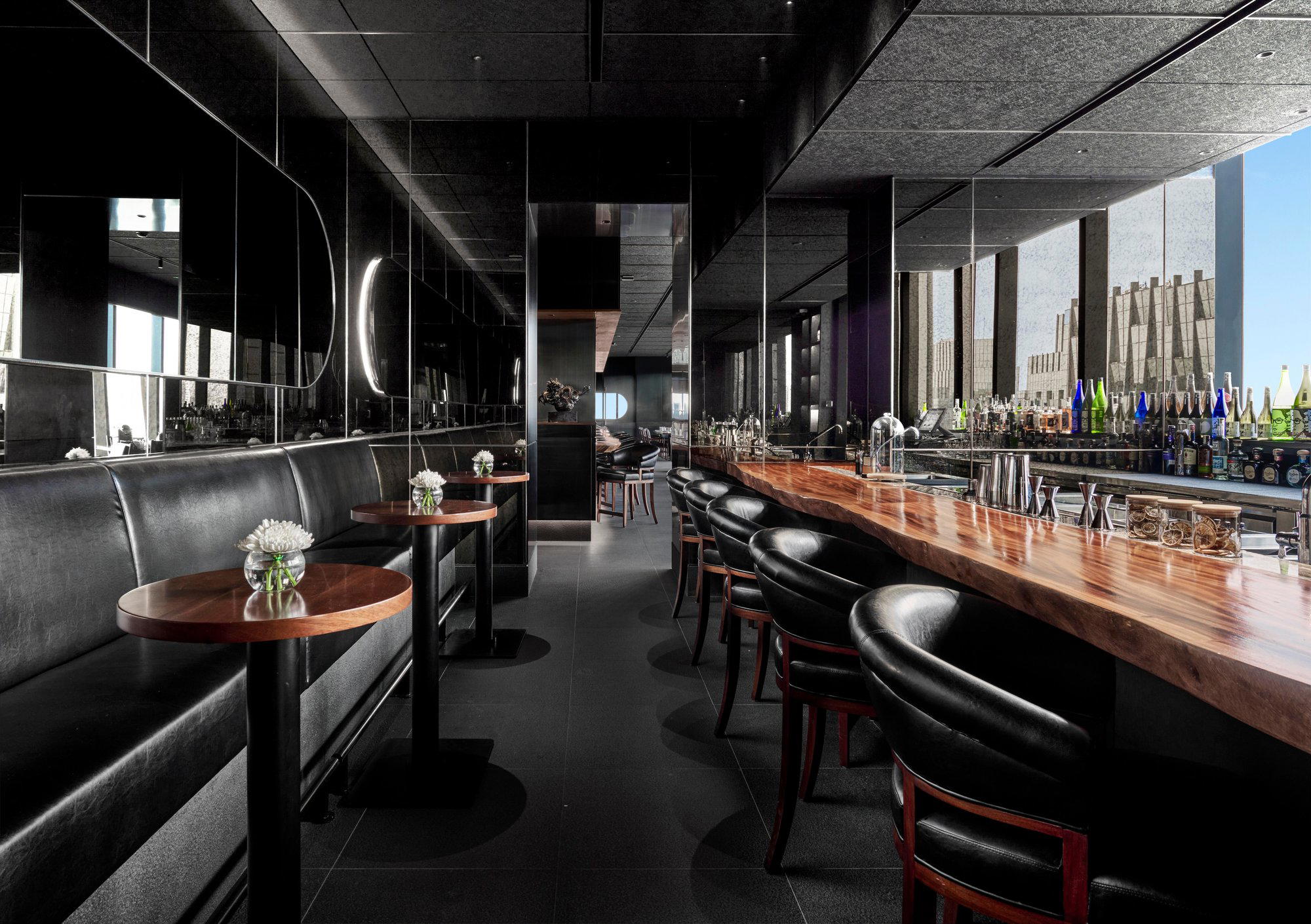
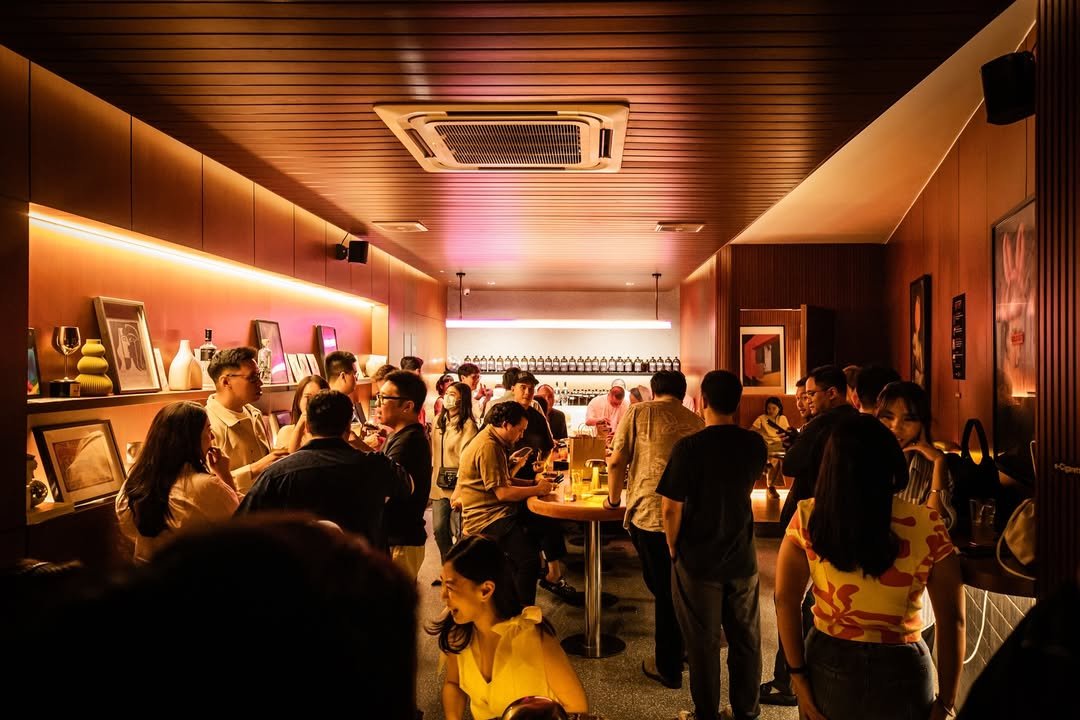
Walking into Meatguy Steakhouse, the first reference points are tactile and architectural rather than decorative. Natural stone pathways anchor the floor plane, illuminated beams overhead give the ceiling dimension, and an open kitchen keeps the production visible. In a format where the sourcing story and the technique story are central to what the kitchen is selling, that transparency matters: the theater of an open fire grill is part of the dining argument, not a performance added afterward. A boutique wine cellar and a premium cigar lounge extend the experience beyond the table, which is consistent with how the upper tier of Jakarta's restaurant market has been positioning itself.
Dry Aging in the Indonesian Context
Dry aging as a technique has deep roots in European butchery tradition, particularly in British and French charcuterie culture, where controlled moisture loss and enzymatic breakdown were understood long before the science was formalized. What the modern wave of dry-age-focused restaurants has added is precision: regulated humidity, temperature monitoring, and in some cases the use of external coatings or wraps to modify the crust that forms on the exterior. Butter tallow aging is a variant of this, borrowed from the fat-cap aging traditions that some Argentine and Uruguayan producers apply to grass-fed beef. Its use here, on Australian Wagyu, represents an intersection of sourcing geography and technique that is genuinely less common in the Indonesian market. The beef sourcing itself is stated as mainly Australian, which reflects a broader regional pattern: Australian producers have built consistent premium and Fullblood Wagyu supply chains into Southeast Asia over the past fifteen years, and Indonesian restaurants that want traceable, high-marbling product have largely oriented toward that supply chain.
The grill itself operates on open fire, which sits in deliberate tension with the aging process. Dry-aged beef carries more concentrated fat and protein than wet-aged equivalents, and open-fire cooking responds differently to that concentration, producing char and crust behavior that a gas or electric heat source cannot replicate. The structural choice to combine those two techniques is coherent.
The Menu as Evidence
The menu at the restaurant is built around Australian beef, with Wagyu at its center. The Hanging Tomahawk "Godfather" features Australian Wagyu served with pomme purée and sautéed mushrooms. The Rich Fat Loin showcases Australian Fullblood Wagyu, positioned around its marbling and fat character. For those not ordering beef, the Carre D'Agneau offers a pistachio-crusted Australian lamb rack with green pea purée and roasted vegetables. The sauce program covers a range from Moutarde de Meaux to chimichurri, which tracks the European and South American reference points that inform the restaurant's technical choices. Staff are noted as knowledgeable about the sourcing and cut characteristics, which matters in a format where the provenance narrative is part of what guests are paying for.
This kind of menu architecture, with Wagyu at the premium tier and supporting proteins below it, is the dominant structure in serious steakhouse operations across Asia. Meatguy's version of that commitment is narrower in geography (Australia) and specific in technique (dry aging, open fire), which gives it a coherent identity within the South Tangerang and broader Jakarta market.
Jakarta's Premium Dining Spread
Jakarta's premium restaurant scene has matured considerably over the past decade. The city now sustains venues with clear technical identities, international sourcing programs, and competitive positioning relative to regional peers. For those building a wider itinerary across Indonesia, Locavore NXT in Ubud represents what the tasting menu format looks like when grounded in Indonesian ingredients and technique. Kahyangan in Gondangdia takes a different approach, rooted in Indonesian culinary tradition. Across Bali, Sarong in Canggu, The Legian in Seminyak, and Rumari in Jimbaran each hold distinct positions in the premium tier.
Planning Your Visit
The restaurant is located at Jl. Maleo JA 1 No.1, Pd. Pucung, Kec. Pd. Aren, Kota Tangerang Selatan, Banten 15229. That address puts it in South Tangerang, outside the central Jakarta core, which means factoring in travel time from SCBD, Sudirman, or other central districts, particularly during peak traffic hours. The restaurant is under the culinary direction of Chef Yudi Teuku, with the broader concept driven by Dimas Ramadhan Pangestu. Reservations are recommended.
Cuisine-First Comparison
Comparable venues nearby, for context on price, style, and recognition.
| Venue | Cuisine | Price | Notes |
|---|---|---|---|
| Meatguy SteakhouseThis venue — the venue you are viewing | Premium Dry-Aged Steakhouse | $$$$ | Not listed |
| Bistecca | Italian-American Steakhouse | $$$$ | Senayan |
| Aged + Butchered Jakarta | Modern Dry-Aged Steakhouse with Yakiniku Fusion | $$$$ | Setiabudi |
| Nona Grill Huis | Speciality Steakhouse | $$$ | Pondok Pinang |
| Hutan Kota by Plataran | Refined Nusantara Indonesian | $$$$ | Gelora |
| Esa | New Jakarta Cuisine | $$$ | Senayan |
Recognition history
Dated appearances from independent guides and award organizations, with the underlying list record or original source where available.
World's Best Steaks 101 Best Steak Restaurants #90
World's Best Steaks
At a Glance
- Elegant
- Sophisticated
- Ornate
- Date Night
- Special Occasion
- Business Dinner
- Open Kitchen
- Wine Cellar
- Private Dining
- Extensive Wine List
- Craft Cocktails
Dimly lit with gold mine-inspired decor featuring stone tunnels, illuminated beams, and an open kitchen for an ornate, immersive atmosphere.