A konoba-style address on Goldschlagstraße in Vienna's 15th district, Konoba Pescaria brings the Adriatic dining tradition to a city better known for schnitzel and Tafelspitz. The format follows the konoba model: fish-forward, informal, neighbourhood-rooted. In a city where the serious restaurant conversation rarely ventures west of the Ringstrasse, this address represents a different register entirely.
Pearl is the En Primeur Club membership app — saves, bookings, and concierge access live there. Same editors, same standards.
- Address
- Goldschlagstraße 22, 1150 Wien, Austria
- Phone
- +434319823013
- Website
- pescaria-konoba.com
- Directions
- Get directions
 Saves & bookings on Pearl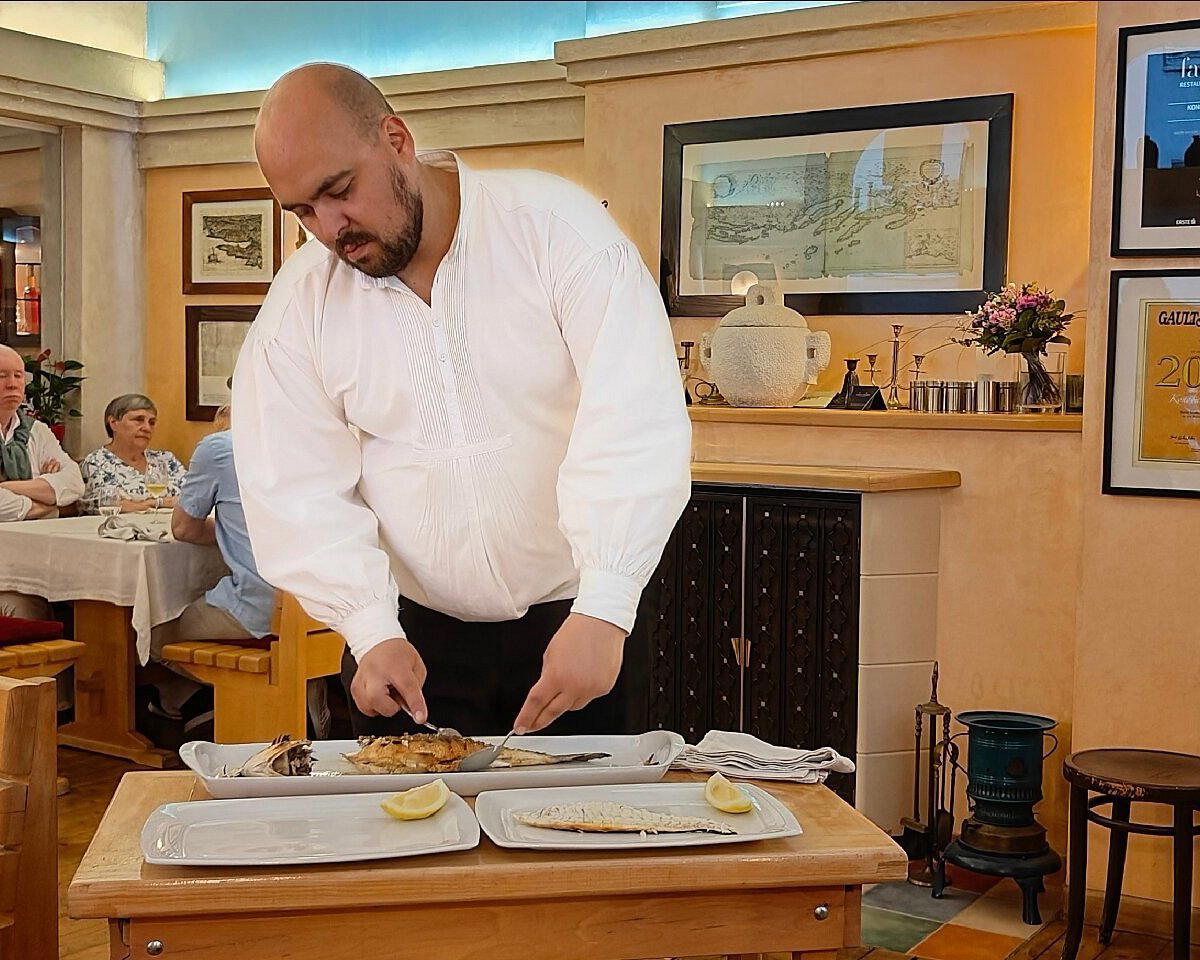
Fifteenth District, Away from the Consensus
Konoba Pescaria is a restaurant in Vienna's 15th district, serving Authentic Croatian Seafood at around $40 per person. The Innere Stadt, the Naschmarkt corridor, Stadtpark, these are where the the city's dining identity gets formally defined. The 15th district, Rudolfsheim-Fünfhaus, sits well outside that consensus geography. Goldschlagstraße is a working Viennese street in every sense: tram lines, corner shops, the rhythms of a district that is more residential than gastronomic. That context shapes Konoba Pescaria.
A konoba, in the Adriatic tradition, is not a fine dining restaurant and makes no claim to be one. The format descends from the Croatian and Dalmatian coast, where fishing communities built informal tavern-restaurants around whatever came off the boats that morning. The leading examples operate on a specific logic: sourcing decides the menu, the room stays simple, and the cooking keeps faith with the ingredient rather than transforming it. That tradition, transplanted to a working-class Viennese street, produces something genuinely distinct from the tasting-menu culture operating closer to the city centre.
The Adriatic Tradition in a Viennese Context
Vienna has historical reasons to feel comfortable with Adriatic cooking. Before 1918, the city was the capital of an empire with a long Croatian and Dalmatian coastline, and the cultural connections between Vienna and the eastern Adriatic run deeper than tourism. Fish has always had a place in the Viennese diet, even in a landlocked city, and the konoba format carries that history into a contemporary neighbourhood setting.
What distinguishes the konoba model from mainstream European fish restaurants is its relationship to formality. Adriatic konobas traditionally resisted the table-service conventions of urban fine dining: menus were short, often handwritten or verbal, reflecting what was available rather than what a brigade had planned weeks in advance. That resistance to fixed programming is part of what gives the format its appeal. Konoba Pescaria's position on Goldschlagstraße supports that informal register.
For comparison, Vienna's high-end fish and seafood cooking sits differently. The tasting-menu programmes at Amador and Mraz & Sohn treat seafood as one element within a broader creative framework. Doubek occupies a different tier again. None of these operate on the konoba logic of simplicity-over-program. The restaurant draws from a different tradition entirely.
What the Neighbourhood Delivers
Rudolfsheim-Fünfhaus is one of Vienna's more genuinely multicultural districts, with a demographic profile that includes significant Balkan communities, Serbian, Croatian, Bosnian. That population density creates a kind of ambient authenticity that is harder to manufacture in more gentrified postcodes. A konoba operating in this district can reasonably assume a customer base that knows the format from experience, not just from travel writing, and that context shapes how the restaurant operates and what it can expect from its guests.
This matters for the dining experience in a practical sense. Restaurants that serve a knowledgeable local audience tend to maintain a different register than those calibrated primarily for tourists or expense-account diners. The 15th district is not a dining destination in the way that the Naschmarkt area functions for visitors. That is a structural advantage for any restaurant trying to operate with the informality the konoba tradition requires.
Austria's fish-forward restaurant scene outside Vienna also offers useful context. At the higher end of the spectrum, destinations like Döllerer in Golling an der Salzach and Landhaus Bacher in Mautern an der Donau demonstrate how seriously Austrian kitchens engage with freshwater and Adriatic fish within more formal frameworks. Internationally, the benchmark for fish-led seriousness is set by addresses like Le Bernardin in New York City, where fish cookery becomes a full fine-dining proposition. The konoba format deliberately sits elsewhere on that spectrum, closer to the fish market than the tasting counter.
Planning a Visit
Goldschlagstraße 22 sits in the 15th district. The neighbourhood is not a destination dining area, so planning around the restaurant specifically rather than treating it as part of a broader evening in a restaurant district is the more practical approach. within Vienna itself, the contrast between the 15th district konoba and the inner-city fine dining corridor is part of what makes the visit worthwhile.
For those building a broader Austrian itinerary, the country's regional restaurant scene rewards attention: Obauer in Werfen, Kräuterreich by Vitus Winkler in Sankt Veit im Pongau, Schwarzer Adler in Hall in Tirol, Restaurant 141 by Joachim Jaud in Mieming, and Gourmetrestaurant Tannenhof in Sankt Anton am Arlberg each represent distinct regional dining traditions worth building around. Ois in Neufelden and Atomix in New York City illustrate, at opposite ends of geography, how different the fine dining register is from the konoba tradition Pescaria inhabits.
Know Before You Go
- Address: Goldschlagstraße 22, 1150 Wien, Austria
- District: 15th Bezirk, Rudolfsheim-Fünfhaus
- Format: Konoba-style, Adriatic fish tradition
- Phone / Website: Check local directories for current contact details
- Booking: Reservation recommended
- Timing: Neighbourhood restaurants of this type often operate reduced hours midweek; evenings and weekend lunches are one reliable window
- Getting there: Accessible by tram and U-Bahn from central Vienna; the 15th district is not walkable from the Innere Stadt
Nearby-ish Comparables
Comparable venues nearby, for context on price, style, and recognition.
| Venue | Cuisine | Price | Notes |
|---|---|---|---|
| Konoba PescariaThis venue — the venue you are viewing | Authentic Croatian Seafood | $$$ | Not listed |
| Blue Marlin | Premium Fresh Seafood | $$$ | Hietzing |
| Fischrestaurant Kaj | Croatian Seafood | $$$ | Praterstern Wien Nord |
| Restaurant Ilija | Dalmatian Seafood | $$$ | Josefstadt |
| Gastro Fisch Brač | Fresh Croatian Seafood | $$ | Mariahilf |
| Goldfisch - Fischladen & Bistro | Seafood Bistro | $$ | Hofburg |
Continue exploring
More in Vienna
Restaurants in Vienna
Browse all →![[aend] restaurant in Vienna](https://cdn.enprimeurclub.com/storage/v1/object/public/images/locations/recsVyRkMfzCxPmp0/hero2.jpg?width=3840&quality=75)
Bars in Vienna
Browse all →

Hotels in Vienna
Browse all →

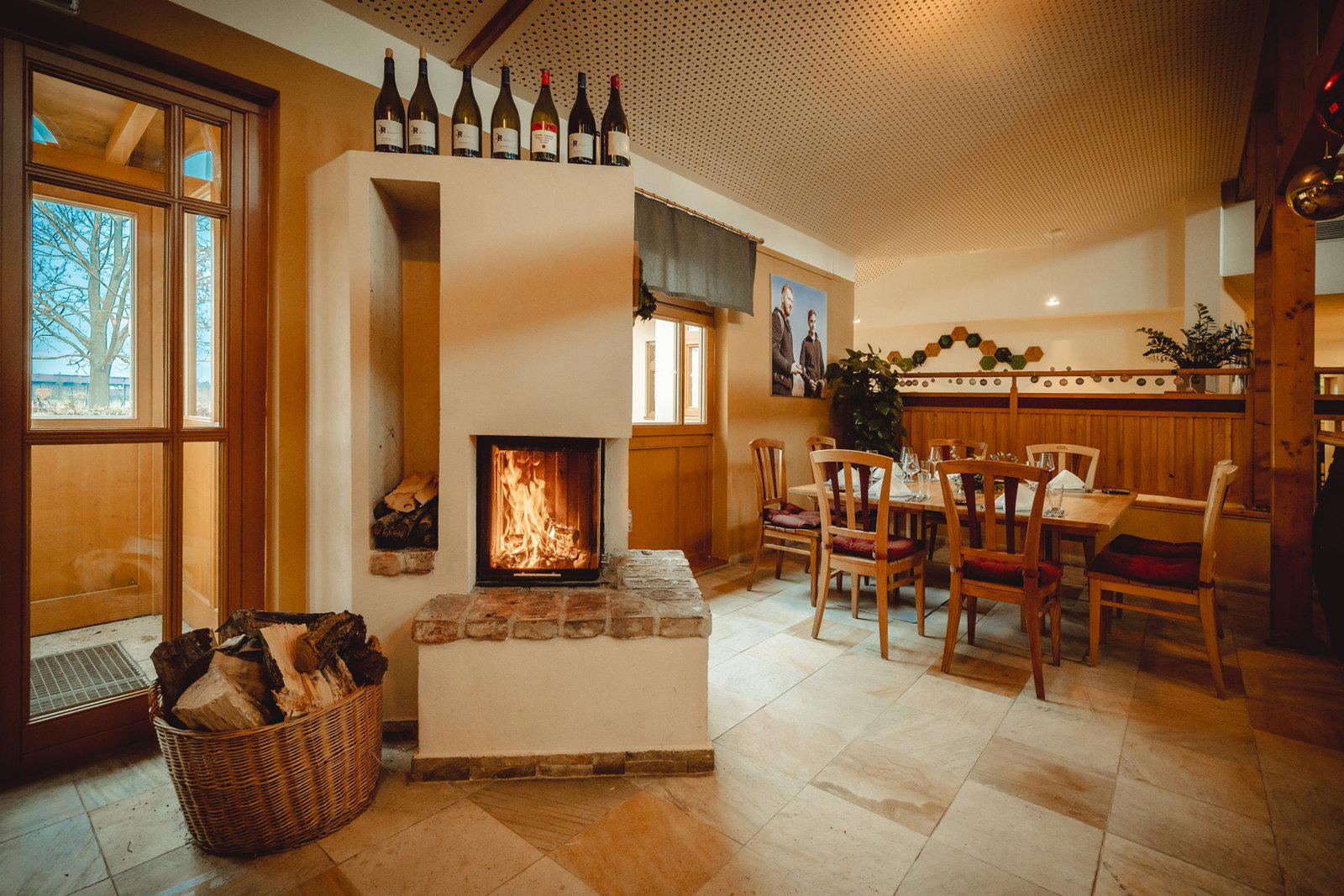
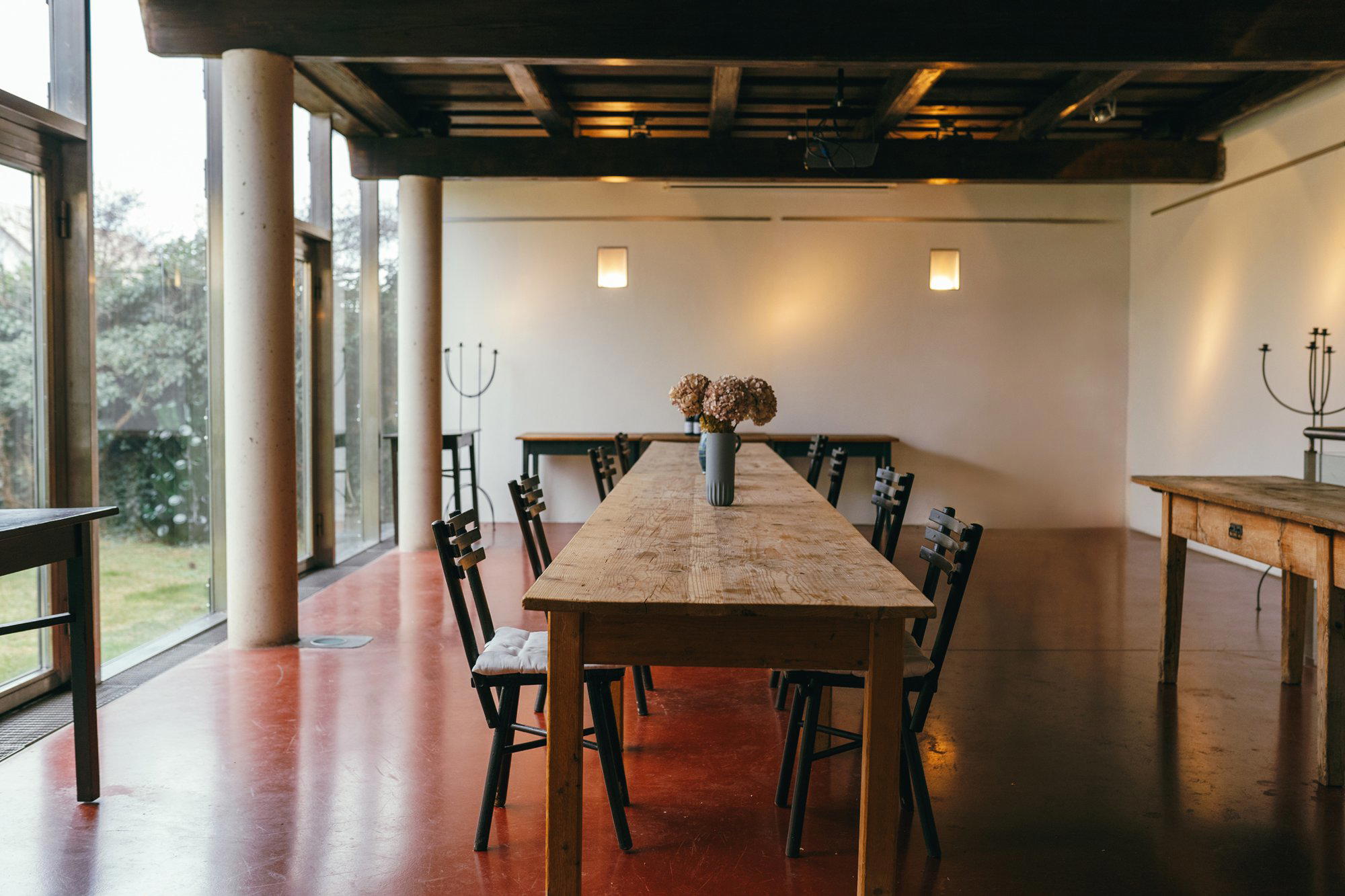
At a Glance
- Rustic
- Cozy
- Intimate
- Date Night
- Special Occasion
- Open Kitchen
- Extensive Wine List
Current opening hours
- Monday
- 11:30 AM–2:30 PM, 5:30–10:30 PM
- Tuesday
- 11:30 AM–2:30 PM, 5:30–10:30 PM
- Wednesday
- 11:30 AM–2:30 PM, 5:30–10:30 PM
- Thursday
- 11:30 AM–2:30 PM, 5:30–10:30 PM
- Friday
- 11:30 AM–2:30 PM, 5:30–10:30 PM
- Saturday
- 11:30 AM–2:30 PM, 5:30–10:30 PM
- Sunday
- 11:30 AM–2:30 PM, 5:30–10 PM
Hours can change for holidays and private events. Last verified .
Cozy and quiet with a homey, authentic Croatian feel, praised for its relaxed yet classy atmosphere.