Gastro Fisch Brač on Zollergasse 12 in Vienna's 7th district brings an Adriatic seafood focus to a city more commonly associated with schnitzel and Tafelspitz. The address places it in Neubau, a neighbourhood whose restaurant density has grown steadily over the past decade. Booking ahead is advisable; walk-in availability varies by day and season.
Pearl is the En Primeur Club membership app — saves, bookings, and concierge access live there. Same editors, same standards.
- Address
- Zollergasse 12, 1070 Wien, Austria
- Phone
- +434314314196
- Website
- gastrofisch.at
- Directions
- Get directions
 Saves & bookings on Pearl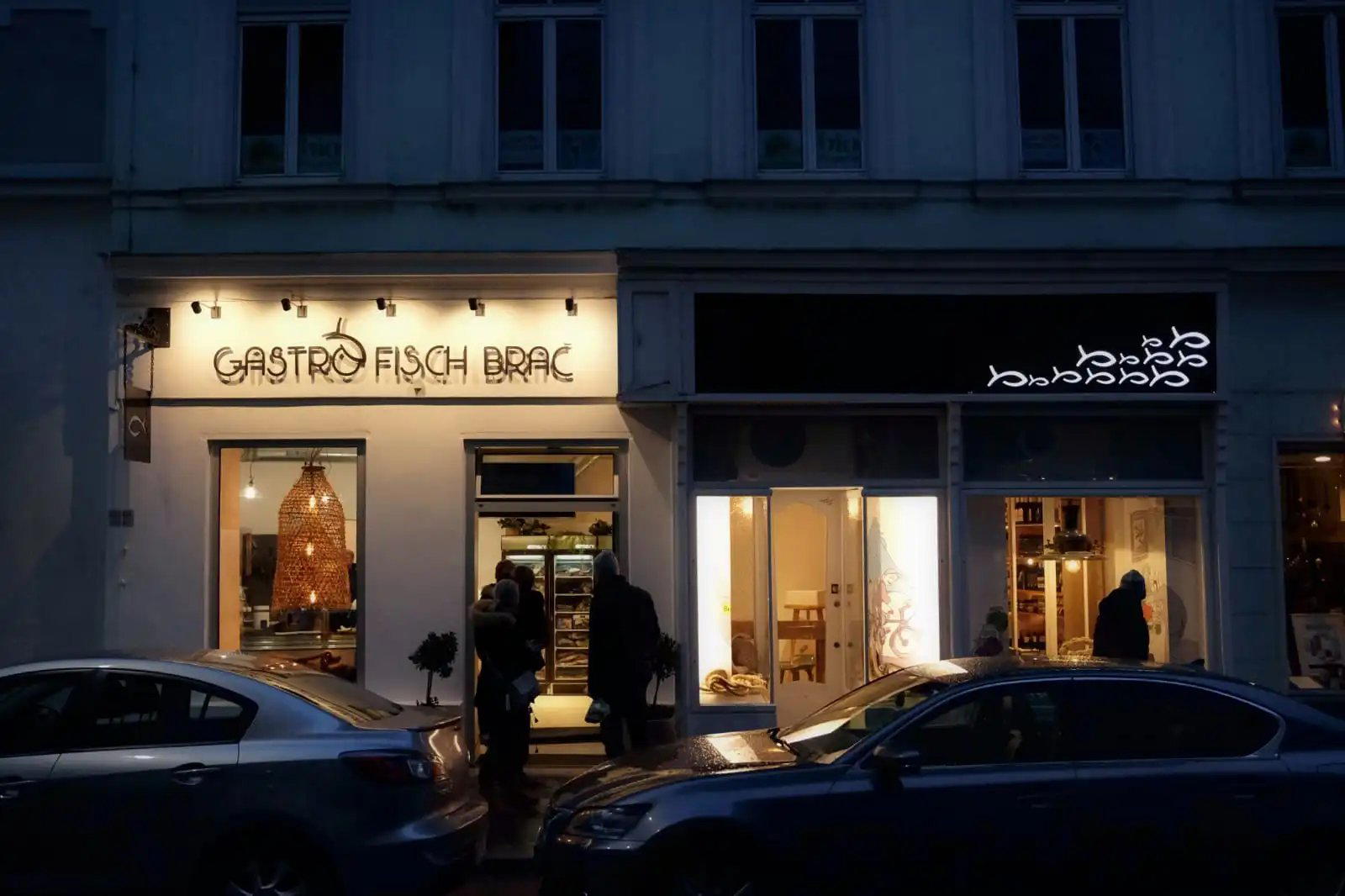
Seafood in a Landlocked Capital
Vienna's relationship with fish has always been mediated by geography. The city sits roughly 400 kilometres from the nearest Adriatic coastline, yet its appetite for quality seafood has historically been served by a combination of alpine freshwater catches, trout, pike-perch, carp, and, in more ambitious rooms, overnight freight from the Dalmatian coast and the Atlantic. The rise of Adriatic-focused restaurants in the past decade reflects both improved cold-chain logistics and a broader shift in how Viennese diners think about protein. At the affordable end, grilled sea bass and octopus salad have become near-standard on Mediterranean bistro menus across the city. At the more considered end, the sourcing question becomes the editorial story: where the fish comes from, how it travels, and which kitchen has the discipline to handle it with appropriate restraint.
Gastro Fisch Brač, at Zollergasse 12 in the 7th district, positions itself within that Adriatic-origin tradition. The name references Brač, the Croatian island in the central Dalmatian archipelago known for both its limestone and its fishing culture. That geographical reference sets an expectation about provenance and approach before a diner has even stepped inside.
Neubau and the Neighbourhood Context
The 7th district, Neubau, has spent the better part of fifteen years assembling a credible restaurant identity. It sits west of the Ringstraße and south of the university district, which means its dining room tends toward the independent and the owner-operated rather than the chain or the hotel restaurant. The stretch of Zollergasse itself sits a short walk from Mariahilfer Straße, Vienna's main retail corridor, but the street's character is quieter: residential on the upper floors, with ground-floor premises occupied by a mix of specialist food businesses and neighbourhood restaurants. For a seafood-focused room, the address places it in proximity to the foot traffic that sustains lunch and early evening covers without the tourist pressure of the 1st district.
Vienna's upper-tier dining scene is concentrated in properties like Steirereck im Stadtpark and Amador. Konstantin Filippou and Mraz & Sohn occupy the creative modern tier. Gastro Fisch Brač operates in a different register: it is a specialist, neighbourhood-scaled seafood address rather than a tasting-menu destination, which means it competes on product quality, kitchen consistency, and room warmth rather than on formal accolades.
The Logic of a Specialist Seafood Room
Specialist seafood restaurants occupy a particular position in European city dining. They require a supply chain that generalist kitchens rarely maintain, a kitchen team with specific filleting and cooking skills, and a front-of-house that can communicate provenance and preparation without over-explaining. When these elements work in concert, the result is a room where the whole is more reliable than its individual parts would suggest. When they don't, the gaps show up quickly: fish cooked past its window, descriptions that don't match the plate, a wine list built for red-meat menus.
The team dynamic matters more in seafood rooms than in almost any other restaurant format. A good sommelier at a fish-focused address carries more editorial weight than at a mixed-menu restaurant, because the pairing logic is both tighter and more forgiving at the same time: white Burgundy, Austrian Grüner Veltliner, coastal Italian whites, and German Riesling all have strong cases to make alongside different preparations. At properties like Le Bernardin in New York City, the sommelier programme has been integral to the restaurant's identity for decades. The same logic applies, at a different scale, to any serious fish room. Front-of-house alignment with the kitchen's sourcing logic, knowing which catch is fresh that day, which preparation suits it, which wine complements rather than competes, is what separates a specialist from a restaurant that happens to serve fish.
Gastro Fisch Brač's Dalmatian reference point also implies a particular cooking register: olive oil over butter, herbs over cream, grilling and salt-baking over elaborate sauce work. That register suits Vienna's current dining mood, which has moved toward lighter preparations and away from the heavily reduced sauces that defined central European fine dining a generation ago. Restaurants like Doubek reflect that shift toward clarity of ingredient, as do several of Austria's regional leaders: Döllerer in Golling an der Salzach, Landhaus Bacher in Mautern an der Donau, and Obauer in Werfen each demonstrate that Austrian kitchens can handle product-led cooking with considerable seriousness. In the alpine context, that extends to trout and char; in a Dalmatian-inflected room, the same philosophy applies to sea bream, dentex, and squid.
Placing Gastro Fisch Brač in the Wider Austrian Scene
Austria's serious restaurant culture is not confined to Vienna. The regions produce kitchens with genuine ambition: Gourmetrestaurant Tannenhof in Sankt Anton am Arlberg, Stüva in Ischgl, Kräuterreich by Vitus Winkler in Sankt Veit im Pongau, Restaurant 141 by Joachim Jaud in Mieming, and Ois in Neufelden all point to a country whose culinary geography extends well beyond its capital. Taubenkobel in Schützen am Gebirge and Schwarzer Adler in Hall in Tirol demonstrate that wine-country and alpine addresses can match capital-city ambition. What Vienna brings that the regions don't is density: the concentration of dining options per square kilometre that allows a specialist fish room to exist alongside creative tasting-menu addresses without cannibalising either. In that context, a Dalmatian-focused address in Neubau fills a gap that the city's broader dining map leaves open.
For a broader orientation to how Vienna's restaurant tiers fit together, the EP Club Vienna restaurants guide maps the full competitive set across price point and cuisine type. Those looking for comparable product-led cooking in a different format might also consider Lazy Bear in San Francisco as a reference point for what happens when collaborative team dynamics produce a coherent dining identity, even if the cuisine and geography differ considerably.
Price and Positioning
Comparable venues nearby, for context on price, style, and recognition.
| Venue | Cuisine | Price | Notes |
|---|---|---|---|
| Gastro Fisch BračThis venue — the venue you are viewing | Mariahilf, Fresh Croatian Seafood | $$ | Not listed |
| Fish & Chips Bistro by DieSeeteufel | Inner City, Fish & Chips Bistro | $$ | Not listed |
| Ragusa | Inner City, Croatian Dalmatian Seafood | $$ | Not listed |
| Lieblingsfisch | Not listed | $$ | Praterstern Wien Nord, Fresh Seafood Deli & Bistro |
| Restaurant Ilija | Josefstadt, Dalmatian Seafood | $$$ | Not listed |
| Atlantis | Wahring, Fresh Seafood Mediterranean | $$ | Not listed |
Continue exploring
More in Vienna
Restaurants in Vienna
Browse all →
![[aend] restaurant in Vienna](https://cdn.enprimeurclub.com/storage/v1/object/public/images/locations/recsVyRkMfzCxPmp0/hero2.jpg?width=3840&quality=75)
Bars in Vienna
Browse all →

Hotels in Vienna
Browse all →



At a Glance
- Cozy
- Modern
- Casual Hangout
- Open Kitchen
- Sustainable Seafood
Current opening hours
- Monday
- Closed
- Tuesday
- 10 AM–6 PM
- Wednesday
- 10 AM–6 PM
- Thursday
- 10 AM–6 PM
- Friday
- 9 AM–6 PM
- Saturday
- 9 AM–6 PM
- Sunday
- Closed
Hours can change for holidays and private events. Last verified .
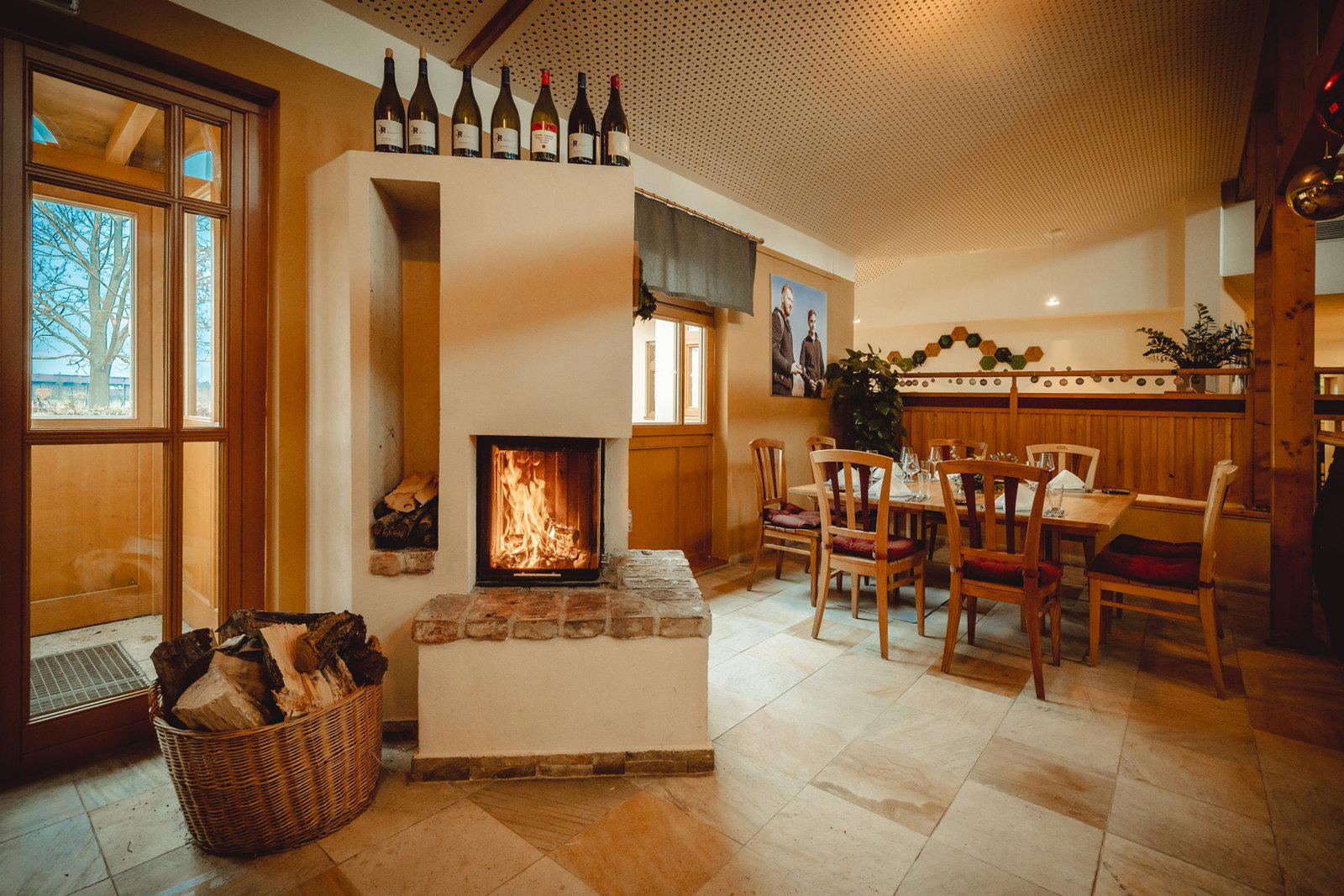
Bright and welcoming fish shop with bistro area offering a casual Croatian coastal feel.