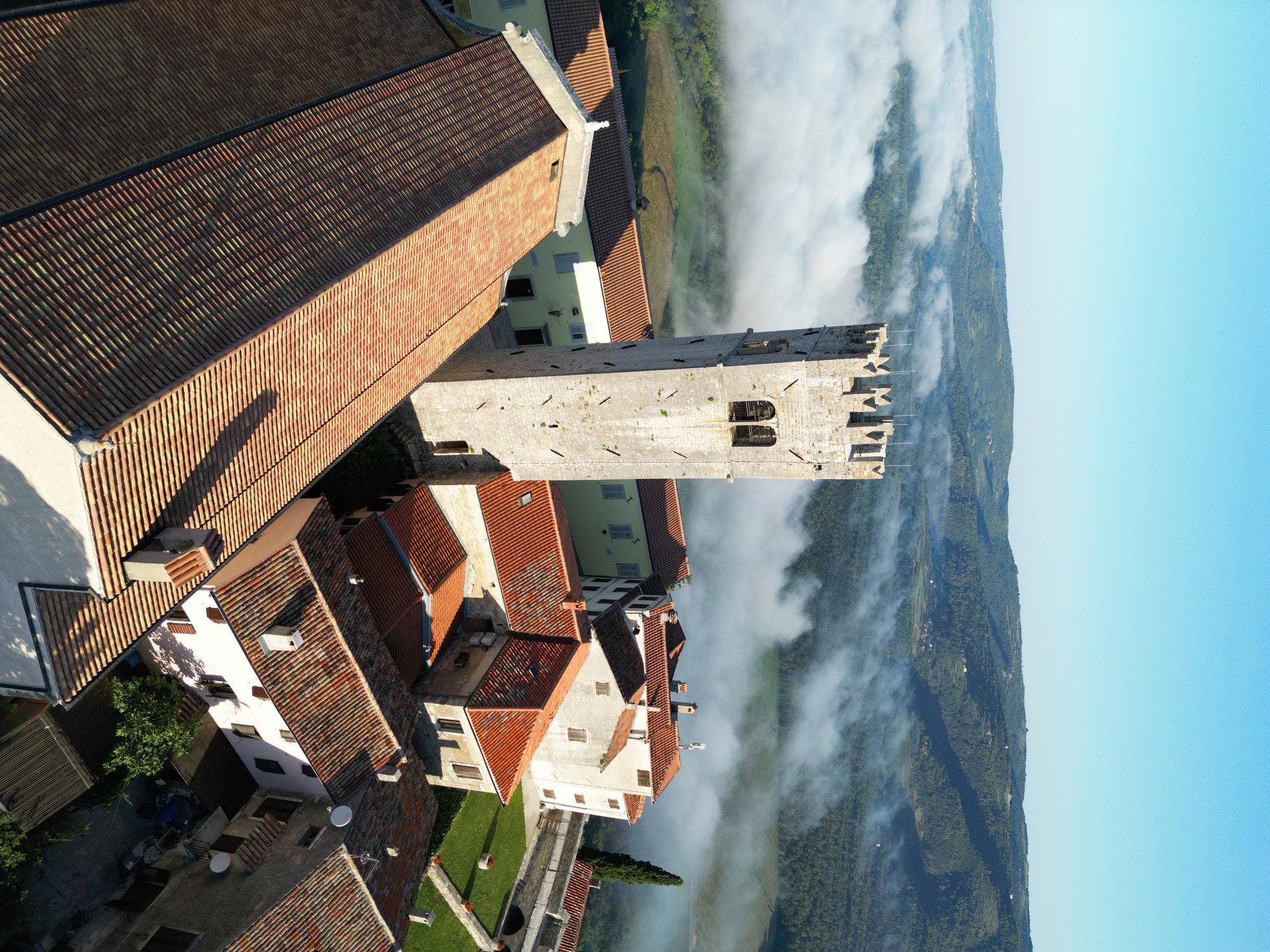
Konoba Danijeli sits in the quiet interior of Istria, in the village of Kringa, where the konoba tradition has long meant cooking close to what the land and season allow. The format here follows a pattern common to Istrian inland dining: simple rooms, produce sourced from the surrounding countryside, and a directness that coastal resort dining rarely achieves. For visitors moving beyond the peninsula's better-known shores, it represents a different register entirely.
Pearl is the En Primeur Club membership app — saves, bookings, and concierge access live there. Same editors, same standards.
- Address
- Danijeli 76, 52444, Kringa, Croatia
- Phone
- +385916866588
- Website
- konoba-danijeli.com
- Directions
- Get directions
 Saves & bookings on Pearl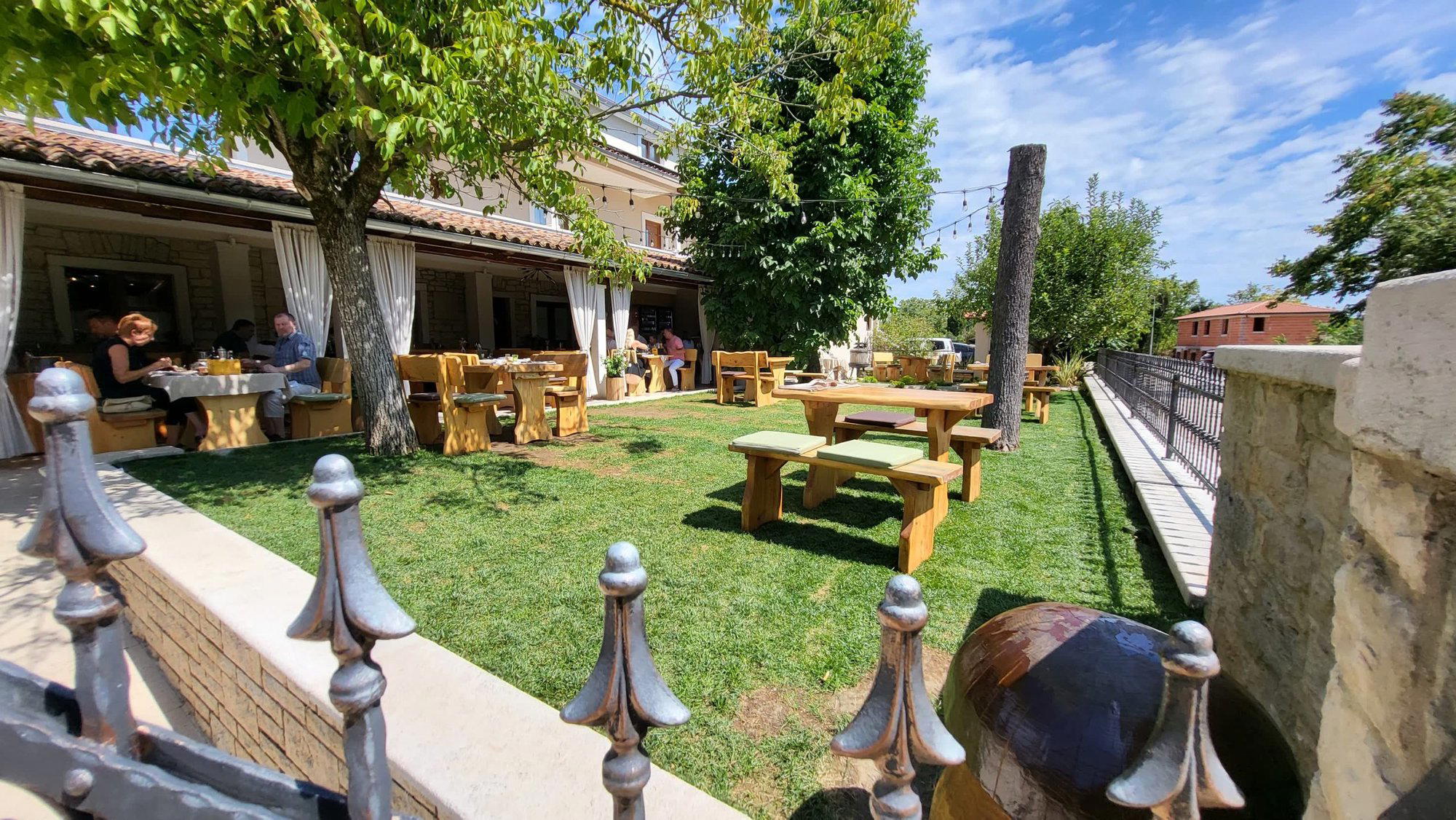
Istria's Interior and the Konoba Tradition
The coastal strip of Istria gets most of the attention. Rovinj, Poreč, and Pula draw the crowds, and the restaurant scene that serves them has, over the past decade, grown increasingly polished and internationally oriented. Places like Agli Amici Rovinj in Rovinj operate at the summit of that coastal tier, with menus that speak to a European fine-dining vocabulary. But inland Istria runs on a different clock. Villages like Kringa sit in rolling hill country where truffle grounds, family olive groves, and small-plot vineyards define the agricultural character of the area, and where the konoba format has remained largely unchanged for generations.
A konoba, in its traditional form, is not a restaurant in the urban sense. It is a farmhouse dining room or cellar space where the menu reflects what is available locally and what the season permits. The physical approach to Konoba Danijeli in Kringa sets that tone immediately: the address at Danijeli 76 places it within the kind of dispersed settlement common to the Istrian interior, where houses and smallholdings are spread across hillsides rather than concentrated in tight town centres. Arriving here, you are already some distance from the resort logic of the coast.
Where the Ingredients Come From and Why That Matters
The ingredient sourcing argument for inland Istrian konobas is not sentimental, it is geographical and agricultural. The Istrian interior sits within one of Europe's more concentrated zones of high-value wild and cultivated produce. White truffle grounds around Motovun, Buzet, and the Mirna valley are well-documented; Istrian truffles compete directly with Piedmontese Alba product on the international market, which gives some sense of their standing. Olive oil from the inland groves, particularly around the Buje and Grožnjan areas, has accumulated significant recognition in international olive oil competitions over the past fifteen years, with Istrian producers regularly placing against Italian and Spanish benchmarks.
The seasonal logic that governs a traditional konoba menu follows from this geography. Spring brings wild asparagus from the scrubland edges; autumn is truffle season, and the Istrian interior takes it seriously in a way the coast rarely matches. Locally raised lamb and pork, game from the surrounding forests, and handmade pasta, fuži and pljukanci being the shapes most closely associated with the region, form the structural backbone of what konoba cooking in this part of Croatia has always looked like. The comparison with coastal menus is instructive: where a venue like Pelegrini in Sibenik works in the idiom of modern Mediterranean cuisine with a refined technique overlay, inland konoba cooking operates closer to a direct line between farm and table, with technique in service of the ingredient rather than the other way around.
This sourcing-first approach has a wider Croatian parallel. Korak in Jastrebarsko and Dubravkin Put in Zagreb both work with locally sourced Croatian produce, but within more formally structured dining environments. The konoba format in Kringa removes that layer of formality entirely, which is both its character and its function.
The Setting and What It Signals
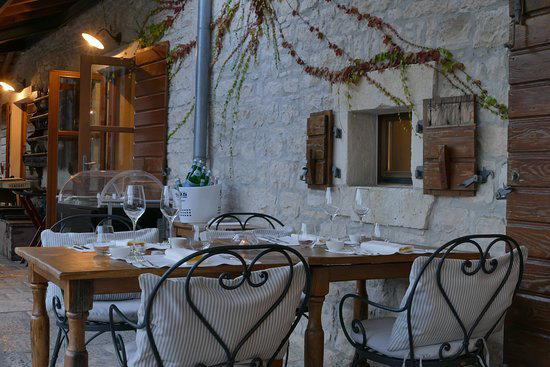
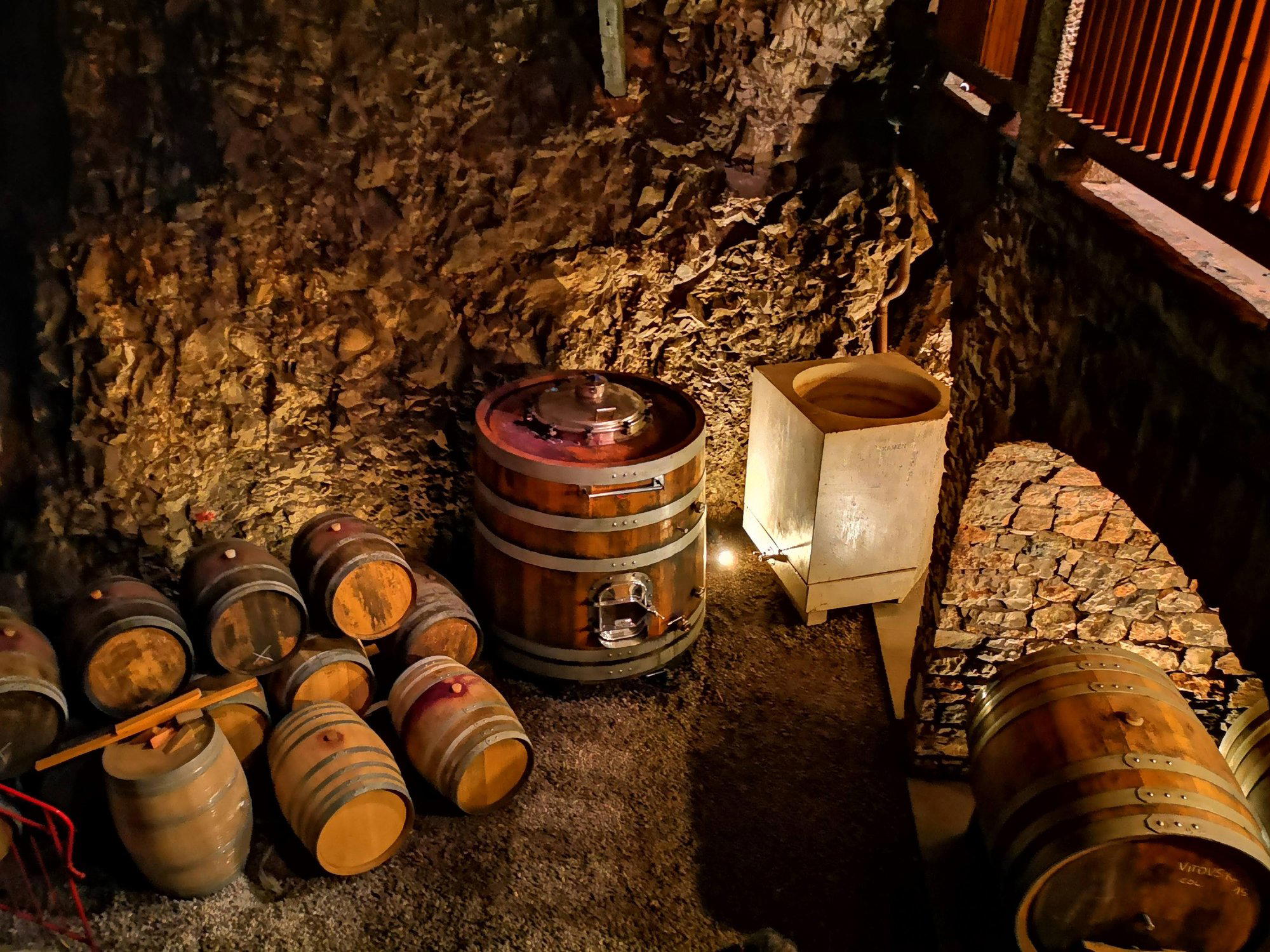
Inland Istrian dining rooms tend toward the unfussy: stone walls, wooden furniture, and a pace that does not rush tables. This is partly practical, many konobas are family-run operations without the staffing depth of larger restaurants, and partly a function of the clientele, which skews toward Croatian families, slow-travelling Europeans, and the kind of visitor who has already done the coastal circuit and is looking for something different in register. The atmosphere that results is closer to a long Sunday lunch than to a restaurant service in the conventional sense.
Croatia's dining scene has divided, over the past decade, between internationally facing venues that compete on fine-dining terms and locally rooted places that operate almost entirely outside that frame of reference. Restaurant 360 in Dubrovnik and Nebo by Deni Srdoč in Rijeka occupy the first category. Konoba Danijeli, by format and location, belongs firmly to the second. Neither category is superior; they are answering different questions about what a meal is for.
For visitors considering the broader Istrian peninsula, the comparison with island and coastal venues is worth making. Boskinac in Novalja on Pag and Alfred Keller in Mali Lošinj each represent the island interpretation of Croatian terroir dining, with wine programs and polished environments that Kringa does not attempt to replicate. The konoba in the Istrian interior is operating in a different register, and the visitor who arrives expecting the production values of those venues will have calibrated incorrectly.
Planning a Visit to Kringa
Kringa sits in central Istria, accessible by car from Poreč in roughly twenty to twenty-five minutes and from Pula in under an hour. The village is small enough that Danijeli 76 requires no further navigation beyond the address itself. Given the rural location, driving is the practical approach; there is no meaningful public transport connection to this part of the interior. The konoba format in this region typically means lunch-focused service, and advance contact is advisable before visiting, particularly outside the summer months when rural Istrian venues may operate on reduced schedules or by reservation only. Advance contact is advisable before visiting, particularly outside the summer months when rural Istrian venues may operate on reduced schedules or by reservation only.
For visitors building a wider Croatian itinerary, Krug in Split, LD Restaurant in Korčula, and Cubo in Opatija each offer a sense of the range the country's dining scene covers. Further afield, BioMania Bistro Bol in Bol, Bodulo in Pag, Burin in Crikvenica, and Cantilly Garden Restaurant in Samobor round out the picture of regional Croatian dining for those moving through the country with purpose.
For those whose frame of reference runs to international fine dining, venues like Le Bernardin in New York City or Atomix in New York City represent the opposite end of the formality spectrum. The point is not comparison but calibration: Konoba Danijeli suits guests who arrive ready for a casual, locally rooted meal.
Comparable Spots, Quickly
Comparable venues nearby, for context on price, style, and recognition.
| Venue | Cuisine | Price | Notes |
|---|---|---|---|
| Konoba DanijeliThis venue — the venue you are viewing | Traditional Istrian Mediterranean | $$ | Not listed |
| Konoba Gradina | Traditional Istrian Grill | $$ | Vrsar |
| Vorichi | Traditional Istrian Mediterranean | $$ | Orihi |
| Hotel & Restoran Degenija | Traditional Croatian Regional Grill | $$ | Selište Drežničko, Rakovica |
| Restaurant Dijana | Mediterranean | $$ | Crveni Vrh |
| Restauran-Antonia | Croatian Seafood Mediterranean | $$ | Zambratija |
Continue exploring
More in Kringa
Restaurants in Kringa
Browse all →
Bars in Kringa
Browse all →
Hotels in Kringa
Browse all →

At a Glance
- Rustic
- Cozy
- Family
- Casual Hangout
- Terrace
- Open Kitchen
- Local Sourcing
Current opening hours
- Monday
- Closed
- Tuesday
- 2–11 PM
- Wednesday
- 2–11 PM
- Thursday
- 2–11 PM
- Friday
- 2 PM–1 AM
- Saturday
- 1 PM–2 AM
- Sunday
- 12 PM–12 AM
Hours can change for holidays and private events. Last verified .
Rustic with stone house charm, cozy pub atmosphere, large terrace under old trees, and open fireplace.