On the Istrian coast near Vrsar, Konoba Gradina sits inside a village of the same name where fishing traditions and local agriculture have shaped the table for generations. The format is the konoba itself: a Dalmatian-inflected dining tradition that prizes proximity to the source over formal presentation. For travellers moving through the Poreč-Vrsar corridor, it represents the kind of address that rewards detours off the main coastal circuit.
Pearl is the En Primeur Club membership app — saves, bookings, and concierge access live there. Same editors, same standards.
- Address
- Gradina 13, 52450, Vrsar, Croatia
- Phone
- +385 52 444 585
- Website
- instagram.com
- Directions
- Get directions
 Saves & bookings on Pearl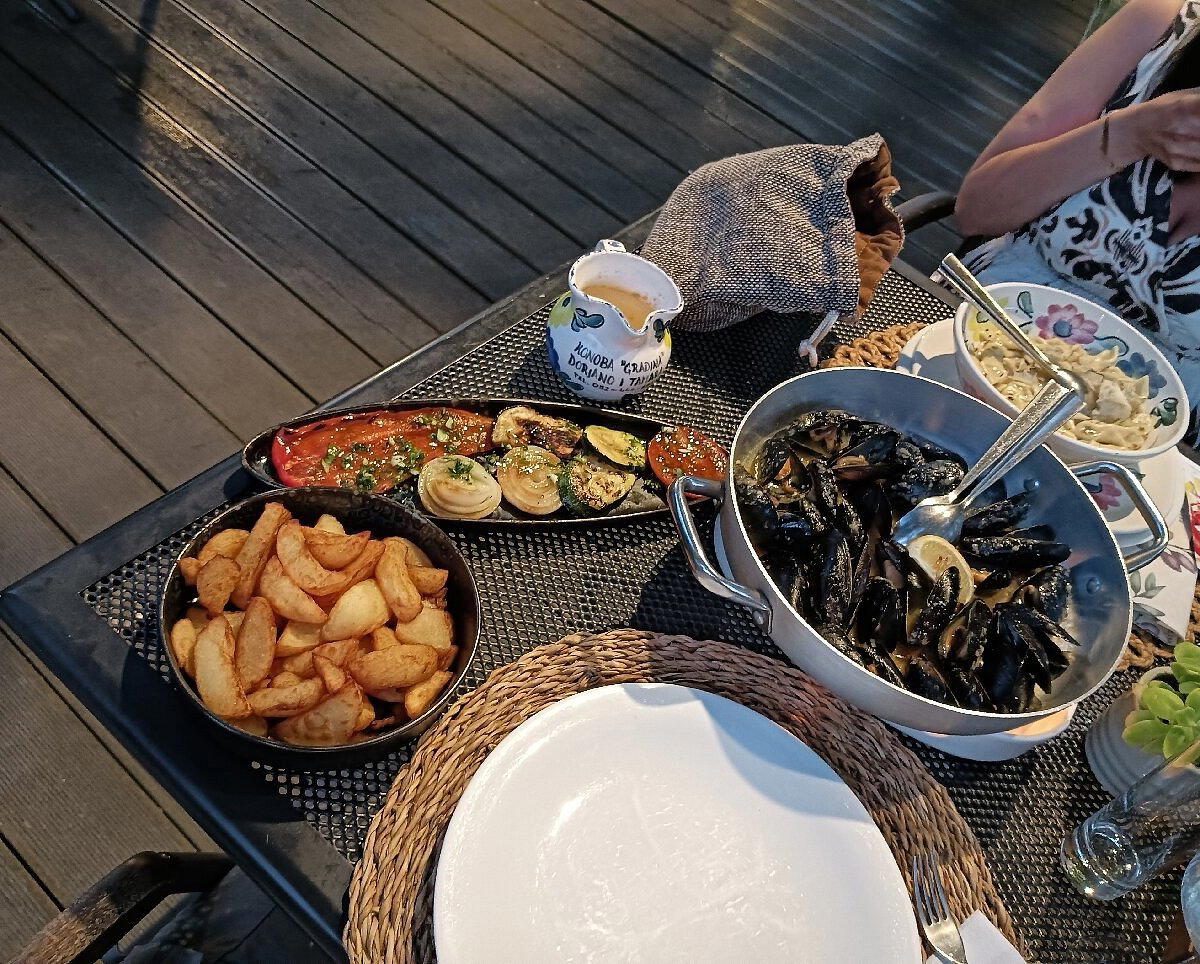
Where the Istrian Coast Still Eats Like It Fishes
The konoba format is one of Croatia's most durable dining institutions. Neither a restaurant in the continental sense nor a tavern in the northern European one, the konoba occupies a specific cultural position: a place where the distance between the sea or the field and the plate is kept deliberately short, and where the cooking reflects geography rather than ambition. Along the stretch of Istrian coastline between Poreč and Rovinj, this tradition survives in village addresses rather than harbour-front terraces, and Konoba Gradina, a traditional Istrian grill at Gradina 13 in Vrsar, sits within that quieter register.
The village of Gradina itself operates at a different rhythm from the marinas and promenades of the coast below. Approaching it means leaving the coastal road and moving inland through the low limestone karst that defines interior Istria, a range of olive groves, vineyards, and stone-walled smallholdings that has supplied the Adriatic table for centuries. That physical relationship between land and table is not incidental to places like this, it is the premise.
The Sourcing Logic Behind the Istrian Konoba
Understanding what a konoba like this serves means understanding where Istrian ingredients come from and why that geography matters. The Istrian peninsula sits at the meeting point of Alpine, Mediterranean, and Pannonian climate influences, producing a range of ingredients that few comparably small territories in Europe can match. Truffles from the Motovun forest, olive oil from groves that date back to Venetian management, wines from Malvazija and Teran vines, and seafood pulled from the Kvarner Gulf all converge in a tradition that values freshness over technique and locality over import.
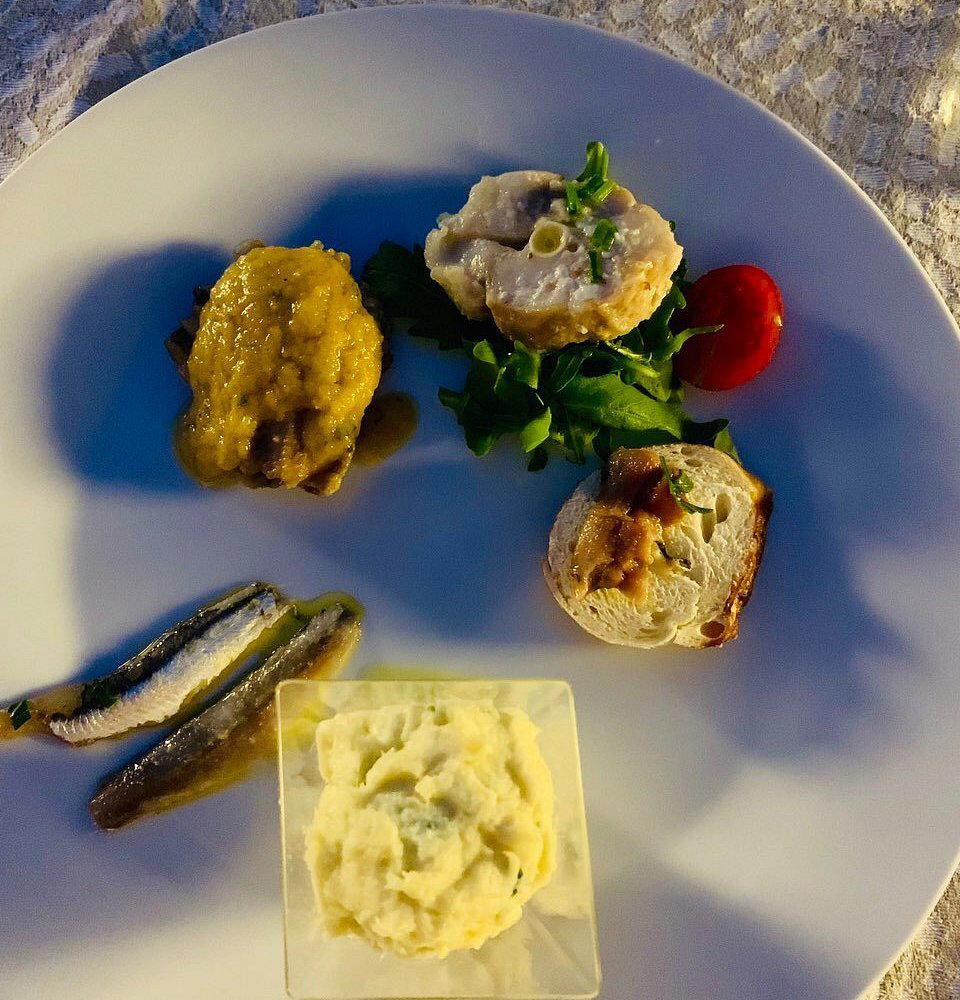
The konoba tradition was built around this proximity. Where higher-registered Croatian restaurants, including Pelegrini in Sibenik and Restaurant 360 in Dubrovnik, now reframe these same ingredients through a modern Mediterranean or contemporary Croatian lens at €€€€ price points, the konoba format retains an earlier and more direct relationship with the source. The Adriatic anchovy, the hand-gathered sea asparagus, the small-batch sheep's cheese from inland producers: in a village konoba, these arrive with minimal transformation. That restraint is a form of editorial confidence, not a lack of ambition.
Istria's position in the broader Croatian dining conversation has sharpened over the past decade. Agli Amici Rovinj, just south along the coast, represents the Italian-contemporary end of the Istrian dining spectrum, with a format and price register that reflects the peninsula's cross-border culinary history. At the other end of that spectrum, smaller konoba addresses in villages like Gradina hold the baseline: the cooking that the more formal restaurants draw from when they talk about authenticity of origin.
Reading the Vrsar Corridor
Vrsar, the nearest town of scale, sits at the mouth of the Lim fjord, one of the more productive shellfish environments on the eastern Adriatic. The fjord's mussel and oyster beds have supplied local tables for long enough that shellfish appear not as a speciality item but as a baseline expectation. A village konoba positioned above Vrsar inherits that supply logic without any formal arrangement needing to be made: the provenance is geographic.
The coastal strip between Poreč and Rovinj attracts significant summer traffic, which means the dining scene bifurcates sharply by season. The terrace-facing harbour restaurants operate on a tourist calendar; smaller inland and village addresses like Gradina tend to retain a local clientele across a longer operating window, partly because they are not designed around the seafront promenade walk. That difference in clientele shapes the food: village konobas are not calibrated to produce photogenic plates for a transient audience, and the food reflects that.
For travellers covering broader Croatian dining territory, the Istrian konoba sits in a different comparable set from the higher-profile addresses elsewhere in the country. Boskinac in Novalja, on Pag island, represents the wine-estate dining model; Nebo by Deni Srdoč in Rijeka occupies the modern tasting-menu tier on the Kvarner. Neither is the right comparison for a village konoba. The relevant comparable set is closer to home: smaller, source-first addresses across Istrian villages, where the food is evaluated by how directly it reflects the week's catch and the season's harvest.
Planning the Visit
Konoba Gradina's address, Gradina 13, 52450, Vrsar, places it within the commune of Vrsar, reachable by car from the main coastal road in a short drive. The settlement is small enough that the konoba is not hard to find on arrival. Given the seasonal operating patterns common to this part of Istria, visiting during the summer months offers the widest availability, though the quieter shoulder seasons of May and September align better with local dining rhythms and a more resident-weighted crowd. Reservations are recommended.
Alfred Keller in Mali Lošinj on the Kvarner islands or Cubo in Opatija to the north, each of which represents a different register of Croatian coastal dining. Deeper into the country, Dubravkin Put in Zagreb and Korak in Jastrebarsko anchor the continental end of the Croatian table, while Krug in Split and LD Restaurant in Korčula cover the Dalmatian south. Konoba Gradina remains part of that older Istrian dining tradition.
Comparable Spots, Quickly
Comparable venues nearby, for context on price, style, and recognition.
| Venue | Cuisine | Price | Notes |
|---|---|---|---|
| Konoba GradinaThis venue — the venue you are viewing | Traditional Istrian Grill | $$ | Not listed |
| Primizia | Mediterranean Pizza & Istrian | $$ | Brtonigla |
| Pjero | Istrian Steakhouse & Trattoria | $$ | Momjan |
| Rino | Traditional Istrian | $$ | Momjan |
| Corto Magarese | Mediterranean | $$ | Vis |
| Veli Jože | Traditional Istrian Seafood | $$ | Old Town |
Continue exploring
More in Gradina
Restaurants in Gradina
Browse all →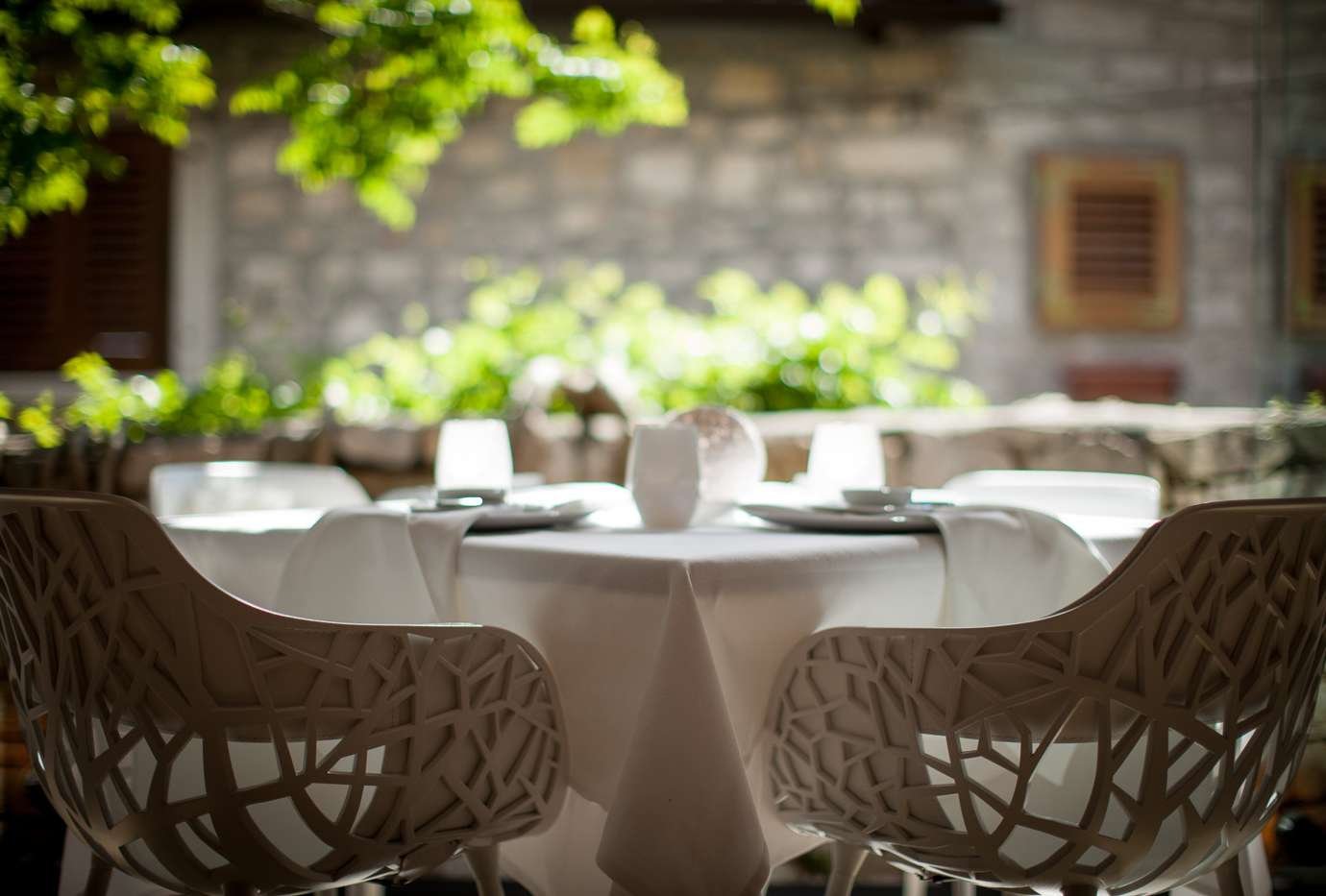
Bars in Gradina
Browse all →
Hotels in Gradina
Browse all →

At a Glance
- Rustic
- Cozy
- Family
- Group Dining
- Casual Hangout
- Local Sourcing
Current opening hours
- Monday
- 12–11 PM
- Tuesday
- 12–11 PM
- Wednesday
- 12–11 PM
- Thursday
- 12–11 PM
- Friday
- 12–11 PM
- Saturday
- 12–11 PM
- Sunday
- 12–11 PM
Hours can change for holidays and private events. Last verified .
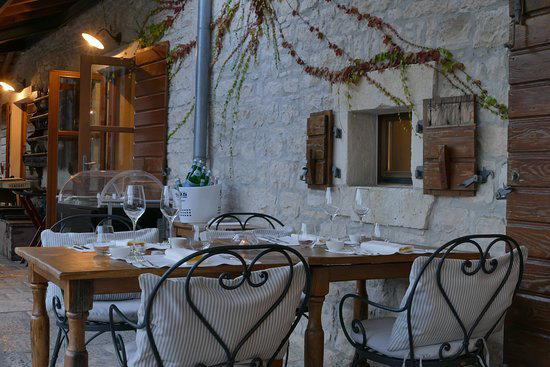
Warm hospitality in a rustic space with white stone walls and beautifully laid tables.