
Carlota Akaneya occupies a corner of Carrer del Pintor Fortuny in Barcelona's Ciutat Vella, a street where the Raval's creative energy meets the older residential grain of the neighbourhood. The address places it inside one of the city's most active dining corridors, where daytime service and evening programmes often serve markedly different purposes and crowds.
Pearl is the En Primeur Club membership app — saves, bookings, and concierge access live there. Same editors, same standards.
- Address
- Carrer del Pintor Fortuny, 32, Ciutat Vella, 08001 Barcelona, Spain
- Phone
- +34933027768
- Website
- akaneyajapan.com
- Directions
- Get directions
 Saves & bookings on Pearl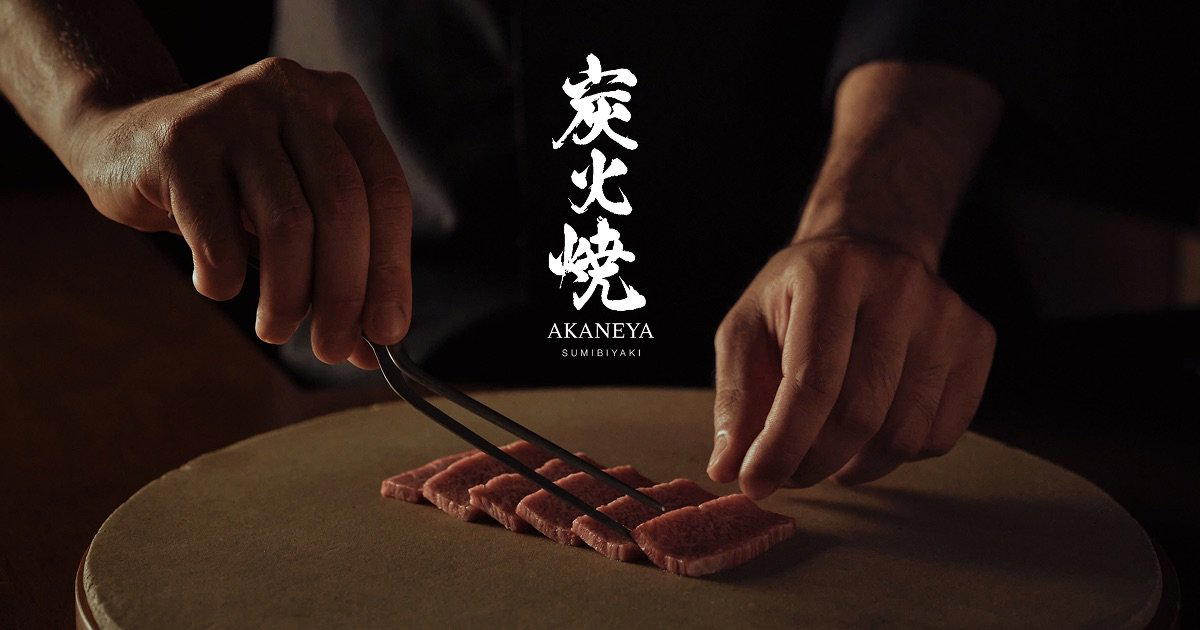
Carrer del Pintor Fortuny and the Raval's Dining Logic
Carlota Akaneya is a Japanese Sumibiyaki restaurant in Barcelona's Ciutat Vella. The neighbourhood that contains the Raval, the Gothic Quarter, and the edge of El Born operates in shifts: morning market culture, midday workers and locals, afternoon visitors, and an evening crowd that often arrives later than tourists expect. Carrer del Pintor Fortuny, where Carlota Akaneya sits at number 32, reflects that rhythm. The street runs between the Macba plaza and the older residential blocks closer to the Rambla, and the addresses along it occupy a space that is culturally active without being purely touristic.
That division matters in Barcelona more than in almost any other major European city. The menú del día tradition, still observed seriously at addresses that take their kitchen seriously, creates a lunchtime economy with its own logic: tighter pricing, faster pacing, higher local participation. Dinner, by contrast, follows the Spanish norm of late seating, few kitchens in this part of Barcelona peak before nine in the evening, and carries a different set of expectations around time and spend. Venues on Pintor Fortuny that operate across both services are effectively running two distinct propositions from one kitchen.
The Raval's Position in Barcelona's Restaurant Hierarchy
Barcelona's dining identity is most legible at the leading end: Disfrutar and Enigma represent the city's claim to progressive technique; Lasarte and ABaC anchor a more formal creative Spanish mode; Cocina Hermanos Torres bridges creative ambition with broad accessibility. Below that tier, the city operates a dense mid-market where neighbourhood addresses compete less on awards than on consistency, value across services, and the ability to hold a local clientele alongside visitors.
The Raval specifically has moved through several phases of reputation. Once avoided by Barcelona's wealthier residents, it became the locus of cultural investment in the 1990s and 2000s, anchored by institutions like the MACBA and the CCCB. That cultural investment pulled dining investment behind it, and the neighbourhood now contains a wide band of restaurants operating from budget to serious mid-range. Carlota Akaneya's address on Pintor Fortuny places it in a corridor that has benefited from that trajectory without being in the tourist-saturated blocks immediately around the Rambla.
For context on where Spain's broader restaurant ambition sits, the country's senior addresses, El Celler de Can Roca in Girona, Mugaritz in Errenteria, Martin Berasategui in Lasarte-Oria, Arzak in San Sebastián, and Azurmendi in Larrabetzu, operate largely outside Barcelona. The city's mid-range, where the restaurant competes, is shaped by what those destinations have trained diners to expect: technical care, local sourcing signals, and genuine kitchen identity, regardless of price bracket.
Lunch and Dinner: Where the Value Argument Lives
Across Barcelona's non-starred mid-market, the lunch service is typically where value is most legible. Kitchens that take their sourcing seriously but price their evening menu at full margin often offer a condensed lunchtime format that delivers the same kitchen at a fraction of the evening cost. This is not a uniquely Barcelona phenomenon, the same pattern holds across Madrid, Valencia, and San Sebastián, but it is particularly pronounced in Raval addresses that depend on a mixed local-and-visitor clientele to sustain occupancy across the week.
For a venue like Carlota Akaneya, operating on a street with significant foot traffic during midday hours, the lunch proposition is likely the sharper commercial decision for value-oriented visitors. The evening service, by contrast, is where the kitchen has more room to extend: longer menus, more deliberate pacing, and the later Spanish dinner rhythm that pushes serious eating toward ten or eleven o'clock. Neither service is automatically superior, they serve different purposes and different visit types.
Spain's most serious regional addresses, from Aponiente in El Puerto de Santa María to Quique Dacosta in Dénia and Ricard Camarena in València, operate dinner-only or near-dinner-only formats precisely because the full expression of their kitchen requires a single, unhurried service. City mid-market venues do not have that luxury, and the discipline required to maintain quality across both services is its own credential.
Placing Carlota Akaneya Against the Neighbourhood
Within the Pintor Fortuny corridor and the broader Raval, a venue's credibility tends to rest on a few observable signals: whether it maintains a local lunchtime crowd, how it prices its evening service relative to what the kitchen can deliver, and whether the format reflects genuine culinary intent rather than positioning for the visitor economy. These are the day-to-day competitive logic of Barcelona's mid-market.
Internationally framed comparisons are useful here for scale. Addresses like Le Bernardin in New York, DiverXO in Madrid, or Lazy Bear in San Francisco operate in entirely different tiers, single-service, reservation-heavy, award-led. They are useful precisely because they illustrate what stronger examples from their respective markets looks like. The restaurant's register is different: a street-level Raval address where the value of a visit is assessed against the experience of eating in a genuinely local Barcelona context rather than against destination dining metrics. Also worth noting in the broader creative Spanish context: Atrio in Cáceres represents how Spain's leading addresses sometimes operate at considerable remove from its major cities, underscoring that serious dining in Spain does not require a Barcelona or Madrid postcode.
Know Before You Go
- Address: Carrer del Pintor Fortuny, 32, Ciutat Vella, 08001 Barcelona, Spain
- Neighbourhood: El Raval, within Ciutat Vella, close to MACBA and the Rambla edge
- Booking: Reservation recommended.
- Timing: Barcelona lunch service typically runs 13:30 to 15:30; dinner rarely peaks before 21:00
- Dietary needs: Confirm vegetarian or other dietary requirements directly with the venue before visiting
- Price guidance: Pricing sits around $60 per person.
Standing Among Peers
Comparable venues nearby, for context on price, style, and recognition.
| Venue | Cuisine | Price | Notes |
|---|---|---|---|
| Carlota AkaneyaThis venue — the venue you are viewing | Japanese Sumibiyaki | $$$$ | Not listed |
| Nobu Barcelona | Modern Japanese Omakase | $$$$ | Hostafrancs |
| Grasshopper Ramen Bar | Traditional Japanese Ramen | $$ | Sant Pere, Santa Caterina i la Ribera |
| Can Kenji | Japanese Izakaya with Mediterranean Fusion | $$ | la Dreta de l'Eixample |
| 1881 per Sagardi | Traditional Catalan Mediterranean | $$$$ | Port Vell |
| COYA Barcelona | Peruvian Fusion | $$$$ | Port Vell |
Recognition history
Dated appearances from independent guides and award organizations, with the underlying list record or original source where available.
Macarfi 7.5 Food Rating
Macarfi
Continue exploring
More in Barcelona
Restaurants in Barcelona
Browse all →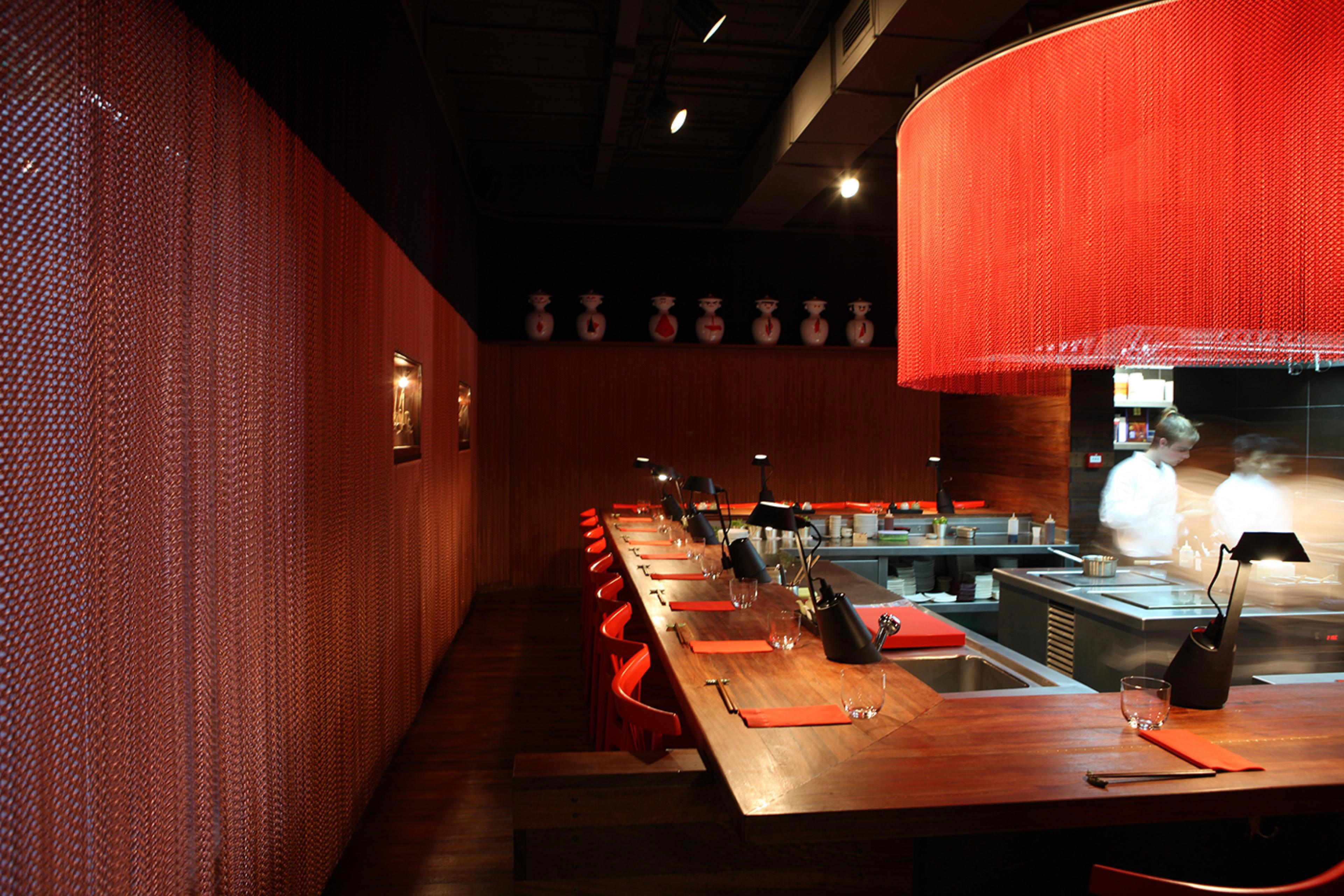
Bars in Barcelona
Browse all →
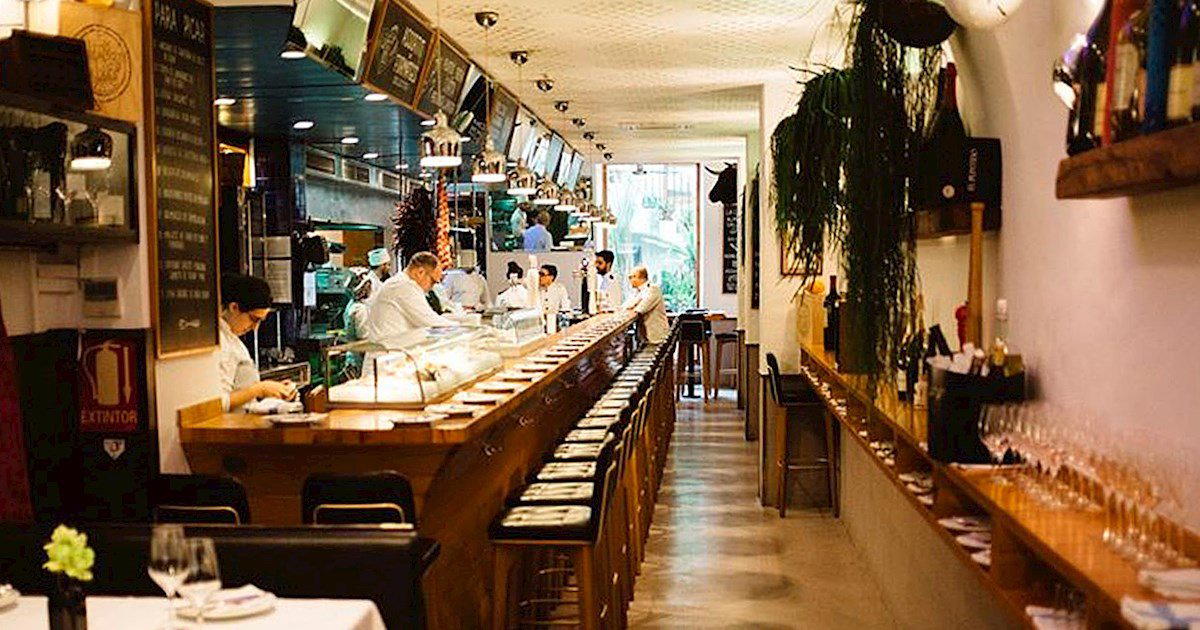
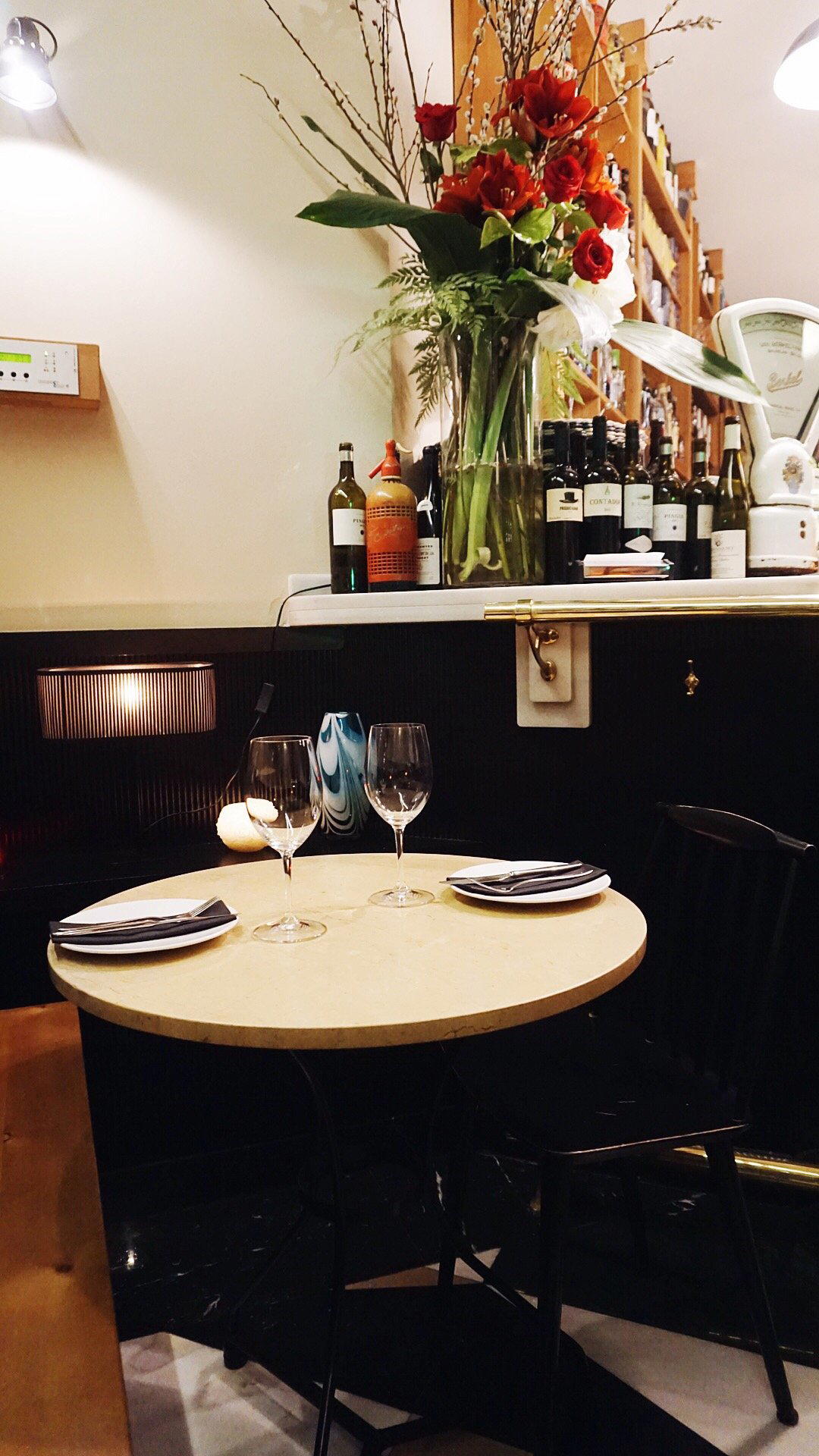
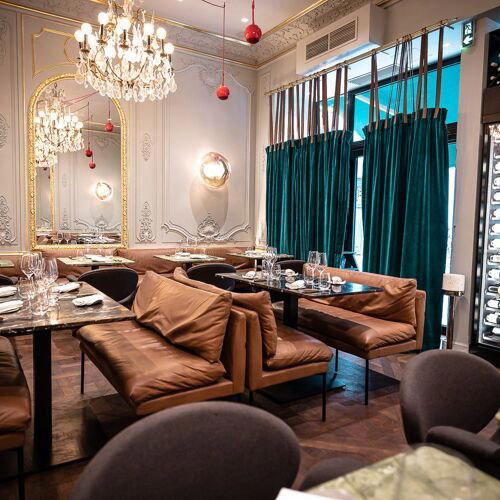
Hotels in Barcelona
Browse all →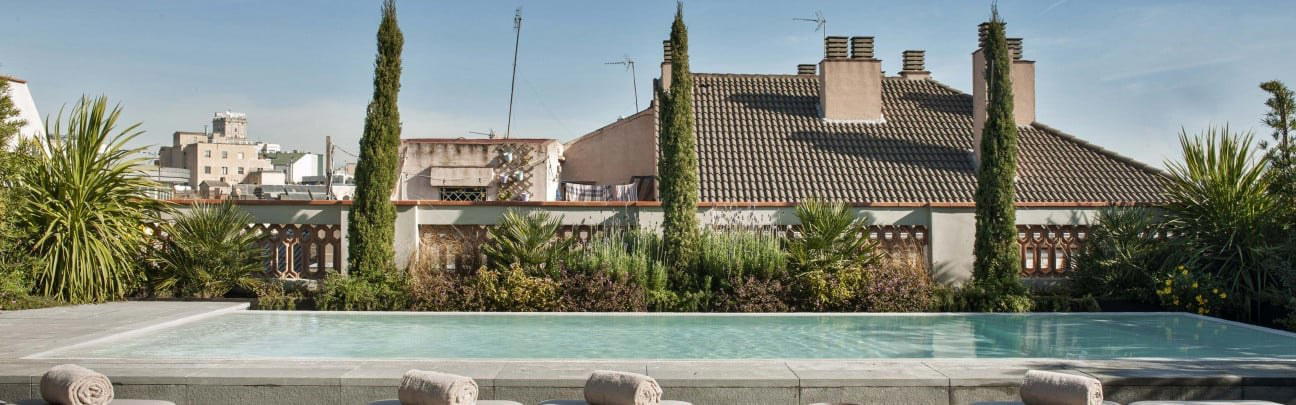
At a Glance
- Intimate
- Industrial
- Cozy
- Modern
- Date Night
- Special Occasion
- Open Kitchen
- Sake Program
Current opening hours
- Monday
- 7–11 PM
- Tuesday
- 7–11 PM
- Wednesday
- 7–11 PM
- Thursday
- 7–11 PM
- Friday
- 7–11 PM
- Saturday
- 1:30–2:30 PM, 7–11 PM
- Sunday
- 1:30–2:30 PM, 7–11 PM
Hours can change for holidays and private events. Last verified .
Industrial-chic decor with wood paneling, backlit paper screens, and intimate lighting creating a warm, stylish, and authentic Japanese atmosphere.