Our verdict
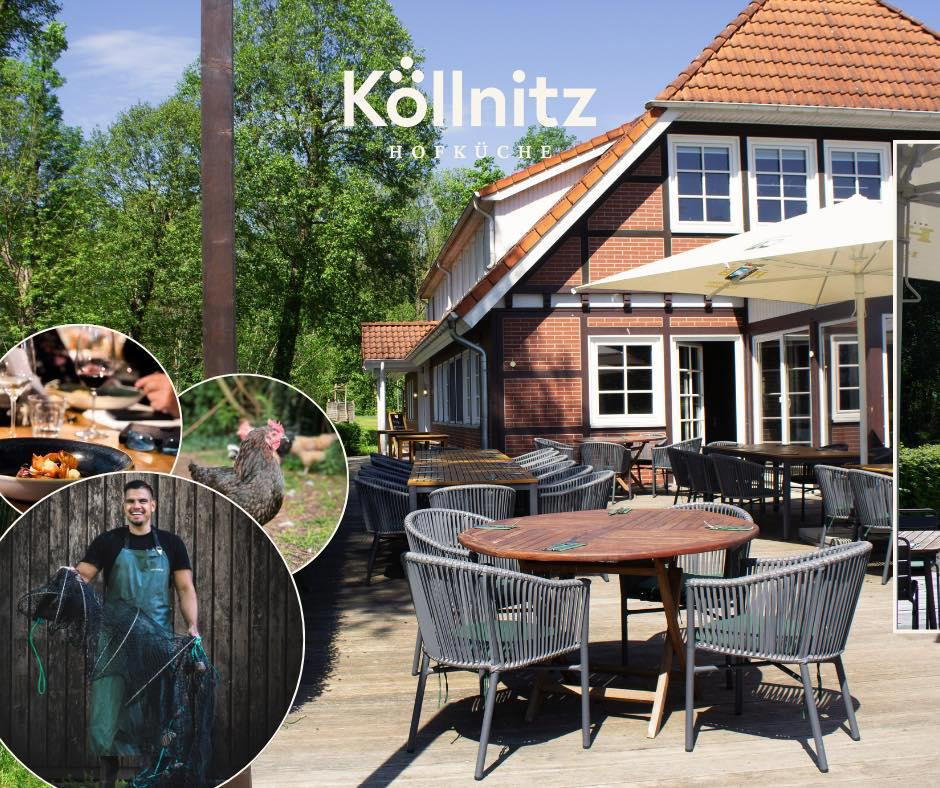
Köllnitzer Hofküche operates from a rural address in Storkow, Brandenburg, placing it squarely within Germany's growing tradition of destination dining beyond major urban centres. With sparse public information available, it invites curiosity from travellers willing to seek out regional cooking in the Mark Brandenburg countryside. Check directly for current hours, menu format, and booking options before visiting.

Pearl is the En Primeur Club membership app, where members save venues, book tables and use the concierge.
The menu
What to order
- Hirschhaxe
- Fischsoljanka
- Gebratener Zander
- Gebratener Aal
- Fried Trout
Rural Brandenburg and the Destination Dining Shift
Germany's serious dining conversation has long been anchored in cities and well-mapped wine regions: the haute kitchens of Hamburg, the creative programmes of Berlin, the Michelin-dense corridors of Bavaria and Baden-Württemberg. Venues such as Aqua in Wolfsburg or Schwarzwaldstube in Baiersbronn have built their reputations inside well-established fine-dining geographies, where critics travel regularly and the infrastructure of recognition is already in place. What is less documented, and in some ways more telling about where German regional cooking is heading, is the quieter movement of kitchens establishing themselves in the countryside, away from those circuits entirely.
Köllnitzer Hofküche sits at Groß Schauener Hauptstraße 31 in Storkow (Mark), Brandenburg, roughly an hour southeast of Berlin. That address alone places it within a specific tradition: the German Hofküche or farmstead kitchen, a format with deep roots in agricultural communities where cooking was inseparable from the land immediately surrounding the building. The Mark Brandenburg has historically been a provisioning region, forests, lakes, and flatlands that supplied Berlin's tables for centuries with freshwater fish, game, root vegetables, and preserved meats. A kitchen operating in this landscape today, regardless of its precise menu format, is working within that long provisioning history whether it acknowledges it explicitly or not.
Where the Food Comes From
The ingredient-sourcing argument for rural kitchens in Brandenburg is not sentimental. It is geographic and economic. The Dahme-Seengebiet area around Storkow contains some of the most productive freshwater fishing grounds in eastern Germany, with pike, perch, and bream pulled from connected lake systems that dot the region. Game is prevalent, wild boar, roe deer, and duck are seasonal constants in Brandenburg's forested interior. Root vegetables, heritage grain varieties, and foraged ingredients from the surrounding landscape represent the kind of short-supply-chain sourcing that urban kitchens at venues like CODA Dessert Dining in Berlin or JAN in Munich actively pursue through networks of specialist farmers, often located in regions exactly like this one.
A kitchen at a Storkow address does not need to import that regionality, it is already there. The Hofküche format, when practised with any seriousness, draws from adjacent producers as a matter of proximity rather than marketing. For travellers whose primary interest is in understanding where German regional cooking finds its ingredients, the Brandenburg countryside is a more direct answer than most city menus, however accomplished those city programmes may be.
The Broader Context: Germany's Dispersed Dining Map
It is worth understanding how widely Germany's serious kitchens are distributed geographically. Unlike France, where Paris concentrates a disproportionate share of recognised fine dining, Germany has always had a decentralised structure: Waldhotel Sonnora in Dreis, Schanz in Piesport, and Victor's Fine Dining by Christian Bau in Perl are all located in areas that require deliberate travel, yet they operate at the top tier of European recognition. The pattern is consistent: German kitchens that commit to a specific landscape tend to develop a specificity of ingredient and technique that urban kitchens find harder to replicate.
At the other end of the recognition spectrum, venues that have not yet entered formal award circuits, or that operate outside the volume and visibility required for those systems, exist across rural Germany in numbers that the Michelin guide does not fully reflect. The guide's rural coverage in Brandenburg remains sparse compared to Bavaria, Baden-Württemberg, or the Rhine valley, which means absence of listed recognition is not equivalent to absence of quality. It means, more precisely, that the critical infrastructure visits less frequently. For context on what recognised ambition looks like at the city level, Restaurant Haerlin in Hamburg and Vendôme in Bergisch Gladbach represent the established end of that spectrum. Köllnitzer Hofküche, as a rural Brandenburg address with limited public profile, occupies a different and less legible position on that map.
Getting There and Planning a Visit
Storkow is reachable from Berlin by regional train to Storkow station, followed by local transport or a short taxi ride toward the Groß Schauen area. By car from central Berlin, the drive runs approximately 60 to 70 kilometres via the B179 or A12, passing through the Dahme-Seengebiet lake district. The drive itself is an orientation in the landscape that supplies the region's kitchens: flat, forested, interspersed with lake views that signal the freshwater fishing economy still active here.
Storkow itself offers limited accommodation options, which makes same-day return to Berlin the default planning assumption for most visitors. The area is popular with Berliners for weekend lake recreation between May and September, which may affect local capacity during those months. For comparison, the planning discipline required to visit recognised rural kitchens like ES:SENZ in Grassau or AURA by Alexander Herrmann and Tobias Bätz in Wirsberg applies here too: rural dining in Germany requires logistical commitment that city dining does not.
Travellers with a wider Germany itinerary can cross-reference Köllnitzer Hofküche against our full Storkow restaurants guide for additional context on what the area offers. For those approaching from the international fine-dining perspective, the contrast between a Brandenburg farmstead kitchen and a technically precise urban programme, say, Le Bernardin in New York City or Atomix in New York City, is useful precisely because it clarifies what each format is actually doing. One operates within a global vocabulary of sourced luxury; the other, at its most authentic, operates within a geography that has been producing specific ingredients for specific kitchens for centuries. Neither is a substitute for the other.
For additional reference points within Germany's dispersed fine-dining map, Bagatelle in Trier, ammolite in Rust, ATAMA by Martin Stopp in Sankt Ingbert, and AUGUST in Augsburg each represent kitchens that have committed to specific regional identities outside the major metropolitan centres.
Frequently asked questions
Would Köllnitzer Hofküche be comfortable with kids?
The rural Storkow setting at Groß Schauener Hauptstraße 31 suggests a relaxed pace more typical of countryside venues than urban tasting-menu rooms. That said, specific policies on children have not been confirmed publicly. Contacting the venue directly before booking with young children is the practical approach.
How would you describe the vibe at Köllnitzer Hofküche?
Positioned in the Dahme-Seengebiet outside Berlin, Köllnitzer Hofküche carries the register of a destination farmstead kitchen rather than a city dining room. The address in Storkow places it firmly in rural Brandenburg, where the surrounding landscape sets a quieter, more deliberate tone than you would find in a Hamburg or Munich restaurant of comparable seriousness.
Is Köllnitzer Hofküche worth a trip from Berlin as a standalone dining destination?
Storkow is reachable from Berlin by regional train, placing Köllnitzer Hofküche within a feasible day-trip range for Berlin-based travellers. Rural Brandenburg has drawn growing attention as Germany's serious dining map extends well beyond its major cities. Whether the kitchen merits a dedicated journey is best assessed by reviewing current guest records or editorial coverage, as no Michelin or 50 Best recognition has been confirmed for this address.
What dish is Köllnitzer Hofküche famous for?
No specific signature dish has been documented in available editorial records for Köllnitzer Hofküche. Given its location in Brandenburg's Dahme-Seengebiet, regional ingredient sourcing is a reasonable expectation, but specific menu details require direct verification with the restaurant.
How do I find Köllnitzer Hofküche?
Köllnitzer Hofküche is located at Groß Schauener Hauptstraße 31, 15859 Storkow (Mark), Germany, Storkow.
Side-by-Side Snapshot
Comparable venues nearby, for context on price, style, and recognition.
| Venue | Cuisine | Price | Notes |
|---|---|---|---|
| Köllnitzer HofkücheThis venue (the venue you are viewing) | Creative Farm-to-Table German Cuisine | $50–100 | Not listed |
| Bundesbüdchen | Modern German Regional | $50–100 | Mitte |
| Grosz | Classic German/French Brasserie | Not listed | Charlottenburg |
| Restaurant Jolesch | Traditional Austrian with Modern Twists | $30–50 | Kreuzberg |
| mein.werder | Modern Regional German Tapas | $50–100 | Marktplatz |
| Vorwerck Restaurant - Dine & Show | Modern Central European Fine Dining | Not listed | Neukolln |
Continue exploring
More in Storkow
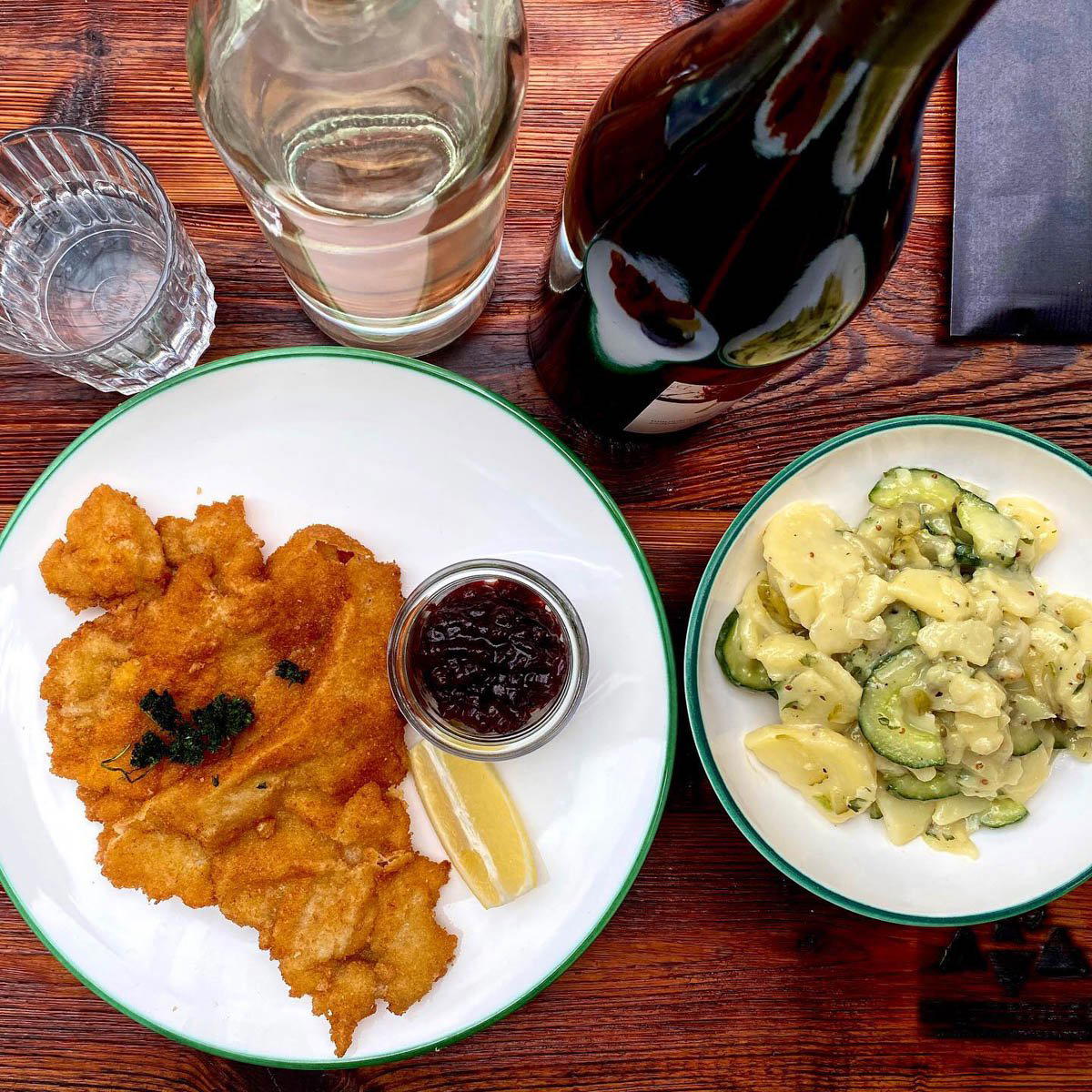
Restaurants in Storkow
All restaurants in Storkow →
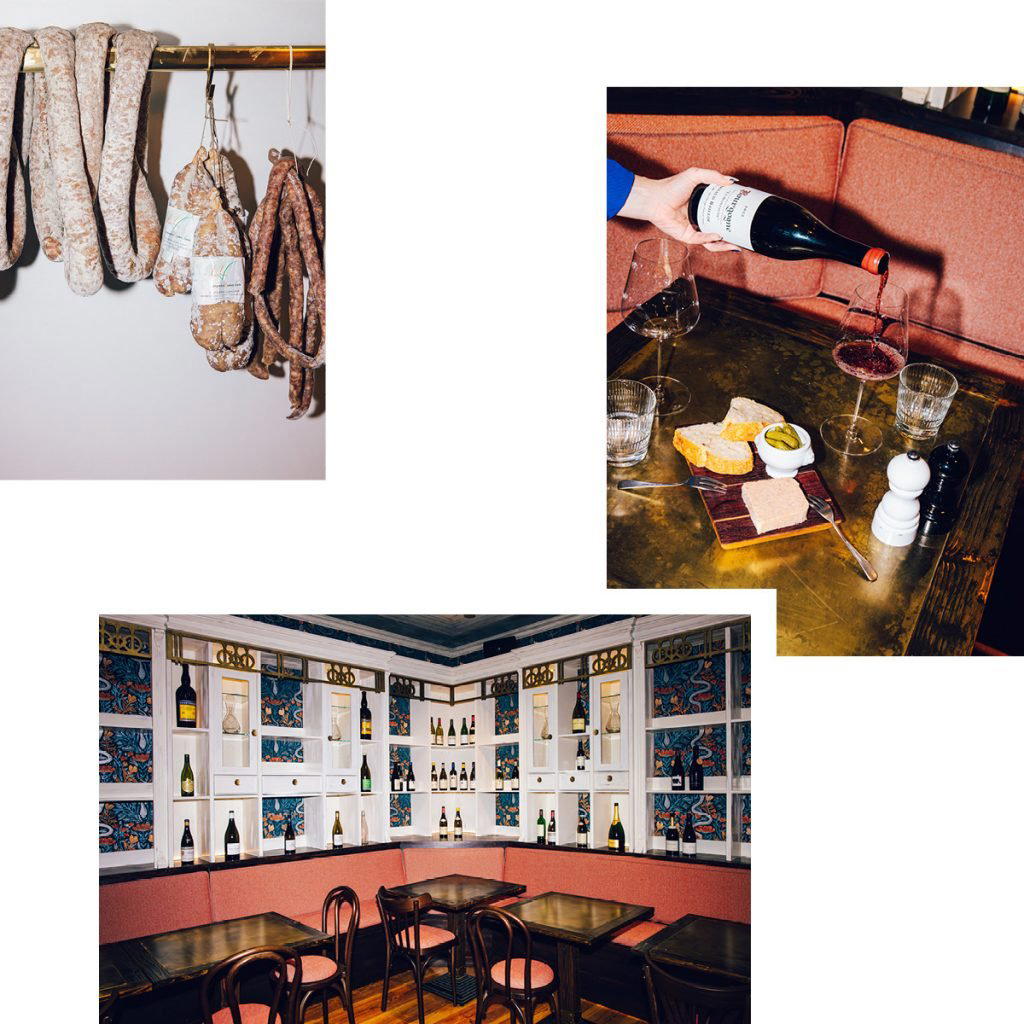
Bars in Storkow
Browse all →
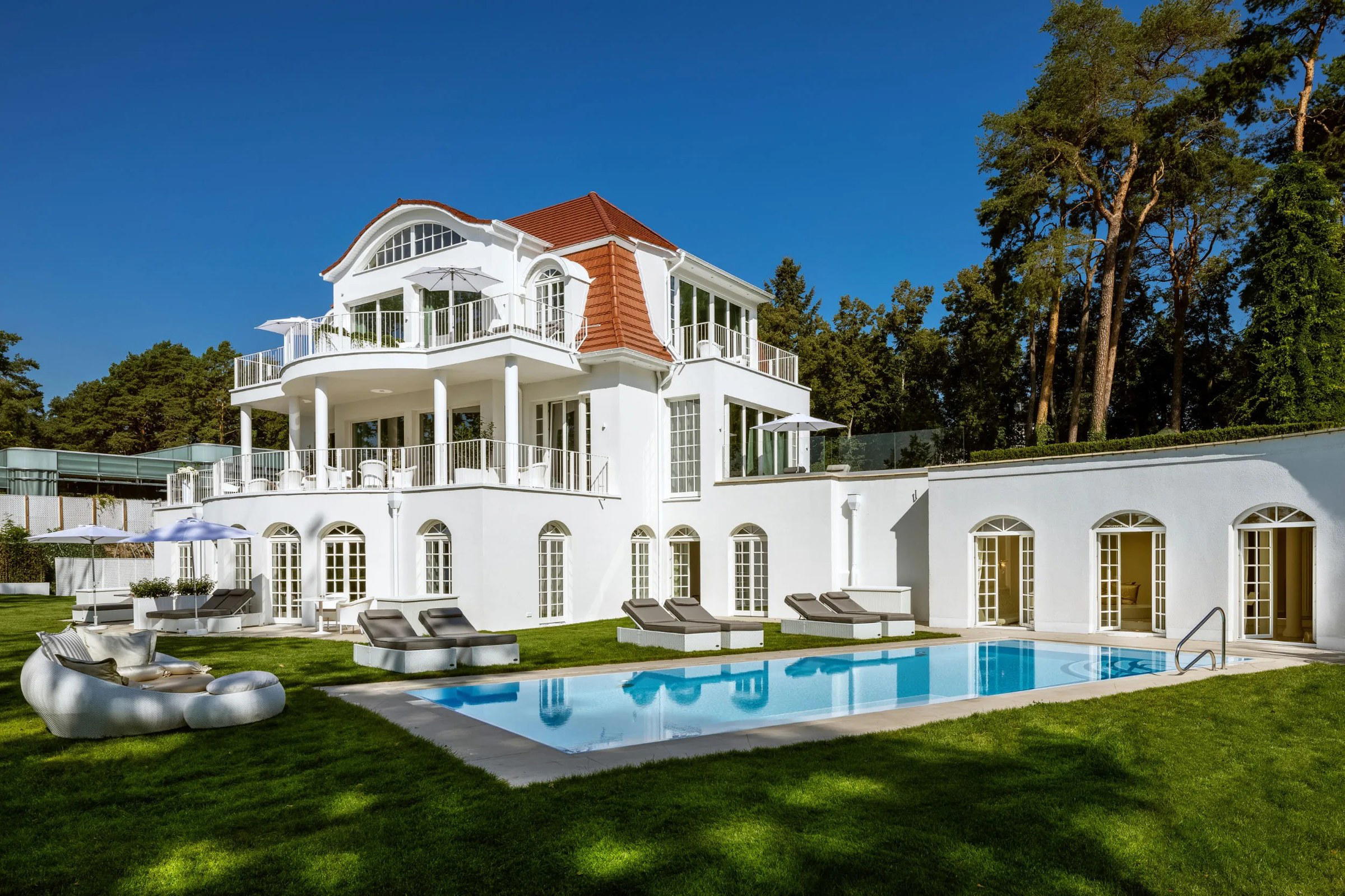
Hotels in Storkow
Browse all →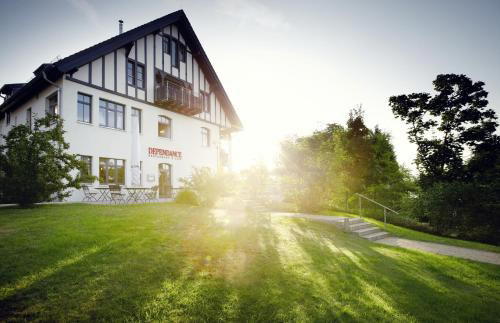

Wineries in Storkow
Browse all →
Details
- Scenic
- Rustic
- Cozy
- Elegant
- Date Night
- Family
- Celebration
- Special Occasion
- Waterfront
- Terrace
- Open Kitchen
- Private Dining
- Panoramic View
- Beer Program
- Farm To Table
- Organic
- Local Sourcing
- Sustainable Seafood
- Waterfront
- A La Carte
- Tasting Menu
- Set Menu
- Wine
- Beer
- Vegetarian Friendly
- Organic Focus
- Allergy Accommodating
Current opening hours
- Monday
- Closed
- Tuesday
- Closed
- Wednesday
- 12–5 PM
- Thursday
- 12–5 PM
- Friday
- 12–8 PM
- Saturday
- 12–8 PM
- Sunday
- 12–5 PM
Hours can change for holidays and private events. Hours as of .
Bright conservatory with open design overlooking nature and the lake; pleasant, Christmassy atmosphere during peak seasons with attentive service.