Our verdict
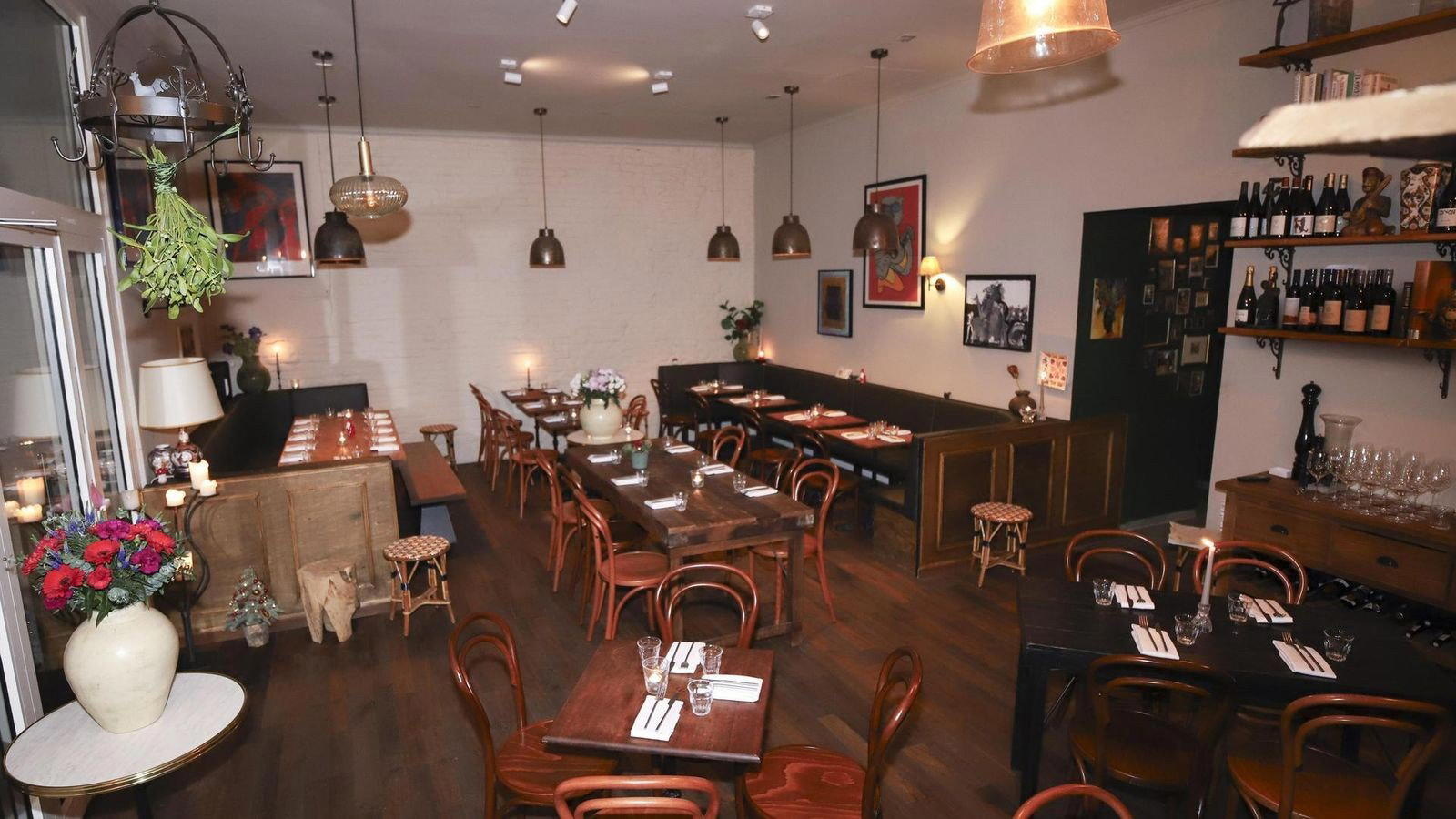
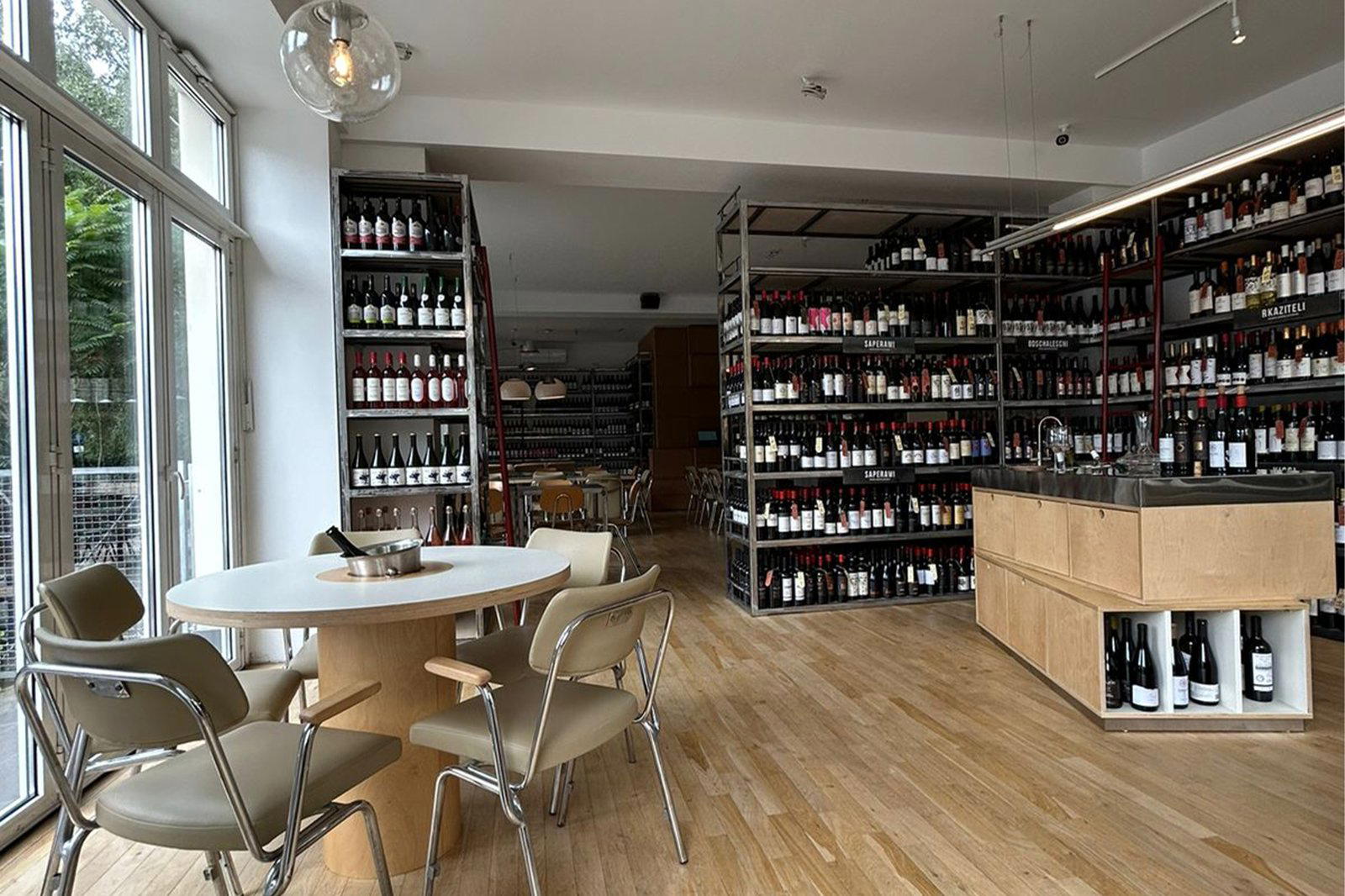
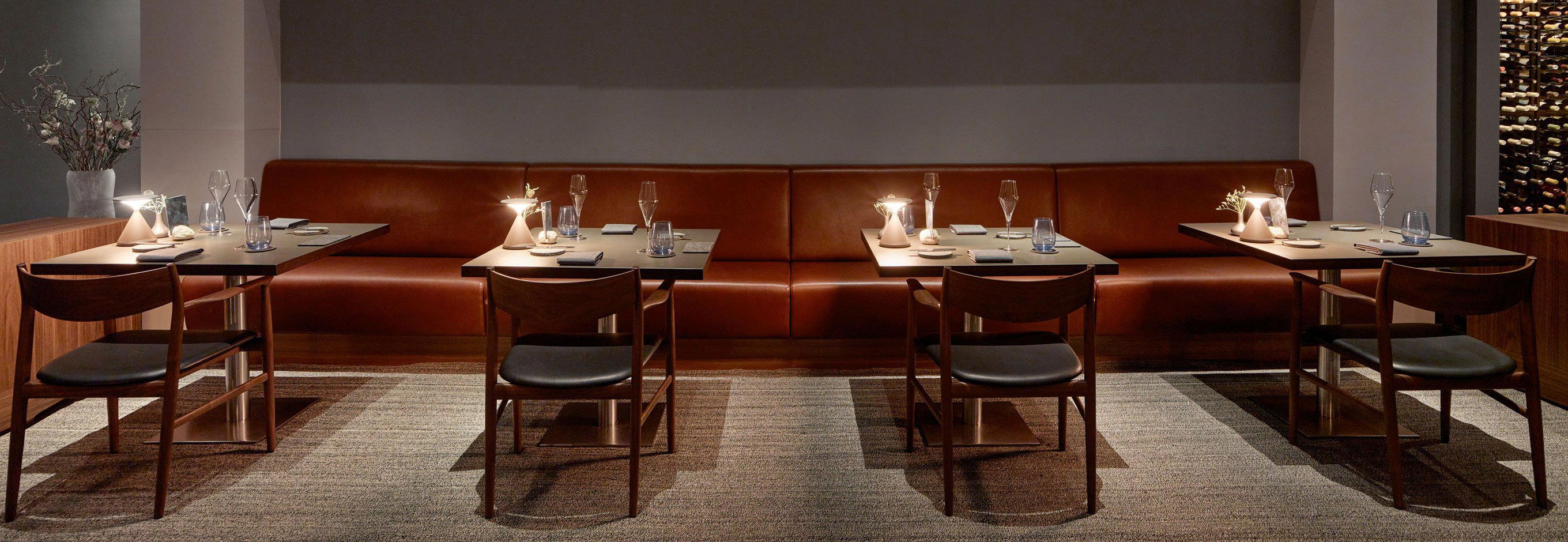
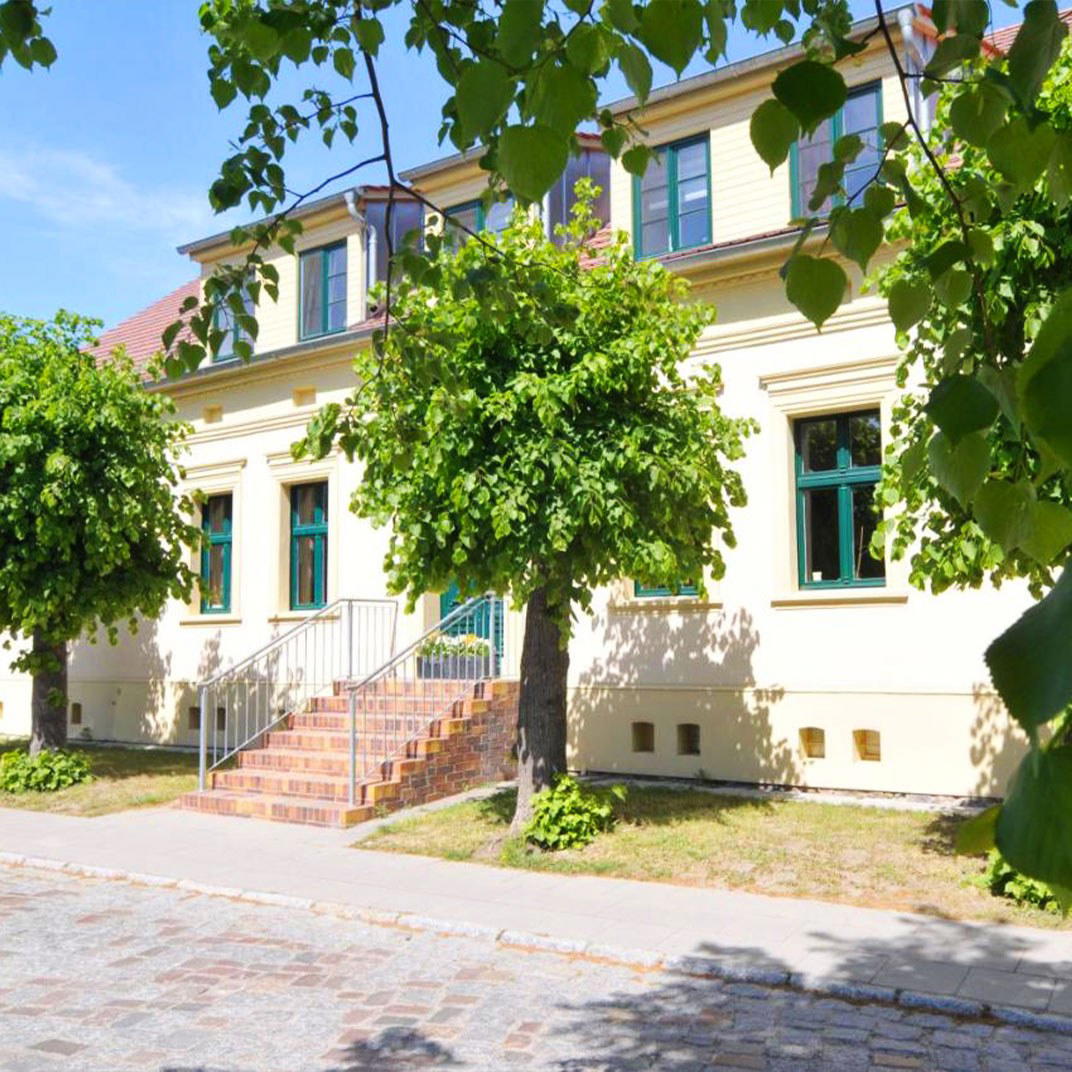
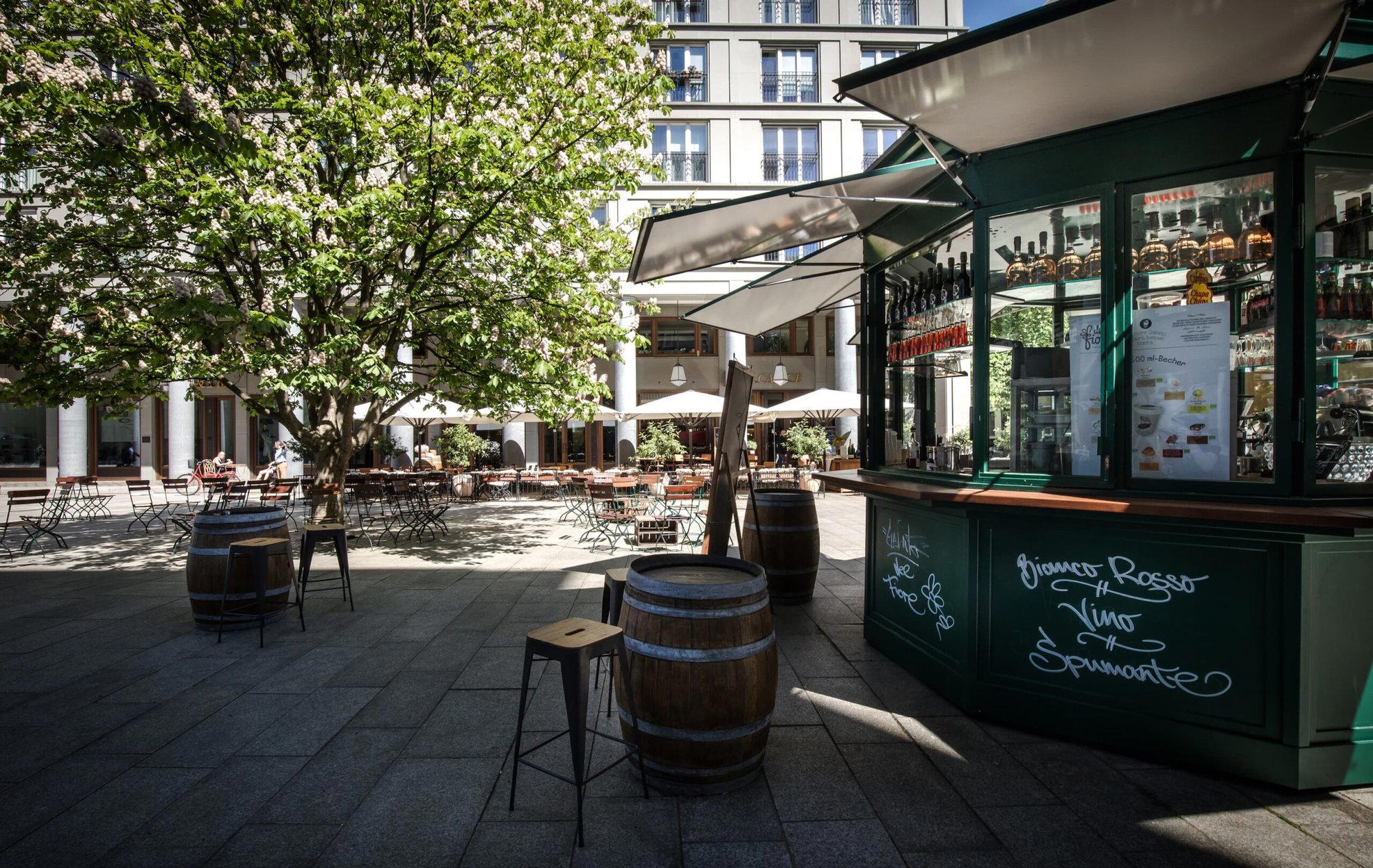
mein.werder serves Modern Regional German Tapas in a historic building on Baderstraße 19, with an extensive wine list, terrace seating, and a conversational pace.

Pearl is the En Primeur Club membership app, where members save venues, book tables and use the concierge.
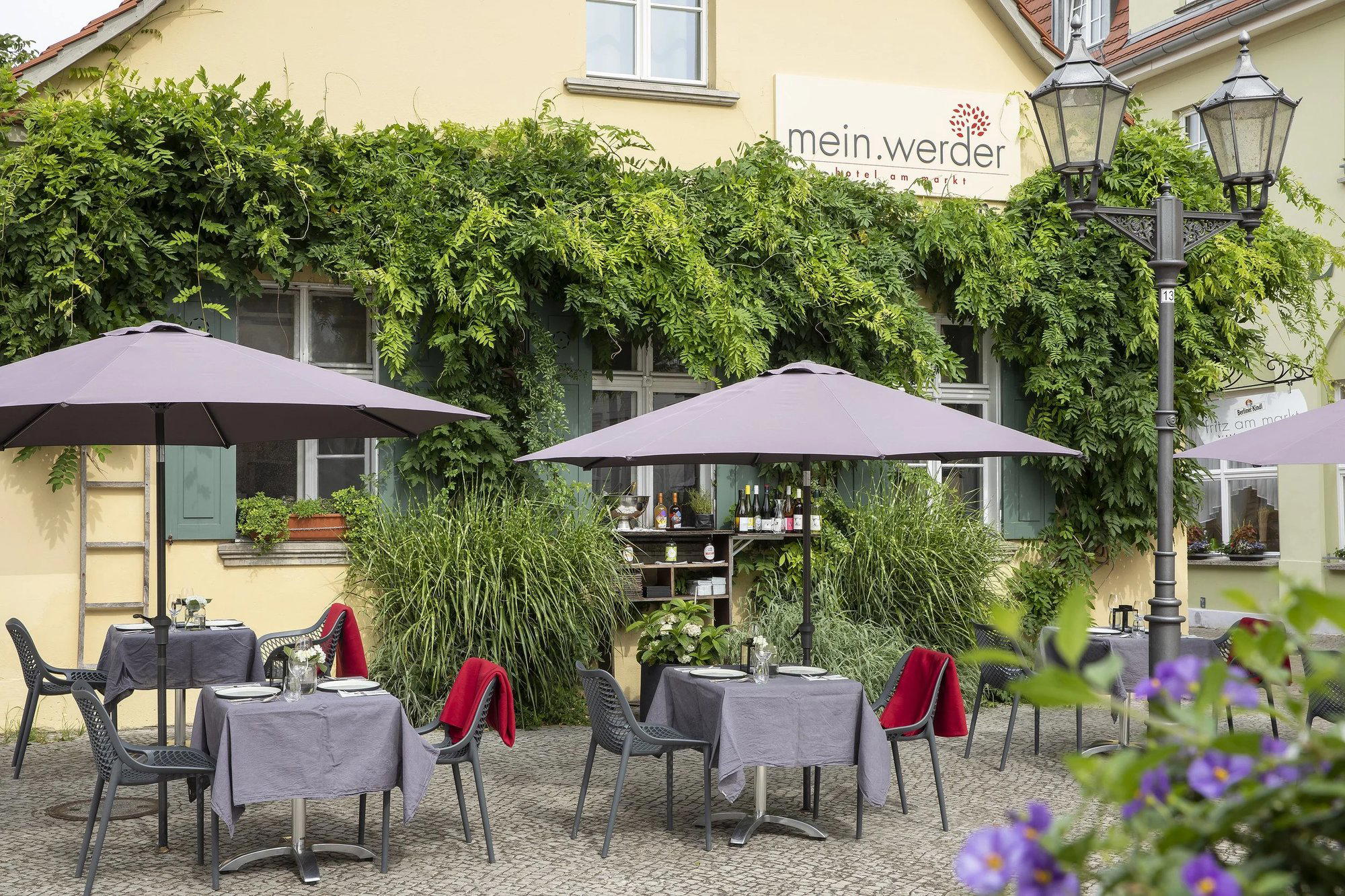
Where the Havel Shapes What Lands on the Plate
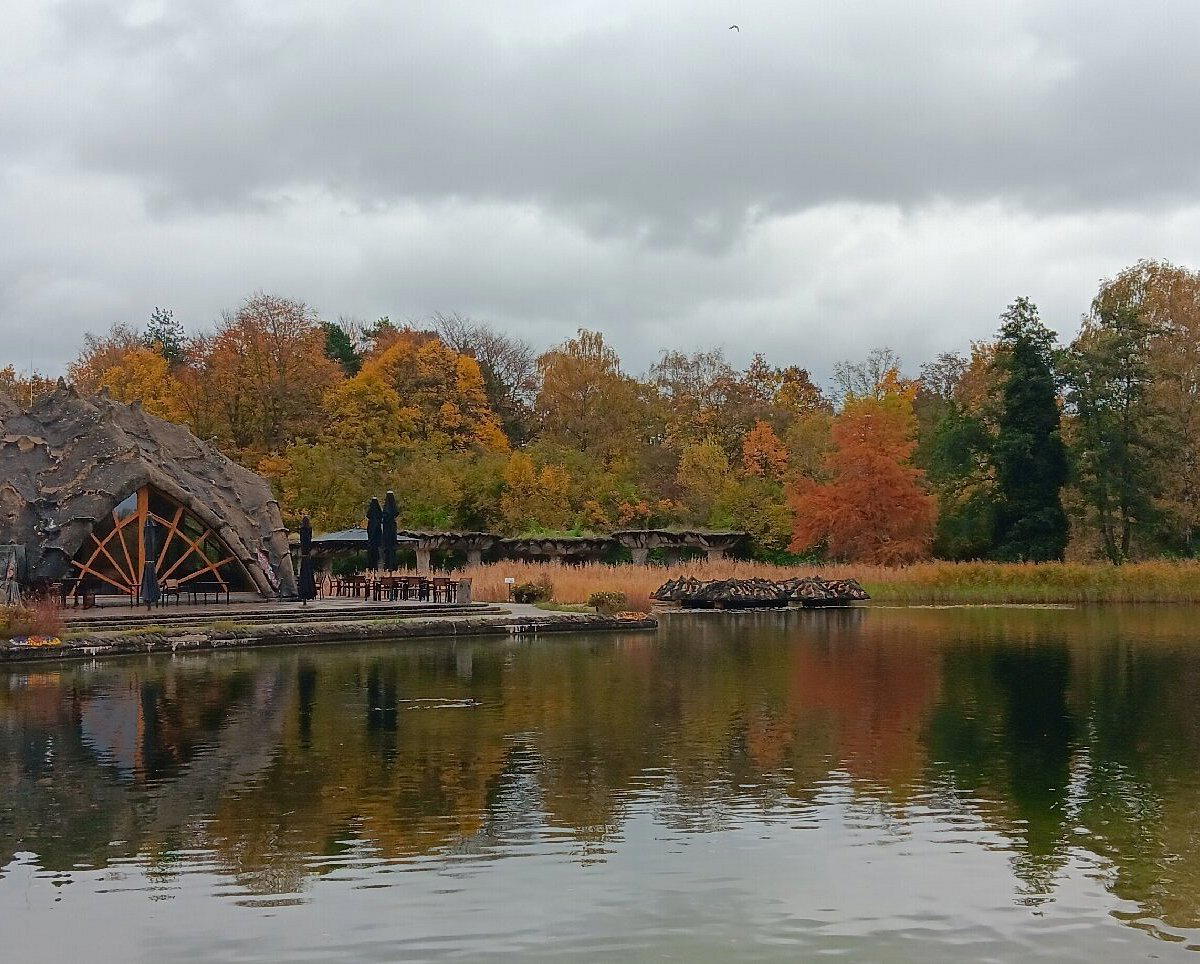
Baderstraße runs close to the water in Werder (Havel), a small Brandenburg town built on an island in the river, roughly 35 kilometres southwest of Berlin. Approaching the address at number 19, the surrounding texture is distinctly provincial: fruit orchards on the slopes above town, pleasure boats moored along the embankment, the kind of quiet that Berlin's restaurant circuit rarely affords. Werder is known across the region for its annual blossom festival and its orchards, and that agricultural identity is not incidental to understanding what a restaurant here can and should be drawing on. Alte Überfahrt, at the top of the local price tier with a €€€€ positioning and modern cuisine credentials, represents one pole of what serious dining in Werder can look like. mein.werder, from its address alone, signals a different kind of ambition: grounded, local, readable in its name.
Sourcing Inside a Fruit-Growing Region
Brandenburg's fruit-growing belt around Werder is one of the more underappreciated agricultural resources in Germany's dining geography. The orchards that climb the hillsides above the Havel have supplied the region with cherries, plums, pears, and apples for centuries, and in the right hands, that proximity translates directly to the plate. Restaurants rooted in their immediate agricultural context, those that source from within cycling distance rather than from national distribution networks, tend to produce menus with a seasonal specificity that no amount of premium imports can replicate. The discipline of working with what grows locally forces a kind of editorial thinking: the menu reflects what the land currently offers, not what a supplier catalogue lists year-round.
In Germany more broadly, this farm-to-table orientation has moved from novelty to expectation at the serious end of the market. Restaurants like ES:SENZ in Grassau and Schanz in Piesport demonstrate how regional rootedness can anchor a kitchen at high-recognition levels. Werder's orchard geography gives a locally focused kitchen a genuine, specific advantage: stone and pome fruits in summer, preserves and ferments in winter, a rhythm that matches Brandenburg's seasons rather than fighting them.
Reading the Werder Dining Scene
Werder is not a large dining city. Its restaurant offer is compact, and the venues that have earned broader attention occupy distinct niches. Alte Überfahrt holds the modern cuisine, top-price position. Filterhaus and Trattoria Bella Vista complete the recognisable local set. Within that compact scene, a venue with a name as unambiguous as mein.werder is making a positioning statement: this place is of Werder, not merely located there. That kind of identity claim carries weight in a town where the agricultural and geographic character is strong enough to actually back it up.
For context on how regional identity functions in German fine dining, the reference points are instructive. Waldhotel Sonnora in Dreis, Vendôme in Bergisch Gladbach, and Victor's Fine Dining by Christian Bau in Perl all demonstrate that Germany's most recognised kitchens frequently anchor themselves in geographically specific settings, using place as narrative and practical resource simultaneously. Werder is smaller and less visible than those addresses, but its agricultural specificity is no less real. See our full Werder restaurants guide for a complete picture of what the town currently offers.
What Regional Anchoring Looks Like in Practice
The value of a regionally anchored kitchen extends beyond sourcing ethics. It shapes timing: a menu built around Werder's orchard calendar means dishes that arrive at the point of peak ripeness, not after refrigerated transit from a distant growing region. It shapes technique: kitchens that work closely with local producers tend to develop preservation and fermentation practices that carry summer abundance into the colder months. And it shapes the guest experience in a specific way. Eating in a place that is materially connected to its surroundings produces a different kind of orientation than eating in a technically accomplished kitchen that could be located anywhere. The former situates you; the latter impresses you.
Germany's wider dining conversation has increasingly recognised this distinction. The generation of kitchens represented by JAN in Munich, Bagatelle in Trier, and Restaurant Haerlin in Hamburg each, in their own way, reflect a broader German seriousness about place-specific ingredients and regional expression. At the more experimental end, CODA Dessert Dining in Berlin demonstrates how a single sourcing or conceptual constraint can define an entire format. mein.werder's geographic name suggests a similar constraint operating as kitchen discipline.
Getting There and Planning Your Visit
Werder (Havel) sits on the S-Bahn network from Berlin, accessible on the S7 line with a journey of roughly 45 to 50 minutes from Berlin Hauptbahnhof depending on the service. The town is compact enough that Baderstraße 19 is reachable on foot from the station in under fifteen minutes. The island character of Werder's historic centre means that most of the dining addresses are concentrated within a small, walkable radius. Weekend visits during the spring blossom season draw significantly higher visitor numbers to the town, so dining reservations during that period carry more planning weight than at quieter times of year. Current hours, booking method, and pricing for mein.
For those combining a Werder visit with broader Brandenburg or Berlin dining, the gap between mein.werder's scale and the formal recognition tier of places like Aqua in Wolfsburg, Schwarzwaldstube in Baiersbronn, or ammolite in Rust is substantial. Werder is not a destination for Michelin-circuit dining. It is a destination for a particular kind of regional, place-rooted experience that larger, more decorated kitchens often cannot replicate. That specificity is the point. Internationally, the precision of place-rooted dining is well understood at addresses like Le Bernardin in New York and Atomix in New York, where sourcing rigour and conceptual clarity define the kitchen's identity regardless of scale.
Frequently asked questions
Where is mein.werder located?
mein.werder is located at Baderstraße 19, 14542 Werder (Havel), Germany, Werder.
Is mein.werder a good restaurant to visit from Berlin for a day trip combining food and the Havel waterfront?
Werder (Havel) sits on the S7 S-Bahn line, roughly 45 to 50 minutes from Berlin Hauptbahnhof, and the town itself is built on an island in the Havel river with Baderstraße running close to the water. mein.werder at Baderstraße 19 is positioned within that waterfront area, making it a practical anchor for a day that combines the river setting with a kitchen drawing on Brandenburg's surrounding fruit-growing region. The orchard calendar means what is on the menu depends significantly on the season you visit.
What's the signature dish at mein.werder?
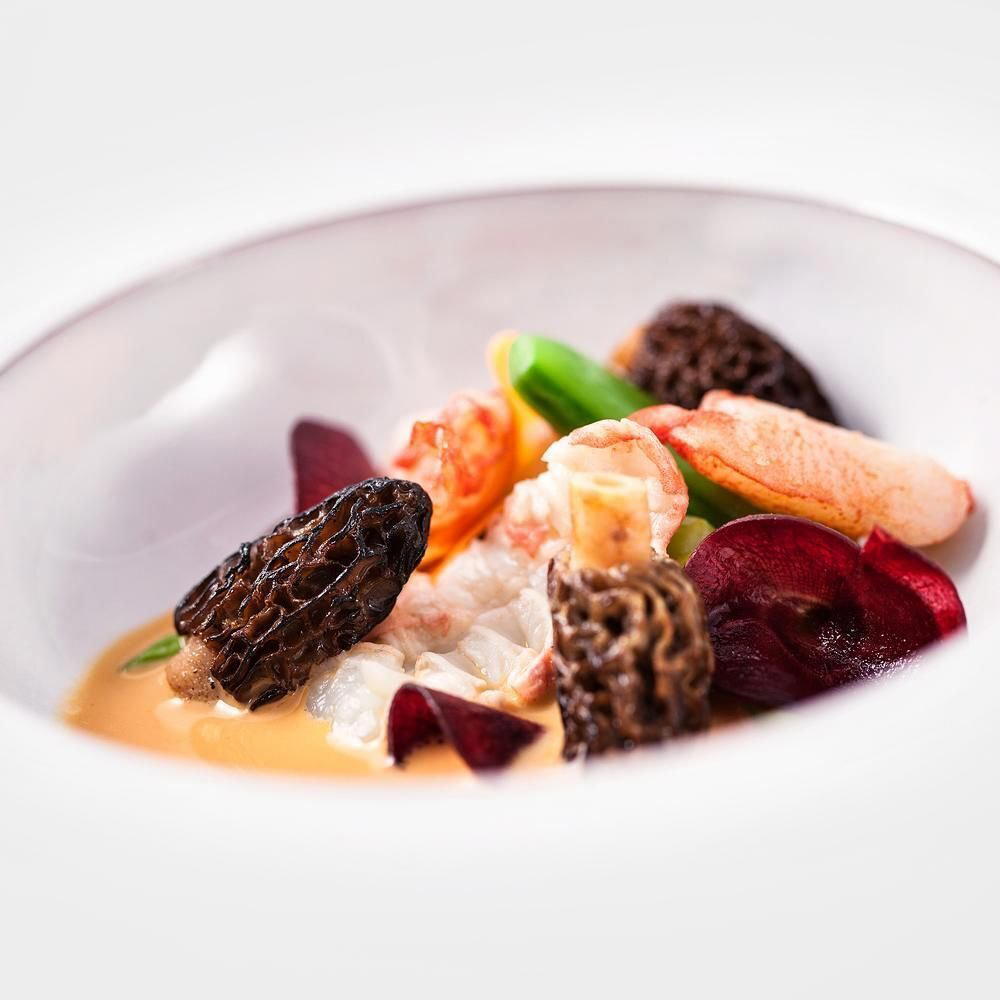
werder, and the kitchen's approach appears to shift with seasonal availability in Brandenburg's orchard belt around Werder. Given the venue's regional anchoring on Baderstraße, expect the menu to track what the orchards and local producers are yielding at any given time. Contacting the venue directly before your visit is the most reliable way to understand the current offer.
Do I need a reservation for mein.werder?
Werder (Havel) is a small town, and venues that have drawn attention beyond the immediate area tend to fill seats on weekends and during the spring blossom season when day-trippers arrive from Berlin. Booking ahead is advisable, particularly if you are arriving via the S7 from Berlin Hauptbahnhof.
In Context: Similar Options
Comparable venues nearby, for context on price, style, and recognition.
| Venue | Cuisine | Price | Awards | Notes |
|---|---|---|---|---|
| mein.werderThis venue (the venue you are viewing) | Modern Regional German Tapas | $50–100 | Not listed | Not listed |
| Filterhaus | Regional German Grill | $30–50 | Not listed | Werder (Havel) |
| Trattoria Bella Vista | Italian Trattoria | Not listed | Not listed | Werder upon Havel |
| Alte Überfahrt | Modern Seasonal Vegetable Cuisine | $100–150 | 1 Michelin Star | Werder (Havel) |
| Vorwerck Restaurant - Dine & Show | Modern Central European Fine Dining | Not listed | Not listed | Neukolln |
| HOLIs | Traditional German Home Cooking | $30–50 | Not listed | Rummelsburg |
Continue exploring
More in Werder
Restaurants in Werder
All restaurants in Werder →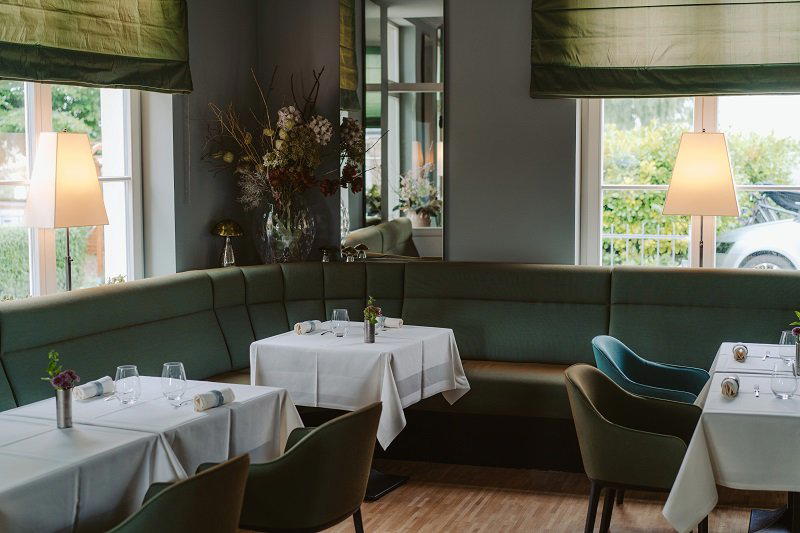
Bars in Werder
Browse all →
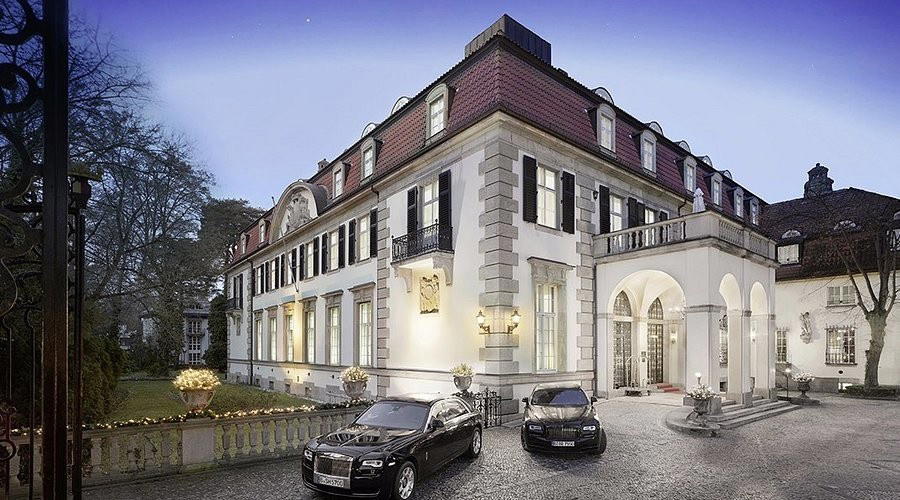
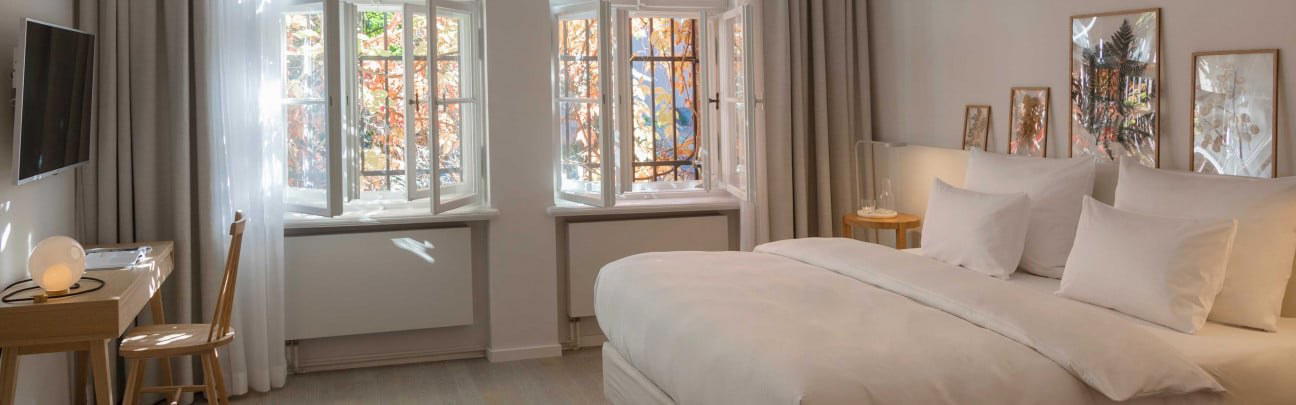
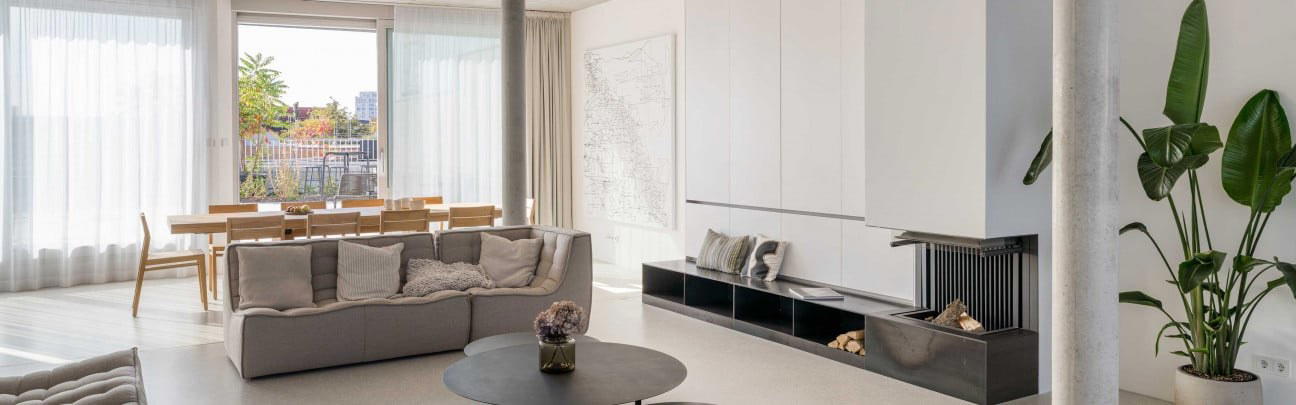
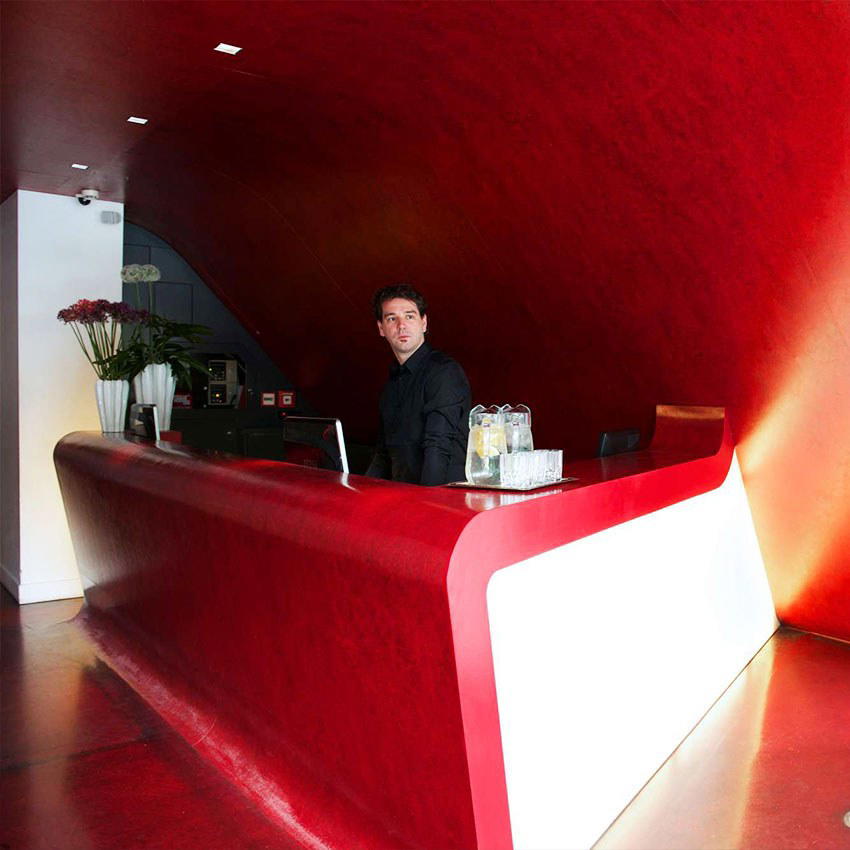

Details
- Cozy
- Modern
- Scenic
- Elegant
- Date Night
- Family
- Casual Hangout
- Terrace
- Open Kitchen
- Historic Building
- Extensive Wine List
- Local Sourcing
- Street Scene
- Small Plates
- Vegetarian Friendly
Pleasant and cozy atmosphere with outdoor seating on the idyllic market square, warm hospitality, and a relaxed yet elegant vibe.