Our verdict
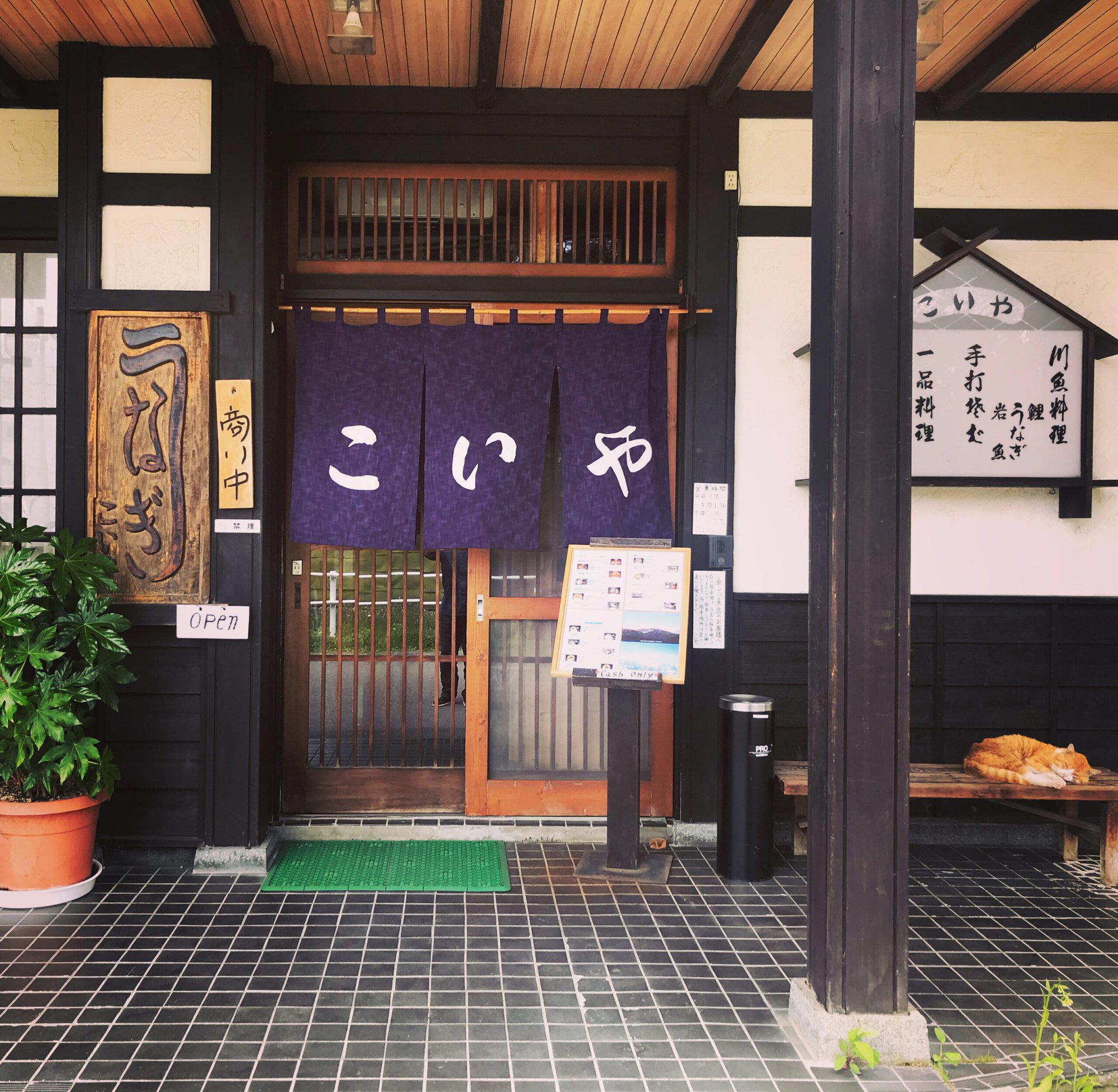
Koiya sits in Hakuba, a mountain town better known for powder skiing than serious dining, which makes its presence in the local restaurant conversation worth noting. The venue operates in a setting where alpine isolation shapes both the produce available and the expectations diners carry through the door. For travellers moving between Japan's major dining cities and Hakuba's slopes, Koiya offers a point of reference for the area's emerging table culture.

Pearl is the En Primeur Club membership app, where members save venues, book tables and use the concierge.
The menu
What to order
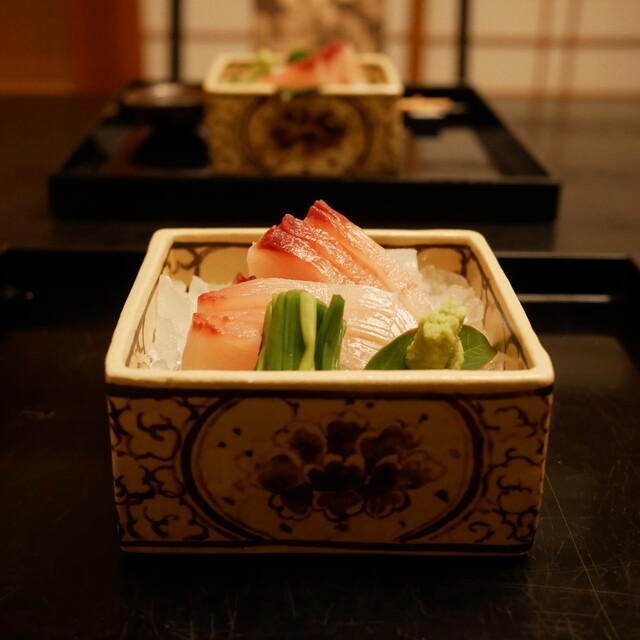
- Grilled eel
- Handmade soba
- Eel rice bowl
Dining at Altitude: How Hakuba's Restaurant Scene Took Shape
Japan's alpine interior has never competed with Tokyo, Kyoto, or Osaka on restaurant density, but Hakuba's transformation from a 1998 Winter Olympics host town into a year-round international resort has changed what visitors expect at the table. The Hakuba Valley now draws a notably mixed crowd: Japanese domestic travellers, Australian and North American skiers with long-haul budgets, and a growing segment of food-conscious visitors who use Japan's Shinkansen and highway networks to reach the mountains from Nagoya or Matsumoto without sacrificing the quality of their meals. That shift in visitor profile has pulled dining standards upward across the valley, creating space for venues that take ingredient sourcing and kitchen craft seriously rather than defaulting to the resort-casual formula that dominates alpine dining globally.
Koiya sits inside that pattern. Hakuba's dining scene is not yet benchmarked against the concentrated tier of kaiseki houses in Kyoto, the precision omakase counters of Tokyo, or the French-Japanese innovation that venues like HAJIME in Osaka and Harutaka in Tokyo represent. But the gap is narrowing faster than most international visitors realise, and the mountain context adds something those city restaurants cannot offer: a direct relationship between landscape, season, and plate that alpine regions in Japan have historically done well.
The Mountain Setting as a Culinary Framework
Japanese mountain cuisine draws on a set of traditions distinct from coastal or urban cooking. The Nagano prefecture, within whose reach Hakuba falls, has a long history of fermented and preserved foods shaped by harsh winters: miso from local soybeans, pickled mountain vegetables, river fish prepared simply and with minimal intervention. These are not heritage flourishes added to modernise a menu. They are the functional responses of a culture that had to eat well through months of snowfall and limited access to coastal produce.
That context matters for understanding what a venue like Koiya represents in Hakuba's local dining conversation. The leading mountain restaurants in the Japanese Alps do not attempt to replicate what is available two hours south in the major cities. They work with what the altitude and the season provide: sansai (wild foraged mountain vegetables) in spring, freshwater fish from rivers fed by snowmelt, mushroom varieties that the lower elevations rarely see. For comparison, Gion Sasaki in Kyoto and akordu in Nara both demonstrate how Japanese dining can anchor a regional identity without merely imitating metropolitan templates. Hakuba's emerging venues are navigating a version of the same question at higher elevation.
Where Koiya Sits in the Local Tier
Hakuba's restaurant options currently split into three broad groups. The first is the resort-service tier: large hotels and ski lodges offering reliable but undistinguished international menus calibrated for guests who are primarily there to ski. The second is the izakaya and casual dining category, where the town's social eating life takes place and where quality can be high without being formal. The third, smaller category includes venues that take a more considered approach to sourcing, format, and kitchen execution. Koiya belongs to this third group.
That positioning matters to the traveller doing serious food research before a Hakuba trip. For context on how other Japanese regional venues have carved out a distinct identity within their local tier, the work happening at Goh in Fukuoka offers a useful reference point: a city dining scene transformed by a handful of restaurants that decided to operate at a different level than the majority around them. Hakuba is earlier in that arc, but the direction is consistent.
Other notable comparisons within Japan's broader regional restaurant map include the quietly serious dining at 一本木 石川製 in Nanao on the Noto Peninsula and the considered approach at 湖畔荘 in Takashima near Lake Biwa, both of which illustrate how Japanese provincial dining can develop a distinct character without metropolitan scale. Closer to the northern mountain regions, 古代山乃 in Sapporo represents a comparable effort to ground a restaurant's identity in the produce and conditions of a colder, alpine-adjacent environment.
Planning a Visit: What to Know Before You Go
Hakuba operates on two distinct seasonal rhythms. Winter, from late November through March, brings peak visitor numbers and the town's heaviest restaurant demand, with powder snow drawing international crowds and advance reservations becoming more competitive at venues in the upper dining tier. Summer and autumn, by contrast, offer a quieter version of the valley, cooler temperatures, hiking access, and a restaurant scene that often operates with more flexibility on bookings but sometimes reduces hours or closes during the lowest-traffic weeks.
For travellers using Hakuba as part of a longer Japan itinerary, the town is accessible by highway bus from Nagano Station (itself a Shinkansen stop from Tokyo in roughly 90 minutes), making it a viable extension of a circuit that might also include Matsumoto or the Noto Peninsula. Visitors interested in the full range of the country's serious dining should also consult our full Hakuba restaurants guide for context on where Koiya sits relative to other venues across the valley.
For comparison across the full spectrum of what Japan's dining scene currently offers, the contrast between a resort-town venue like Koiya and the precision of Le Bernardin in New York City or the Korean-inflected tasting menus at Atomix in New York City underlines how differently dining ambition expresses itself depending on geography and format. Hakuba is not trying to compete with those addresses; it is doing something more specific to its own conditions.
Travellers also visiting Hakuba for its après-ski dining options would do well to consider Gyoza Las Vegas in the valley as a complementary casual stop. For further regional reference points, venues including 羽根屋 in Nishikawa Machi, Birdland in Sakai, Bistro Ange in Toyohashi, Blue Ocean Steak in Nakagami District, bodai in 那智勝浦町, and Cafe Naoshima Konichiwa in Naoshima map Japan's broader provincial dining character and help frame what venues in smaller Japanese towns are currently attempting.
Frequently asked questions
Is Koiya a family-friendly restaurant?
Hakuba's dining scene broadly accommodates the mix of families, groups, and solo travellers that the mountain town attracts across winter and summer seasons.
How does Hakuba's two-season calendar affect dining at Koiya?
Hakuba runs on two distinct peaks: a winter season from late November through March driven by skiing, and a summer window anchored by hiking and outdoor tourism in Nagano prefecture. Restaurants in town, including Koiya, typically adjust hours and capacity around those rhythms, with some venues closing during the shoulder months between seasons. Confirming current opening periods before travelling is worth the effort, particularly for visits in April, May, or October.
What's the must-try dish at Koiya?
Nagano prefecture has a distinct culinary identity built around soba, mountain vegetables, river fish such as iwana and yamame, and preserved foods developed for long winters at altitude. Whether Koiya draws on those traditions directly is not documented in available detail, so arriving with an open approach to the current menu is the sound strategy.
Is Koiya reservation-only?
Hakuba's peak periods, roughly late November through March for ski season and midsummer for hiking, put pressure on the town's better dining options. Walk-in availability at any restaurant during those windows is unreliable. Contacting Koiya ahead of your stay to confirm their booking policy is strongly advisable.
Can Koiya handle vegetarian requests?
Japanese mountain cuisine in Nagano prefecture has historically relied on plant-based preserved and foraged ingredients alongside animal proteins, so the regional pantry is not hostile to vegetarian cooking.
Budget and Context
| Venue | Cuisine | Price | Awards | Notes |
|---|---|---|---|---|
| KoiyaThis venue (the venue you are viewing) | Traditional Japanese Eel & Soba | $20–30 | Not listed | Not listed |
| HAJIME | Avant-Garde Japanese Fine Dining | $300–500 | 3 Michelin Stars · World's 50 Best #83 | French, Innovative |
| Harutaka | Edo-Style Omakase Sushi | $200–300 | 3 Michelin Stars · World's 50 Best #76 | Sushi |
| L'Effervescence | Modern French with Japanese Influences | $200–300 | 3 Michelin Stars · World's 50 Best #69 | French |
| RyuGin | Modern Kaiseki | $500+ | 3 Michelin Stars · World's 50 Best #41 | Kaiseki, Japanese |
| Crony | Modern French with Japanese Influences | $150–200 | 2 Michelin Stars · World's 50 Best #34 | Innovative, French |
Continue exploring
More in Hakuba
Restaurants in Hakuba
All restaurants in Hakuba →
Hotels in Hakuba
All hotels in Hakuba →
Wineries in Hakuba
Browse all →
Details
- Classic
- Cozy
- Rustic
- Casual Hangout
- Open Kitchen
- Sake Program
- Local Sourcing
- Mountain
- A La Carte
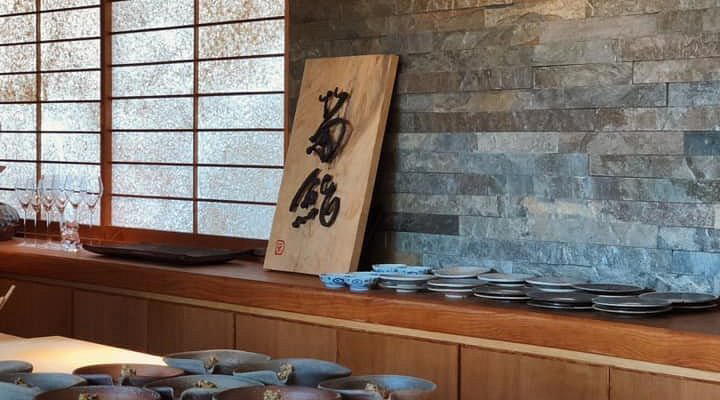
Traditional Japanese atmosphere with tatami seating and western tables, cozy and authentic.