Our verdict
In the ski town of Hakuba, Nagano Prefecture, gyoza takes on a different register than the raucous izakaya versions found in Tokyo or Osaka. Gyoza Las Vegas occupies a niche in a village better known for alpine credentials than restaurant density, making it a reference point for travellers who want something more grounded than resort dining. The sourcing context of Nagano's agricultural belt gives the format here a distinct local logic.

Pearl is the En Primeur Club membership app, where members save venues, book tables and use the concierge.
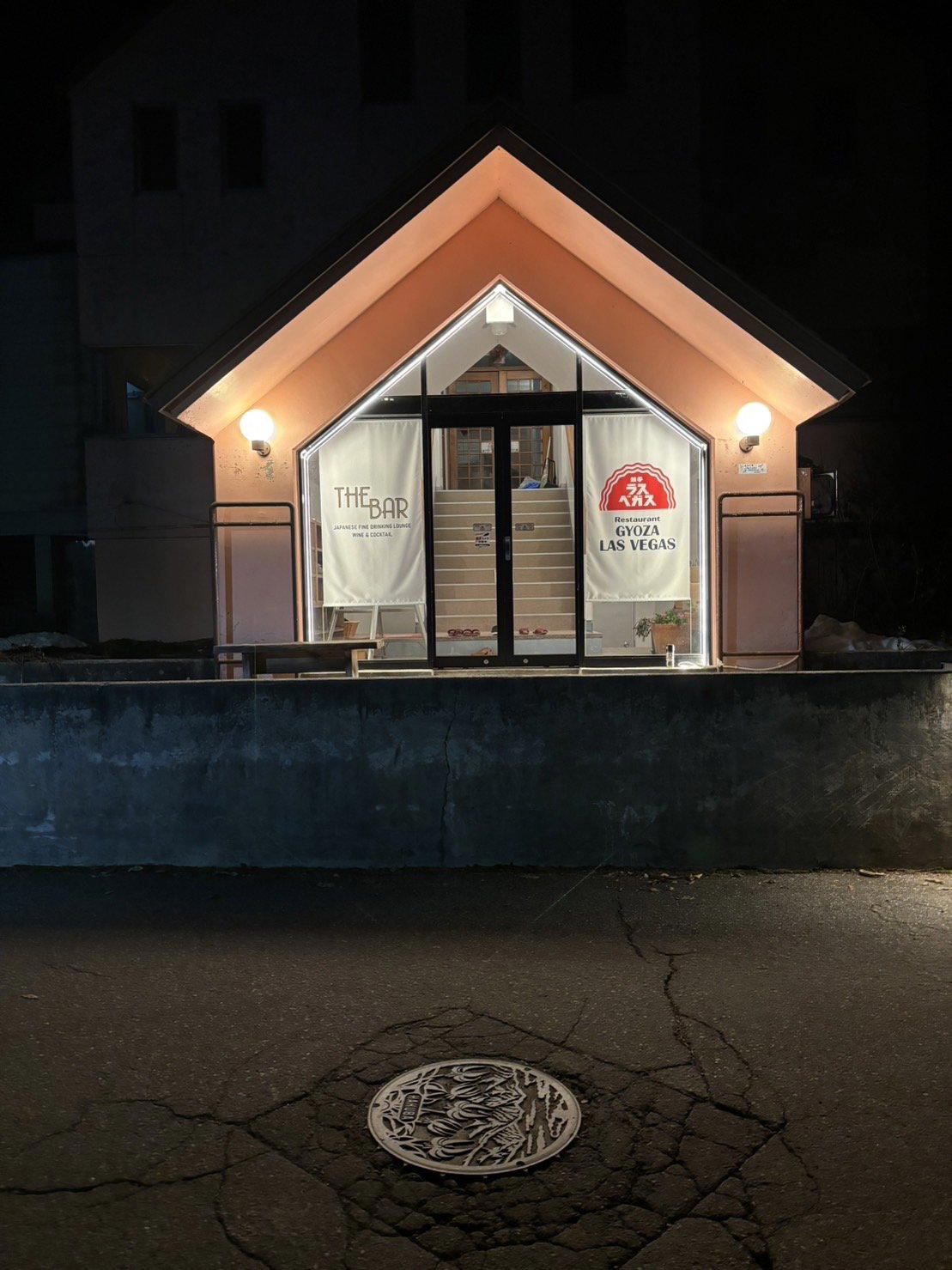
The menu
What to order
- Grilled gyoza
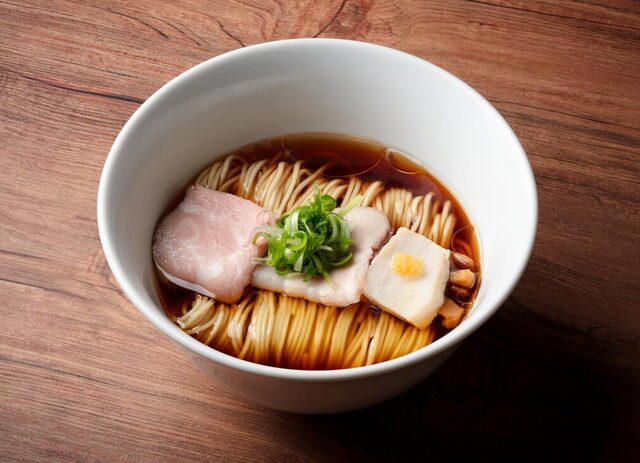
- Ramen
Gyoza in the Mountains: What Hakuba's Restaurant Scene Tells You About This One
Hakuba is not a dining destination in the way that Kyoto or Fukuoka are. It is a ski resort town in Nagano Prefecture, operating on a seasonal rhythm defined by snowfall and lift passes rather than by restaurant culture. That context matters when assessing any food operation here, because the baseline for comparison is not the dense, competitive urban restaurant market but a smaller, more forgiving environment where consistency and sourcing discipline carry more weight than category prestige.
Gyoza as a format sits at an interesting point in Japanese food culture. Historically transplanted from Chinese jiaozi, it was absorbed into the everyday eating habits of post-war Japan and eventually differentiated by region: Utsunomiya's boiled-and-fried versions, Hamamatsu's circular arrangements, Kyoto's small, thin-skinned iterations. In a mountain resort setting, the logic shifts again. The question is not which regional tradition the kitchen aligns with, but whether the kitchen is sourcing ingredients locally and treating a simple format with the discipline it deserves.
Nagano Prefecture is one of Japan's more productive inland agricultural regions. At altitude, the growing season is compressed but the produce that emerges, particularly cabbages, leeks, and alliums grown in the Kitaazumi area around Hakuba, carries a density of flavour that lowland equivalents rarely match. Gyoza fillings built around this kind of local supply are genuinely different from versions using commodity ingredients sourced from a central wholesale market. That distinction, between sourcing locally within a producing region versus buying centrally, is the lens through which a place like Gyoza Las Vegas makes the most sense.
What the Name Signals and What It Doesn't
The name Gyoza Las Vegas is an unusual one for a mountain town in Nagano. In Japan, restaurant names that reference Western cities or entertainments often signal a casual, playful atmosphere rather than a formal dining register. That framing is useful. This is not a kaiseki counter in the mould of Gion Sasaki in Kyoto, nor does it operate in the rarefied technical territory of HAJIME in Osaka. The reference point is closer to the neighbourhood gyoza specialist: a format-focused kitchen where the cooking discipline is applied to a single category rather than spread across a multi-course structure.
That narrowness of focus, when done well, is a strength. Japan's most respected single-format kitchens, from the yakitori specialists to the ramen counters that generate queues in Sapporo or Tokyo, earn their standing by depth of attention rather than breadth of menu. In a ski resort town, a gyoza-focused operation has an additional advantage: it feeds hungry people after cold days in a way that more delicate cuisine cannot.
The Sourcing Case for Nagano Gyoza
Nagano Prefecture's agricultural profile makes it a credible backdrop for ingredient-driven gyoza. The Kitaazumi-gun district, which contains Hakuba, sits at elevations that produce vegetables with a slower maturation cycle and a corresponding concentration of sugars and minerals. Cabbage grown at these altitudes has a firmer texture and a cleaner sweetness than flatland versions. Pork from Shinshu, Nagano's historic name, includes breeds raised on the region's spring water and grain-supplemented diets, which gives the fat a different character than commodity pork sourced from large-scale producers.
This is the core argument for paying attention to a gyoza operation in a mountain village rather than dismissing it as resort food. If the kitchen is drawing on that local supply chain, the filling is not generic. For context on how seriously ingredient provenance is treated across Japan's broader dining culture, the omakase format at Harutaka in Tokyo demonstrates how sourcing discipline anchors even the most technically spare presentations. The principle scales down equally well to a dumpling format.
Other Japan-based operations doing interesting things with local sourcing and regional identity include akordu in Nara and Goh in Fukuoka, both of which position regional produce as the starting point rather than the finishing flourish. In a resort town, the ambition is more modest, but the logic is the same.
Hakuba's Dining Context: Where This Fits
Hakuba's restaurant options cluster into a few recognisable tiers. At one end, resort hotels and lodge dining rooms serve international skier populations with broadly accessible menus. At the other, a small number of local specialists serve the resident and repeat-visitor community with something closer to what the region actually produces. Koiya is one of the better-known local references in that second tier. A gyoza specialist occupies a different niche again: faster, more casual, format-specific, and accessible to guests who want something direct after a day on the mountain.
For travellers planning a broader Nagano or alpine Japan itinerary, the rhythm of eating in Hakuba tends to favour the evening, when the mountain crowds settle and kitchen operations have time to be deliberate. The village's walkable core means that most dining options are reachable on foot from the main accommodation strips, which removes the logistical complexity common to more spread-out ski destinations.
For a broader sense of what the region offers and how to structure an itinerary around it, our full Hakuba restaurants guide maps the dining options across price points and formats. Across Japan more widely, the contrast between urban technical precision, represented by operations like Atomix in New York City drawing on Korean fine-dining traditions, and the format-focused specialists in smaller Japanese towns, is one of the more instructive comparisons in understanding how Japanese food culture actually works outside the major cities.
Planning Your Visit
The venue is located in Hakuba, Kitaazumi-gun, Nagano Prefecture, postal code 399-9301. Resort towns in Japan operate on seasonal schedules that shift substantially between winter ski season and summer alpine tourism periods, so confirming current opening status before visiting is advisable.
For visitors building a longer Japan itinerary, regional references across the country worth cross-referencing include 一本木 石川製 in Nanao, 夕佳亭山乃 in Sapporo, 湖畔荘屋 in Takashima, and 羽根屋 in Nishikawa Machi, each of which operates in a regional Japanese town context and offers a useful counterpoint to the major-city dining circuit. Additional references across Japan include Birdland in Sakai, Bistro Ange in Toyohashi, Blue Ocean Steak in Nakagami District, bodai in 那智勝浦町, and Cafe Naoshima Konichiwa in Naoshima. For fine dining reference points that show the other end of the Japan spectrum, Le Bernardin in New York City demonstrates how sourcing rigour operates at the highest formal register.
Frequently asked questions
Where do I go for Gyoza Las Vegas?
Gyoza Las Vegas is located at Hakuba, Kitaazumi-Gun, 長野県, 399-9301, Hakuba.
Is Gyoza Las Vegas a year-round restaurant or does it operate seasonally in Hakuba?
Hakuba, as a ski resort town in Nagano Prefecture's Kitaazumi-gun district, sees many dining establishments adjust their hours or close entirely between the winter ski season and the summer hiking season. Verifying current opening status through local tourism resources or a direct inquiry before planning a visit is the safest approach.
What do people recommend at Gyoza Las Vegas?
Visitors to Hakuba's mid-tier dining scene tend to seek out places with a clear culinary identity, and a gyoza specialist fits that appetite. For the latest dish recommendations, checking recent visitor reviews before your trip is the most reliable approach.
Is Gyoza Las Vegas reservation-only?
Ski-resort towns like Hakuba operate on a pronounced seasonal rhythm, meaning peak winter and summer periods can put pressure on smaller dining spots. Contacting the venue directly or checking local tourism boards for current access information before visiting is advisable.
What's Gyoza Las Vegas best at?
The venue's identity is built around gyoza, which positions it as a specialist rather than a broad Japanese menu restaurant. Hakuba sits within Kitaazumi-gun, a Nagano district with a credible agricultural base, making locally sourced fillings a plausible point of differentiation from resort-hotel dining. That focus on a single format is relatively uncommon in Hakuba's restaurant mix, where international and lodge menus tend to dominate.
Can Gyoza Las Vegas adjust for dietary needs?
No dietary accommodation policy is documented for this Hakuba address. Gyoza as a format can in principle accommodate variations, vegetable-only fillings, for example, are common across Japan, but whether this venue offers them is unconfirmed. Reaching out in advance, particularly if dietary requirements are specific, is the practical course of action.
Should I splurge on Gyoza Las Vegas?
No pricing data is available for this Hakuba venue, so a direct cost comparison against other Nagano or Kitaazumi-gun options is not possible here. Gyoza restaurants across Japan typically occupy the affordable-to-mid range rather than the premium tier, though resort-town pricing in Hakuba can run higher than urban equivalents. Checking current pricing before arrival will give you the clearest picture of where it sits relative to your budget.
At-a-Glance Comparison
| Venue | Cuisine | Price | Awards | Notes |
|---|---|---|---|---|
| Gyoza Las VegasThis venue (the venue you are viewing) | Japanese Gyoza and Ramen | $30–50 | Not listed | Not listed |
| HAJIME | Avant-Garde Japanese Fine Dining | $300–500 | 3 Michelin Stars · World's 50 Best #83 | French, Innovative |
| Harutaka | Edo-Style Omakase Sushi | $200–300 | 3 Michelin Stars · World's 50 Best #76 | Sushi |
| L'Effervescence | Modern French with Japanese Influences | $200–300 | 3 Michelin Stars · World's 50 Best #69 | French |
| RyuGin | Modern Kaiseki | $500+ | 3 Michelin Stars · World's 50 Best #41 | Kaiseki, Japanese |
| Crony | Modern French with Japanese Influences | $150–200 | 2 Michelin Stars · World's 50 Best #34 | Innovative, French |
Continue exploring
More in Hakuba
Restaurants in Hakuba
All restaurants in Hakuba →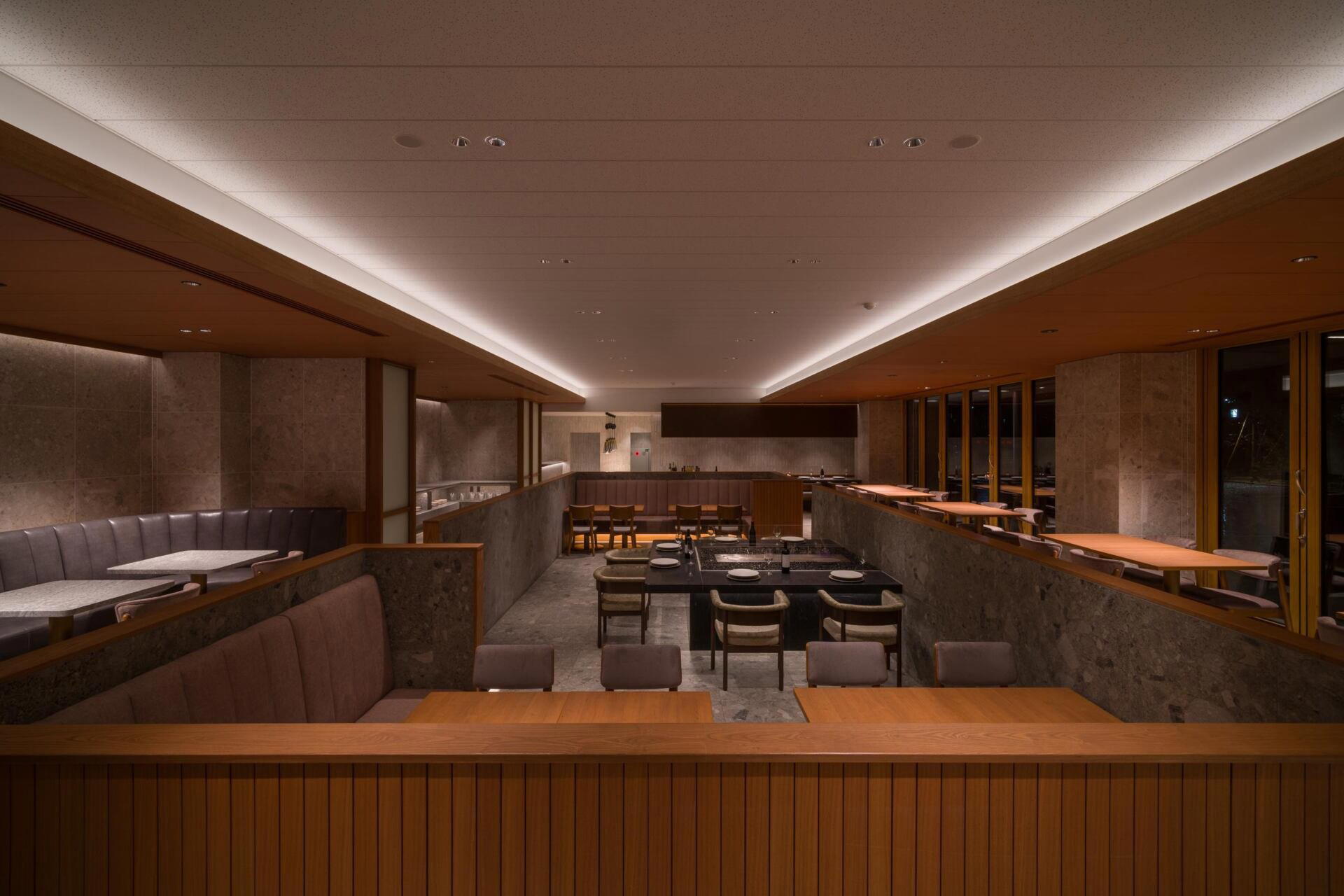
Hotels in Hakuba
All hotels in Hakuba →

Wineries in Hakuba
Browse all →
Details
- Modern
- Cozy
- Lively
- Casual Hangout
- Solo
- Family
- Standalone
- Beer Program
- A La Carte
- Beer
Stylish and casual, with guest comments noting a nice atmosphere and friendly, accommodating staff.