
Tabelog 100 #71
Our verdict
Ramen Mugi Hitotsubu brings Nagano ramen into sharper focus: rural setting, small-room discipline, and recognition in Tabelog’s Ramen EAST 100 for 2024 and 2025. The draw is not luxury theater but a tightly edited ramen format that makes ingredient sourcing and regional access part of the meal’s appeal.

Pearl is the En Primeur Club membership app, where members save venues, book tables and use the concierge.
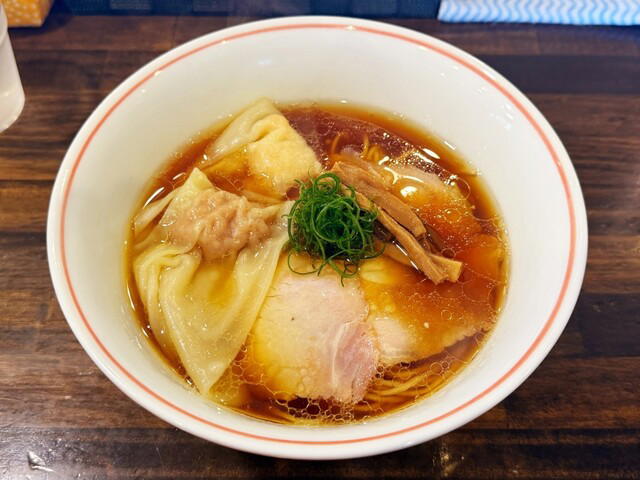
Nagano ramen moves differently from Tokyo’s station-basement velocity or the dense competitive clusters of larger cities. In Nagano, the frame can feel more spacious: mountain air, quieter approaches, and a ramen room built for concentration rather than churn. That setting matters because ramen outside Japan’s major cities often has to prove itself through clarity and consistency. Ramen Mugi Hitotsubu fits that conversation, with a focused restaurant format that puts the bowl, not the room, under scrutiny.
Nagano’s food identity is often framed by soba, apples, mountain vegetables, dairy, and resort-town dining, but ramen has become a sharp way to read the prefecture’s contemporary dining culture. The category rewards precision at low ticket levels: broth must carry depth without excess, noodles need purpose, and toppings cannot hide weak fundamentals. Recognition in Tabelog’s ramen-focused Hyakumeiten record for 2025 places Ramen Mugi Hitotsubu inside a filtered ramen conversation rather than a general local ranking, a useful distinction for travelers weighing a Nagano stop.
A Nagano ramen room where sourcing carries the argument
Ingredient-led ramen does not need a manifesto. It shows in limited scope, protected broth production, and a menu that avoids novelty drift. The shop’s identity keeps attention on wheat, noodles, and the structure of the bowl. In Nagano, where diners often arrive with expectations shaped by soba culture, texture, aroma, and restraint matter as much as richness. A ramen shop here does not win by mimicking urban maximalism; it wins by making wheat, stock, and seasoning feel calibrated.
The Tabelog recognition positions the shop beyond simple prefectural pride. Eastern Japan contains dense ramen markets with long-established fan bases, so selection in a ramen-focused list signals more than local convenience. It sits in a different value bracket from Nagano’s formal dining rooms and high-spend counters, yet the standards are no less severe. Ramen is unforgiving because repeat customers measure tiny changes: salt balance, noodle firmness, broth temperature, and service rhythm become the craft indicators.
That low-cost, high-scrutiny dynamic makes ramen one of Japan’s most democratic serious foods. A bowl can sit in a modest budget range and still be judged like a tasting-menu kitchen. In the broader Nagano circuit, Ramen Mugi Hitotsubu is a counterpoint to other Nagano dining rooms, ingredient-focused destination meals, and regional Japanese formats. The pleasure is narrower, but the standard is just as legible.
The small-room format changes how the bowl is judged
Ramen shops with focused service run on pace, not ceremony. Compact places compress kitchen and diner: prep, assembly, handoff, and turnover happen with little wasted motion. Ramen Mugi Hitotsubu belongs to that direct style of eating. The meal is not for lingering or course-by-course progression; it is built around one decision and a short window of attention.
Regional ramen can feel more exacting than city ramen. In a dense urban district, a shop can benefit from foot traffic and late-night overflow. In Nagano, destination intent does more work. Diners have chosen ramen over a wider itinerary of mountain resorts, soba towns, wineries, or a longer meal elsewhere in the prefecture. The format has to justify the detour through repeatable quality rather than spectacle.
The appeal is best understood without turning the shop into a biography or a legend. Ramen culture rewards disciplined, flavor-forward bowls and intense shop loyalty; placing that craft in a Nagano setting creates tension between highly competitive ramen expectations and a calmer regional dining rhythm. The result is not a generic city-style bowl so much as a local expression of a demanding everyday craft.
For Nagano food-trip planning, the category spread is part of the appeal. Other dining rooms show different sides of the prefecture’s range, while a full Nagano restaurants guide is the cleaner starting point for building a route. Ramen belongs not as filler but as a diagnostic meal: if a region can make a focused everyday format compelling, its broader food culture usually has depth.
How to think about the detour
The decision is less about luxury than precision per yen. Compared with out-of-metro peers such as Shogetsu, Restaurant Masahiro Nishimura, and Sushi Inukai, this is radically different: brief, casual, and centered on one bowl rather than an extended sequence. Compared with low-priced regional stops such as Kita Alps Bokujou or Matsumoto Meeyau Shindai mae ten, it carries ramen-specific recognition through the 2025 Tabelog Hyakumeiten record. That combination suits travelers who care about category credibility but do not want every Nagano meal to become a long reservation.
There is also a practical cultural point. Japan’s ramen shops are clearest when treated as specialists, not general restaurants. Arrive ready to decide quickly, eat while the bowl is at its intended temperature, and read the room’s pace. The better frame is discipline: this is a focused ramen shop, not a sprawling all-purpose dining room.
Ramen Mugi Hitotsubu should be part of a wider Nagano itinerary rather than an isolated trophy stop. Pairing a precise ramen lunch with the prefecture’s hotels, bars, wineries, and outdoor experiences gives the region fuller shape. For planning beyond the table, use the broader Nagano hotel, bar, winery, and Our full Nagano experiences guide.
For readers comparing Japanese casual formats across cities, the contrast is useful: beef-focused cooking, charcoal seafood, café culture, and regional dining all occupy different lanes. Casual does not mean interchangeable. The same applies beyond Japan, where specialist counters, curry shops, sake bars, and onigiri shops can each be serious in their own way: format, sourcing, and repetition separate serious casual food from convenience.
Frequently asked questions
Is Ramen Mugi Hitotsubu child-friendly?
Ramen Mugi Hitotsubu is a focused ramen shop in Nagano. Check the venue's official channels for the latest access, seating, and family-visit details before going.
Is Ramen Mugi Hitotsubu better for a quiet night or a lively one?
It is better framed as a focused ramen meal than a lively night out. Tabelog selected it for its ramen-focused Hyakumeiten record in 2025, so the draw is the bowl, not the scene.
What should I budget for a meal at Ramen Mugi Hitotsubu?
Pricing at Ramen Mugi Hitotsubu is listed as - JPY 999.
What is Ramen Mugi Hitotsubu known for?
Ramen Mugi Hitotsubu is known for ramen in Nagano and for its 2025 Tabelog Hyakumeiten recognition.
At-a-Glance Comparison
Comparable venues by cuisine and price in the same metro.
| Venue | Cuisine | Price | Awards | Notes |
|---|---|---|---|---|
| Ramen Mugi HitotsubuThis venue (the venue you are viewing) | Ramen shop in rural Nagano | $10–20 | Tabelog 100 #71 | Not listed |
| 蕎麦 ふじおか | Handmade Soba with Seasonal Vegetables | $30–50 | Tabelog 100 #77 | Iizuna Kogen |
| 蕎麦処 そばの実 | Togakushi Soba | $20–30 | Tabelog 100 #53 | Togakushi |
| Aoitou | Japanese Sauce Katsudon | $10–20 | Not listed | 西箕輪 |
| Unagi Honda | Traditional Japanese Unagi (Eel) Kabayaki | $30–50 | Tabelog 100 #60 | Iiyama |
| 松栄寿司東口店 | 本格握り寿司 | $30–50 | Not listed | 栗田 |
Recognition history
Dated appearances from independent guides and award organizations, with the underlying list record or original source where available.
Tabelog 100 #71 · No. 71
Tabelog · Tabelog 100 - Ramen - EAST - 2025
Continue exploring
More in Nagano
Restaurants in Nagano
All restaurants in Nagano →



Details
- Cozy
- Solo
- Family
- Casual Hangout
- Standalone
- A La Carte
- Counter Dining
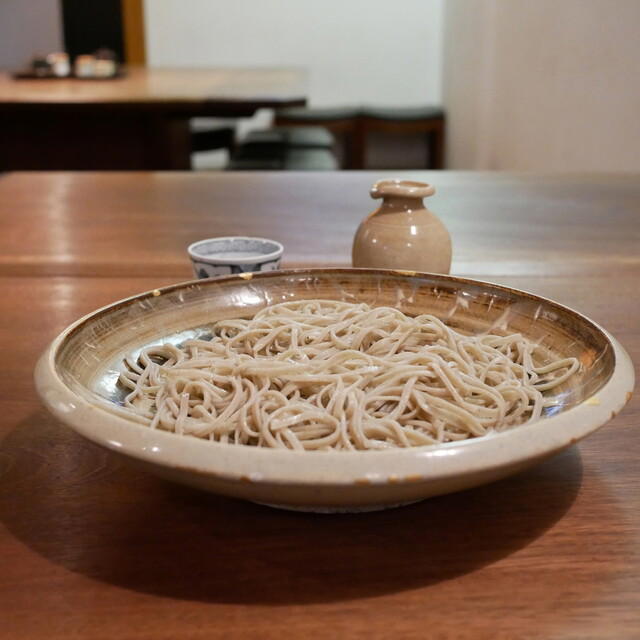
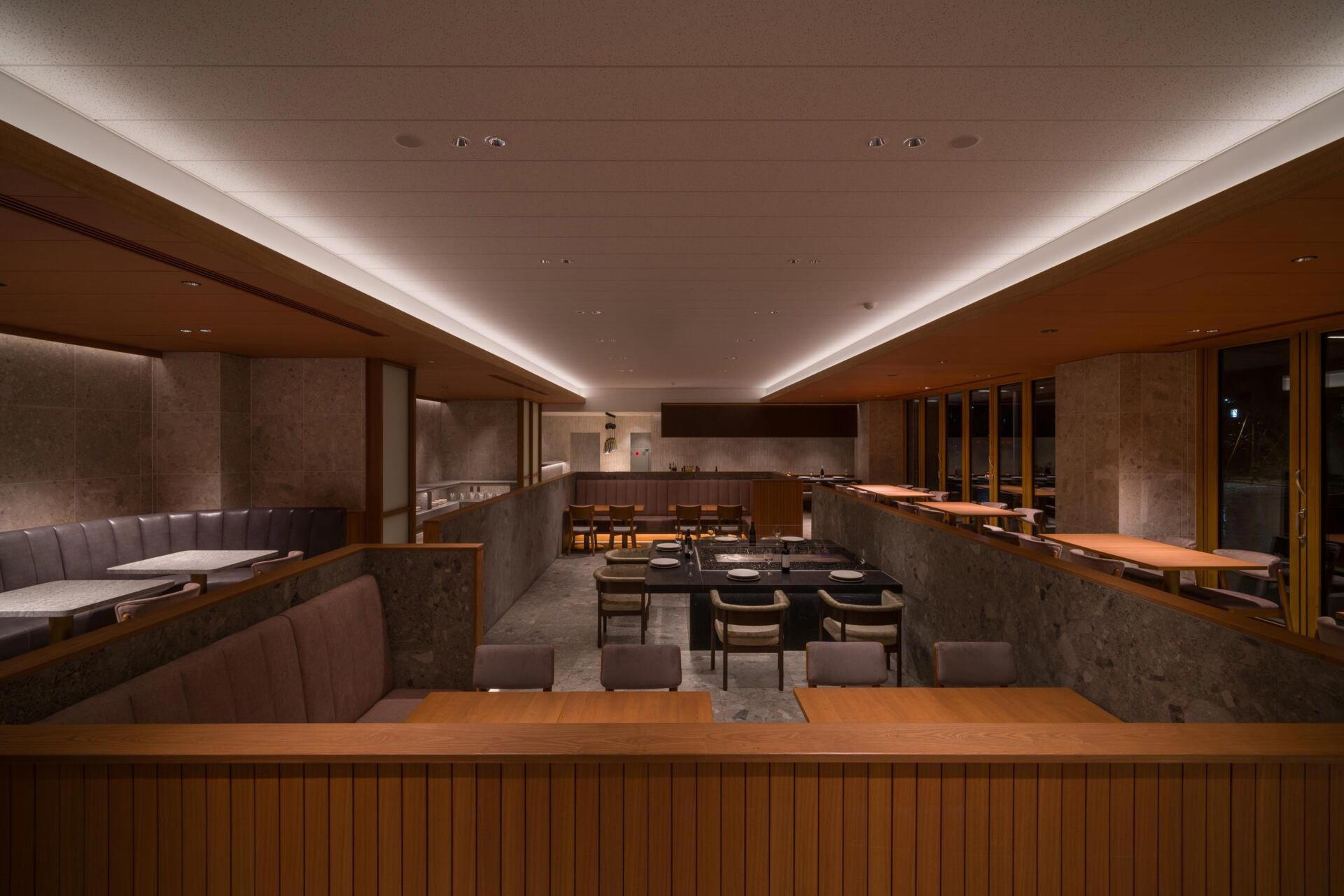
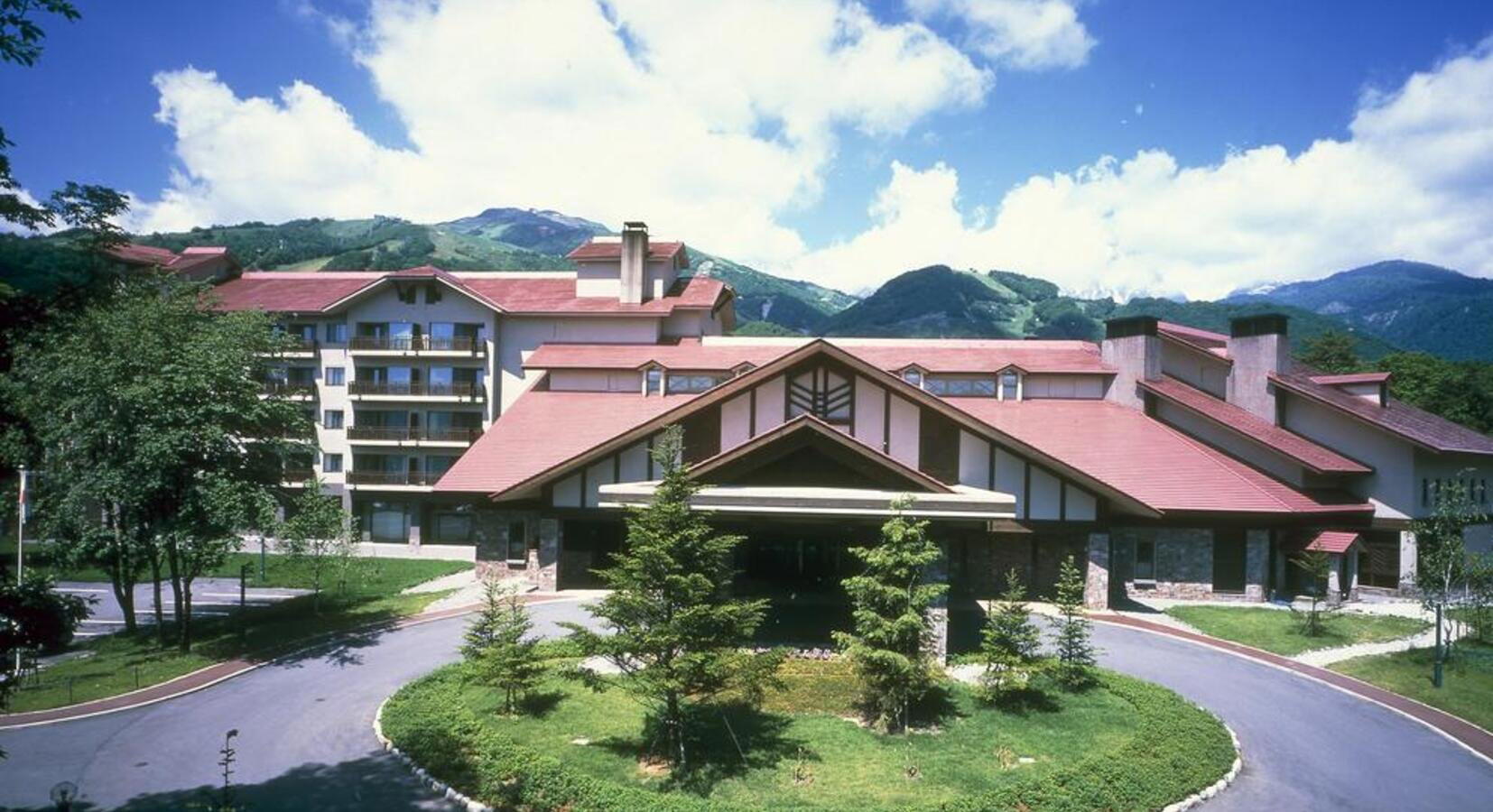
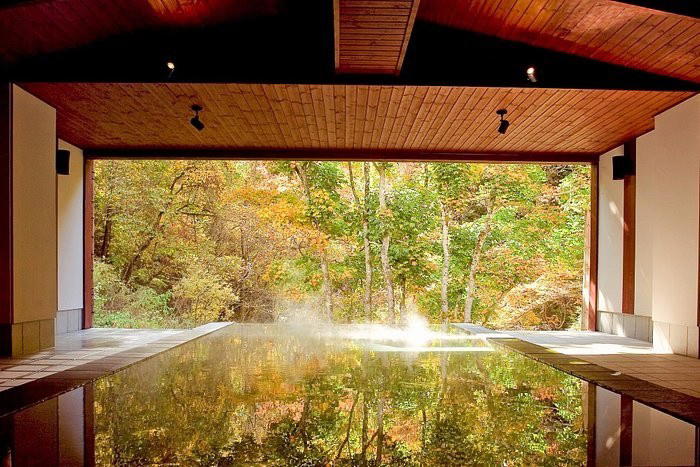
A small, non‑smoking house restaurant with 19 seats and a simple, relaxed setting centered on counter seating, creating a cozy, low‑key atmosphere suited to solo diners and families during a short, busy lunch service.