
Kofukusai Kamekichi is a Nagoya Chinese and Sichuan restaurant recognized in Tabelog’s Chinese EAST 100 for 2026 and 2024, with dinner typically in the JPY 8,000–9,999 range. The draw is the way Sichuan technique is filtered through a Japanese market sensibility, especially its fish-led emphasis, in a compact house-restaurant format near Takaoka.
Pearl is the En Primeur Club membership app — saves, bookings, and concierge access live there. Same editors, same standards.
- Address
- 1, Iidamachi, Higashi Ward, Nagoya, Aichi 461-0013, Japan
- Phone
- +81 52-938-8518
- Website
- instagram.com
- Directions
- Get directions
 Saves & bookings on Pearl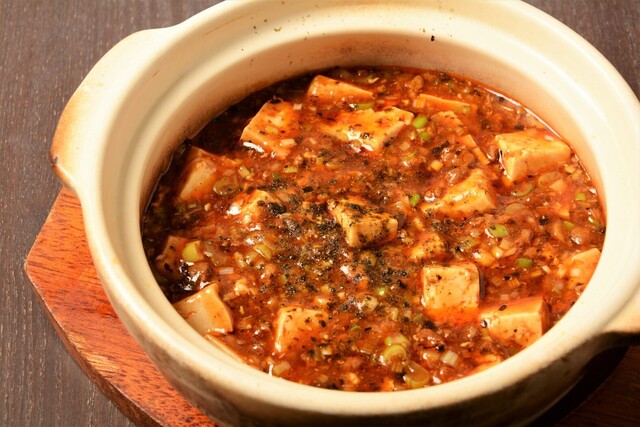
On the east side of Nagoya’s central grid, serious Chinese dining becomes quieter and more local. The city has hotel dining rooms, expense-account counters and polished Italian rooms, but the sharper question is how regional Chinese technique adapts to a Japanese pantry and a neighborhood-scale house restaurant. Kofukusai Kamekichi sits there: Chinese and Sichuan cooking, a fish-conscious kitchen, and a compact format closer to a specialist dining room than a general night out.
Nagoya is often reduced to miso katsu, kishimen, hitsumabushi and coffee-shop culture, yet its premium scene is broader. The higher end spans French-influenced counters, Italian tasting menus, sushi-adjacent precision and small restaurants using foreign techniques with local sourcing. Sichuan cooking brings another discipline. Heat is not the point alone; balance is. Oil, acidity, aromatics, texture and fish handling need control, especially when diners compare the price with omakase-style Japanese rooms rather than casual mapo-tofu lunches.
Sichuan structure, Japanese fish discipline
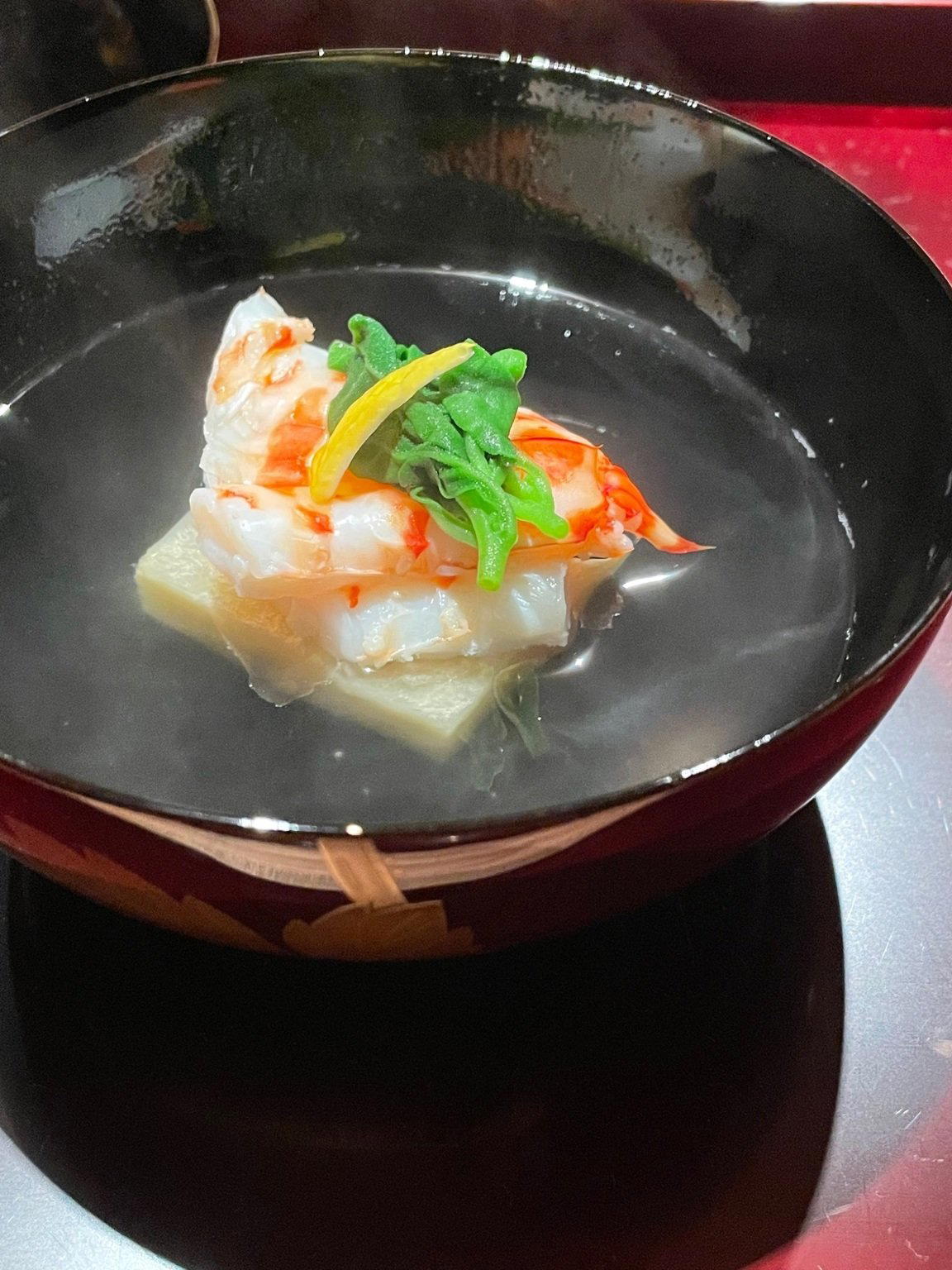
Read the restaurant through method rather than nationality. Sichuan cuisine carries fermented bean pastes, chile oils, peppercorn aroma, vinegar, garlic and layered seasoning; Japanese dining culture rewards seasonality, restraint and product condition. Kofukusai Kamekichi’s listed fish focus places it at that intersection. Seafood changes Sichuan cooking’s temperature: sauces must sharpen, not bury; spice must frame the product; timing becomes more visible than in heavier meat-led formats.
The award signal matters. Selection for Tabelog’s Chinese EAST 100 in both 2024 and 2026 puts the restaurant in a competitive eastern-Japan set, not just a Nagoya local list. That does not make it a Michelin-style trophy room, and should not be read that way. It places the restaurant among Chinese specialists whose reputations are built through diner scrutiny, repeat evaluation and category comparison. For travelers, the distinction is useful: this is not a broad luxury restaurant covering several moods, but a focused Chinese-Sichuan address judged within its cuisine category.
Against Nagoya peers, the position is precise. Ciotto Giotto and Centro sit in a higher dinner bracket, while Mikan Kotohogi is above them again; Kizki is lower and more casual; Tori Ryori Masa aligns more closely on dinner spend but belongs to a different Japanese poultry tradition. Kofukusai Kamekichi competes less on theatrical luxury than specialization. The choice is not “fancier” versus “simpler,” but whether the night should revolve around Chinese technique, Japanese product sensitivity, or another cuisine entirely.
A small-room format with adult-dinner expectations
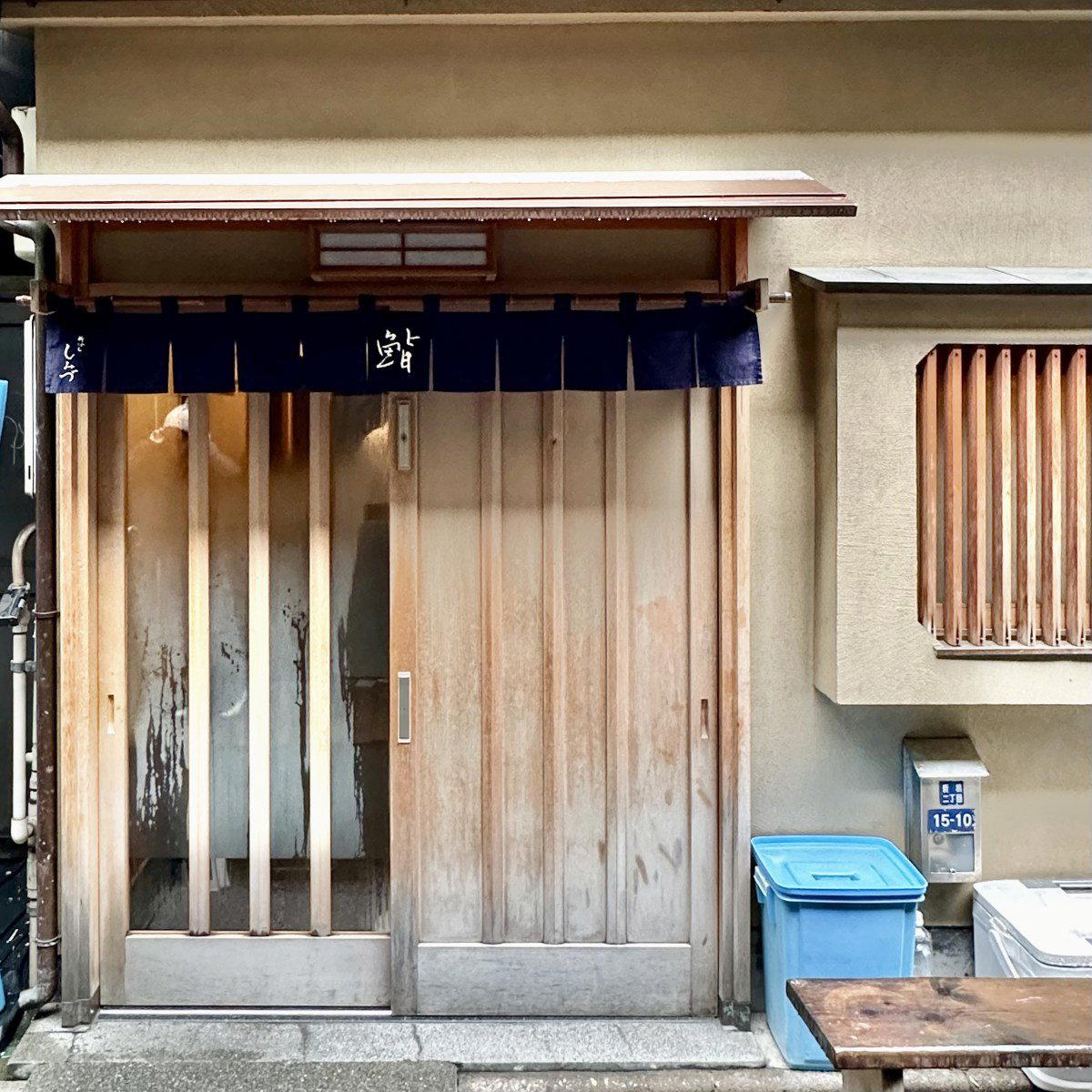
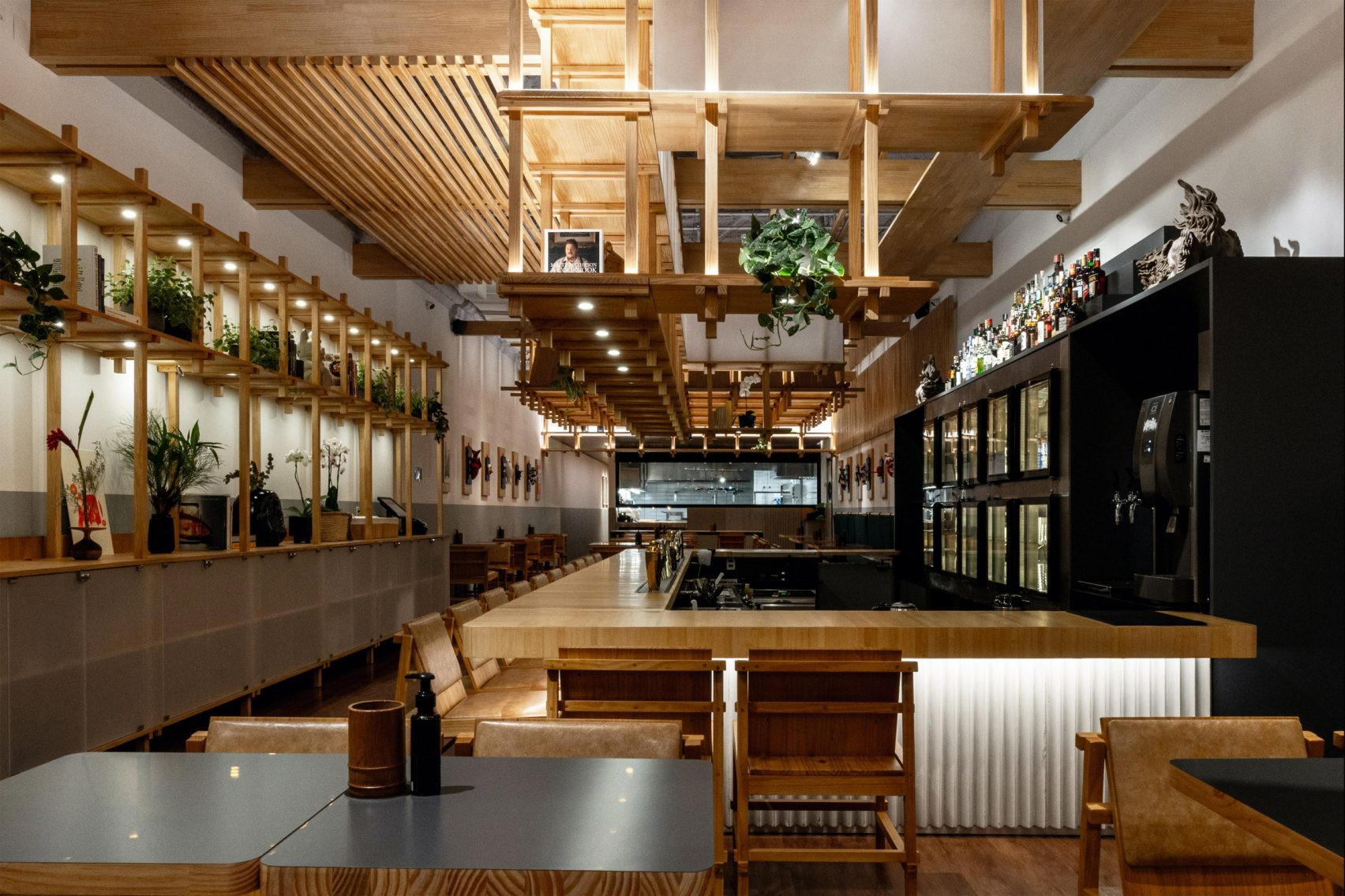
Scale shapes the meal. Thirty seats, including counter seating and a second-floor table area, place it where pacing and guest behavior matter. This is not a sprawling Chinese dining hall for flexible drop-ins, nor a banquet restaurant where volume absorbs noise and timetable changes. The room is intimate enough that reservations, party size and rhythm count. Private use is possible within limits, explaining why the second floor matters for groups rather than incidental overflow.
For visitors to Japan, there is a practical cultural point: small restaurants often express hospitality through rules as much as welcome. A one-drink expectation, seating charge, guidance against overly casual clothing and adult-oriented dinner service point to a meal built around food and drink, not a quick carbohydrate stop. That does not make the room formal in the old hotel-dining sense; it clarifies expectations. Diners who understand the code will have a cleaner experience than those treating it as an interchangeable Chinese restaurant.
The house-restaurant description is not just atmosphere; it affects how the cuisine lands. Sichuan cooking in a small Japanese room tends to feel composed rather than raucous, with attention on sequencing and contrast. The better comparison is not a Chengdu banquet table, but Japan’s broader habit of translating imported cuisines into tightly edited specialist formats. French, Italian, Indian, Chinese and Thai restaurants across Japan have followed this pattern: technique is imported, sourcing turns local, and the dining room imposes order.
Where it fits in a Nagoya dining itinerary
For a Nagoya stay, this is a strong counterweight to the city’s Japanese regional staples. The smart itinerary does not treat Nagoya as single-cuisine. It alternates local comfort forms, specialist counters and restaurants showing how the city absorbs outside techniques. The restaurant belongs in the latter category, especially for diners who know basic Sichuan flavors and want to see them tightened inside a Japanese premium-casual framework.
It also shows that Nagoya’s dining strength is not only headline luxury. Better meals often sit in mid-sized rooms with defined rules, category-specific recognition and limited seats rather than grand dining rooms. That pattern rewards planning while keeping the experience grounded. The value is less spectacle than clarity: Chinese-Sichuan cooking, fish orientation, and a room small enough for the format to matter.
For broader planning, use Our full Nagoya restaurants guide alongside the city rails for Our full Nagoya hotels guide, Our full Nagoya bars guide, Our full Nagoya wineries guide and Our full Nagoya experiences guide. Nearby restaurant research can also start with 1022, 451, Aaron, Alan. and All Day Dining Montmartre. For wider Japan and overseas context, compare format expectations with -Grilled beef Sukiyaki- KAMAKURA TANUKIAN 鎌倉 たぬき庵 in Kamakura. 鮪と炭火焼き うお炭 秋葉原店 in Tokyo.cafe in Osaka.know in Kumamoto, (Shoku) Vietnam in Kawasaki, [Curry Senmon Ten] Maruyama Kyoju. in Sapporo, Jōdo Saké Bar in Los Angeles and Onigiri Time in Pasadena.
Pricing, Compared
Comparable venues to calibrate price, style, and recognition.
| Venue | Cuisine | Price | Notes |
|---|---|---|---|
| Kofukusai KamekichiThis venue — the venue you are viewing | Higashi, Sichuan Chinese | $$$ | Not listed |
| Le Chinois SANO Nagoya | Not listed | $$$ | Naka, Nouvelle Chinese (Modern Cantonese) |
| Nanohana | Chikusa, Cozy Neighborhood Chinese | $$ | Not listed |
| MASA'S KITCHEN Nagoya JR geeto tawaa | Nakamura, Modern Chinese & Sichuan | $$$ | Not listed |
| China Hanten Shunju | Not listed | $$$ | Naka, Modern Shanghai Chinese with Chubu regional ingredients |
| Kizki | Higashi, Dining | $$$ | Not listed |
Recognition history
Dated appearances from independent guides and award organizations, with the underlying list record or original source where available.
Tabelog 100 #18 · No. 18
Tabelog · Tabelog 100 - Chinese cuisine - EAST - 2026
Continue exploring
More in Nagoya
Restaurants in Nagoya
Browse all →

At a Glance
- Lively
- Cozy
- Group Dining
- After Work
- Casual Hangout
- Date Night
- Standalone
Current opening hours
- Monday
- 6–10 PM
- Tuesday
- 6–10 PM
- Wednesday
- Closed
- Thursday
- 6–10 PM
- Friday
- 6–10 PM
- Saturday
- 6–10 PM
- Sunday
- 6–10 PM
Hours can change for holidays and private events. Last verified .
Reviews describe a relaxed, tavern-like atmosphere focused on enjoying boldly flavored Sichuan dishes with drinks, giving it a cozy yet lively feel rather than formal dining.