
Le Chinois SANO Nagoya brings contemporary Chinese cooking into Nagoya’s small-format dining tier, with counter seating, private rooms, and recognition in Tabelog’s Chinese EAST “Tabelog 100” selections for 2024 and 2026. Its appeal is less about spectacle than control: a compact room, wine alongside sake and shochu, and a sourcing-led reading of Chinese cuisine in Sakae-Fushimi.
Pearl is the En Primeur Club membership app — saves, bookings, and concierge access live there. Same editors, same standards.
- Address
- Japan, 〒460-0008 Aichi, Nagoya, Naka Ward, Sakae, 1 Chome−4−16 C Forest X 2階
- Phone
- +81 52-934-7245
- Website
- instagram.com
 Saves & bookings on Pearl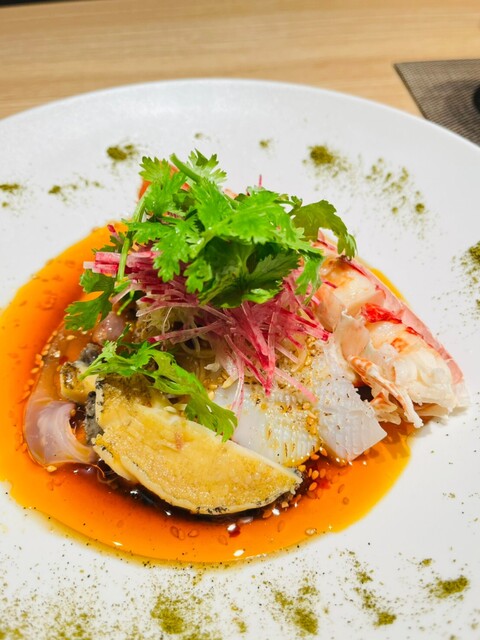
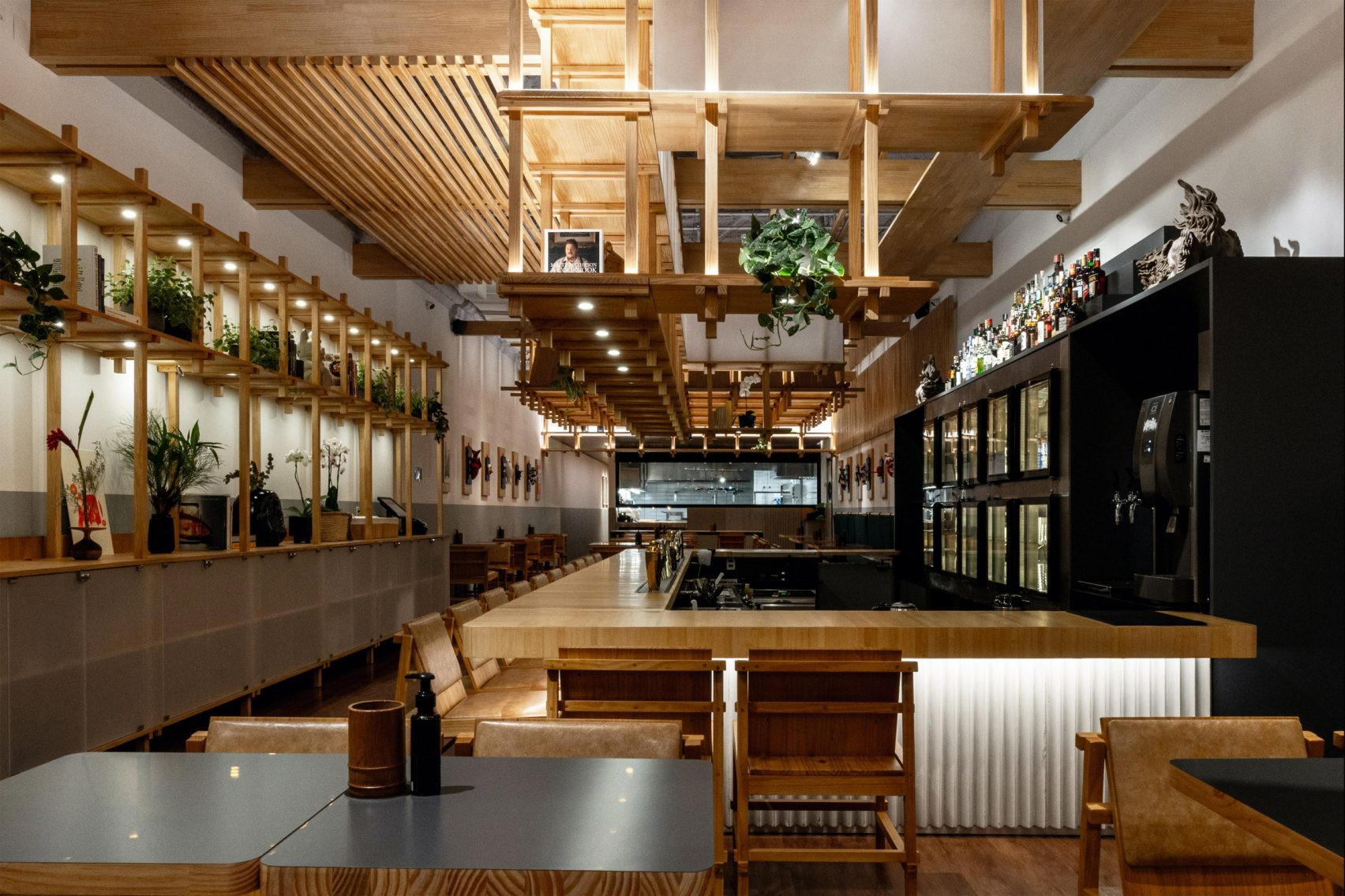
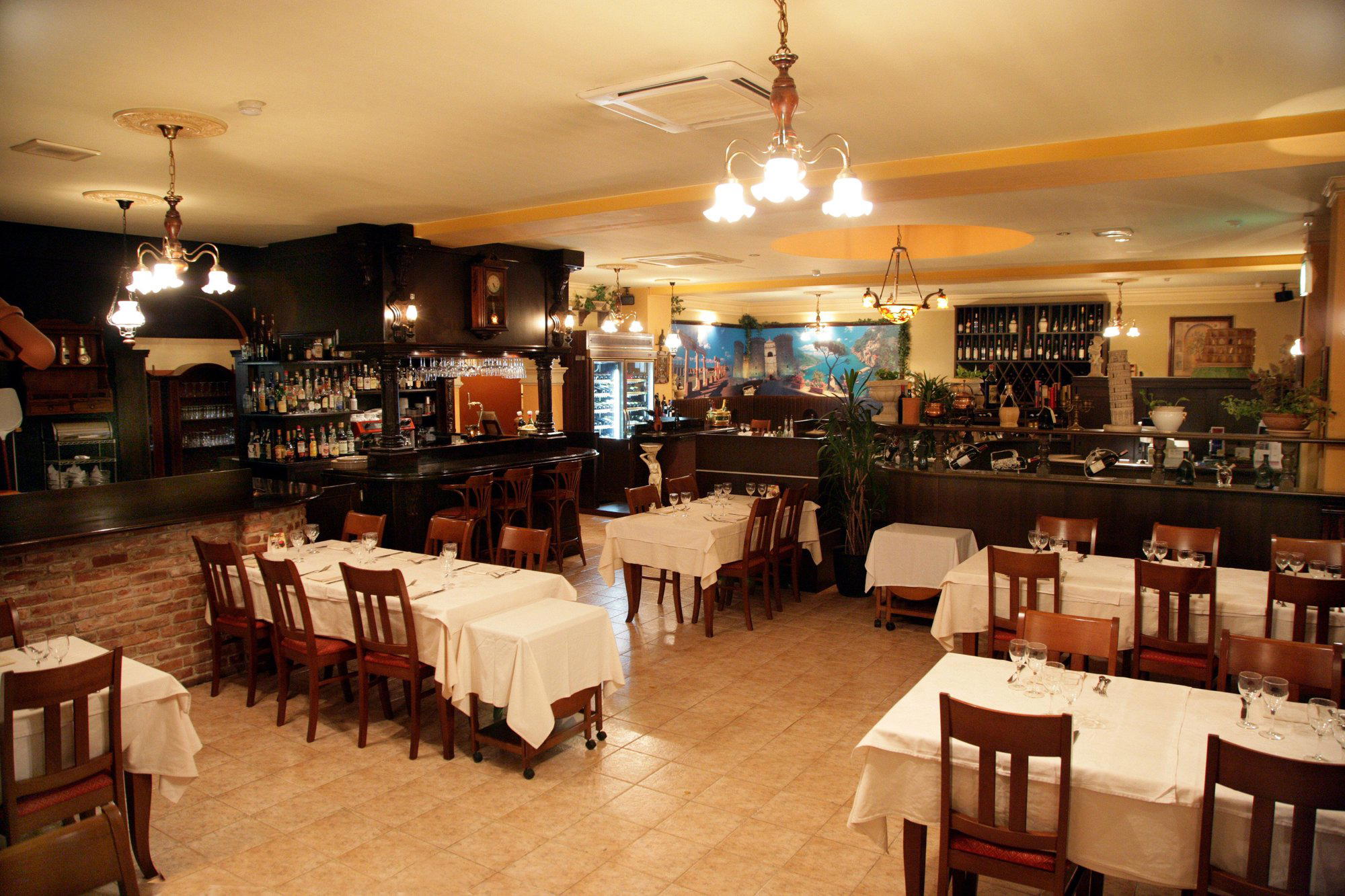
Contemporary Chinese dining in Nagoya is often quieter than in Tokyo or Osaka: fewer grand rooms, more compact counters, and more dependence on regulars who read details over slogans. Le Chinois SANO Nagoya fits that register, closer to a small Japanese tasting counter than a banquet house. The compact room, with counter and table seating, shapes the meal around proximity, pacing, and kitchen-to-guest visibility, now a marker of serious urban dining in Japan.
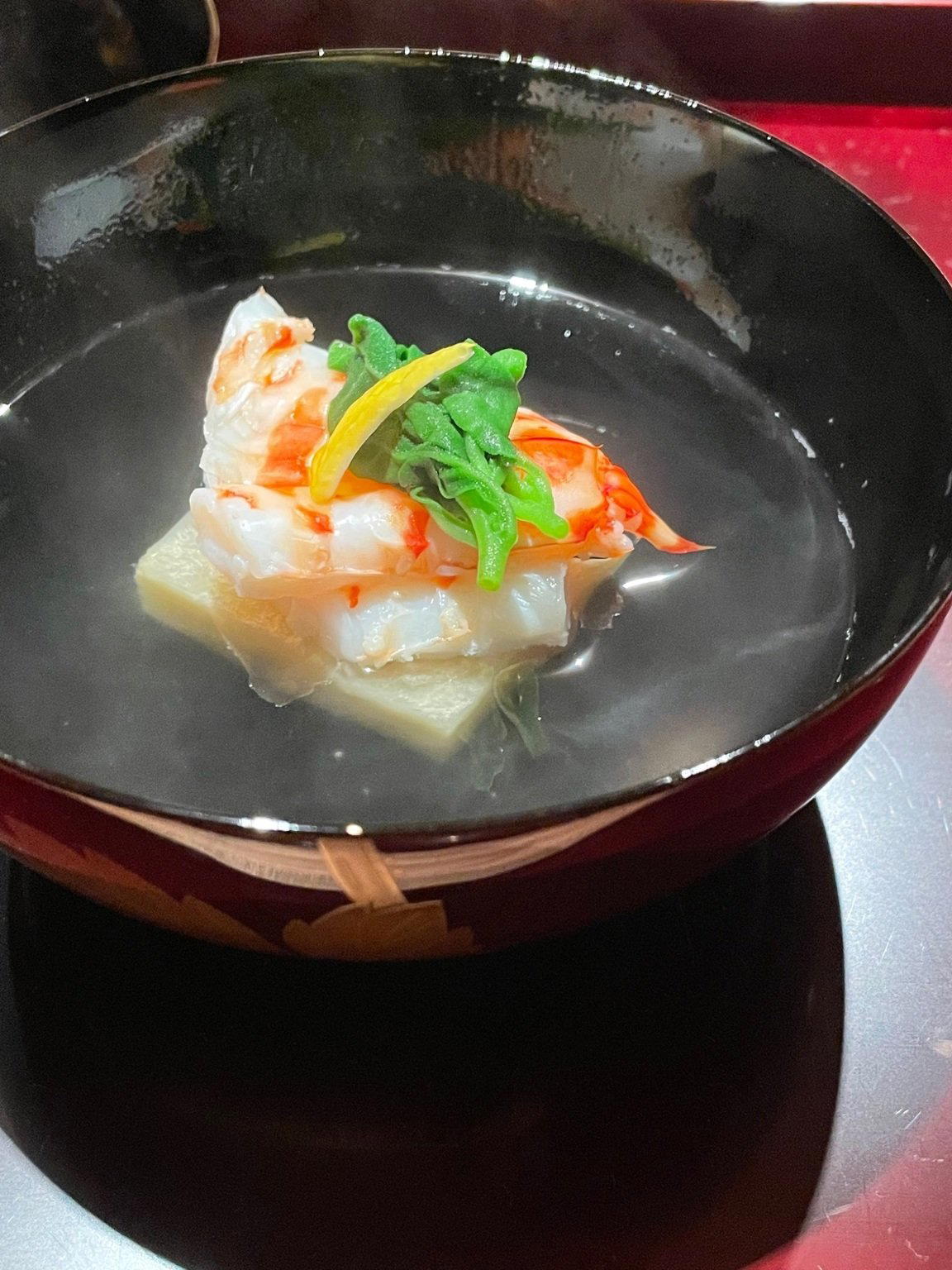
Nagoya’s high-end food culture is comfortable with concentration: specialist eel restaurants, sushi counters, beef rooms, and kappo-style kitchens compete on precision rather than scale. Contemporary Chinese cooking fits when sauce, heat, texture, and produce are decided course by course. The useful lens is sourcing. In Japan, Chinese cuisine at this tier often negotiates between regional Chinese technique and local ingredients, especially seafood, vegetables, and seasonal produce from Japanese supply chains. That does not make the cooking less Chinese; it shifts luxury from abundance to calibration.
Chinese technique filtered through Nagoya's small-room dining culture
Le Chinois SANO Nagoya sits in the premium bracket of Nagoya Chinese dining, not the casual izakaya-adjacent end. Its Tabelog Chinese EAST “Tabelog 100” selections in 2024 and 2026 place it in a curated group recognized for category-wide consistency rather than a single dish narrative. Its 3.59 score also matters in Japan: Tabelog ratings are conservative, and movement above the mid-threes often signals serious diner approval more than mass popularity.
The format matters because Chinese cooking changes under small-room pressure. Large Chinese restaurants can rely on breadth: many dishes, multiple tables, shared-plate theatre. A 12-seat format, split between counter and tables, rewards compression. Heat control must land at service. Sauces cannot hide behind scale. Ingredient selection is easier to read because each course carries more responsibility. For diners used to French tasting menus or omakase sushi, this part of contemporary Chinese dining in Japan translates immediately: less ordering a table of classics, more following a sequence.
The drinks list reflects the same hybrid culture. Wine sits alongside sake and shochu, a combination that suits Japan’s modern Chinese rooms. Wine brings acidity, tannin, and aromatic range; sake and shochu offer a local pairing vocabulary for oil, spice, and umami without forcing the meal into a European frame. That flexibility is why Japanese Chinese dining should not be treated as a fallback between sushi bookings.
Why sourcing is the serious signal here
Ingredient sourcing is often discussed lazily in luxury dining, but in Chinese cuisine it has technical consequences. A different meat cut changes wok timing. A different vegetable changes the balance of snap and sweetness. Seafood handled to Japanese market standards asks for restraint, because the kitchen risks covering what diners are trained to notice. The better question is not narrow “authenticity,” but whether Chinese technique makes Japanese ingredients more legible.
That is where Nagoya helps. The city is not just a stop between Tokyo and Kyoto; it has its own appetite for specialist rooms and high-spend dining without the same international glare. Compared with Beef Junkie, Sushi Gonzaemon, Kreis, Daijin Honten, and Unagi Okafuji, this address belongs to another decision set: not beef, sushi, casual drinking, or eel, but a small-format Chinese meal for diners seeking technique and pacing. The comparison matters because Nagoya rewards category clarity. Dinner here means choosing Chinese cooking as the main event, not a convenient compromise.
Private-room availability changes the occasion mix. Many high-end counters in Japan feel built for pairs or solo regulars; private spaces for small groups preserve Chinese dining’s social roots within a controlled, premium format. Family friendliness, with advance consultation for children, adds practicality without turning the restaurant into a broad family venue. The range is the point: counter intimacy for watching the kitchen, private rooms for small celebrations, and a non-smoking room aligned with contemporary Japanese dining expectations.
How to place it in a Nagoya itinerary
For a Nagoya food itinerary, Le Chinois SANO Nagoya belongs after the city’s obvious local-specialty meals, not before. Hitsumabushi, miso katsu, kishimen, and tebasaki explain Nagoya’s everyday food identity; a premium Chinese counter shows how the city eats when it moves into specialist, reservation-led territory. That sequencing matters: the restaurant makes more sense once the diner has registered Nagoya’s confidence in deeply defined categories.
The venue also shows that the Sakae-Fushimi axis is not only a shopping and business corridor. It is one of Nagoya’s dining spines, dense enough to support small rooms relying on repeat local demand. For broader planning, use Our full Nagoya restaurants guide alongside Our full Nagoya hotels guide, Our full Nagoya bars guide, Our full Nagoya wineries guide, and Our full Nagoya experiences guide. Within the restaurant index, adjacent research paths include 1022, 451, Aaron, Alan., and All Day Dining Montmartre.
Readers comparing Japanese dining beyond Nagoya can map specialist formats through -Grilled beef Sukiyaki- KAMAKURA TANUKIAN 鎌倉 たぬき庵 in Kamakura. 鮪と炭火焼き うお炭 秋葉原店 in Tokyo.cafe in Osaka.know in Kumamoto, (Shoku) Vietnam in Kawasaki, [Curry Senmon Ten] Maruyama Kyoju. in Sapporo, Jōdo Saké Bar in Los Angeles, and Onigiri Time in Pasadena. The through-line is specialization: small rooms, defined categories, and a culture where format tells the informed guest what seriousness to expect.
The editorial case for the restaurant is clear. Nagoya has enough classic local food to fill a short trip, but its higher-end dining becomes more interesting when Chinese technique enters the conversation. Choose it when the evening is about controlled cooking, ingredient sensitivity, and the pleasure of seeing a major cuisine refracted through Japan’s compact, detail-heavy restaurant culture.
Comparable Spots, Quickly
Comparable venues for cuisine and category context.
| Venue | Cuisine | Price | Notes |
|---|---|---|---|
| Le Chinois SANO NagoyaThis venue — the venue you are viewing | Nouvelle Chinese (Modern Cantonese) | $$$ | Not listed |
| toraneko | Cantonese-inspired Creative Chinese | $$$ | Higashi |
| Chinese Ryori Ryujo | Modern Cantonese Chinese in a luxury Nagoya hotel | $$$ | Naka |
| China Hanten Shunju | Modern Shanghai Chinese with Chubu regional ingredients | $$$ | Naka |
| Shaotsai Iedie | Authentic Sichuan Chinese | $$ | Higashi |
| Joe's Kitchen | Traditional Chinese | $$ | Naka |
Recognition history
Dated appearances from independent guides and award organizations, with the underlying list record or original source where available.
Tabelog 100 #95 · No. 95
Tabelog · Tabelog 100 - Chinese cuisine - EAST - 2026
Continue exploring
More in Nagoya
Restaurants in Nagoya
Browse all →
At a Glance
- Elegant
- Cozy
- Sophisticated
- Romantic
- Date Night
- Business Dinner
- Group Dining
- Special Occasion
- Design Destination
- Standalone
- Extensive Wine List
Current opening hours
- Monday
- 5:30–10 PM
- Tuesday
- 5:30–10 PM
- Wednesday
- 5:30–10 PM
- Thursday
- 5:30–10 PM
- Friday
- 5:30–10 PM
- Saturday
- 5:30–10 PM
- Sunday
- 5:30–10 PM
Hours can change for holidays and private events. Last verified .
A small, relaxing dining room near Fushimi with a refined yet unpretentious atmosphere, softly lit and suited to dates or quiet conversations, where carefully plated nouvelle Chinese courses are served with wine.