Konoba Tauris pairs Traditional Dalmatian Seafood Grill cooking with a waterfront terrace, a beer program, and leisurely pacing for lunch or dinner.
Pearl is the En Primeur Club membership app — saves, bookings, and concierge access live there. Same editors, same standards.
- Address
- Šipanska luka 96, 20223, Šipanska Luka, Croatia
- Phone
- +38598619013
- Website
- konoba-tauris.business.site
- Directions
- Get directions
 Saves & bookings on Pearl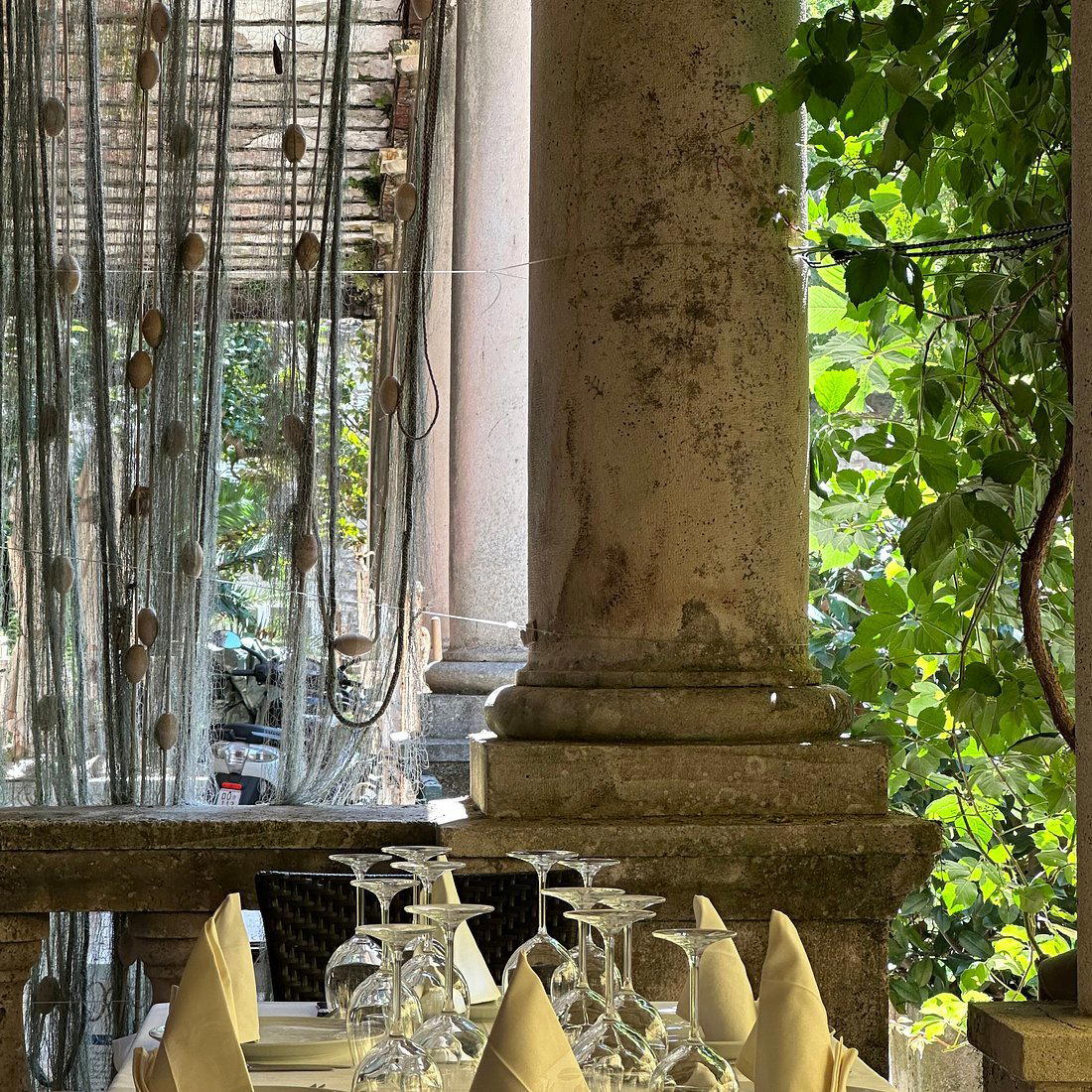
A Ferry Ride Away from Dubrovnik's Crowds
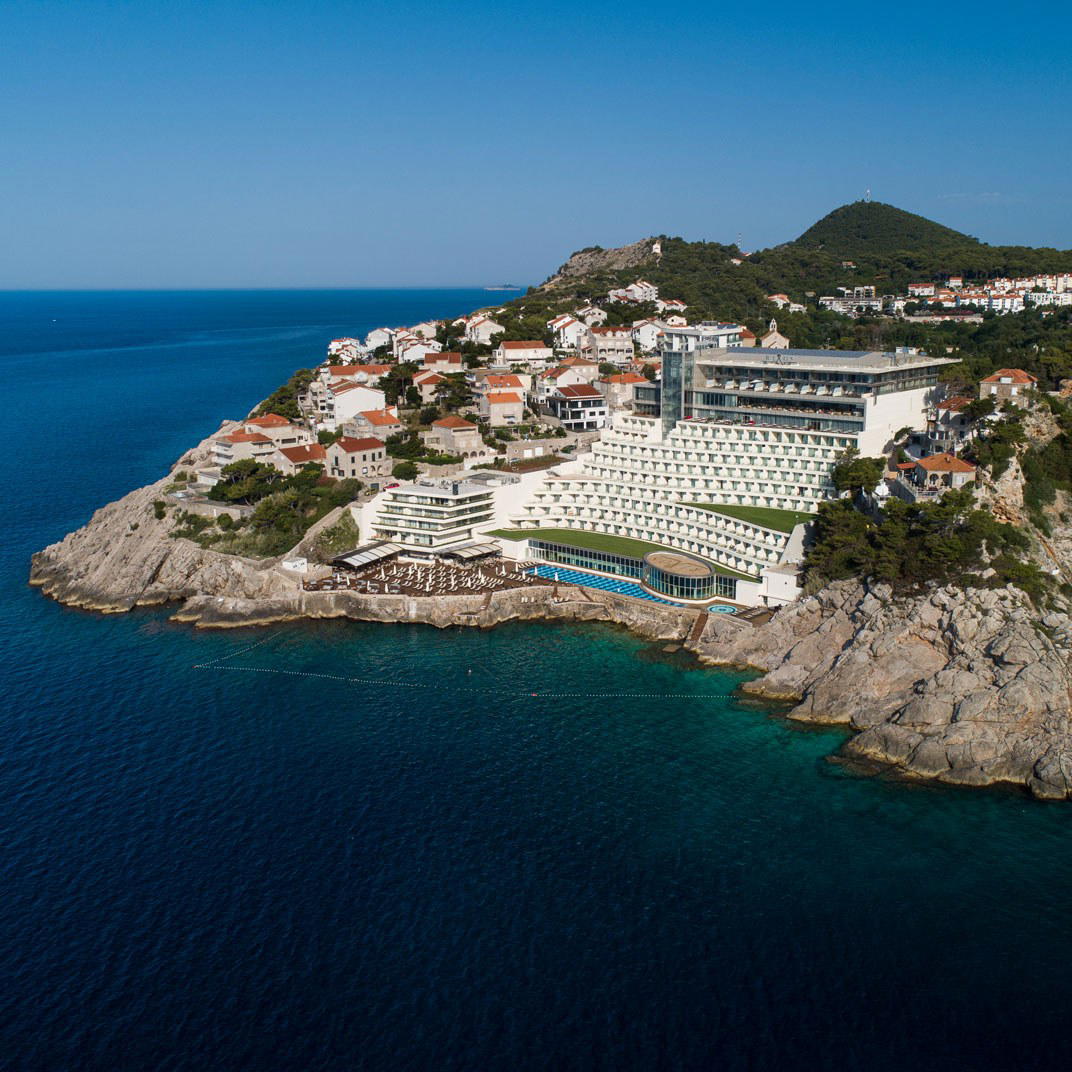
The approach to Šipan sets the tone before you arrive. From Dubrovnik's Gruž harbour, the ferry to Šipanska Luka takes roughly 90 minutes through open Adriatic water, passing smaller Elafiti islands before the boat slows into a cove so quiet that you can hear the ropes settle against the dock. Šipan is the largest of the Elafiti islands and, by Dalmatian standards, thinly visited. The village of Šipanska Luka at its northern end has a waterfront of old stone buildings, a handful of fishing boats, and the kind of unhurried afternoon pace that Dubrovnik itself sold off somewhere around 2010. Konoba Tauris sits on that waterfront at Šipanska Luka 96.
What the Island Supplies
The konoba format across Dalmatia is built around proximity: proximity to the sea, to a family kitchen, to whatever came in that morning. In this respect, Šipan holds an advantage over the mainland. The island's low tourist density and fertile interior, old olive groves, fig trees, and vineyards worked by local families for generations mean that the sourcing chain between producer and plate is unusually short. Dalmatian konobi that operate in more trafficked locations often supplement local catch with imported product during peak summer pressure.
Broader Dalmatian coastal tradition treats fish as the structural centre of a meal: grilled over wood or baked under a peka, dressed simply with olive oil, sea salt, and whatever herbs are growing close by. The cooking logic is additive restraint rather than transformative technique. The quality argument rests entirely on how recently the fish left the water and how well the oil and fire are handled. Both of those variables improve significantly when you are on a small Adriatic island rather than in a restaurant supplied by a distributor truck.
The konoba version of that same principle operates without the tasting-menu architecture, but the sourcing logic is structurally identical.
The Setting at the Table
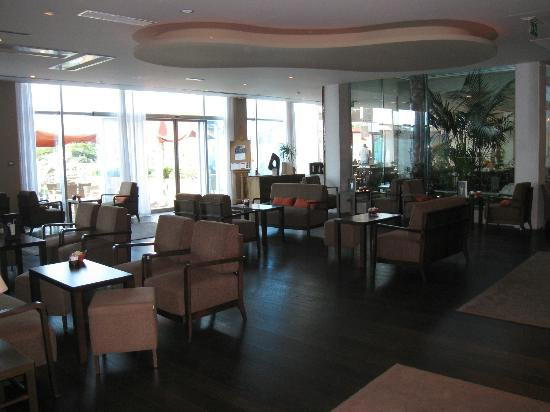
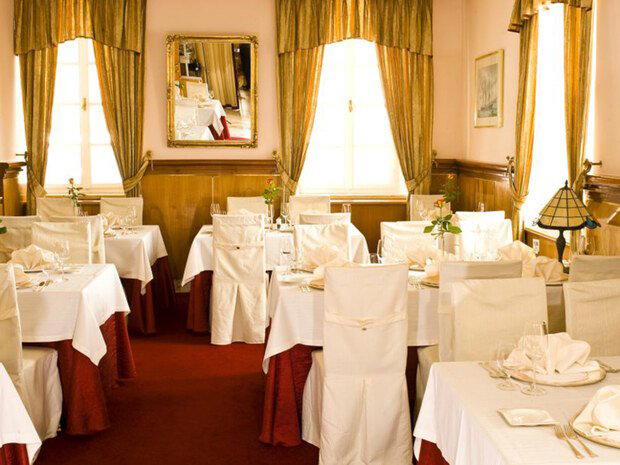
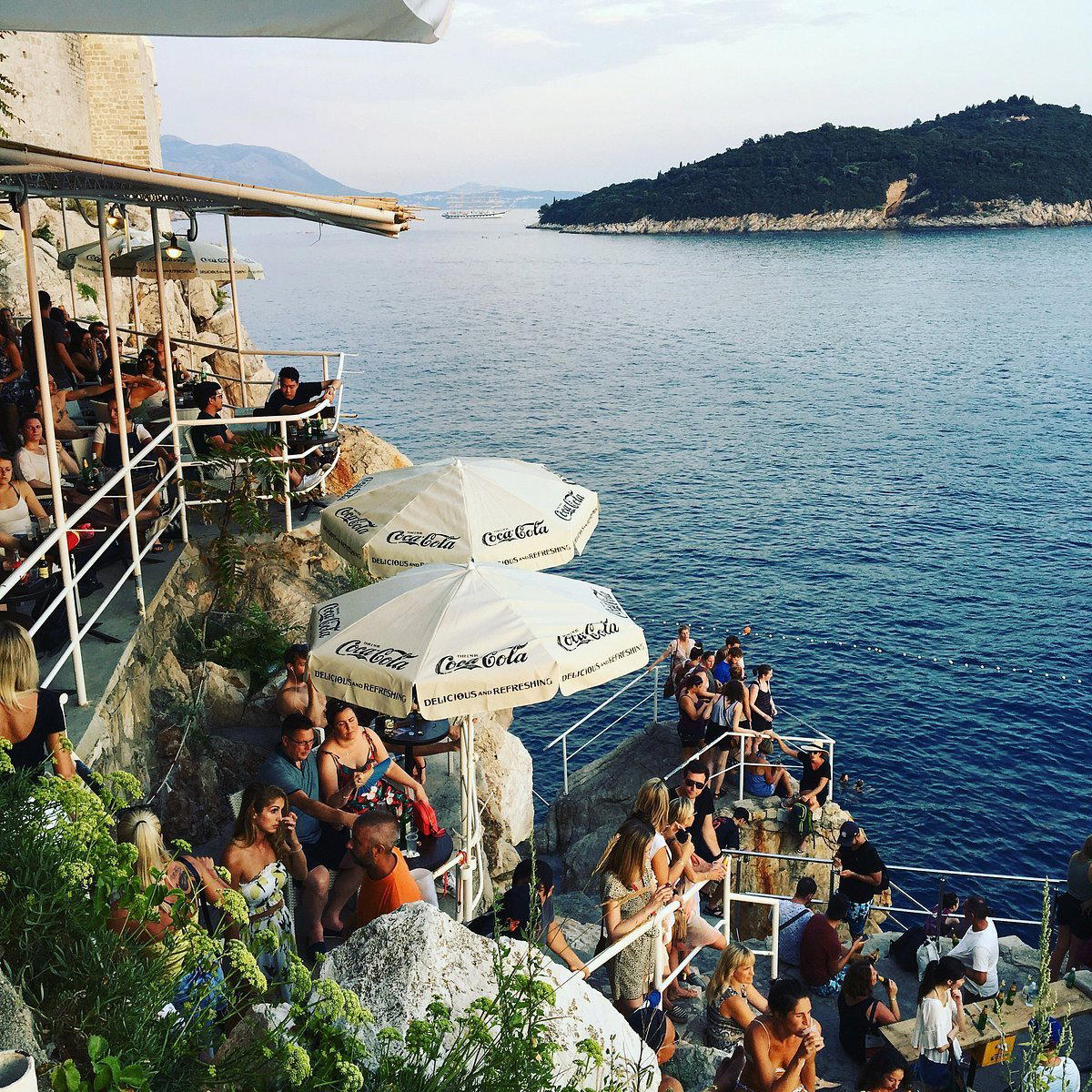
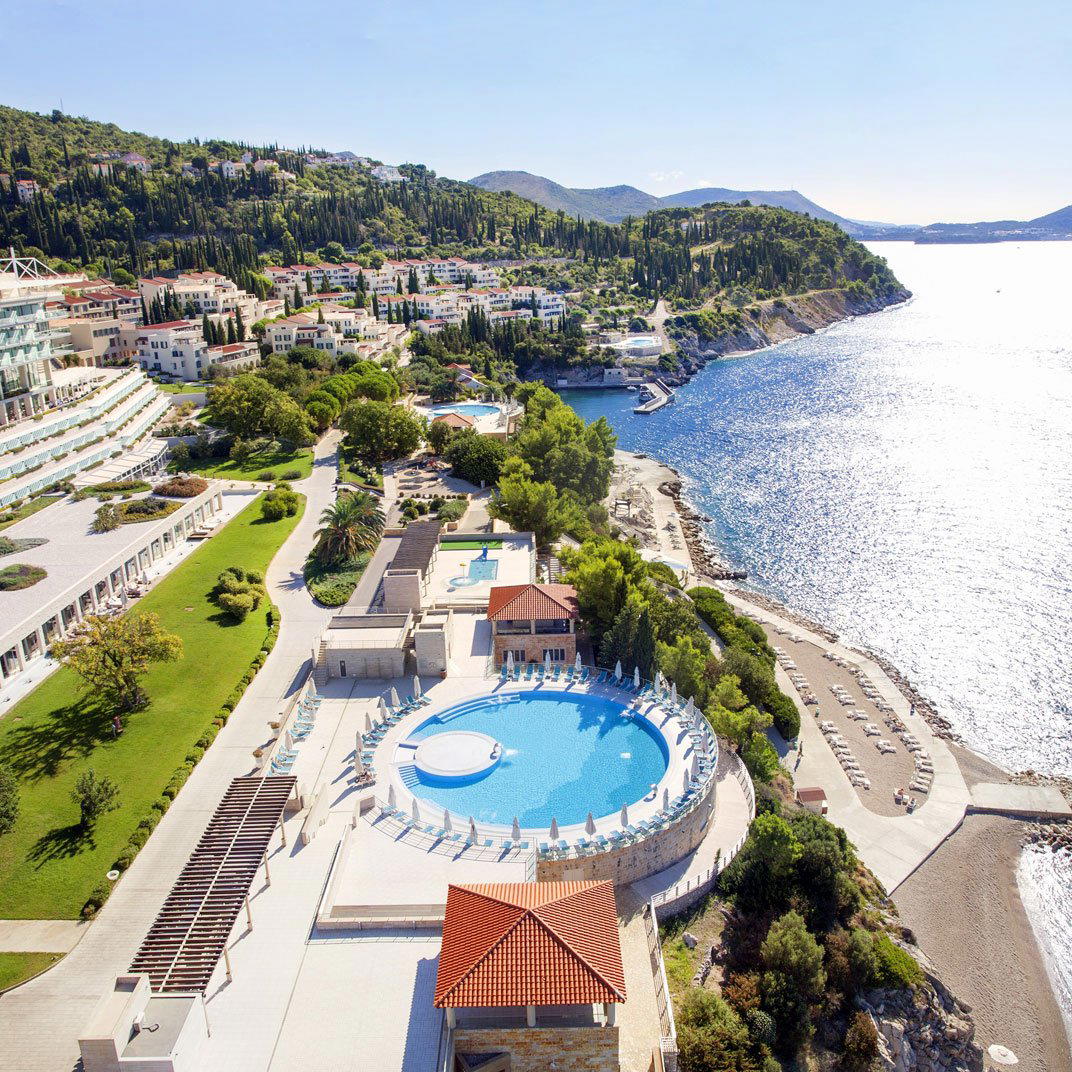
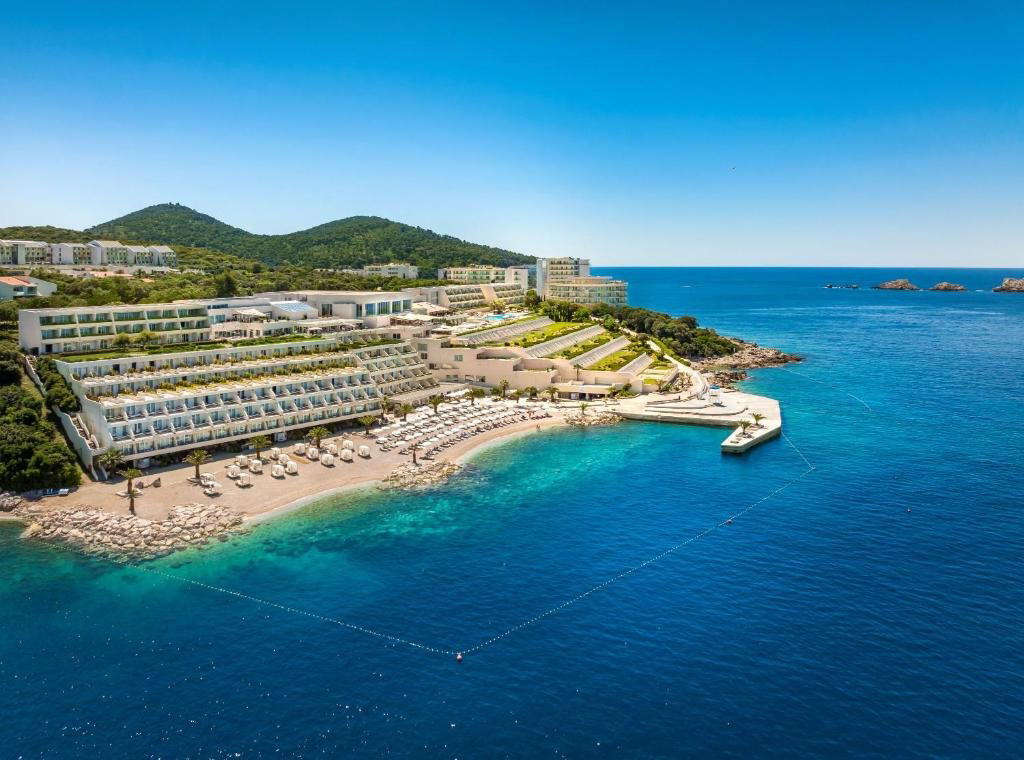
A konoba is, by definition, an informal dining room: stone walls, direct furniture, meals that arrive without theatre. The format self-selects for a certain kind of eater, one who is comfortable making a journey without a guaranteed spectacle at the end, and who measures the meal by what is on the plate rather than by what surrounds it. Šipanska Luka's waterfront position means the view from a table at Konoba Tauris is the harbour itself: small boats, clear water, the low hills of the island behind. The setting is the harbour itself: small boats, clear water, the low hills of the island behind. The Elafiti crossing filters the room.
In Dubrovnik, stronger examples from the market looks like Restaurant 360, with its city-walls perch and modern international format at €€€€ pricing. The mid-tier includes places like Bistro Tavulin operating traditional cuisine at €€ price points within the city itself. The island konoba sits in a different register: lower price, higher logistical investment, and a sourcing proximity that neither of those city options can replicate.
Croatia's Coastal Dining Scene in Wider Frame
Croatia's restaurant recognition has concentrated on a small number of destination addresses: Agli Amici Rovinj in Rovinj, Boskinac in Novalja, and Nebo by Deni Srdoč in Rijeka represent the kind of addresses that attract Michelin attention. Inland, Dubravkin Put in Zagreb and Korak in Jastrebarsko anchor a different tradition. What these award-tier addresses share is a deliberate framing of local ingredient provenance as the primary editorial statement.
The island konoba tradition predates that framing by centuries but arrives at the same conclusion by default. The ingredients are local because there is no practical alternative. That constraint, imposed by geography, is now one of the more compelling arguments for making the ferry trip. Alfred Keller in Mali Lošinj offers a parallel example: an island-based address where the separation from the mainland is part of the dining proposition, not a complication to be managed.
For Dalmatian fish cooking at a more urban price point and without the journey, Krug in Split and Barba in Dubrovnik both operate within the seafood-led regional tradition. BioMania Bistro Bol in Bol on Brač takes a more explicitly sourcing-led position at island scale.
Planning the Visit
- wood-fired grilled sea bass
- swordfish
- charcoal grilled sea bream
- skampi na buzara
- lobster pasta
- octopus salad
- black risotto
How It Stacks Up
Comparable venues nearby, for context on price, style, and recognition.
| Venue | Cuisine | Price | Notes |
|---|---|---|---|
| Konoba TaurisThis venue — the venue you are viewing | Traditional Dalmatian Seafood Grill | $$$ | Not listed |
| Mandrac | Traditional Croatian Seafood | $$ | Lopud |
| Bistro 49 | Modern Mediterranean Bistro | $$ | Gruz |
| Kamenice | Traditional Croatian Seafood | $$ | Old Town |
| Orsan | Dalmatian Seafood | $$$ | Lapad |
| Gradska Kavana Arsenal | Modern Mediterranean Seafood | $$$ | Old Town |
Continue exploring
More in Dubrovnik
Restaurants in Dubrovnik
Browse all →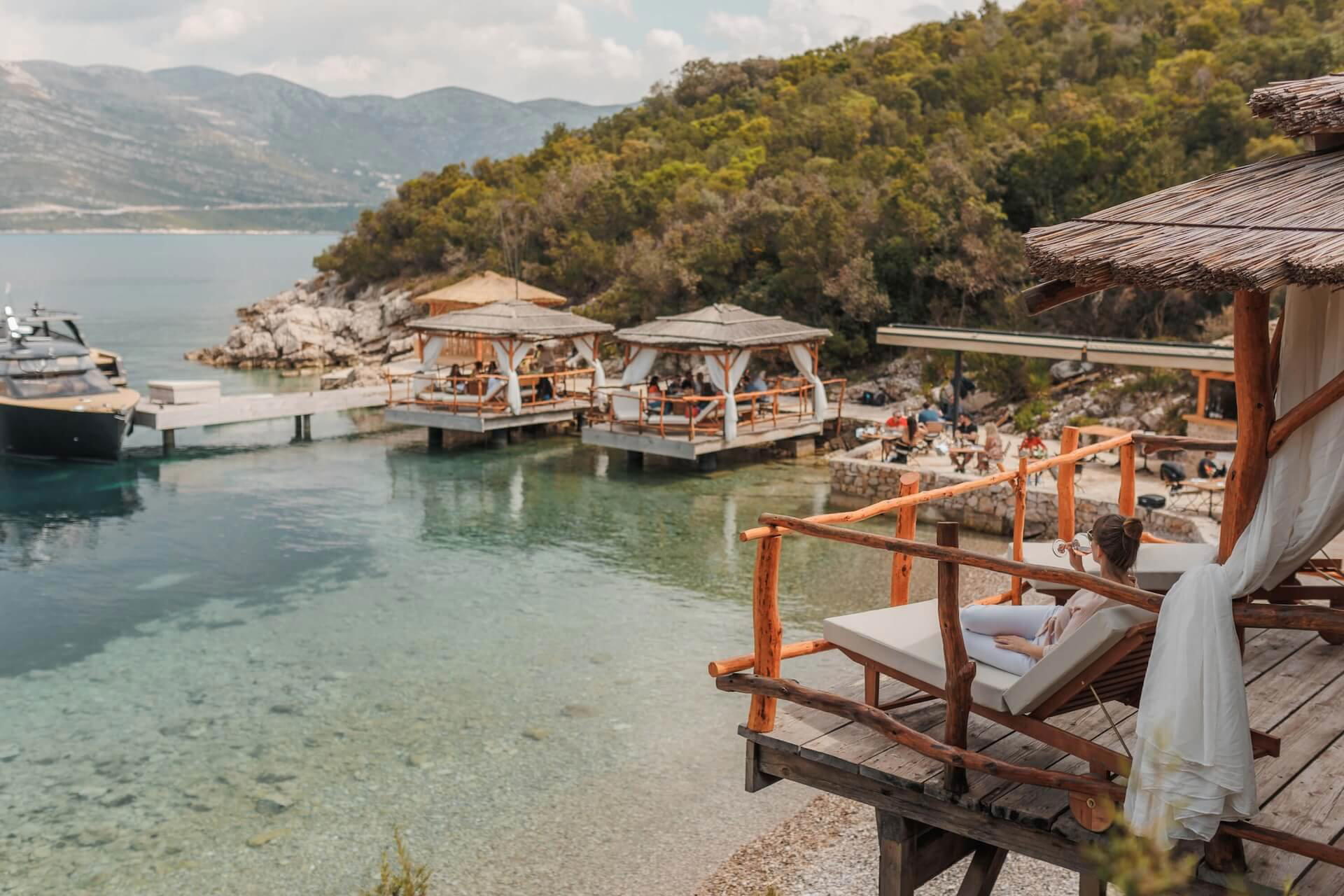
At a Glance
- Romantic
- Scenic
- Rustic
- Intimate
- Date Night
- Group Dining
- Celebration
- Special Occasion
- Waterfront
- Terrace
- Standalone
- Beer Program
- Local Sourcing
- Sustainable Seafood
- Farm To Table
- Waterfront
Current opening hours
- Monday
- 10 AM–12 AM
- Tuesday
- 10 AM–12 AM
- Wednesday
- 10 AM–12 AM
- Thursday
- 10 AM–12 AM
- Friday
- 10 AM–12 AM
- Saturday
- 10 AM–12 AM
- Sunday
- 10 AM–12 AM
Hours can change for holidays and private events. Last verified .
Relaxed al fresco seaside setting with warm, welcoming service; intimate tables overlooking the Adriatic with a timeless, unpretentious charm that celebrates local tradition.