Kobé Japanese Steakhouse - Kirkman
Kobé Japanese Steakhouse on Kirkman Road has anchored Orlando's teppanyaki dining scene for decades, drawing families and visitors to its theatrical tableside cooking format. The South Kirkman location places it within easy reach of the International Drive corridor, where the teppan tradition of communal grills and performative knife work continues to define a specific tier of Japanese-American dining.
Pearl is the En Primeur Club membership app — saves, bookings, and concierge access live there. Same editors, same standards.
- Address
- 5605 S Kirkman Rd, Orlando, FL 32819
- Phone
- +14072481978
- Website
- kobesteakhouse.com
- Directions
- Get directions
 Saves & bookings on Pearl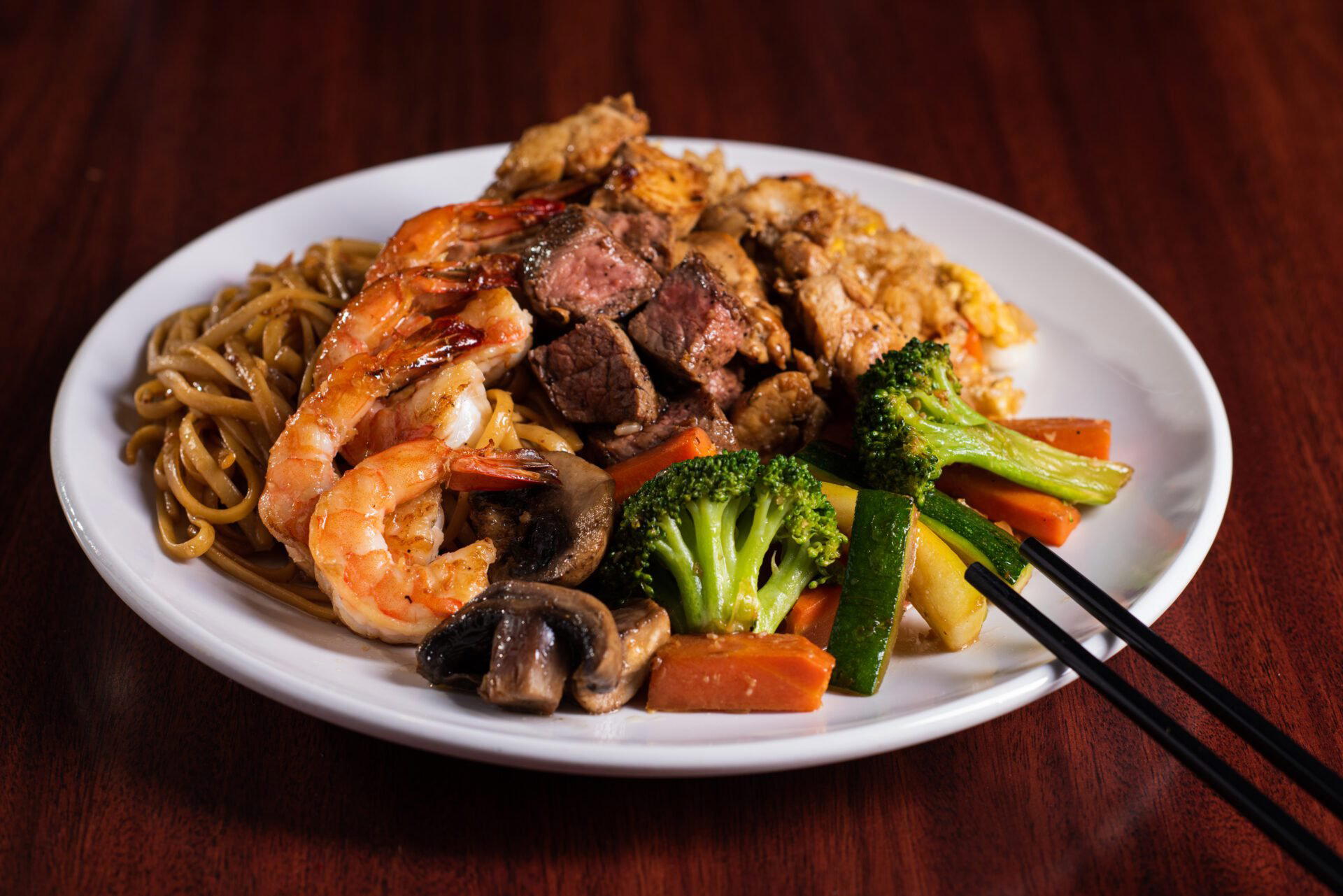
The teppanyaki format has a particular hold on American dining culture that no amount of omakase refinement has displaced. At its core, it is theater: a trained cook works a flat iron griddle at the center of a communal table, and the meal unfolds as much through spectacle as through flavor. Kobé Japanese Steakhouse on Kirkman Road sits firmly in this tradition, operating at 5605 S Kirkman Rd in Orlando, where the teppan grill format has found one of its most loyal audiences in the country.
The Teppanyaki Format and What It Asks of a Team
Teppanyaki, at its American expression, depends on a synchronized triangle: the cook who controls heat, timing, and showmanship; the floor team that manages a communal seating dynamic where strangers share tables; and whoever handles the drinks and pacing, keeping the meal from either stalling or rushing. The format punishes disorganization more visibly than almost any other dining style, because everything happens in open view. When the team functions well, the sequencing feels effortless. When it does not, the gaps show in real time.
This is what makes the teppanyaki restaurant a useful lens on restaurant operations. Unlike a conventional dining room where a kitchen brigade works largely out of sight, the teppanyaki cook is entirely exposed. Their timing with proteins, their knife technique, their calibration of the grill surface temperature, all of it plays out in front of the guests. The front-of-house team, meanwhile, must manage tables that seat parties who did not arrive together, coordinating beverages and course pacing across groups with different rhythms and appetites. It is a genuinely difficult operational format to execute consistently.
Orlando's International Drive corridor, where the Kirkman Road location operates, has been among the more durable markets for this format in the American Southeast. The area draws a high proportion of visitors rather than locals, which creates an audience that skews toward shared experience dining and away from the quieter, more contemplative formats that have gained ground in other parts of the city. For context, the more intimate end of Orlando's Japanese dining spectrum is represented by venues like Kadence and Sorekara, both operating at a smaller, more ingredient-focused register. Natsu adds another dimension to the city's Japanese dining picture. Kobé occupies a different position entirely: volume, communal energy, and accessibility over restraint.
How Kobé Fits Orlando's Dining Map
Orlando's premium dining tier has developed considerably over the past decade. The steakhouse category in particular has grown more competitive, with venues like Capa operating at a $$$$ price point and positioning against a national fine-dining comparable set. At the higher end of the broader Orlando scene, you find serious kitchens: Camille brings Vietnamese precision to the city's restaurant conversation, and both are part of a broader shift in what Orlando diners expect from a meal out.
Kobé sits in a different competitive bracket, one defined not by tasting menus or wine programs but by the reliability of the teppanyaki experience and the dining room's capacity to absorb large parties, families with children, and first-time visitors to the format. This is a meaningful niche. In a city that sees tens of millions of tourist visitors annually, restaurants that can deliver a coherent, entertaining meal to a mixed-experience audience without sacrificing kitchen standards occupy genuine market utility.
Nationally, teppanyaki's position in Japanese-American dining is well-established. It predates the omakase wave by several decades and has shown more durability than several other theatrical dining formats that peaked and faded. For comparison, the analytical rigor that marks the premium tier of American Japanese dining, represented at its apex by venues like Atomix in New York City, operates in a fundamentally different register. Both traditions claim Japanese culinary roots, but they address entirely different audience expectations and dining occasions.
The Grill as a Stage
The structural logic of teppanyaki, fire, protein, vegetable, rice, in that general order, with knife work and flame elevation as punctuation, has not changed substantially since Benihana popularized the format for American audiences in the 1960s. What distinguishes better teppanyaki operations from weaker ones is execution density: the consistency of sear, the precision of portion timing, and the cook's ability to read a table's energy and calibrate the performance accordingly. Some tables want quiet competence; others want full engagement. Skilled teppan cooks shift between registers. This is a craft skill that takes time to develop and is easy to underestimate from the outside.
Wider frame: the restaurants that have most influenced how Americans think about cooking-as-theater, from the open kitchens at places like Le Bernardin in New York City to the live-fire drama at Lazy Bear in San Francisco, share a structural commitment to the cook being visible, legible, and present in the dining experience. Teppanyaki arrived at that insight through a different cultural and commercial path, but the underlying logic holds across formats.
Orlando's visitor-heavy dining environment makes Kobé's Kirkman Road location a practical choice for groups that want a coherent shared experience without requiring deep familiarity with Japanese dining conventions. The format is self-explanatory in a way that a kaiseki progression or a natural wine list is not. For travelers working through a broader American dining circuit that might include Alinea in Chicago, The French Laundry in Napa, Addison in San Diego, Providence in Los Angeles, Blue Hill at Stone Barns in Tarrytown, Single Thread Farm in Healdsburg, Emeril's in New Orleans, or The Inn at Little Washington, a teppanyaki dinner represents a deliberate change of register, and that contrast has its own value. Internationally, the fine-dining spectrum extends to venues like 8 1/2 Otto e Mezzo Bombana in Hong Kong, underscoring how wide the dining world runs.
See the full Orlando restaurants guide for a wider view of how the city's dining scene maps across formats, price points, and neighborhoods.
Know Before You Go
- Address: 5605 S Kirkman Rd, Orlando, FL 32819
- Format: Teppanyaki (communal tableside cooking)
- Leading for: Groups, families, first-time teppanyaki diners, large parties
- Booking: Reservations recommended
- Pricing: About $40 per person
- Hours: Mon-Sun 12-10 PM
Reputation First
Comparable venues nearby, for context on price, style, and recognition.
| Venue | Cuisine | Price | Notes |
|---|---|---|---|
| Kobé Japanese Steakhouse - KirkmanThis venue — the venue you are viewing | Teppanyaki Japanese Steakhouse | $$$ | Not listed |
| Dragonfly Robata Grill & Sushi | Japanese Robata Grill & Sushi | $$$ | Little Sand Lake |
| Bice Ristorante | Northern Italian Trattoria | $$$ | International Drive |
| Hinabe | Modern Wagyu Hot Pot | $$$ | Little Sand Lake |
| Atlantic Restaurant | Modern surf-and-turf seafood in a Victorian undersea aquarium setting | $$$ | Universal Epic Universe – Celestial Park |
| Palm Tree Club Orlando | Upscale Coastal Cuisine | $$$ | Pointe Orlando |
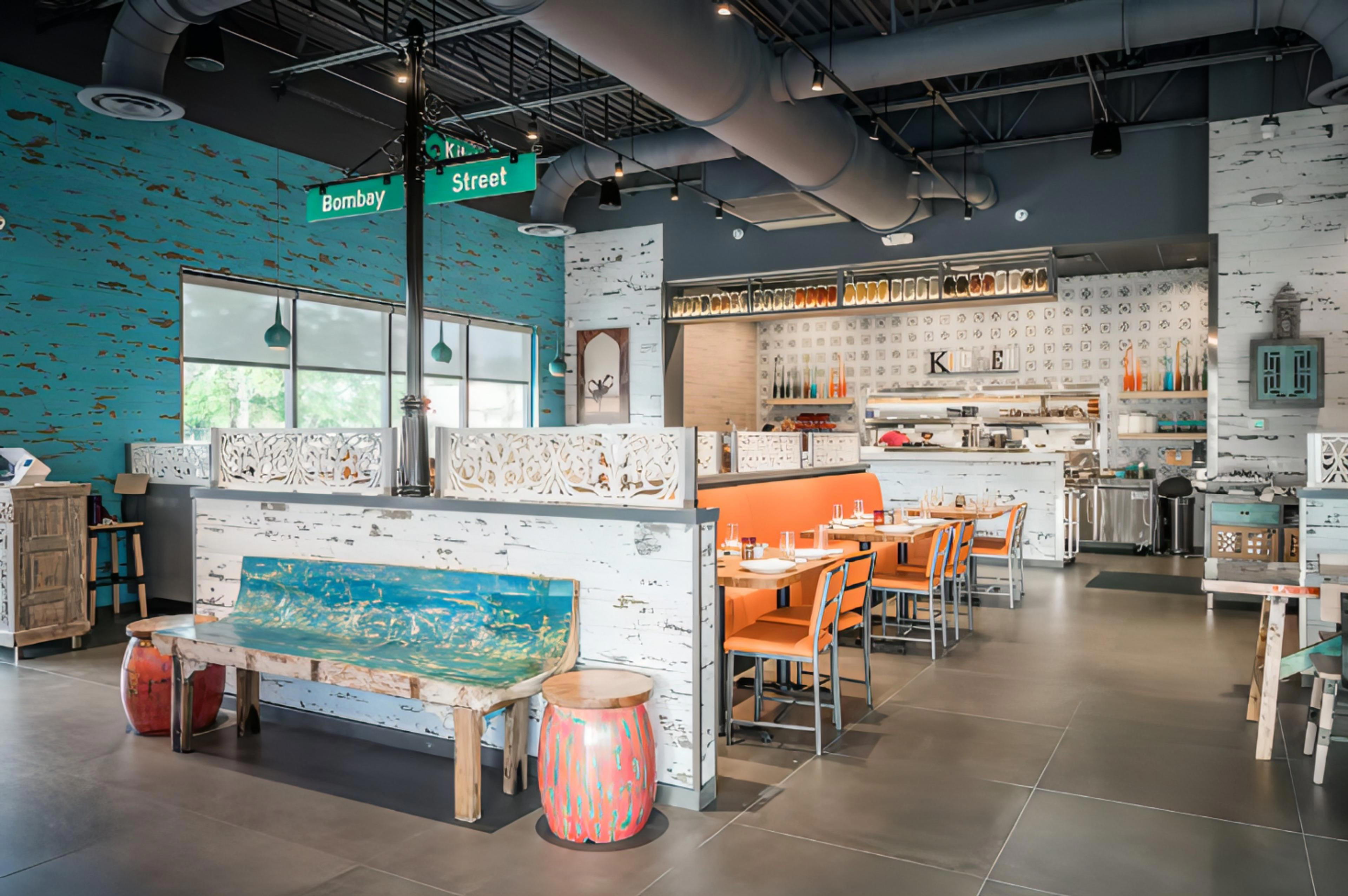
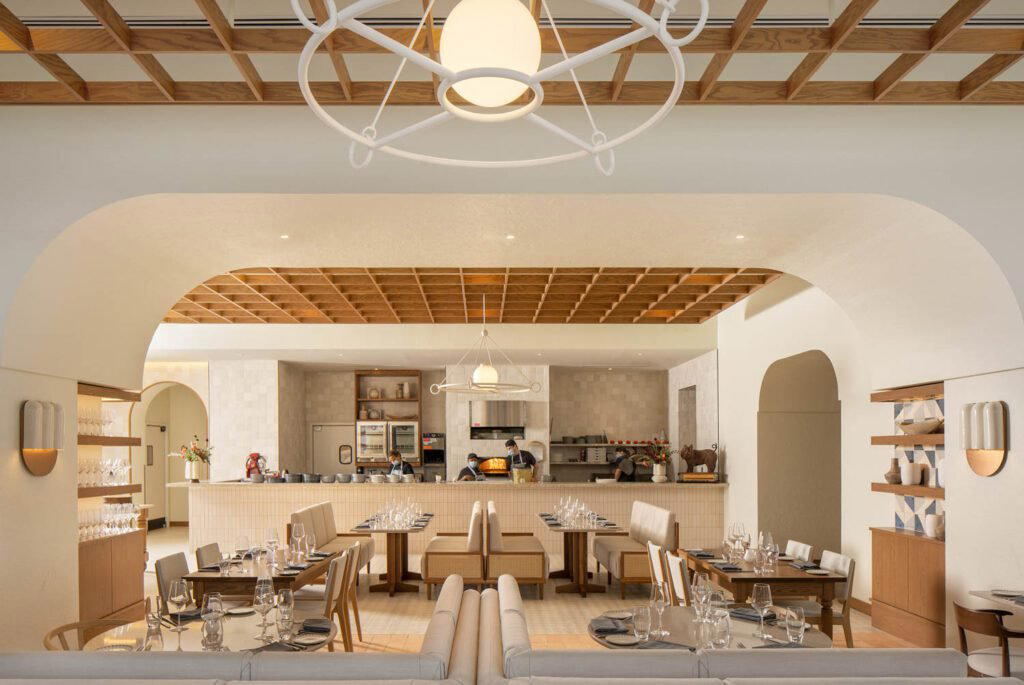
At a Glance
- Lively
- Energetic
- Group Dining
- Family
- Celebration
- Open Kitchen
- Sake Program
Current opening hours
- Monday
- 12–10 PM
- Tuesday
- 12–10 PM
- Wednesday
- 12–10 PM
- Thursday
- 12–10 PM
- Friday
- 12–10 PM
- Saturday
- 12–10 PM
- Sunday
- 12–10 PM
Hours can change for holidays and private events. Last verified .
Festive and lively atmosphere with lively grill performances and moderate noise levels.