Palm Tree Club Orlando
Our verdict
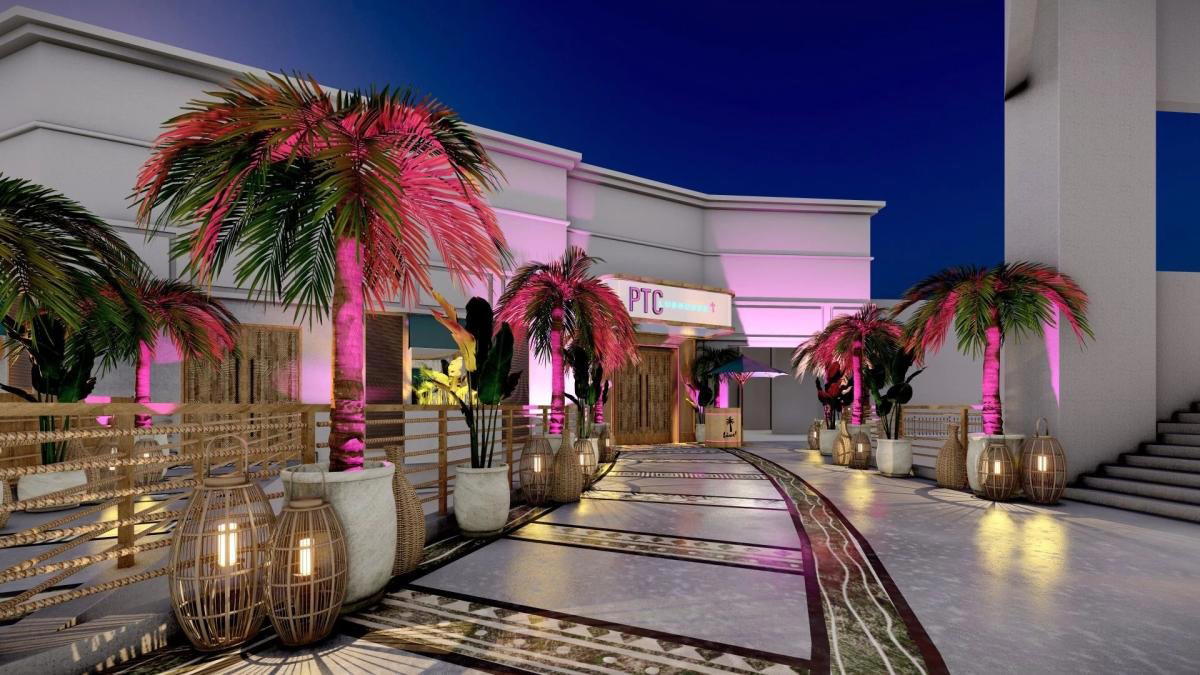
On International Drive, Orlando's busiest hospitality corridor, Palm Tree Club occupies a niche that the city's dining scene has been filling in stages: venues that reach beyond theme-park adjacency toward something with genuine culinary intent. The address puts it in the thick of the tourist belt, but the format and positioning suggest a different set of ambitions.

Pearl is the En Primeur Club membership app — saves, bookings, and concierge access live there. Same editors, same standards.
- Address
- 9101 International Dr Suite 1008, Orlando, FL 32819
- Phone
- (407) 506-0473
- Hours
- Mon–Thu 5 PM–12 AMFri–Sat 5 PM–2 AMSun 11 AM–10 PM
- Website
- liveatthepointeorlando.com
- Directions
- Get directions
- Booking
- Book on OpenTable
The menu
What to order
- Black Truffle Pizza
- Hamachi Carpaccio
- 'Nduja & Chickpea Spread
- Burrata
International Drive and the Question of Culinary Seriousness
International Drive is not where most food critics go looking for a story. The corridor running through the heart of tourist Orlando is engineered for volume, convenience, and spectacle, and for most of its history the dining options reflected that. What has changed in the past several years is the appearance of venues along I-Drive that are not content to compete solely on footfall and convenience, but are instead reaching toward formats and standards more associated with Orlando's scattered fine-dining addresses. Palm Tree Club Orlando, at Suite 1008 in the 9101 International Drive complex, sits inside that shift.
Florida's dining scene has always operated at a tension between its geography and its ambitions. The state grows an extraordinary range of produce, from citrus and tropical fruits in the south to stone crabs along both coasts, yet for decades its hospitality industry imported culinary frameworks wholesale from New York and Europe rather than building from the ground up. The more compelling venues that have emerged in recent years, in Tampa, in Miami's Design District, and in pockets of Orlando, are the ones working through that tension deliberately, using what the peninsula actually produces as the foundation rather than the garnish.
Where Palm Tree Club Sits in Orlando's Competitive Tier
Orlando's upper dining tier is smaller and more defined than the city's size might suggest. The venues that draw serious attention tend to cluster around a few reference points: the resort corridors of Lake Buena Vista and the Four Seasons complex, the Michelin-adjacent independent scene building around neighborhoods like Mills 50 and the Milk District, and a handful of destination addresses scattered across the metro. Capa, the steakhouse perched atop the Four Seasons Orlando, operates at the resort-luxury end of that spectrum. Kadence and Sorekara represent the precise, counter-format Japanese tradition that has taken hold in the city over the past decade, both priced at the $$$$ tier where intention and execution carry the argument. Camille brings Vietnamese technique into that same conversation. Natsu adds another node to the Japanese dining network that has become one of Orlando's more coherent culinary threads.
Palm Tree Club's position on International Drive rather than in one of these established clusters means it is making a different kind of argument. The I-Drive location is both a challenge and a strategic choice: access to visitor volume that the independent neighborhood spots cannot match, combined with the pressure to demonstrate that proximity to tourist infrastructure does not define the ceiling of what's possible on the plate.
The Technique-Ingredient Intersection That Defines Florida's Better Kitchens
The editorial angle that matters most when assessing any serious Florida dining address is the relationship between imported technique and local product. This is not a new question. Kitchens from Le Bernardin in New York City to Providence in Los Angeles have spent decades demonstrating what classical European frameworks can do when applied to American coastal seafood. The same interrogation is playing out in Florida, where the raw material case is genuinely strong and the tradition of technique is still catching up.
The kitchens in Florida that have drawn the most sustained critical attention, whether in Miami or in the Orlando area's better independent spots, tend to be the ones that have resolved this tension in favor of the ingredient rather than the method. That means menus built around what the state's waters and farms are producing in a given season, with technique applied in service of those materials rather than imposed over them. It is a discipline associated elsewhere with venues like Blue Hill at Stone Barns in Tarrytown and Single Thread Farm in Healdsburg, where the sourcing relationship precedes and shapes every cooking decision. Florida has the ingredients to support that model. The question for any given venue is whether the kitchen has the discipline and sourcing infrastructure to execute it.
What the Broader US Fine Dining Conversation Means for Orlando
American fine dining has spent the past fifteen years in productive disruption. The tasting-menu format that once defined ambition, from Alinea in Chicago to The French Laundry in Napa, has diversified into a wider range of formats and price points, with counter dining, chef's table formats, and mid-length tasting menus giving serious kitchens more ways to express intent without requiring a three-hour, twenty-course commitment from the diner. Lazy Bear in San Francisco demonstrated the communal-table approach. Atomix in New York City has pushed the pairing-card format into new territory. Addison in San Diego and The Inn at Little Washington represent the grand-room formal tradition at its most sustained.
Orlando has absorbed some of these shifts more readily than others. The counter-format Japanese model has transferred directly, as Kadence and Sorekara demonstrate. What is still developing is a broader commitment to the ingredient-first, technique-as-servant model across multiple cuisine traditions. Palm Tree Club's address and positioning suggest it is operating within this evolving moment rather than outside it, even if the specific format and menu details require direct verification before a booking decision is made.
For a fuller map of where Orlando's serious dining addresses currently sit, the EP Club Orlando restaurants guide tracks the field across neighborhoods and price tiers. Comparison points in other US cities include Emeril's in New Orleans for the question of how a landmark address sustains relevance, and 8½ Otto e Mezzo Bombana in Hong Kong for the global-technique, local-product conversation at the highest level of execution.
Know Before You Go
- Address: 9101 International Dr, Suite 1008, Orlando, FL 32819
- Phone: Not publicly listed — confirm directly via the venue or a hotel concierge
- Website: Not currently indexed — search Palm Tree Club Orlando for the most current booking access
- Price range:, budget accordingly and verify before visiting
- Hours: Not listed, check ahead, particularly if visiting outside peak tourist-season windows
- Reservations: Booking method not confirmed, walk-in availability is unverified; contact ahead
- Getting there: International Drive is accessible by the I-Ride Trolley, rideshare from most Orlando resort areas, or self-parking at the complex
Frequently asked questions
Where exactly is Palm Tree Club Orlando?
Palm Tree Club Orlando is located at 9101 International Dr Suite 1008, Orlando, FL 32819, Orlando.
Is Palm Tree Club Orlando a good option for a night out near the convention center district?
Palm Tree Club's address at 9101 International Dr, Suite 1008, Orlando places it within the corridor that runs alongside the Orange County Convention Center district, making it a geographically logical option for visitors staying in that zone. The I-Drive strip concentrates a high density of dining and entertainment operators, which means the venue competes in an environment where casual-to-mid-tier formats are the norm.
What dish is Palm Tree Club Orlando famous for?
For the most accurate picture of what the kitchen is doing, checking directly with Palm Tree Club at 9101 International Dr, Suite 1008, Orlando is the reliable route. International Drive venues in this address cluster tend to reflect Florida's broader mix of comfort-forward and tourist-accessible formats.
Can I walk in to Palm Tree Club Orlando?
The venue sits at 9101 International Dr, Suite 1008, a corridor where foot traffic is high and competition for tables during peak Orlando tourist seasons is real. Contacting the venue directly before arrival is the practical approach, particularly on evenings when theme park crowds push into the dining strip.
What is Palm Tree Club Orlando known for?
Palm Tree Club occupies a suite-level address on International Drive, Orlando's primary tourist corridor, which positions it within a dense and competitive dining environment. What the address does signal is proximity to one of Florida's highest-traffic hospitality zones, where operators face consistent pressure to perform.
What if I have allergies at Palm Tree Club Orlando?
No menu data or allergen policy is documented for Palm Tree Club Orlando at this time. The standard practice at any serious dining address on International Drive is to contact the venue ahead of arrival — given the volume of guests that corridor handles, kitchens there are generally accustomed to fielding dietary requests. Reaching out to Palm Tree Club at Suite 1008, 9101 International Dr before your visit is the safest course.
Is Palm Tree Club Orlando overpriced or worth every penny?
International Drive venues span a wide spectrum, from fast-casual to mid-tier sit-down, and pricing on that corridor often reflects the tourist premium built into the area's real estate and foot traffic. Checking current menu pricing directly with the venue at 9101 International Dr, Suite 1008 will give the clearest picture before you commit.
Category Peers
Comparable venues nearby, for context on price, style, and recognition.
| Venue | Cuisine | Price | Awards | Notes |
|---|---|---|---|---|
| Palm Tree Club OrlandoThis venue — the venue you are viewing | Upscale Coastal Cuisine | Not listed | Not listed | Not listed |
| Seito Sushi Sand Lake | Contemporary Japanese Sushi | $30–50 | Not listed | The Rialto |
| Chima Steakhouse Orlando | Brazilian Rodizio Steakhouse | $50–100 | Wine Spectator Award of Excellence | Little Sand Lake |
| Fiorella's | Tuscan Italian | Not listed | Not listed | Convention Center |
| Kimonos | Authentic Japanese Sushi Bar | $30–50 | Not listed | Walt Disney World Resort |
| The H Orlando | Mediterranean Steakhouse | $50–100 | Wine Spectator Award of Excellence | The Rialto |
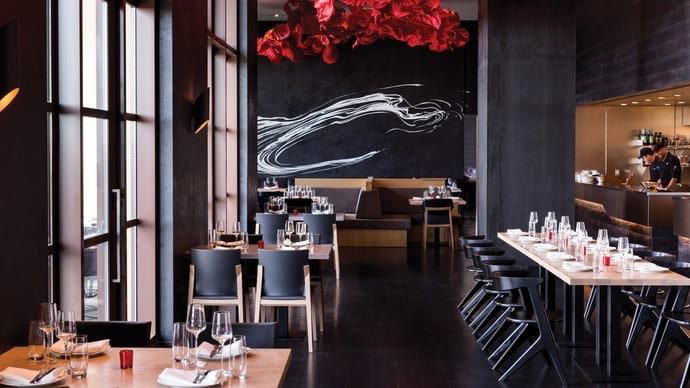
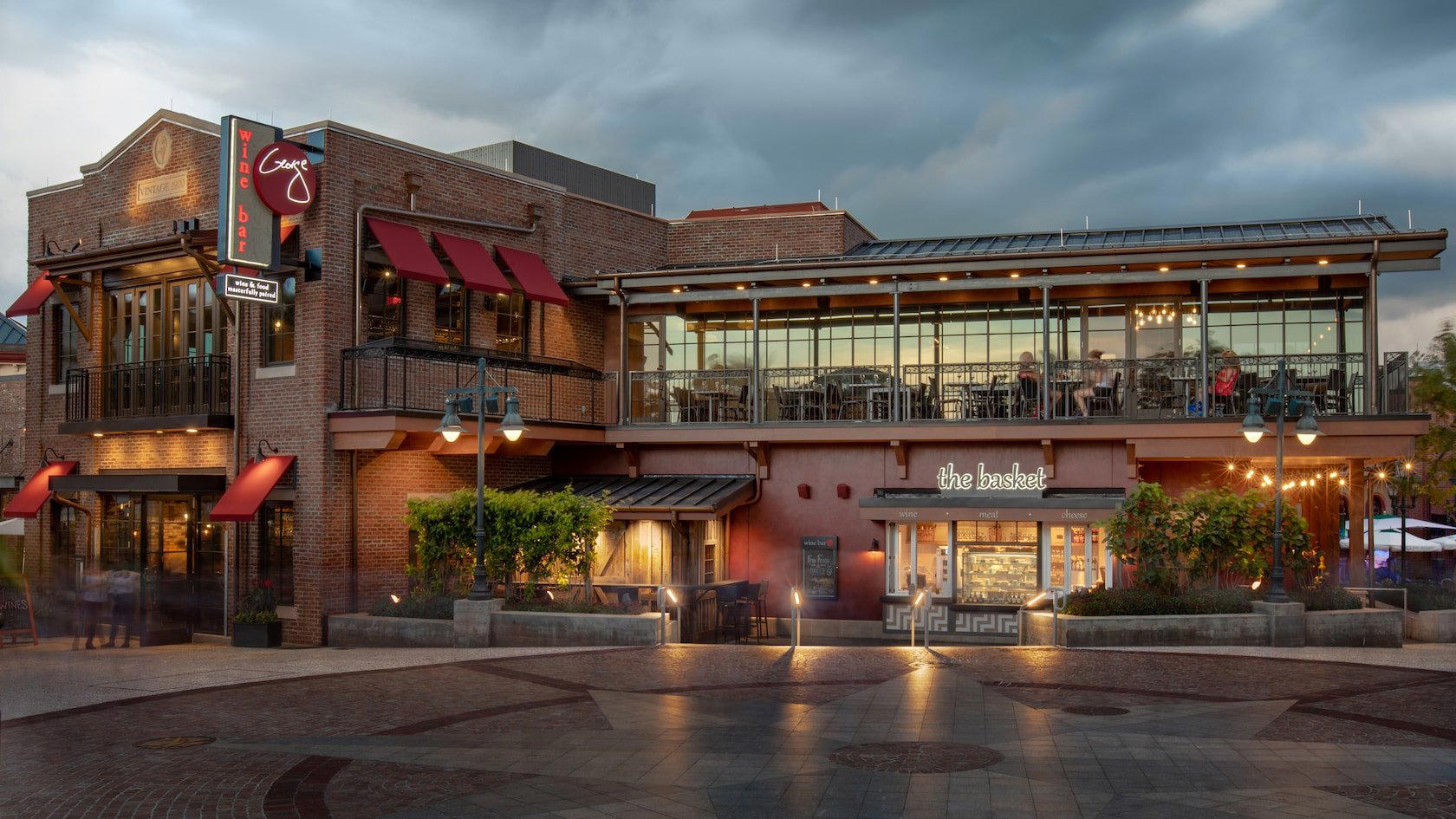
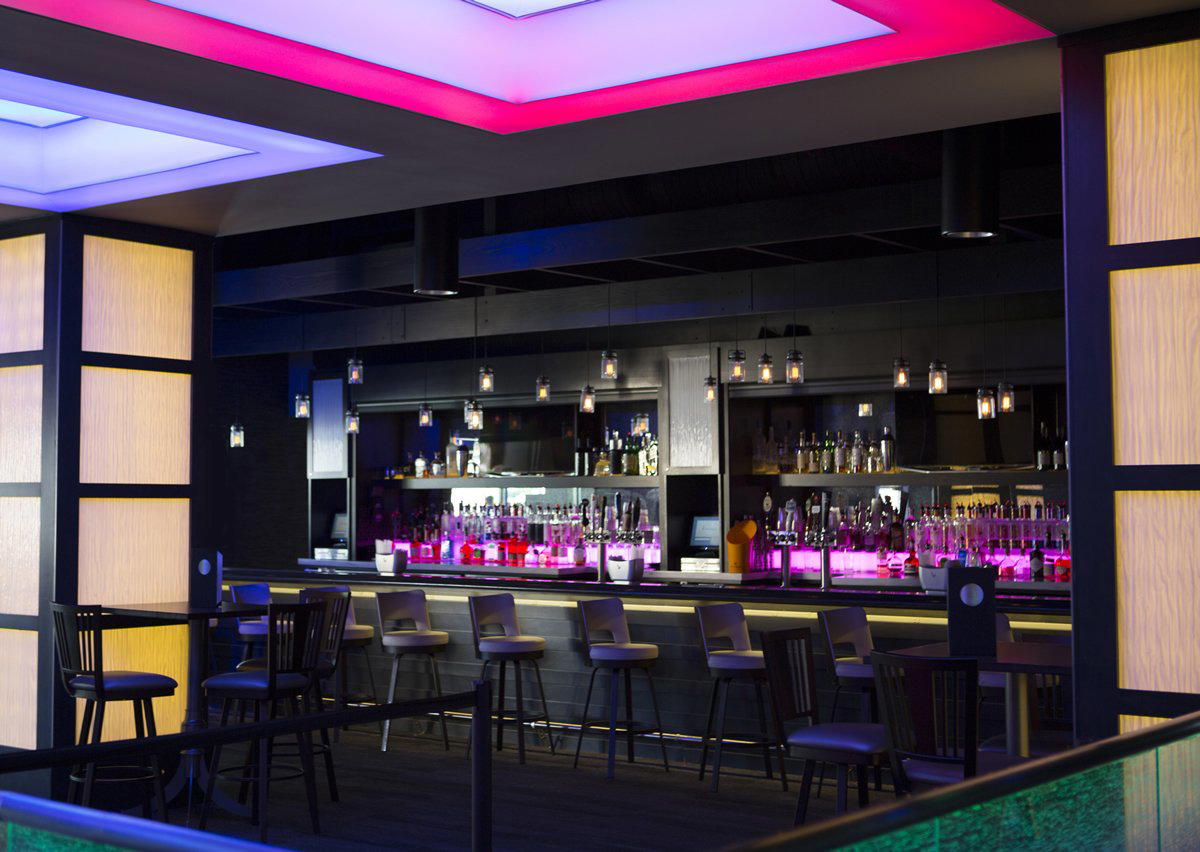
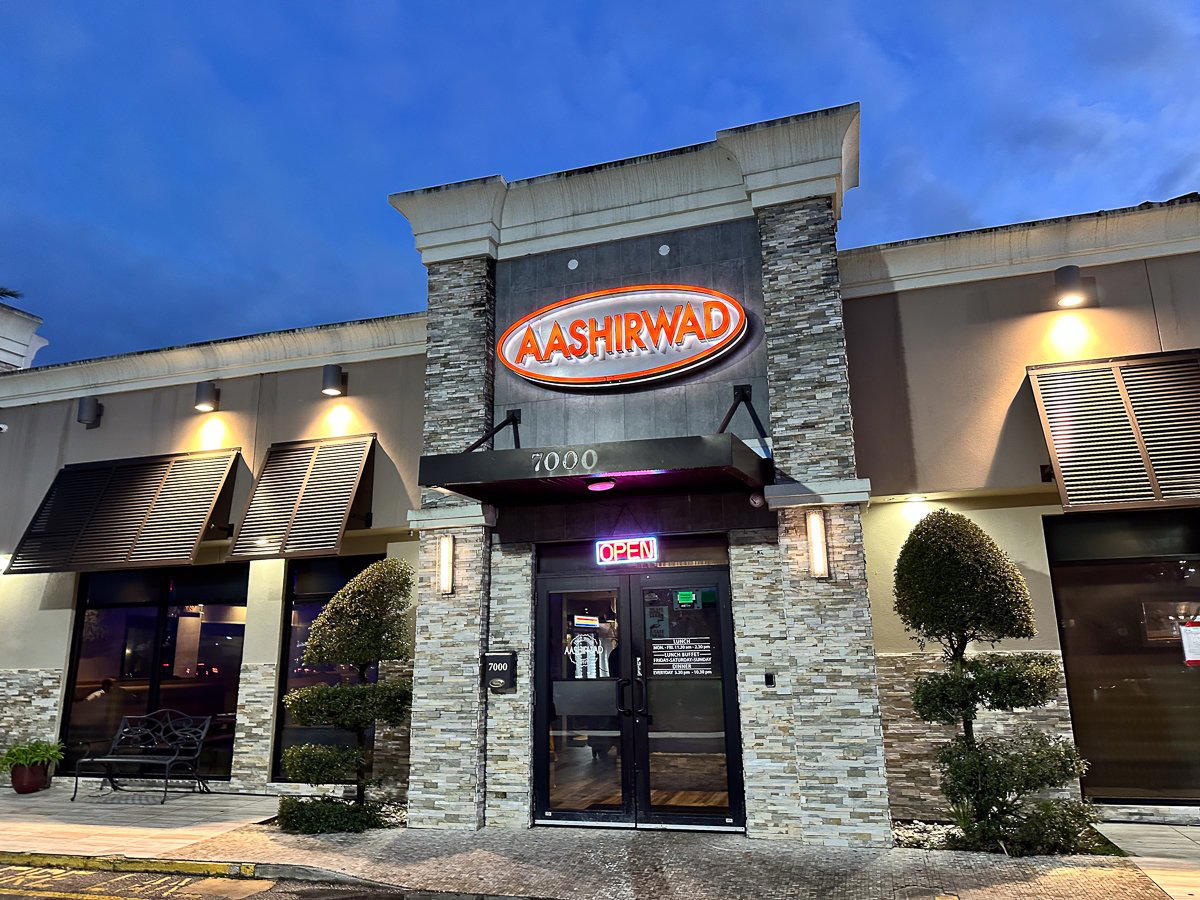
Palm Tree Club Orlando
The wine
- Wine program
- Curated wine list
- Craft cocktails
Details
- Lively
- Trendy
- Energetic
- Date Night
- Celebration
- Late Night
- Rooftop
- Live Music
- Open Kitchen
- Craft Cocktails
- Small Plates
- A La Carte
- Cocktails
Current opening hours
- Monday
- 5 PM–12 AM
- Tuesday
- 5 PM–12 AM
- Wednesday
- 5 PM–12 AM
- Thursday
- 5 PM–12 AM
- Friday
- 5 PM–2 AM
- Saturday
- 5 PM–2 AM
- Sunday
- 11 AM–10 PM
Hours can change for holidays and private events. Last verified .
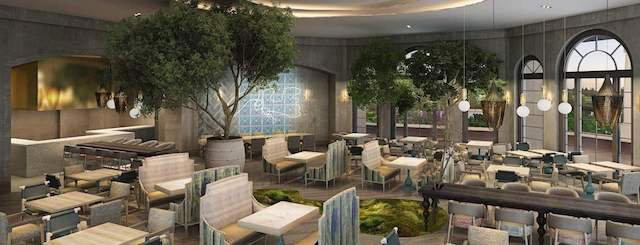
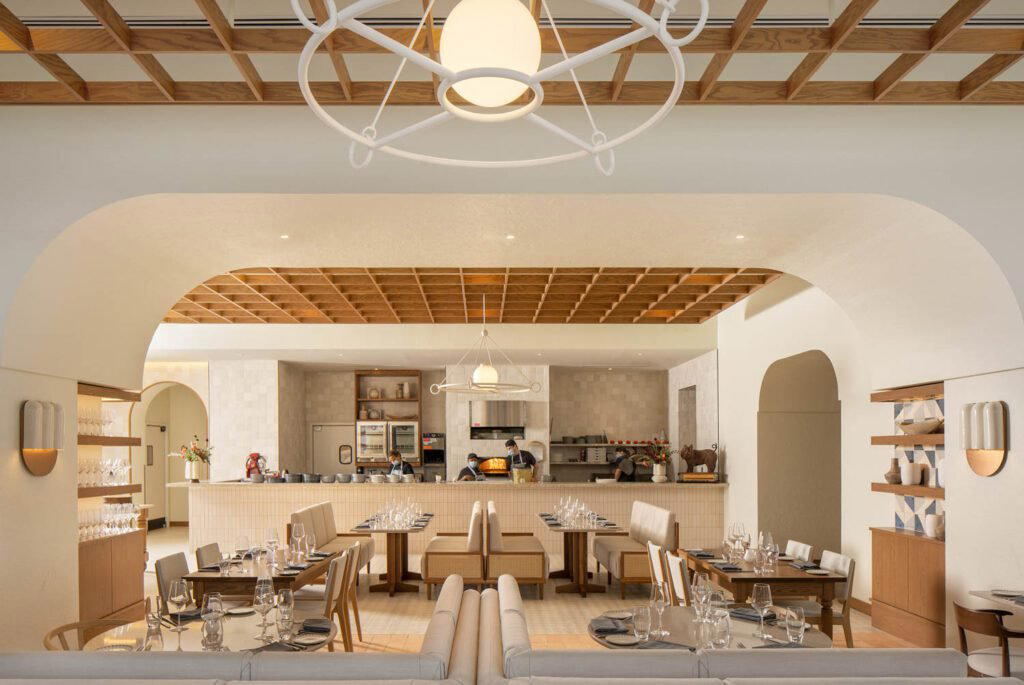
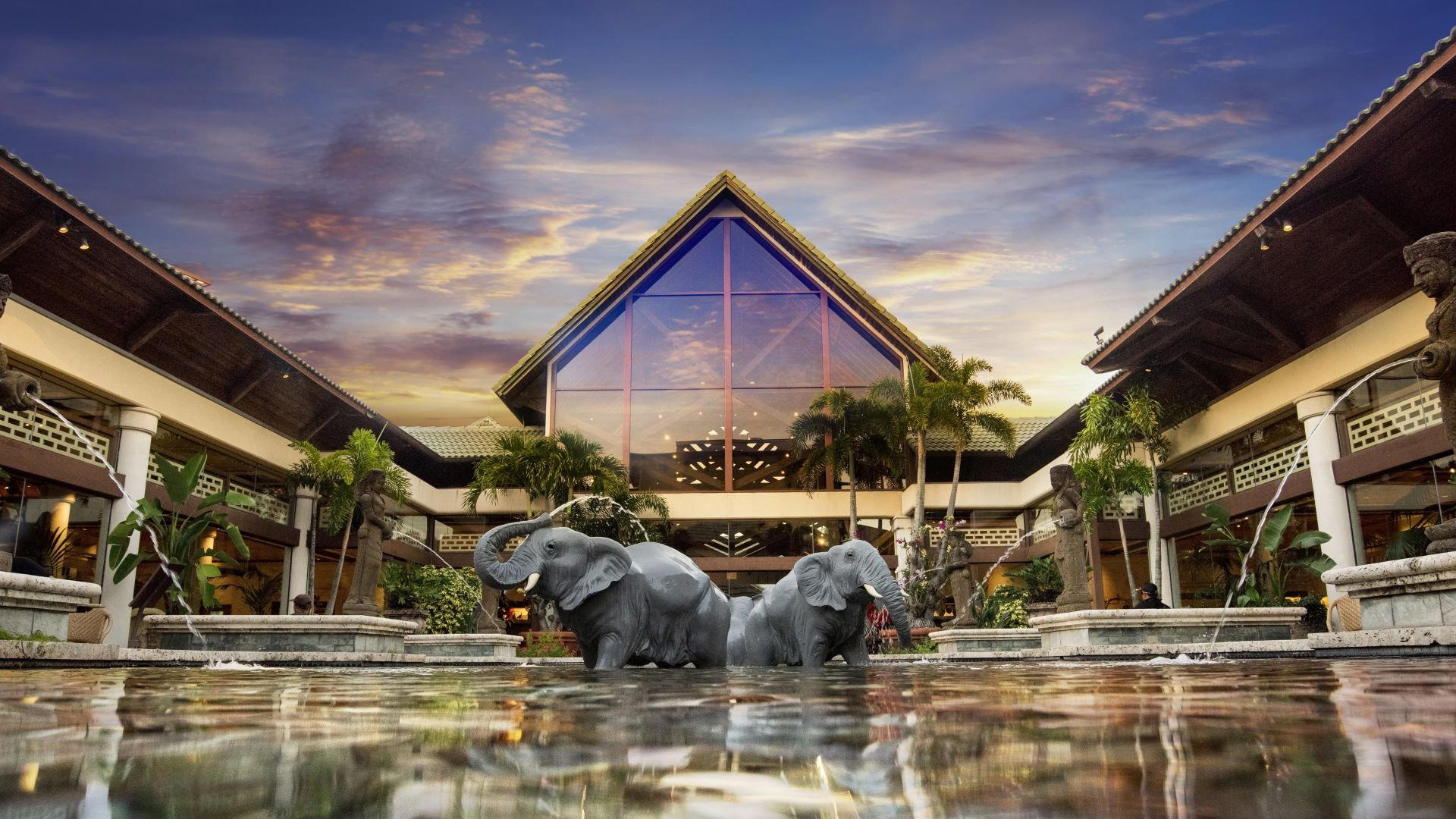
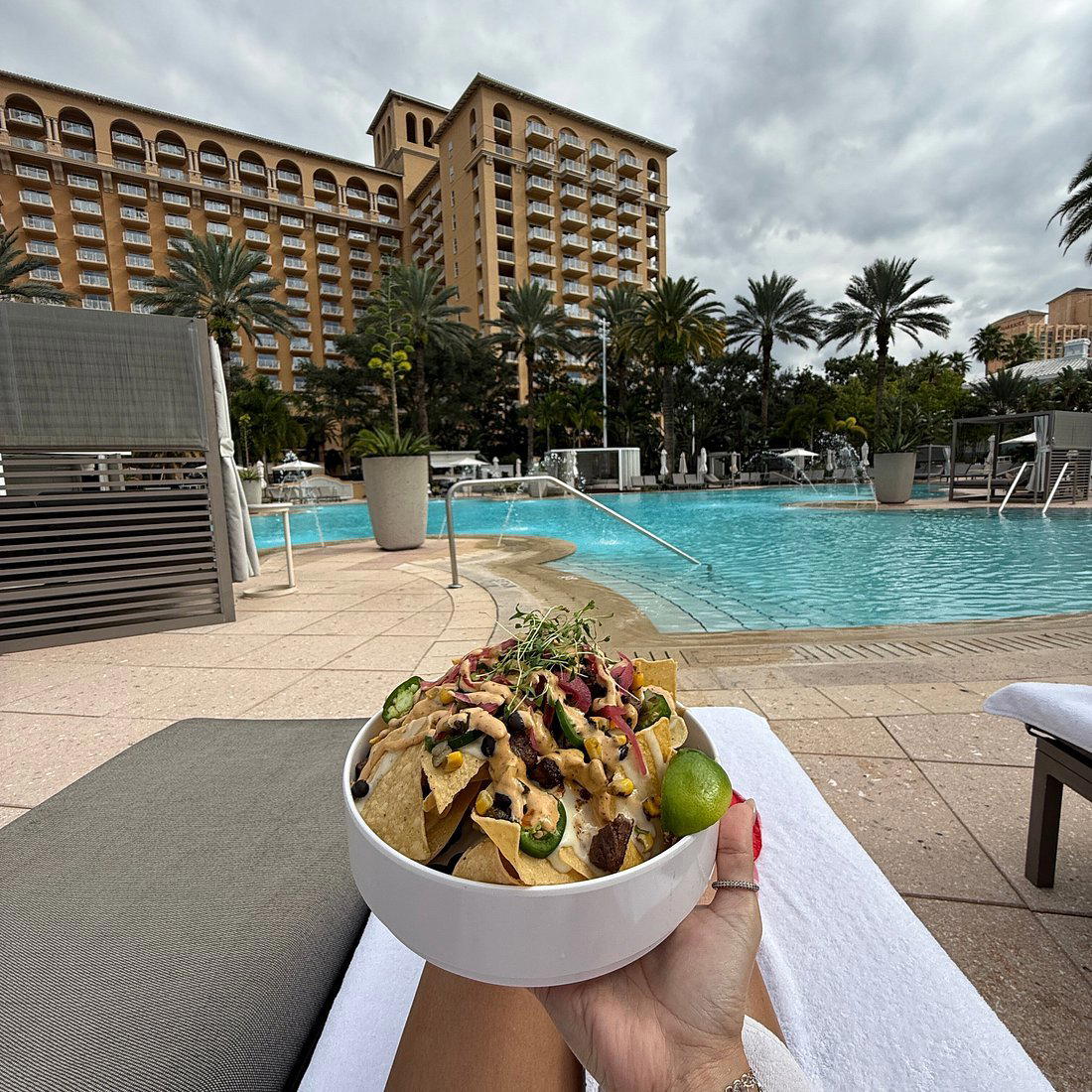
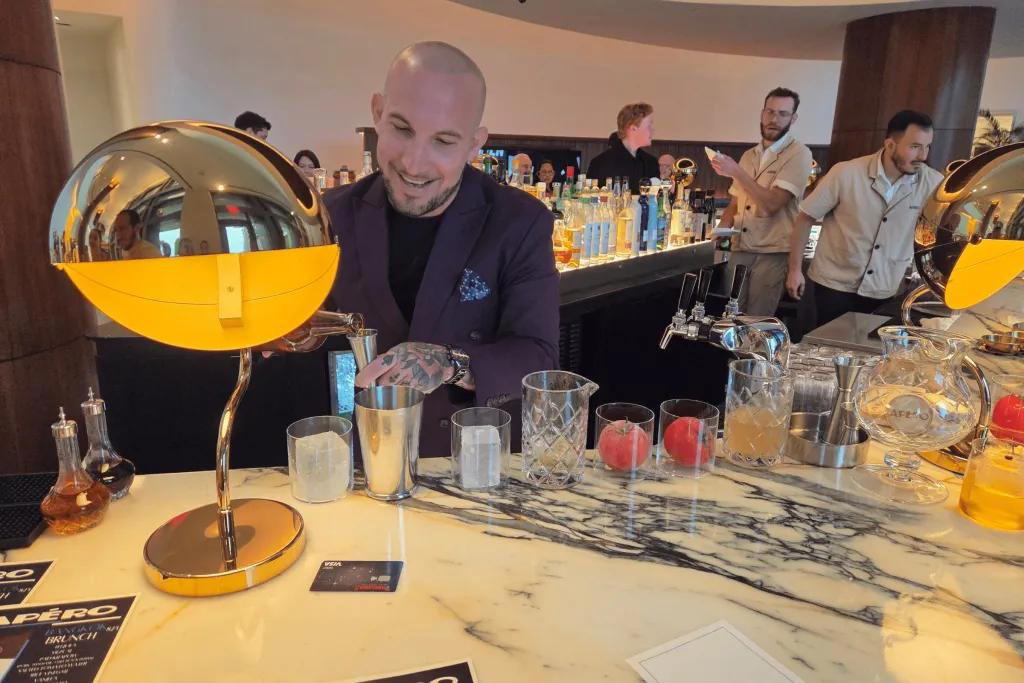
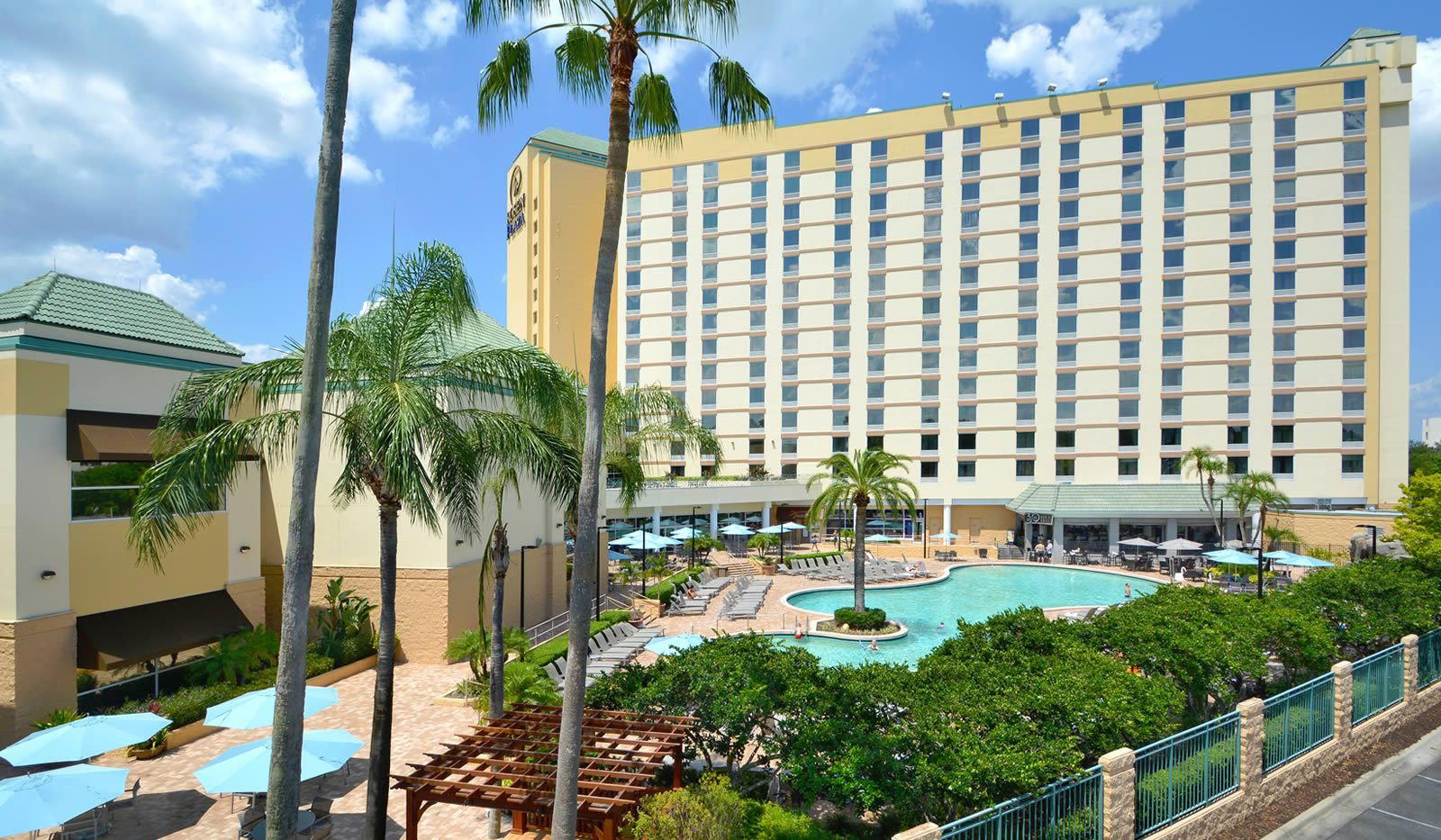
Laid-back elegance with lush tropical escape, coastal vibe, rooftop views, and lively music atmosphere.