Sorekara


Sorekara Orlando defies convention through Chef William Shen's whimsical interpretation of Japan's 72 micro seasons, offering an intimate tasting menu experience across multiple rooms in Baldwin Park. Operating just one seating per evening on select nights, this exclusive restaurant transforms seasonal Japanese cuisine into theatrical artistry.
Pearl is the En Primeur Club membership app — saves, bookings, and concierge access live there. Same editors, same standards.
- Address
- 4979 New Broad St, Orlando, FL 32814
- Website
- sorekarafl.com
- Directions
- Get directions
 Saves & bookings on Pearl
Orlando's Most Decorated Japanese Table
Sorekara is a two-Michelin-star restaurant in Orlando, Florida, serving Modern Japanese Omakase at a $345 per person price point. Baldwin Park is not where most diners would expect to find a two-Michelin-star restaurant. The neighbourhood, a planned community built on the former site of a naval training base on the eastern edge of Orlando, runs to weekend farmers markets and lakefront walks rather than fine-dining pilgrimage. Yet Sorekara, at 4979 New Broad St, has quietly become one credentialed Japanese restaurant in the state of Florida, earning two Michelin stars in 2025. That the address sits in a low-rise retail strip rather than a resort corridor or downtown tower says something about how serious cooking in Orlando now spreads beyond the obvious ZIP codes.
Two Michelin stars, as a category, signals cooking where technique is consistent enough to merit a special journey rather than a detour. The award places Sorekara in a peer conversation that reaches well beyond the city: two-star Japanese counters along the American coasts, and further still toward reference-point kaiseki and omakase rooms in Tokyo, where places like Myojaku and Azabu Kadowaki define the formal tradition that informed this style of dining. Within Orlando's own Japanese category, Kadence and Natsu represent strong mid-tier and specialist options, but Sorekara operates at a different credential level entirely.
The Structure of a Japanese Tasting Meal
Japanese multi-course dining at the serious end of the market is governed by a logic that differs from European tasting-menu conventions. Where French-derived formats build toward a climax, kaiseki and its omakase relatives move through a sequence designed to track the diner's appetite: lighter, cleaner preparations early; richer, more substantial courses toward the centre; a gradual return to restraint as the meal resolves. The pacing is deliberate, and the presentation of each course is treated as a compositional act in its own right. Sorekara, under the direction of chef Raymond Wong, operates within that Japanese framework at the $$$$-tier price point, which in the American market typically signals a fixed tasting format priced above $150 per person before beverage.
The ritual dimension of this style of dining is not decorative. It reflects a belief, built into the architecture of the meal, that eating is an event with a beginning, middle, and end, and that the diner's attention should be calibrated across the full arc rather than peak-loaded into a single showpiece dish. High-end Japanese restaurants at the two-star level spend considerable effort on temperature, vessel weight, the order of flavours, and the silence between courses, all of which are mechanisms for directing that attention. This is a different contract than the one you sign at a steakhouse or a casual robatayaki, and it means Sorekara is not suited to a fast dinner before a show.
How Sorekara Sits Within Orlando's Fine-Dining Tier
Orlando's high-end restaurant scene has always operated in a slightly unusual configuration. A significant portion of its most expensive and most-awarded tables sit inside resort properties, with venues like Capa at the Four Seasons operating in a context where the guest profile and spend patterns differ from a standalone urban restaurant. Sorekara, as an independent address in a residential-commercial neighbourhood, functions more like the standalone high-commitment dining rooms of other American cities: think the operator logic of Lazy Bear in San Francisco, or the neighbourhood-rooted credibility of Single Thread Farm in Healdsburg, where serious cooking happens at a remove from the obvious luxury corridor.
Within Orlando's non-resort tier, the city has developed a cluster of independently operated fine-dining rooms across the $$$$ bracket: Vietnamese at Camille, Peruvian at Papa Llama, and contemporary American at several addresses. What makes Sorekara's position distinct is not just the award level but the specificity of its format. Japanese tasting-menu cooking at the two-star level is a narrow discipline, and
The Chef and the Tradition
American Japanese fine dining has been shaped over the past two decades by chefs who trained either in Japan or under Japanese-trained mentors in the United States, with the resulting restaurants placing themselves in a continuum that traces back to the kaiseki houses of Kyoto and the omakase counters of Tokyo and Osaka. The Michelin star system in Florida, which arrived only in 2022 when the guide extended coverage to the state, has provided a framework for identifying which restaurants in this tradition are performing at international reference level. Two stars in that context is not merely a local honour; it is an argument that this restaurant merits comparison with two-star Japanese rooms in New York, Chicago, and other established Michelin cities.
The two-star designation provides the relevant credential signal: this is a kitchen operating at a level of technical consistency and conceptual clarity.
Sorekara in the Broader American Fine-Dining Conversation
The arrival of high-level Japanese tasting menus in secondary American cities has continued since the 2010s. Restaurants like Alinea in Chicago and Le Bernardin in New York long held the position of proof that serious tasting-menu cooking could be a defining feature of an American city's dining identity. The same argument is now being made in cities with younger fine-dining ecosystems, and Sorekara is one of the clearest examples in the Southeast. It operates at a price tier and ambition level that would not be out of place in the upper tier of any American city, which is itself a statement about how Orlando's independent restaurant sector has matured since the early 2000s.
For diners already familiar with Japanese formats at other addresses, comparison points within Orlando include Kabooki Sushi, which occupies a different position in the market, and Juju and Gyukatsu Rose for adjacent Japanese traditions at a different register.
Planning Your Visit
Sorekara is located at 4979 New Broad St in Baldwin Park, a neighbourhood accessible by car from downtown Orlando in under fifteen minutes under normal conditions. The $$$$ price designation and the two-star credential both suggest booking well in advance; restaurants at this tier in American cities typically carry waitlists that extend weeks to months. Visiting Sorekara is a multi-hour commitment by design. The format does not accommodate diners who arrive late, leave early, or treat the meal as a backdrop to extended conversation. A useful approach is to treat it as the main event of an evening rather than one part of a broader itinerary. Specific hours are Thursday through Saturday, 6 to 10 PM.
Where the Accolades Land
Comparable venues nearby, for context on price, style, and recognition.
| Venue | Cuisine | Price | Awards | Notes |
|---|---|---|---|---|
| SorekaraThis venue — the venue you are viewing | Modern Japanese Omakase | $$$$ | Michelin 2 Star | Not listed |
| Kadence | Modern Japanese Omakase | $$$$ | Michelin 1 Star | Audubon Park Garden District |
| Natsu | Traditional Japanese Omakase | $$$$ | Michelin 1 Star | North Quarter |
| Papa Llama | Modern Peruvian | $$$ | Michelin 1 Star | Curry Ford |
| Nami | Contemporary Japanese Fusion | $$$$ | Michelin Plate | Lake Nona |
| Victoria & Albert's | Contemporary American Fine Dining | $$$$ | Michelin 1 Star | Grand Floridian Resort |
Recognition history
Dated appearances from independent guides and award organizations, with the underlying list record or original source where available.
La Liste Top Restaurants
La Liste
Michelin 2 Stars
Michelin
Michelin 2 Stars
Michelin
At a Glance
- Whimsical
- Elegant
- Sophisticated
- Intimate
- Modern
- Date Night
- Celebration
- Special Occasion
- Chefs Counter
- Open Kitchen
- Sake Program
- Sommelier Led
Current opening hours
- Monday
- Closed
- Tuesday
- Closed
- Wednesday
- Closed
- Thursday
- 6–10 PM
- Friday
- 6–10 PM
- Saturday
- 6–10 PM
- Sunday
- Closed
Hours can change for holidays and private events. Last verified .
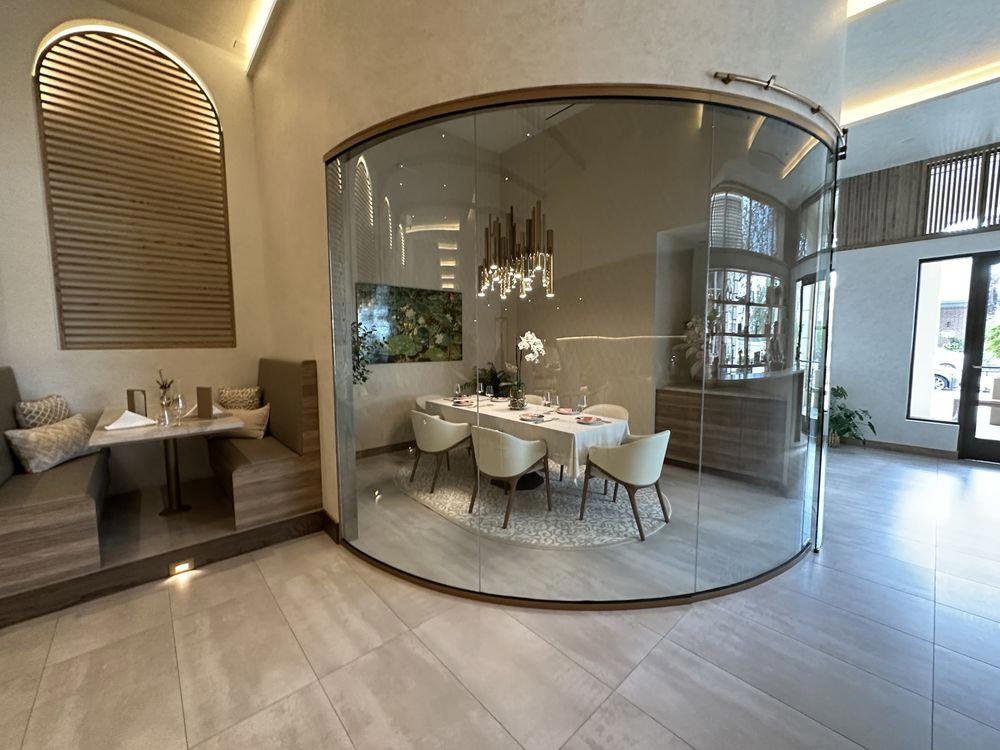
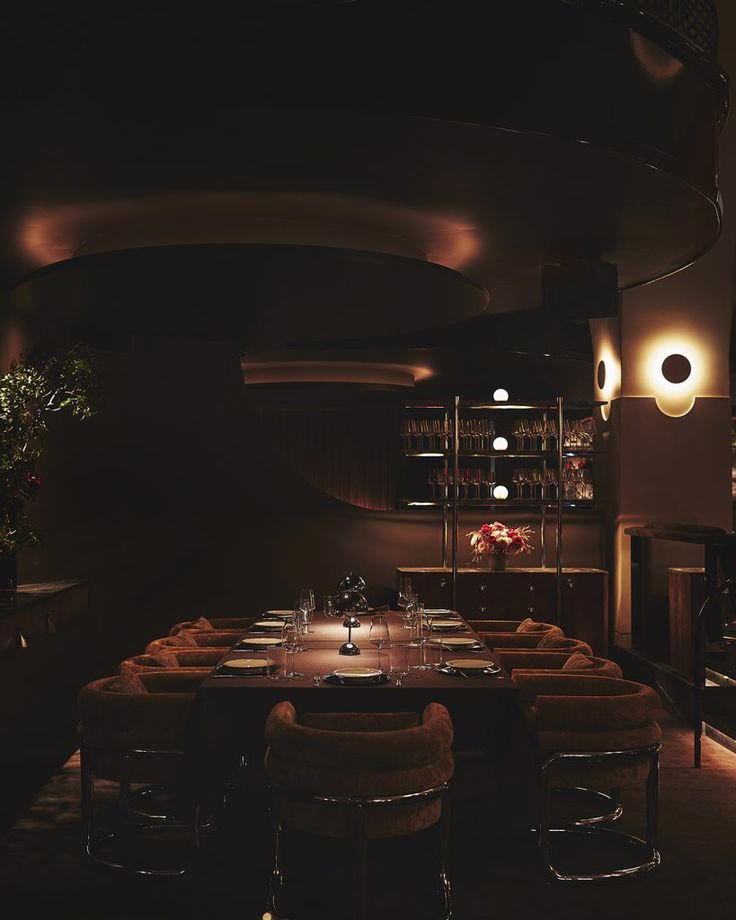
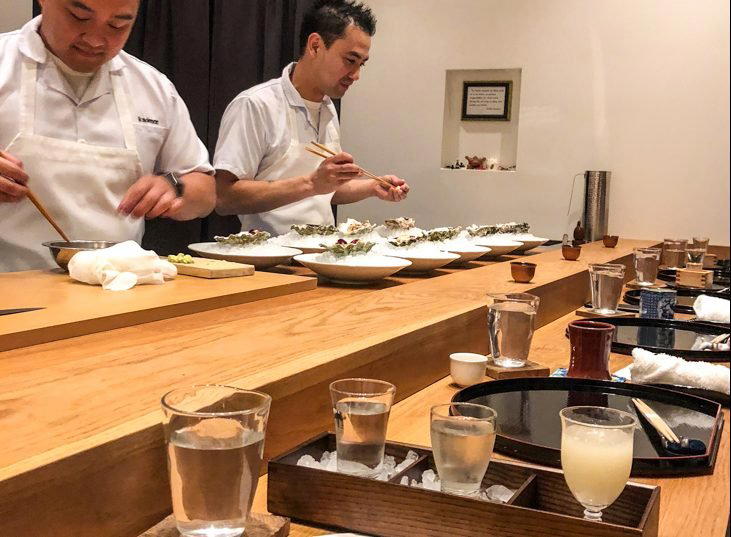
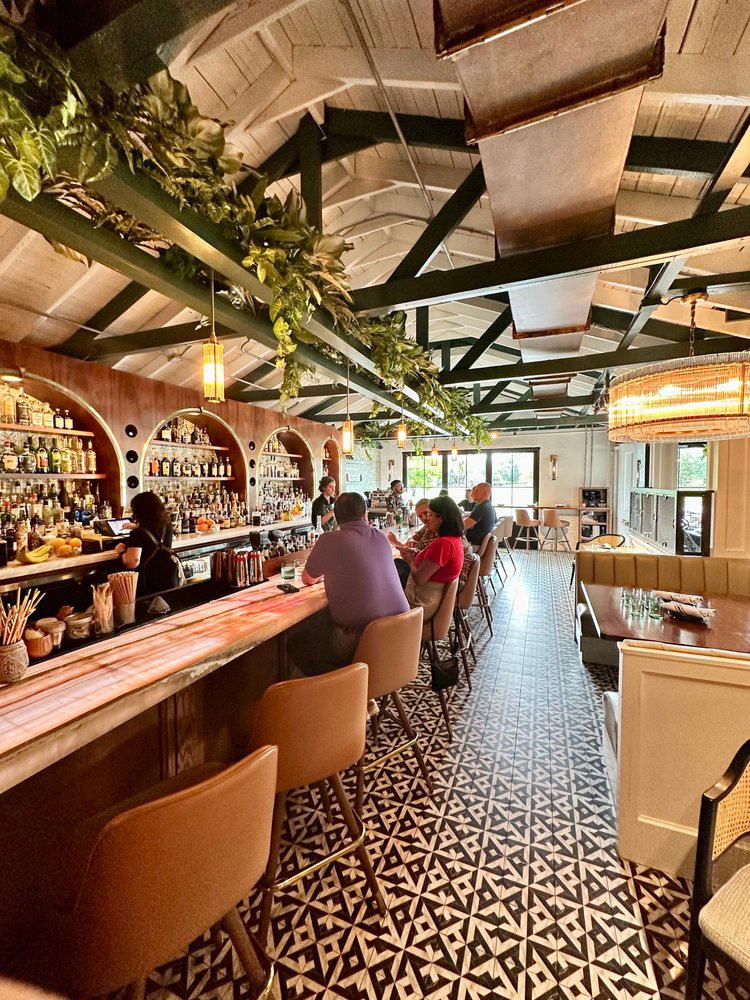
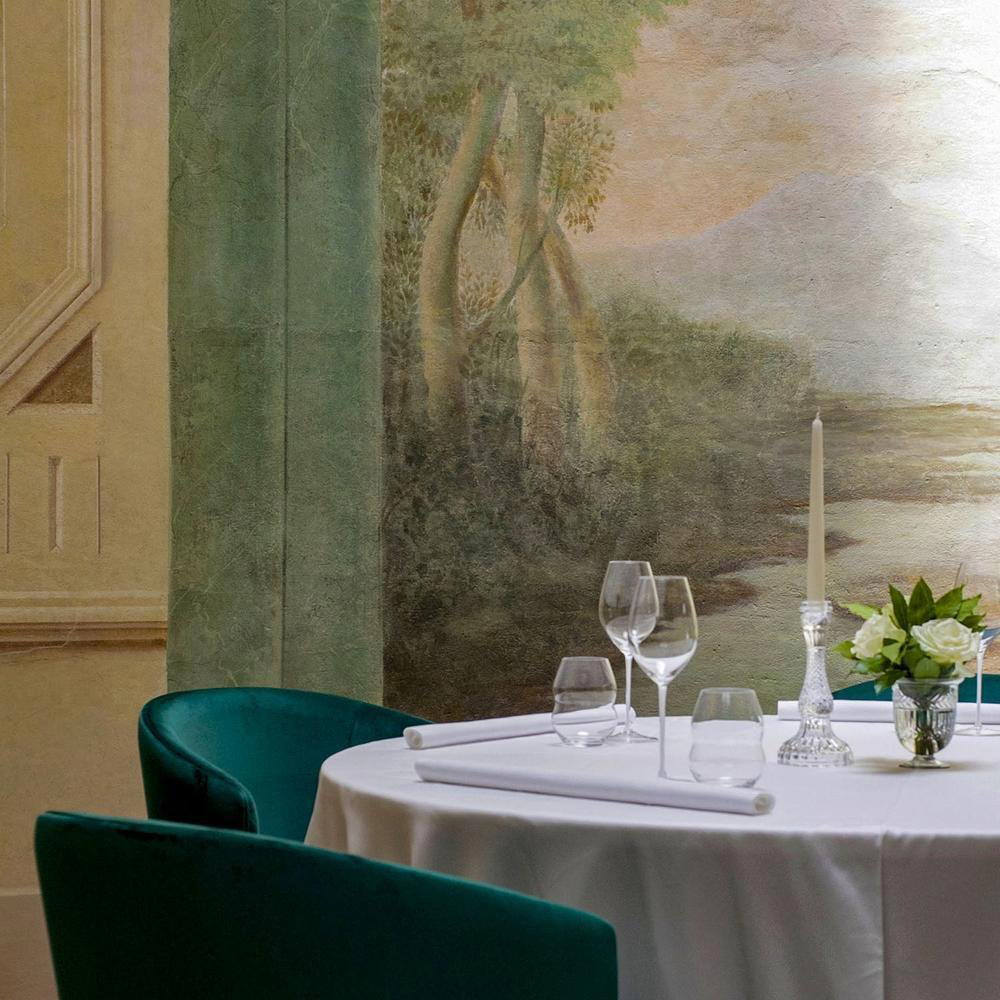
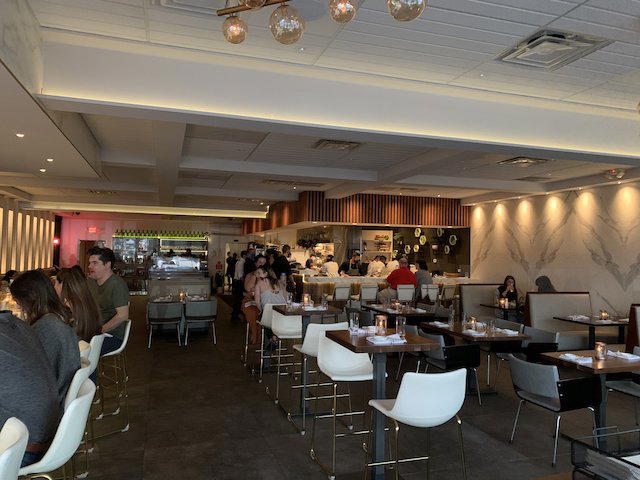
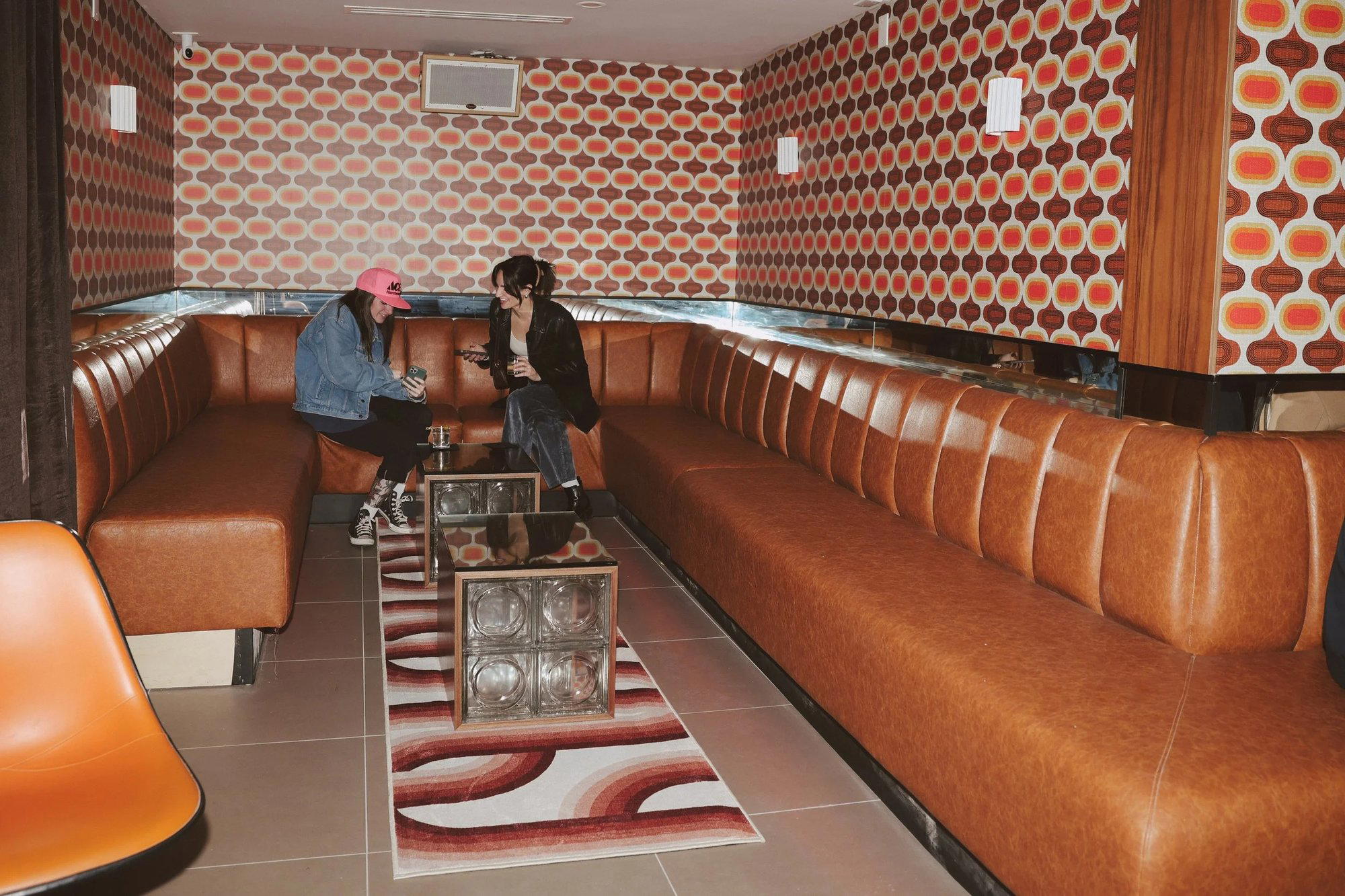
Professional yet approachable service in an intimate, multi-room setting with a sense of mystique and whimsy, transitioning from waiting room to dining counter to dessert lounge.