Hinabe
Our verdict
Hinabe occupies the Dr. Phillips corridor of Orlando, a stretch that increasingly reads as the city's most deliberate dining district. The restaurant's name and address place it within a neighborhood where Vietnamese, Japanese, and steakhouse formats share the same premium tier, making it a representative address in a scene that has outgrown its theme-park-adjacent reputation. Confirmation on current hours and booking is best handled directly through the venue.

Pearl is the En Primeur Club membership app — saves, bookings, and concierge access live there. Same editors, same standards.
- Address
- 7988 Via Dellagio Way #100, Orlando, FL 32819
- Phone
- (407) 630-4002
- Website
- nabeorl.com
- Directions
- Get directions
- Booking
- Book on OpenTable
The menu
What to order
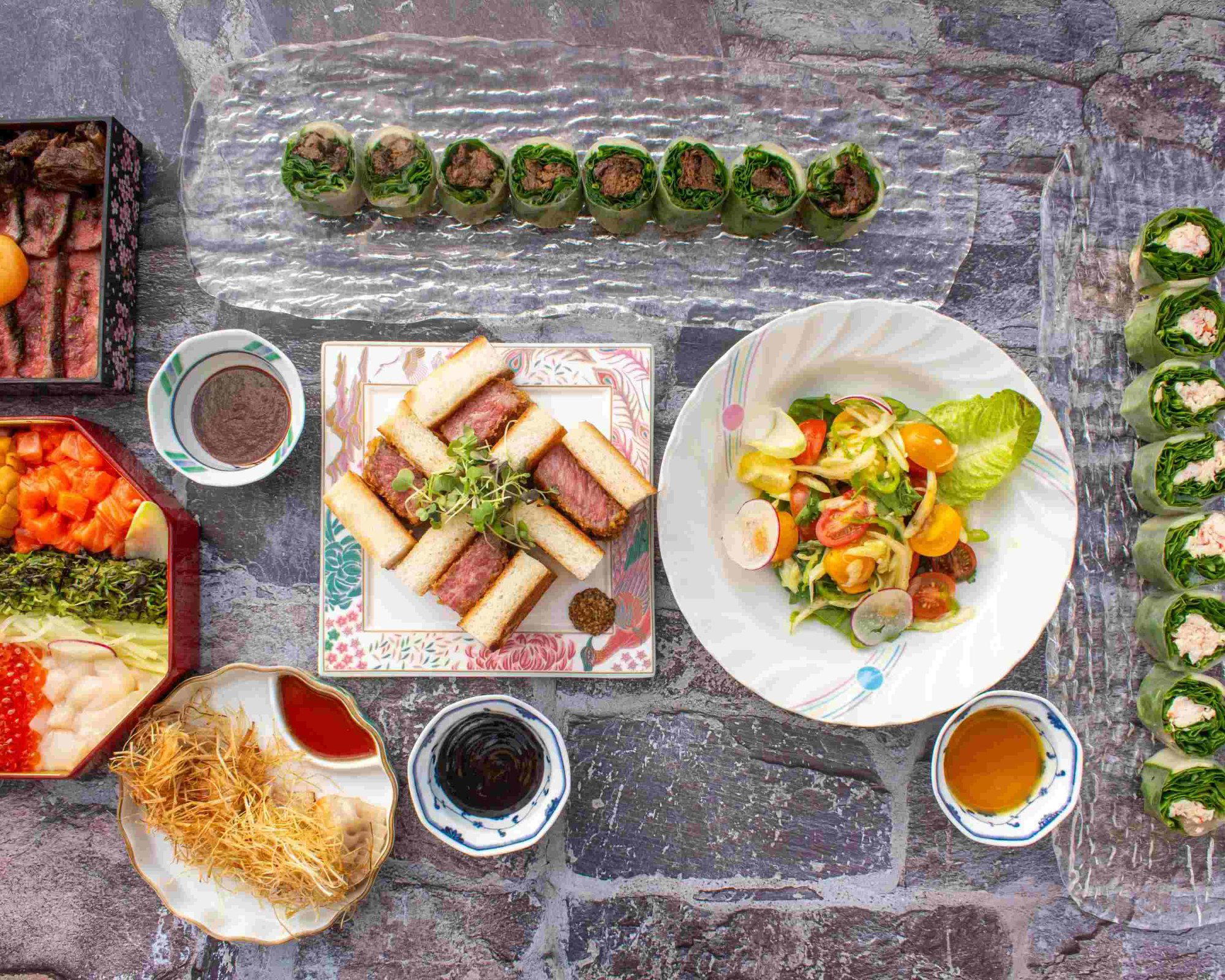
- Wagyu Dumplings
- Wagyu Hot Pot
- King Crab Roll
The Dr. Phillips Dining Corridor and Where Hinabe Sits Within It
Orlando's dining identity has shifted considerably over the past decade, and the clearest evidence of that shift is concentrated along the Via Dellagio and Restaurant Row stretch of Dr. Phillips. What was once a collection of mid-range chain alternatives to resort dining has matured into a corridor where independent restaurants operate at price points and with ambitions that compare credibly to other major American cities. Hinabe, addressed at 7988 Via Dellagio Way, is part of that second generation of Dr. Phillips dining, occupying a space where the neighborhood itself now functions as a signal of intent.
The pattern visible across this stretch is worth understanding before arriving. Restaurants here compete not against tourist-facing properties near the parks, but against one another and against the city's emerging fine-dining tier. Sorekara (Japanese) and Kadence (Japanese) represent the more established end of Orlando's Japanese dining conversation, both operating at the upper price band. Camille (Vietnamese) and Capa (Steakhouse) demonstrate that the premium tier in Orlando now spans multiple cuisines and formats.
Sustainability as a Dining Framework, Not a Marketing Claim
Across American restaurant culture, sustainability has split into two distinct camps. The first treats environmental responsibility as a communications strategy: a few menu footnotes about local farms, a composting bin visible near the pass. The second embeds sourcing ethics, waste discipline, and seasonal constraint into the actual structure of the menu and kitchen operations. The restaurants in the latter camp tend to be smaller, slower to scale, and more deliberate about what they serve and when.
The reference points in this second camp are instructive. Blue Hill at Stone Barns in Tarrytown built its entire model around an on-site farm, with the kitchen functioning almost as an extension of agricultural practice. Single Thread Farm in Healdsburg integrates farming, inn hospitality, and a structured tasting menu into a coherent position on how food should move from land to table. Lazy Bear in San Francisco has used a communal format and a ticketed model partly to reduce food waste by controlling cover counts precisely. These are not isolated experiments; they represent a direction that the most considered American restaurants have moved toward, regardless of geography or cuisine type.
For a restaurant in Orlando's Dr. Phillips corridor to operate within this tradition is notable, because the Florida sourcing environment presents both advantages and constraints. The state's agricultural output is considerable, but the premium restaurant supply chain in Central Florida has historically been less developed than in coastal California or the mid-Atlantic. A kitchen that chooses to anchor itself to ethical sourcing and waste reduction in this market is making a harder operational choice than the same kitchen would make in, say, the Hudson Valley. That difficulty, when navigated well, tends to produce menus with genuine seasonal logic rather than seasonal decoration.
The Broader American Context for Ethical Sourcing at the Table
The conversation about environmental consciousness in fine dining is no longer limited to farm-to-table rhetoric from the early 2010s. Contemporary practitioners at properties like Providence in Los Angeles, which has sustained significant recognition partly on the basis of its approach to sustainable seafood, or Addison in San Diego, which integrates California regional sourcing into its tasting menu architecture, have demonstrated that ethical sourcing and formal dining are not in tension. The same argument has been made internationally, with Le Bernardin in New York City maintaining a position on sustainable seafood sourcing that stretches back years and carries institutional weight.
What the most credible restaurants in this space share is specificity. They do not describe their sourcing in generalities; they name suppliers, identify growing practices, and adjust menus when supply chains shift. The result is a dining experience where the food on the plate carries a traceable logic, and where seasonal constraints produce dishes that would not exist in the same form at any other time of year. This is a more demanding proposition for the kitchen than a static menu, and it is a more rewarding one for the diner who is paying attention.
Orlando has not historically been associated with this level of sourcing discipline, but the city's dining scene has been evolving in ways that our full Orlando restaurants guide traces in detail. The emergence of restaurants operating at this level of intentionality, on a corridor like Via Dellagio, represents a meaningful development in what Central Florida's dining culture can credibly claim.
Peer Context: Where Hinabe Sits in the National Conversation
American restaurants operating at the intersection of ethical sourcing and serious cooking have attracted sustained critical attention. Alinea in Chicago and The French Laundry in Napa represent the technical ambition end of the American fine-dining spectrum. Atomix in New York City has demonstrated that Korean-rooted tasting menus can achieve the same level of recognition as any European-influenced format. The Inn at Little Washington in Washington has maintained its position for decades by combining a regional sourcing philosophy with a formal dining experience. Natsu (Japanese) represents the local Japanese fine-dining tier with which Hinabe shares a city and, to some degree, a competitive moment. Emeril's in New Orleans and 8 1/2 Otto e Mezzo Bombana in Hong Kong show that restaurants anchored in strong culinary traditions can sustain relevance across decades when the cooking remains disciplined and the sourcing philosophy holds.
Hinabe's position within this national and international context is still being established. The venue data available at the time of writing does not confirm specific awards, a named chef, or a documented tasting menu format. What the address and the broader pattern of Via Dellagio dining suggest is that the restaurant is operating in a moment when Orlando's dining scene is receiving more serious attention than it has historically attracted, and that the trajectory of the neighborhood rewards restaurants that commit to a clear point of view.
Planning Your Visit
Hinabe is located at 7988 Via Dellagio Way, Suite 100, in the Dr. Phillips area of Orlando, a drive of roughly 15 to 20 minutes from the International Drive resort corridor depending on traffic. The Via Dellagio complex is accessible by car with on-site parking, which is the practical reality of this part of Orlando; the strip is not walkable from major hotel clusters. Reservations at restaurants of this tier on this corridor tend to fill on weekends, and checking availability in advance is the reliable approach regardless of the day of week.
Frequently asked questions
What part of town is Hinabe in?
Hinabe is located at 7988 Via Dellagio Way #100, Orlando, FL 32819, Orlando.
How does Hinabe fit into Orlando's broader dining scene compared to other Dr. Phillips restaurants?
Hinabe sits at 7988 Via Dellagio Way in the Dr. Phillips area, a stretch that has become Orlando's most concentrated corridor for serious, independent dining over the past decade. Unlike the tourist-facing restaurant clusters near International Drive, the Via Dellagio strip draws a predominantly local clientele, which tends to produce kitchens that cook with less performance and more consistency. Hinabe's ethical-sourcing orientation places it in conversation with nationally recognized restaurants operating at the intersection of responsible procurement and focused cooking — a positioning that is still relatively rare in Central Florida.
What do regulars order at Hinabe?
Phillips corridor tend to follow the kitchen's lead rather than anchor to a single dish. At venues operating within an ethical-sourcing framework, the menu typically rotates with supply, so repeat visitors often defer to whatever the kitchen is emphasizing that week. Calling ahead to 7988 Via Dellagio Way, Suite 100, is the most reliable way to understand what's current.
Do they take walk-ins at Hinabe?
Restaurants positioned along the Via Dellagio corridor in Orlando's Dr. Phillips area generally draw consistent local demand, which makes spontaneous seating less predictable on weekends. Arriving early or contacting the venue directly at its address — 7988 Via Dellagio Way, Suite 100 — is the safest approach if you haven't pre-booked.
What's the defining dish or idea at Hinabe?
Based on available information, Hinabe's identity is organized around ethical sourcing as a structural dining principle rather than a single signature dish. That positions it within a current wave of American restaurants — including those cited nationally for responsible procurement — where the sourcing logic shapes the menu rather than the other way around. The Dr. Phillips setting, away from Orlando's tourist core, reinforces that the kitchen is cooking for an audience that already knows what it's looking for.
Is Hinabe good for vegetarians?
No specific menu composition data is available for Hinabe. However, restaurants built around ethical sourcing in the contemporary American context frequently maintain strong vegetable-forward sections, given that responsible procurement relationships often include local produce growers. Contacting Hinabe directly before your visit is the most reliable way to confirm current vegetarian options.
Is Hinabe worth the price?
Pricing details for Hinabe are not publicly listed, so a direct cost-per-experience comparison isn't possible here. What is clear from the venue's positioning in Orlando's Dr. Phillips corridor is that it occupies a dining segment where the sourcing commitments carry real cost implications — supply relationships of that kind are not inexpensive to maintain. For Orlando, where that tier of operational seriousness is relatively concentrated along Via Dellagio Way, the context alone suggests the price point reflects genuine overhead rather than ambient atmosphere markup.
The Quick Read
| Venue | Cuisine | Price | Awards | Notes |
|---|---|---|---|---|
| HinabeThis venue — the venue you are viewing | Modern Wagyu Hot Pot | $50–100 | Not listed | Not listed |
| Sorekara | Modern Japanese Omakase | $300–500 | 2 Michelin Stars · La Liste Top Restaurants | Japanese |
| Camille | Modern French-Vietnamese Fine Dining | $150–200 | 1 Michelin Star | Vietnamese |
| Capa | Spanish-Influenced Steakhouse | $100–150 | Michelin Plate · Wine Spectator Best of Award of Excellence | Steakhouse |
| Papa Llama | Modern Peruvian | $150–200 | Michelin Plate | Peruvian |
| Victoria & Albert's | Contemporary American Fine Dining | $200–300 | 1 Michelin Star · La Liste Top Restaurants | New American, Contemporary |
Details
- Modern
- Trendy
- Intimate
- Date Night
- Group Dining
- Special Occasion
- Open Kitchen
- Sake Program
- A La Carte
- Small Plates
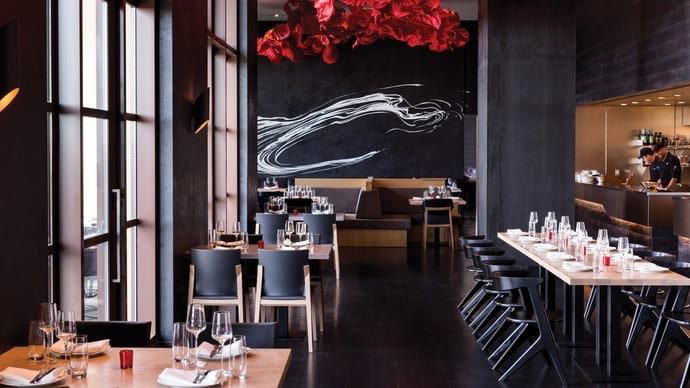
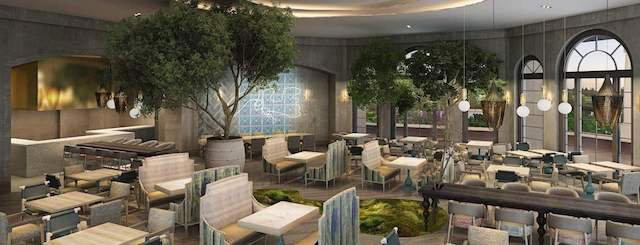
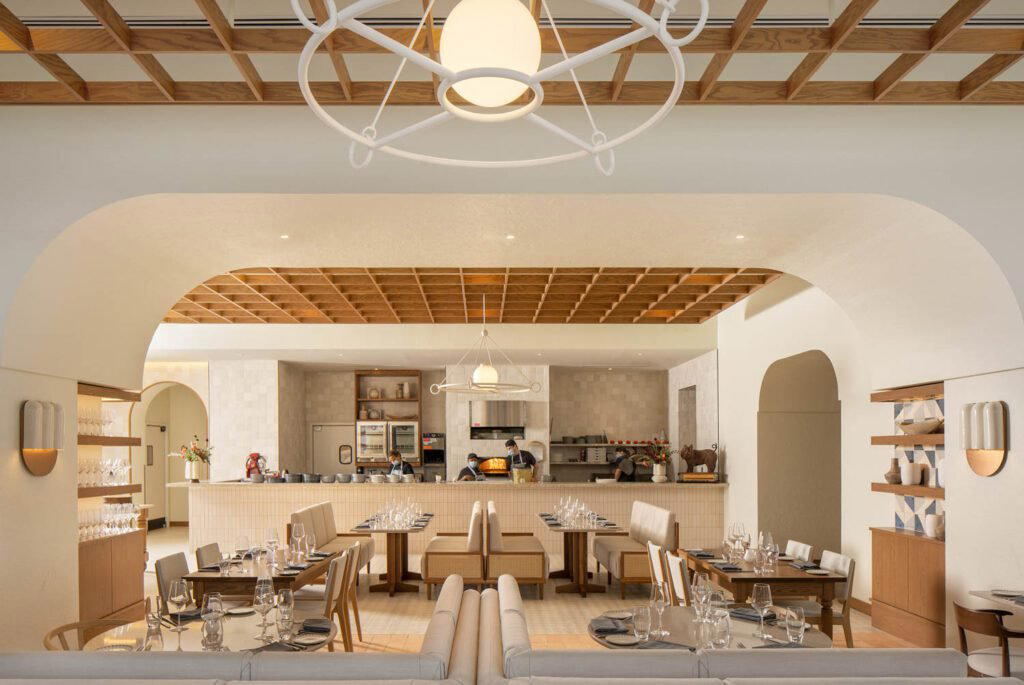
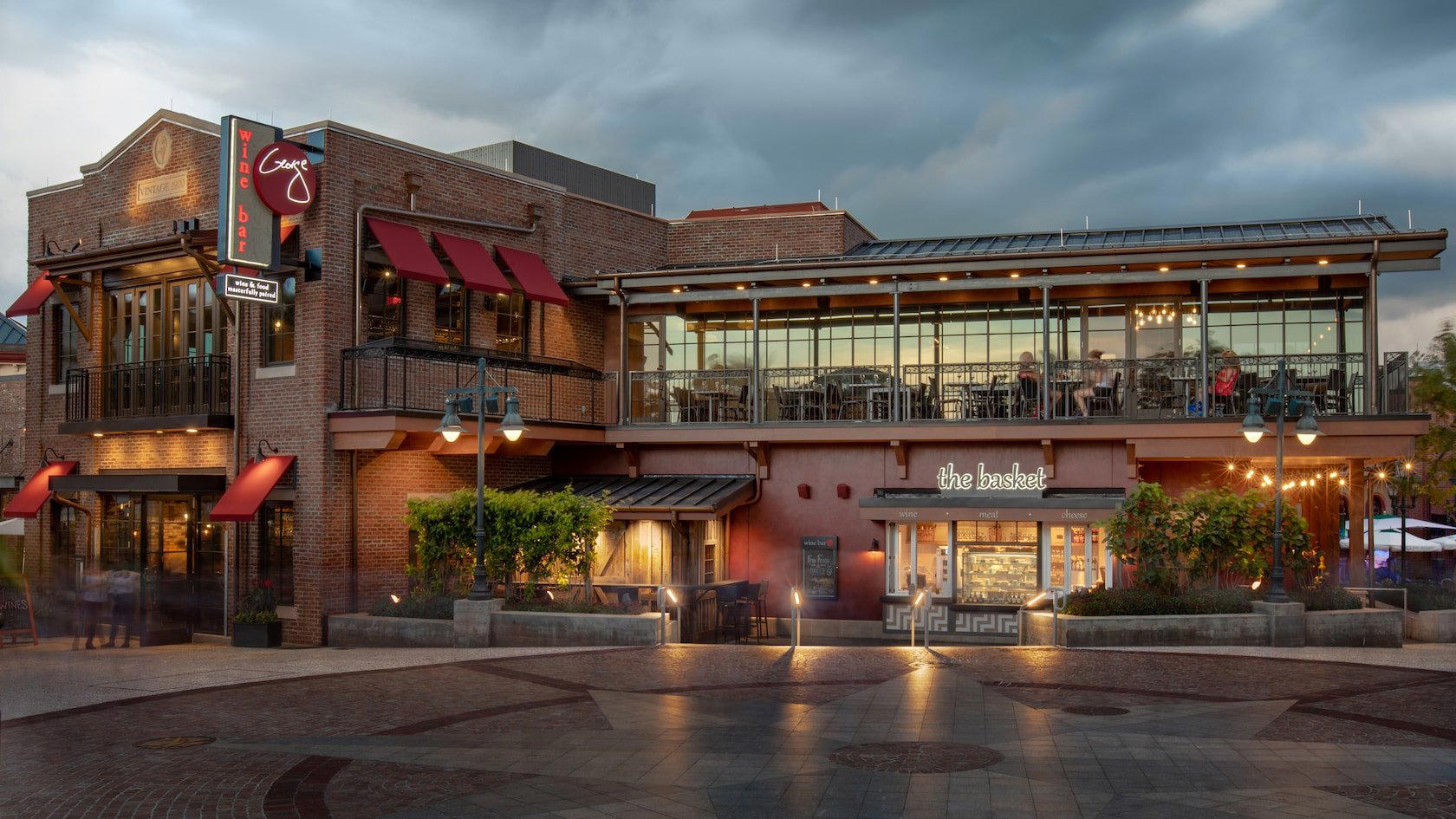
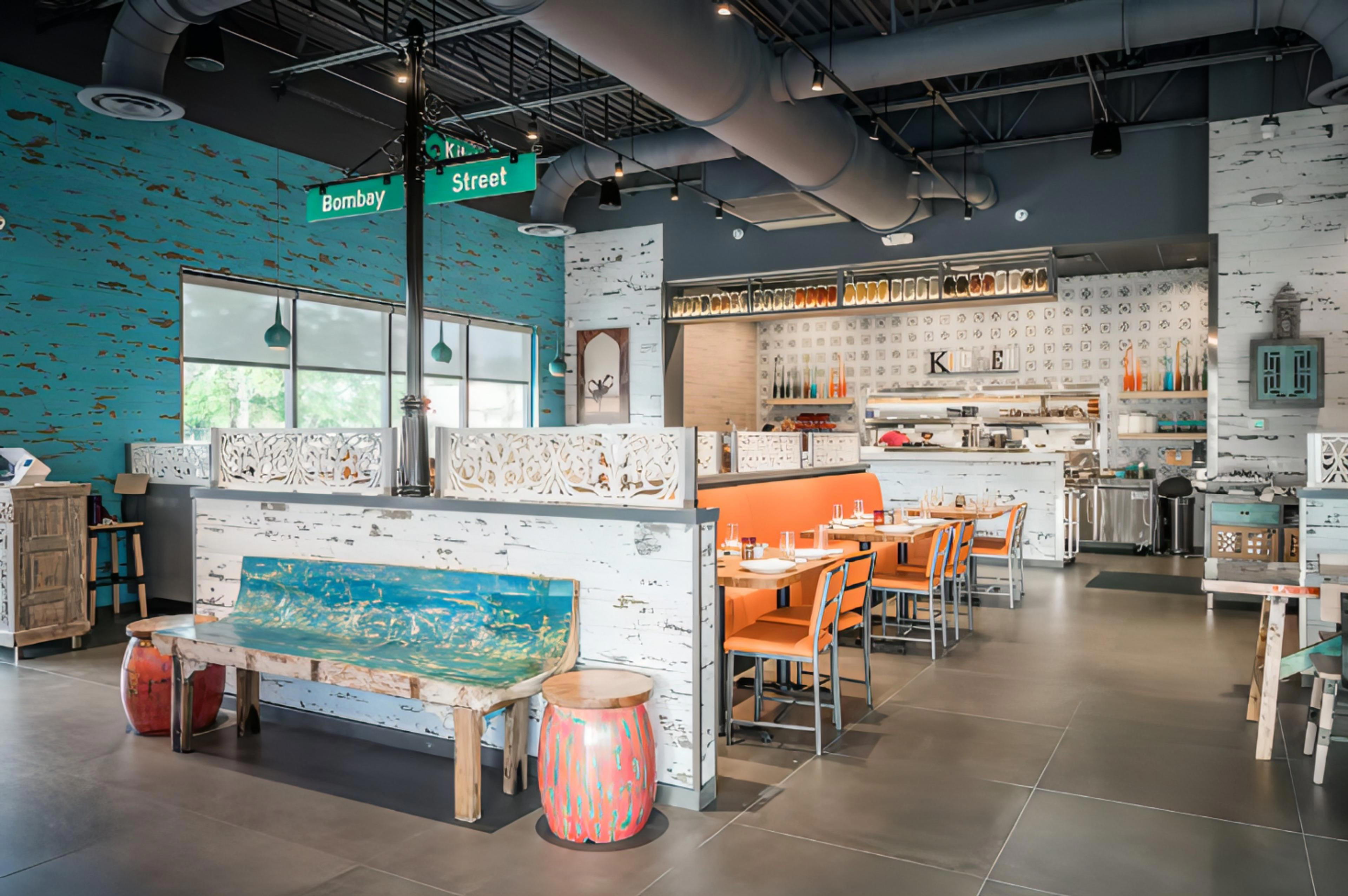
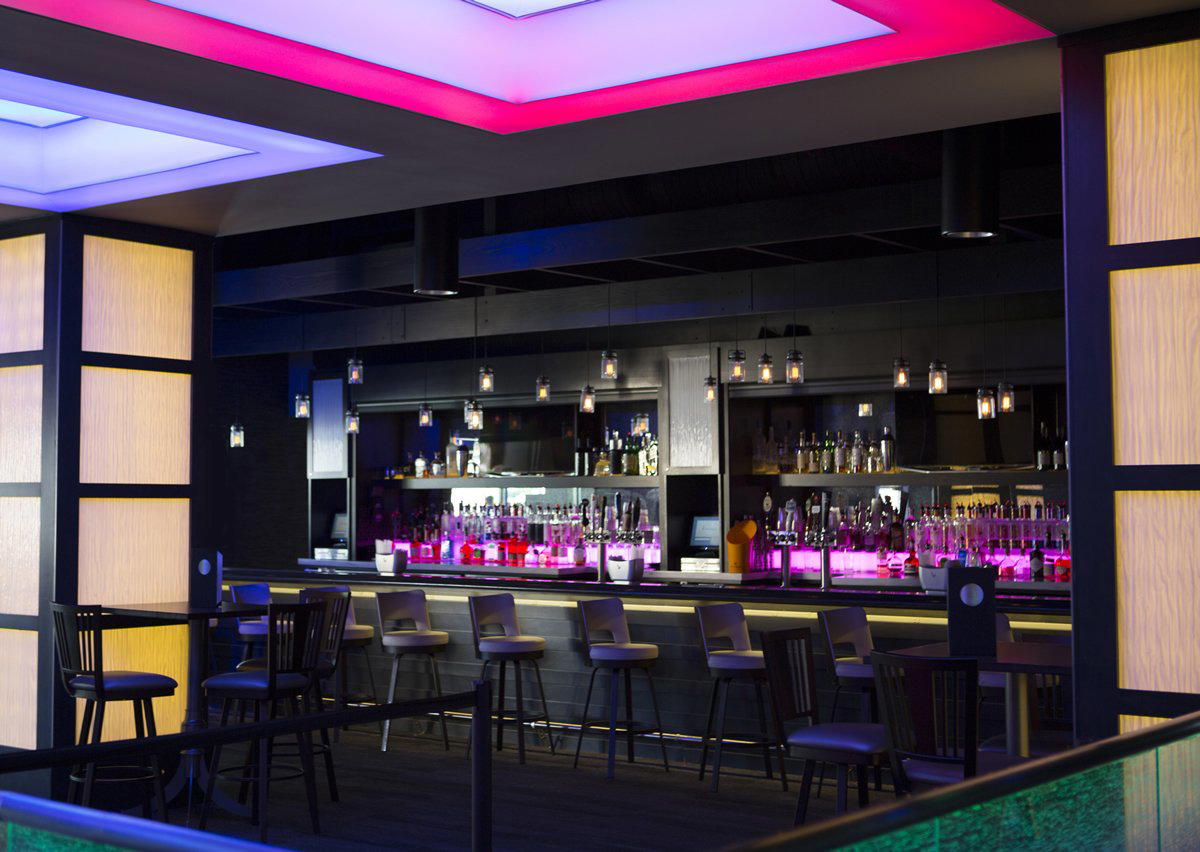
Modern and intimate atmosphere with focus on interactive hot pot experience.