Primo



Michelin Plate · Wine Spectator Award of Excellence · Forbes 4-Star
Our verdict
One of Orlando's most enduring hotel restaurants, Primo at JW Marriott Grande Lakes has held its position since 2003 by tying Italian and Mediterranean cooking to Florida's agricultural calendar. A 2025 Michelin Plate and a refreshed menu built around shareable small plates signal a deliberate reinvention, not a resting on reputation. The wine list runs to 2,790 selections, with California and Italian bottles anchoring the program.

Pearl is the En Primeur Club membership app — saves, bookings, and concierge access live there. Same editors, same standards.
- Address
- 4040 Central Florida Pkwy, Orlando, FL 32837
- Phone
- (407) 393-4683
- Hours
- Daily 6–10 PM
- Website
- marriott.com
- Directions
- Get directions
- Booking
- Book on OpenTable
The menu
What to order
- Pork Saltimbocca
- Cacio e Pepe Pasta
- Grilled Octopus
- Beef Rib Tortellini with Lobster
Twenty-Two Years on Central Florida Parkway
Hotel restaurants in Orlando occupy a peculiar position in the city's dining hierarchy. Most are built to serve a captive audience, calibrated for convenience rather than conviction, and rarely survive a change in management with any identity intact. Primo, operating inside the JW Marriott Orlando, Grande Lakes since 2003, is something of an outlier in that pattern. It has now held a Michelin Plate recognition as of 2025, which places it in a tier that includes property-based restaurants willing to compete on kitchen merit rather than hotel loyalty. For context on how Orlando's broader restaurant scene has developed around it, see our full Orlando restaurants guide.
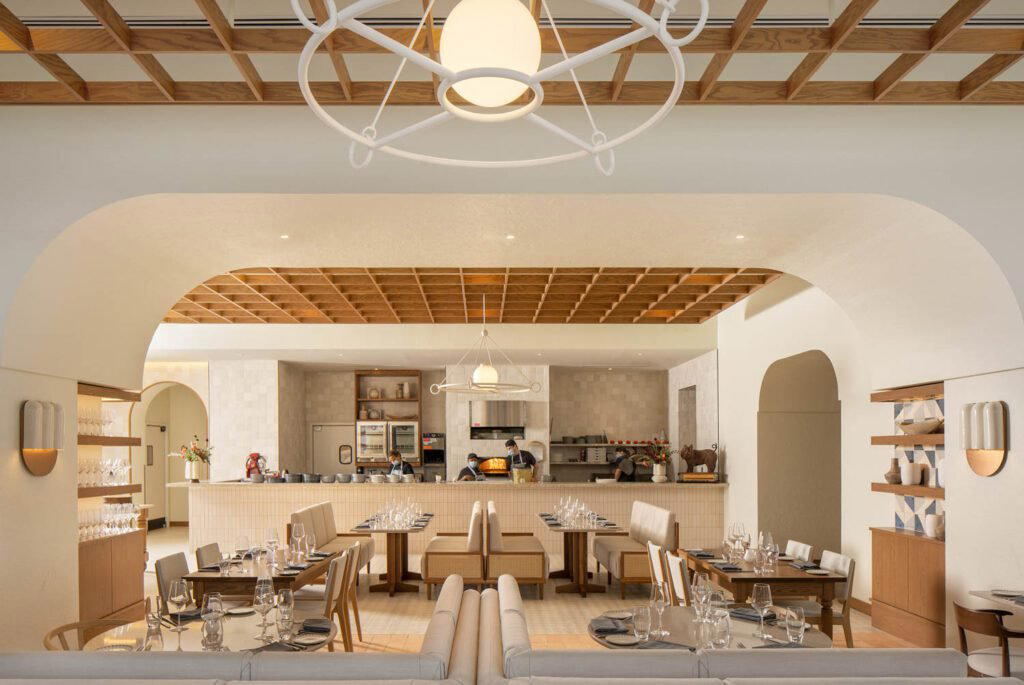
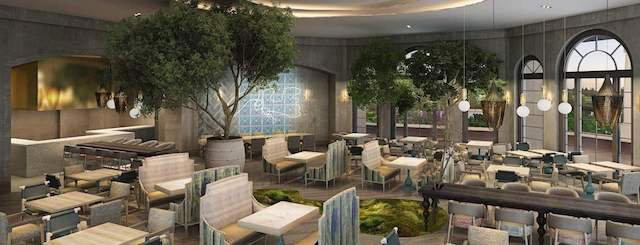
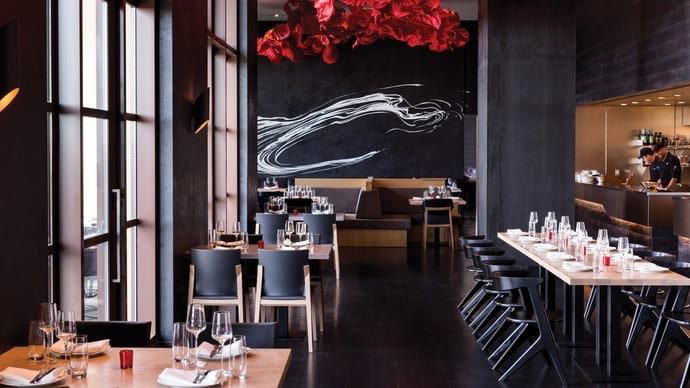
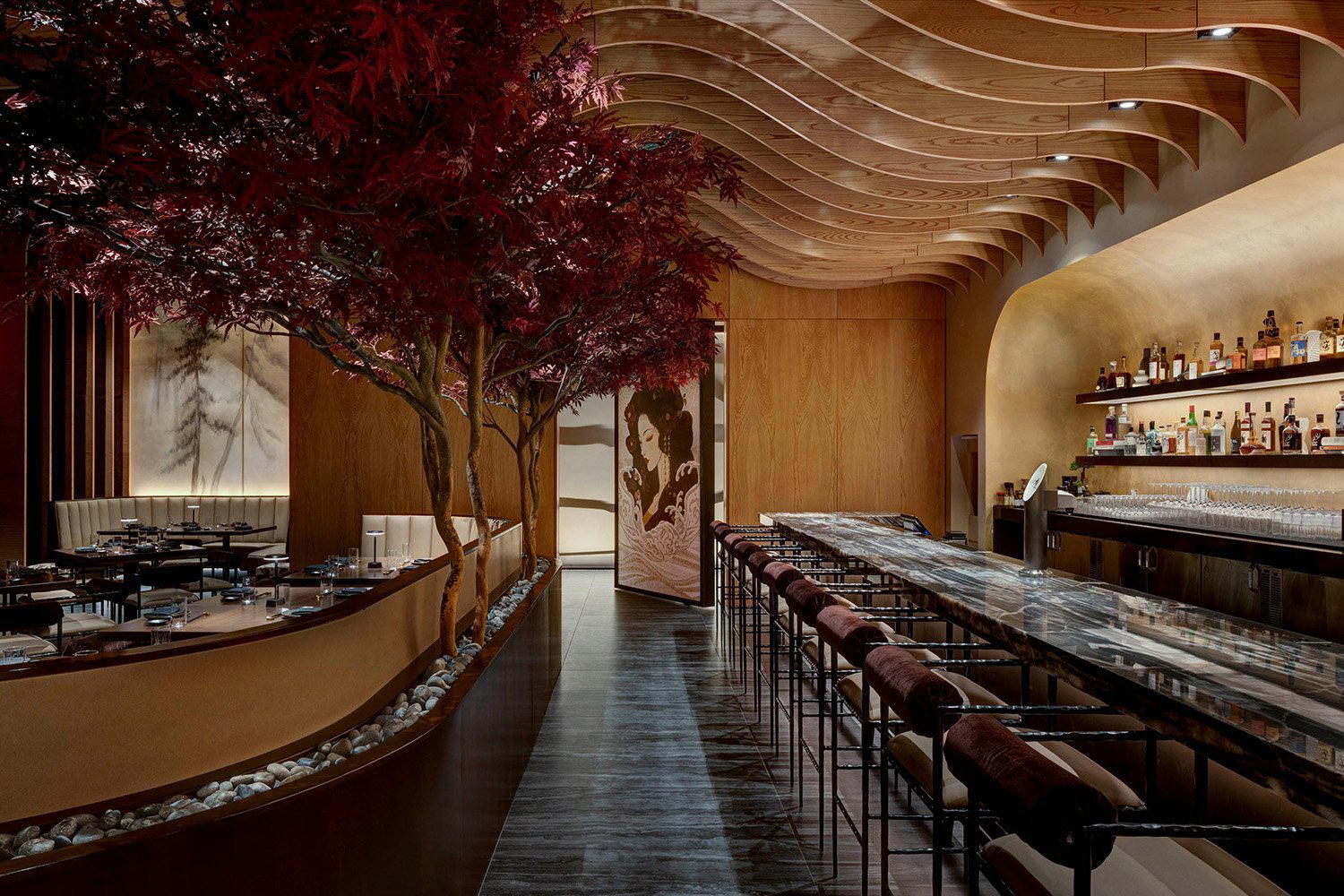
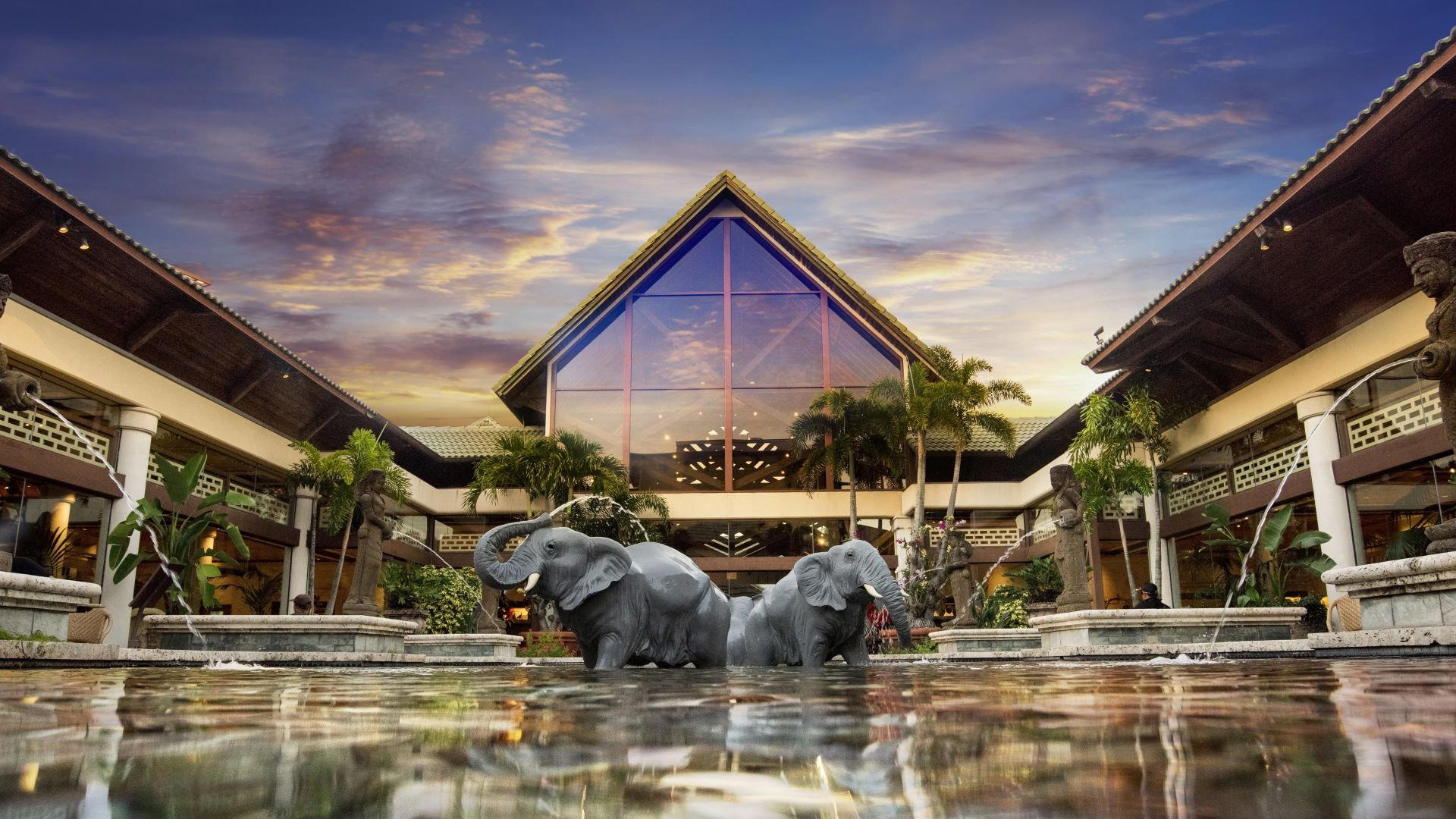
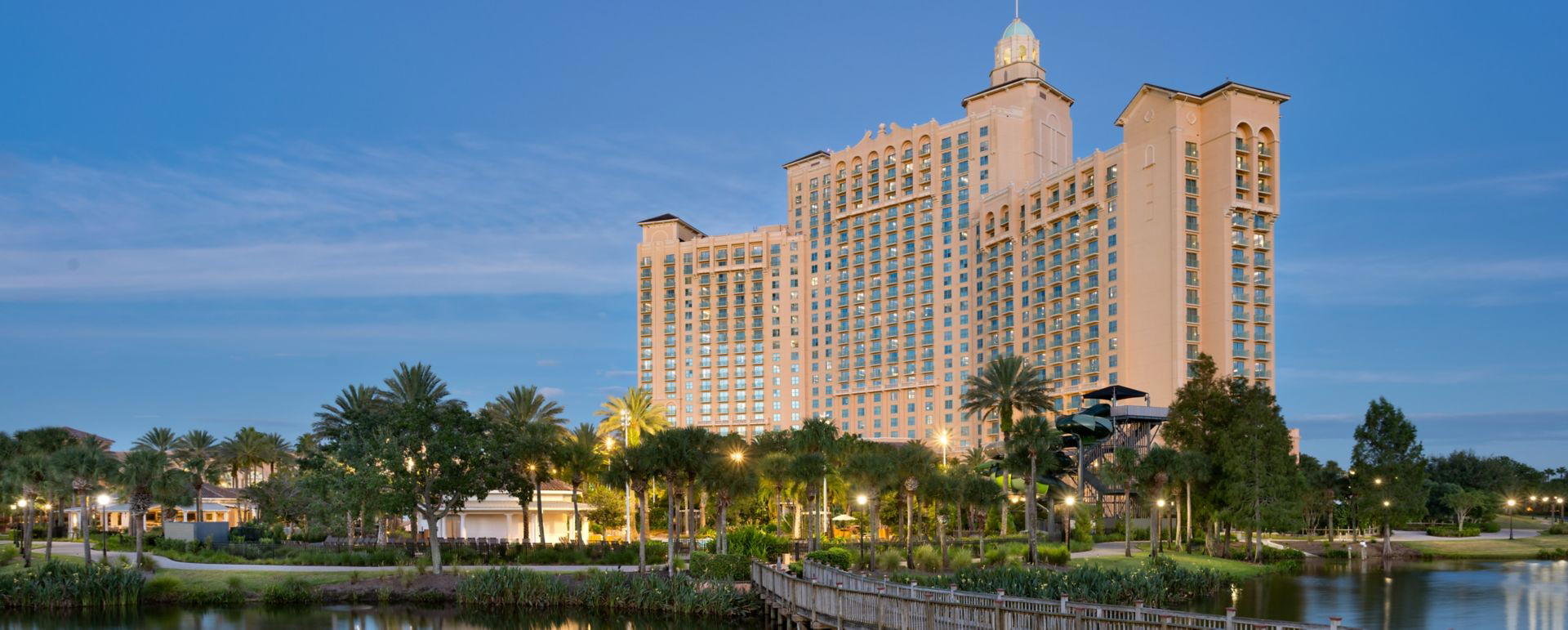
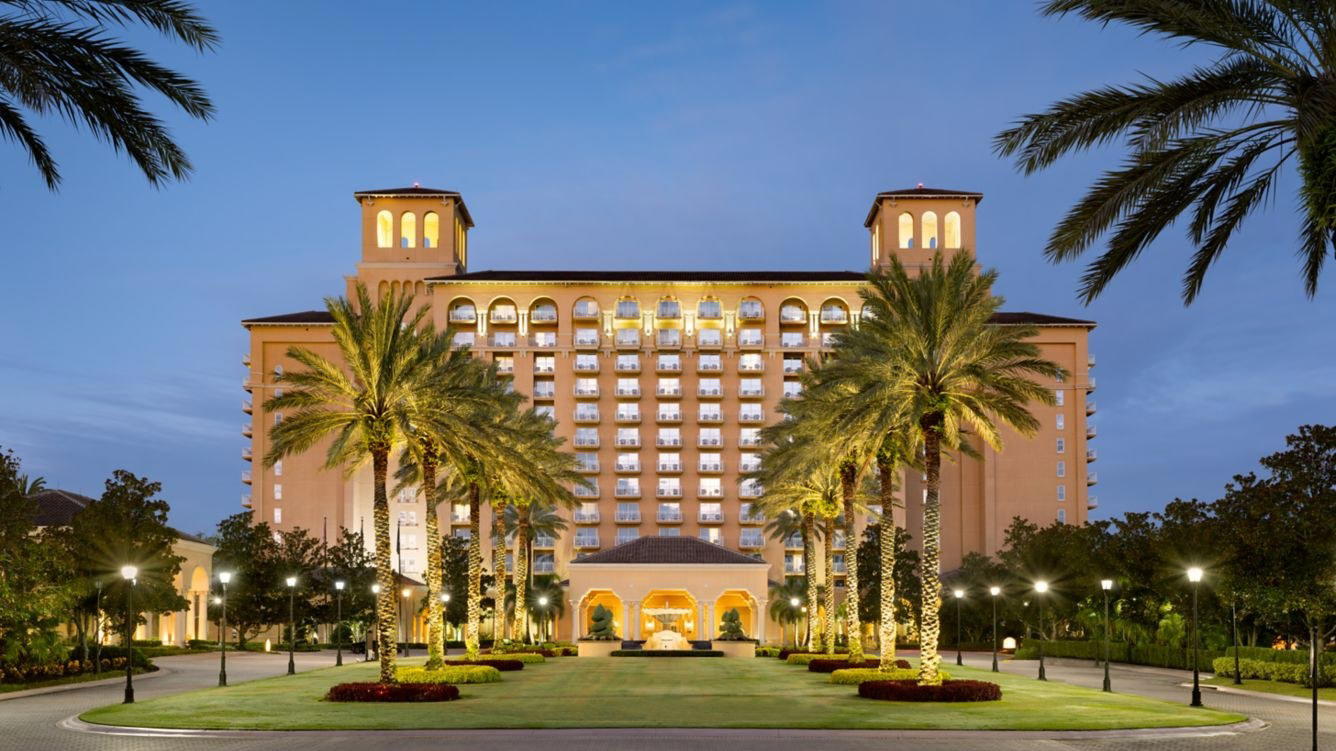
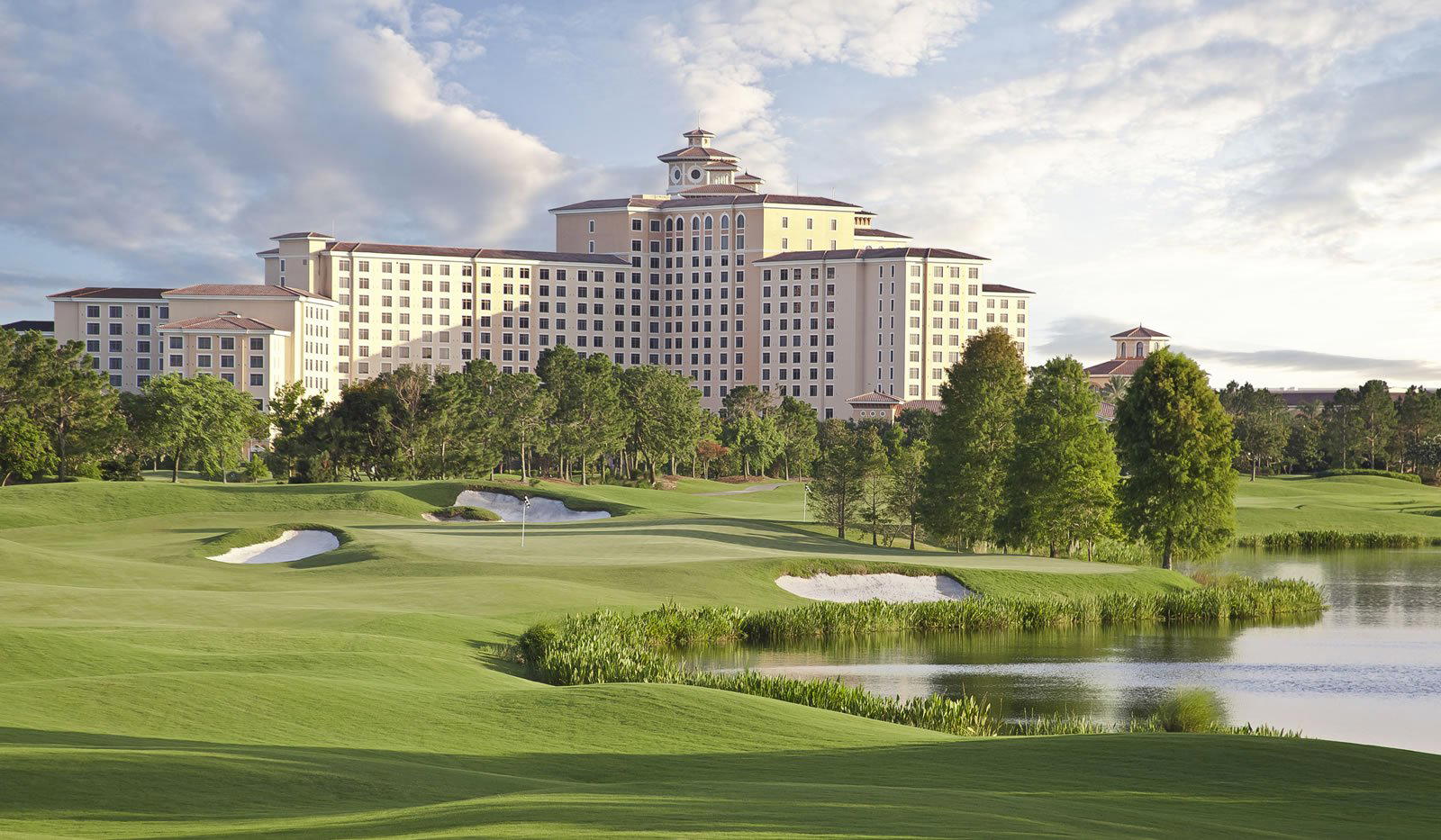
The address — 4040 Central Florida Parkway — puts the restaurant within the Grande Lakes resort campus, a setting that shares geography with Capa, the property's Spanish-inflected steakhouse. Where Capa leans on the drama of its rooftop position and open-fire cooking, Primo operates from a different register: a ground-level space that has recently been redesigned to feel more like an Italian courtyard than a hotel dining room. Cascading greenery, bamboo backdrops, and earthen stone floors give the room a quality that reads well before the menu arrives.
How the Room Has Shifted
The evolution at Primo follows a pattern visible in Italian restaurants across American hotel dining over the past decade. The format has moved away from formal plated service toward a more sharing-focused structure, which suits the Mediterranean source material and lowers the psychological barrier for guests who might otherwise treat hotel dining as a fallback option. The current menu, simplified and restructured around shareable small plates, reflects that broader industry shift rather than a reactive response to any single season.
Chef Dillon Buckler now leads the kitchen day-to-day, working within a farm-supply framework that was built into the restaurant's identity from its earliest years. The Whisper Creek Farm, which sits on the hotel's own grounds, provides produce, honey, and eggs directly to the kitchen. Sourcing extends to Florida fishermen for all seafood and to in-state ranches for poultry and pork. That supply structure is what distinguishes Primo's approach from the many Italian restaurants that invoke farm provenance rhetorically. Here, the geographic chain is short enough to be traced. Internationally, Italian cooking anchored to local agricultural sourcing at this level of precision has parallels at places like cenci in Kyoto, where Italian technique is similarly grounded in hyper-local product.
A Florida Accent on Mediterranean Cooking
Italian restaurants that operate outside Italy face a consistent tension: fidelity to tradition against responsiveness to local product. The more interesting operations resolve that tension by letting geography influence the pantry rather than the technique. At Primo, that shows up in dishes like rock crab arancini, which applies a classic Sicilian form to a Florida crustacean, and charred octopus seasoned with Cuban oregano and served with Seminole pumpkin romesco. Neither dish announces its local references loudly; they surface in the details.
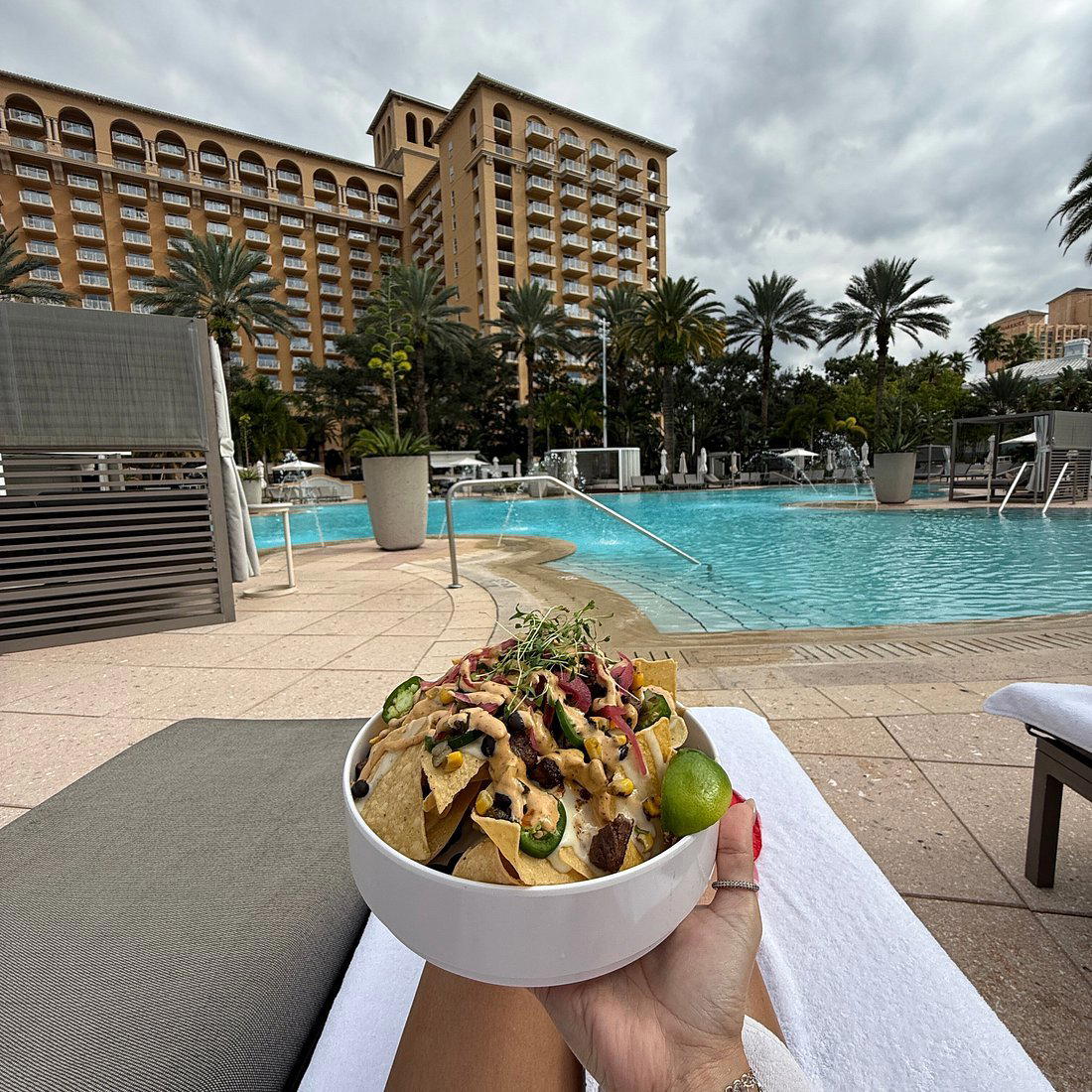
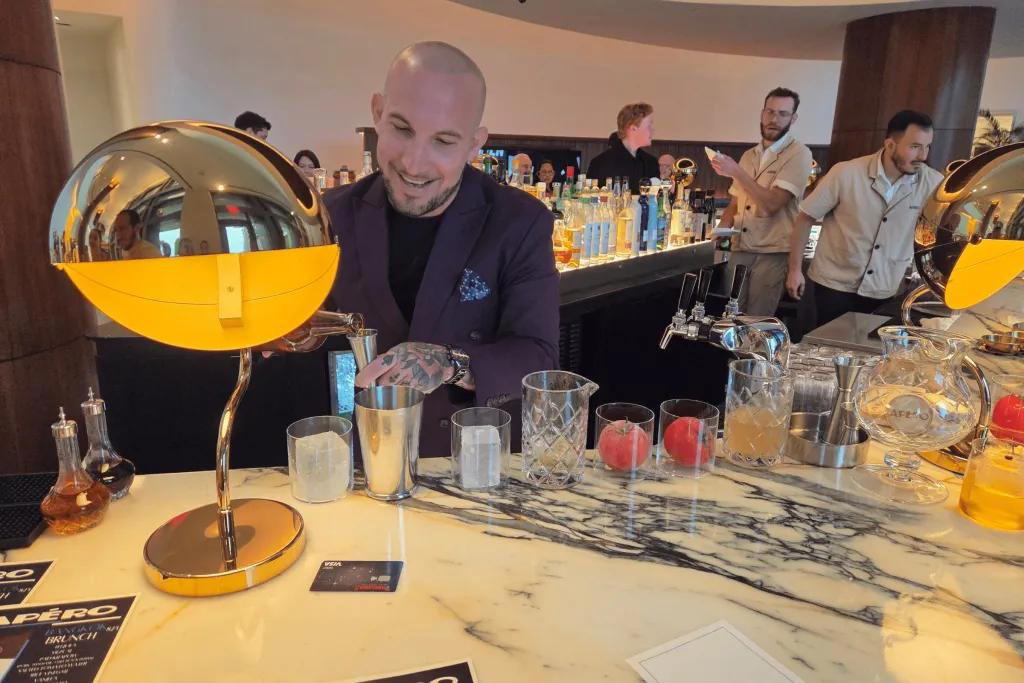
Pasta remains a structural anchor of the menu. Tortelloni filled with braised beef rib and finished with butter-poached lobster represents the kitchen at its most generous, and the white pizza format, here with marinated eggplant, pistachios, and squash blossoms, shows how the simplified menu still allows for textural and seasonal variation. The bar program follows the same Italy-meets-Florida logic: the Lost in Sicily cocktail reworks the Old Fashioned format with banana-infused Averna Amaro, orange bitters, and lime tincture, a combination that signals a cocktail team thinking in parallel with the kitchen rather than separately from it.
Compared to other Italian cooking operating at the intersection of European tradition and American regional product, see 8½ Otto e Mezzo Bombana in Hong Kong for a different kind of Italian-outside-Italy benchmark, Primo occupies a more grounded, produce-forward position. The ambition here is agricultural as much as culinary.
The Wine Program
A 2,790-bottle inventory across 215 selections places Primo's wine program well above what most hotel restaurants in the $$$ price tier maintain. California and Italy anchor the list, which is logical given the kitchen's dual identity. Pricing runs into the $100-plus range for many bottles, with a corkage fee of $45 for guests who bring their own. Sommelier Alexa Delgado, who also holds the General Manager role, oversees both the front-of-house operation and the cellar, a dual responsibility that tends to produce more coherent pairings than when the two roles are separated. For those exploring Orlando's broader beverage scene, our full Orlando bars guide and our full Orlando wineries guide provide additional context.
Where Primo Sits in Orlando's Dining Scene
Orlando's restaurant scene has expanded significantly in the years since Primo opened. The city now supports a range of serious independent restaurants, including Kadence on the Japanese omakase end and Sorekara representing the newer wave of Japanese-focused dining. Vietnamese cooking has found a foothold at Camille. In that expanded field, Primo's position is distinct: it remains the most established farm-sourced Italian option in the market, with a two-decade track record and institutional supply infrastructure that newer entrants cannot replicate quickly.
On the same Grande Lakes campus, Ravello offers a different Italian-influenced format, giving the resort two options within the same culinary tradition at different price points and formats. Guests staying on property often move between both; those dining specifically at Primo are typically drawn by the sourcing story and the Michelin recognition rather than convenience alone.
For national benchmarks in farm-integrated fine dining, Primo's approach shares conceptual ground with Single Thread Farm in Healdsburg and, at greater remove, the sourcing discipline of The French Laundry in Napa. The price tier and format are different, but the underlying commitment to supply chain as a culinary argument runs parallel. Elsewhere in American dining, restaurants like Lazy Bear in San Francisco and Emeril's in New Orleans illustrate how long-established restaurant identities can survive reinvention when the original concept had genuine substance. Alinea in Chicago and Le Bernardin in New York City represent a different tier of institutional longevity, but the pattern of sustained quality over decades is the relevant comparison.
Planning Your Visit
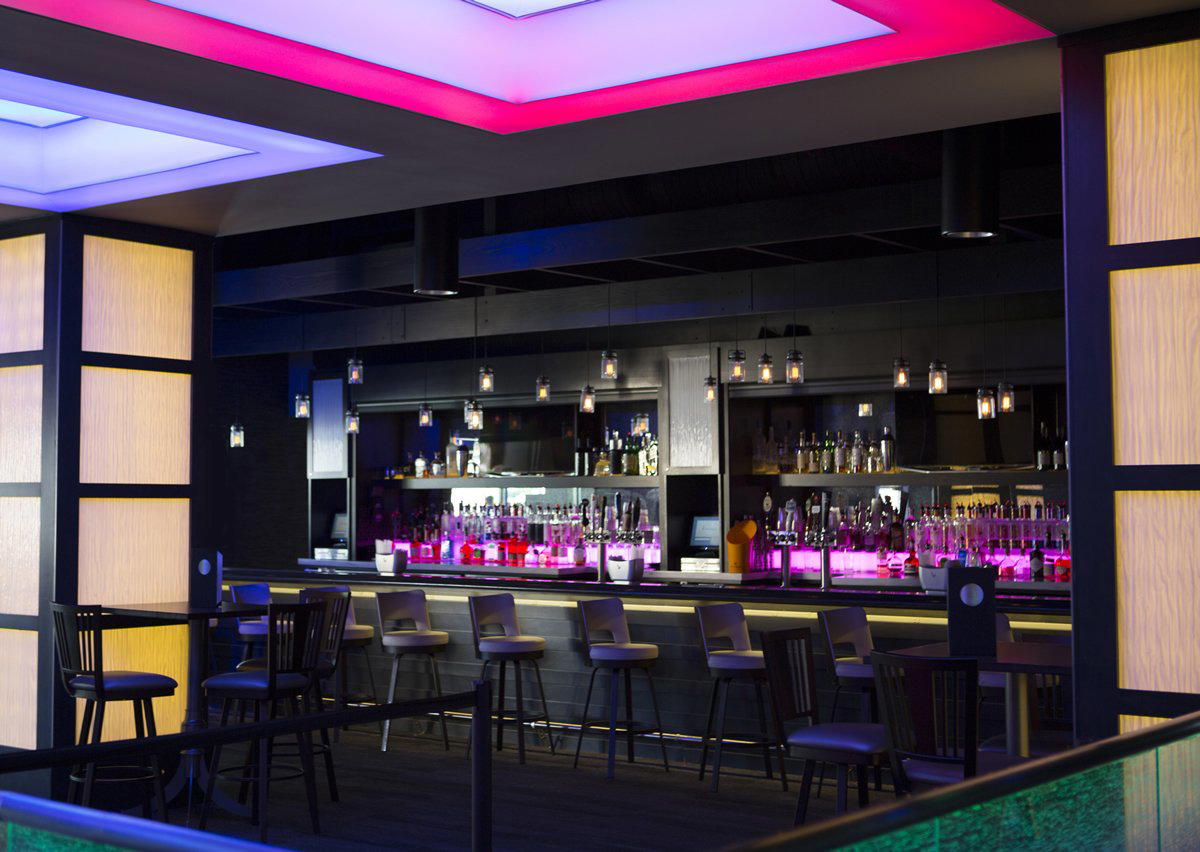
Primo serves dinner only. The restaurant is located at 4040 Central Florida Parkway within the JW Marriott Orlando, Grande Lakes. Cuisine pricing sits at the $$ tier for a two-course meal before beverages, while the wine list escalates into $$$ territory with many bottles above $100. The bar area, designed to be used before a reservation rather than as a standalone destination, is worth arriving early for. For guests also exploring Orlando's hotel options, our full Orlando hotels guide covers the broader accommodation picture, and our full Orlando experiences guide maps what else the city offers beyond the table.
Frequently asked questions
Who is the chef connected to Primo?
The chef associated with Primo is Melissa Kelly.
Does Primo have a Michelin star or similar recognition?
Primo has received recognition including: A staple of JW Marriott Orlando, Grande Lakes’ dining scene since 2003, Primo is delighting a whole new generation of diners with recently refreshed interiors and a simplified menu of Italian classics that would make any nonna proud. Redesig….
What do regulars order at Primo?
The pasta section draws the most repeat attention. Tortelloni with braised beef rib and butter-poached lobster is the menu's crowd anchor, while the white pizza with marinated eggplant, pistachios, and squash blossoms rewards those who overlook it. Rock crab arancini and charred octopus with Cuban oregano reflect the Florida sourcing most directly, with produce and seafood drawn from Whisper Creek Farm and Florida fishermen respectively.
Is Primo more mid-range or high-end?
Pricing at Primo is listed as $$$.
What part of town is Primo in?
Primo is located at 4040 Central Florida Pkwy, Orlando, FL 32837, Orlando.
Do I need a reservation for Primo?
A reservation is advisable. Primo holds a 2025 Michelin Plate designation and has maintained a consistent following at the JW Marriott Orlando, Grande Lakes since 2003, which means walk-in availability at dinner is not reliable, particularly on weekends. Book ahead through the hotel.
Compact Comparison
A quick snapshot of similar venues for side-by-side context.
| Venue | Cuisine | Price | Awards | Notes |
|---|---|---|---|---|
| PrimoThis venue — the venue you are viewing | Contemporary Italian Farm-to-Table | $30–50 | Michelin Plate · Wine Spectator Award of Excellence | Not listed |
| Sorekara | Modern Japanese Omakase | $300–500 | 2 Michelin Stars · La Liste Top Restaurants | Japanese |
| Camille | Modern French-Vietnamese Fine Dining | $150–200 | 1 Michelin Star | Vietnamese |
| Papa Llama | Modern Peruvian | $150–200 | Michelin Plate | Peruvian |
| Capa | Spanish-Influenced Steakhouse | $100–150 | Michelin Plate · Wine Spectator Best of Award of Excellence | Steakhouse |
| Victoria & Albert's | Contemporary American Fine Dining | $200–300 | 1 Michelin Star · La Liste Top Restaurants | New American, Contemporary |
Recognition history
Dated appearances from independent guides and award organizations, with the underlying list record or original source where available.
Michelin Plate
Michelin
Wine Spectator Award of Excellence
Wine Spectator
Forbes 4-Star
Forbes
Full recognition history (4 entries)
Wine Spectator Award of Excellence
Wine Spectator
Details
- Elegant
- Lively
- Modern
- Sophisticated
- Date Night
- Family
- Celebration
- Special Occasion
- Group Dining
- Open Kitchen
- Garden
- Hotel Restaurant
- Extensive Wine List
- Craft Cocktails
- Sommelier Led
- Farm To Table
- Local Sourcing
- Organic
- Garden
- A La Carte
- Small Plates
- Wine
- Craft Cocktails
- Vegetarian Friendly
- Vegan Options
- Gluten Free Options
- Allergy Accommodating
Current opening hours
- Monday
- 6–10 PM
- Tuesday
- 6–10 PM
- Wednesday
- 6–10 PM
- Thursday
- 6–10 PM
- Friday
- 6–10 PM
- Saturday
- 6–10 PM
- Sunday
- 6–10 PM
Hours can change for holidays and private events. Last verified .
Bright, airy interiors with natural light, simple stone flooring, and family-style tables reminiscent of a classic Italian trattoria; open kitchen design with gleaming copper elements; lively and energetic dining room with tile floors.