Papa Llama

Papa Llama holds back-to-back Michelin stars (2024 and 2025) and brings Peruvian cuisine to a Curry Ford Road address that most visitors would not anticipate for cooking at this level. Chef Masayuki Komatsu's kitchen operates at the $$$$ tier, placing it alongside the city's tightest competitive set. Reservations and planning details are worth confirming directly before visiting.
Pearl is the En Primeur Club membership app — saves, bookings, and concierge access live there. Same editors, same standards.
- Address
- 2840 Curry Ford Rd, Orlando, FL 32806
- Website
- papallamaorl.com
- Directions
- Get directions
 Saves & bookings on Pearl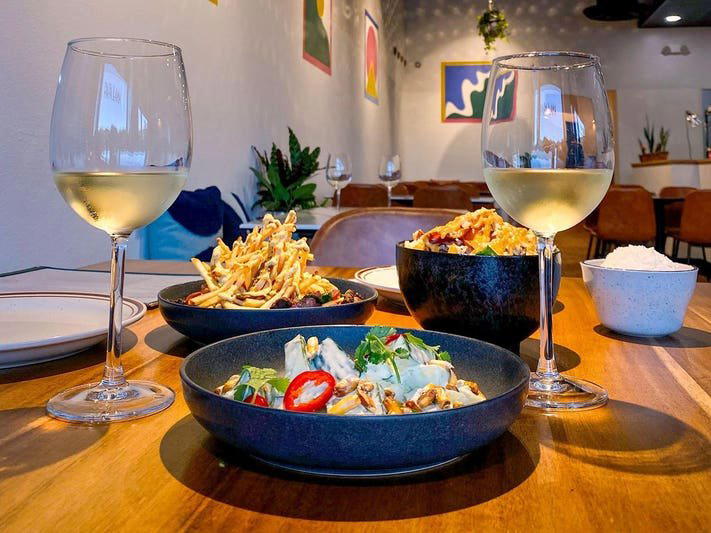
Peruvian at the Michelin Level: What Curry Ford Road Now Signals
Orlando's Michelin-starred tier arrived in 2024, and the map of where those stars landed rewrote the city's dining geography more dramatically than most expected. The award did not cluster exclusively in resort corridors or downtown towers. Papa Llama, on Curry Ford Road in Orlando, earned a Michelin star in both the 2024 and 2025 guides.
Peruvian cuisine occupies an interesting position in the American fine dining conversation. At one end, the tradition has been absorbed into broader Latin American menus as a source of techniques, particularly ceviche preparation and the use of ají peppers. At the other end, a smaller set of operators has pursued Peruvian cooking as a primary language at the highest tier of the market. In Washington, D.C. Causa works in this territory, and in Miami, ITAMAE has pushed Peruvian-Japanese fusion into national recognition. Papa Llama belongs in that company, not as a derivative of those programs but as a parallel response to the same question: what happens when Peruvian ingredients and technique receive the same structural attention that European cuisines have historically commanded at the fine dining level?
Chef Komatsu and the Japanese-Peruvian Thread
Chef Masayuki Komatsu leads the kitchen. Japan and Peru share among the more documented culinary cross-pollinations in modern gastronomy. Nikkei cuisine, the tradition born from Japanese immigration to Peru beginning in the late nineteenth century, produced a hybrid cooking language that now has serious practitioners in Lima, Tokyo, London, and increasingly across North America. A chef with Japanese training or background working within a Peruvian framework is engaging with that lineage directly, and the Michelin committee's back-to-back recognition suggests the kitchen is executing within that tradition at a level the guide's inspectors found consistent across two annual cycles.
For context within Orlando's starred tier, it sits alongside Japanese operators including Sorekara and Kadence, as well as Natsu. The Vietnamese tasting menu at Camille and the high-format steakhouse at Capa complete the picture of a city where multiple non-European culinary traditions are now competing for and winning recognition at the summit of the market. Papa Llama is the only Peruvian entry in that group, which makes its positioning within the tier worth noting: it is not being compared to other Peruvian restaurants in Orlando because there are none at this price point. Its competitive set is the broader starred tier, and it is priced accordingly.
The Wine Question at a Peruvian Tasting Table
Framing wine at a Peruvian fine dining counter requires some deliberate thinking. Peru does not have a wine culture that would supply an obvious anchor for the list, and the country's signature spirit, pisco, while frequently offered in cocktail programs, does not carry the cellar depth that supports a multi-course pairing at the level Papa Llama occupies. What that means in practice is that the wine program here has to be built rather than inherited. The kitchen works with a flavour profile that includes high-acid citrus marinades, ají-driven heat, the subtle earthiness of Andean grains, and the oceanic brightness of raw preparations. Those flavours do not follow a direct European pairing map.
Programs at comparable tasting counters in other cities have addressed this in different ways. At Lazy Bear in San Francisco, the beverage program leans into natural and biodynamic producers whose wines can sit beside unusual umami-forward preparations. At SingleThread Farm in Healdsburg, the pairing philosophy is hyperlocal, sourcing producers whose sensibility matches the ingredient-driven kitchen. At Alinea in Chicago, the wine program functions almost as a separate discipline, curated to complement a menu that does not follow classical flavour logic. Any of these models could apply at the restaurant, and the wine decisions made here say something important about how the kitchen positions its food in relation to the broader tasting menu conversation.
What a well-curated list would need to address: the acidity in Peruvian cooking calls for wines with structural acidity of their own, making high-altitude Argentinian whites, Austrian Grüner Veltliner, or northern Italian varietals natural candidates. For the richer preparations, where pork, duck, or lamb might carry Andean spice, a lighter-structured red from the Jura, the Loire, or a Willamette Valley Pinot would hold better than anything with heavy oak. Pisco pairings or non-alcoholic beverage programs built around fermented chicha or botanical-driven preparations would give the sommelier further room to demonstrate range.
Where Papa Llama Sits in the Wider Tasting Menu Tier
The national reference points for what a Michelin-starred tasting menu should deliver are now deeply embedded in the expectations of the guest walking through the door. Le Bernardin in New York, The French Laundry in Napa, and Emeril's in New Orleans each represent a different model of what sustained recognition in the American market can look like. The restaurant is at an earlier point in that arc, having held its star across only two consecutive years, but consecutive recognition is the signal the guide uses to distinguish a consistent kitchen from a one-cycle result.
For travellers who move between starred programs in multiple cities and have points of comparison with kitchens like those above, the restaurant offers something specific: a Peruvian tasting format at the Michelin tier in a city that, as recently as 2023, had no Michelin guide presence at all. That novelty is not a substitute for execution, and the guide's continued recognition confirms execution is there. But the context matters for calibrating expectations. This is not a long-established temple with decades of cellar depth and a waiting list measured in years. It is a kitchen that entered among the more demanding evaluation systems in world dining and passed twice.
Planning Your Visit
The restaurant is located at 2840 Curry Ford Rd, Orlando, FL 32806, in a neighbourhood that sits southeast of downtown and outside the typical tourist circuit. The $$$$ price tier places it in line with the broader Orlando starred cohort, and the format is consistent with tasting menu structures where the cost reflects multi-course progression, beverage options, and service standards appropriate to the category. Given the Michelin profile and the relatively small size implied by the neighbourhood location and dining format, booking in advance is recommended.
Cost Snapshot
Comparable venues nearby, for context on price, style, and recognition.
| Venue | Cuisine | Price | Awards | Notes |
|---|---|---|---|---|
| Papa LlamaThis venue — the venue you are viewing | Curry Ford, Modern Peruvian | $$$ | Michelin 1 Star | Not listed |
| Kaya | Not listed | $$$ | Michelin Plate, James Beard | Mills50, Modern Filipino |
| Kadence | Not listed | $$$$ | Michelin 1 Star | Audubon Park Garden District, Modern Japanese Omakase |
| Camille | Not listed | $$$$ | Michelin 1 Star | Baldwin Park, Modern French-Vietnamese Fine Dining |
| Capa | Not listed | $$$$ | Michelin 1 Star | Golden Oak, Spanish-Influenced Steakhouse |
| The Ravenous Pig | Winter Park, Modern American Gastropub | $$$ | Bib Gourmand | Not listed |
Recognition history
Dated appearances from independent guides and award organizations, with the underlying list record or original source where available.
Michelin Plate
Michelin
Michelin 1 Star
Michelin
Michelin 1 Star
Michelin
At a Glance
- Cozy
- Intimate
- Modern
- Date Night
- Special Occasion
- Celebration
- Open Kitchen
- Natural Wine
- Local Sourcing
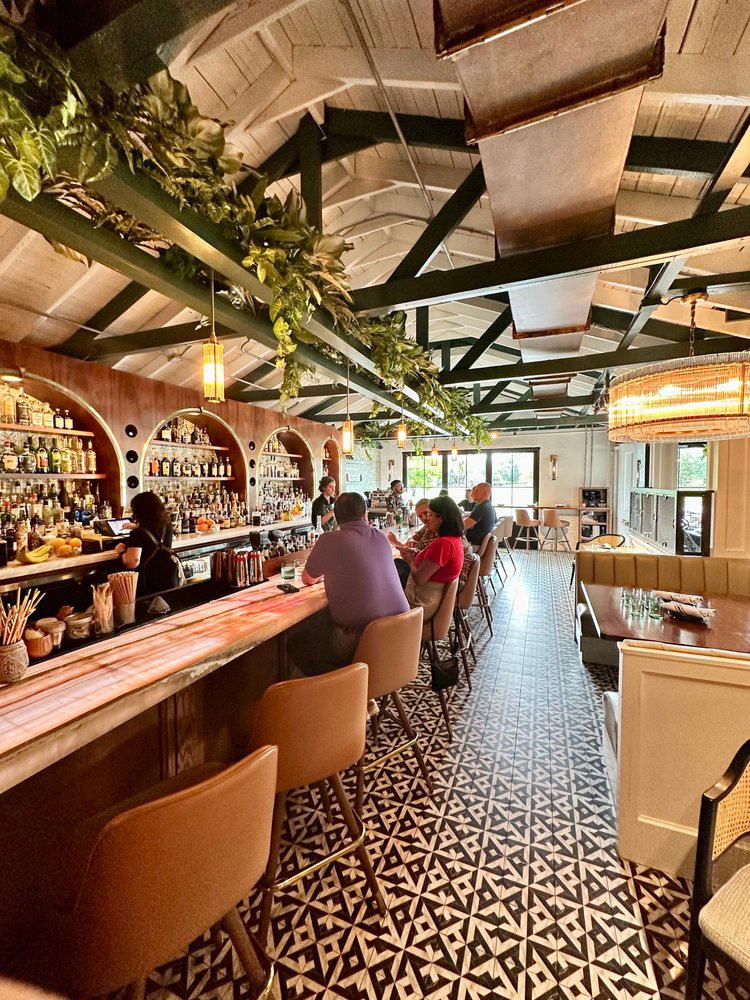
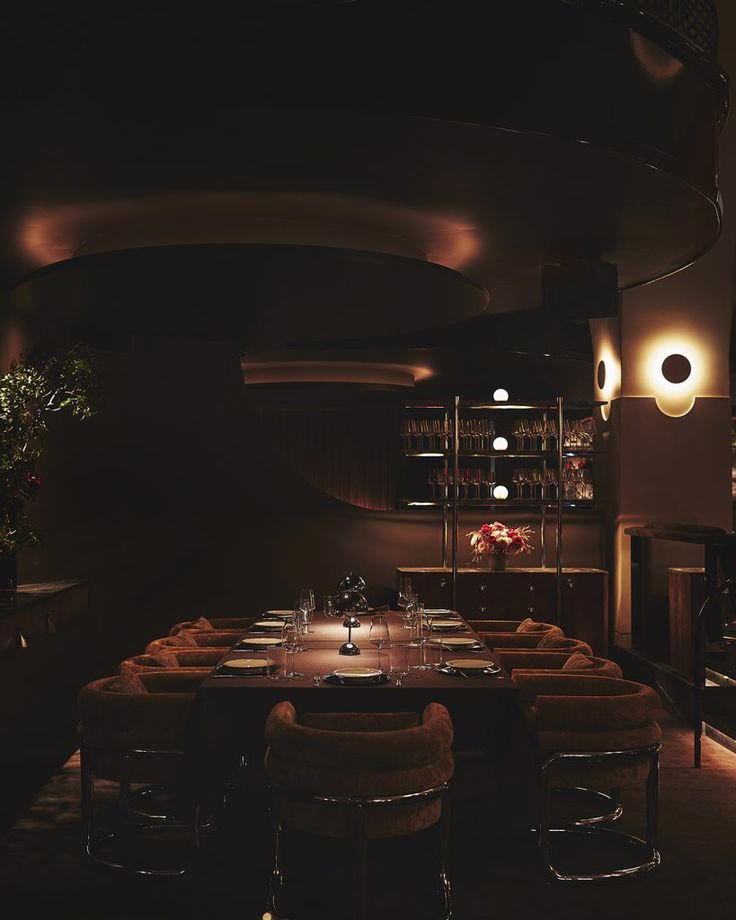
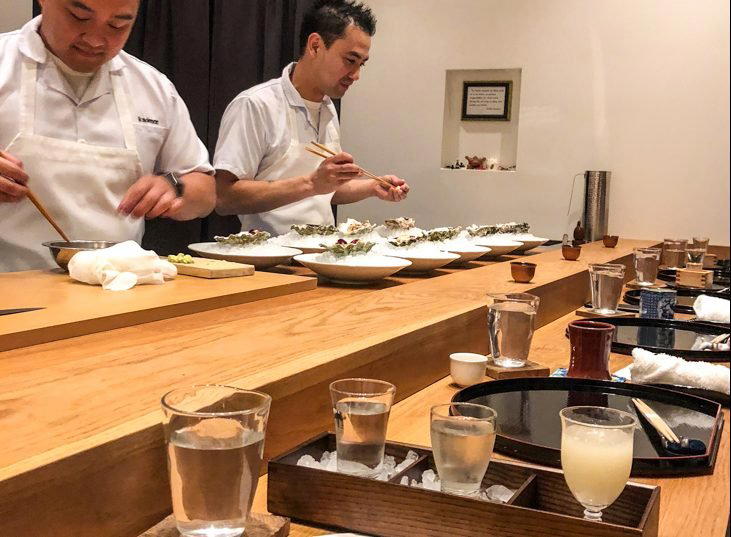
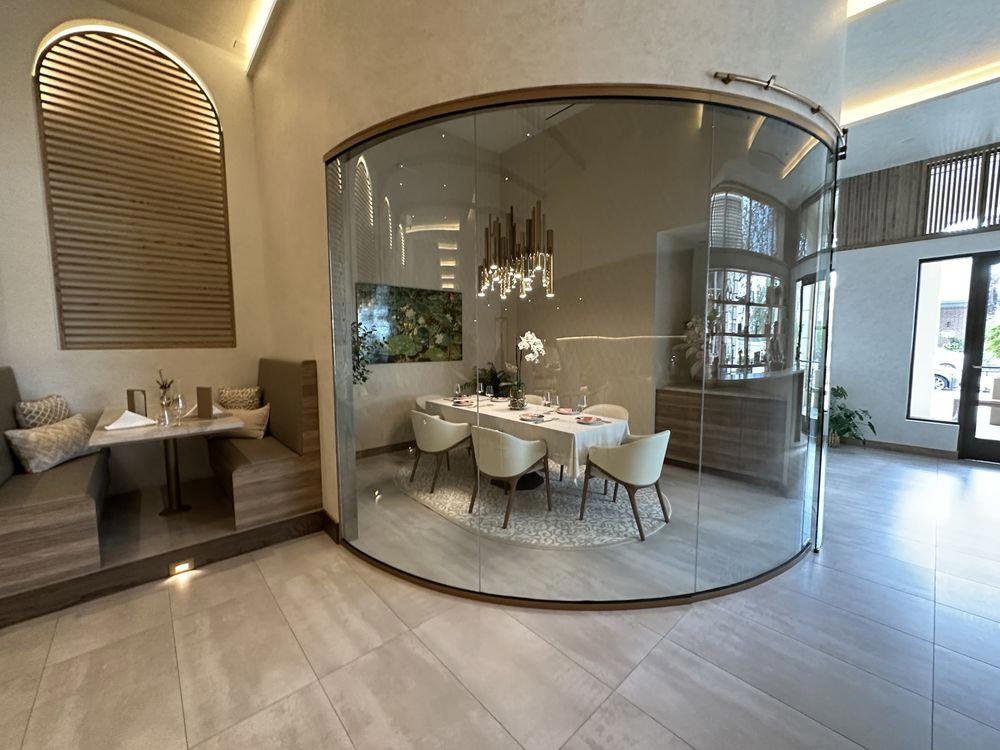
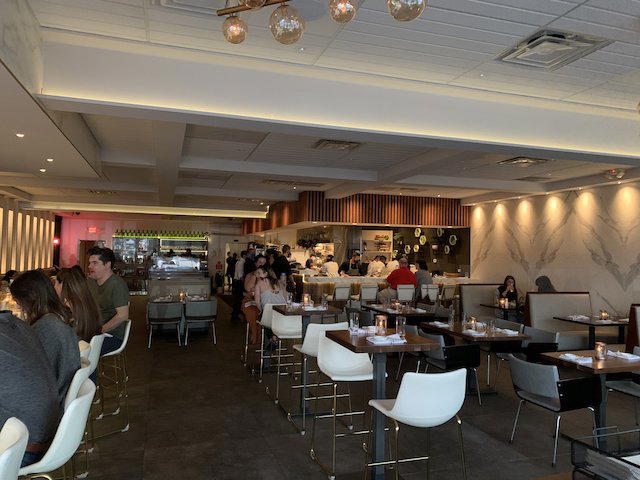
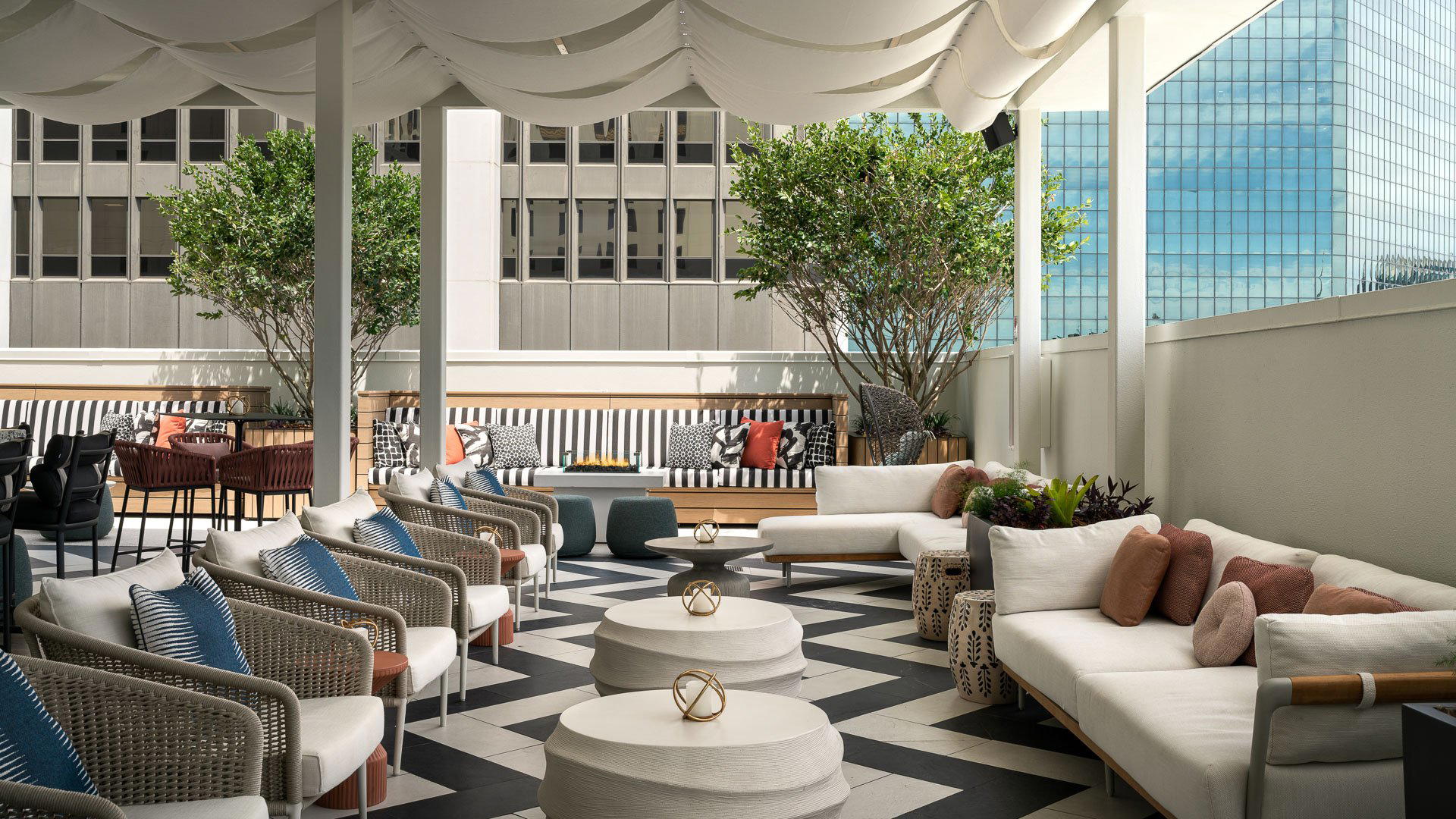
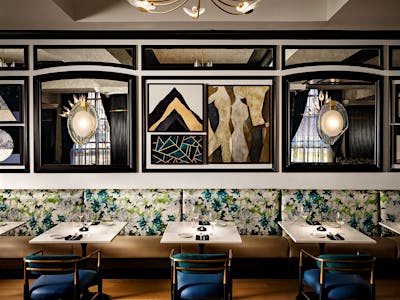
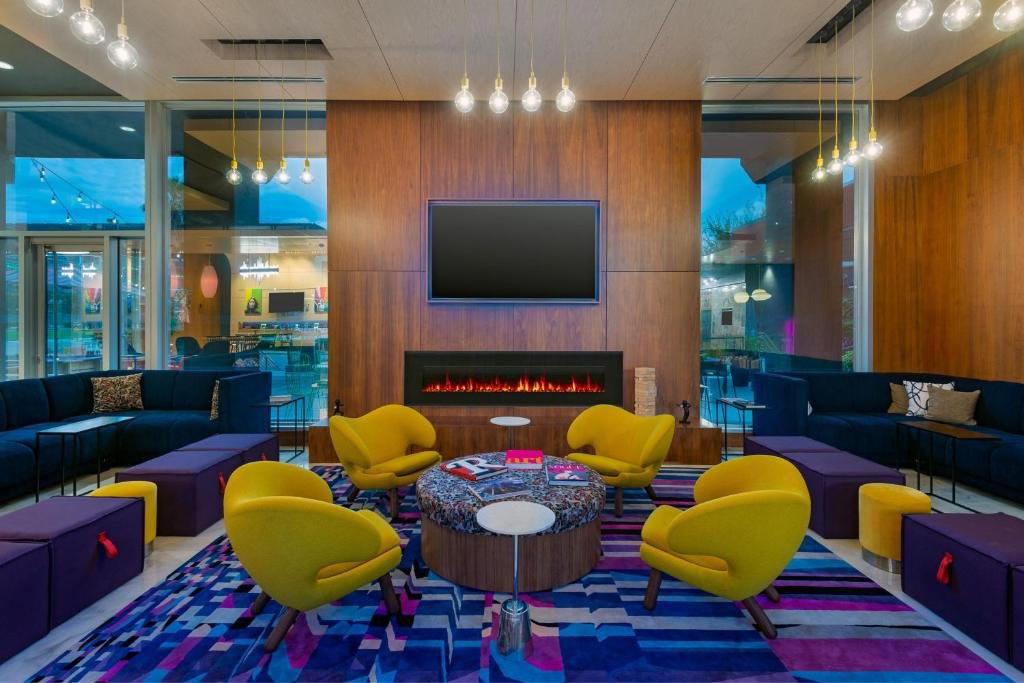
Softly lit, cozy space with lush plants, modern cool interior, leather chairs, open kitchen view, and casual atmosphere.