Dragonfly Robata Grill & Sushi
Our verdict
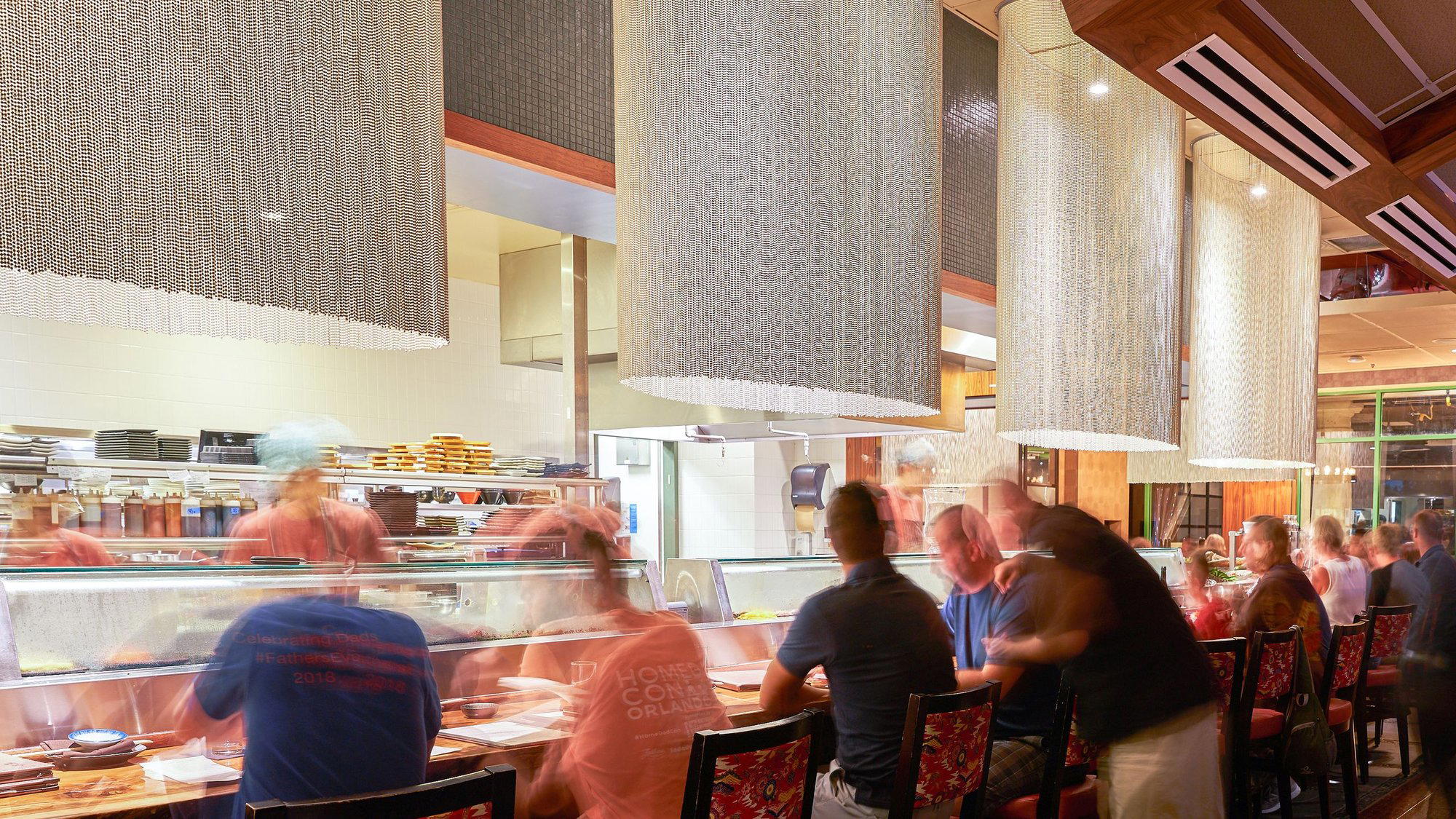
Dragonfly Robata Grill & Sushi brings Japanese robata tradition to Orlando's Dr. Phillips corridor, pairing live-fire grill cooking with a sushi program at 7972 Via Dellagio Way. The format suits guests who want to move between grilled skewers and raw preparations within a single sitting, positioning it in the mid-to-upper tier of Orlando's growing Japanese dining scene alongside Kadence and Sorekara.

Pearl is the En Primeur Club membership app — saves, bookings, and concierge access live there. Same editors, same standards.
- Address
- 7972 Via Dellagio Way, Orlando, FL 32819
- Phone
- (407) 370-3359
- Hours
- Mon–Thu 5–10 PMFri–Sat 5–11 PMSun 5–10 PM
- Website
- dragonflyrestaurants.com
- Directions
- Get directions
The menu
What to order
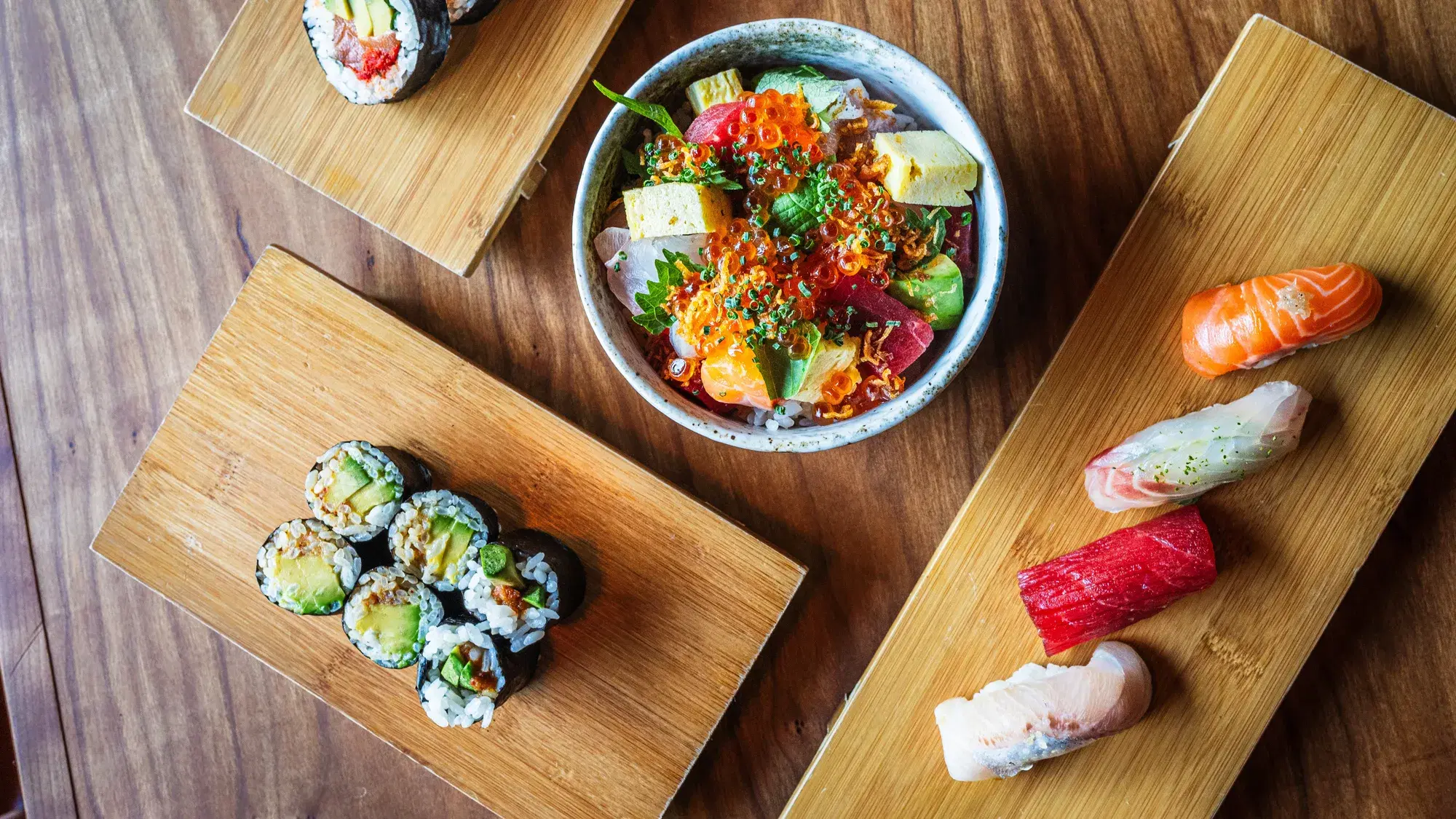
- Tempura soft shell crab roll
- Lobster roll
- A5 ny strip tataki
Fire, Counter, Ritual: How Robata Dining Works in an American Context
Robata — shorthand for robatayaki, the Japanese tradition of grilling over charcoal at close range — arrived in American cities at roughly the same moment that izakayas became a recognised dining category outside Japan. The format is inherently communal: a grill station operates in or near the dining room, skewers pass between cook and guest, and the meal unfolds in rounds rather than courses. That rhythm is closer to Spanish pintxos or Cantonese dim sum than to the linear progression of a Western tasting menu. Orlando has historically leaned on its theme-park corridor for dining volume, but the Dr. Phillips neighbourhood along Restaurant Row has drawn a more resident-focused dining scene, where formats like robata find enough repeat clientele to work properly.
Dragonfly Robata Grill & Sushi at 7972 Via Dellagio Way sits in that corridor, combining a robata grill program with a sushi operation under one roof. The dual format is a practical choice in the American market: robata alone rarely fills a room outside dense urban centres, while sushi anchors a broader guest profile. The result is a venue that operates in two registers simultaneously, live-fire and raw, which demands a different kind of attention from a diner than a single-track kitchen.
The Pace of a Robata Meal
Understanding the robata ritual matters before you sit down. In Japan, robatayaki originated in Hokkaido fishing communities, where food was passed on long wooden paddles across a central hearth. The modern restaurant version compresses that geography, but preserves the essential dynamic: the meal is a conversation between the fire and the table, not a sequence of plated courses arriving on a schedule. Skewers come off the grill when they are ready, not when a timer signals a pre-set interval. Guests who approach robata with the same expectations as a steakhouse, one main, one side, one dessert, done in ninety minutes, tend to miss the point.
The practical implication is that ordering in rounds, rather than front-loading the full order at once, produces a better meal. Proteins and vegetables suited to robata charring benefit from being eaten immediately, while they carry residual heat and whatever crust the grill has produced. At venues that pair robata with sushi, as Dragonfly does, the conventional sequence runs sushi and lighter preparations early, then moves toward grilled proteins as the meal deepens. That sequencing is not a rule, but it follows the logic of the cooking methods: raw fish is delicate, charcoal is assertive, and eating in that order keeps contrast working in the diner's favour.
Orlando's Japanese dining scene has developed enough depth to support this kind of format literacy. Kadence operates a counter omakase that has drawn national attention, while Sorekara anchors the upper price tier for Japanese dining in the city. Dragonfly occupies a different register from both: it is a full-service restaurant rather than a counter format, and it combines formats in a way that suits groups and couples who want range within a single evening rather than the focused discipline of an omakase sequence.
Positioning Within Orlando's Japanese and Asian Dining Scene
Orlando's upper dining tier has grown considerably in the past decade. Alongside dedicated Japanese restaurants like Natsu, the city now has Vietnamese-led fine dining at Camille and a high-end steakhouse program at Capa at Four Seasons Orlando. Nationally, the venues setting the pace for Japanese-influenced fine dining include Atomix in New York City, where the Korean-Japanese tasting format has earned two Michelin stars, and farther afield, European-influenced counter dining at Atelier Moessmer Norbert Niederkofler in Brunico. Dragonfly operates well below that formal tier, functioning more as a neighbourhood-anchored destination where the robata format provides genuine differentiation rather than a prestige credential.
That positioning is not a criticism. Orlando diners looking for the kind of structured, chef-driven experience delivered by Le Bernardin in New York City or The French Laundry in Napa have a small but real set of options locally. Dragonfly answers a different question: where does a table of four, some of whom want grilled protein and some of whom want raw fish, eat well in Dr. Phillips without driving to International Drive? For that specific scenario, the dual-format structure is a direct answer. See our full Orlando restaurants guide for broader context on how the city's dining scene distributes across neighbourhoods and price tiers.
What the Robata-Sushi Format Asks of the Diner
Venues that run both a grill and a sushi program face a kitchen coordination challenge that single-track restaurants do not. The timing pressures are different: sushi prep is sequential and cool, robata is reactive and hot. When these kitchens are well-integrated, the dining experience benefits from contrast and range. When they are not, the meal can feel like two restaurants operating in parallel without conversation. Experienced diners in this format pay attention to whether skewered and raw preparations are arriving with a logic to their sequence, or whether the kitchen is simply responding to order entry without choreography.
The Dr. Phillips Restaurant Row location means Dragonfly draws a mix of local regulars and visitors staying in the adjacent resort corridor. Regulars are the real test of a robata format: repeat guests who have learned to order in rounds, who know which preparations benefit from the grill's heat, and who treat the meal as a two-hour ritual rather than a forty-five-minute transaction. That kind of clientele, once established, defines the atmosphere more than the décor does. For visitors using Restaurant Row as a base, Dragonfly offers a format that travels well from the broader American dining vocabulary into Japanese tradition without requiring deep prior knowledge of robatayaki to get value from the meal.
Comparable dual-format Japanese dining experiences in other American cities include venues profiled in our guides to Lazy Bear in San Francisco, Smyth in Chicago, Providence in Los Angeles, and Blue Hill at Stone Barns in Tarrytown, each of which navigates the tension between kitchen discipline and dining-room flexibility in different ways. At the accessible end, Emeril's in New Orleans, Single Thread Farm in Healdsburg, Addison in San Diego, and The Inn at Little Washington each show how regional American dining scenes develop a distinct upper tier. Orlando is at an earlier stage of that process, which makes Dragonfly's sustained presence in the Dr. Phillips corridor a useful data point about where the city's dining expectations are settling.
Know Before You Go
- Address: 7972 Via Dellagio Way, Orlando, FL 32819
- Neighbourhood: Dr. Phillips / Restaurant Row
- Format: Robata grill and sushi, full-service dining room
- Dietary needs: Notify staff in advance of any allergies or dietary restrictions; robata kitchens operate open-flame grills where cross-contact is possible
- Leading approach: Order in rounds rather than all at once; sequence sushi before grilled preparations for leading contrast
- Parking: Surface parking available at Via Dellagio Way; Restaurant Row is car-dependent from most Orlando hotels
Frequently asked questions
Where exactly is Dragonfly Robata Grill & Sushi?
Dragonfly Robata Grill & Sushi is located at 7972 Via Dellagio Way, Orlando, FL 32819, Orlando.
How does Dragonfly Robata Grill & Sushi compare to other Japanese restaurants on Orlando's Restaurant Row?
Dragonfly occupies a specific niche on the Via Dellagio Way corridor by combining robatayaki — charcoal grilling at close range, rooted in Hokkaido fishing-village tradition — with a parallel sushi program, a pairing that distinguishes it from Orlando Japanese restaurants running sushi-only formats. The live-fire element places it closer to the izakaya end of the Japanese dining spectrum than to the omakase counter model. Within Orlando's Dr. Phillips dining cluster, that charcoal-grill focus represents a format gap that few venues in the city currently fill.
What do people recommend at Dragonfly Robata Grill & Sushi?
The robata grill program is the primary draw at this Via Dellagio Way address, and regulars tend to order across both the grilled-skewer and sushi sides of the menu rather than committing to one format alone. The dual kitchen setup means the meal can move between charcoal-fired proteins and raw preparations, which is the format robata dining is built around. Asking your server to pace courses between the two programs gives the meal its intended rhythm.
Do they take walk-ins at Dragonfly Robata Grill & Sushi?
Walk-in availability at the Dr. Phillips location fluctuates with Orlando's tourism calendar. The Restaurant Row corridor on Via Dellagio Way draws both local diners and visitors staying near the theme park corridor, which means weekend evenings fill faster than weekday lunch or early dinner slots. Calling ahead rather than arriving without a reservation is the lower-risk approach, particularly during peak travel periods.
What makes Dragonfly Robata Grill & Sushi worth seeking out?
Robata as a cooking tradition is underrepresented in Orlando relative to cities like Los Angeles or New York, where live-fire Japanese formats have a longer foothold in the upper dining tier. At 7972 Via Dellagio Way, Dragonfly runs both a charcoal grill program and a sushi counter under one roof, a combination that requires kitchen coordination most single-track restaurants in the city do not attempt. That dual format gives diners access to a broader range of Japanese cooking techniques in a single sitting.
Is Dragonfly Robata Grill & Sushi allergy-friendly?
If you have serious allergies or dietary restrictions, check the venue's official channels before booking rather than relying on general assumptions about Japanese cuisine. Robata menus typically involve marinades, soy-based sauces, and shared grill surfaces, all of which carry cross-contact risk for soy, gluten, and shellfish allergies. The restaurant is located at 7972 Via Dellagio Way in Orlando's Dr. Phillips neighborhood, and direct communication with the kitchen before arrival is the most reliable path.
Comparable Options
Comparable venues nearby, for context on price, style, and recognition.
| Venue | Cuisine | Price | Notes |
|---|---|---|---|
| Dragonfly Robata Grill & SushiThis venue — the venue you are viewing | Japanese Robata Grill & Sushi | $30–50 | Not listed |
| Kobé Japanese Steakhouse - Kirkman | Teppanyaki Japanese Steakhouse | $30–50 | Florida Center |
| Maki Hibachi | Japanese Hibachi & Sushi | $20–30 | Lake Nona |
| Wolfgang Puck Bar & Grill Orlando | Modern American Grill with Mediterranean Influences | $50–100 | Vistana |
| Palm Tree Club Orlando | Upscale Coastal Cuisine | Not listed | Pointe Orlando |
| The Nectar Room | Modern International Small Plates | $30–50 | Lake Nona South |
Dragonfly Robata Grill & Sushi
Featured Guides
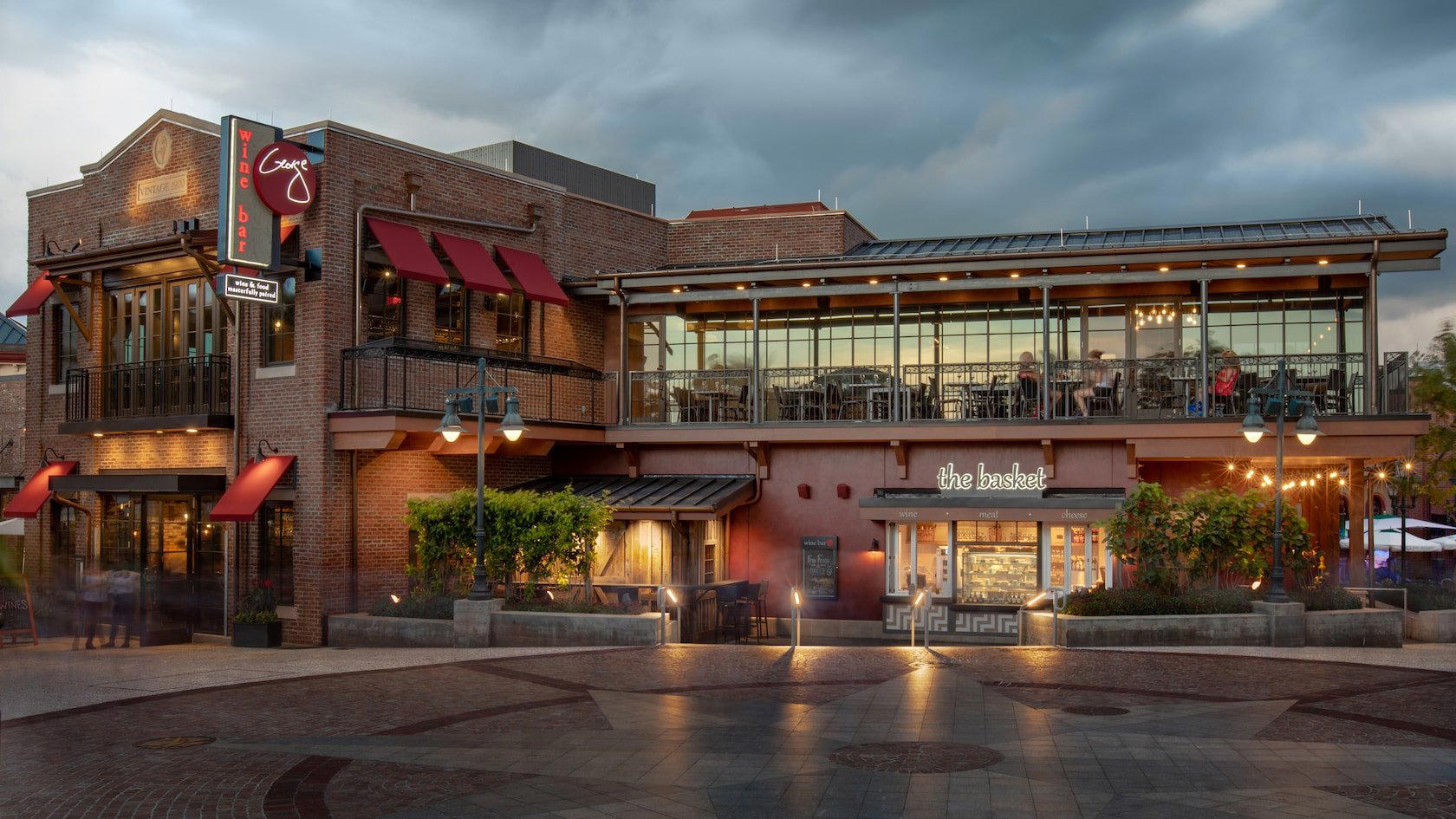
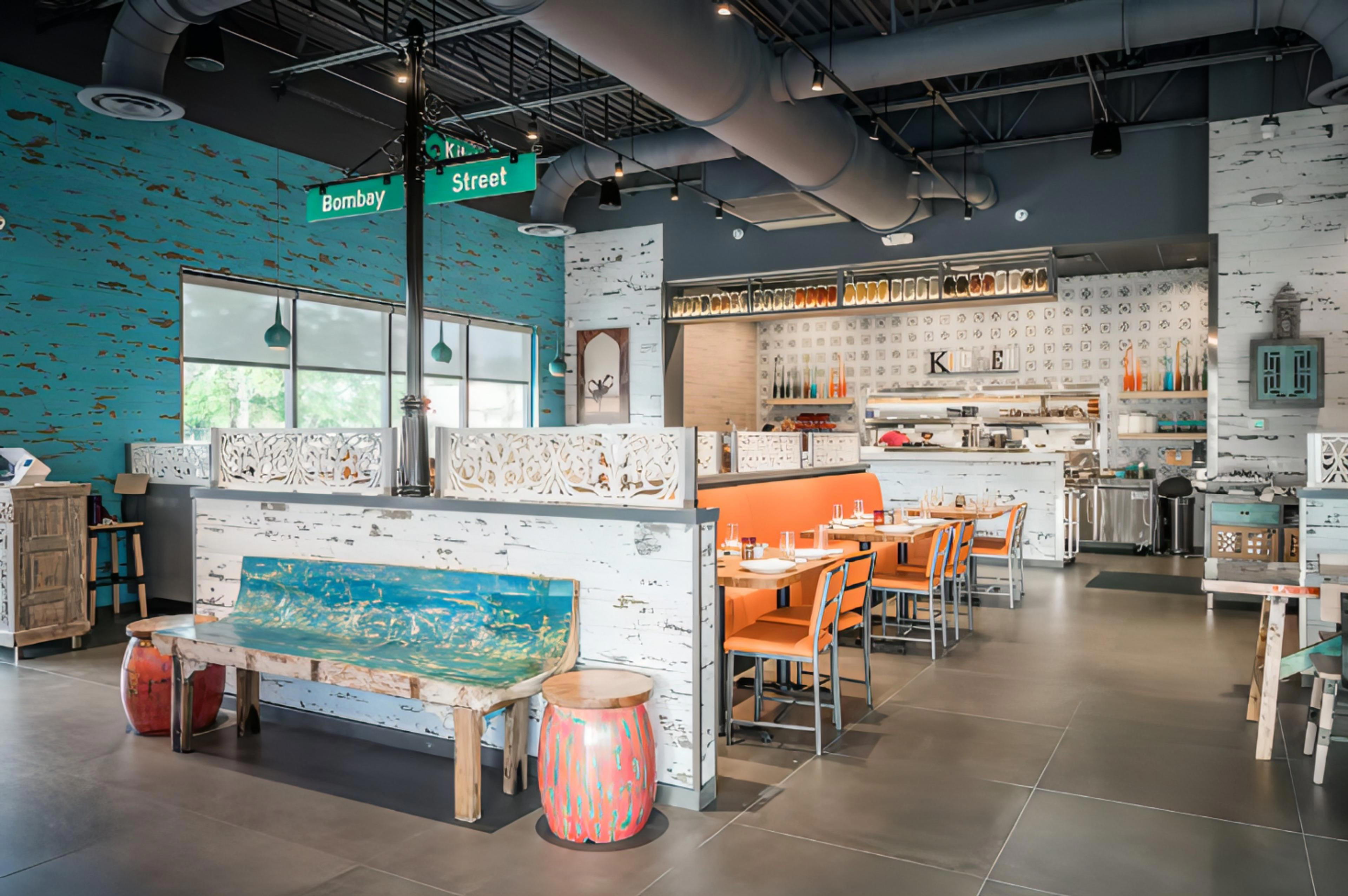
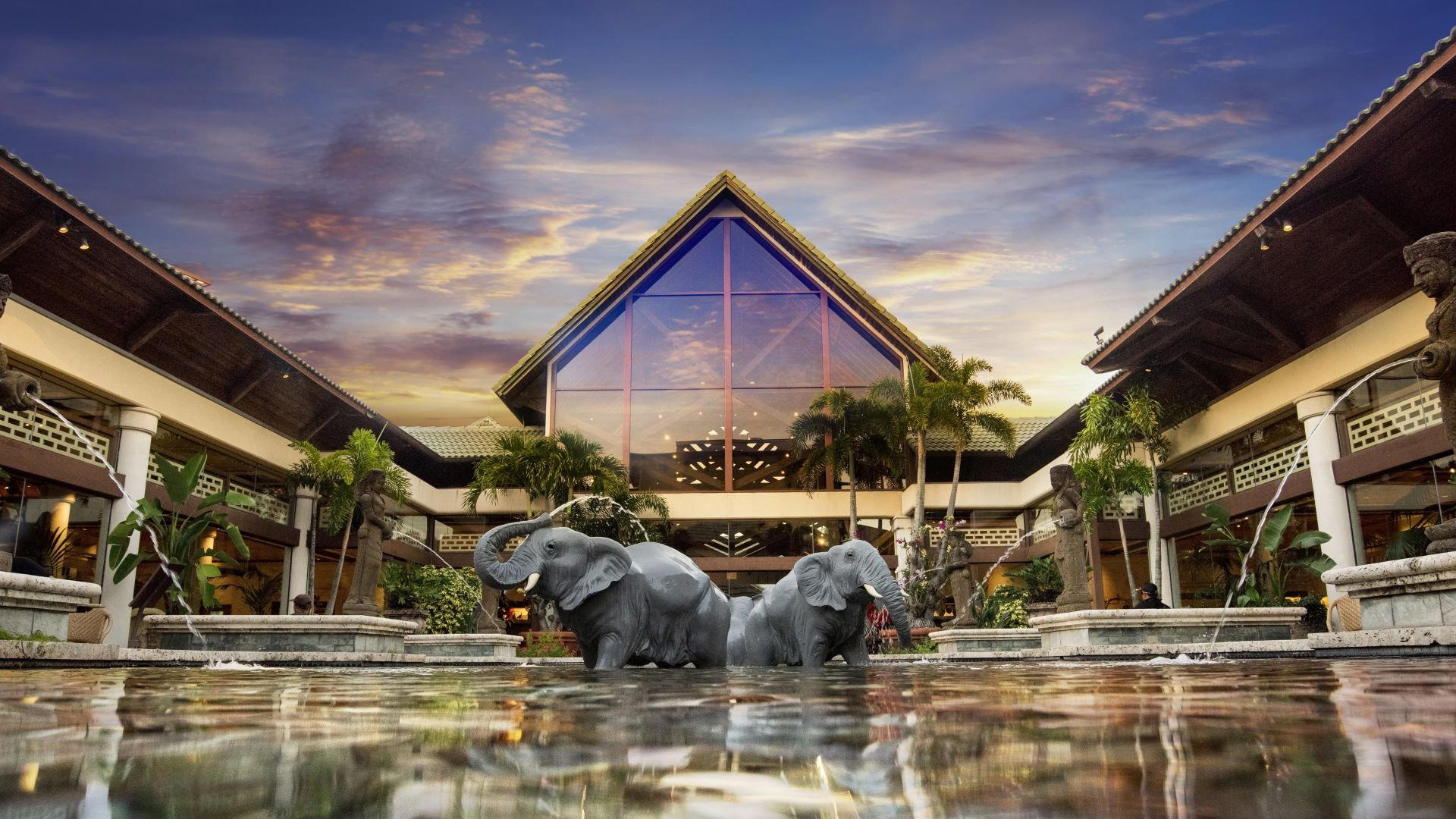
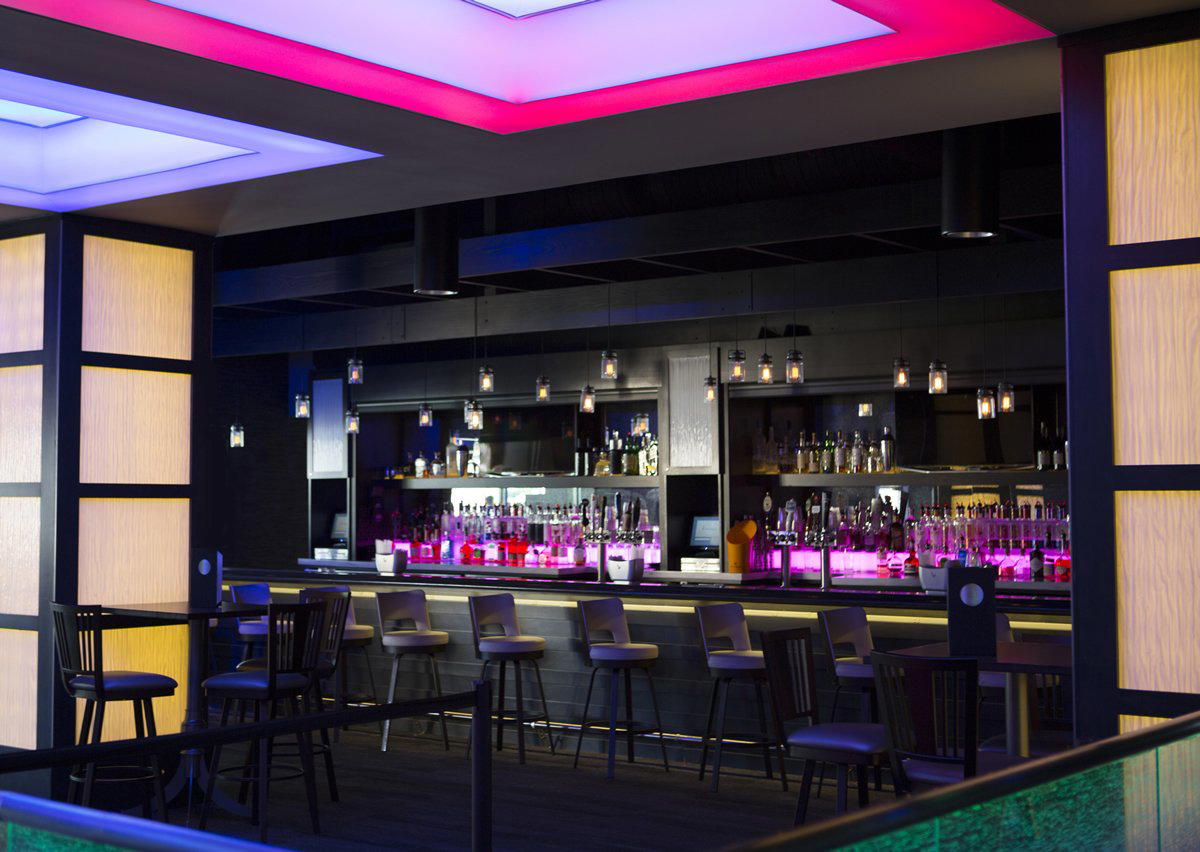
Dragonfly Robata Grill & Sushi
The wine
- Wine program
- Curated wine list
- Sake program
- Craft cocktails
Details
- Trendy
- Modern
- Lively
- Sophisticated
- Date Night
- Group Dining
- Special Occasion
- Open Kitchen
- Sake Program
- Craft Cocktails
- A La Carte
- Small Plates
- Sake
- Cocktails
- Vegetarian Friendly
- Vegan Options
- Gluten Free Options
Current opening hours
- Monday
- 5–10 PM
- Tuesday
- 5–10 PM
- Wednesday
- 5–10 PM
- Thursday
- 5–10 PM
- Friday
- 5–11 PM
- Saturday
- 5–11 PM
- Sunday
- 5–10 PM
Hours can change for holidays and private events. Last verified .
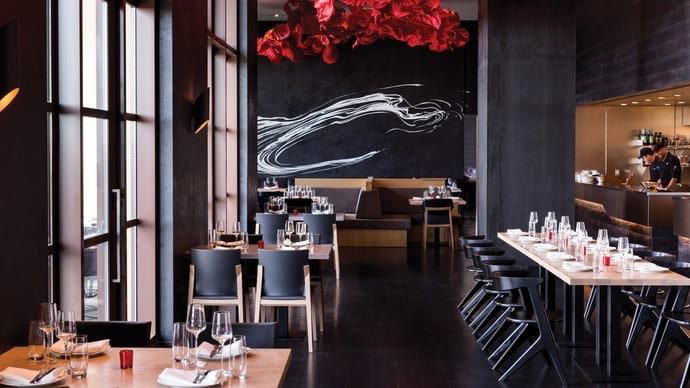
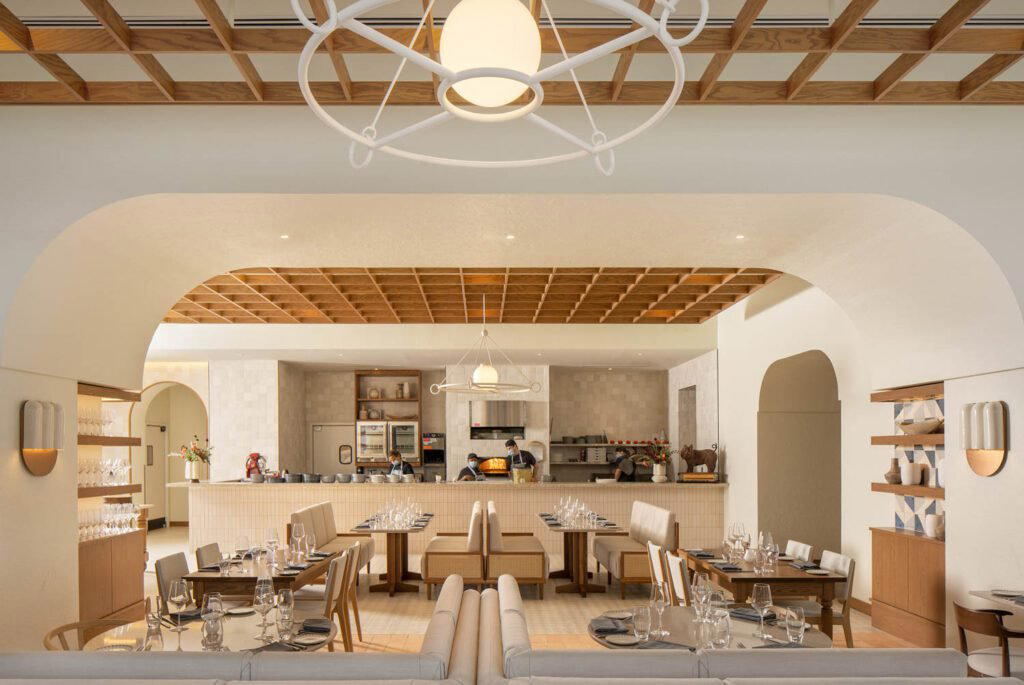
Modern Japanese gastropub with a lively atmosphere centered around the open robata grill and creative cocktails.