
Michelin Plate
Our verdict
Klost'r sits in the limestone village of Vlijtingen, in the Riemst municipality of Belgian Limburg, where the creative French menu earned a Michelin Plate in 2024. The surrounding Haspengouw plateau — apple orchards, chalk-laden soils, and a culinary tradition shaped by Flemish thrift and French technique — sets the table before you arrive.7 across 84 reviews suggests consistent execution at the €€€ price point.

Pearl is the En Primeur Club membership app — saves, bookings, and concierge access live there. Same editors, same standards.
- Address
- Kloosterstraat 10, 3770 Riemst, Belgium
- Phone
- +32467051408
- Hours
- Mon–Tue ClosedWed 6:30–7:30 PMThu–Fri 12–1:30 PM, 6:30–7:30 PMSat 6:30–8 PMSun Closed
- Website
- restaurantklostr.be
- Directions
- Get directions
- Booking
- Book on the venue's website
The menu
What to order
- Tataki van tonijn
- Gelakte kalfszwezerik
The Setting: A Monastery Village and What It Asks of Its Kitchens
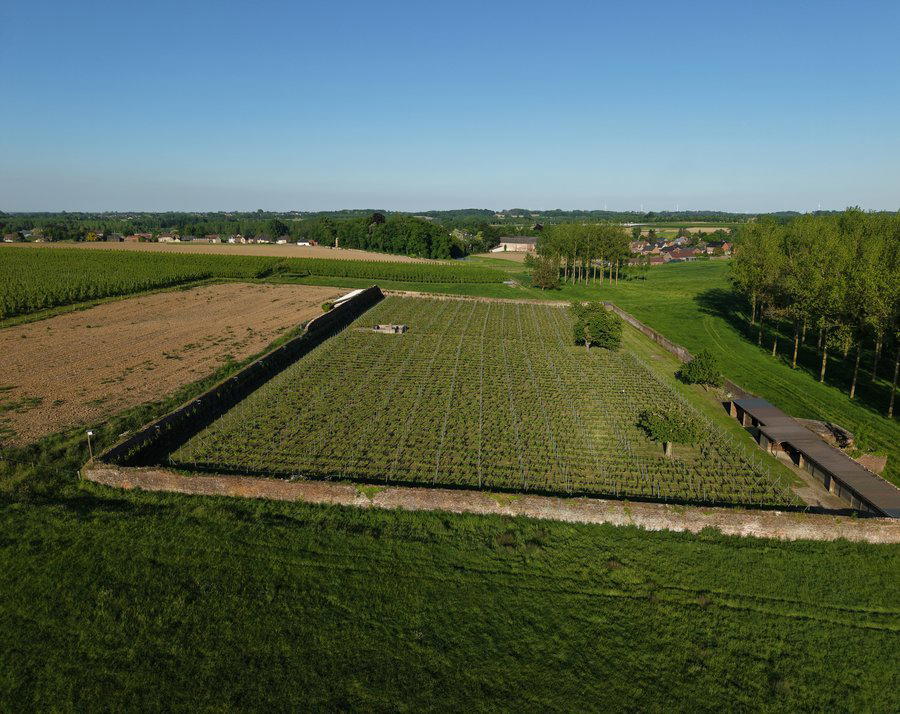
There is a particular kind of restaurant that only makes sense when you understand the land around it. Vlijtingen sits inside the Riemst municipality of Belgian Limburg, on the Haspengouw plateau — a stretch of loess-rich agricultural country that has been growing fruit, grain, and vegetables for centuries. The village itself takes its name, and Klost'r takes its address, from a monastic tradition written into Kloosterstraat, the street where the restaurant stands. Arriving here, you pass orchards and chalk-white farmsteads rather than restaurant strips or hotel clusters. That context is not decorative; it is the argument the cuisine has to make good on.
The Haspengouw is one of Belgium's lesser-discussed food regions, overshadowed in the national conversation by the Flemish coast's seafood culture and the Ardennes' game and charcuterie traditions. Yet the plateau produces some of the country's most respected fruit — particularly its pears and apples, and its proximity to the Maas valley connects it to a broader cross-border ingredient tradition shared with Dutch Limburg and the German Rhineland. A creative French kitchen in this setting is not arbitrary; it positions itself at the intersection of classical French technique and a genuinely local larder.
Michelin Recognition in a Rural Format
Belgium's Michelin map is denser than its size would suggest, and the concentration of recognised restaurants in Flanders and Wallonia means that a Plate awarded in 2024 in a village of this scale carries specific weight. The Michelin Plate, introduced formally as part of the guide's vocabulary, signals cooking worth the journey without the full star assessment, it is the guide's way of flagging a kitchen that is doing honest, considered work. For a restaurant in Vlijtingen, that recognition places it on a different tier from regional bistros and connects it, in the inspector's logic, to the broader field of serious Belgian cooking.
That broader field includes some formidable reference points. At the three-star level, Boury in Roeselare and Hof van Cleve in Kruishoutem represent the benchmark for creative French and modern Flemish cooking in the country. At two stars, Castor in Beveren, Cuchara in Lommel, and De Jonkman in Sint-Kruis each demonstrate that serious technique is not confined to the large cities. Klost'r sits below that starred tier but within the same ecosystem, a Plate rather than stars, a €€€ price point rather than €€€€, and a rural address that brings its own form of editorial interest. For those who have worked through the starred tier, this is the kind of address that rewards the extra detour.
Creative French Cooking and the Haspengouw Larder
The cuisine category, creative French, covers a wide range of practice in Belgium, from rigidly classical kitchens with a single modernist flourish to genuinely inventive formats that use French technique as scaffolding for something more regional. In the Haspengouw context, the most compelling reading of that category involves the plateau's produce: stone fruit, heritage grain varieties, artisanal dairy from Limburg farms, and seasonal vegetables from soil that has been cultivated continuously since the medieval period. A kitchen that takes provenance seriously here has better raw material than most urban addresses can source.
This is the editorial logic that makes Klost'r worth discussing in terms of terroir rather than simply technique. The limestone and loess composition of Haspengouw soil is well-documented in its effect on fruit flavour, tighter acidity, concentrated sugars, and the same agricultural density that supports its orchards also supports market gardens and specialist producers that a serious kitchen can draw on directly.
Comparable addresses across Belgium's rural creative French scene, including L'air du temps in Liernu and d'Eugénie à Emilie in Baudour, have built their identities around exactly this kind of regional rootedness. The pattern in Belgian fine dining, particularly outside the major cities, is one where the land provides the story and the kitchen provides the argument. That same structural logic applies in Vlijtingen.
How Klost'r Sits in Its Price Tier
At €€€, Klost'r occupies a price band that in Belgium typically runs from approximately €60 to €120 per person before wine, placing it above casual dining but below the committed tasting-menu territory of starred houses. That positioning is increasingly significant in the post-pandemic Belgian market, where a number of serious kitchens have held a middle-tier price point deliberately, offering considered cooking without the full investment that three-hour tasting formats demand.
For comparison within the wider creative French category across Europe, addresses like Restaurant Haerlin in Hamburg and Atelier in Munich sit at higher price points with full star recognition. Within Belgium's urban fine dining tier, Zilte in Antwerp, Bozar Restaurant in Brussels, and Willem Hiele in Oudenburg each represent different inflection points in the Belgian fine dining spread. Klost'r's rural Limburg address and €€€ positioning make it a different kind of proposition, less about occasion dining in a city context and more about the deliberate choice to travel for a meal in a setting with its own gravitational pull.
Planning a Visit
Vlijtingen is not a destination with significant hotel infrastructure of its own; visitors typically base themselves in Tongeren, the oldest city in Belgium, roughly ten kilometres to the northwest, or in Maastricht across the Dutch border, which is closer still and offers a wider range of accommodation and connecting transport. Tongeren also provides useful context for the region, its Roman-era street plan and weekly antiques market speak to the same deep historical continuity that shapes the agricultural character of the Haspengouw. For those making a day of the area, the combination of Tongeren's museum circuit and dinner at Klost'r forms a coherent programme.
For more on eating and drinking in the area, see our full Vlijtingen restaurants guide, along with guides to hotels, bars, wineries, and experiences in Vlijtingen and the surrounding Riemst area. The Bartholomeus in Heist and other Michelin-recognised Belgian tables in rural settings offer further reference points if you are planning a wider Belgian fine dining itinerary.
Frequently asked questions
What's Klost’r known for in terms of accolades?
Klost’r has received recognition including: Michelin Plate (2024).
Is Klost'r okay with children?
Klost'r holds a 2024 Michelin Plate and sits in the €€€ price band, which in Belgium typically means a structured, multi-course format in a quiet village setting. That combination is better suited to adults or older teenagers with an appetite for slow, deliberate dining. Families with young children will likely find the format and pace a poor fit.
What is the atmosphere like at Klost'r?
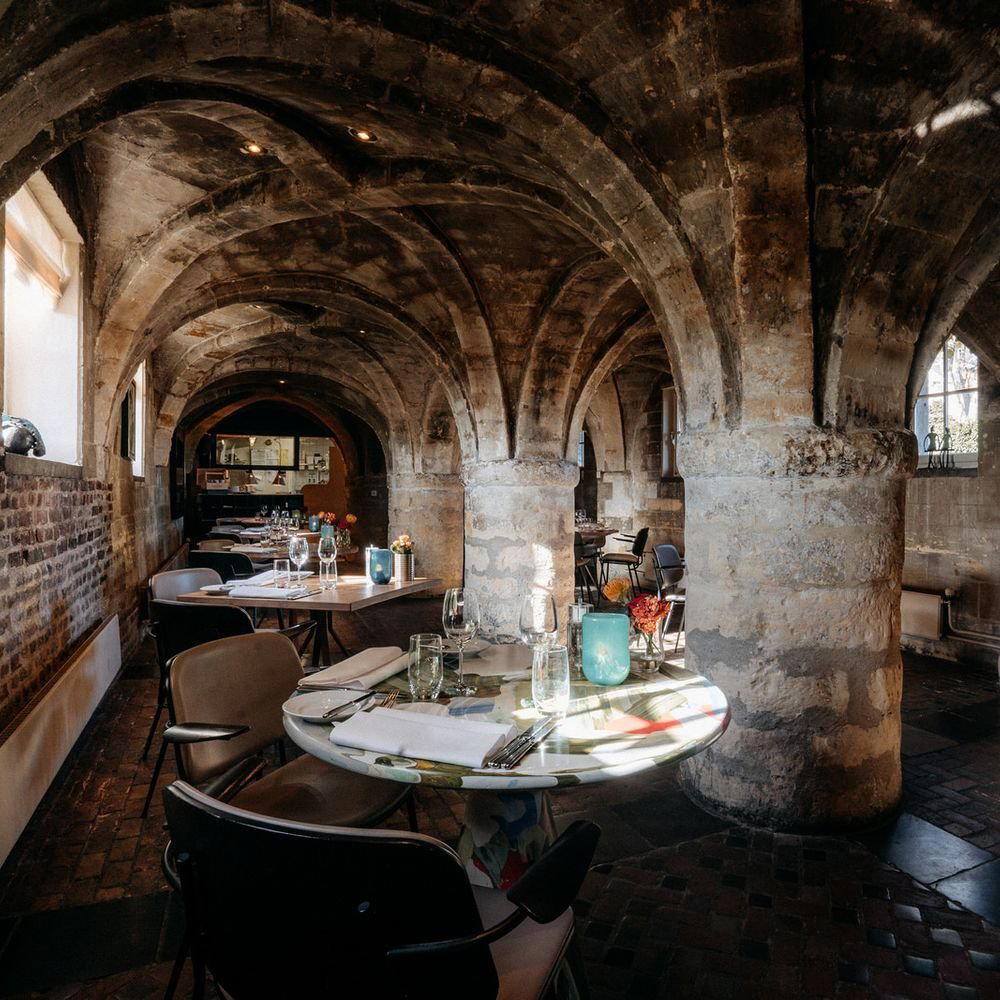
The address on Kloosterstraat in Vlijtingen points toward monastic associations — a village street in the Riemst municipality where the built environment is low-key and agricultural rather than urban. At the €€€ tier with Michelin Plate recognition, expect a room where the cooking commands attention and the surrounding quiet reinforces it. This is not a lively city bistro.
What should I order at Klost'r?
Creative French kitchens in Belgian Limburg at the Michelin Plate level generally build their offer around set menus rather than à la carte selections, using the Haspengouw region's produce as a structural element. Ordering à la carte may not be an option. The most direct approach is to follow whichever set menu format is current and let the kitchen dictate the sequence.
At-a-Glance Comparison
Comparable venues nearby, for context on price, style, and recognition.
| Venue | Cuisine | Price | Awards | Notes |
|---|---|---|---|---|
| Klost'rThis venue — the venue you are viewing | Modern French with Italian Touches | $50–100 | Michelin Plate | Not listed |
| Kampernoelie | Refined Belgian-French Fine Dining | $50–100 | Not listed | Bilzen-Hoeselt |
| Bistrôt Le Ciel | Modern Franco-Belgian Bistro | $50–100 | Michelin Plate | Neerharen |
| Le Basilic | Belgo-French Bistro | $50–100 | Not listed | Chaudfontaine |
| L'Olivier des sens | Modern French Mediterranean | $50–100 | Not listed | Tilff |
| La Table Toquée | Modern French Fine Dining | $50–100 | Not listed | Tilff |
Recognition history
Dated appearances from independent guides and award organizations, with the underlying list record or original source where available.
Michelin Plate
Michelin
Continue exploring
More in Riemst
Restaurants in Riemst
Browse all →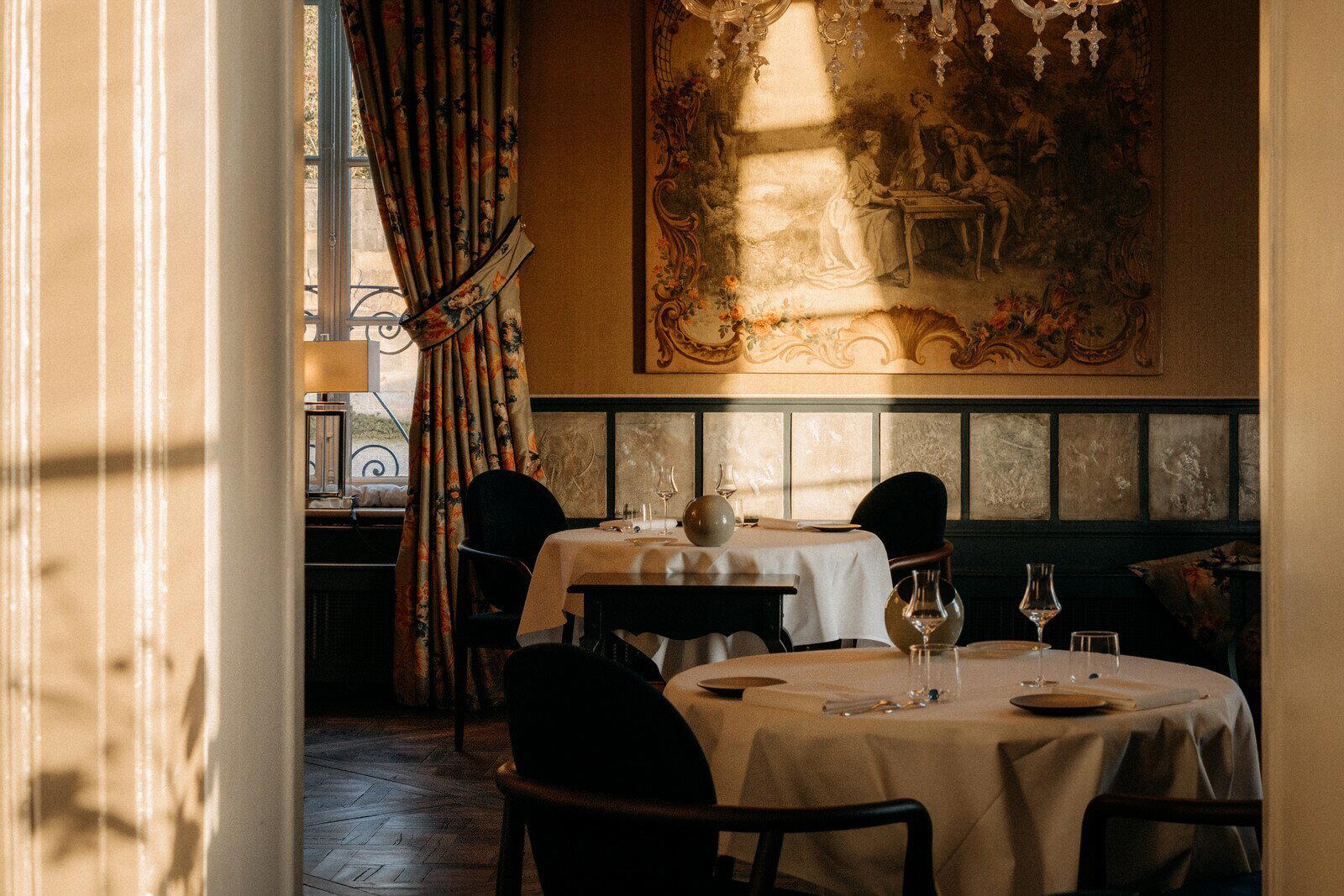
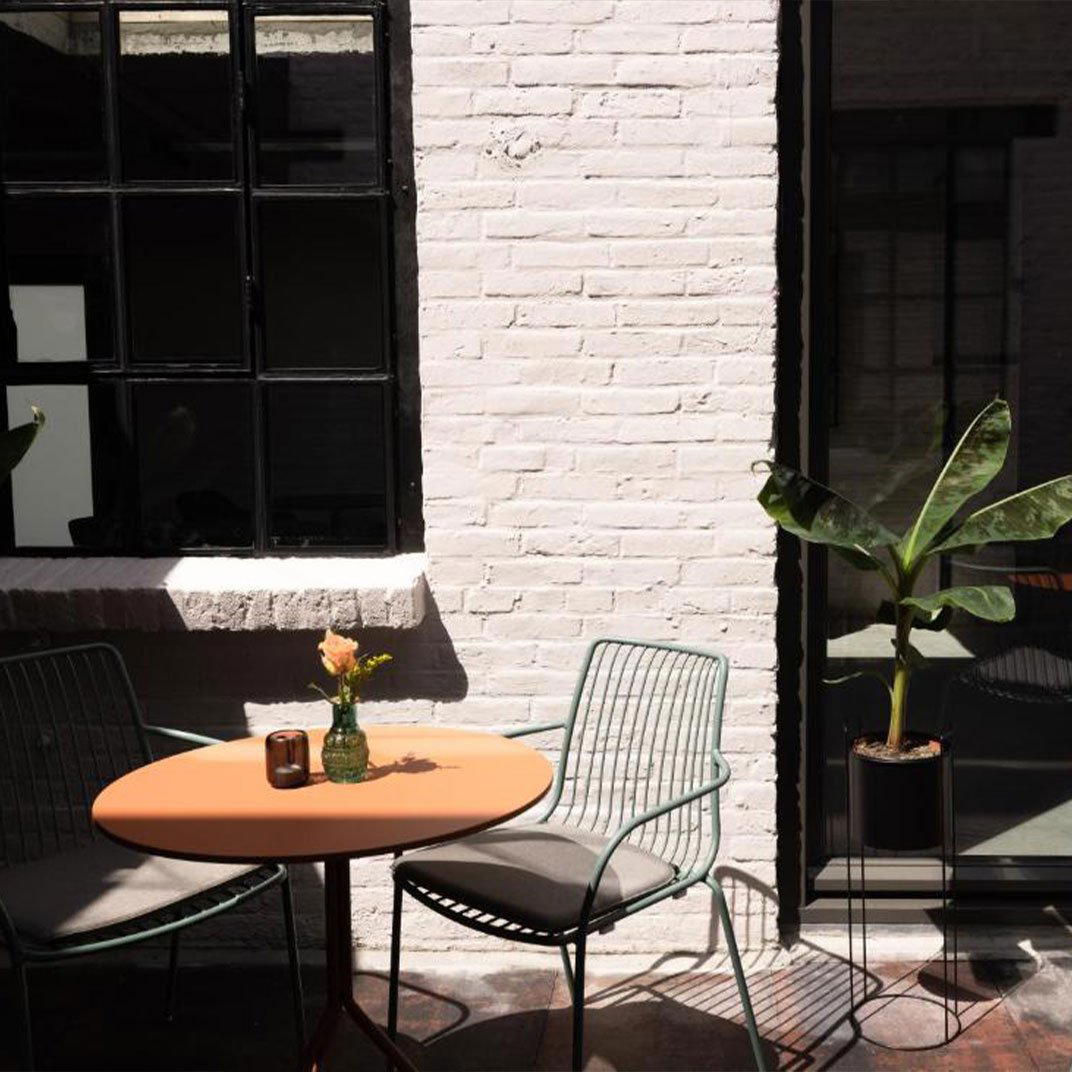
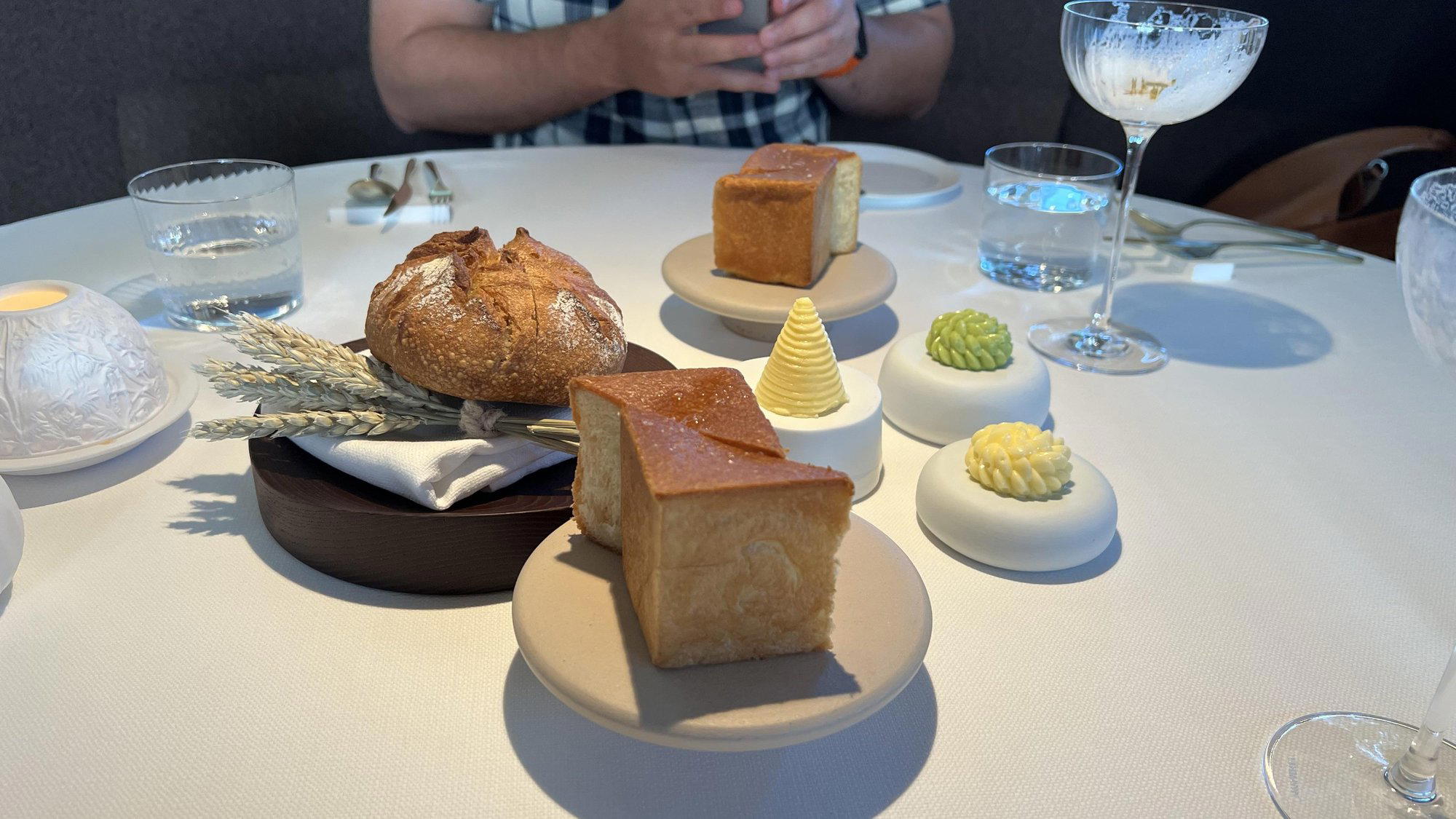
Bars in Riemst
Browse all →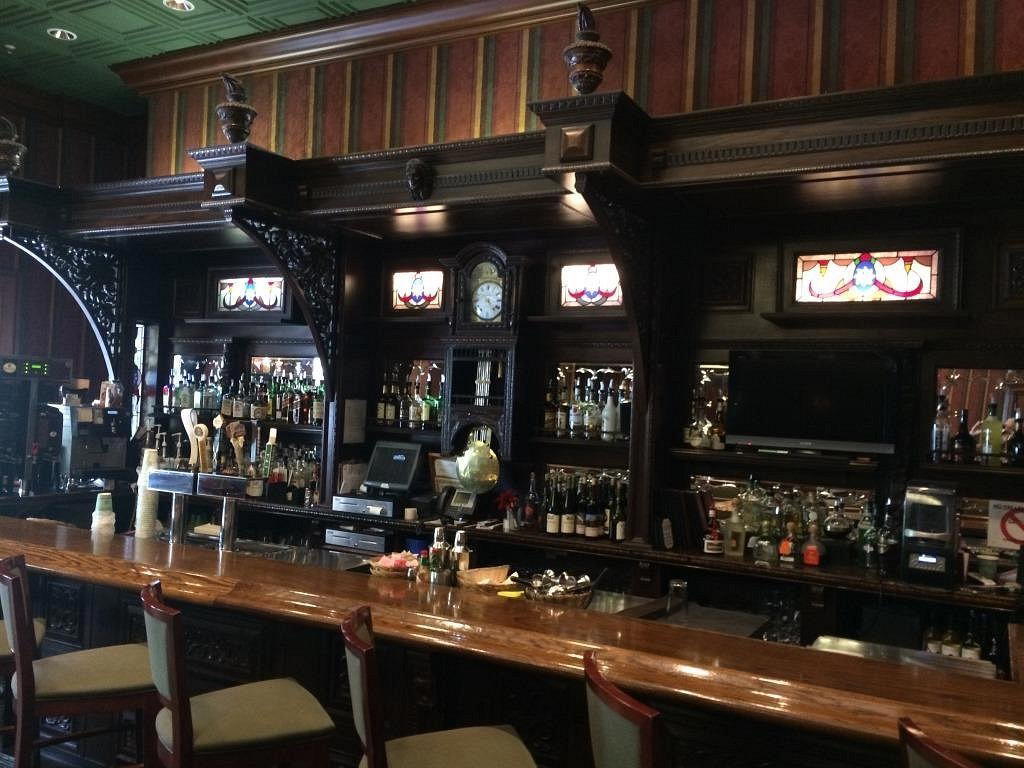
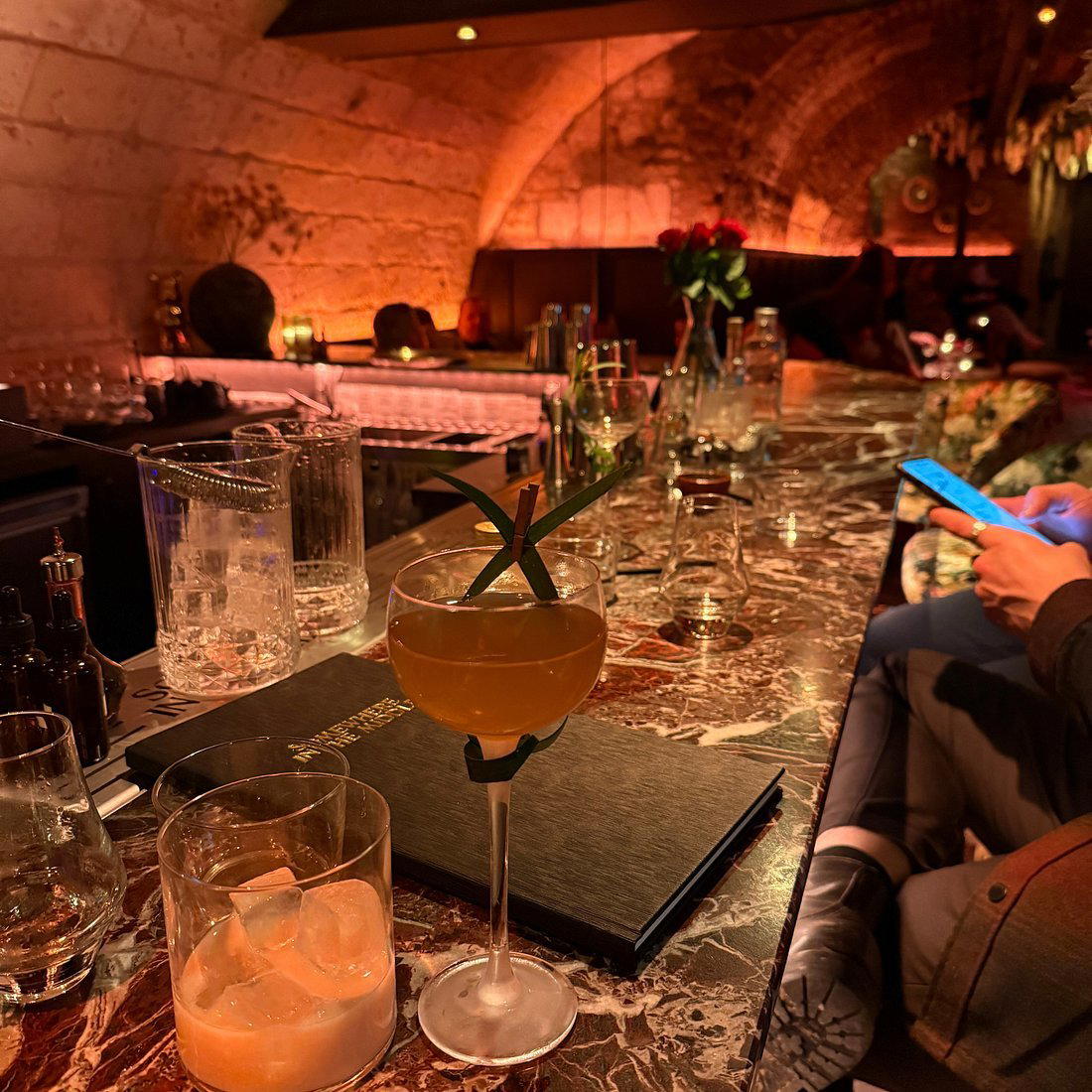
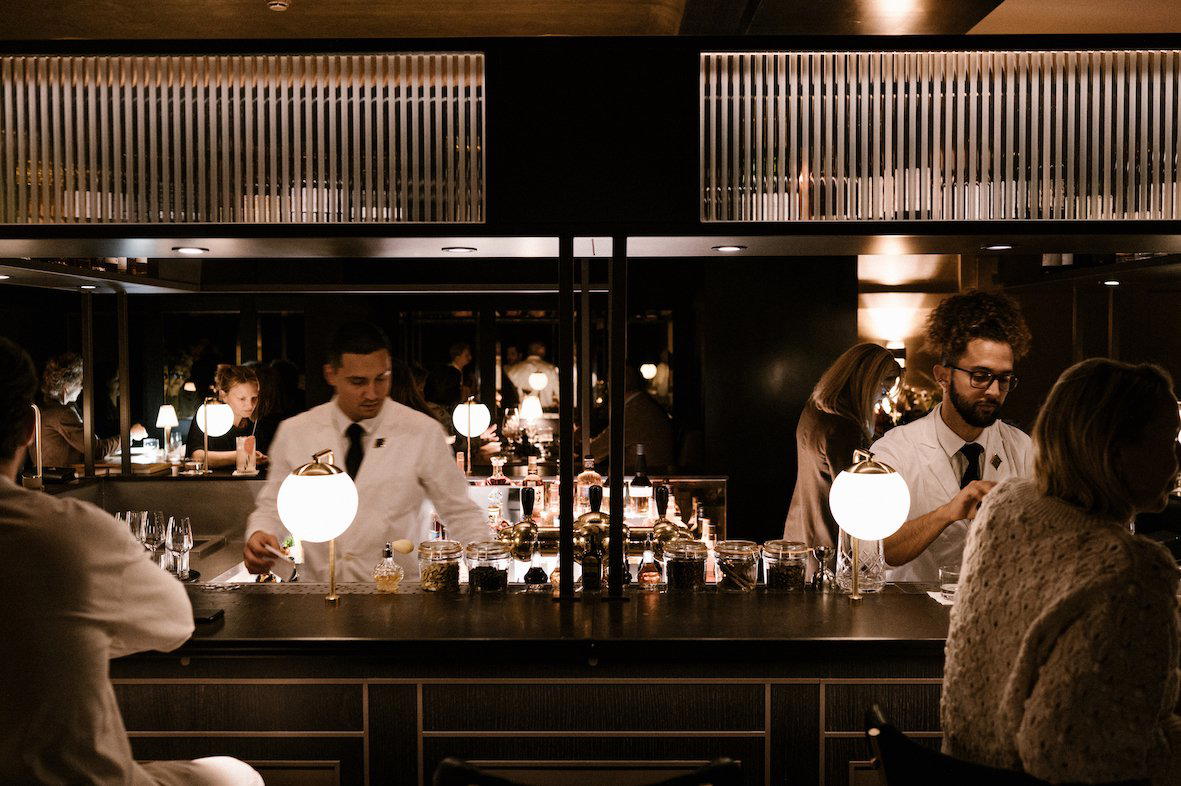
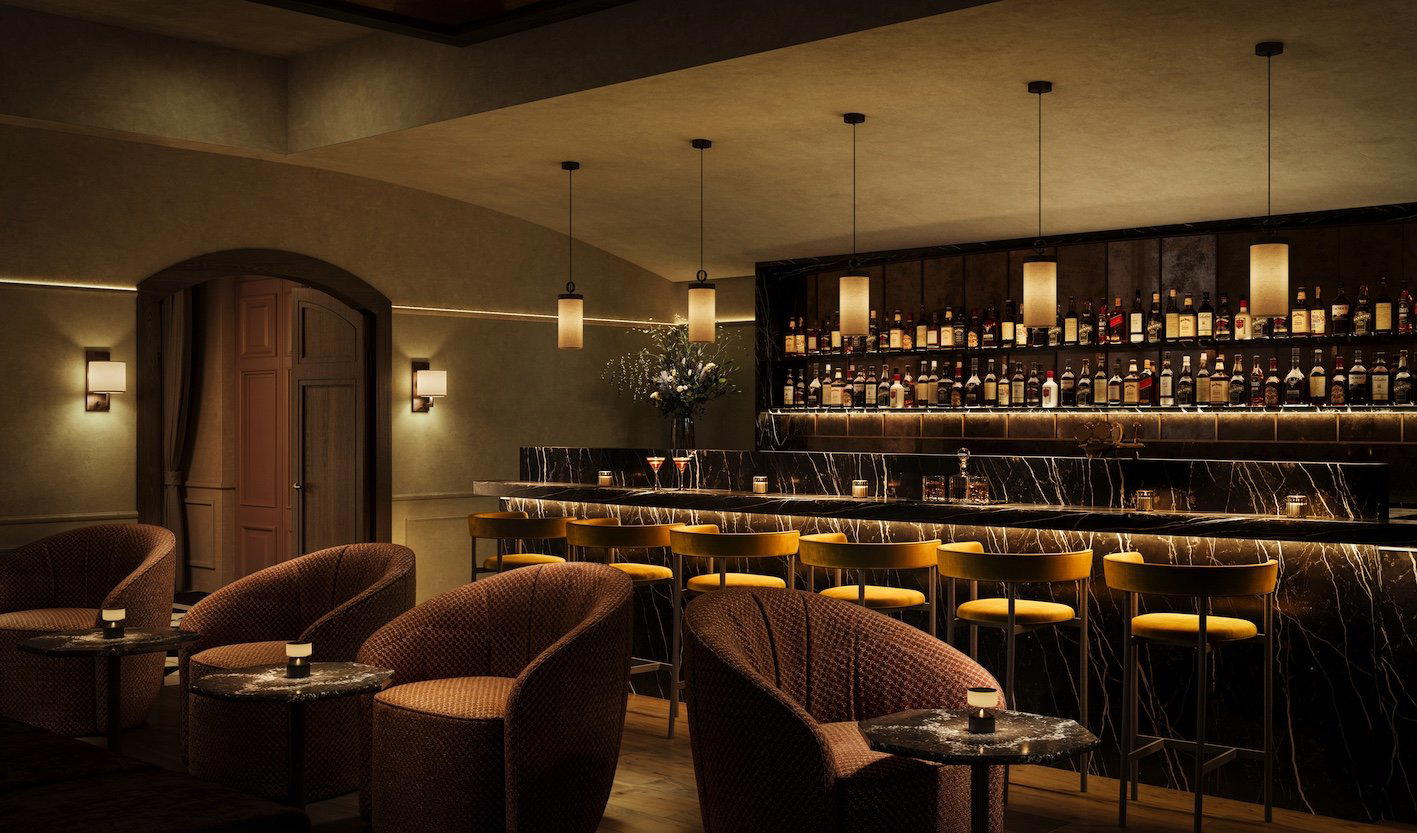
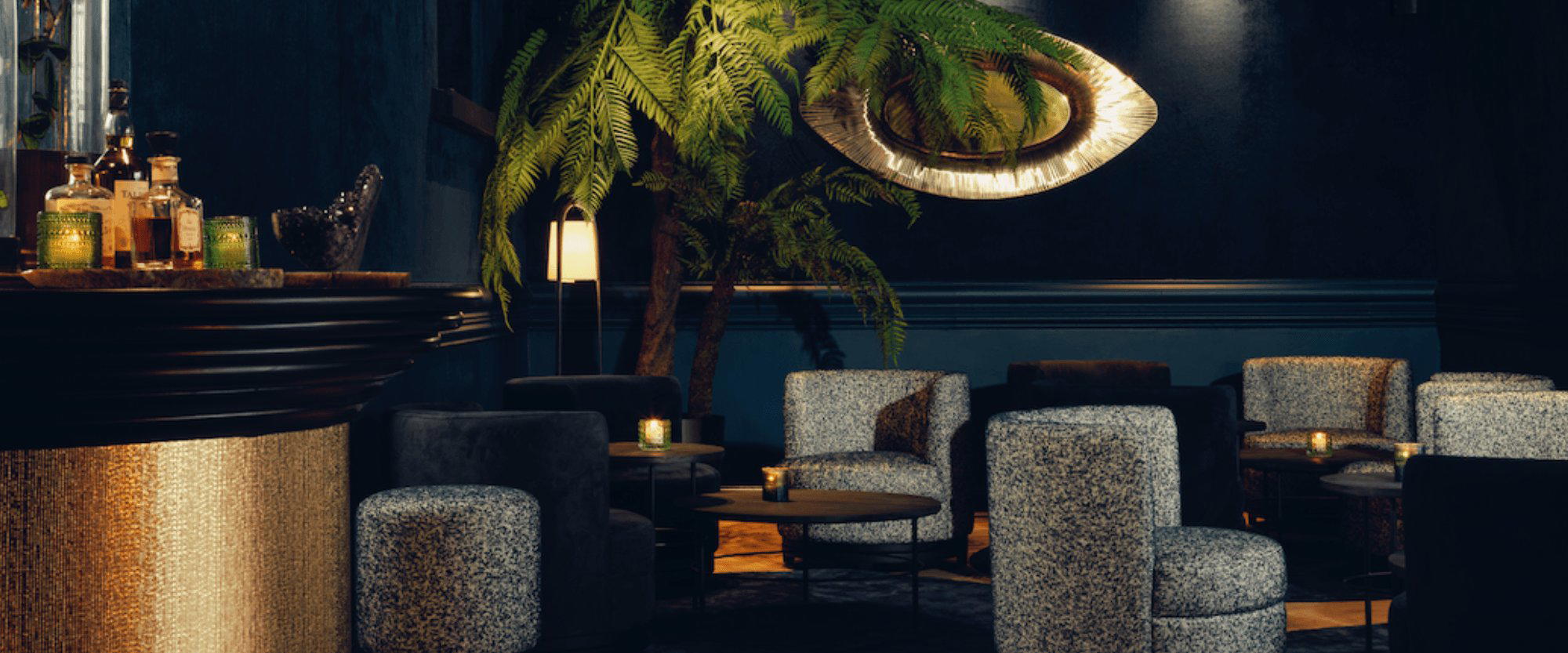
Hotels in Riemst
Browse all →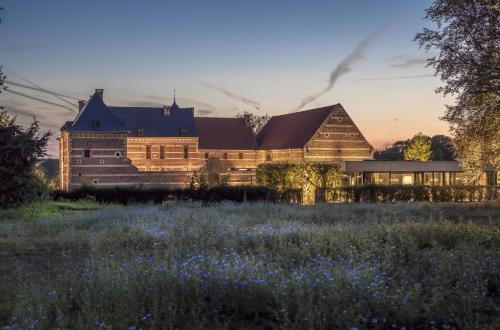

Klost'r
The wine
- Wine program
- Curated wine list
- Extensive wine list
- Sommelier-led
Details
- Elegant
- Cozy
- Sophisticated
- Intimate
- Date Night
- Special Occasion
- Business Dinner
- Open Kitchen
- Historic Building
- Extensive Wine List
- Sommelier Led
- Local Sourcing
- Tasting Menu
- Vegetarian Friendly
- Allergy Accommodating
Current opening hours
- Monday
- Closed
- Tuesday
- Closed
- Wednesday
- 6:30–7:30 PM
- Thursday
- 12–1:30 PM, 6:30–7:30 PM
- Friday
- 12–1:30 PM, 6:30–7:30 PM
- Saturday
- 6:30–8 PM
- Sunday
- Closed
Hours can change for holidays and private events. Last verified .
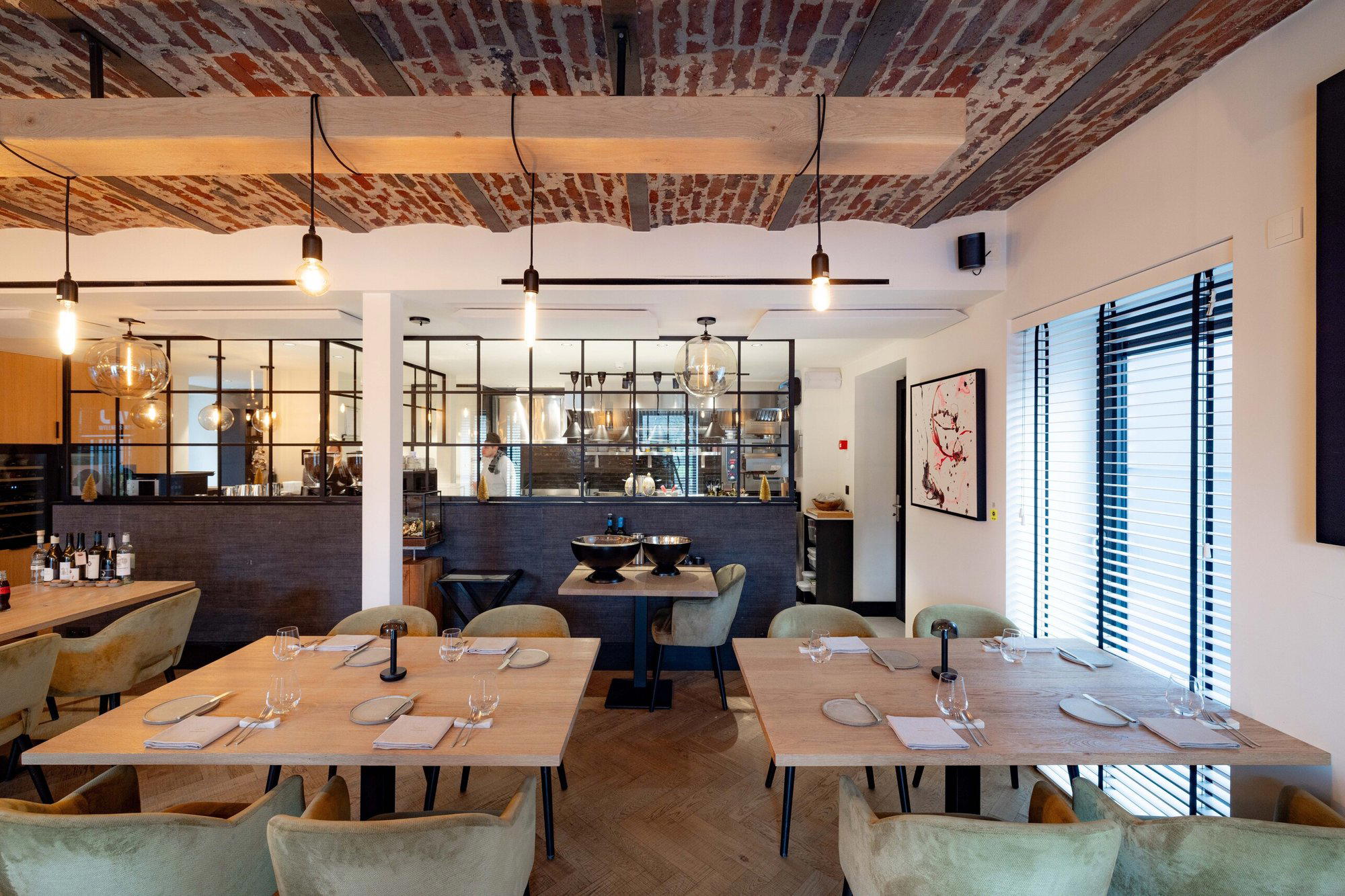
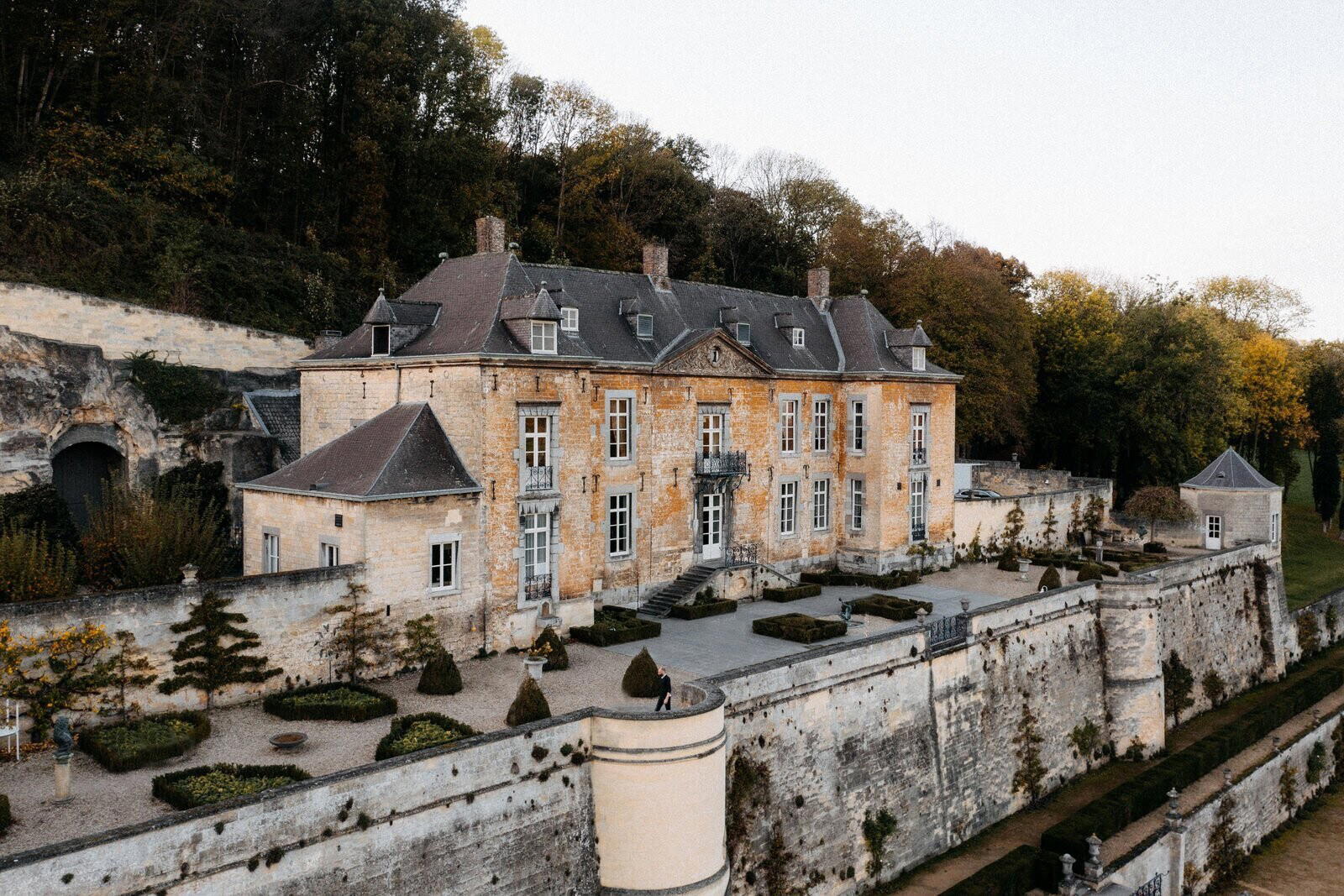
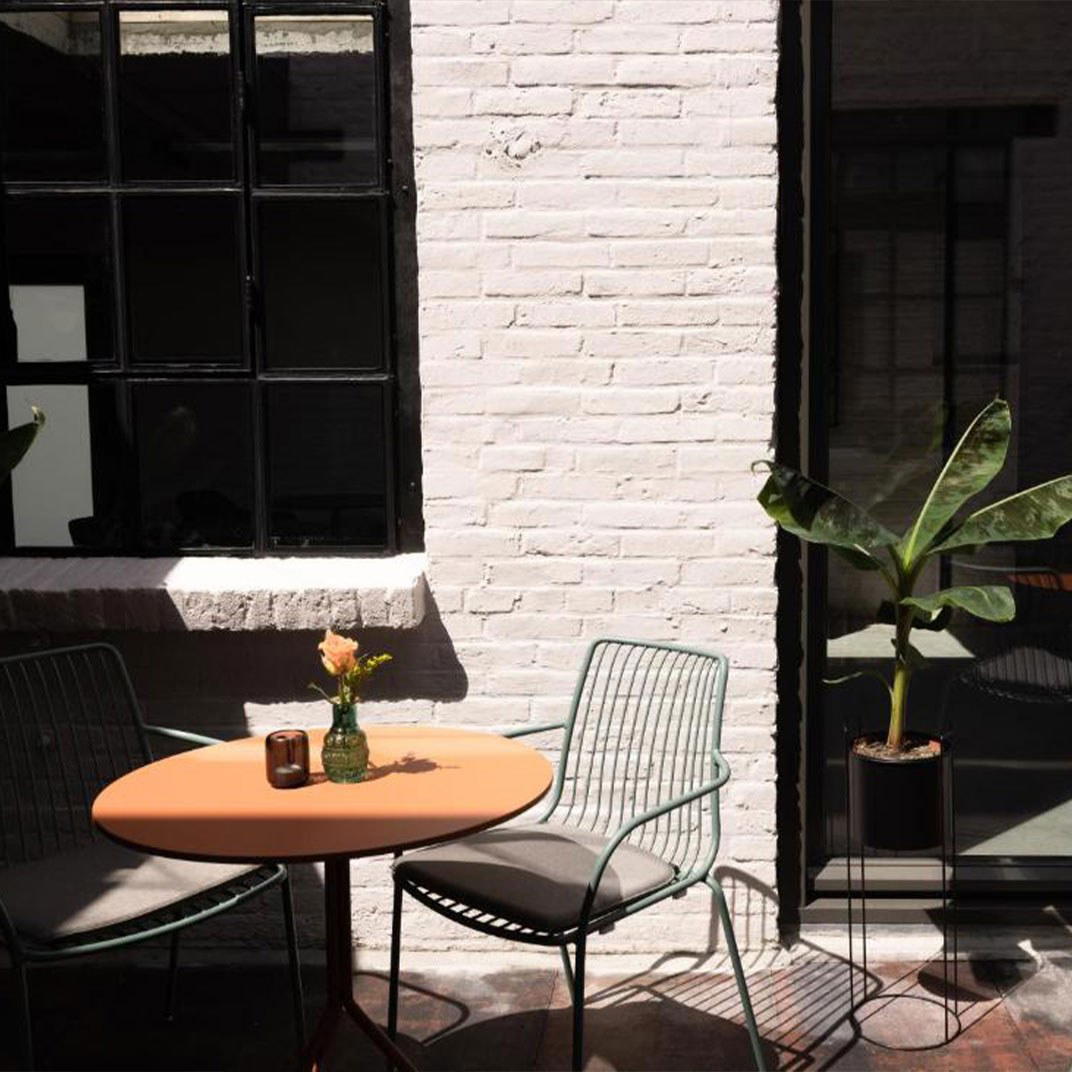
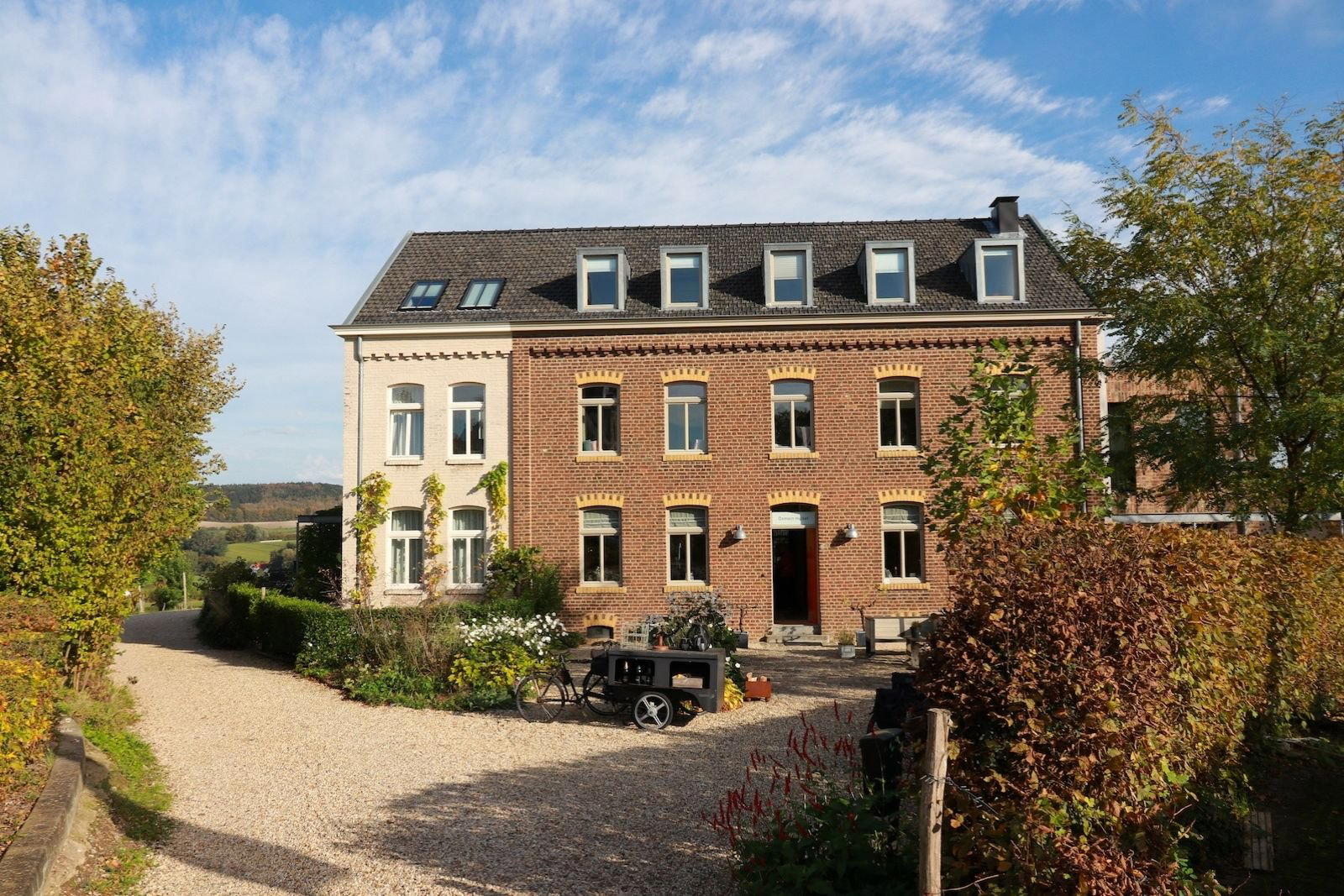
Warm and atmospheric renovated farmhouse with modern rural styling, quiet conversation, and views into the open kitchen.