Bistrôt Le Ciel occupies a quiet address on Paalsteenlaan in Lanaken, a Belgian border town that sits in the triangle between Maastricht, Liège, and Hasselt. The bistrot format here places it in a category of neighbourhood-anchored French-inflected dining that Belgium does quietly well, away from the Michelin-weighted restaurant clusters of Ghent or Brussels.
 Discover on Pearl
Pearl is the En Primeur Club membership app — saves, bookings, and concierge access live there. Same editors, same standards.
- Address
- Paalsteenlaan 90, 3620 Lanaken, Belgium
- Phone
- +3289739770
- Website
- labutteauxbois.be
Where Lanaken Fits in Belgium's Dining Spread
Belgium's serious dining tends to pool around a handful of well-documented addresses: the creative Flemish kitchens around Ghent, the Franco-Belgian classical tradition in Brussels, the coastal producers supplying places like Willem Hiele in Oudenburg. Lanaken sits in that category. The municipality hugs the Dutch border north of Liège, and its dining culture reflects the layered influences of that geography, Flemish produce traditions, Walloon cooking sensibility, and the proximity of Maastricht.
Bistrôt Le Ciel is a restaurant in Lanaken, Belgium, at Paalsteenlaan 90. The bistrot framing is deliberate: it signals a register that sits below the grand-format tasting menu operations of Boury in Roeselare or Zilte in Antwerp, and closer to provincial French cooking that has long shaped Belgian dining. In this part of the country, that means a kitchen working with suppliers from both the Limburg hinterland and the Meuse valley.
The Ingredient Geography of Belgian Limburg
To understand what a kitchen in Lanaken is working with, it helps to know what the province of Limburg produces. The region is Belgium's fruit-growing heartland: asparagus from the Hesbaye plateau, strawberries from the sandy soils around Beringen and Tongeren, apples and pears from the Haspengouw orchards that define the landscape east of Hasselt. These are not incidental details. Limburg's agricultural output is specific enough that serious Belgian kitchens, from Vrijmoed in Gent to Hof van Cleve in Kruishoutem, reference Limburg suppliers by name. A bistrot operating inside the province has logistical access to those same producers at shorter supply chain distances than any urban competitor.
The cross-border dimension adds another layer. Maastricht's markets, the Meuse valley's freshwater catch, and the vegetable producers of the South Limburg hills (on the Dutch side) all fall within practical sourcing range of a kitchen in Lanaken. This is the kind of ingredient geography that, in a more prominently positioned restaurant, would form the basis of a clearly articulated sourcing narrative. In a provincial bistrot, it tends to express itself more quietly, through the rhythm of the seasonal menu rather than through explicit marketing language.
For diners who track this kind of detail, that quietness is often a reliable signal. The ambitious sourcing programs at places like La Durée in Izegem or Cuchara in Lommel operate in the same Belgian produce tradition.
The Bistrot Register in a Belgian Context
The word bistrot carries different weight depending on which side of the French-Belgian border you're reading it from. In France, it often signals informality and wine-led simplicity. In Belgium, where the classical French tradition has been absorbed into the local cooking culture over several centuries, a bistrot can operate with considerable technical ambition behind a deliberately casual front. The format allows a kitchen to focus on a shorter, tighter menu, rotate dishes with the seasons, and price at a level that sustains regular return visits rather than once-yearly occasion dining.
That model has proved durable across Belgian provincial towns. Ralf Berendsen in Neerharen, just a few kilometres from Lanaken, operates in a comparable geography and demonstrates that serious cooking can hold its own in a low-visibility location. Magnific, also in Lanaken, represents another local data point in the town's quiet ambition. The existence of multiple restaurants with editorial attention suggests a local dining culture with more depth than the town's profile implies.
For reference points at a grander scale, Le Chalet de la Forêt in Uccle and Bozar Restaurant in Brussels represent the Belgian French-tradition at its most formally expressed. Bistrôt Le Ciel operates in a deliberately less elaborate register, which is not a limitation so much as a different set of priorities.
Planning a Visit to Lanaken
Lanaken is accessible from Maastricht in under fifteen minutes by car, and from Hasselt in roughly twenty-five minutes, making it a practical stop for travellers moving between the Netherlands and Belgium's Flemish interior. The town itself is compact enough that Paalsteenlaan is a short drive from the main approach roads. Given the bistrot format, it is worth booking ahead before visiting, particularly for weekend evenings.
For travellers building a longer itinerary around Belgian fine dining, Lanaken makes geographic sense as a starting or ending point for a route that takes in Hasselt, Tongeren, and the broader Limburg province before heading either toward the Flemish city restaurants or down toward the Ardennes, where places like La Table de Maxime in Our and d'Eugénie à Emilie in Baudour represent the southern Belgian tradition. Closer to home, De Jonkman in Sint-Kruis and Castor in Beveren round out the picture of what serious Belgian cooking looks like outside the major cities.
How It Stacks Up
Comparable venues nearby, for context on price, style, and recognition.
| Venue | Cuisine | Price | Awards | Notes |
|---|---|---|---|---|
| Bistrôt Le CielThis venue — the venue you are viewing | Franco-Belgian Bistro with Global Influences | $$$ | , | |
| Magnific | French-Belgian with Italian and Asian influences | $$$ | Bib Gourmand | Lanaken |
| L'Olivier des sens | Modern French Mediterranean | $$$ | , | Tilff |
| De Heerlyckheyt | Contemporary Belgian-French | $$$ | , | Leut |
| Le Chat Volant | Bistronomique | $$$ | , | Place du Marché |
| Hertebos | Belgian-French Fine Dining | $$$ | , | Gravenwezel |
At a Glance
- Elegant
- Sophisticated
- Scenic
- Date Night
- Special Occasion
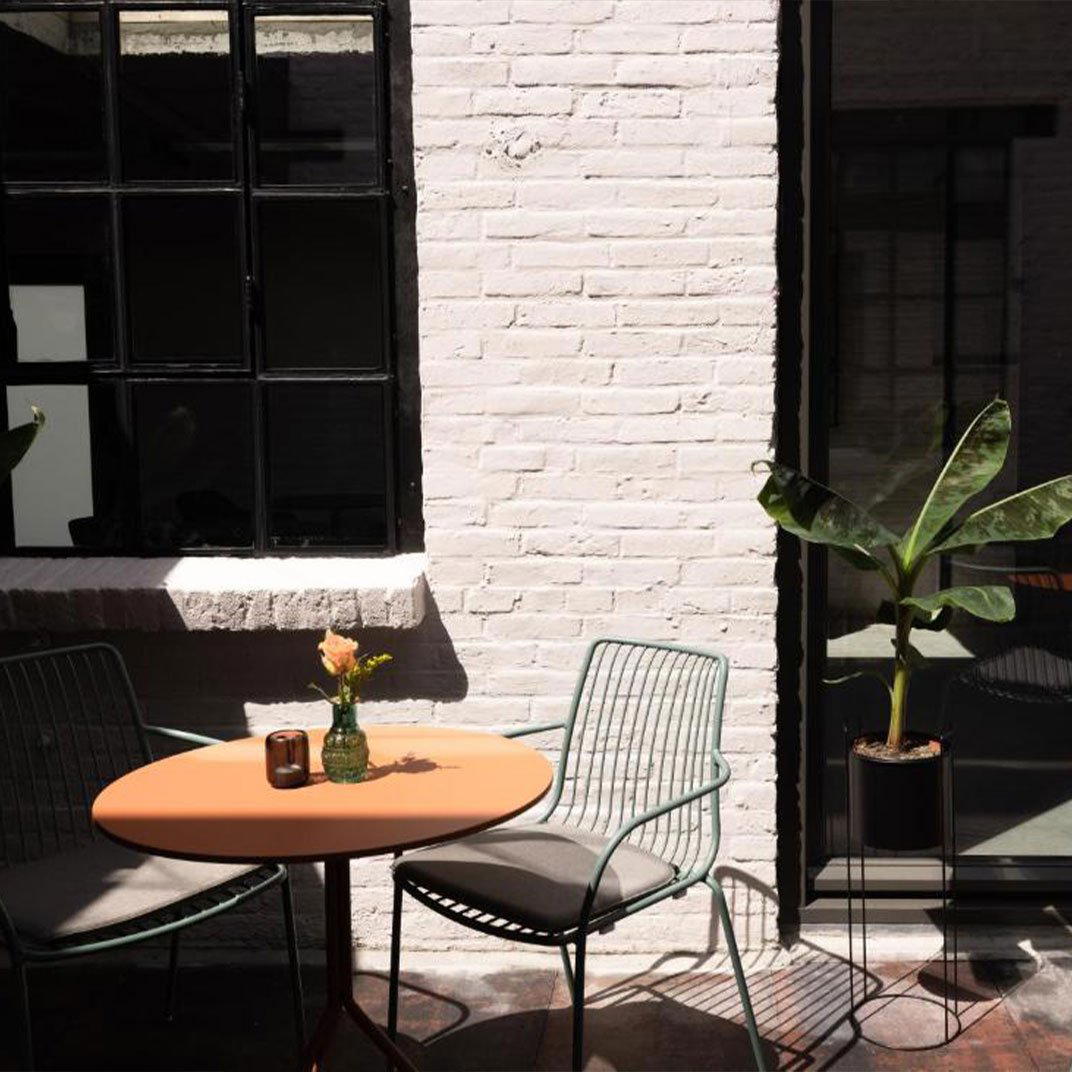
- Terrace
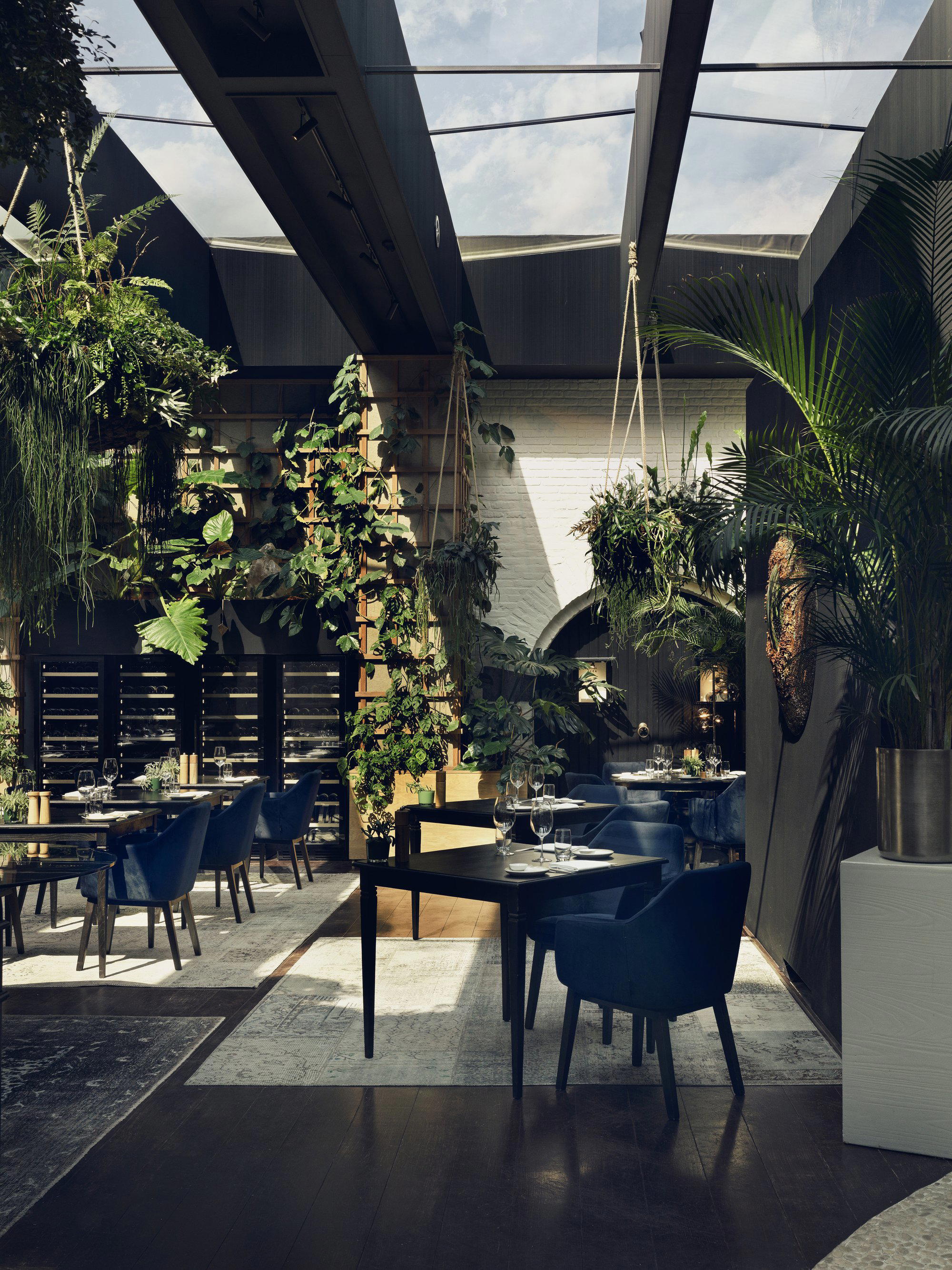
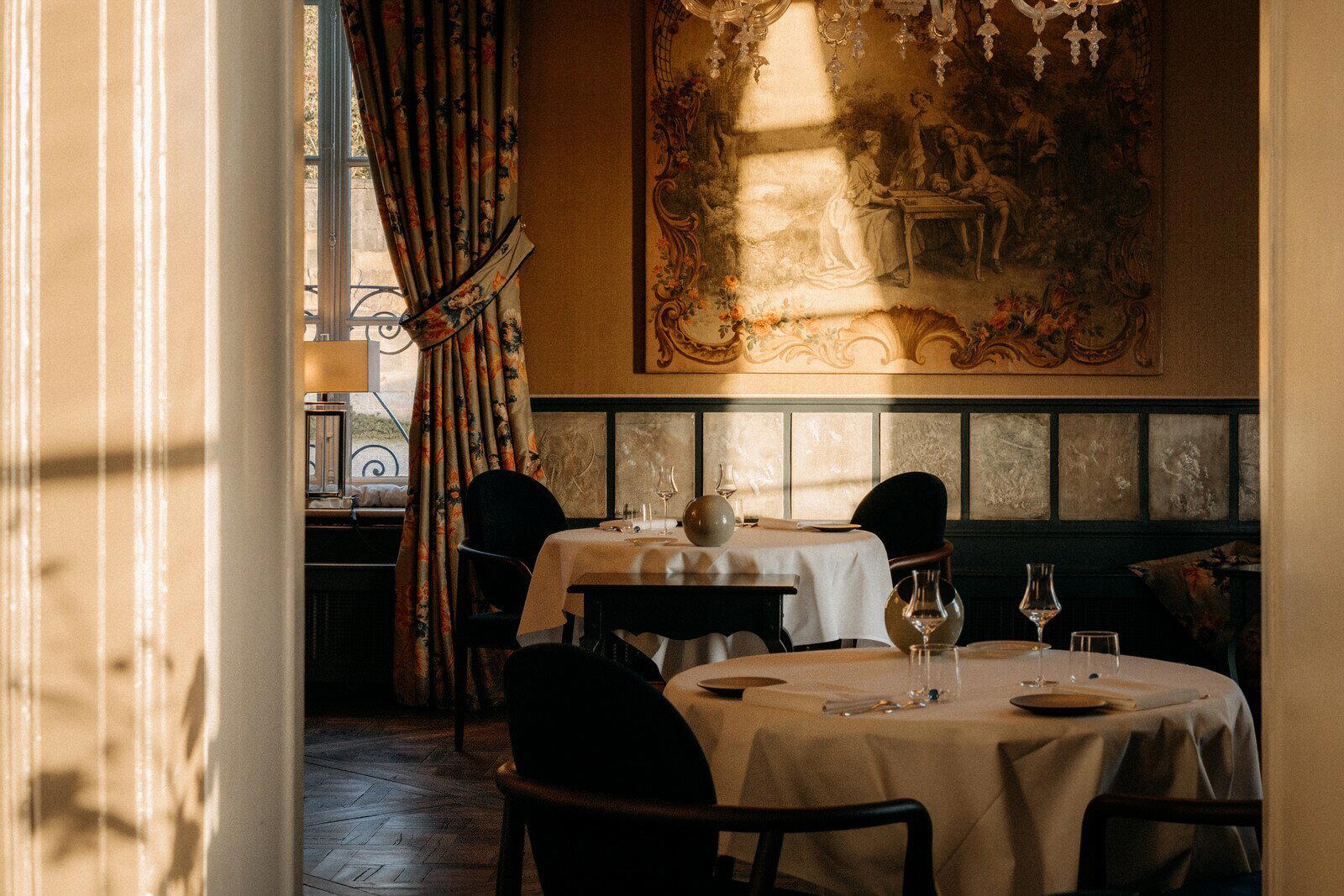
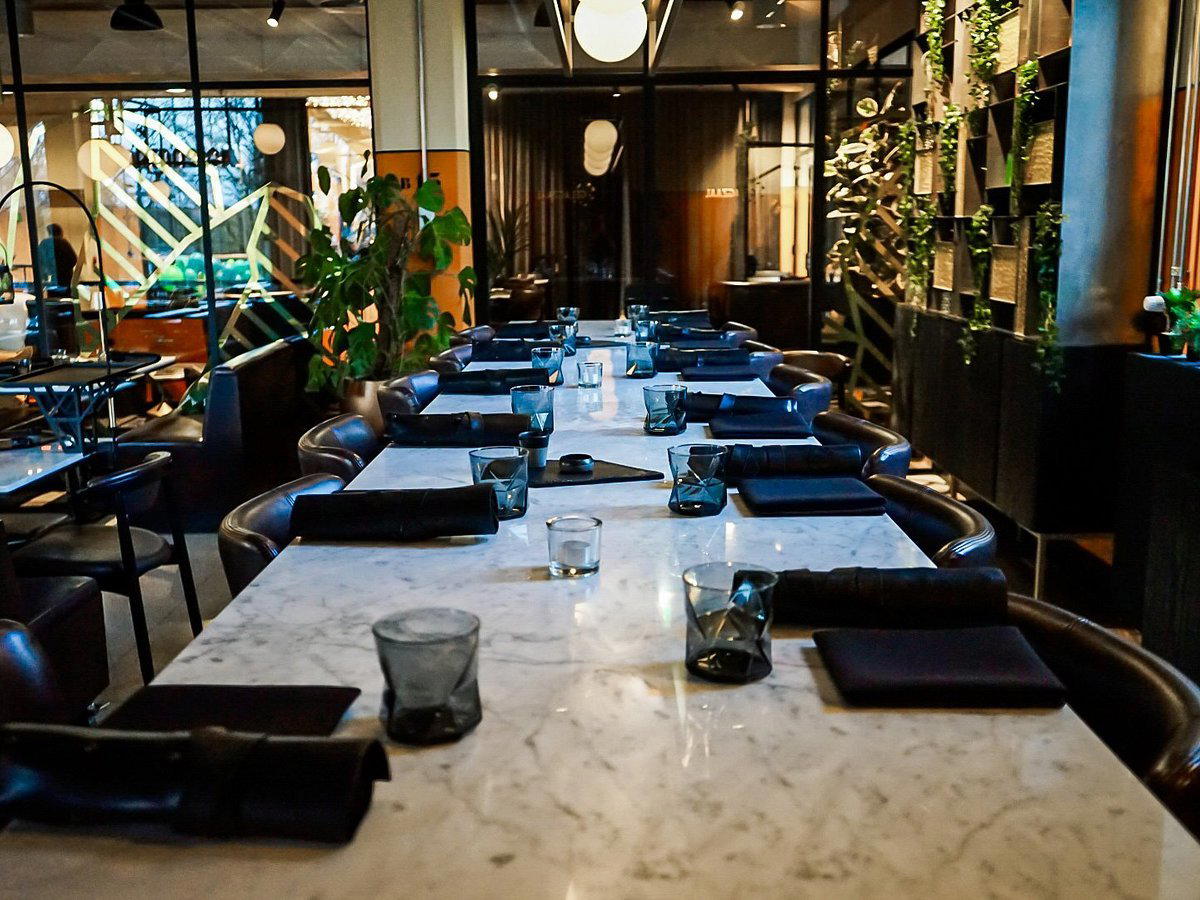
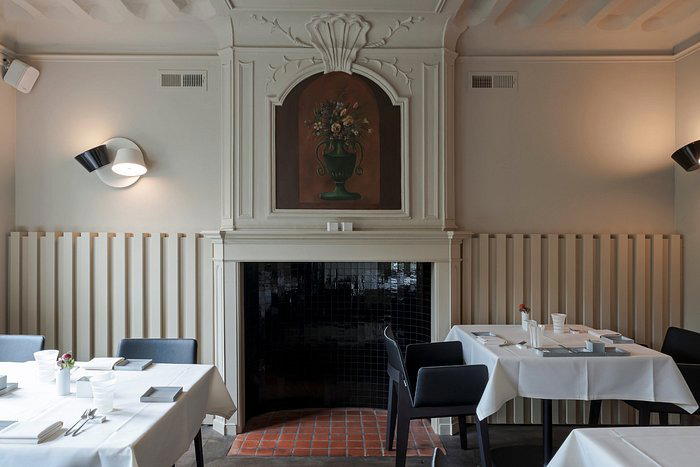
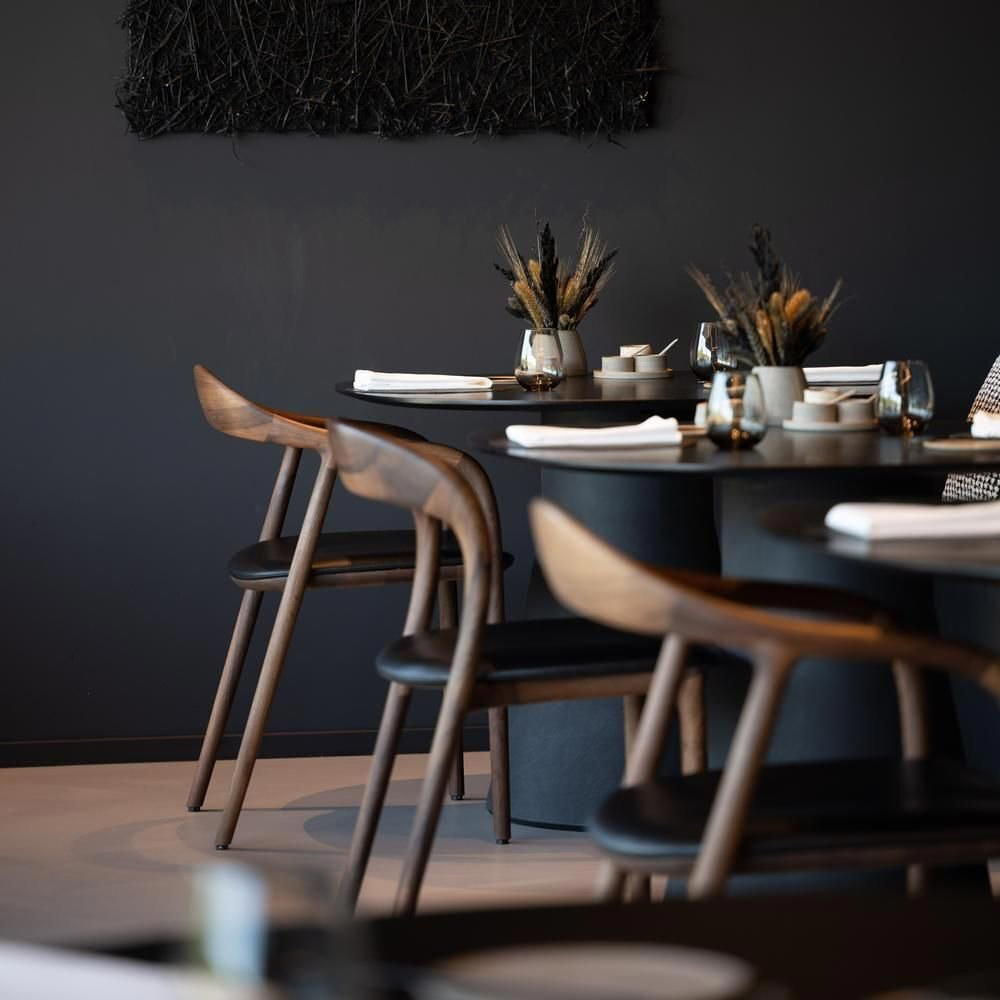
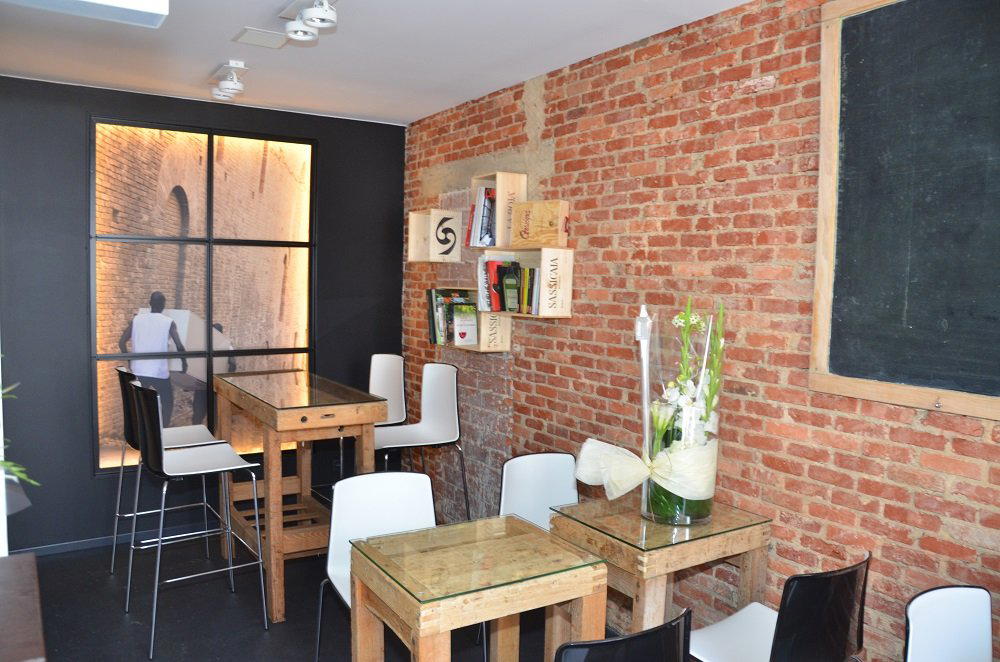
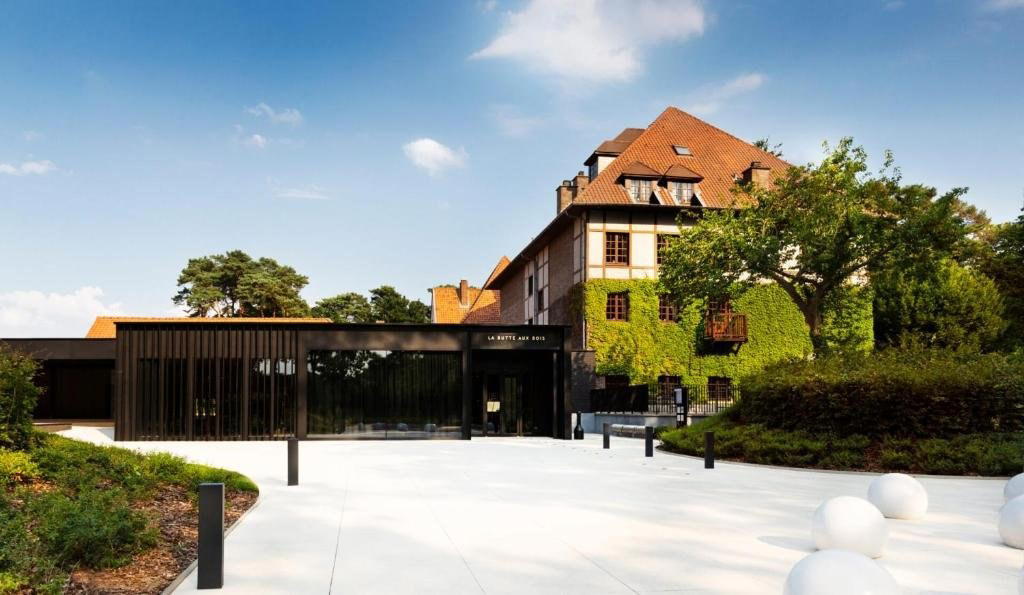
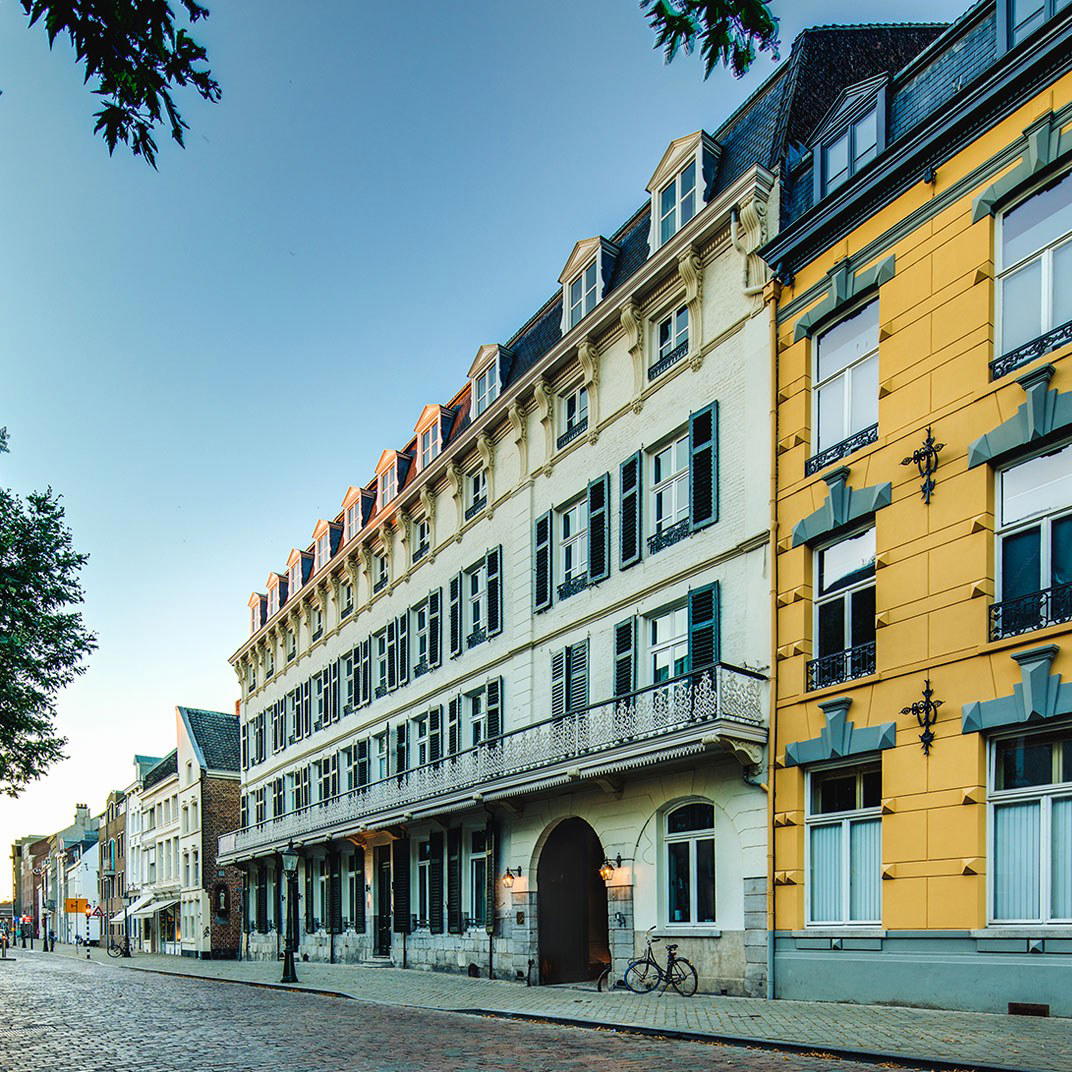
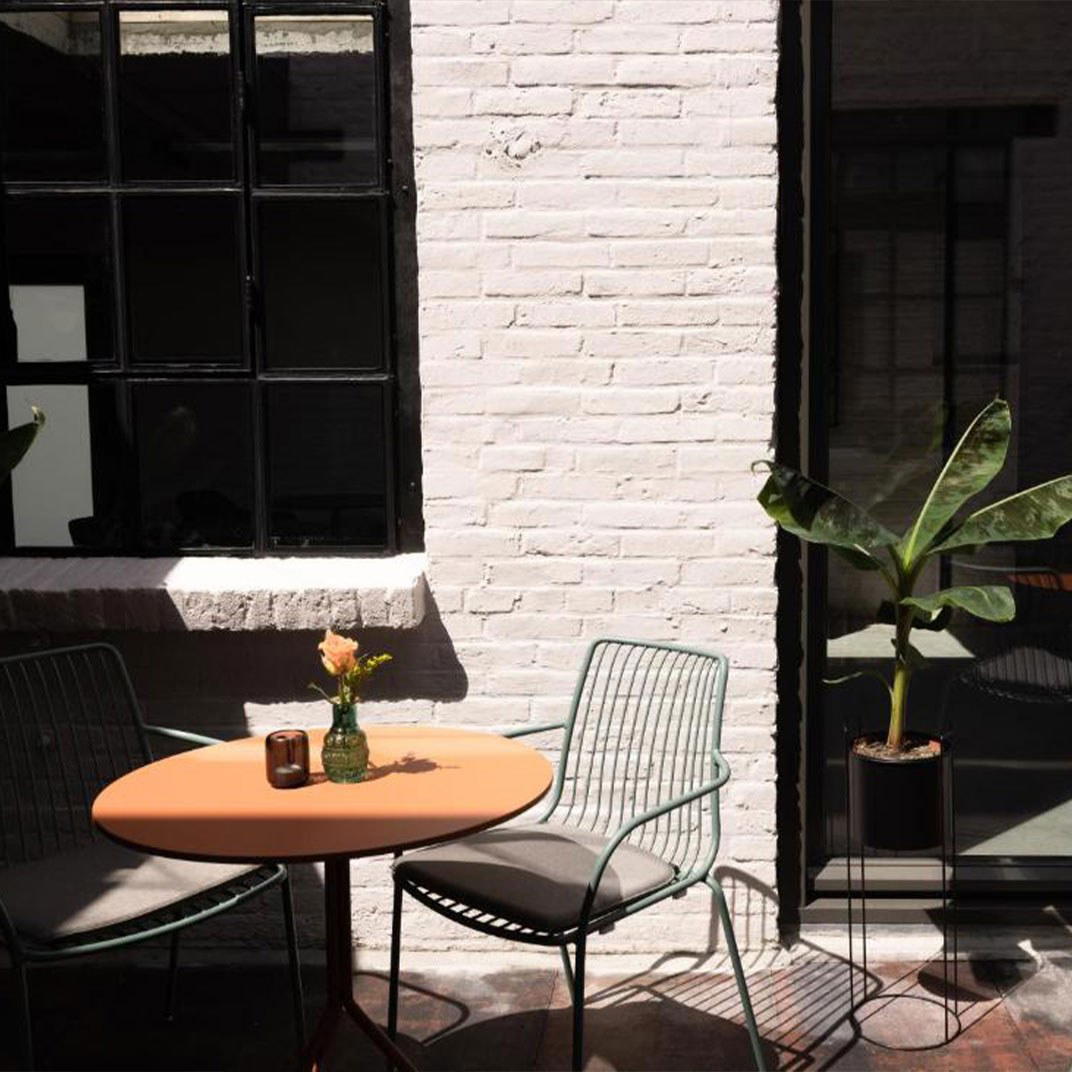
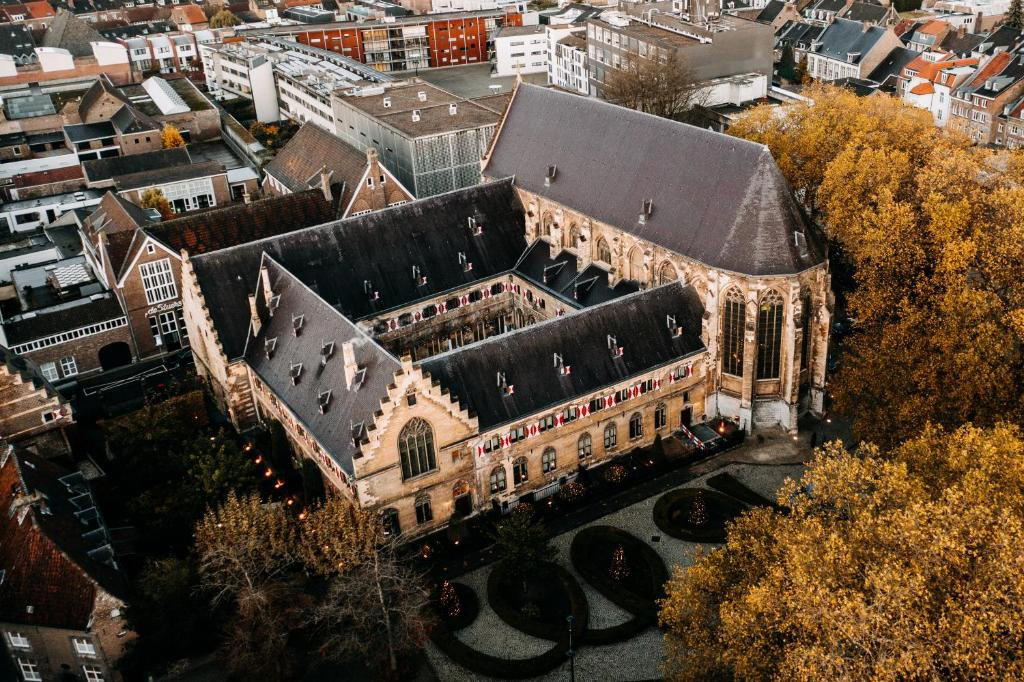
Sophisticated and unique with high glass ceilings creating a tropical garden feel, contemporary artwork, and natural decorative elements like crystals and petrified wood.