Hotel Monastère Maastricht

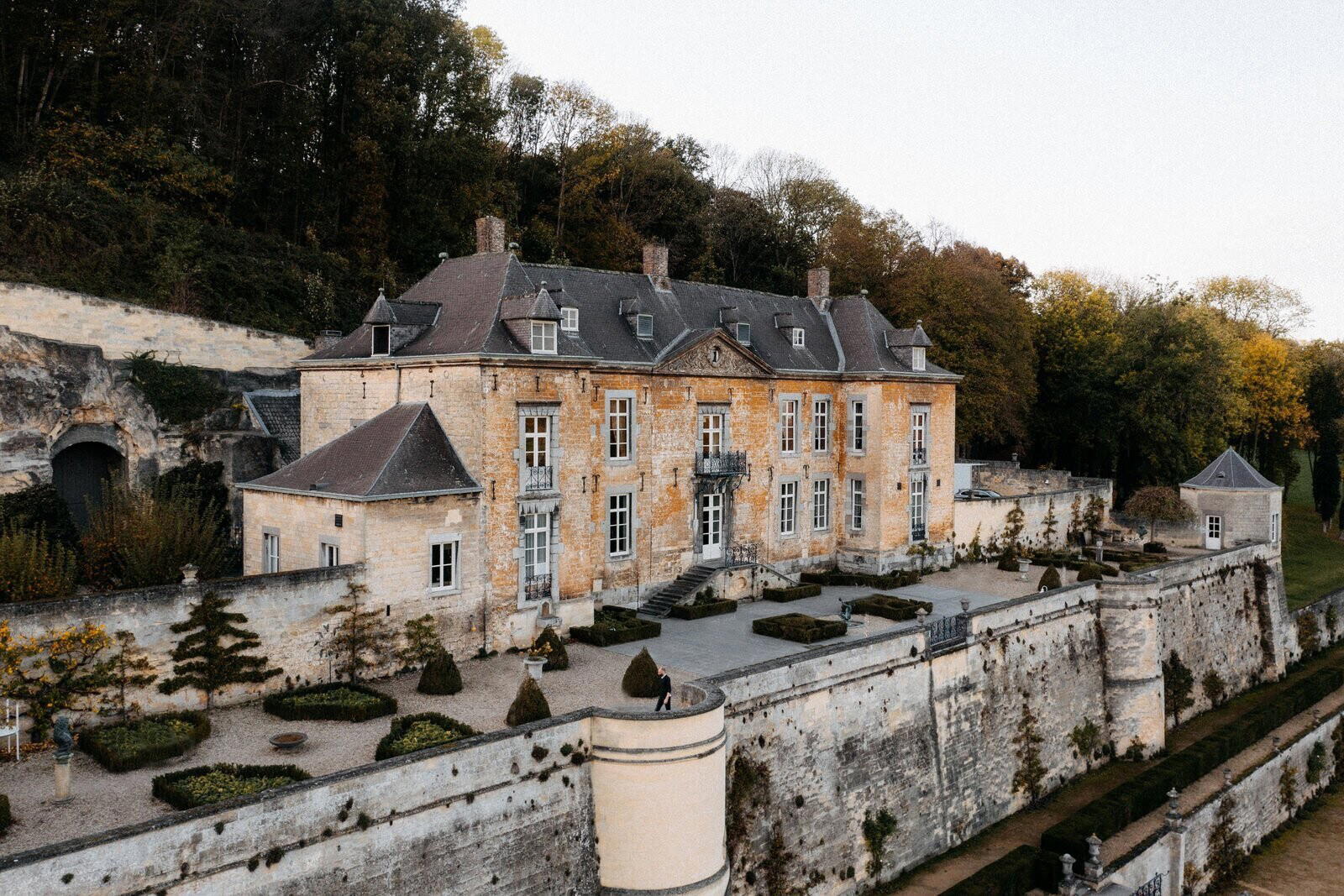
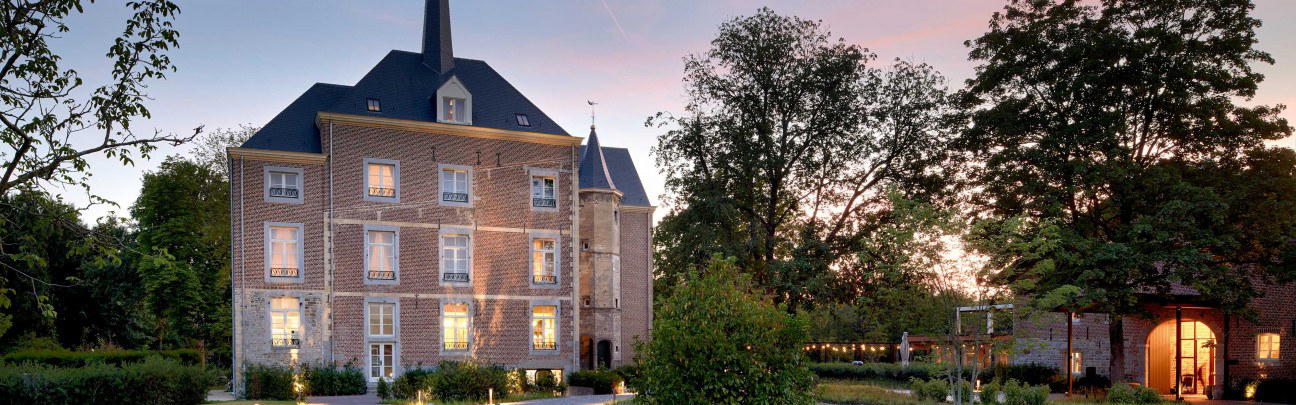
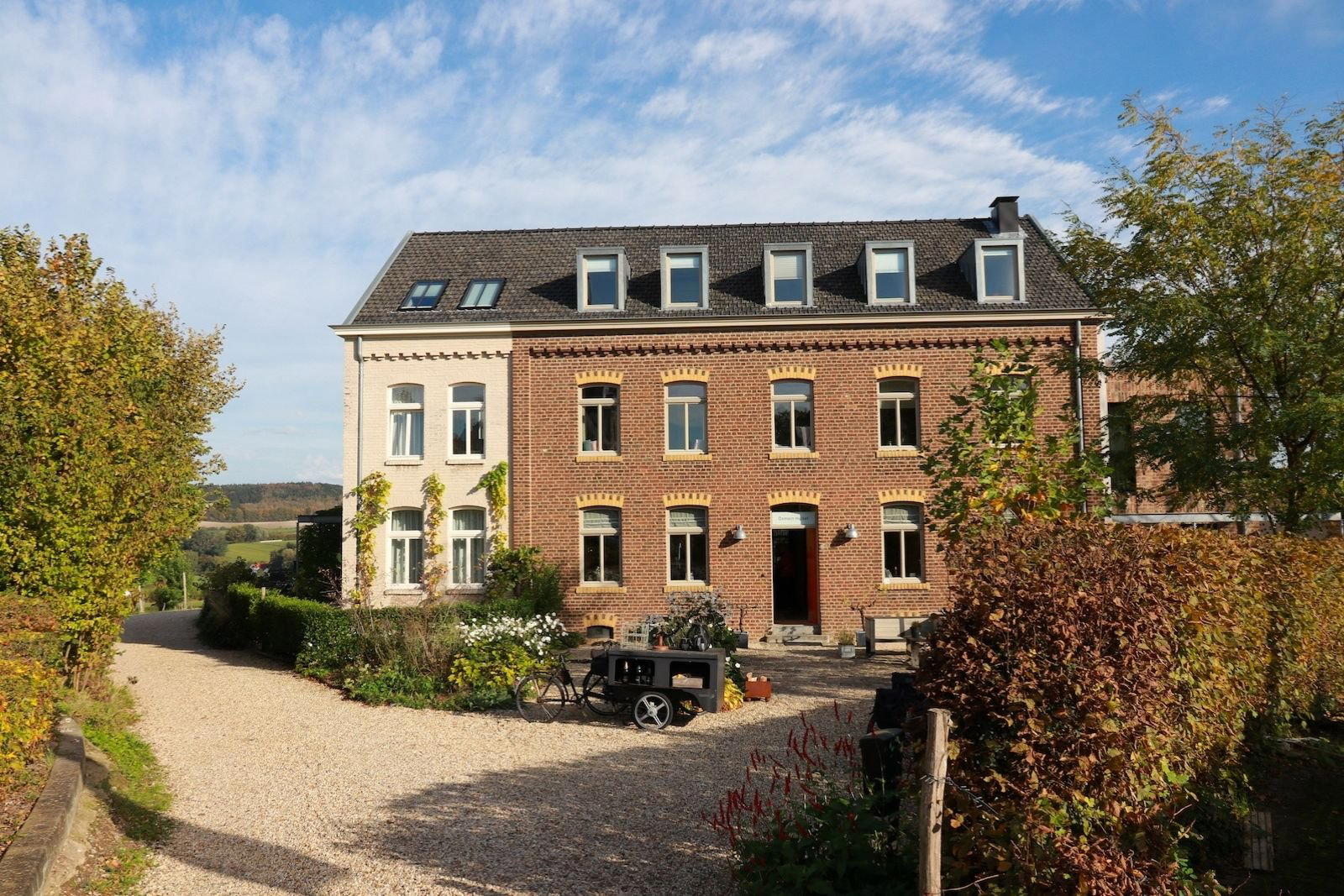
A Michelin Selected hotel occupying a former monastery on Boschstraat, Hotel Monastère Maastricht sits within one of the Netherlands' most architecturally layered cities. The conversion preserves the building's religious bones — vaulted ceilings, stone corridors, courtyard geometry — while positioning it squarely in Maastricht's serious heritage-hotel tier, alongside properties like Kruisherenhotel that have made adaptive reuse a local signature.
Pearl is the En Primeur Club membership app — saves, bookings, and concierge access live there. Same editors, same standards.
- Address
- Boschstraat 69-71, 6211 AV Maastricht, Netherlands
- Phone
- +31 20 515 0453
- Website
- hotelmonasteremaastricht.com
- Directions
- Get directions
 Saves & bookings on Pearl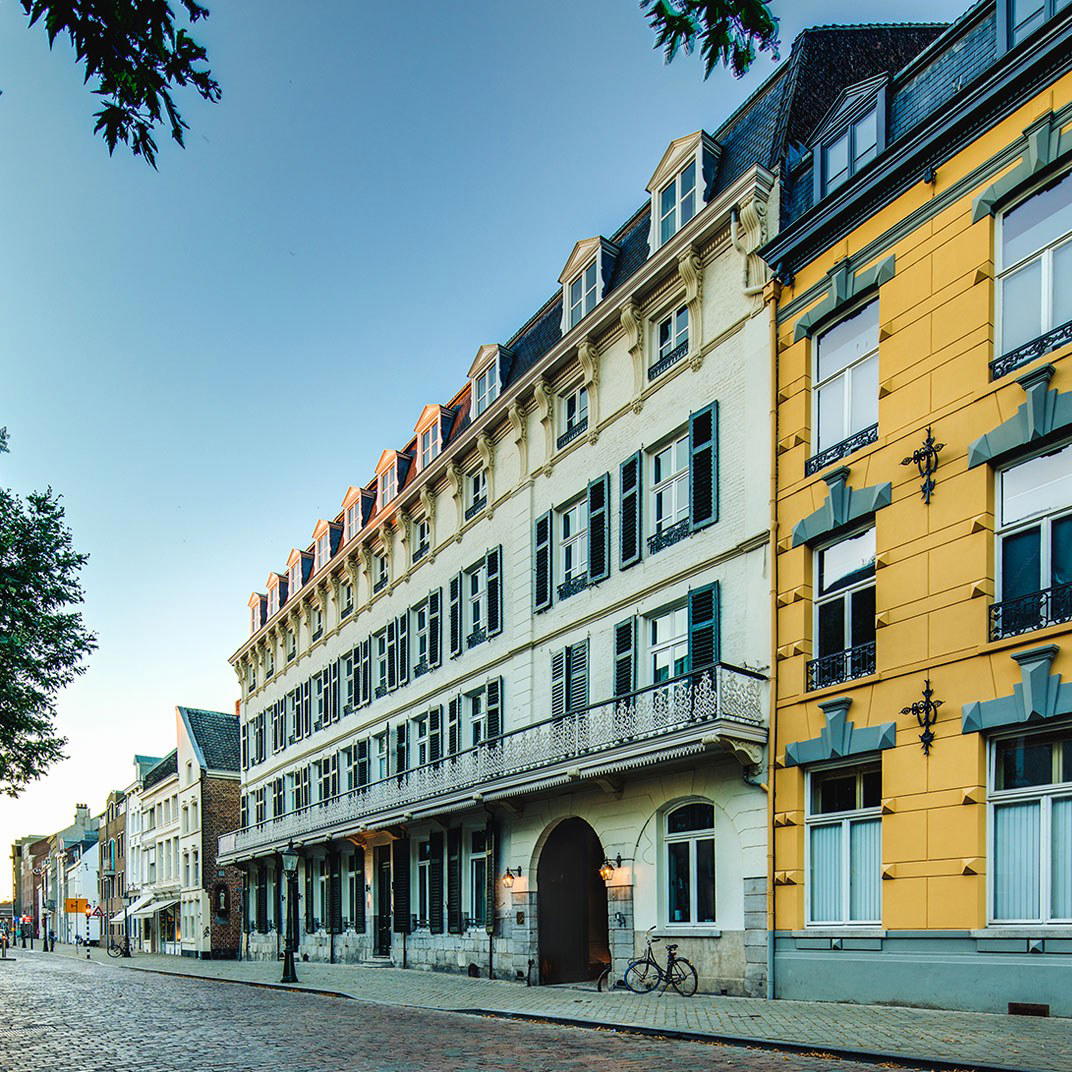
Stone, Silence, and the Maastricht Heritage Hotel Format
Maastricht has developed a recognisable hospitality identity around the conversion of its ecclesiastical and civic buildings. The city's stock of Gothic churches, Romanesque chapels, and Baroque convents has, over several decades, been absorbed into a hotel tier that trades on architectural continuity rather than contemporary newness. Hotel Monastère Maastricht, addressed at Boschstraat 71, belongs to that tradition. Its former monastery shell gives it the same genre markers that have made this corner of the southern Netherlands something of a reference point for visitors interested in what heritage conversion at a serious level looks like: stone vaulting, internal courtyard proportions, and the particular hush that thick-walled religious buildings carry into their second lives.
The Michelin Selected distinction awarded in 2025 places Hotel Monastère within a quality tier that the Guide applies conservatively. Selection, rather than a star rating, signals that the property meets a meaningful threshold without necessarily competing at the volume-amenity level of a large international hotel. For a monastery conversion with limited keys and a historic fabric that resists wholesale modernisation, that framing is appropriate. The credential anchors the property within a credible competitive set rather than inflating expectations.
Where Monastère Sits in Maastricht's Hotel Field
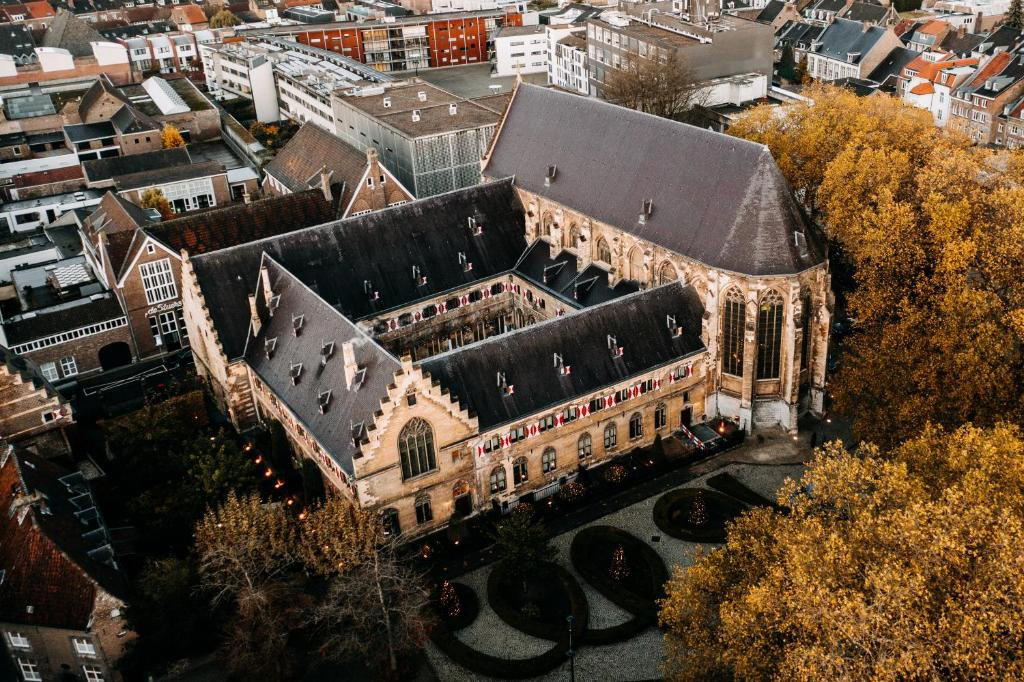
Maastricht's premium hotel options divide, broadly, into two modes. The first is the grand civic conversion: the Kruisherenhotel Maastricht, occupying a 15th-century Gothic church, is the most cited example, and its dramatic nave-into-lobby transformation has given it an outsized profile relative to its room count. The second mode is the smaller, design-considered property that uses heritage fabric more quietly, letting architecture speak without theatrical intervention. Hotel Monastère aligns more closely with that second register. Its position on Boschstraat places it within the historic inner city, walkable to the Vrijthof square and the concentration of restaurants and wine bars that make Maastricht a genuinely food-serious city by Dutch standards.
Monastère occupies a middle register: more architecturally legible than a boutique hotel, less operationally large than a full-service city property.
The Dining Question in a Monastery Setting
Heritage conversions in this category typically face a structural tension around food and beverage. A former monastery's layout — cells, chapels, refectories, cloisters, doesn't naturally lend itself to a large restaurant footprint. Where conversions have worked well across Europe, the food programme tends to be sized to match the building's scale rather than expanded to drive covers. The refectory or chapter house becomes a dining room with genuine architectural character, and the menu pitch usually reflects the city it sits in rather than attempting to compete with standalone destination restaurants.
Maastricht's dining culture is worth understanding as context here. The city sits at the intersection of Dutch, Belgian, and German culinary traditions, and its restaurant scene operates at a higher average quality than most Dutch cities of comparable size. The Vrijthof and Wyck neighbourhoods support a density of serious restaurants, several with Michelin recognition. A hotel dining programme in this environment doesn't need to be the reason a guest visits Maastricht, the city itself provides that, but it should be calibrated to the expectations of guests who have chosen Maastricht precisely because of its food culture. For the broader picture of where to eat and drink in the city, our full Maastricht restaurants guide covers the field in detail.
The Monastery Format Across the Netherlands
Hotel Monastère is part of a wider pattern of Dutch adaptive reuse that has produced some of the country's most characterful places to stay. The conversion of religious and civic buildings into hotels has been particularly active in smaller Dutch cities, where the supply of historic fabric is high relative to the population's demand for new-build office or residential space. Properties like Weeshuis Gouda in Gouda (a former orphanage) and Pillows Grand Boutique Hotel Ter Borch Zwolle in Zwolle represent the same instinct applied to different building typologies. Further afield, Landgoed Duin en Kruidberg in Santpoort Noord and Landgoed Hotel Het Roode Koper in Leuvenum apply a related logic to country estate buildings. What connects them is a preference for preserving structural identity over delivering the frictionless uniformity of a chain hotel. Monastère belongs in that company.
Maastricht's own position within the Netherlands also matters. It is the southernmost major city, closer to Liège and Aachen than to Amsterdam, and its cultural references lean toward Flemish and Rhineland traditions as much as toward the Dutch Randstad. That geographic and cultural distance from Amsterdam has protected the city's independent hotel character: there is less pressure to conform to a pan-Dutch hospitality template, and more latitude to let a monastery read as a monastery.
Planning a Stay
Hotel Monastère Maastricht is located at Boschstraat 71, within comfortable walking distance of the city's main squares and the Wyck neighbourhood across the Maas. Maastricht's central station is served by direct trains from Amsterdam Centraal (approximately two and a half hours), Brussels-Midi (around one hour forty minutes), and connections through Liège to broader European rail. The city is also reachable from Eindhoven Airport and, via the E25 motorway, from Belgium and Germany. For travellers arriving from Schiphol, citizenM Schiphol Airport is a practical overnight option before an onward train south.
The Michelin Selected credential suggests booking with reasonable lead time, particularly during the TEFAF art fair in March, which drives significant demand for quality accommodation across the city's limited heritage hotel inventory. Outside fair season, Maastricht's autumn and winter periods are less pressured, and the city's architecture reads particularly well in low light. Travellers interested in comparing the monastery format against other Dutch heritage-conversion stays might also look at Staats in Haarlem or MUZE Hotel Utrecht in Utrecht City. For a different register entirely, De Durgerdam in Amsterdam and Op Oost in Oosterend represent the Dutch small-property category at a waterfront and rural remove respectively.
How Hotel Monastère Maastricht compares with similar nearby venues.
| Venue | Awards |
|---|---|
| Hotel Monastère Maastricht | MICHELIN Guide, Hotels Selected (2025) |
Recognition history
Dated appearances from independent guides and award organizations, with the underlying list record or original source where available.
Michelin Selected
Michelin
Continue exploring
More in Maastricht
Hotels in Maastricht
Browse all →
Bars in Maastricht
Browse all →
Restaurants in Maastricht
Browse all →
Wineries in Maastricht
Browse all →
At a Glance
- Classic
- Trendy
- Elegant
- Sophisticated
- Romantic Getaway
- Weekend Escape
- Anniversary
- Historic Building
- Terrace
- Garden
- Wi Fi
- Room Service
- Concierge
- Elevator
- Wi Fi
- Room Service
- Concierge
- Elevator
Luxurious Parisian chic atmosphere featuring contemporary art, designer furniture, marble fireplaces, ornate ceilings, and stained-glass windows.
Know Before You Go
- Getting there
- Boschstraat 69-71, 6211 AV Maastricht, Netherlands