
Tabelog 100 #5
Our verdict
Kitsune puts Nara’s sukiyaki conversation in a sharper, produce-led frame, with Japanese sweet soy hotpot treated as a composed kappo meal rather than a loose communal simmer. Its Tabelog 100 Hot Pot 2024 selection, 26-seat scale, private-room options and vegetable-conscious listing make it a serious choice for travellers who want Nara dining beyond temple-adjacent snacks and casual lunch counters.

Pearl is the En Primeur Club membership app, where members save venues, book tables and use the concierge.
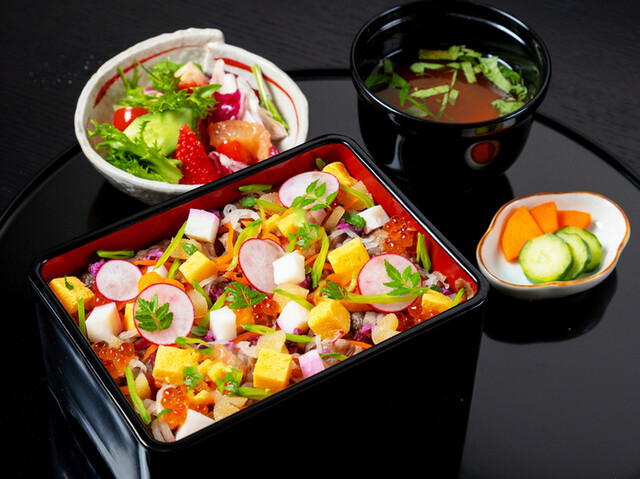
The menu
What to order
- Kitsune full-course sukiyaki
- Kogitsune course
- Kitsune gyu-mabushi gozen (beef mabushi set)
- Sukiyaki chirashi ju
Approaching Kitsune in Nara, the city shifts from temple-route movement to a quieter restaurant rhythm: low buildings, slower foot traffic, and dining that rewards planning. Here, sukiyaki is not just celebratory beef, but a test of ingredient discipline, timing and restraint. Kitsune works in that register, presenting Japanese sweet soy hotpot with a focus that suits a planned meal rather than a casual stop.
Nara can be hard to read for serious dining. Day visitors often meet it through mochi, shaved ice, curry, coffee and temple-area set meals, while more composed restaurants sit beyond the obvious sightseeing path. The city’s restaurant character is less spectacle than calibration: seasonal feeling, regional habits, small dining rooms and meals that need not announce ambition. Against that backdrop, a Tabelog Hyakumeiten 2024 recognition carries weight, placing Kitsune in Japan’s narrower sukiyaki conversation rather than broad tourist-friendly Japanese dining.
Sukiyaki treated as ingredient work, not just beef and sweetness
Sukiyaki is often reduced, especially outside Japan, to marbled beef in a sweet soy base. That misses the craft. Good sukiyaki depends on sequence: how ingredients release water, fat changes seasoning, egg softens salt and sugar, and the diner’s pace affects the pot. A restaurant listed for sukiyaki, Japanese sweet soy hotpot, signals a controlled reading of the form, where the meal depends on timing and balance rather than one static impression.
The ingredient emphasis matters in Nara. The prefecture has a long agricultural identity, and its dining rooms often treat produce more seriously than visitors expect from a city framed by deer parks and temple gates. Kitsune’s appeal is not simply that sukiyaki is rich or festive; it is that the format can show how sweetness, fat and heat change when the contents of the pot are handled with care.
Drink positioning should be considered as part of the meal, even when details vary by visit. For hotpot, this is practical, not decorative. Sukiyaki’s sugar and soy need drinks that handle sweetness and umami without flattening the meal, and Nara’s better dining rooms often use the beverage side as a bridge between regional habit and modern meal structure. Drinks should not be an afterthought: hotpot changes as it cooks, and the table needs to keep up.
Where it sits in Nara's dining range
Nara’s casual end is easy to find. Nakatani Do sits in the low-cost snack lane, Houseki Bako points to shaved-ice culture, and Wakakusa Curry Honpo and huerto occupy everyday price brackets. They are part of the city’s charm, but answer a different question. Kitsune belongs to the planned-meal tier, closer to restaurants that ask diners to commit to a full lunch or dinner rather than graze between temples.
That contrast helps travellers build a Nara itinerary. A day around Nara can become all walking and no proper meal. The city rewards one anchored reservation, especially when the format is sukiyaki rather than a quick snack. For travellers moving through Nara with different ages and appetites at the table, the safest approach is to confirm practical details directly before booking rather than assuming every serious dining room will operate like a casual stop.
Compared with Kyoto or Osaka, Nara has fewer internationally familiar dining names, so recognition systems play a larger sorting role. Tabelog’s Hyakumeiten 2024 recognition is not Michelin, but within Japan it is a meaningful category marker, especially for a dish family with deeply local specialists. The 3.75 score adds another clue: this is not merely convenient dining, but a restaurant in a national sukiyaki conversation while rooted in compact Nara.
The comparison set within Nara is varied rather than directly competitive. Okada gives a general Japanese reference point, while other dining in Nara moves through European, Japanese and more casual formats with their own rhythms. Kitsune’s value is its narrow frame. It does not try to summarize Nara cuisine; it takes one familiar Japanese form and asks the diner to notice how ingredients behave in the pot.
How to plan the meal without overcomplicating it
This is for travellers who want a structured sit-down meal, not a quick refuel between sights. Lunch works for visitors staying in Kyoto or Osaka and coming into Nara for the day; dinner gives more space if Nara is the overnight base. The practical calculus is simple: treat Kitsune as a Nara reservation to plan around, and confirm current access, seating and booking details directly before committing, especially if the party size or timing is unusual.
Cancellation and reservation policies should be checked at the time of booking rather than assumed from casual dining norms. This is especially important in Japan’s smaller, ingredient-led restaurants, where purchasing and preparation are often tied to headcount. The larger point is clear: a sukiyaki meal at Kitsune is best approached as a planned booking, not an open-ended walk-in proposition.
For a broader Nara plan, pair this meal with a casual counterpoint rather than another heavy booking: one composed sukiyaki meal, then shaved ice, coffee, mochi or curry elsewhere. For further planning, see Our full Nara restaurants guide, plus the city guides for Nara hotels, Nara bars, Nara wineries and Nara experiences.
Nearby and category contrasts clarify the choice: other Nara dining rooms show how varied the city becomes once the day-trip script is set aside. For sukiyaki context beyond Nara, unnamed hotpot specialists elsewhere in Japan can offer useful comparison points. Further afield, restaurants in other cities sit in different dining lanes, but underline the same point: format matters as much as category.
Frequently asked questions
Would Kitsune be comfortable with kids?
Confirm directly with Kitsune before booking. The specific family setup can vary, and the only location to rely on here is Nara.
What should I expect atmosphere-wise at Kitsune?
Expect a planned sukiyaki meal in Nara rather than a quick casual stop. For current seating, accessibility or room details, confirm directly with the restaurant before reserving.
What's the pricing like at Kitsune?
Pricing at Kitsune is listed as Dinner: JPY 10,000 - JPY 14,999; Lunch: JPY 4,000 - JPY 4,999.
What is Kitsune known for?
Kitsune is known for sukiyaki, Japanese sweet soy hotpot, in Nara, and has Tabelog Hyakumeiten recognition for 2024 with a listed score of 3.75.
At-a-Glance Comparison
Comparable venues by cuisine and price in the same metro.
| Venue | Cuisine | Price | Awards | Notes |
|---|---|---|---|---|
| KitsuneThis venue (the venue you are viewing) | Modern sukiyaki kappo with Yamato beef | $50–100 | Tabelog 100 #5 | Not listed |
| ç½ | Modern Kaiseki | $100–150 | 2 Michelin Stars · La Liste Top Restaurants | Nara |
| お料理 ひろ岡 | Nara Kaiseki | $100–150 | Not listed | Nara |
| Shabushabu Kanoko | Ikoma beef shabu-shabu | $50–100 | Tabelog 100 #58 | Nara |
| 37+1 - Sanjuhachi | Japanese-Italian Farm-to-Table | Not listed | Michelin Plate · We're Smart World 2 Radishes | Yamatotakada |
| 麺屋 NOROMA | 鶏白湯ラーメン | $10–20 | Not listed | 西大寺 |
Recognition history
Dated appearances from independent guides and award organizations, with the underlying list record or original source where available.
Tabelog 100 #5 · No. 5
Tabelog · Tabelog 100 - Hot Pot - 2024
Continue exploring
More in Nara
Restaurants in Nara
All restaurants in Nara →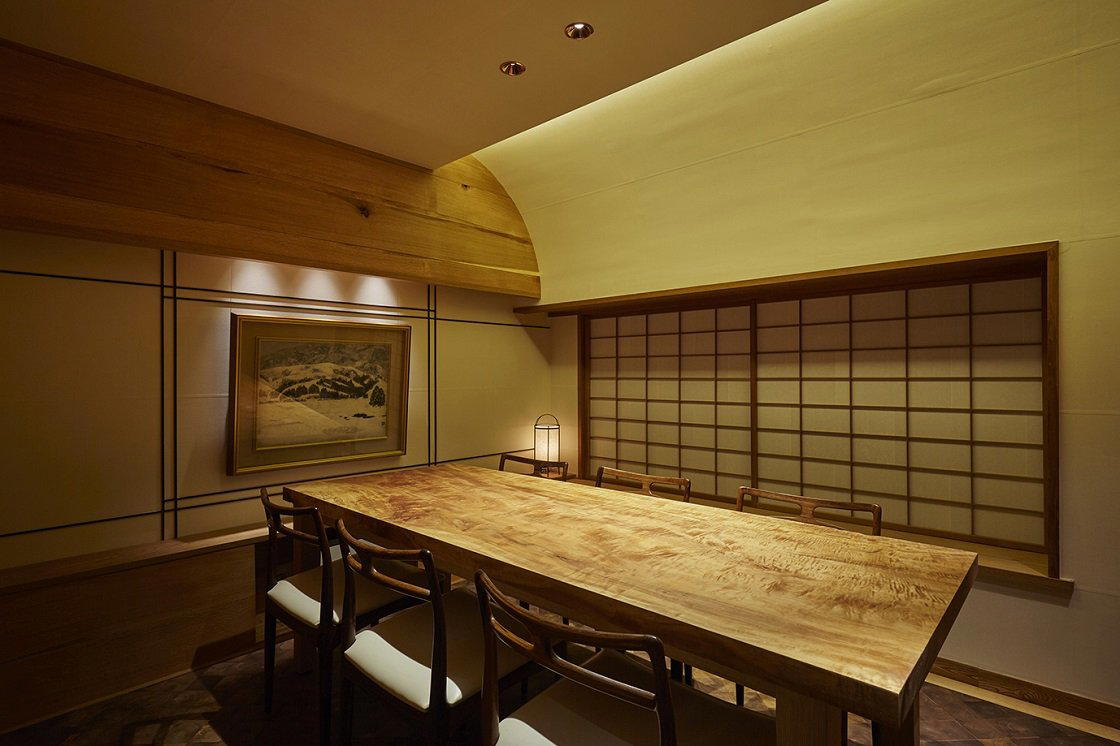



Bars in Nara
All bars in Nara →
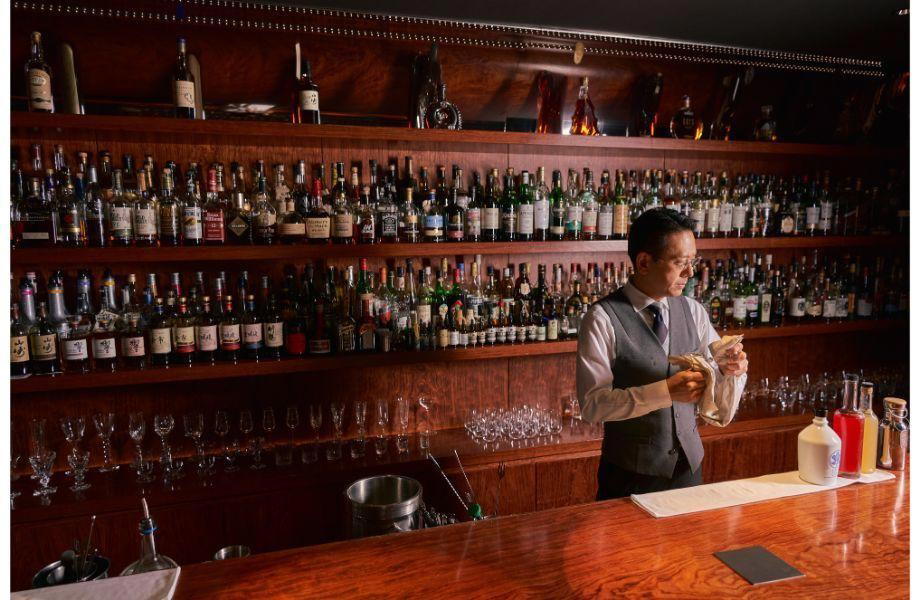


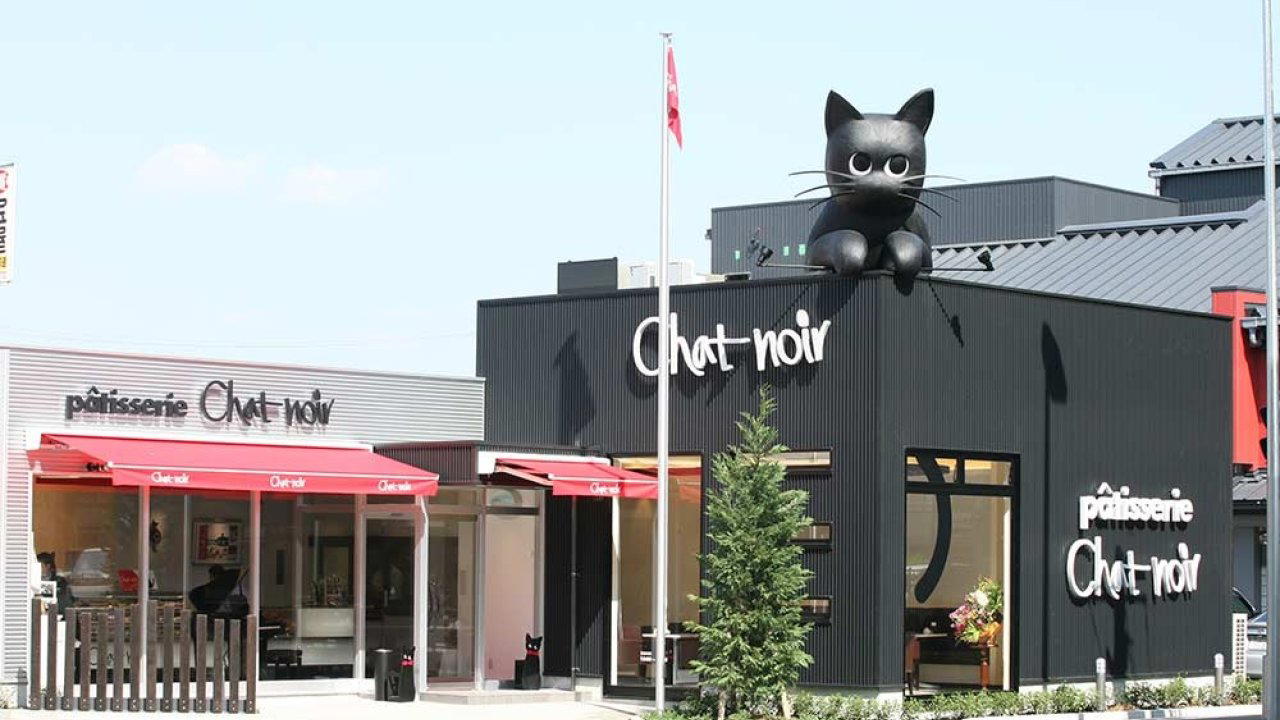
Hotels in Nara
All hotels in Nara →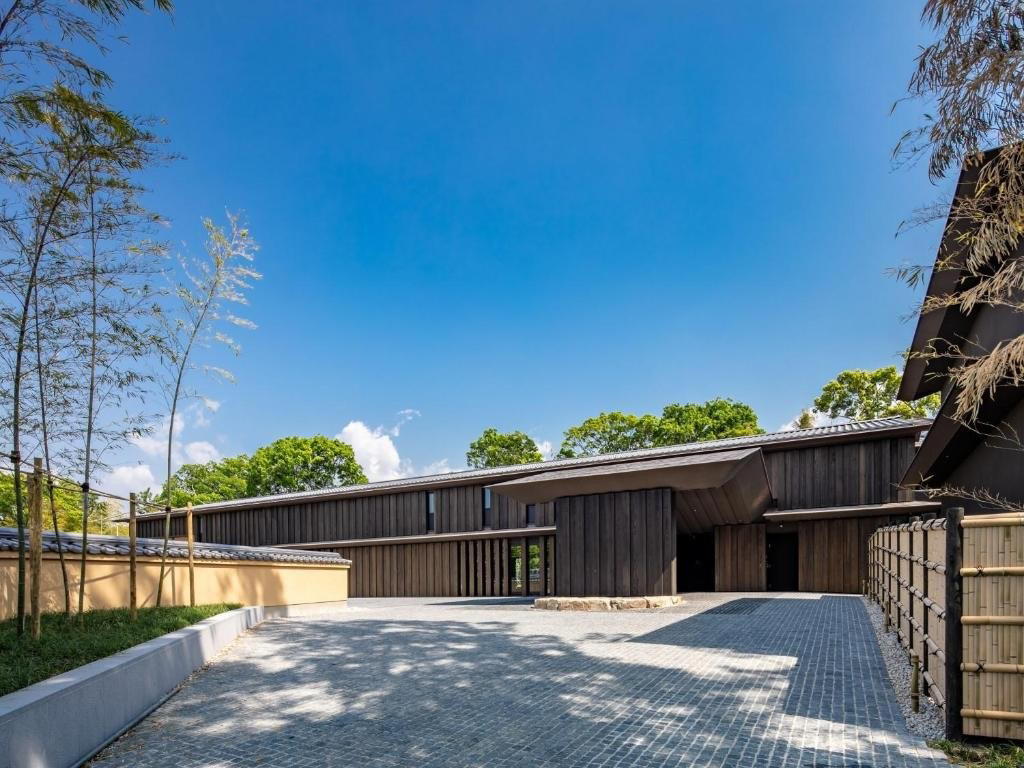
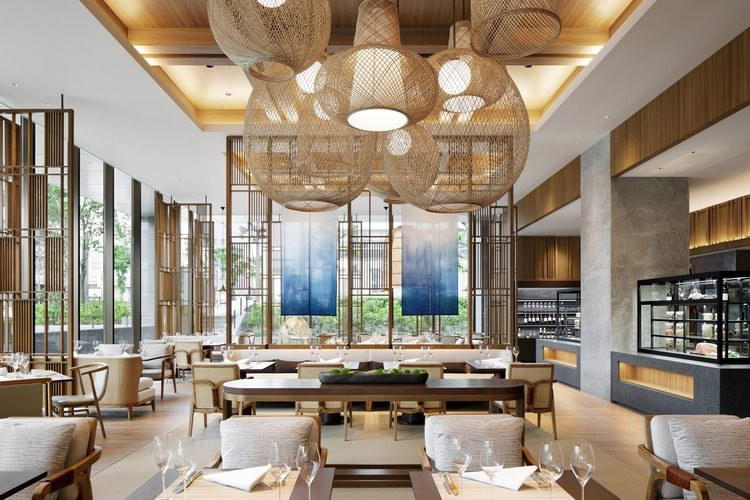



Wineries in Nara
Browse all →
Details
- Cozy
- Elegant
- Intimate
- Modern
- Date Night
- Business Dinner
- Group Dining
- Family
- Special Occasion
- Design Destination
- Historic Building
- Private Dining
- Standalone
- Sake Program
- Local Sourcing
- Tasting Menu
- Set Menu
- A La Carte
- Sake
- Beer
- Tea
Current opening hours
- Monday
- 11 AM–3 PM, 5–9 PM
- Tuesday
- 11 AM–3 PM, 5–9 PM
- Wednesday
- Closed
- Thursday
- 11 AM–3 PM, 5–9 PM
- Friday
- 11 AM–3 PM, 5–9 PM
- Saturday
- 11 AM–3 PM, 5–9 PM
- Sunday
- 11 AM–3 PM, 5–9 PM
Hours can change for holidays and private events. Hours as of .
Refined but relaxed sukiyaki kappo with warm lighting, polished wood decor, and a calm, intimate atmosphere suited to leisurely course dining rather than a bustling hotpot hall.