


1 Michelin Star · We're Smart World 2 Radishes
Our verdict
A Michelin-starred Italian Contemporary restaurant on the edge of Como, Kitchen operates from a private park setting with a biodynamic kitchen garden that shapes both its menus and its identity. Chef Andrea Casali runs two tasting menus, the vegetable-led Green and the broader Experience, alongside an à la carte.

Pearl is the En Primeur Club membership app, where members save venues, book tables and use the concierge.
Where Lake Como's Fine Dining Meets the Kitchen Garden
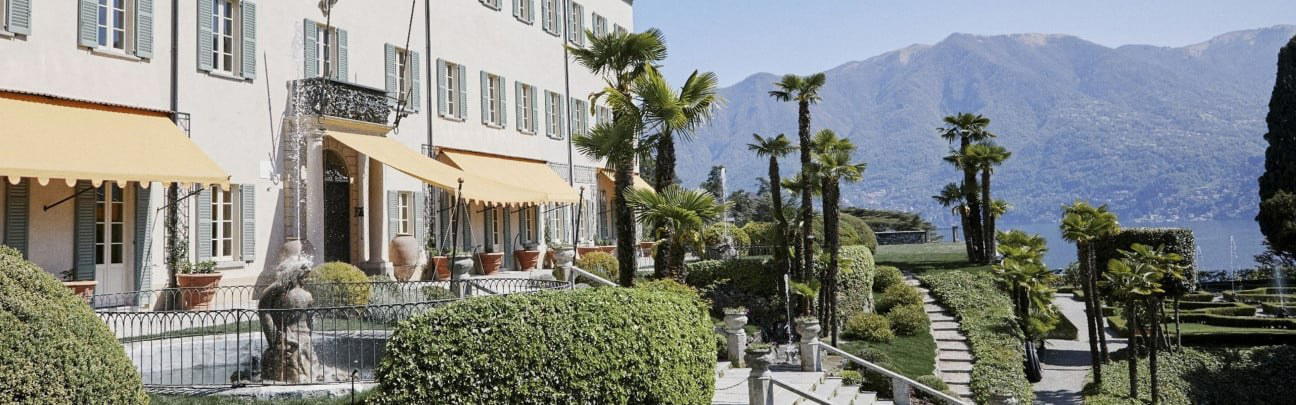
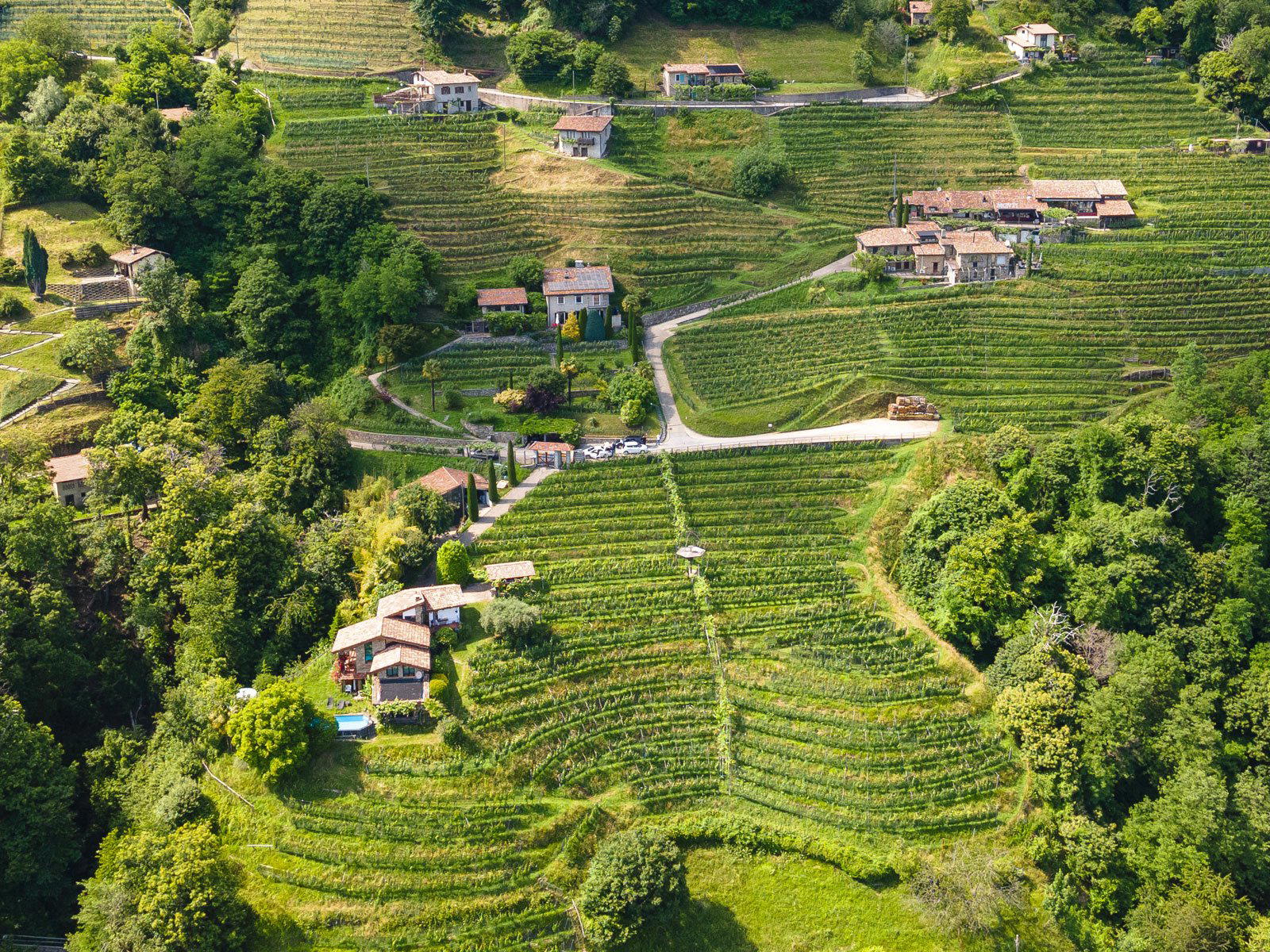
The approach to Kitchen sets the register before you reach the door. A private park frames the building, and the kitchen garden, biodynamic, tended, visibly productive, sits in front of the entrance, announcing the menu's priorities before any host has spoken. This is a deliberate compositional choice, and one that places Kitchen within a strand of Italian fine dining that has been gathering momentum for the past decade: restaurants where agricultural process is made legible to the diner rather than buried in the kitchen.
Lake Como's fine dining offer is not as dense as Milan's, which makes each Michelin-starred address carry more weight within the local scene. Kitchen holds a Michelin One Star as of 2024, placing it alongside a small group of restaurants in the broader Lombardy corridor that have earned recognition for Italian Contemporary cuisine at the €€€€ tier. For context, the nearest comparators in northern Italy, Enrico Bartolini in Milan operating at the same price tier, or Dal Pescatore in Runate representing the traditional end of the Italian Contemporary spectrum, show how varied the category is. Kitchen positions itself toward the produce-driven, vegetable-forward end of that range.
The Pasta Tradition at Kitchen, Technique Inside a Garden-Led Framework
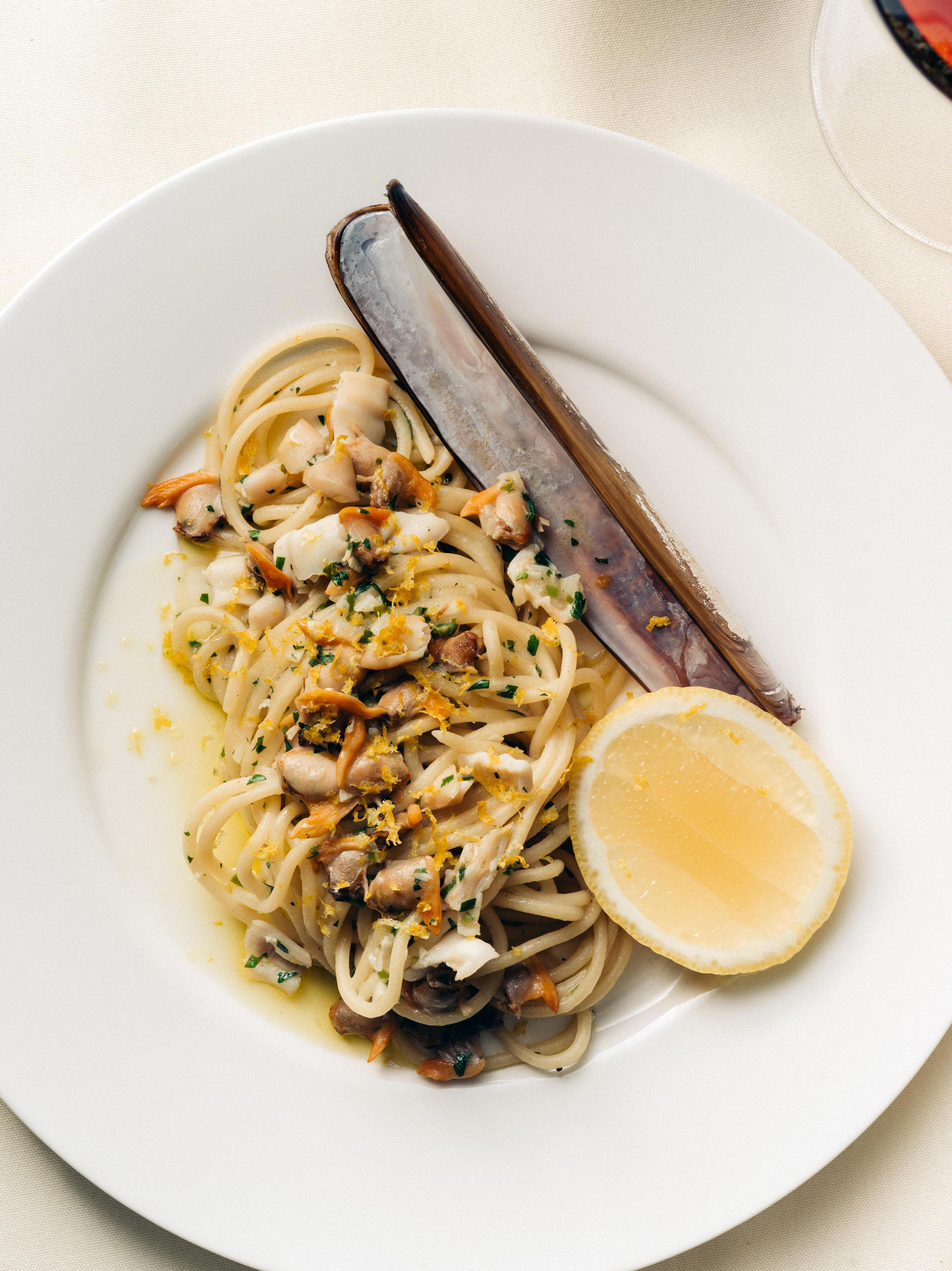
Italian Contemporary cuisine at the fine dining level has to answer a standing question: how much do you depart from the handmade pasta tradition that anchors regional Italian cooking, and where do you let it anchor the menu? The answer at Kitchen arrives through dishes like the beetroot pasta, a preparation that reviewers from We're Smart have specifically noted as the kitchen's most convincing plate, the point at which the garden-to-table philosophy and the classical pasta tradition pull in the same direction rather than at a slight angle to each other.
Across northern Italy, the premium pasta tradition has distinct regional textures. Emilia-Romagna's sfoglia schools produce silkier, egg-heavy sheets. The Piedmontese tradition runs toward tajarin and plin, thin-cut and precisely folded. Lombardy occupies a middle ground, with casoncelli and pizzoccheri representing the region's own logic. Fine dining kitchens in this zone have to decide how much regional specificity to retain and how much to absorb into a broader contemporary Italian idiom. At Kitchen, the beetroot pasta suggests an approach that uses seasonal produce as both flavour driver and structural rationale, the colour, the earthiness, the acidity of beetroot giving the dish its identity rather than relying on the shape or the sauce philosophy alone.
We're Smart's note that the Green tasting menu reads as classically French in execution despite its vegetable-forward premise is an instructive one. It points to a broader tension in Italian Contemporary fine dining: chefs trained in French technique bring precision and sauce discipline to their work, but the grammar of that training can occasionally override the vernacular character that makes Italian cooking legible as Italian. The most compelling Italian pasta dishes at this level, in kitchens like Osteria Francescana in Modena or Le Calandre in Rubano, manage to carry technical rigour without losing the dish's regional anchor. Kitchen is working through the same question, and the beetroot pasta appears to be where that tension resolves most cleanly.
Two Menus, One Garden
Kitchen runs two tasting menus simultaneously. The Green menu is the produce-led option, built around vegetables, herbs, and fruit from the restaurant's biodynamic kitchen garden. The Experience menu takes a wider view of Italian Contemporary technique, incorporating the full range of the kitchen's approach. An à la carte is also available, which matters at this price point: not every diner wants to commit to a full tasting format, and the option gives the restaurant access to a broader audience, including guests staying nearby who might visit mid-week for lunch rather than a full evening.
The kitchen garden is biodynamic and located directly in front of the entrance, visible to arriving guests. We're Smart's reviewers observed that the garden's yield is modest relative to the menu's ambitions, a reasonable observation, since a restaurant-scale biodynamic plot can supply herbs, microgreens, and seasonal vegetables in meaningful quantity but rarely covers everything a tasting menu demands. The garden functions partly as ingredient source and partly as an expression of intent: it communicates that the kitchen takes provenance seriously, even where supply requires external sourcing. Whether that balance is the right one for a Michelin-starred kitchen at this level is a matter of how far the concept's integrity needs to extend across every plate, not just the signature dishes.
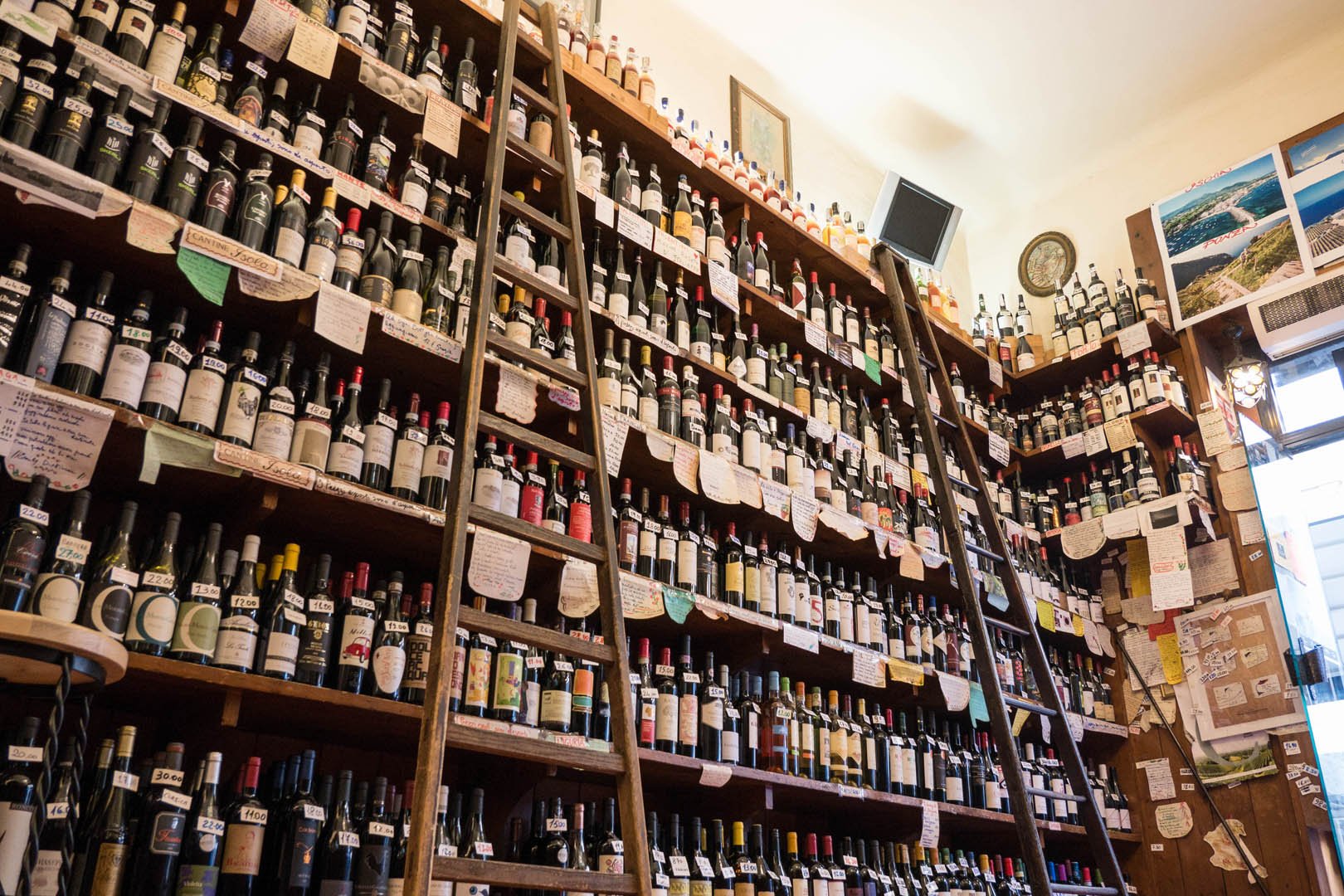
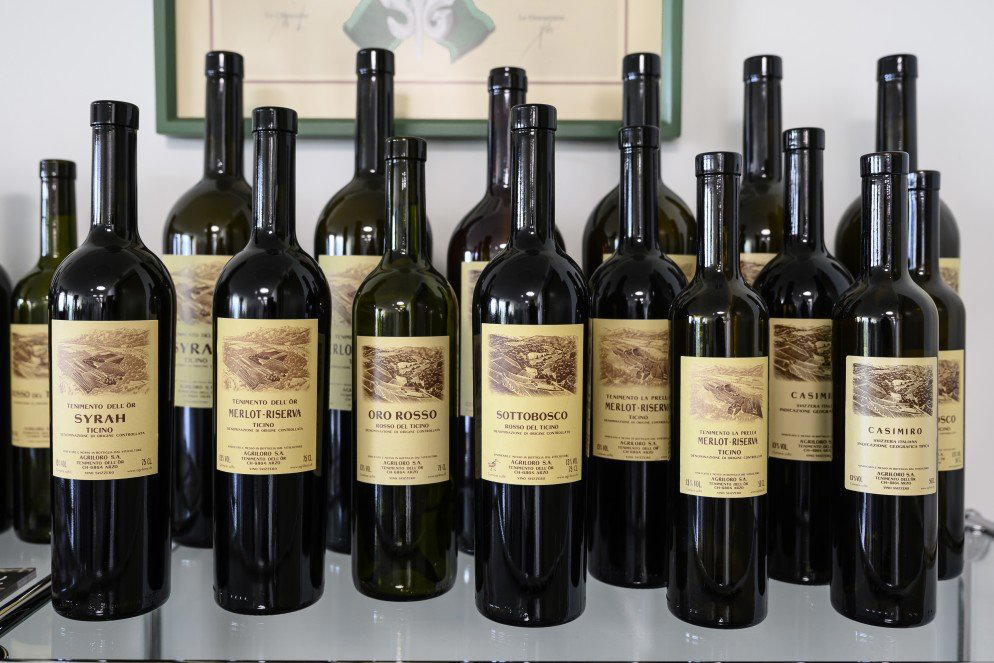
The wine selection has drawn consistent positive comment from multiple review sources, which at the €€€€ tier in northern Italy means the list is likely drawing on Piedmontese, Lombardy DOC, and broader Italian production with some French reference points. No specific bottles or producers are confirmed in available data, but the depth of praise suggests a list built with the same seriousness as the food program rather than appended as an afterthought.
The Lake Como Setting and What It Means for the Kitchen
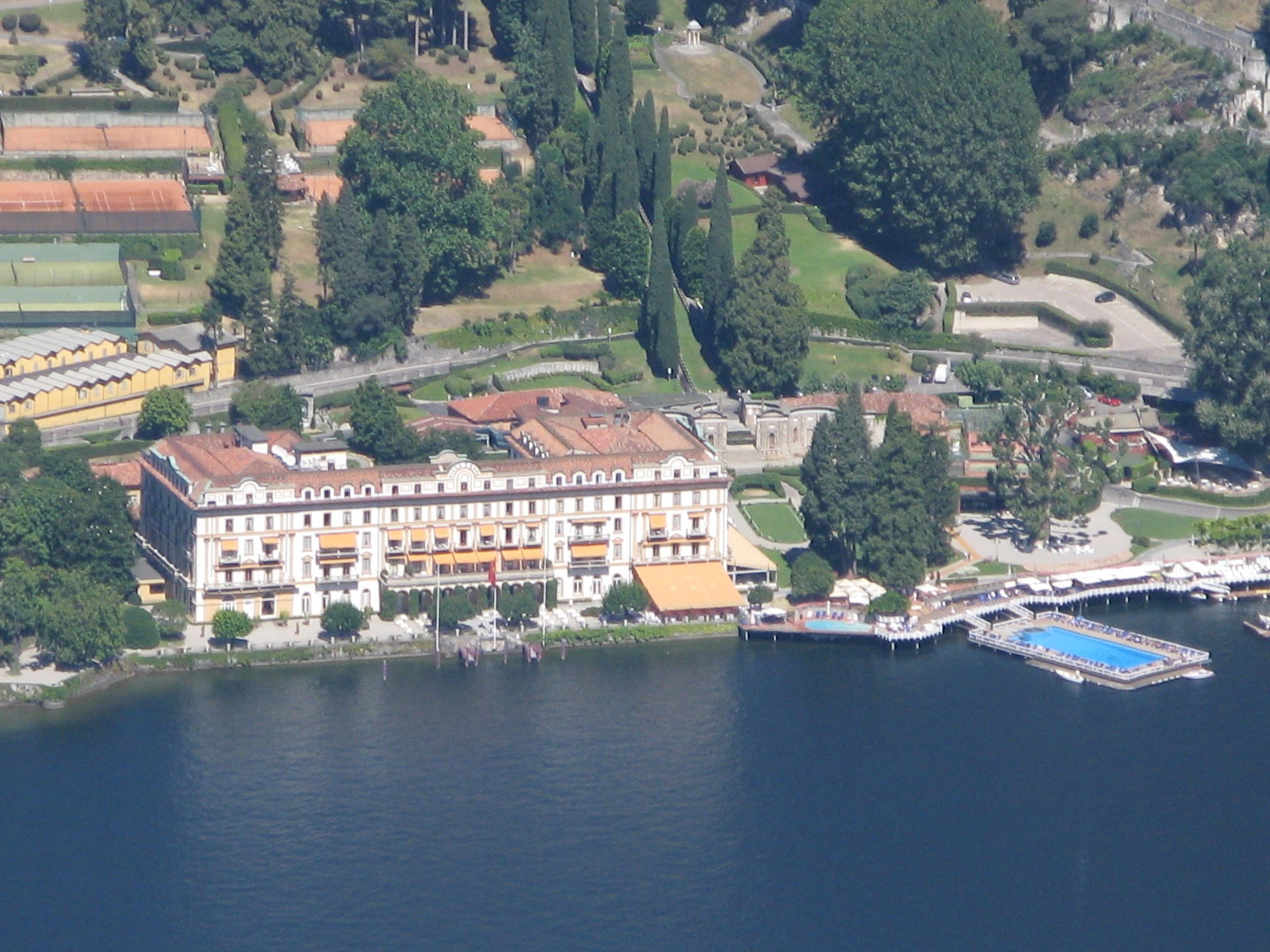
Address, Via Per Cernobbio, on the edge of Como town, places Kitchen in the corridor between Como city and the village of Cernobbio, where Villa d'Este has anchored luxury hospitality for well over a century. This stretch of the western lakeshore concentrates a significant proportion of the region's higher-end dining. It is not a neighbourhood in the urban sense but rather a linear run of lakefront addresses that attract both Italian visitors and an international clientele with high baseline expectations.
For Kitchen, the private park setting separates it from the lakeside promenade hotels and positions it slightly apart from the main tourist circuit. That separation has two effects: it gives the restaurant a quieter, more considered arrival experience, and it means that guests come with purpose rather than by proximity. A restaurant that diners choose specifically, rather than stumble upon, tends to attract a different level of engagement at the table.
Compared to other Italian Contemporary addresses in the lake district, including Comi 107 and Feel Como, Kitchen occupies the leading price tier and holds the only Michelin star in this local peer group. For a broader regional comparison, other starred Italian Contemporary restaurants worth understanding as part of the same scene include Agli Amici Rovinj on the Adriatic side and L'Olivo in Anacapri, both of which represent how the Italian Contemporary idiom translates across very different coastal environments. At the national level, addresses like Piazza Duomo in Alba, Quattro Passi in Marina del Cantone, Uliassi in Senigallia, and Enoteca Pinchiorri in Florence anchor the upper register of the category, against which Kitchen's single star and its specific vegetable-forward positioning can be read clearly.
Planning a Visit
Kitchen is closed on Mondays. Lunch runs from 12:30 PM to 2:30 PM Wednesday through Sunday, and dinner service runs from 7:30 PM to 10:30 PM Tuesday through Sunday. At €€€€ pricing with a Michelin star and a specific tasting menu format, booking ahead is advisable, particularly for weekend dinner and for summer months when Como's visitor numbers peak and the region's leading tables fill well in advance. The à la carte option provides flexibility if the tasting menus feel like too large a commitment for a midday visit. Service has been described across multiple sources as attentive, which at this level means professional without being stiff. For a fuller picture of where Kitchen sits among the region's dining options, see our full Lake Como restaurants guide. If you are planning a wider trip, our Lake Como hotels guide, bars guide, wineries guide, and experiences guide cover the rest of the itinerary.
Frequently asked questions
When is Kitchen open?
Hours at Kitchen: Monday closed Tuesday 7:30 PM-10:30 PM Wednesday 12:30 PM-2:30 PM 7:30 PM-10:30 PM Thursday 12:30 PM-2:30 PM 7:30 PM-10:30 PM Friday 12:30 PM-2:30 PM 7:30 PM-10:30 PM Saturday 12:30 PM-2:30 PM 7:30 PM-10:30 PM Sunday 12:30 PM-2:30 PM 7:30 PM-10:30 PM.
Who is the chef connected to Kitchen?
The chef associated with Kitchen is Andrea Casali.
What It’s Closest To
| Venue | Cuisine | Price | Awards | Notes |
|---|---|---|---|---|
| KitchenThis venue (the venue you are viewing) | Creative Modern Italian | Not listed | 1 Michelin Star · We're Smart World 2 Radishes | Not listed |
| Atelier Moessmer Norbert Niederkofler | Modern Alpine Fine Dining | $300–500 | 3 Michelin Stars · World's 50 Best #20 | Italian, Creative |
| Dal Pescatore | Classic Italian Fine Dining | $200–300 | 3 Michelin Stars · World's 50 Best #38 | Italian, Italian Contemporary |
| Enoteca Pinchiorri | Contemporary Italian Fine Dining | $200–300 | 3 Michelin Stars · World's 50 Best #32 | Italian - French, Italian Contemporary |
| Enrico Bartolini | Modern Italian Fine Dining | $300–500 | 3 Michelin Stars · World's 50 Best #85 | Creative |
| Osteria Francescana | Avant-Garde Italian Contemporary | $300–500 | 3 Michelin Stars · World's 50 Best #1 | Progressive Italian, Creative |
Recognition history
Dated appearances from independent guides and award organizations, with the underlying list record or original source where available.
Michelin 1 Star
Michelin
Opinionated About Dining Top Restaurants in Europe Recommended
Opinionated About Dining
We're Smart World 2 Radishes
We're Smart World
Full recognition history (5 entries)
Michelin 1 Star
Michelin
Michelin 1 Star
Michelin


Continue exploring
More in Lake Como
Restaurants in Lake Como
All restaurants in Lake Como →
Bars in Lake Como
Browse all →

Kitchen
The wine
- Wine program
- Deep wine list
- Extensive wine list
- Sommelier-led
Details
- Elegant
- Romantic
- Scenic
- Sophisticated
- Intimate
- Date Night
- Special Occasion
- Garden
- Extensive Wine List
- Sommelier Led
- Biodynamic
- Local Sourcing
- Garden
- Tasting Menu
- A La Carte
- Vegetarian Friendly
Current opening hours
- Monday
- Closed
- Tuesday
- Closed
- Wednesday
- 12:30–2:30 PM, 7:30–10:30 PM
- Thursday
- 12:30–2:30 PM, 7:30–10:30 PM
- Friday
- 12:30–2:30 PM, 7:30–10:30 PM
- Saturday
- 12:30–2:30 PM, 7:30–10:30 PM
- Sunday
- 12:30–2:30 PM, 7:30–10:30 PM
Hours can change for holidays and private events. Hours as of .
Elegant and refined atmosphere in a lush private garden setting with beautiful lighting under trees, creating a romantic and enchanting dining experience amid greenery.