
A chic Mediterranean address on Chaussée de Wavre in Ixelles, Kitchen 151 is run by a Moroccan chef whose menu centres on vegetable-led preparations, from smoked aubergines with sesame cream to watermelon and feta salad, alongside lamb kefta, marinated squid, and beef with chimichurri. The art gallery next door, operated by the chef's wife, gives the address a dual cultural identity that sets it apart from the standard neighbourhood restaurant.
Pearl is the En Primeur Club membership app — saves, bookings, and concierge access live there. Same editors, same standards.
- Address
- Chau. de Wavre 145, 1050 Ixelles, Belgium
- Phone
- +32 2 512 49 29
- Website
- kitchen.onefiveone.be
- Directions
- Get directions
 Saves & bookings on Pearl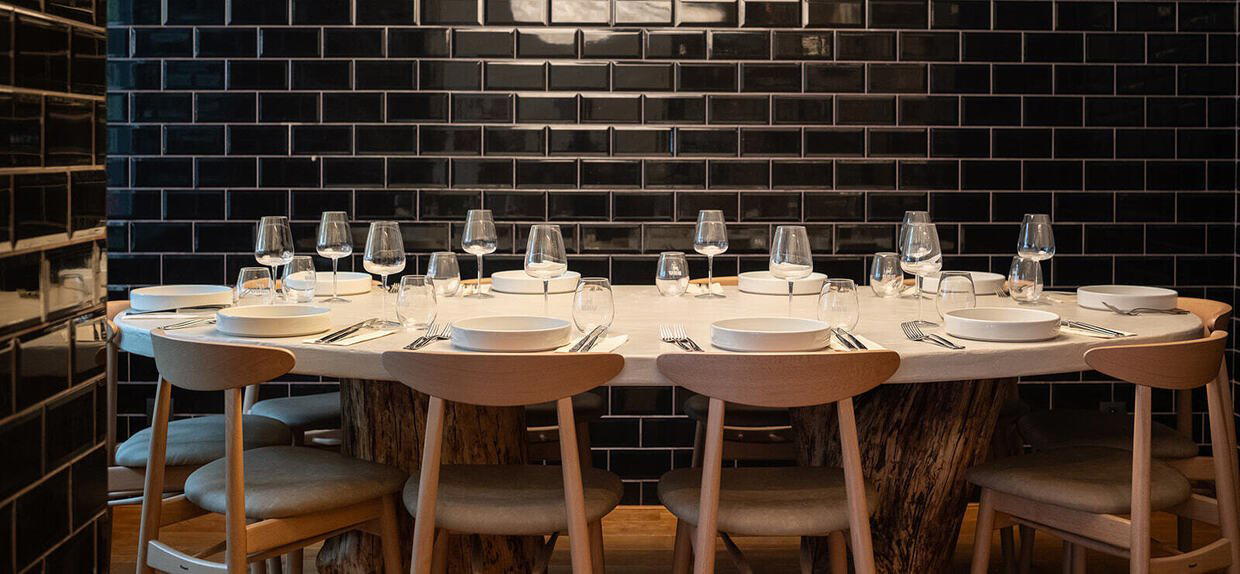
Ixelles and the Mediterranean Current Running Through It
Brussels has long hosted a dense, cosmopolitan restaurant culture, but Ixelles carries a particular energy. The commune's stretch of Chaussée de Wavre draws a mix of local residents, gallery visitors, and the kind of regular who eats out several times a week and has stopped tolerating mediocrity. Within that context, a Mediterranean restaurant anchored by a Moroccan chef and paired with an adjacent art gallery is less a novelty and more a logical product of the neighbourhood's character. Kitchen 151 sits at that intersection, and the combination tells you something useful about what Ixelles rewards: specificity over generality, informal sophistication over formal ceremony.
For visitors planning around Brussels's broader dining circuit, the city's leading end runs from the formal French-Belgian tradition at Comme chez Soi and La Villa Lorraine by Yves Mattagne through to the contemporary fine dining of Bozar Restaurant and the organic-led cooking at Barge. Kitchen 151 operates in a different register from all of them. It is not competing with tasting-menu culture or Michelin ceremony. The menu is shorter, the format more direct, and the cooking philosophy — vegetables first, daily changes on vegan and vegetarian preparations, meat and fish appearing as counterpoints rather than centrepieces — places it in a category that Brussels still does not have in abundance.
The Menu Logic: Vegetables as the Architecture
Mediterranean cooking in northern Europe often reduces to a shorthand: grilled fish, tomato sauces, and the occasional shared plate. Kitchen 151 does not follow that reduction. The menu structures itself around vegetable preparations as the primary event, with dishes like hummus, smoked aubergines with sesame cream, and a salad of watermelon and feta with red onion and fresh mint forming the core rather than the prologue. This is a decision with culinary consequences. It means the kitchen has to do more with less, and it means the seasonal calendar matters in a way it often does not in protein-led restaurants.
The meat and fish dishes, lamb kefta, beef with chimichurri, marinated squid, read as deliberate additions to a framework rather than the main act. That positioning is relatively rare in Brussels, where even casual restaurants tend to build menus around a central protein. The daily rotation of vegan and vegetarian preparations adds further operational discipline; it signals that the vegetable focus is structural, not cosmetic.
This approach has parallels in what the broader Mediterranean tradition actually looks like at source. In Morocco, in Lebanon, in parts of the eastern Mediterranean generally, the table fills with plant-based preparations first, and animal proteins arrive in smaller portions later. Kitchen 151 applies that logic without explicitly advertising it as a concept, which is the right call: the cooking makes the argument more effectively than any framing would.
The Gallery Connection and What It Changes
The art gallery operated by the chef's wife next door is not a decorative detail. In a neighbourhood where cultural venues and restaurants increasingly operate as complementary ecosystems, the physical adjacency creates a practical dimension to the evening. Visitors to the gallery extend into the restaurant; diners arrive early or leave late with something to look at. This model has worked well in other cities, it is part of what defines certain blocks in Paris's 10th arrondissement or the Bermondsey corridor in London, and Ixelles has the population density and cultural appetite to support it.
It also changes the ambient atmosphere of the space. Restaurants attached to or neighbouring galleries tend to attract a crowd with higher tolerance for the unfamiliar on the plate, which in turn gives the kitchen more latitude to push the daily vegetarian and vegan preparations in directions a less adventurous room might resist. The practical effect: what arrives at the table on a Tuesday may look quite different from what arrives on a Friday, and that variation is part of the draw rather than a liability.
Planning Your Visit: The Booking Question
Kitchen 151's position in Ixelles and its format as a neighbourhood restaurant with a specific culinary identity, rather than a large-capacity dining room built for turnover, means that booking ahead is advisable, particularly for weekend evenings when Chaussée de Wavre fills with residents who have already identified their preferred tables. The restaurant does not publish a phone number or website through the standard channels, which is worth knowing before you plan. Reservation methods are best confirmed directly; showing up without a booking on a Friday or Saturday is a risk that the format does not particularly reward.
For visitors structuring a wider Brussels itinerary, Ixelles is easy to reach from the centre and neighbours several other addresses worth combining into an evening: the Brussels bar scene in the area offers post-dinner options, and for those extending their stay, the Brussels hotels guide covers the range from design-led boutique to large international properties. The full Brussels restaurants guide maps the city's dining options across price points and styles, from the €€€€ tasting-menu tier down through neighbourhood formats like this one.
Belgium's wider restaurant culture extends well beyond the capital. The country punches well above its size: Hof van Cleve in Kruishoutem, Boury in Roeselare, Zilte in Antwerp, Willem Hiele in Oudenburg, Bartholomeus in Heist, and Castor in Beveren all represent the country's serious end. Kitchen 151 occupies a different tier, more accessible, less ceremony-dependent, but the same underlying principle applies: the cooking has a clear point of view, and it earns its regulars on that basis.
For those using Brussels as part of a longer international itinerary, the contrast in format between a neighbourhood Mediterranean address like this and large-footprint destination restaurants, say, Le Bernardin in New York or Emeril's in New Orleans, is worth holding in mind. Scale changes what a restaurant can and cannot do. Kitchen 151 operates at the scale where daily rotation is possible, where the room feels like a considered choice rather than a default, and where the chef's Moroccan background reads as a culinary identity rather than a marketing angle. The Brussels experiences guide and wineries guide offer additional context for building a full visit to the city.
How Kitchen 151 Brussels compares with similar nearby venues.
| Venue | Cuisine | Price | Awards |
|---|---|---|---|
| Kitchen 151 | Not listed | Not listed | We're Smart World 2025, 2 Radishes |
| Le Tournant | Home Cooking | €€ | Not listed |
| Chou | Farm to table | €€€ | Not listed |
Recognition history
Dated appearances from independent guides and award organizations, with the underlying list record or original source where available.
We're Smart World 2 Radishes
We're Smart World
Continue exploring
More in Brussels
Restaurants in Brussels
Browse all →
Bars in Brussels
Browse all →
Hotels in Brussels
Browse all →
Wineries in Brussels
Browse all →
At a Glance
- Cozy
- Intimate
- Elegant
- Date Night
- Group Dining
- Family
- Celebration
- Open Kitchen
Current opening hours
- Monday
- Closed
- Tuesday
- Closed
- Wednesday
- 7–10 PM
- Thursday
- 7–10 PM
- Friday
- 7–10 PM
- Saturday
- 7–10 PM
- Sunday
- Closed
Hours can change for holidays and private events. Last verified .
Warm, cozy atmosphere with nice lighting, friendly personal service, and a homey feel praised in guest reviews.
Know Before You Go
- Getting there
- Chau. de Wavre 145, 1050 Ixelles, Belgium