Kisvendéglő a Hargitához
Our verdict
Where Békéscsaba Eats on Its Own Terms Tavasz utca is not a street that appears in international food guides. In Békéscsaba, a city in Hungary's Southern Great Plain where agriculture shapes the economy as much as it shapes the table, streets...

Pearl is the En Primeur Club membership app — saves, bookings, and concierge access live there. Same editors, same standards.
- Address
- Békéscsaba, Tavasz u. 7, 5600 Hungary
- Phone
- +3666435419
- Hours
- Daily 11:30 AM–10 PM
- Website
- hargitavendeglo.hu
- Directions
- Get directions
The menu
What to order
- Hargita tál
- Tiszai harcsa paprikás
- Kemencében sült túrós palacsinta
Where Békéscsaba Eats on Its Own Terms
Tavasz utca is not a street that appears in international food guides. In Békéscsaba, a city in Hungary's Southern Great Plain where agriculture shapes the economy as much as it shapes the table, streets like this one have always fed the neighbourhood rather than performed for visitors. Kisvendéglő a Hargitához sits at number seven, and the building announces nothing — no canopy lighting, no sandwich board quoting a critic. That absence is itself a signal. In smaller Hungarian cities, the vendéglő format — a step below étterem in formality, a step above a simple kocsmá, has historically been where the most direct relationship between local produce and local appetite plays out. No filtering through a modernising chef's agenda, no fusion overlay. The kitchen cooks what the region grows.
The Vendéglő Tradition and What It Means for the Plate
Hungary's culinary geography is more fractured than outsiders assume. Budapest's contemporary dining has converged around a recognisably European modern bistro template, see Stand in Budapest or the produce-forward ambition of Platán Gourmet in Tata, but provincial Hungary has maintained a parallel track. The vendéglő model in the Great Plain region is rooted in practicality: short supply chains, seasonal availability, and an expectation from the guest that the food will reflect what grows within driving distance of the kitchen. Békés County is one of Hungary's most productive agricultural counties, known for wheat, sunflowers, and livestock. That agrarian base feeds directly into the cooking style found in places like this one.
The regional pantry here differs from what you find further west toward the Transdanubian hills. The flat, wide plains produce beef and pork in quantity, and the pepper cultivation around Gyula, the town is less than thirty kilometres east, has given the county a paprika tradition that runs through its sausage-making and stew cookery. A kitchen working from these inputs is not making a romantic choice about provenance. It is doing what local kitchens in this part of Hungary have always done. Compare this to the more wine-influenced cooking further south, where restaurants like Halasi Pince Panzió in Villány align their menus to cellar logic, or the forest-foraging emphasis at Pajta in Őriszentpéter. Each of these reflects the territory it occupies. Bekéscsaba's territory is the plain, and the plain means grain, fat, and paprika.
Ingredient Sourcing and the Great Plain Pantry
The Hargita name in the restaurant's title carries geographic weight. The Hargita Mountains lie in Transylvania, historically part of the Hungarian cultural world, and names like this appear across the country as a quiet reference to a culinary tradition that flows across borders, particularly the heavier, slow-cooked preparations associated with Transylvanian and eastern Hungarian cooking. Dishes rooted in this tradition tend to rely on preserved ingredients, rendered fats, and long cooking times: methods developed before refrigeration in agricultural communities where storing and extending seasonal abundance was survival practice, not a chef's technique.
For context on how regional sourcing shapes the dining experience across Hungarian provincial restaurants, BoriMami in Gyöngyös and Forst-Ház Étterem és Kávézó in Eger both operate within local produce frameworks shaped by their respective counties. The pattern is consistent: Hungarian provincial cooking outside the capital is defined less by individual chef vision and more by geographic circumstance.
Békéscsaba in Context: A City That Eats Seriously
Békéscsaba is Hungary's seventeenth-largest city and the administrative centre of Békés County, with a population of around sixty thousand. It does not draw the tourist volumes of Eger or Pécs, which means its restaurants serve a predominantly local clientele with genuine local demands. That dynamic tends to keep menus honest. There is no incentive to soften flavours for an international palate or to inflate presentation for social media performance. In this sense, eating in Békéscsaba involves a directness rarely found in more visited cities.
The city has a well-documented Slovak minority community, one of the largest in Hungary, whose culinary influence has layered into the local food culture over centuries. Slovak-inflected stuffed cabbage, dumplings, and smoked meat preparations exist alongside core Hungarian cooking in this county's kitchens, adding a textural dimension to the region's food identity that has no equivalent in the western counties. Fiume Étterem represents another entry point into Békéscsaba's dining offer. For a full view of what the district has available, our full Békéscsaba District restaurants guide maps the broader field.
If the Hungarian provincial restaurant tradition is of interest more widely, the range runs from Transylvanian-influenced cooking in the east to German-inflected brewery restaurants in the west, such as Guri Serház Szombathely in Szombathely, and elegant village formats like Kővirág in Köveskál. The diversity of reference points is considerable. Further afield, the contrast with tightly controlled fine-dining formats at places like Le Bernardin in New York City or Atomix in New York City illustrates how radically different the operating logic of a provincial Hungarian vendéglő actually is. The vendéglő feeds a community; the starred counter performs for an audience. Both have their integrity.
Other provincial restaurant comparisons worth drawing: Aranysárkány Vendéglő in Szentendre demonstrates how the same vendéglő format performs closer to Budapest's tourism pull. Classic Grill Serbian Restaurant Underground in Szeged shows the Balkan ingredient crossover that characterises the southern Great Plain's border region. Almalomb in Hosszúhetény and Apicius Étterem és Kávéház in Herend extend the comparison into Transdanubia's different produce logic. Even outside Hungary, Astro Tea & Kávéház in Gyor and La Pizza Del Lupo in Onga round out the scope of regional variation across Central Europe's mid-market dining sector.
Planning a Visit
Kisvendéglő a Hargitához is located at Tavasz u. 7, Békéscsaba 5600. Visitors travelling through the Southern Great Plain region should factor in that Békéscsaba sits on Hungary's main eastern rail corridor, making it accessible from Budapest in under two hours by InterCity train.
Frequently asked questions
Is Kisvendéglő a Hargitához okay with children?
The vendéglő format in Hungary has historically been a family-oriented institution rather than a formal dining room, and a neighbourhood address like Tavasz u. 7 in Békéscsaba is consistent with that tradition. Children are generally welcome in this style of establishment.
What kind of setting is Kisvendéglő a Hargitához?
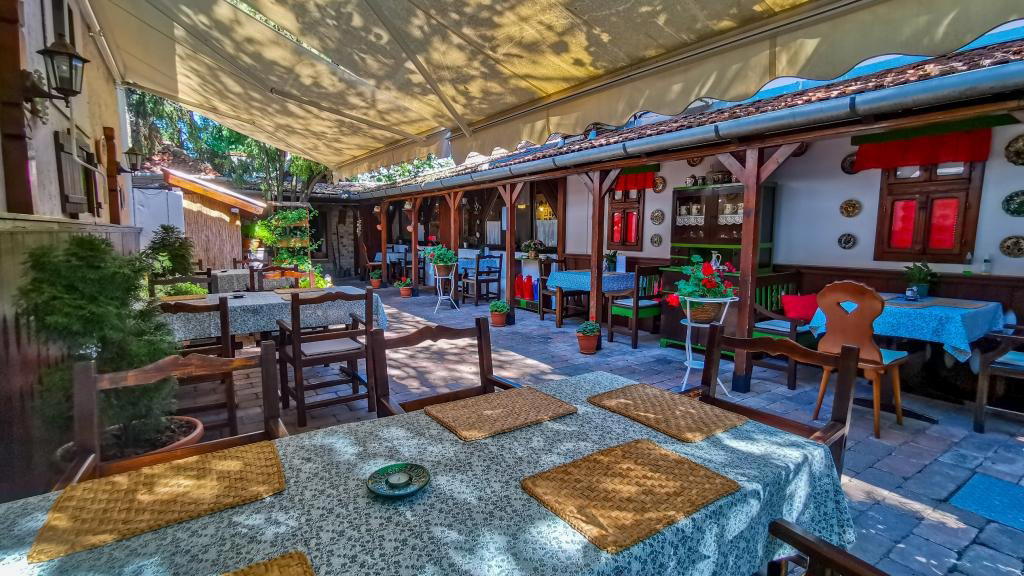
This is a kisvendéglő, a specifically Hungarian category sitting below a full étterem in scale and formality but above a simple lunchroom. The setting at Tavasz u. 7 in Békéscsaba is residential rather than commercial-centre, which typically means straightforward room layouts, communal-style seating, and an emphasis on regulars over walk-in tourism. Dress accordingly: practical and comfortable rather than formal.
What makes Kisvendéglő a Hargitához distinct from other restaurants in Békéscsaba?
The name directly references the Hargita Mountains of Transylvania, signalling a specific regional identity within Hungarian cooking that differs from Budapest-centric or generic Central European menus. Békéscsaba itself sits at the intersection of Hungarian, Slovak, and Romanian cultural influences, and a restaurant name rooted in Transylvanian geography suggests a deliberate positioning within that heritage. This is not a common framing for a city-centre étterem, which makes the Tavasz u. 7 address worth seeking out for visitors interested in the deeper culinary geography of eastern Hungary.
What should I order at Kisvendéglő a Hargitához?
The Hargita name points toward Transylvanian-influenced Hungarian cooking, which in practice means dishes rooted in the pork-heavy, paprika-driven traditions of the Southern Great Plain meeting the dairy and cabbage preparations associated with the Hungarian-Transylvanian border region. In a Békéscsaba vendéglő of this type, expect gulyás, töltött káposzta, and pörkölt as likely anchors of the menu.
Comparable Venues
Comparable venues nearby, for context on price, style, and recognition.
| Venue | Cuisine | Price | Awards | Notes |
|---|---|---|---|---|
| Kisvendéglő a HargitáhozThis venue — the venue you are viewing | Transylvanian Hungarian | $10–20 | Not listed | Not listed |
| Fiume Étterem | Hungarian and International | Not listed | Not listed | Bekescsaba |
| Tanyacsárda | Traditional Hungarian | $20–30 | Not listed | Lajosmizse |
| IDA Bistro | Austro-Hungarian Bistro | $30–50 | Wine Spectator Award of Excellence | Tabán |
| Almalomb | Modern Hungarian | $20–30 | Not listed | Hosszúhetény |
| MoszkvaTér | Authentic Russian Bistro | $20–30 | Michelin Plate | Varhegy |
Continue exploring
More in Békéscsaba
Restaurants in Békéscsaba
Browse all →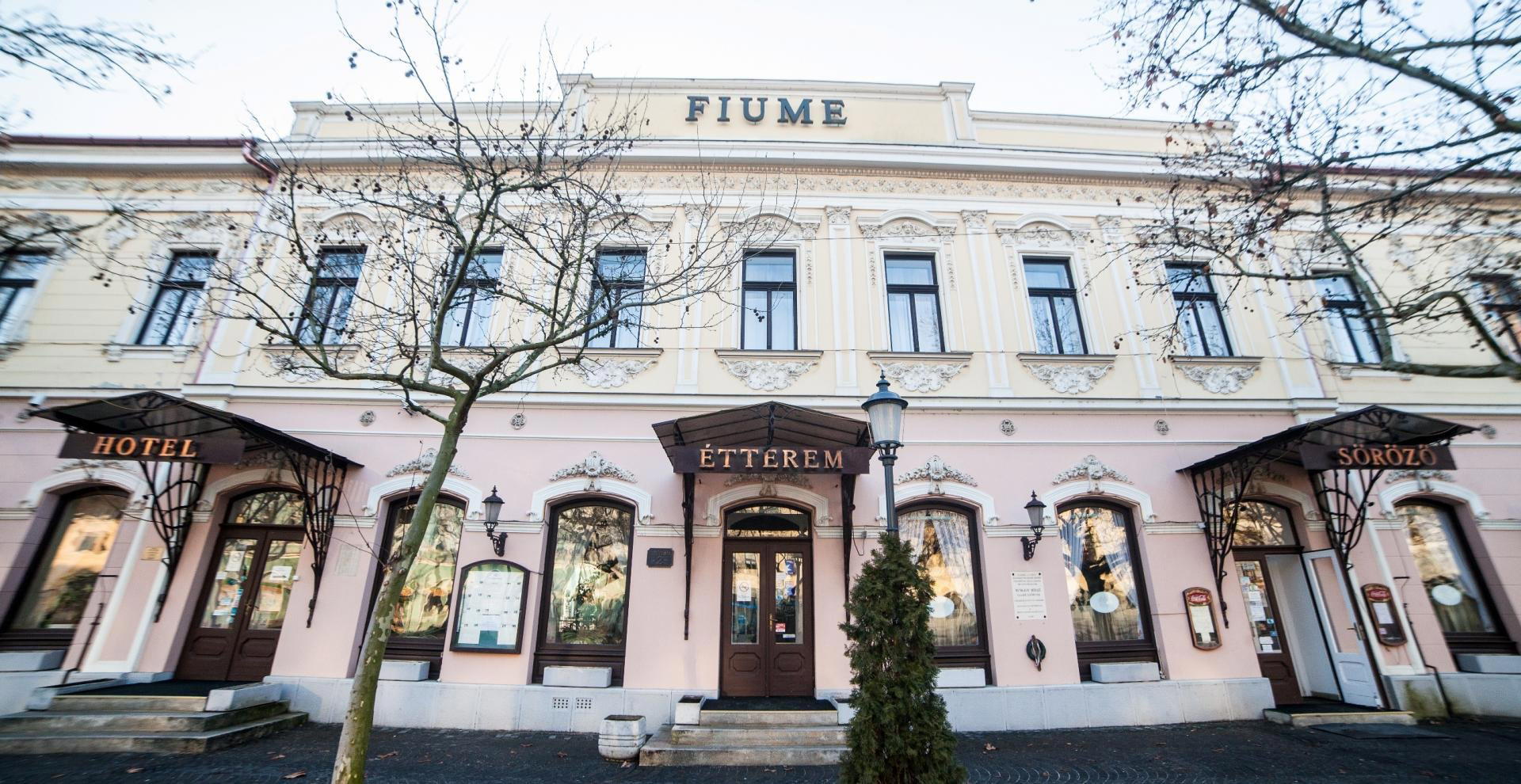
Details
- Rustic
- Cozy
- Classic
- Family
- Casual Hangout
- Historic Building
- Local Sourcing
- A La Carte
Current opening hours
- Monday
- 11:30 AM–10 PM
- Tuesday
- 11:30 AM–10 PM
- Wednesday
- 11:30 AM–10 PM
- Thursday
- 11:30 AM–10 PM
- Friday
- 11:30 AM–10 PM
- Saturday
- 11:30 AM–10 PM
- Sunday
- 11:30 AM–10 PM
Hours can change for holidays and private events. Last verified .
Warmth and simplicity of old peasant environment with authentic interior.