
Tabelog 100 #33
Our verdict
suba puts Kyoto’s stand-up soba tradition into a sharper contemporary frame: low-friction, ingredient-led noodles in a compact Kiyamachi setting rather than a long-form kaiseki performance. Its selection for Tabelog 100 Soba WEST in 2024 and 2025 gives it a credible place in the city’s casual dining conversation, especially for travelers tracking serious food outside reservation-heavy rooms.

Pearl is the En Primeur Club membership app, where members save venues, book tables and use the concierge.
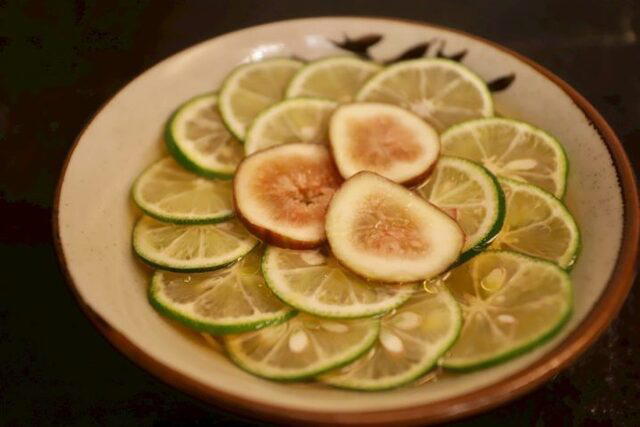
The menu
What to order
- Soba with domestic beef offal and yellow chives
- Hida jumbo nameko soba
In Kyoto, the restaurant rhythm shifts quickly: tea houses, late-night counters, noodle shops, and narrow-fronted rooms can sit within the same day of eating. Stand-up soba fits naturally. Fast by design but not disposable, it asks whether buckwheat, broth, and timing can carry a meal without ceremony. suba brings that standing-only soba counter into a city better known abroad for kaiseki rooms, temple-adjacent sweets, and carefully staged sushi.
The contrast matters. Kyoto dining is often sold through slowness and ritual, but its everyday food culture also depends on speed, repetition, and small specialists. Soba sits between registers: less formal than a multi-course Japanese meal, more ingredient-sensitive than a convenience stop. The grain must read clearly, the dipping or soup base must support rather than bury it, and service must move without feeling careless. Where serious meals can become expensive and itinerary-dominating, a focused soba stop can be the sharper editorial choice.
Stand-up soba as Kyoto counterculture
The standing format changes the hierarchy. There is no extended table choreography, no long pause between courses, and little decorative storytelling. Attention shifts to essentials: noodle texture, broth balance, temperature, portion logic, and turnover. That makes soba specialists revealing in Kyoto: they strip away luxury language and test fundamentals that are hard to disguise.
suba’s 2025 recognition from Tabelog Hyakumeiten places it in a more specific field than the broad mass of casual noodle counters. Tabelog’s category lists are not Michelin-style star systems, but in Japan they signal genre-specific eating, especially for visitors separating convenience from craft. The stand-up soba category also sets expectations: not a lingering dining room for wine pairings and private-table pacing, but a compact soba format where throughput and focus are central.
The Kyoto comparison is useful. Ryoriya Maekawa and Ryoriya Otaya represent the city’s composed Japanese dining register, while Kyo Seika occupies a Chinese-inflected lane. SPICE GATE shows how Kyoto casual dining can stretch beyond traditional Japanese forms. suba sits elsewhere again: lower ceremony, tighter product focus, and a format suited to travelers wanting a serious bowl without surrendering an evening.
Buckwheat, broth, and the sourcing question
Soba is ingredient-led cooking that punishes vagueness. Because buckwheat has less gluten than wheat, structure depends on milling, hydration, cutting, and speed from preparation to service. The better soba conversation in Japan is not only handmade versus machine-cut; it is whether the grain remains perceptible after cooking, and whether broth, garnish, and seasoning leave space for it.
That is the right lens for suba. It is categorized as stand-up soba, not a broad izakaya or Japanese restaurant, and that narrowness is useful. Kyoto has many places that perform variety; the more interesting casual specialists often make a smaller promise and are judged harshly against it. In soba, that promise begins with buckwheat and extends to dashi discipline, soy depth, and restraint, avoiding bowls that become salt-and-aroma contests.
The format is also telling. Soba has long had a relationship with quick, purposeful eating in Japan, especially in counters where the point is not to stretch the meal into an occasion. A standing soba context points to Kyoto’s current casual shift: old formats edited rather than abandoned. The city is not simply split between temples of tradition and tourist convenience; it increasingly includes short-format specialists keeping the food category tight.
For a broader Kyoto eating day, suba is best as a precision stop, not a trophy meal. Pair it with compact addresses to map the city better than stacking only long dinners. Nearby editorial routes might include contemporary casual cooking, another everyday Kansai appetite, or a more design-conscious Kyoto meal. For French references, Grand Café FAUCHON shifts register, while other Kyoto dining can anchor older local snack traditions.
How to place it in a Kyoto itinerary
The strongest use case is not celebratory dinner. It is the high-quality interval: focused lunch, early evening reset, or a late meal when a multi-course reservation is wrong. suba rewards flexibility rather than making the day depend on one formal dining plan. Practically, that suits Kyoto days built around walking, culture, and neighborhood changes, where fixed dining can distort the route.
Read the room type honestly. Standing soba is not built for large groups, long conversations, or travelers needing a fully cushioned dining experience. It works for solo diners, pairs, and ingredient-focused eaters who understand speed as a virtue when the category is narrow. The straightforward format lowers the conceptual barrier for visitors, while the category itself makes expectations clearer than at a broader casual room.
Within EP Club’s Kyoto map, suba belongs beside specialist casual addresses, not formal Japanese dining rooms. Use Our full Kyoto restaurants guide for the wider eating plan, then cross-reference Our full Kyoto hotels guide, Our full Kyoto bars guide, Our full Kyoto wineries guide, and Our full Kyoto experiences guide to avoid building the day around one meal alone.
For readers comparing Japanese casual formats beyond Kyoto, the same question repeats: how much specificity can a short meal carry? Other dining in Japan may answer through beef, tuna, charcoal, cafe formats, regional casual cooking, Vietnamese cooking, or curry specialization. Even outside Japan, narrow Japanese formats show how much discipline matters when a restaurant chooses compression over breadth.
The editorial verdict is simple: suba is compelling because it refuses to inflate soba into theater. Its value lies in compression: a standing format, clear category, credible 2025 recognition, and a listed budget of JPY 1,000 - JPY 1,999 for lunch and dinner that keeps the decision light. In Kyoto, where dining can become overplanned, that restraint is not compromise. It is the reason to go.
Frequently asked questions
Where is suba in Kyoto?
Kyoto.
What should I budget for a meal at suba?
Pricing at suba is listed as JPY 1,000 - JPY 1,999 JPY 1,000 - JPY 1,999.
Do they take walk-ins at suba?
suba operates as a stand-up soba counter in Kyoto. The format is compact and casual, so plan with flexibility.
What's the signature at suba?
The defining format is stand-up soba, and suba has 2025 recognition from Tabelog Hyakumeiten. The menu focus is soba rather than a named signature dish.
Can suba accommodate dietary restrictions?
suba is categorized as stand-up soba in Kyoto. Guests with dietary restrictions should account for that focused format when ordering.
At-a-Glance Comparison
Comparable venues by category and price.
| Venue | Cuisine | Price | Awards | Notes |
|---|---|---|---|---|
| subaThis venue (the venue you are viewing) | Contemporary standing soba | $10–20 | Tabelog 100 #33 | Not listed |
| Shinpachi Chaya | Kyoto gelato and matcha soft cream shop | $1–10 | Tabelog 100 #54 | Ukyō |
| Keihan Uji Ekimae Surugaya | Japanese Sweets / Matcha Confectionery | $1–10 | Tabelog 100 #6 | Uji |
| Amaguri no Shinise Hayashi Mansho Do Honten | Traditional Japanese chestnut sweets & cafe | $1–10 | Tabelog 100 #71 | Nakagyō |
| Fuka Nishiki ten | Traditional Kyoto nama-fu & Japanese sweets | $1–10 | Tabelog 100 #1 | Nakagyō |
| Kame Hironaga | Traditional Kyoto Japanese sweets (wagashi) shop | $10–20 | Tabelog 100 #48 | Nakagyō |
Recognition history
Dated appearances from independent guides and award organizations, with the underlying list record or original source where available.
Tabelog 100 #33 · No. 33
Tabelog · Tabelog 100 - Soba - WEST - 2025
suba
Featured Guides
Continue exploring
More in Kyoto
Restaurants in Kyoto
All restaurants in Kyoto →

Bars in Kyoto
All bars in Kyoto →


Hotels in Kyoto
All hotels in Kyoto →

Wineries in Kyoto
Browse all →
Details
- Modern
- Trendy
- Cozy
- Solo
- Casual Hangout
- After Work
- Late Night
- Standalone
- Design Destination
- Street Scene
- A La Carte
- Counter Dining
- Wine
- Beer
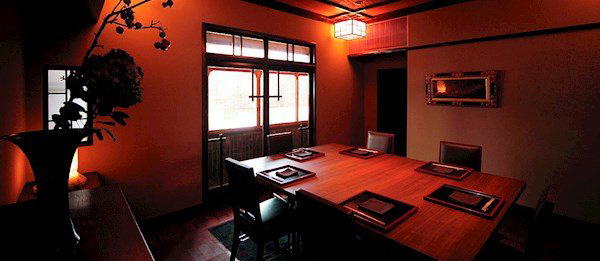
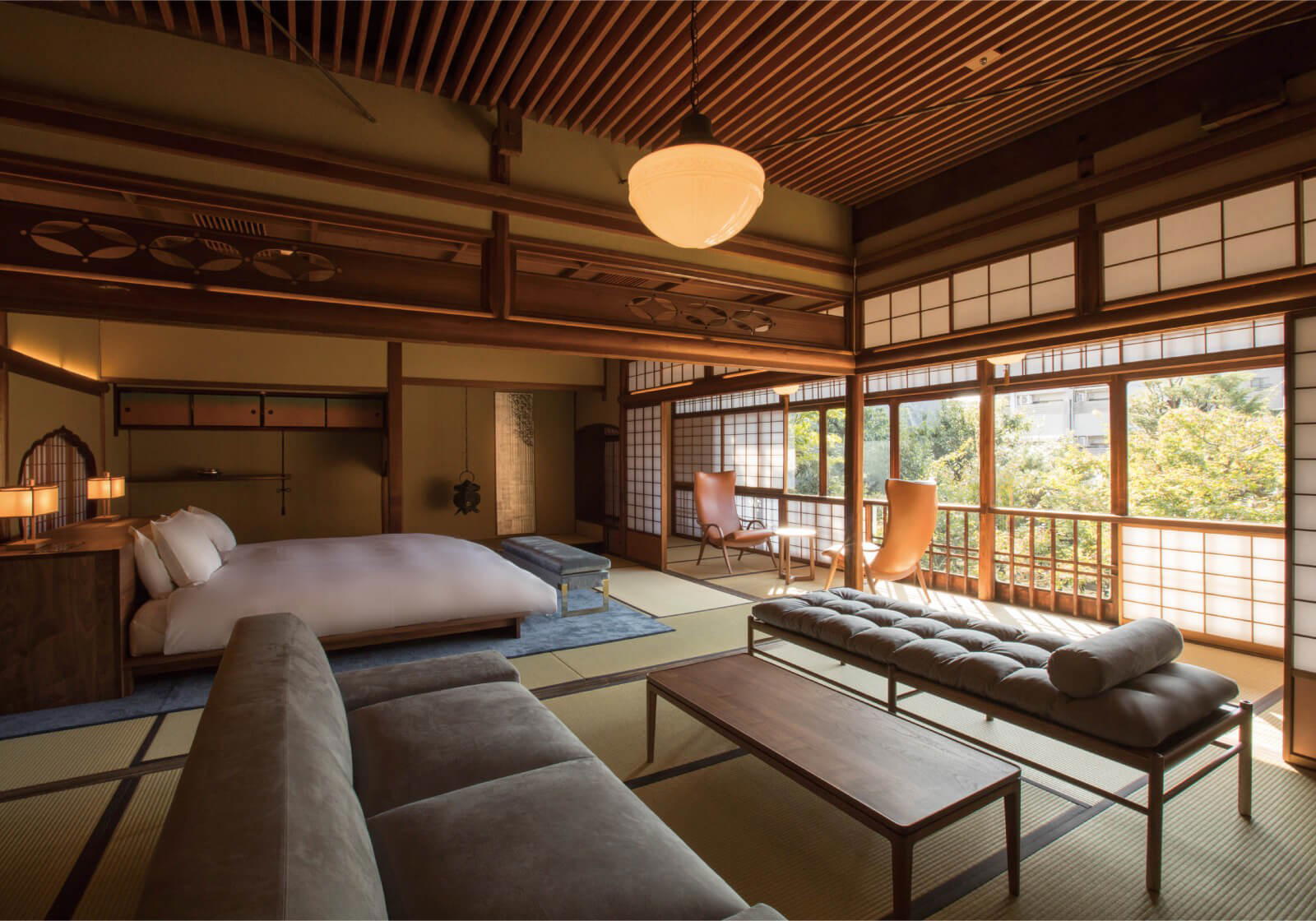
Compact standing-only space in a renovated kominka-style house, with a stylish yet relaxed atmosphere that feels like a hidden bar more than a typical noodle shop; casual, lively, and design-conscious rather than formal.