Our verdict
In the Upper Styrian town of Fohnsdorf, Stoxi's Mostschänke occupies a register that defines a particular strand of Austrian hospitality: the Mostschänke tradition, where fermented fruit must and seasonal regional produce anchor the menu and the mood. It is the kind of place that rewards those who understand what the surrounding Styrian countryside can put on a plate, and why that matters.

Pearl is the En Primeur Club membership app, where members save venues, book tables and use the concierge.
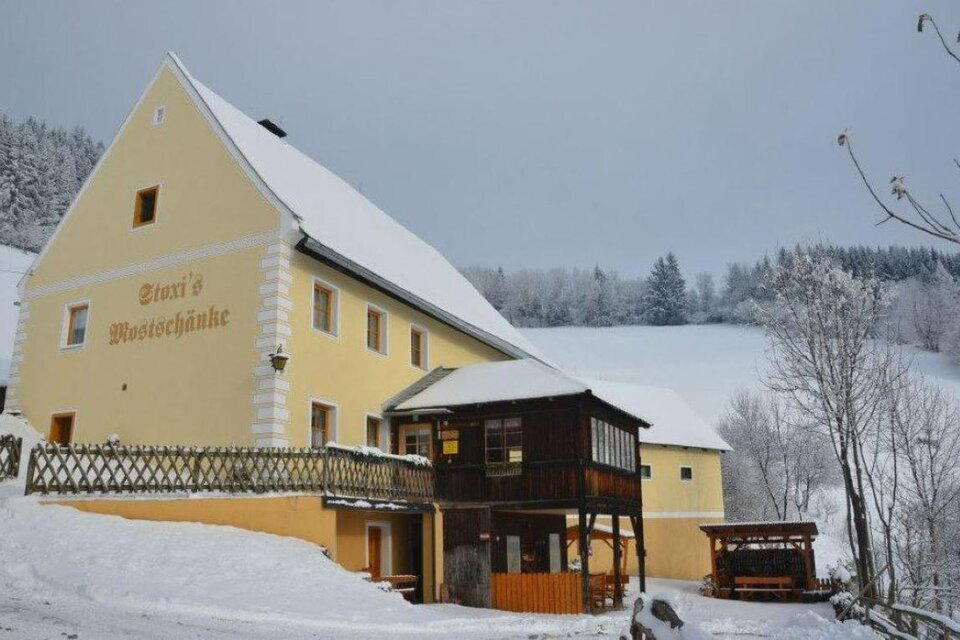
Where the Styrian Countryside Comes to the Table
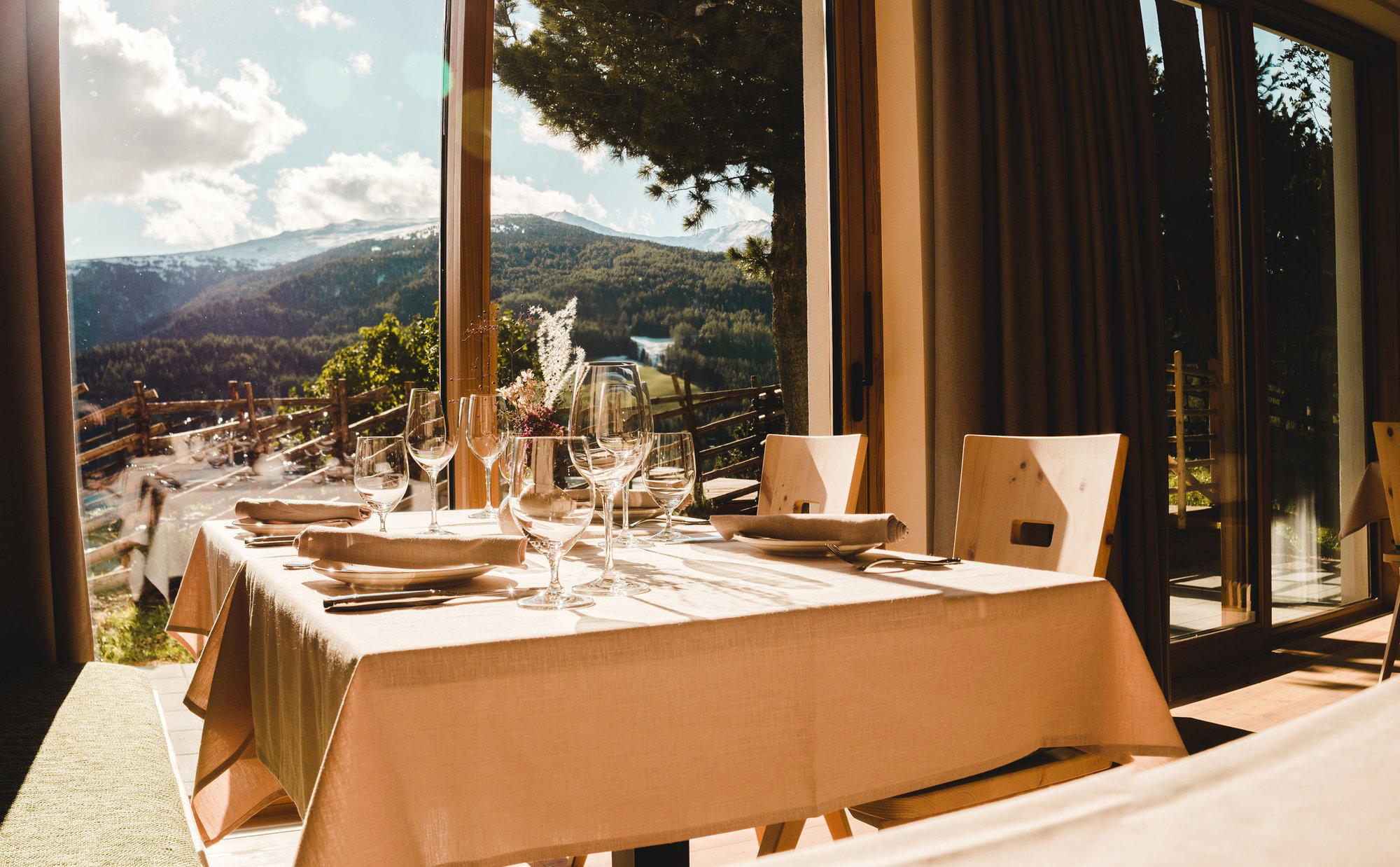
Upper Styria has a different relationship with its food than the polished wine-country restaurants of southern Styria or the alpine gastronomy of Salzburg and Tirol. Here, in towns like Fohnsdorf along the Mur valley, the dominant culinary format has long been the Mostschänke: an eating and drinking house built around locally pressed Most, the fermented apple or pear juice that has defined rural hospitality in this part of Austria for centuries. Stoxi's Mostschänke at Schlapfkogelweg 30 operates squarely within that tradition. Approaching the address, you are already in the logic of the surrounding hills: agricultural land, fruit-bearing trees, and a landscape that still determines what appears on the plate rather than the other way around.
The Mostschänke format deserves some explanation for those arriving from Austria's more internationally recognised dining corridors. Unlike a Heuriger, which is anchored to wine and the viticulture belt around Vienna or southern Styria, a Mostschänke places fermented fruit must at the centre of the beverage program. The food that surrounds it tends to reflect what the immediate region produces: cured meats, dairy from nearby farms, root vegetables, foraged ingredients from adjacent forests, and preparations that owe more to preservation traditions than to modernist technique. This is not the creative Austrian cooking you find at Döllerer in Golling an der Salzach or the elaborate seasonal tasting menus at Steirereck im Stadtpark in Vienna. It is something older and more direct.
Ingredient Logic: What the Region Grows, the Kitchen Uses
The ingredient sourcing argument for a venue like Stoxi's Mostschänke is not a marketing position; it is structural. The Mostschänke model only functions when the surrounding agricultural zone is productive enough to supply it, and the Upper Styrian belt around Fohnsdorf has traditionally supported exactly that. Orchards producing the apples and pears that become Most, small-scale livestock operations, and the forested slopes of the Fohnsdorfer Schlapfkogel area all contribute to what ends up on the table. The kitchen's relationship to sourcing in this format is less about curation and more about proximity: what grows or is raised within a workable radius tends to define the season's output.
This contrasts meaningfully with the approach at Austria's more destination-oriented restaurants. At Kräuterreich by Vitus Winkler in Sankt Veit im Pongau, herb sourcing is a deliberate, program-led exercise. At Obauer in Werfen, regional ingredients are processed through a high-technique lens. The Mostschänke tradition operates differently: the sourcing radius is tight not by design philosophy but by economic and cultural history. That produces a specific kind of food that sits outside the fine dining conversation entirely and is better evaluated on its own terms.
For those accustomed to benchmarking Austrian dining against Michelin-starred references such as Ikarus in Salzburg, Gourmetrestaurant Tannenhof in Sankt Anton am Arlberg, or Griggeler Stuba in Lech, Stoxi's Mostschänke requires a recalibration of expectations. The currency here is not technique or global ingredient sourcing but the credibility of place: whether what you are eating and drinking could only have come from this particular patch of Styrian ground.
Fohnsdorf and the Local Dining Ecology
Fohnsdorf sits in the Aichfeld basin, a valley floor industrial and agricultural town that saw its coal-mining economy wind down in the latter half of the twentieth century. What remained was a working community with intact food traditions and a countryside that had not been repositioned for tourism in the way that the Wachau, southern Styria, or the Salzkammergut have been. This gives the local dining ecology a different character: less performative, more functional, and in some respects more honest about what Austrian regional eating actually looks like outside the photogenic zones.
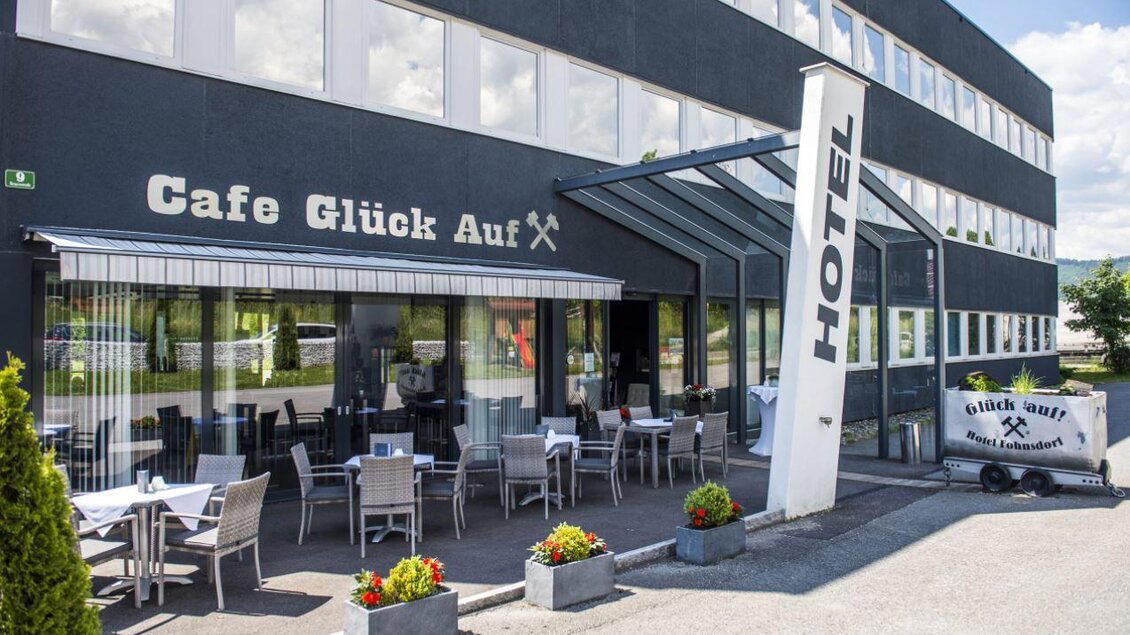
For broader context on the Fohnsdorf dining picture, our full Fohnsdorf restaurants guide maps the options in the area. Within the local field, Glück Auf represents a different entry point into the town's hospitality offer. Stoxi's Mostschänke occupies the specifically regional-traditional tier, which has its own logic and its own audience.
Austria's more celebrated rural dining destinations, such as Taubenkobel in Schützen am Gebirge or Landhaus Bacher in Mautern an der Donau, have built national and international followings through sustained critical recognition. Fohnsdorf does not operate in that register. The draw here is not critical validation but a form of regional authenticity that resists easy categorisation.
Planning a Visit
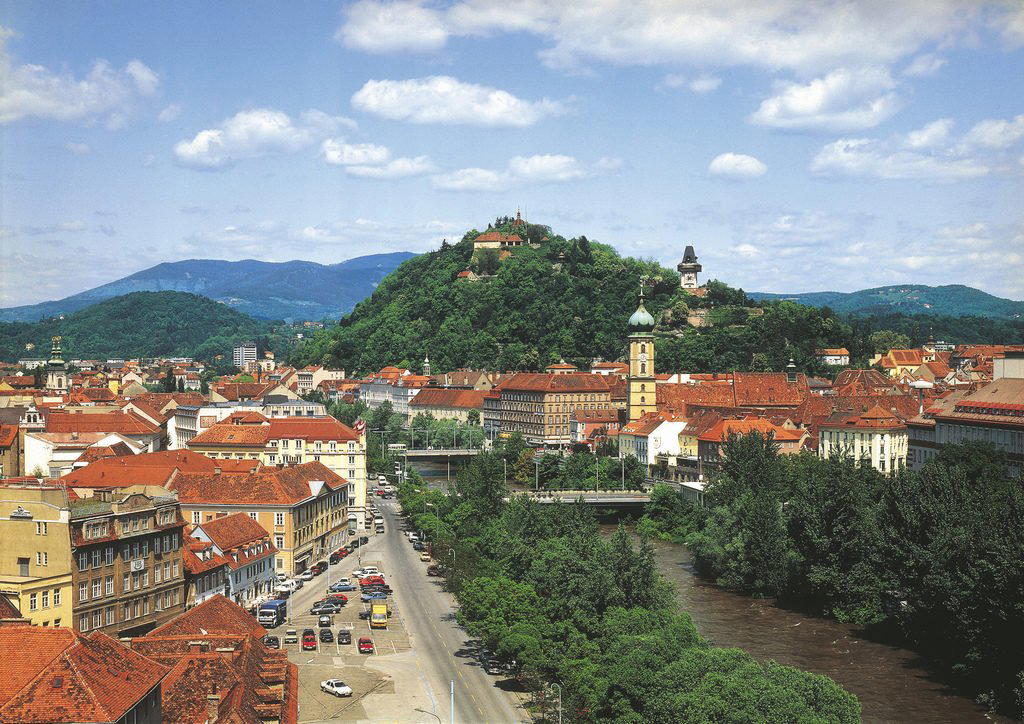
Fohnsdorf is accessible from Judenburg and Zeltweg, both of which sit along the main rail and road corridors through the Mur valley. Visitors combining Stoxi's Mostschänke with broader Styrian dining itineraries might consider that Graz, home to Artis and the wider urban dining scene, lies roughly an hour to the south by car or regional train. For those building a more ambitious Austrian circuit, the contrasts with Ois in Neufelden, Schwarzer Adler in Hall in Tirol, or Restaurant 141 by Joachim Jaud in Mieming are instructive: each sits in a different regional tradition, and the Mostschänke format of Stoxi's provides a useful baseline for understanding what Austrian hospitality looks like before it is filtered through contemporary fine dining conventions. The format of a Mostschänke typically skews toward lunch and early evening service, often with reduced availability in winter months when Most production is between cycles.
Frequently asked questions
Is Stoxi's Mostschänke child-friendly?
Mostschänken in Upper Styria are typically family-run venues serving the local agricultural community, and Stoxi's on Schlapfkogelweg in Fohnsdorf fits that mould. The format is informal rather than fine-dining, which tends to suit families with children.
Is Stoxi's Mostschänke better for a quiet night or a lively one?
The Mostschänke format across Upper Styria leans toward relaxed, communal evenings rather than high-energy nightlife. Stoxi's sits on Schlapfkogelweg in Fohnsdorf, a town with agricultural and residential roots in the Aichfeld basin, so the atmosphere reflects that character: convivial rather than loud. It is better suited to unhurried meals than celebratory group events.
What is a Mostschänke and how does Stoxi's fit that tradition in Upper Styria?
A Mostschänke is a licensed rural inn in the Austrian tradition, permitted to serve homemade or locally produced Most alongside food, typically operating seasonally and tied to the agricultural calendar of its region. Stoxi's Mostschänke on Schlapfkogelweg in Fohnsdorf operates within this framework in the Aichfeld basin, an area of Upper Styria where farming and orchard culture shaped the local economy long before the coal-mining era. The format is distinct from a conventional restaurant: the venue's identity is defined by its regional sourcing obligation, not by a chef's tasting menu logic.
What dish is Stoxi's Mostschänke famous for?
The Mostschänke model across Styria is built around regionally sourced seasonal ingredients, and kitchens in this category typically anchor their menus to what local farms and orchards produce at any given time.
What's Stoxi's Mostschänke's location?
Stoxi's Mostschänke is located at Schlapfkogelweg 30, 8753 Fohnsdorf, Austria, Fohnsdorf.
How hard is it to get a table at Stoxi's Mostschänke?
No booking data is publicly documented for Stoxi's Mostschänke at Schlapfkogelweg 30 in Fohnsdorf. Mostschänken in Upper Styria operate on irregular seasonal schedules, and many require reservations even for weeknight visits. Arriving without advance contact is a risk worth avoiding, particularly if you are travelling from Judenburg or Zeltweg along the Mur valley corridor.
What's the defining dish or idea at Stoxi's Mostschänke?
The Mostschänke concept is itself the defining idea: these are venues legally and culturally tied to serving food alongside their own or locally produced Most, the fermented fruit juice of Styria's orchards. At Stoxi's in Fohnsdorf, that structural logic shapes what arrives at the table. The kitchen works with what the Aichfeld region produces rather than importing a menu from elsewhere.
In Context: Similar Options
| Venue | Cuisine | Price | Awards | Notes |
|---|---|---|---|---|
| Stoxi's MostschänkeThis venue (the venue you are viewing) | Traditional Austrian | $10–20 | Not listed | Not listed |
| Steirereck im Stadtpark | Modern Austrian Fine Dining | $200–300 | 3 Michelin Stars · World's 50 Best #33 | Creative |
| Döllerer | Modern Alpine Cuisine | $100–150 | 2 Michelin Stars · La Liste Top Restaurants | Contemporary Austrian, Innovative |
| Ikarus | Guest Chef Fine Dining | $200–300 | 2 Michelin Stars · La Liste Top Restaurants | Modern European, Creative |
| Konstantin Filippou | Modern Fish-Led Fine Dining | $200–300 | 2 Michelin Stars · La Liste Top Restaurants | Modern European, Modern Cuisine |
| Landhaus Bacher | Classic Austrian Fine Dining | $100–150 | 2 Michelin Stars · La Liste Top Restaurants | Austrian, Classic Cuisine |
Continue exploring
More in Fohnsdorf


Details
- Cozy
- Rustic
- Classic
- Family
- Casual Hangout
- Historic Building
- Beer Program
- Local Sourcing
- A La Carte
- Vegetarian Friendly
warm and welcoming atmosphere