Kindling
Kindling occupies a ground-floor address at 202 S Franklin St in Chicago's Loop, positioning itself within a downtown corridor that has seen a steady rise in serious restaurant investment over the past decade. The room and its format place it in the mid-to-upper tier of Chicago's contemporary American dining scene, alongside a comparable set that includes Smyth and Oriole. Expect a considered physical environment and a menu built around fire and seasonal produce.
Pearl is the En Primeur Club membership app — saves, bookings, and concierge access live there. Same editors, same standards.
- Address
- 202 S Franklin St, Chicago, IL 60606
- Phone
- +13127895992
- Website
- kindlingchicago.com
- Directions
- Get directions
 Saves & bookings on Pearl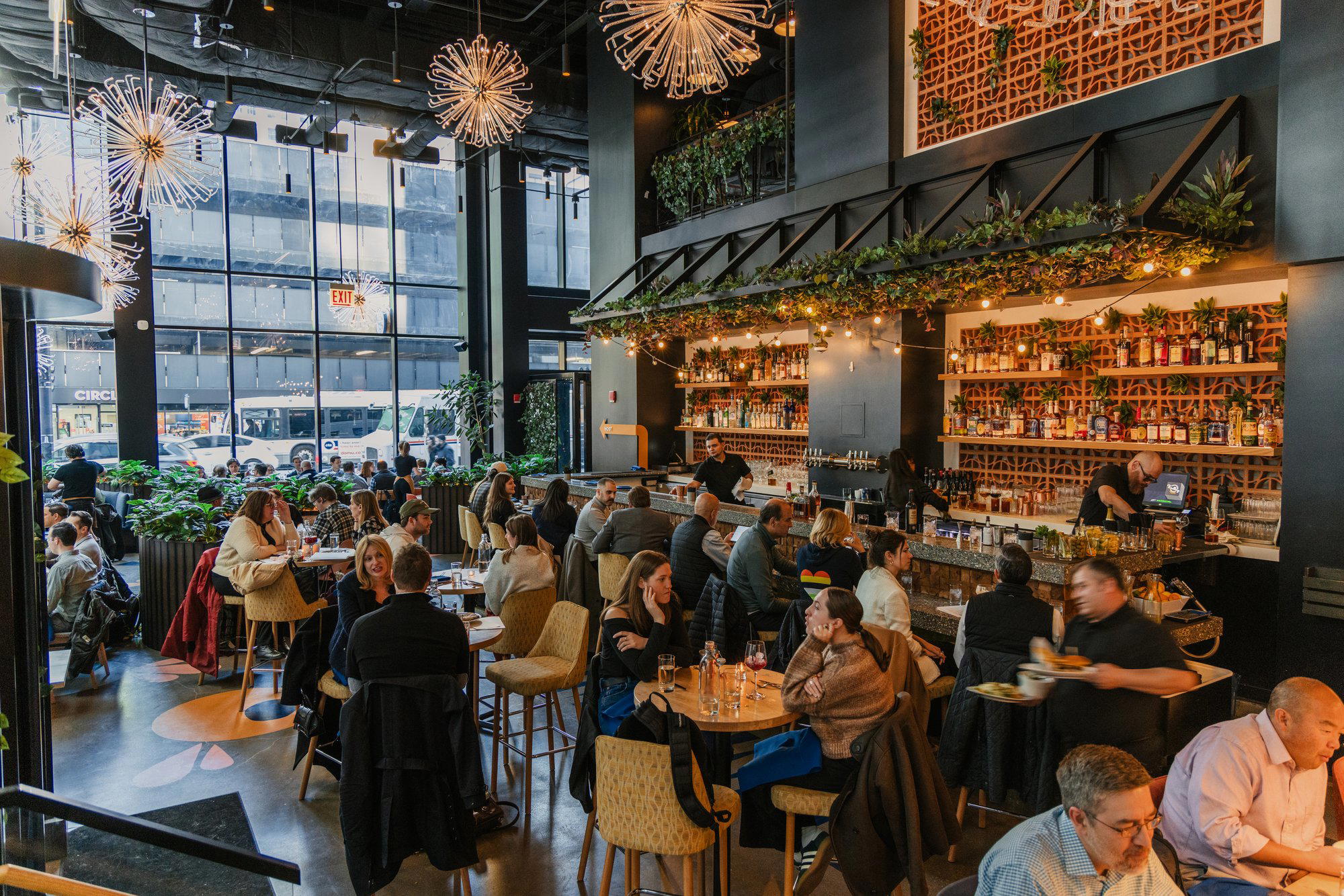
A Room Built Around Fire in the Loop
Chicago's Loop has long been a lunch district and a convention circuit, the kind of neighbourhood where restaurants served expense accounts rather than ambitions. Kindling is a restaurant in Chicago's Loop at 202 S Franklin St, with a smart-casual dress code and recommended reservations. That equation has shifted. A cluster of serious, design-conscious restaurants has taken root in the blocks around South Franklin Street, and Kindling, at 202 S Franklin St, is among the addresses shaping what downtown Chicago dining now signals to a national audience.
The name itself is a declaration of intent. Fire-led cooking has become one of the defining organising principles of contemporary American restaurants over the past fifteen years, from the open hearths of Blue Hill at Stone Barns in Tarrytown to the live-fire counters of Lazy Bear in San Francisco. Kindling places itself inside that tradition, using combustion and char as both technique and aesthetic framework. The choice of name is less branding exercise than editorial statement about what the kitchen prioritises.
The Physical Container
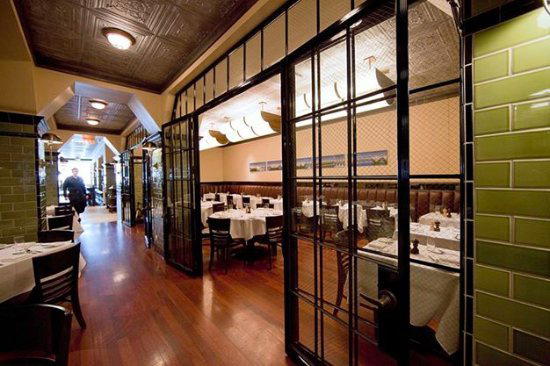
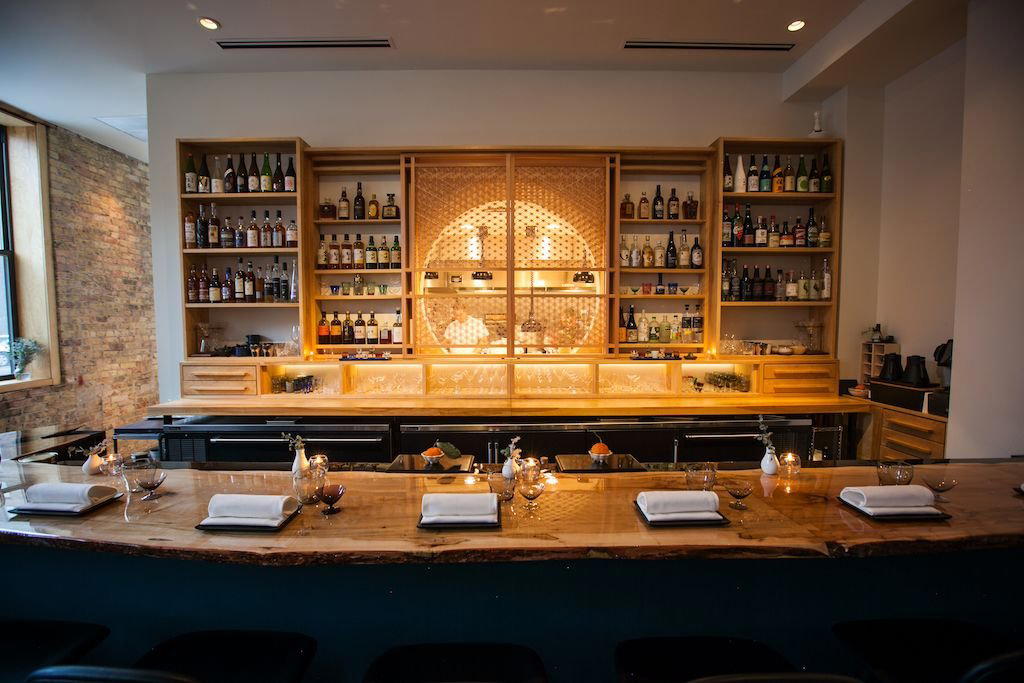
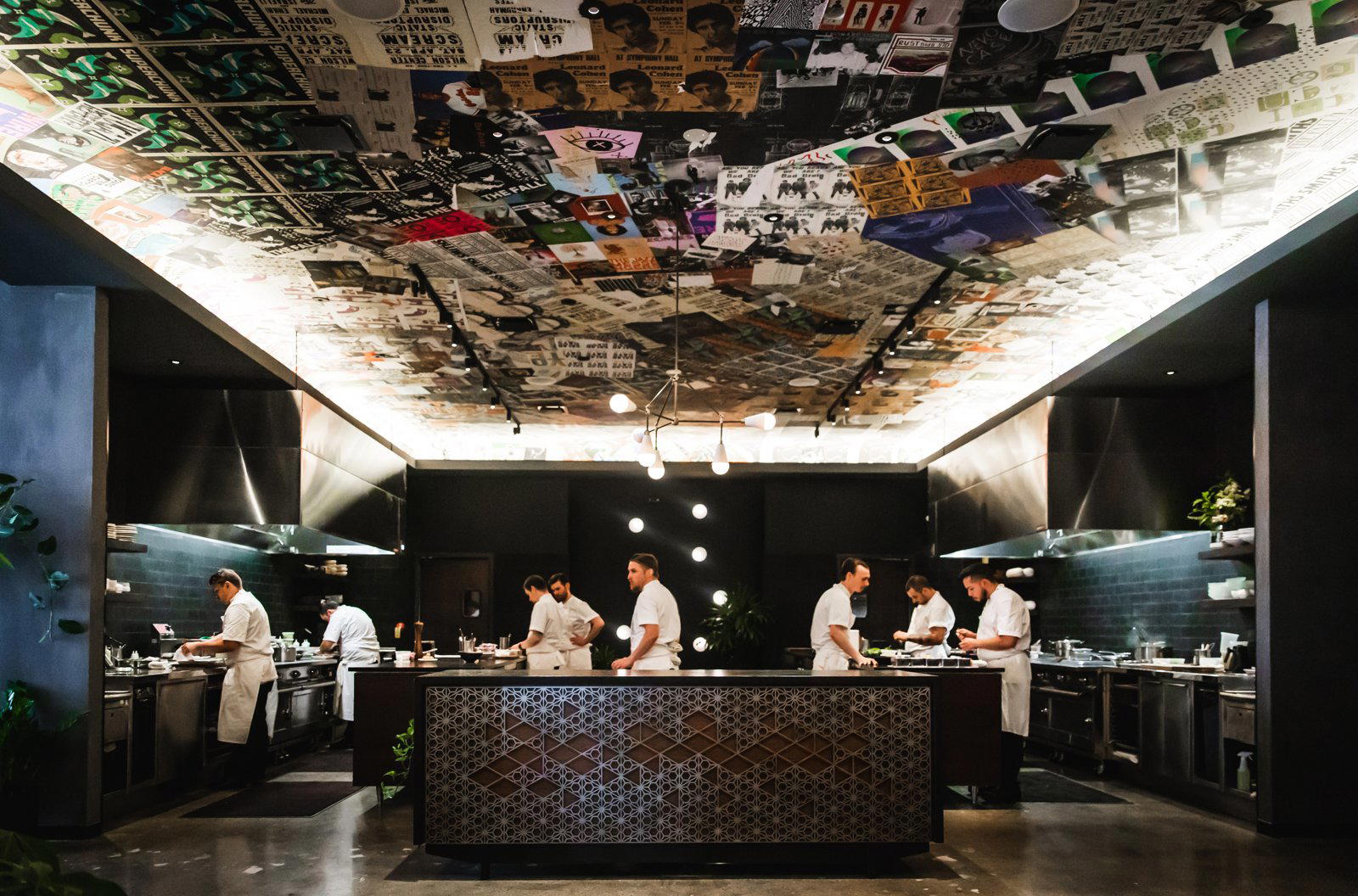
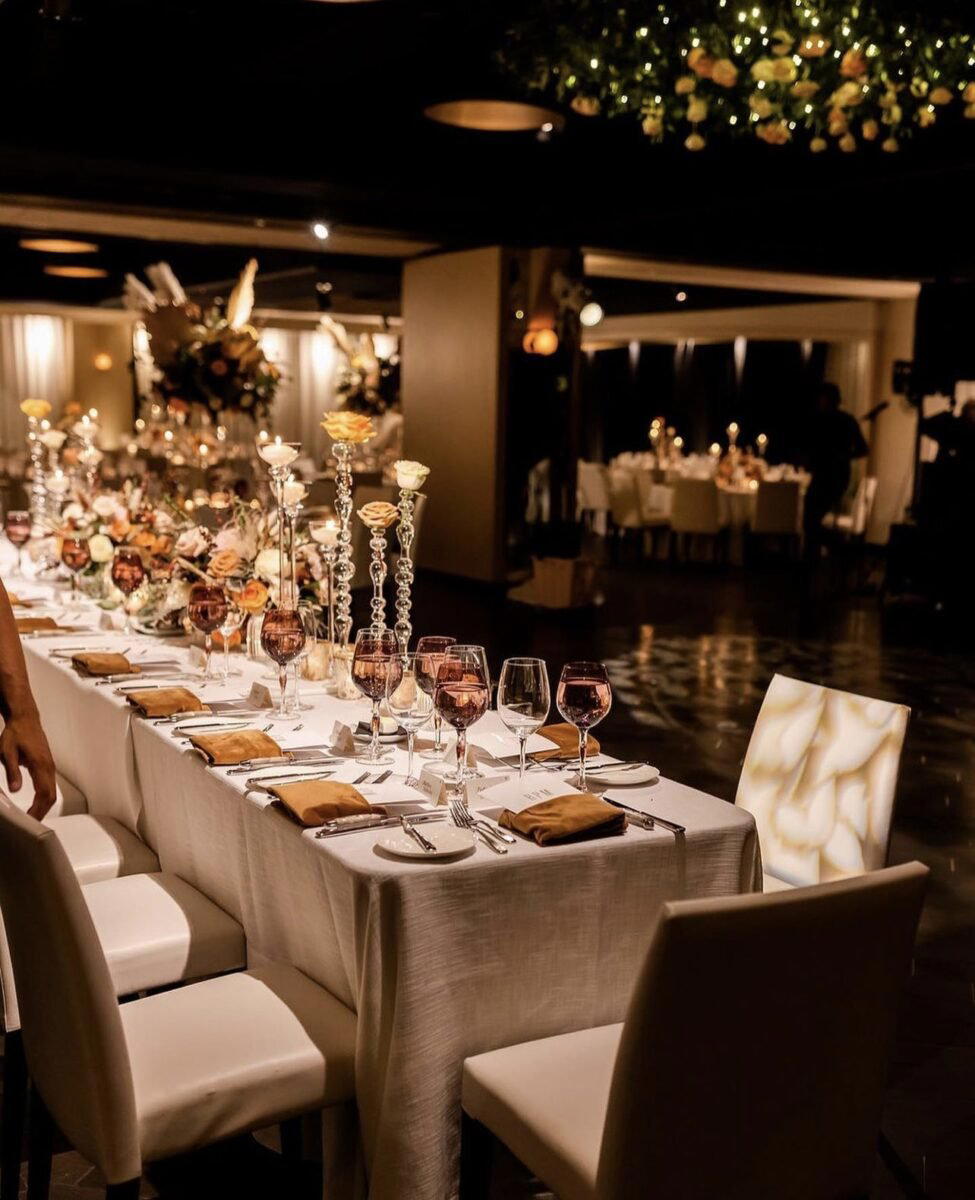
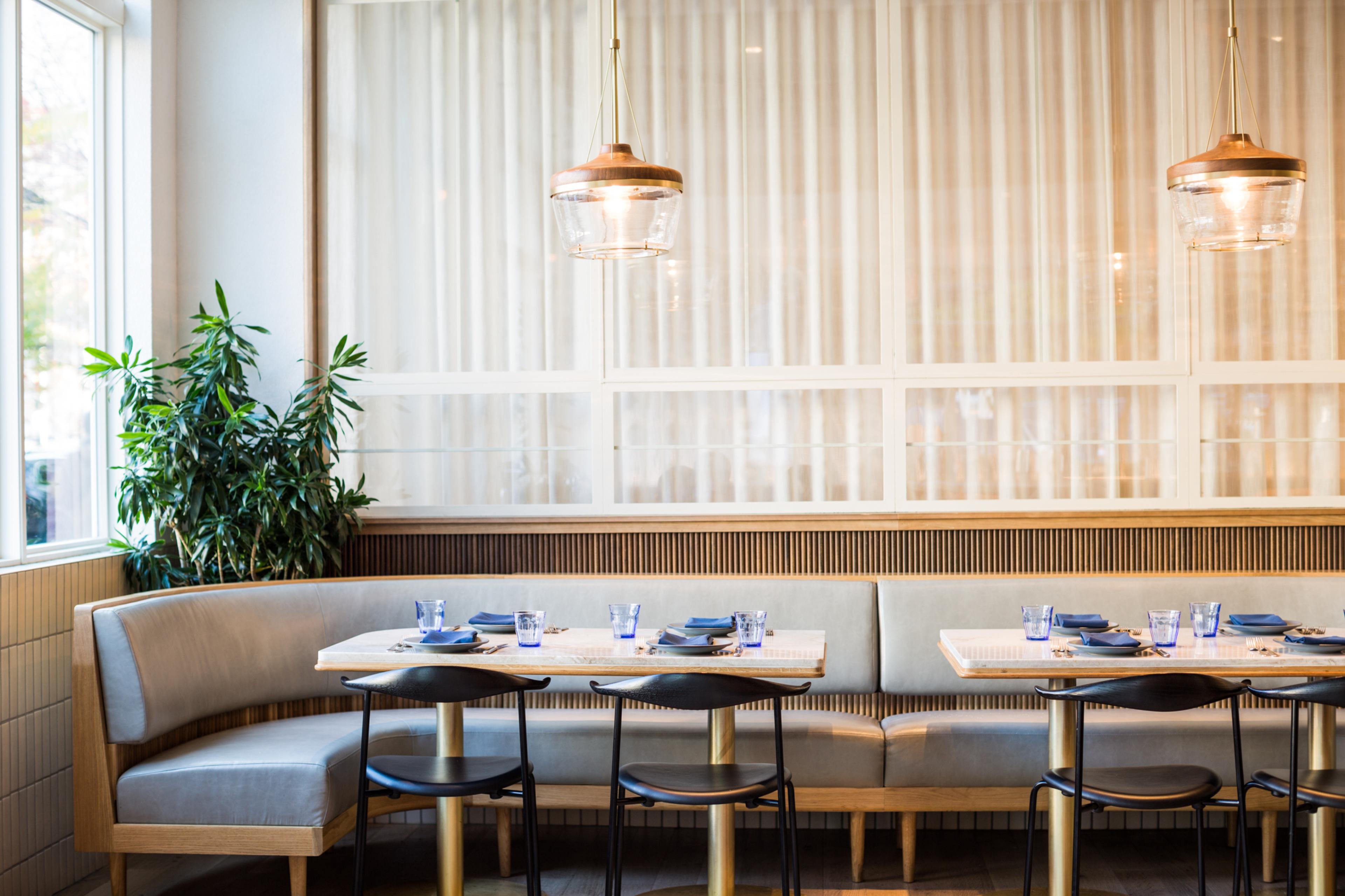
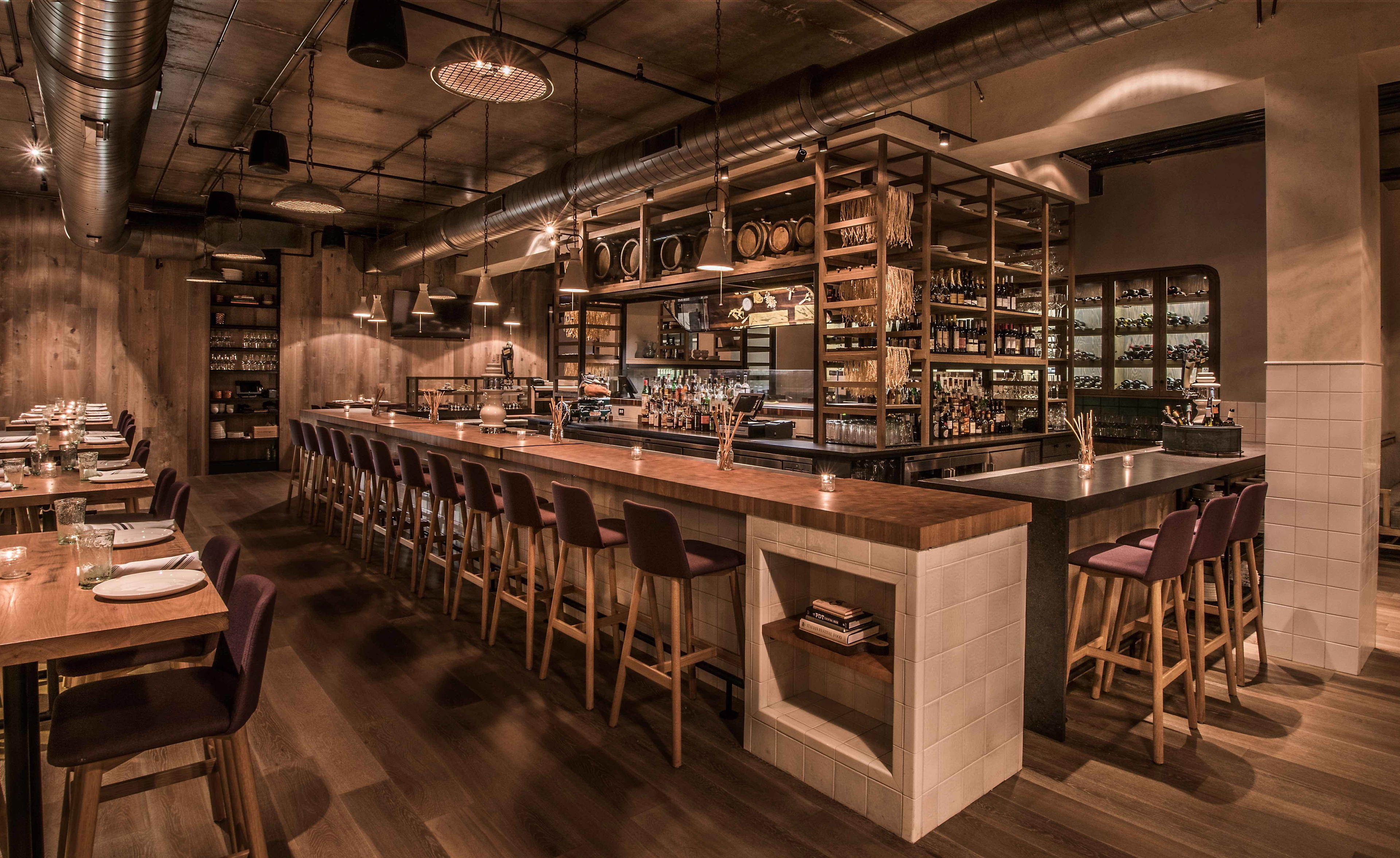
In Chicago's premium dining tier, the room is no longer secondary to the plate. Properties like Alinea and Smyth have conditioned diners to expect that the spatial experience carries as much considered intent as the tasting menu. Kindling occupies a ground-floor space in the Loop that reflects this shift: the interior architecture foregrounds warmth, materiality, and the visual presence of fire itself.
In rooms built around combustion cooking, the hearth or grill typically becomes the spatial anchor, the element around which seating is arranged and sightlines are directed. This is a different design grammar from the open-kitchen theatre of a Japanese omakase counter or the hushed enclosure of a classic French dining room. The fire is not hidden in the back of house; it is part of what you are looking at, and its light and heat inflect the texture of the meal. At Kindling, the address on South Franklin Street places this kind of intimate, ingredient-focused room inside a business district that rarely supported it before, which is itself part of what makes the location a considered choice rather than an accident of real estate.
Chicago's most-discussed restaurant spaces of the past decade have tended toward either minimalist severity, think bare concrete and single light sources, or the maximalist theatricality associated with the Grant Achatz school. Fire-forward rooms occupy a third register: materially warm, craft-signalling, with a visual focus that draws the eye to the cooking process rather than away from it. That design register aligns Kindling with a national comparable set that includes Single Thread Farm in Healdsburg and Addison in San Diego, restaurants where spatial warmth and ingredient provenance work together as a single argument.
Where Kindling Sits in Chicago's Dining Order
Chicago's upper tier of contemporary American restaurants is denser than most non-resident observers assume. The city fields not only the long-established creative anchor of Alinea and the cerebral tasting-menu work at Oriole, but also the ingredient-led programme at Smyth, the format-led experimentation of Next Restaurant, and the breakout success of Kasama in the Filipino fine-dining space. That is a competitive field, and any new address in the upper bracket needs to operate with a clear point of differentiation.
Fire-led cooking provides that differentiation in a city whose fine-dining identity has historically tilted toward technique-heavy tasting menus and international influences. Where Alinea abstracts ingredients into new forms, and where Smyth grounds itself in hyper-local sourcing and a downstairs tavern format, Kindling's commitment to combustion places it in a different competitive conversation, one more analogous to what Providence in Los Angeles does with Pacific seafood or what Bacchanalia in Atlanta does with Southern produce: a single governing principle applied with rigour across the menu.
Nationally, the fire-cooking movement has been shaped by restaurants in cities with strong access to regional agriculture and a design culture that treats the kitchen as spectacle. Chicago has both. Its Midwestern position means proximity to excellent grain, livestock, and produce supply chains. Its restaurant culture, tested and refined over decades of competition with coasts, has learned to translate those regional inputs into menus with national ambitions. For comparison points beyond the US, the same design logic surfaces in the European grill-restaurant tradition, and at a different price point and register at places like Le Bernardin in New York City, where a single technique applied with absolute consistency defines the restaurant's identity over decades.
Seasonal Timing and When to Go
Restaurants built around fire and produce are inherently seasonal in character, even when they operate year-round. The ingredients that benefit most from live-fire treatment, root vegetables, heritage grain preparations, aged proteins, game birds, vary significantly across Chicago's calendar. The city's continental climate produces a spring-to-autumn growing corridor that feeds some of the country's most ingredient-conscious kitchens, with autumn harvests providing the widest range of fire-compatible produce: squash, alliums, stone fruit finishing the season, and early cold-weather cuts from regional farms.
This makes autumn the period when fire-led menus in Chicago tend to operate at greatest depth, and when the physical warmth of a hearth-anchored room aligns most naturally with conditions outside. Visitors planning around the food rather than a fixed calendar date would do well to weight late September through November. That said, Chicago's summer restaurant season, compressed by the city's short warm period, generates its own energy, and the Loop neighbourhood that houses Kindling sees different foot traffic patterns across the year, with weekday business density thinning on weekends to a more leisurely crowd.
Know Before You Go
Address: 202 S Franklin St, Chicago, IL 60606
Neighbourhood: The Loop, downtown Chicago
Cuisine focus: Fire-led contemporary American
Booking: Reservations are recommended
Pricing: About $65 per person
Leading season: Late autumn for peak fire-and-harvest menu alignment
Dress code: Smart casual
City Peers
Comparable venues nearby, for context on price, style, and recognition.
| Venue | Cuisine | Price | Notes |
|---|---|---|---|
| KindlingThis venue — the venue you are viewing | Wood-Fired American Cookout & Cocktails | $$$ | Not listed |
| Grill on 21 | Contemporary American Steakhouse | $$$ | Financial District |
| The Bristol | Contemporary American Gastropub | $$$ | Bucktown |
| The Metropolitan | Contemporary American Steakhouse | $$$ | The Loop |
| Bellemore | Artistic American | $$$ | West Loop |
| Upstairs at The Gwen | American with Mediterranean Influences | $$$ | Near North Side |
At a Glance
- Lively
- Elegant
- Industrial
- Well Known
- Business Dinner
- Date Night
- Group Dining
- Casual Hangout
- Celebration
- Open Kitchen
- Historic Building
- Standalone
- Extensive Wine List
- Craft Cocktails
- Beer Program
- Local Sourcing
- Farm To Table
Current opening hours
- Monday
- 11 AM–9 PM
- Tuesday
- 11 AM–9 PM
- Wednesday
- 11 AM–9 PM
- Thursday
- 11 AM–9 PM
- Friday
- 11 AM–10 PM
- Saturday
- 4–10 PM
- Sunday
- Closed
Hours can change for holidays and private events. Last verified .
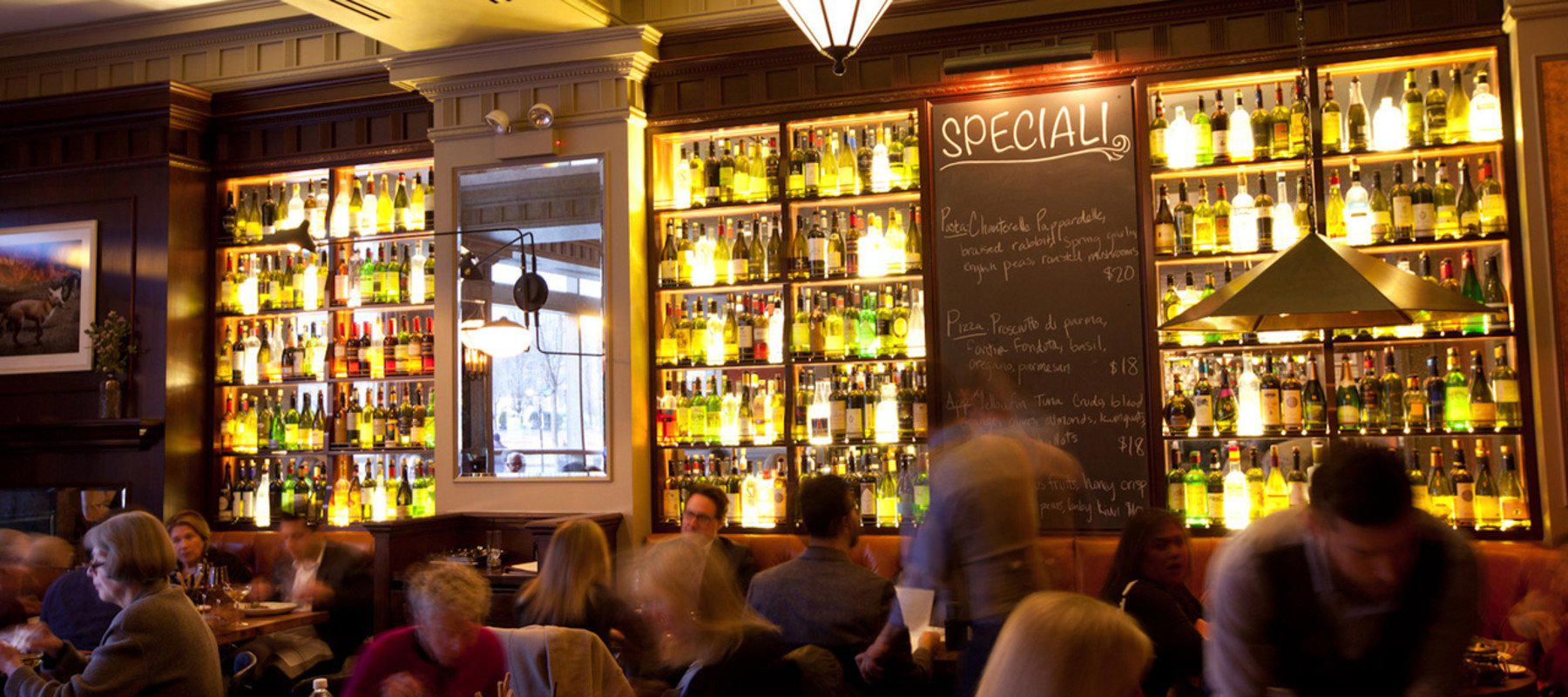
Warm and inviting with the distinctive aroma of the wood-fired hearth, elegant yet approachable atmosphere with a lively bar area and open kitchen concept.