Grill on 21
Occupying a prominent address in Chicago's LaSalle Street financial corridor, Grill on 21 operates where the city's professional lunch culture and serious dinner dining intersect. The address at 208 S LaSalle places it within walking distance of the Loop's major institutions, making it a reference point for the kind of cooking that earns repeat business from a demanding, well-traveled clientele. For context on how it fits Chicago's broader dining scene, see our full Chicago restaurants guide.
Pearl is the En Primeur Club membership app — saves, bookings, and concierge access live there. Same editors, same standards.
- Address
- 208 S LaSalle St, Chicago, IL 60604
- Phone
- +13126340000
- Website
- grillon21.com
- Directions
- Get directions
 Saves & bookings on Pearl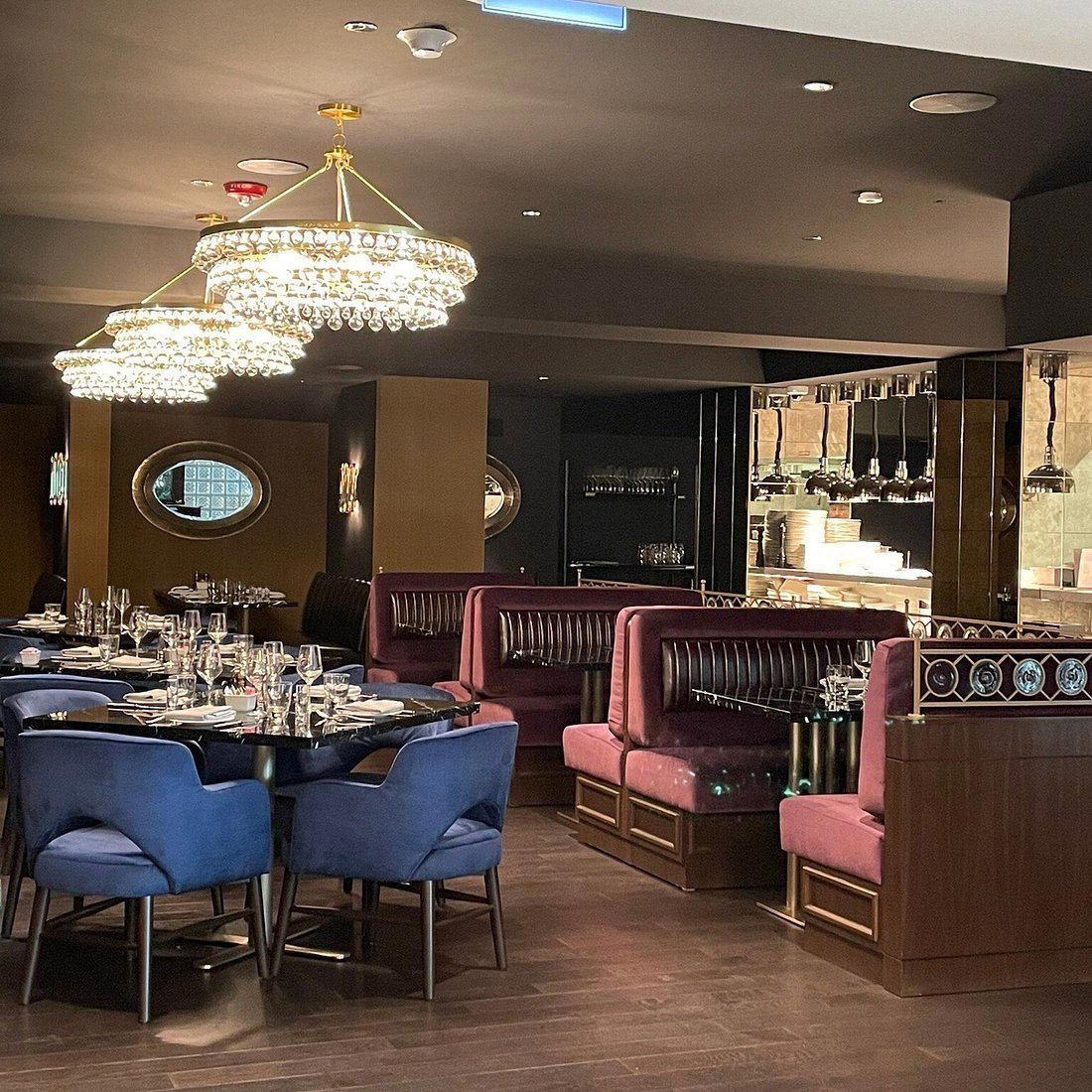
The LaSalle Street Dining Corridor and What It Demands
Chicago's financial district has always produced a particular kind of restaurant pressure. The Loop's professional class eats out constantly, entertains clients routinely, and has generally eaten well enough elsewhere to know the difference between competent execution and something worth returning to. The corridor running along LaSalle and Adams supports a tier of dining rooms that must clear a higher bar than mere convenience: the clientele has access to Alinea, Smyth, and Oriole on their own time, so a weekday room needs to justify itself on food, not just proximity.
Grill on 21 sits at 208 S LaSalle Street, an address that carries the weight of that expectation. In a neighborhood where lunch reservations function as business infrastructure and dinner tables signal intent, a grill-format restaurant occupies a specific editorial category: it is built around fire, protein, and the kind of composed plate that reads as deliberate rather than decorative. That format, when executed with discipline, sits comfortably alongside what Chicago's serious dining culture expects from its mid-tier to upper-tier rooms.
The Grill Format as a Culinary Framework
Across American cities, the grill-anchored restaurant has undergone a quiet reappraisal over the past decade. What was once shorthand for steakhouse conservatism has split into two distinct trajectories. The first stays close to the classic American chophouse model, where the beef does the work and the sides exist in supporting roles. The second borrows from global technique, sourcing regionally while applying heat and resting disciplines drawn from wood-fire traditions in South America, the open-hearth kitchens of northern Spain, or the charcoal-forward methods that inform serious Japanese yakitori. The more interesting rooms now operate somewhere between those poles.
For a Chicago establishment in this format, the relevant peer context includes what rooms like Next Restaurant and Kasama have demonstrated about how technique-led thinking reshapes familiar categories. Beyond Chicago, grill-oriented fine dining at places like Lazy Bear in San Francisco and Single Thread Farm in Healdsburg has established that fire-based cooking and hyper-local sourcing are not in tension with formal presentation. They are, increasingly, the same project.
Local Ingredients, Imported Discipline
The editorial angle that matters most for a room at this address is the intersection of Midwestern provenance and classical or globally informed technique. Chicago is not short on local product: the region supplies pork, beef, freshwater fish, and seasonal produce that rewards a kitchen willing to let the source material set the agenda. What separates the more serious rooms from the competent ones is whether that sourcing commitment is matched by the kind of heat management, resting protocol, and plate composition that transforms good raw material into something precise.
This is where the grill format, when taken seriously, becomes a more demanding discipline than it appears. Achieving correct internal temperature on a thick cut while developing a crust that holds through service requires the same kind of systematic thinking that defines kitchens at The French Laundry in Napa or Le Bernardin in New York City, even if the vocabulary is different. Technique at this level is not about complexity for its own sake; it is about control. Rooms that have absorbed that lesson, from Blue Hill at Stone Barns in Tarrytown to Providence in Los Angeles, all share a commitment to making the sourcing legible through the cooking rather than obscured by it.
A grill-format kitchen operating in Chicago's Loop has access to Midwest beef and pork with genuine regional identity, Great Lakes fish that rarely appears on menus outside the region, and a growing network of Illinois and Wisconsin farms supplying seasonal vegetables with a short chain from field to kitchen. The question any serious room in this format has to answer is whether the technique applied to those ingredients reads as native to them or as an overlay borrowed from somewhere else. Particularly confident grill kitchens make that distinction invisible.
Where Grill on 21 Sits in Chicago's Dining Conversation
Chicago's restaurant scene in the current period is unusually well-documented. A room that executes grill-format cooking with sourcing discipline and technical control finds a ready audience in a city that has developed the palate to recognize both.
The LaSalle address situates Grill on 21 within a competitive set designed for repeat professional use, private dining, and client entertainment. That conversation now includes newer entrants in different categories, from Korean fine dining at Atomix in New York City influencing how Chicago diners think about tasting-menu ambition, to the southern hospitality models at Bacchanalia in Atlanta and the coastal refinement of Addison in San Diego setting the benchmark for what American fine dining looks like at its most composed.
International reference points matter here too. The precision applied to protein-forward menus at 8 1/2 Otto e Mezzo Bombana in Hong Kong or the ingredient-driven classicism at The Inn at Little Washington and Emeril's in New Orleans illustrates a broader truth: rooms built around a clear culinary idea, executed consistently, retain relevance across decades. The grill format, properly understood, is not a category but a commitment.
Know Before You Go
| Address | 208 S LaSalle St, Chicago, IL 60604 |
|---|---|
| Neighbourhood | The Loop / LaSalle Street financial corridor |
| Format | Grill-focused dining room |
| Bookings | |
| Context | Suited to business lunch, client dinner, and destination dining |
Where It Fits
Comparable venues nearby, for context on price, style, and recognition.
| Venue | Cuisine | Price | Notes |
|---|---|---|---|
| Grill on 21This venue — the venue you are viewing | Contemporary American Steakhouse | $$$ | Not listed |
| The Hampton Social | New England-Style Seafood | $$$ | River North |
| Chicago Q | Competition-Style Southern Barbecue | $$$ | Gold Coast |
| Kindling | Wood-Fired American Cookout & Cocktails | $$$ | Downtown Chicago |
| 3 Arts Club Cafe | American Cafe Classics | $$$ | Near North Side |
| Jordyn's Soul Cafe | Modern Soul Food | $$$ | West Loop |
At a Glance
- Sophisticated
- Elegant
- Modern
- Classic
- Date Night
- Business Dinner
- Group Dining
- Special Occasion
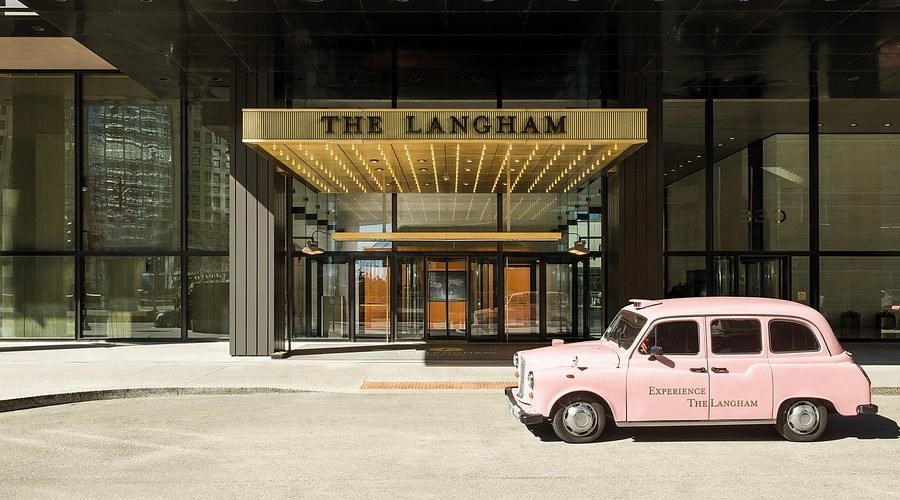
- Hotel Restaurant
- Live Music
- Panoramic View
- Private Dining
- Craft Cocktails
- Farm To Table
- Local Sourcing
- Sustainable Seafood
- Skyline
Current opening hours
- Monday
- 6:30–10:30 AM, 11 AM–2:30 PM, 5–10 PM
- Tuesday
- 6:30–10:30 AM, 11 AM–2:30 PM, 5–10 PM
- Wednesday
- 6:30–10:30 AM, 11 AM–2:30 PM, 5–10 PM
- Thursday
- 6:30–10:30 AM, 11 AM–2:30 PM, 5–10 PM
- Friday
- 6:30–10:30 AM, 11 AM–2:30 PM, 5–11 PM
- Saturday
- 7 AM–2:30 PM, 5–11 PM
- Sunday
- 7 AM–2:30 PM, 5–10 PM
Hours can change for holidays and private events. Last verified .
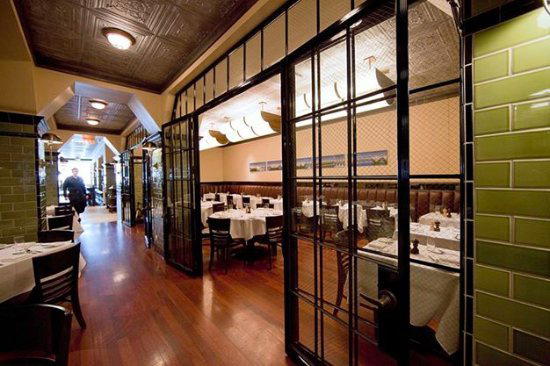
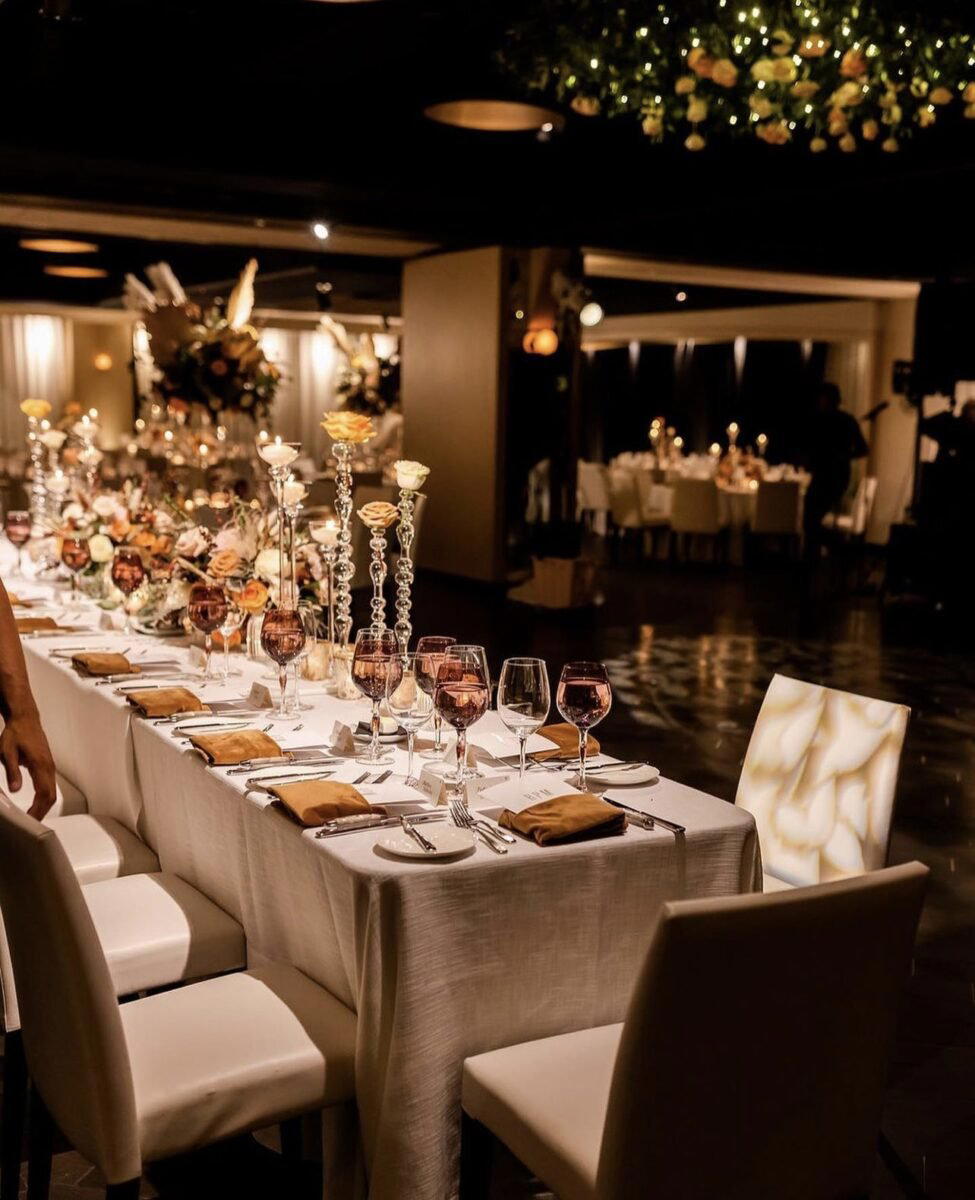
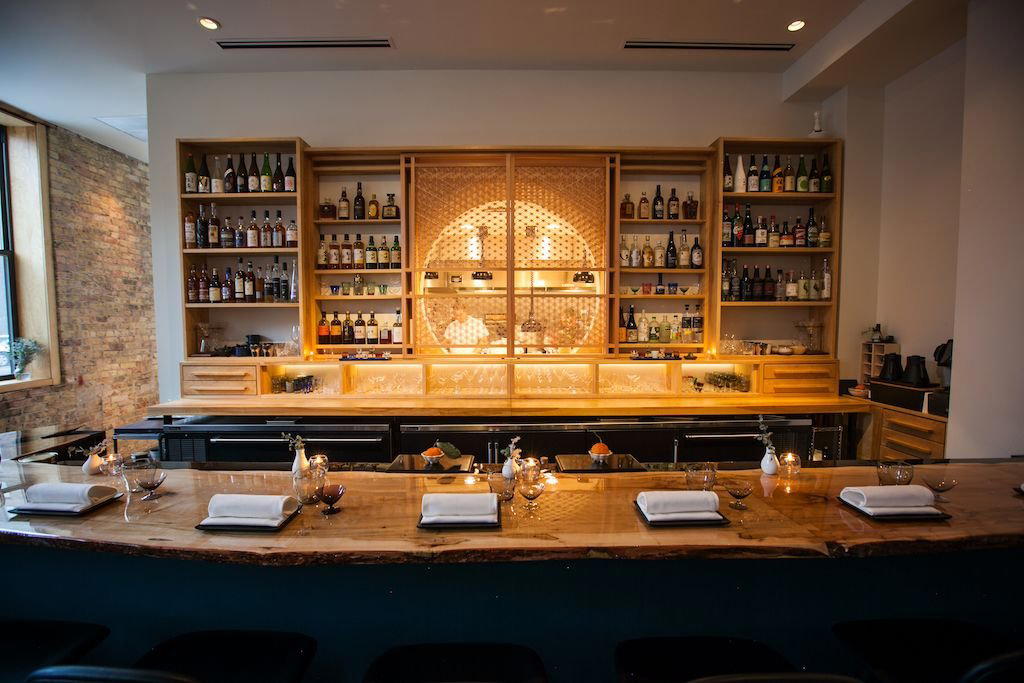
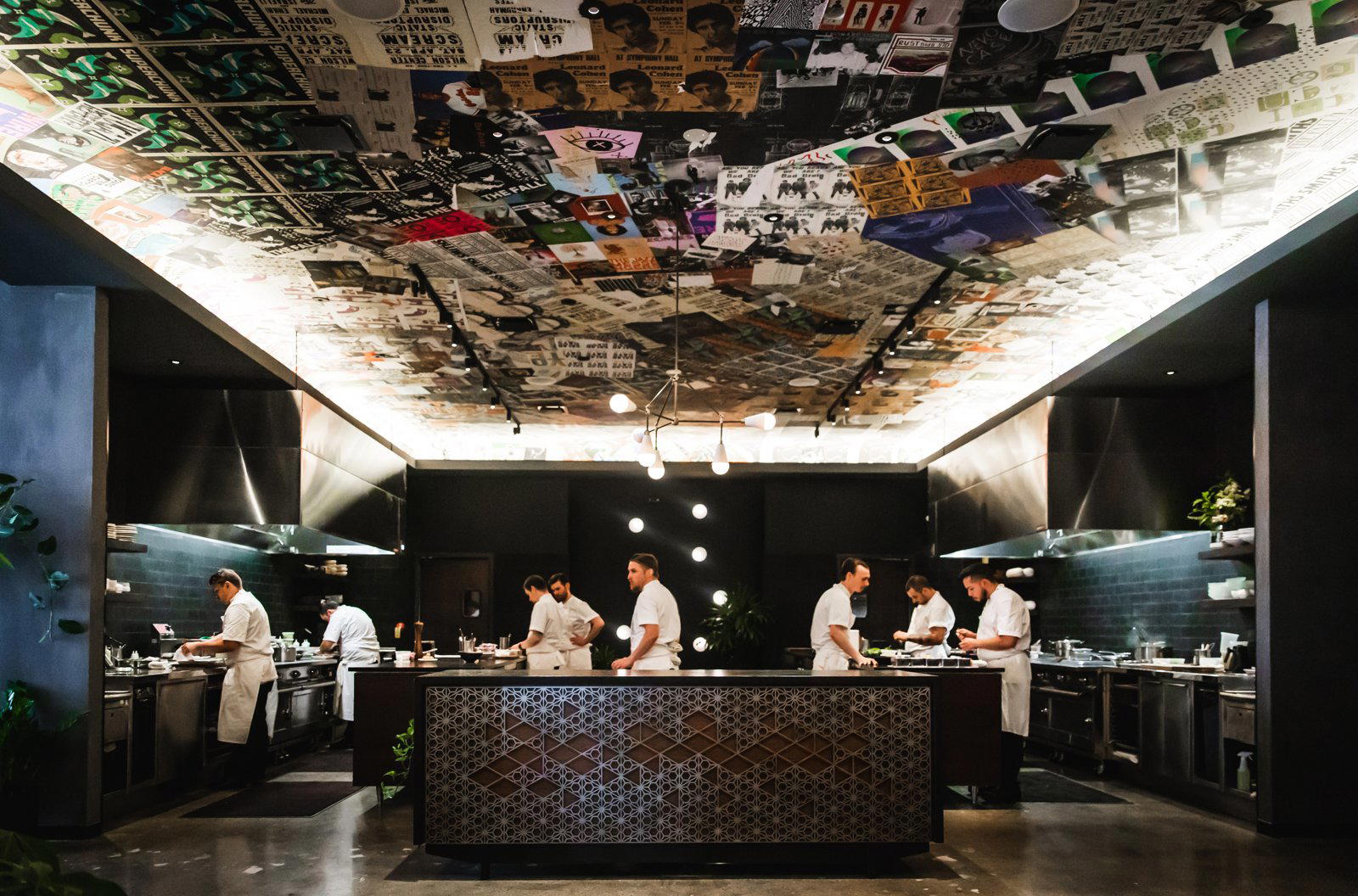
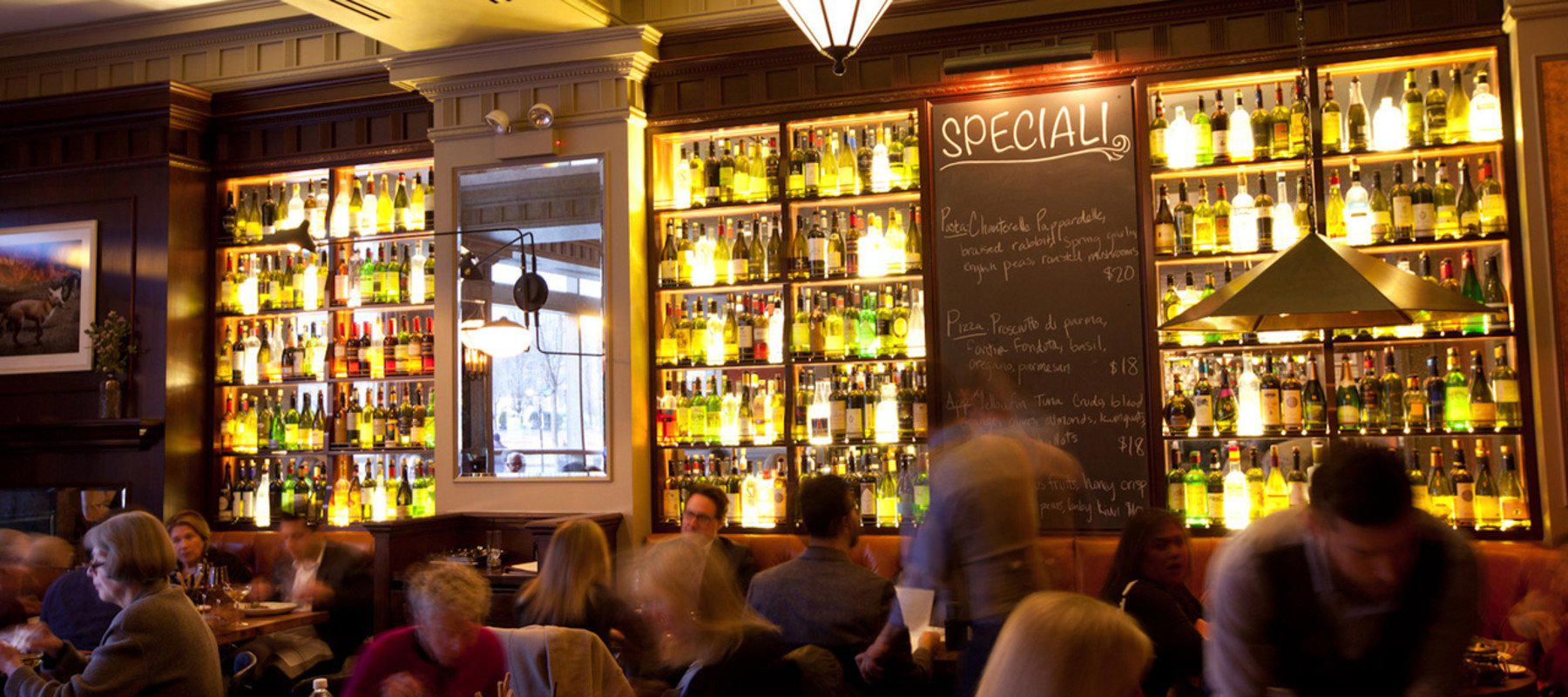
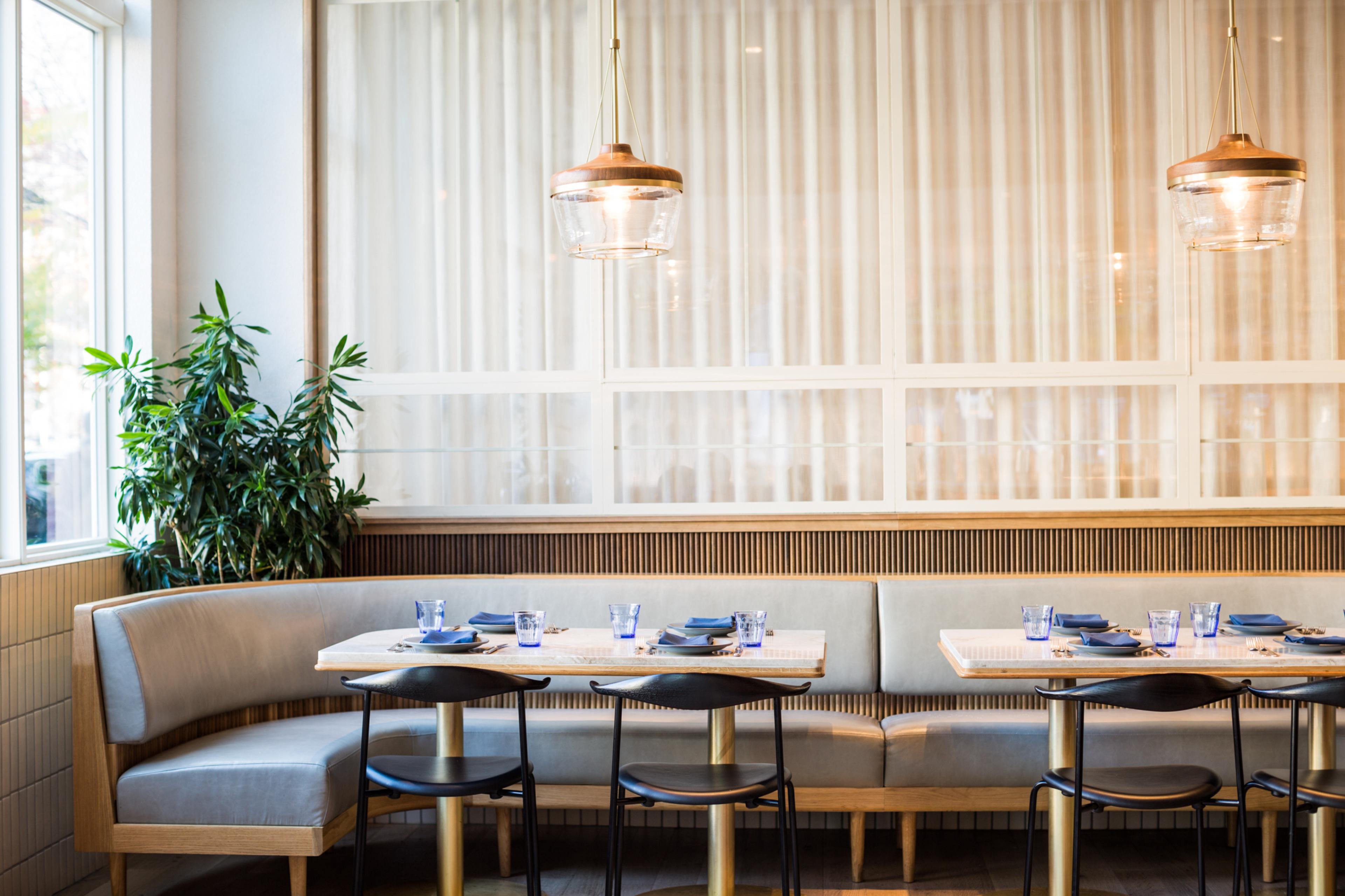
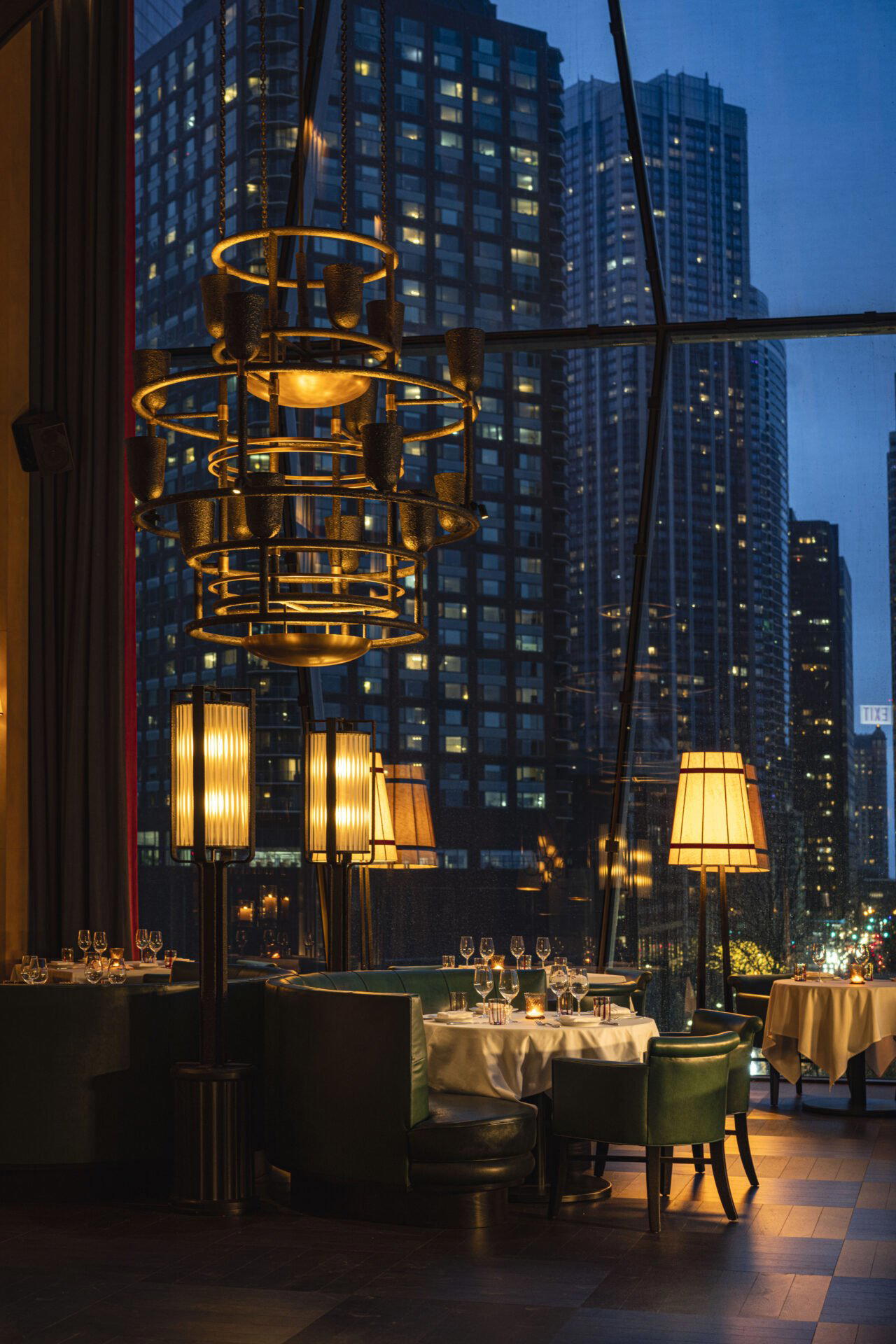
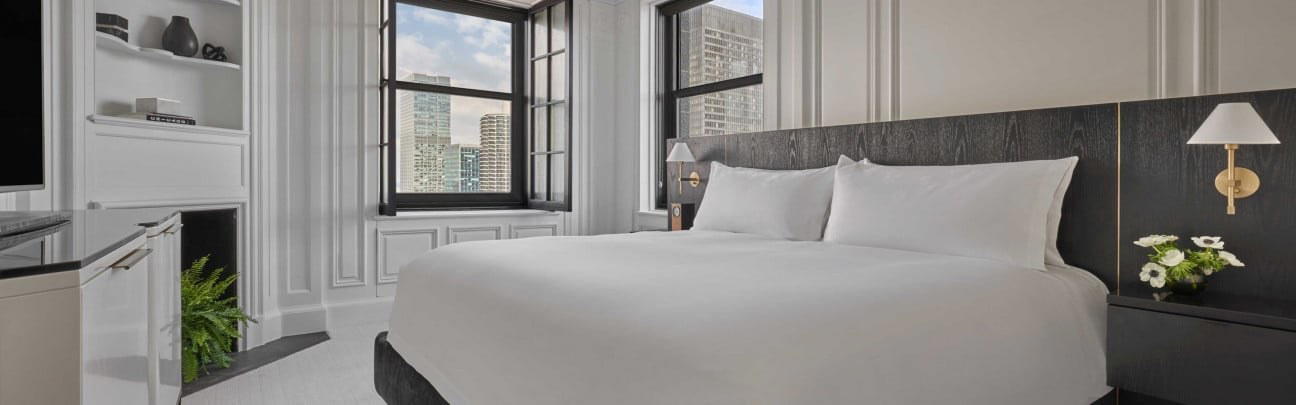
Sophisticated and contemporary with polished comfort; refined lighting and upscale yet approachable atmosphere blending classic steakhouse tradition with modern design sensibilities.