Bellemore
Our verdict
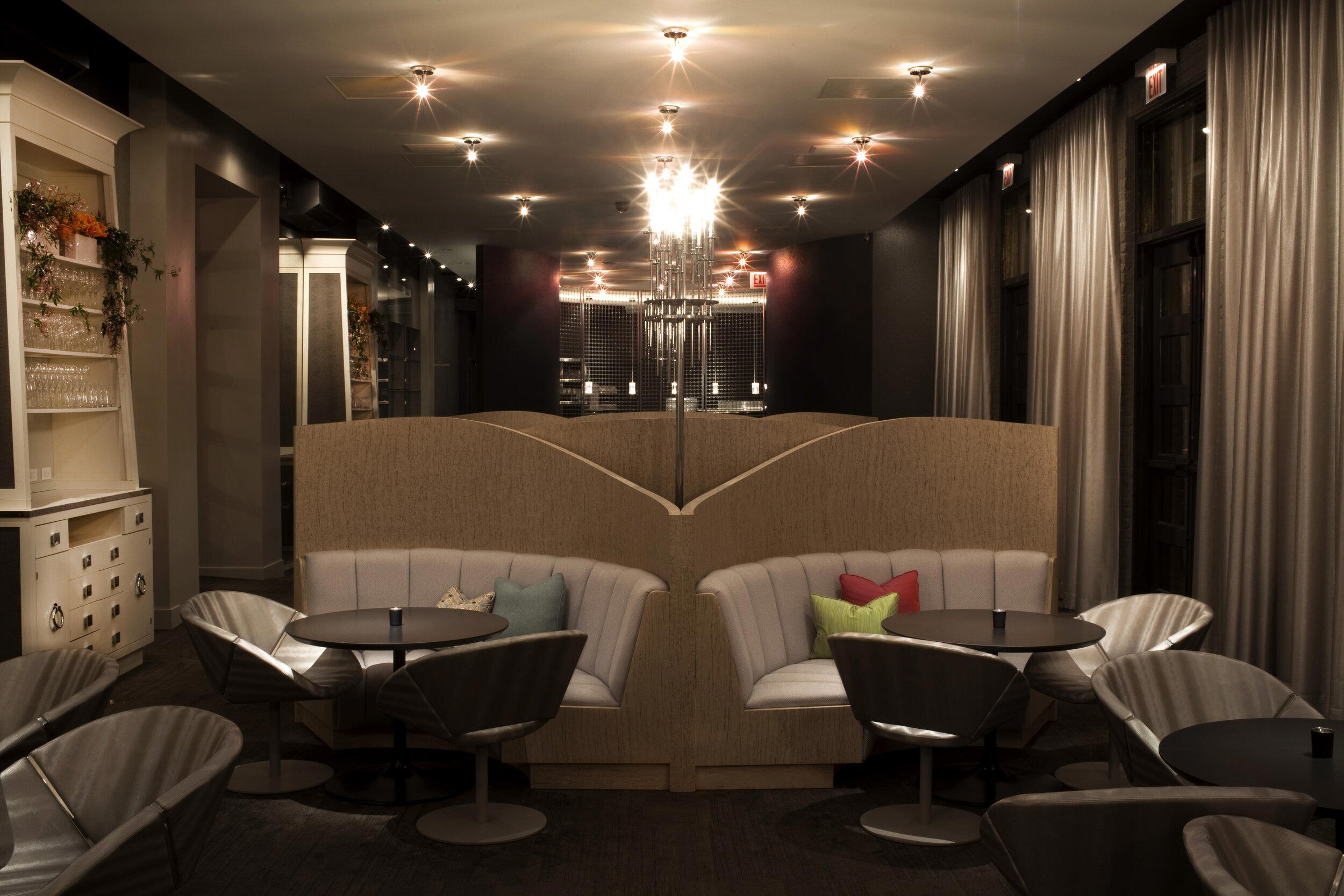
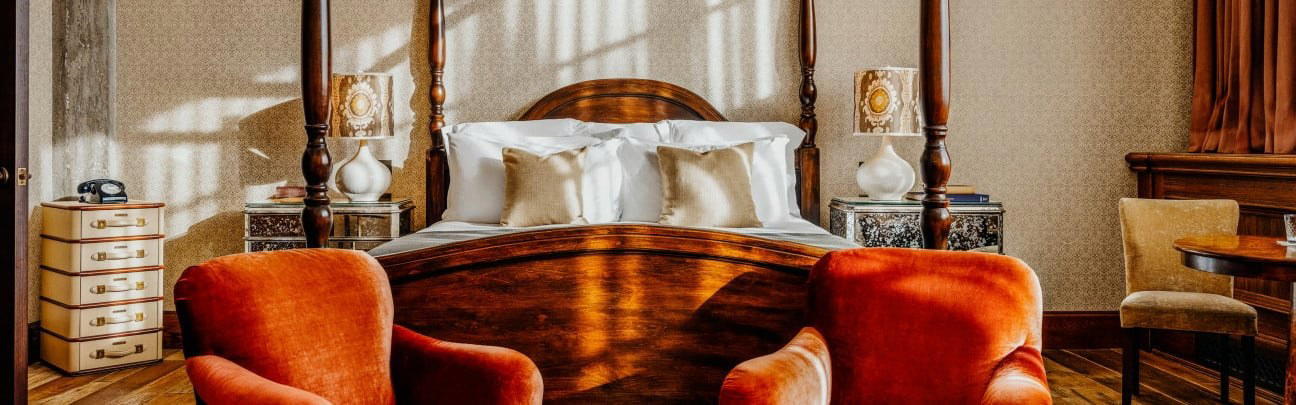
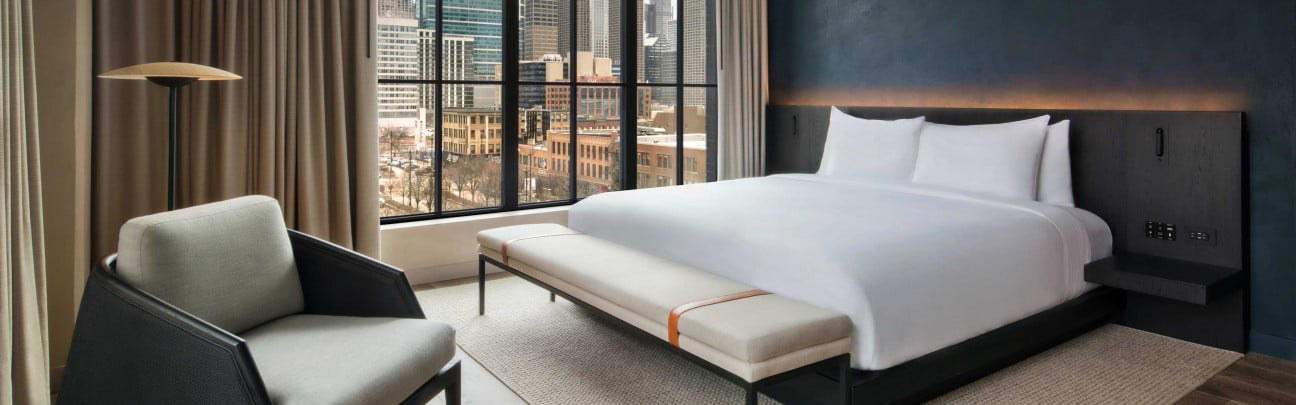
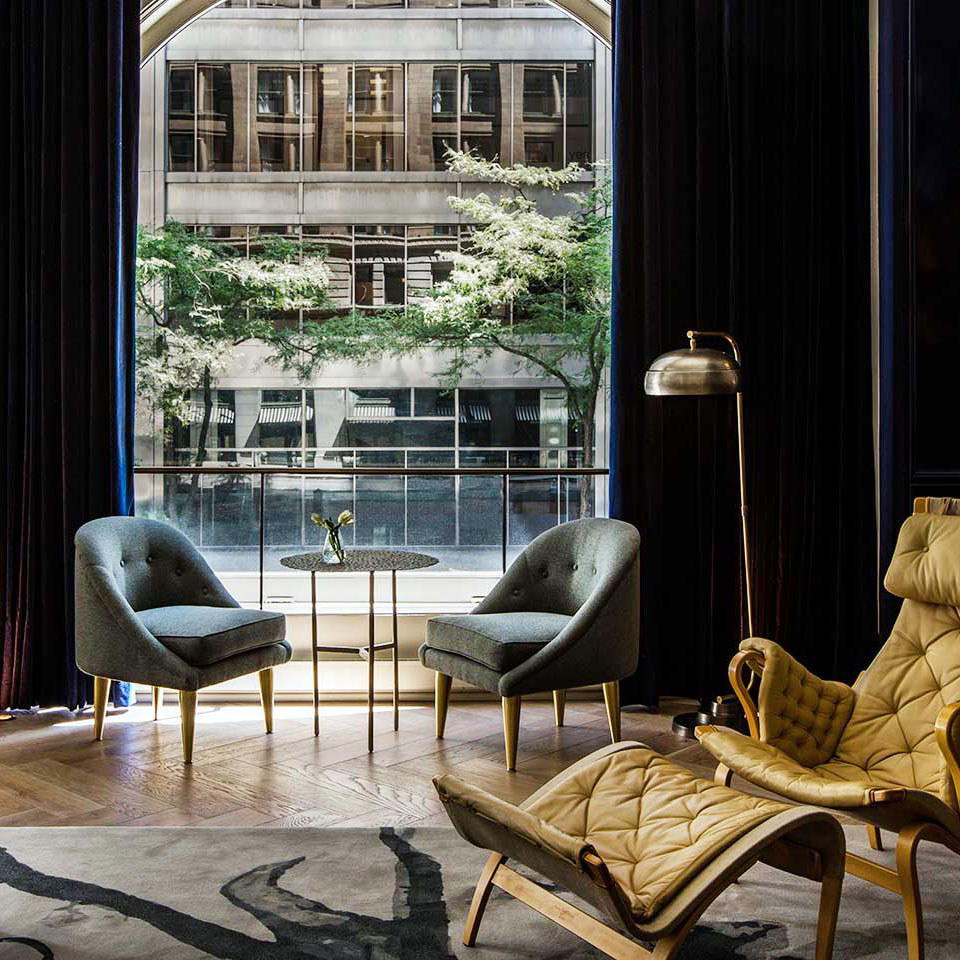
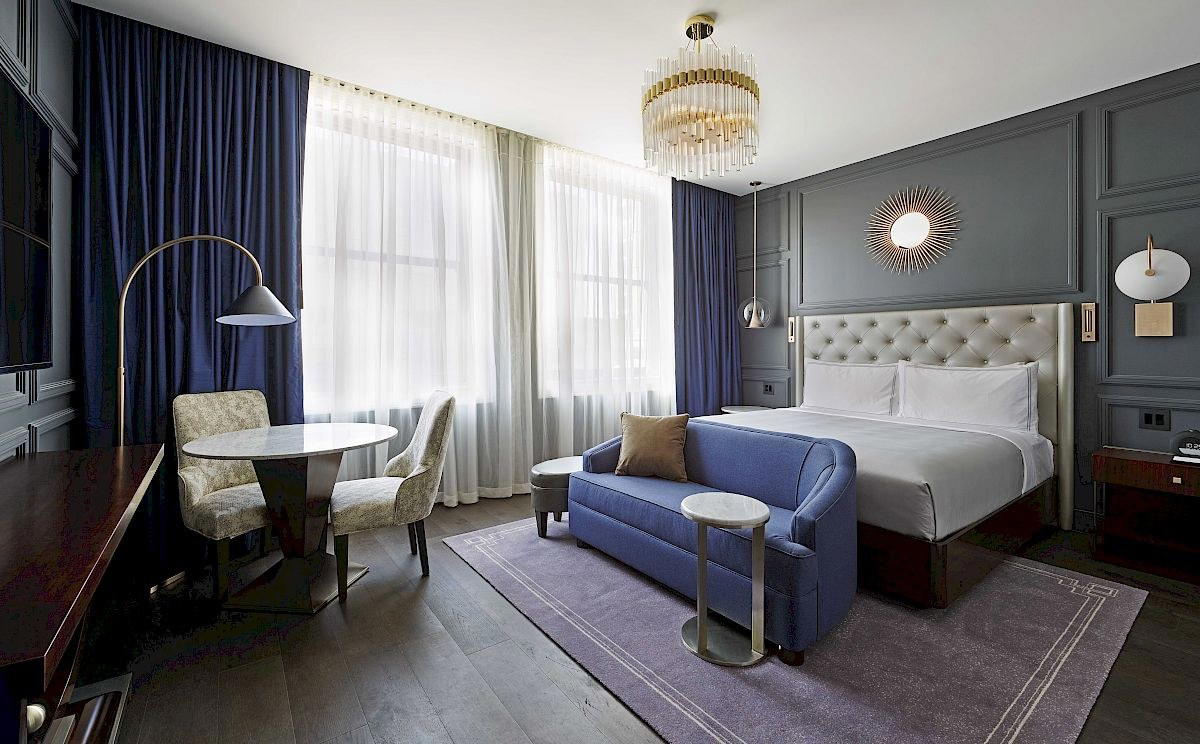
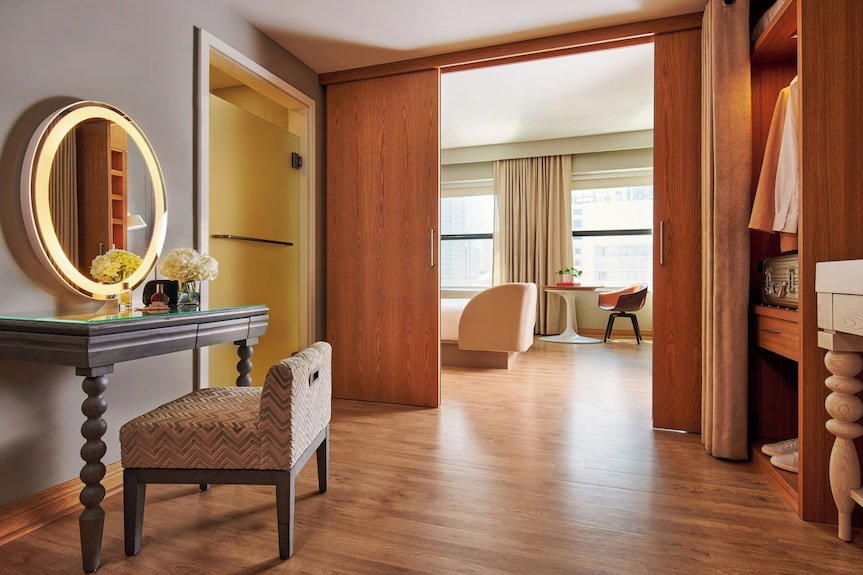
Bellemore occupies a considered space on West Randolph Street, Chicago's most competitive dining corridor, where the room's architectural calm sets it apart from the neighbourhood's louder, more theatrical neighbours. It sits in the upper tier of the city's contemporary American scene, drawing comparisons to Smyth and Oriole without replicating either. The physical container here does real editorial work: the design reads as intention, not decoration.

The menu
What to order
- Oyster pie
- Short rib mafaldine
- Spaghetti chitarra with Maine lobster
West Randolph Street and the Architecture of Restraint
Chicago's West Randolph Street corridor has become one of the most consequential dining addresses in the American Midwest, concentrating a density of serious kitchens within a few city blocks that few other American streets outside Manhattan can match. The competition is real: Smyth, with its two Michelin stars and farm-to-counter discipline, anchors one end of the spectrum; Oriole, a two-star operation running a tightly controlled tasting format, anchors another. Into this context, Bellemore at 564 W Randolph St makes its case not through volume or spectacle, but through the physical environment it has built around the act of eating.
That is a meaningful distinction. In a corridor where kitchens compete partly on the strength of their menus and partly on the theatrics of their dining rooms, a room designed for atmosphere over statement carries its own editorial logic. The design reads as deliberate deceleration: a space conceived to make the meal feel like the event, rather than the architecture.
The Room as Argument
The broader American fine dining scene has bifurcated over the past decade into two dominant spatial languages. On one side, the open kitchen as performance stage, where the cook's movements become part of the service. On the other, the insulated dining room, acoustically controlled, materially considered, where the space itself makes a claim about what kind of attention the food deserves. Bellemore belongs to the second category.
Le Bernardin in New York City has held this position for decades: the room communicates seriousness before a dish arrives. The Inn at Little Washington takes a different register entirely, using maximalist design to signal occasion. What Bellemore shares with the more restrained cohort is the understanding that a well-composed room shapes how a guest receives the food served inside it.
Compared to the theatrical staging at Alinea, where the dining experience is deliberately destabilising as a point of principle, or the narrative-forward concept cycling at Next Restaurant, Bellemore's spatial register is quieter. That quietness is a position, not an absence of ambition.
Where It Sits in Chicago's Contemporary American Tier
Chicago's upper tier of contemporary American dining is well-mapped by Michelin, which has consistently recognised a cluster of kitchens on and around West Randolph. Kasama, which holds a Michelin star and operates a tasting menu format in the evening, represents a different formal tradition within the city's fine dining tier. The shared characteristic across these addresses is format discipline: they have each made clear structural choices about how a meal unfolds, and the room reinforces those choices.
Bellemore's position in this set is that of a contemporary American kitchen operating at price points consistent with the neighbourhood's upper bracket. For useful national comparison: Lazy Bear in San Francisco operates a communal-format tasting menu that uses the shared table as its spatial argument; Single Thread Farm in Healdsburg extends the dining environment into agricultural context. These are different spatial propositions, but they share the logic of treating the room as part of the service rather than merely its container.
Within Chicago specifically, a useful frame is what the West Randolph corridor has done to dining expectations in the city more broadly. The concentration of serious kitchens here, including comparisons to Frasca Food and Wine in Boulder for its commitment to a specific European-American culinary dialogue, has raised the baseline for what a considered dinner at this price level should feel like. See our full Chicago restaurants guide for a broader map of the city's dining tiers.
Across the United States, the category of upper-tier contemporary American restaurants that invest heavily in spatial design as part of the dining proposition has grown significantly since 2015. Providence in Los Angeles has long used its dining room as a signal of the seafood-focused seriousness within; Blue Hill at Stone Barns in Tarrytown makes the agricultural landscape itself the spatial frame. Addison in San Diego, which holds a Michelin star and operates in a distinct architectural environment, has similarly used spatial investment as a signal of culinary seriousness.
Internationally, the logic holds: Atelier Moessmer Norbert Niederkofler in Brunico and Atomix in New York City both treat the dining room as a full component of the experience, not a backdrop. Emeril's in New Orleans made a version of this argument in an earlier era. The through-line is consistent: at a certain level of culinary ambition, the room becomes part of the argument.
Planning a Visit
Bellemore is located at 564 W Randolph St in Chicago's West Loop, a neighbourhood that has developed substantial transit access alongside its dining density. The address places it within the corridor's most concentrated block, meaning that diners arriving early or finishing late will find adjacent options for drinks before or after. Demand on this street runs high on Thursday through Saturday, and tables at restaurants in this tier typically require booking several weeks in advance during peak months.
Frequently asked questions
Is Bellemore suitable for children?
Bellemore sits within Chicago's West Loop fine dining corridor at 564 W Randolph St, a block that skews toward occasion dining rather than casual family meals. The room's spatial design and the pacing typical of upper-tier contemporary American kitchens make it better suited to adults or older teenagers comfortable with a longer, coursed format. Families with young children would likely find the environment a poor fit.
Is Bellemore formal or casual?
Bellemore occupies a middle register that Chicago's contemporary American tier has made its own: the room is polished and the service considered, but the West Loop address has never demanded black-tie formality. Think dress-to-impress rather than jacket-required. The spatial language of the dining room, which the West Randolph corridor favours, signals intention over stiffness.
How does Bellemore fit into Chicago's West Loop dining scene compared to its neighbours?
West Randolph Street has developed into the Midwest's most concentrated stretch of serious contemporary American cooking, and Bellemore at 564 W Randolph St is among the addresses that define the corridor's upper register. Chicago's dining scene in this neighbourhood is tracked closely by Michelin's Illinois guide, which has consistently recognised kitchens within walking distance. Bellemore's investment in spatial design as part of the dining proposition places it within a distinct subset of that peer group, where the room itself is considered part of the editorial argument.
What's the signature dish at Bellemore?
Specific menu details for Bellemore are not something we publish without current verification, as contemporary American kitchens at this level rotate dishes with the season. Checking directly with the restaurant via their current menu or reservation platform will give you the most accurate picture of what the kitchen is leading with.
Where do I go for Bellemore?
Bellemore is located at 564 W Randolph St, Chicago, IL 60661, USA, Chicago.
How hard is it to get a table at Bellemore?
Bellemore is located in one of Chicago's most competitive dining corridors on West Randolph Street, where demand for upper-tier contemporary American rooms consistently outpaces available covers. Reservations typically require advance planning, particularly for weekend evenings and prime seating times. Booking several weeks out is a reasonable baseline for this part of the West Loop.
The Quick Read
| Venue | Cuisine | Price | Awards | Notes |
|---|---|---|---|---|
| BellemoreThis venue (the venue you are viewing) | Artistic American | Not listed | Not listed | Not listed |
| Smyth | Modern American Tasting Menu | $200–300 | 3 Michelin Stars · World's 50 Best #1 | Progressive American, Contemporary |
| Alinea | Avant-Garde Molecular Gastronomy | $300–500 | 2 Michelin Stars · World's 50 Best #37 | Progressive American, Creative |
| Kasama | Modern Filipino | $30–50 | 2 Michelin Stars · World's 50 Best #31 | Filipino |
| Next Restaurant | Avant-Garde Themed Tasting Menus | Not listed | 1 Michelin Star · We're Smart World 2 Radishes | American Cuisine |
| Moody Tongue | Modern American with Beer Pairings | $200–300 | 1 Michelin Star · La Liste Top Restaurants | Contemporary |
Continue exploring
More in Chicago
Restaurants in Chicago
All restaurants in Chicago →
Bars in Chicago
All bars in Chicago →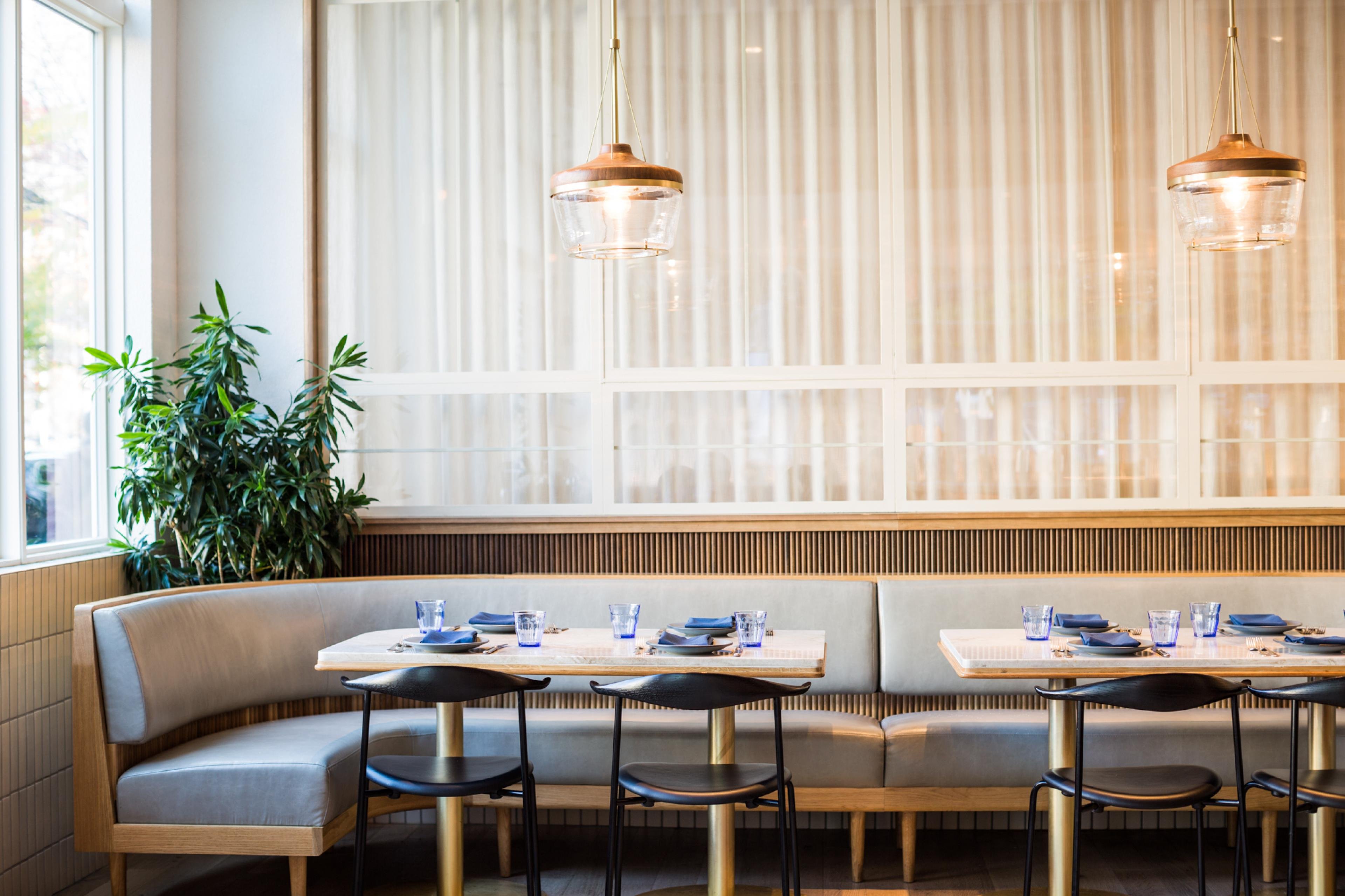
Details
- Elegant
- Whimsical
- Modern
- Sophisticated
- Date Night
- Special Occasion
- Open Kitchen
- Local Sourcing
- A La Carte
- Vegetarian Friendly
- Pescatarian Friendly
Bright and breezy elegance with whites, light-stained oak, Kelly Wearstler tiles, and pink velvet stools evoking a modernized old manor.