Upstairs at The Gwen
Our verdict
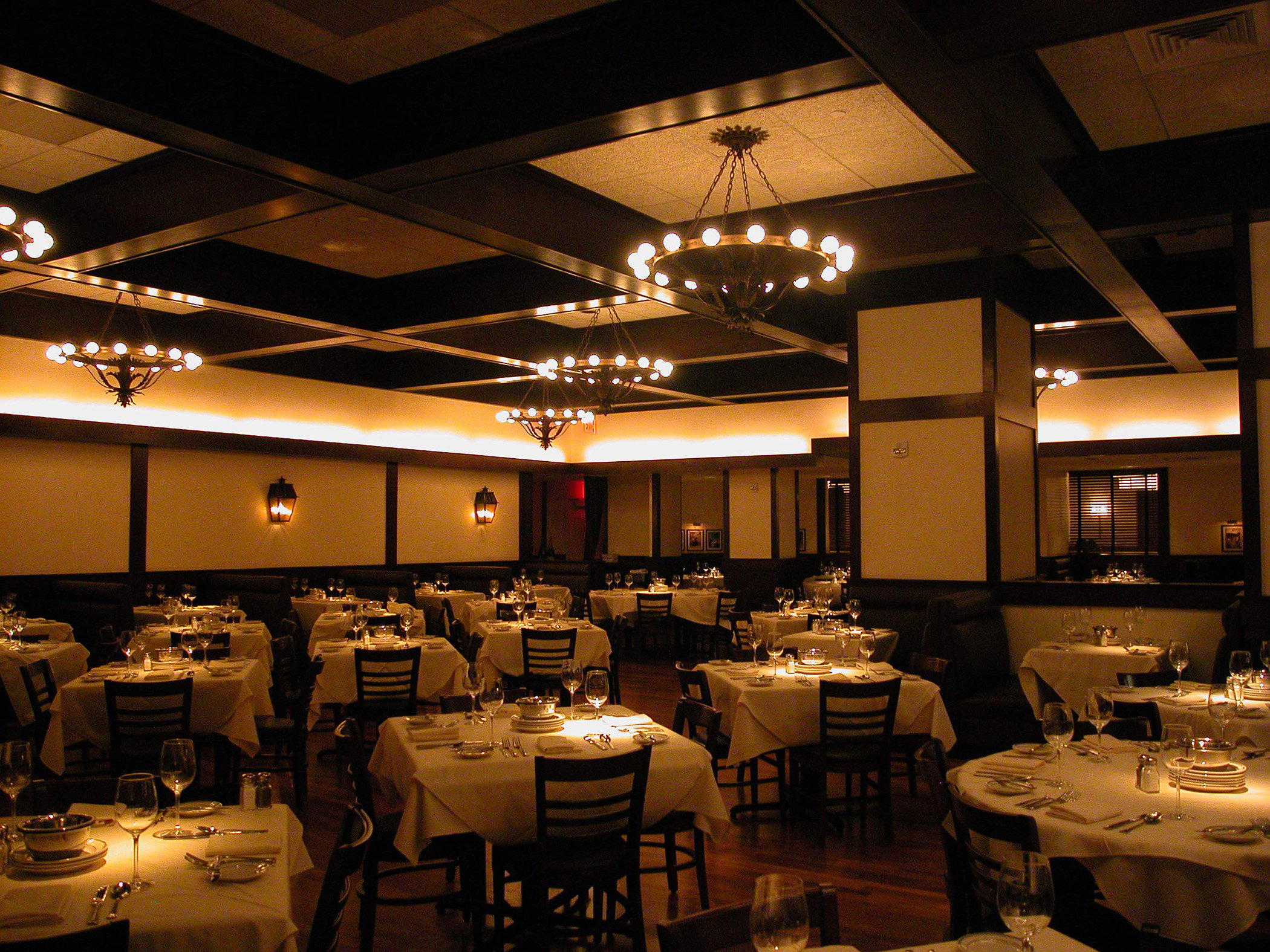
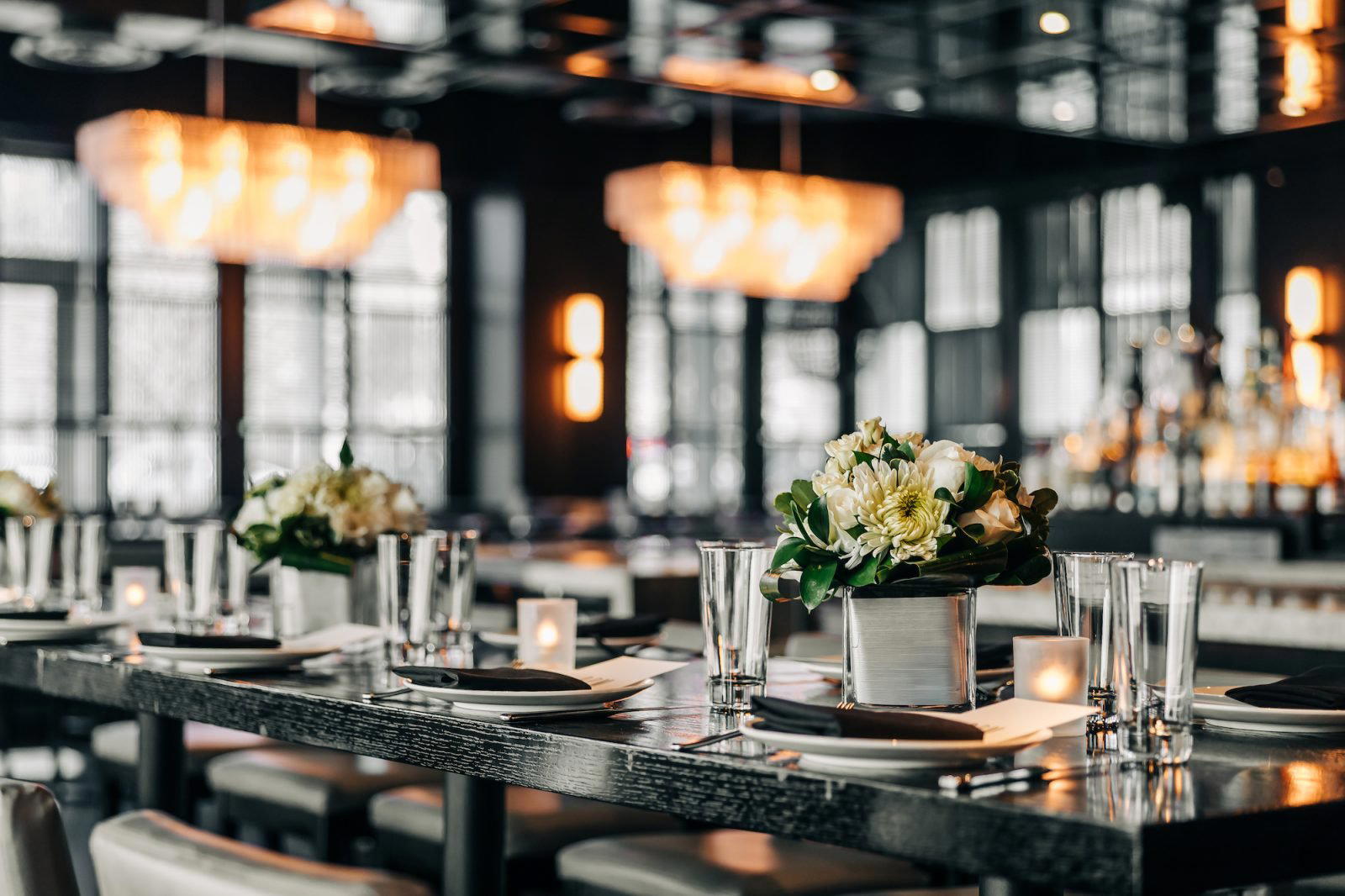
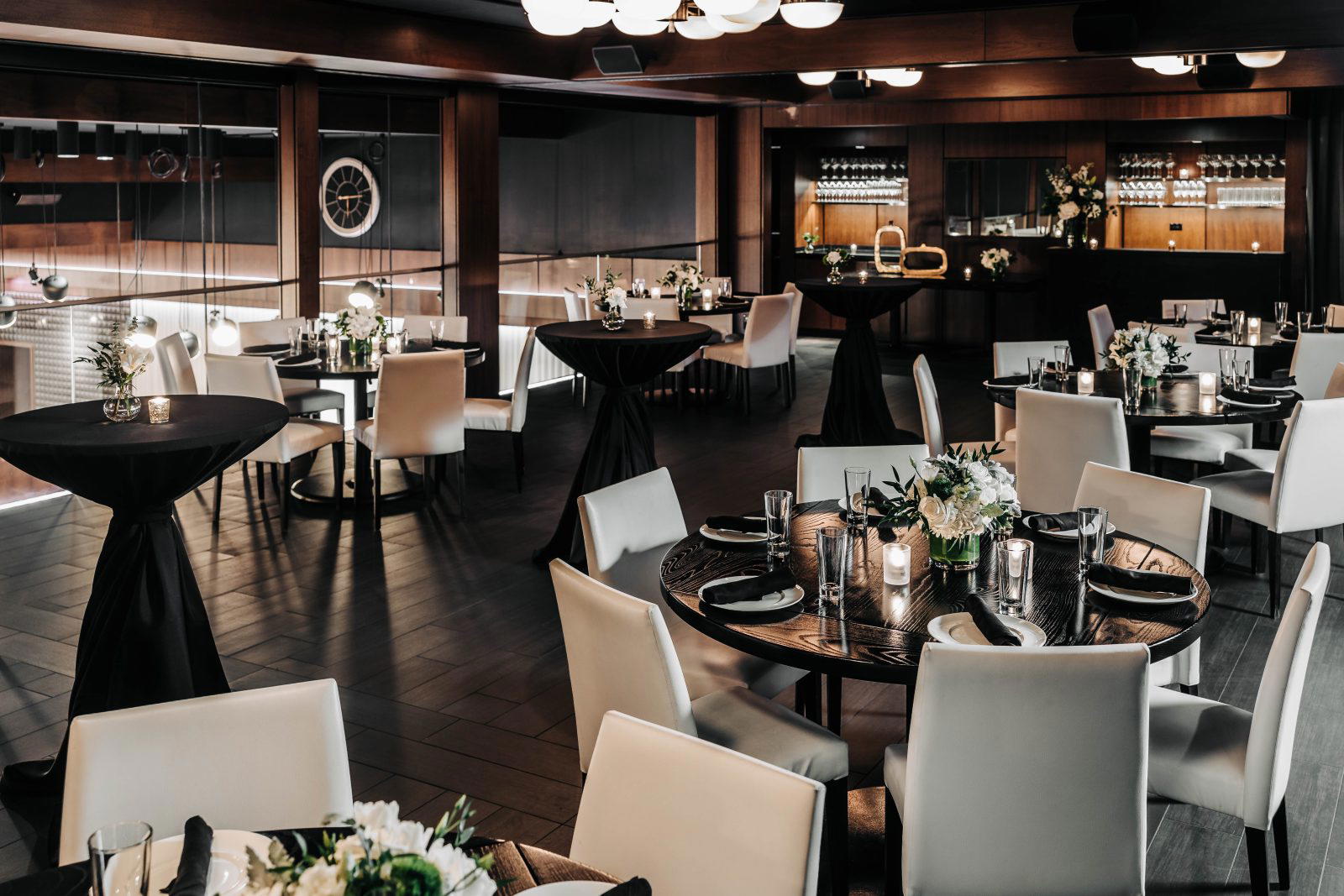
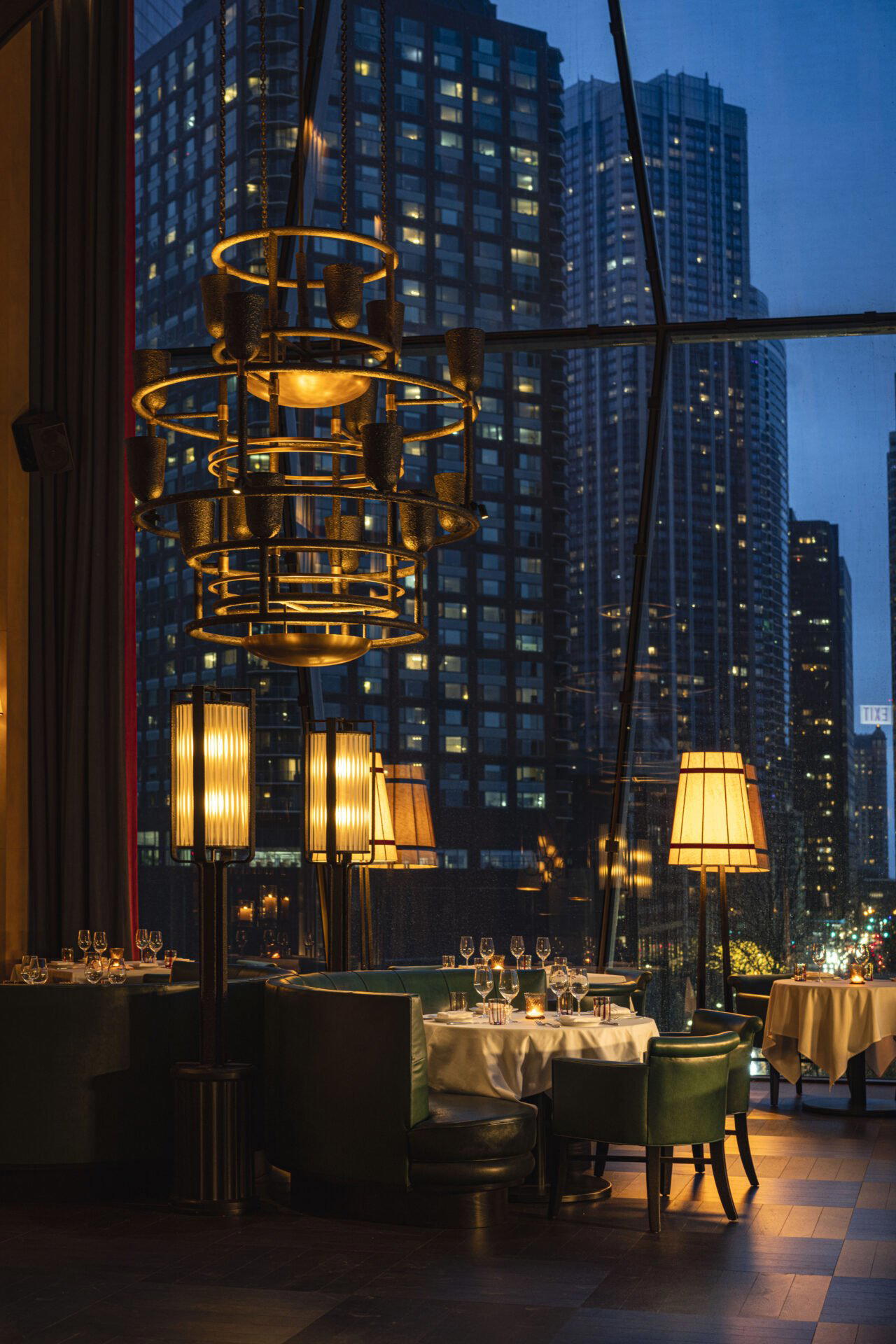
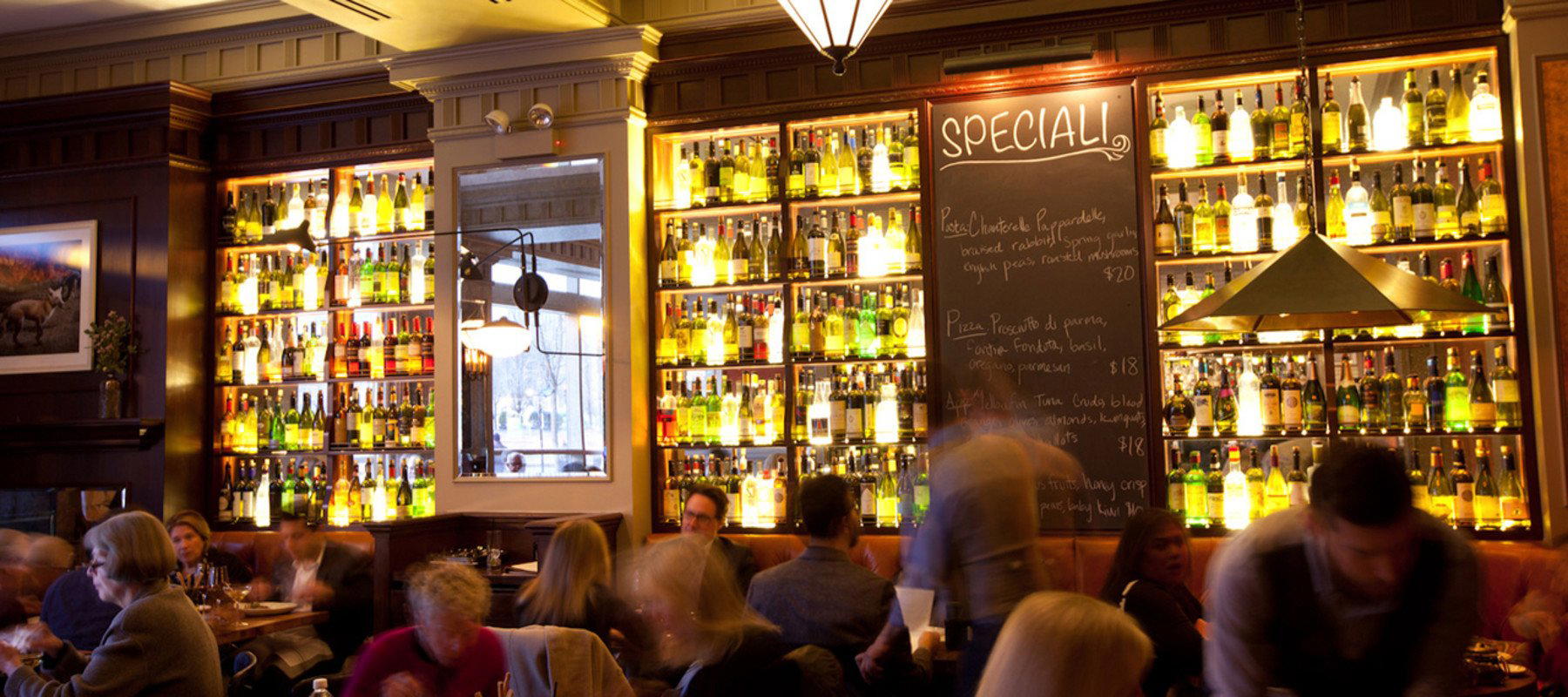
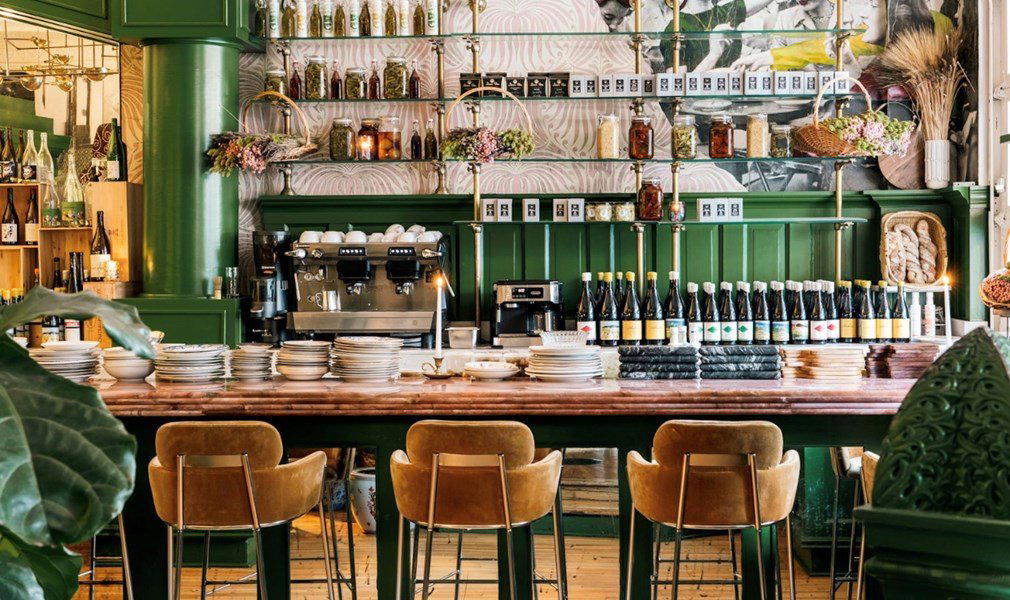
Perched on the fifth floor of The Gwen hotel on Rush Street, Upstairs at The Gwen occupies a distinct position in Chicago's hotel dining tier, where rooftop and refined bar formats have become serious dining destinations in their own right. The space trades on its vantage point over the Magnificent Mile corridor and sits alongside the city's broader wave of design-conscious venues that treat the room itself as part of the proposition.

Pearl is the En Primeur Club membership app, where members save venues, book tables and use the concierge.

The menu
What to order
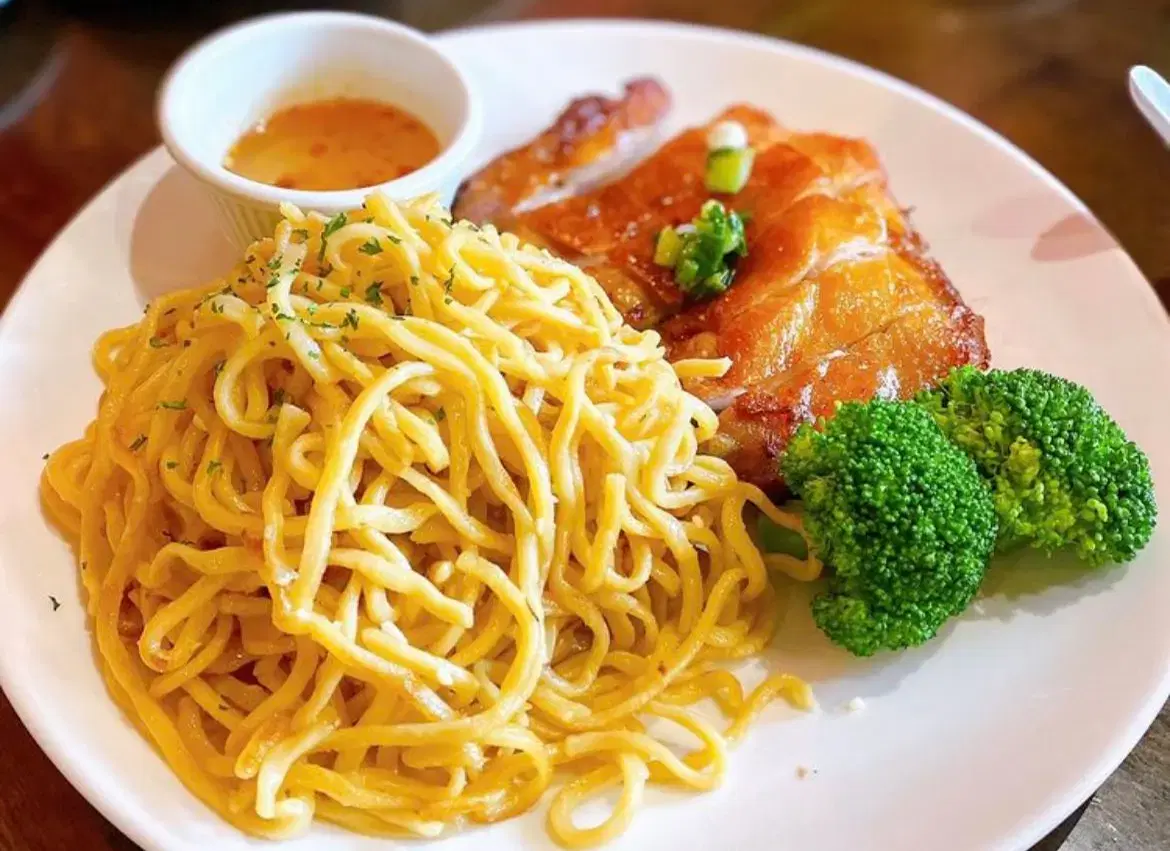
- Roasted Chicken Tagine
- Lamb Ribs
- Publican Bread
A Room Above the Rush
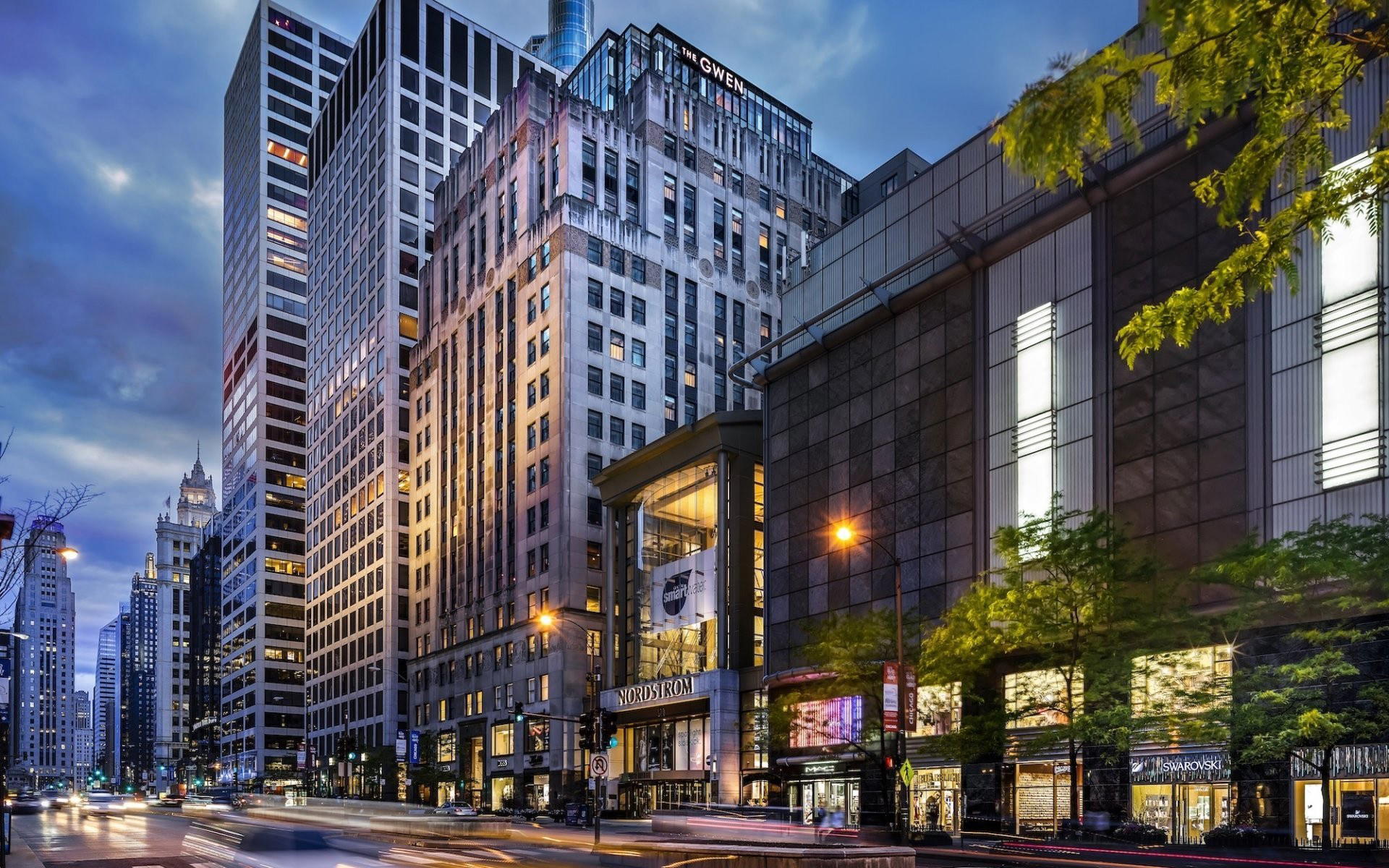
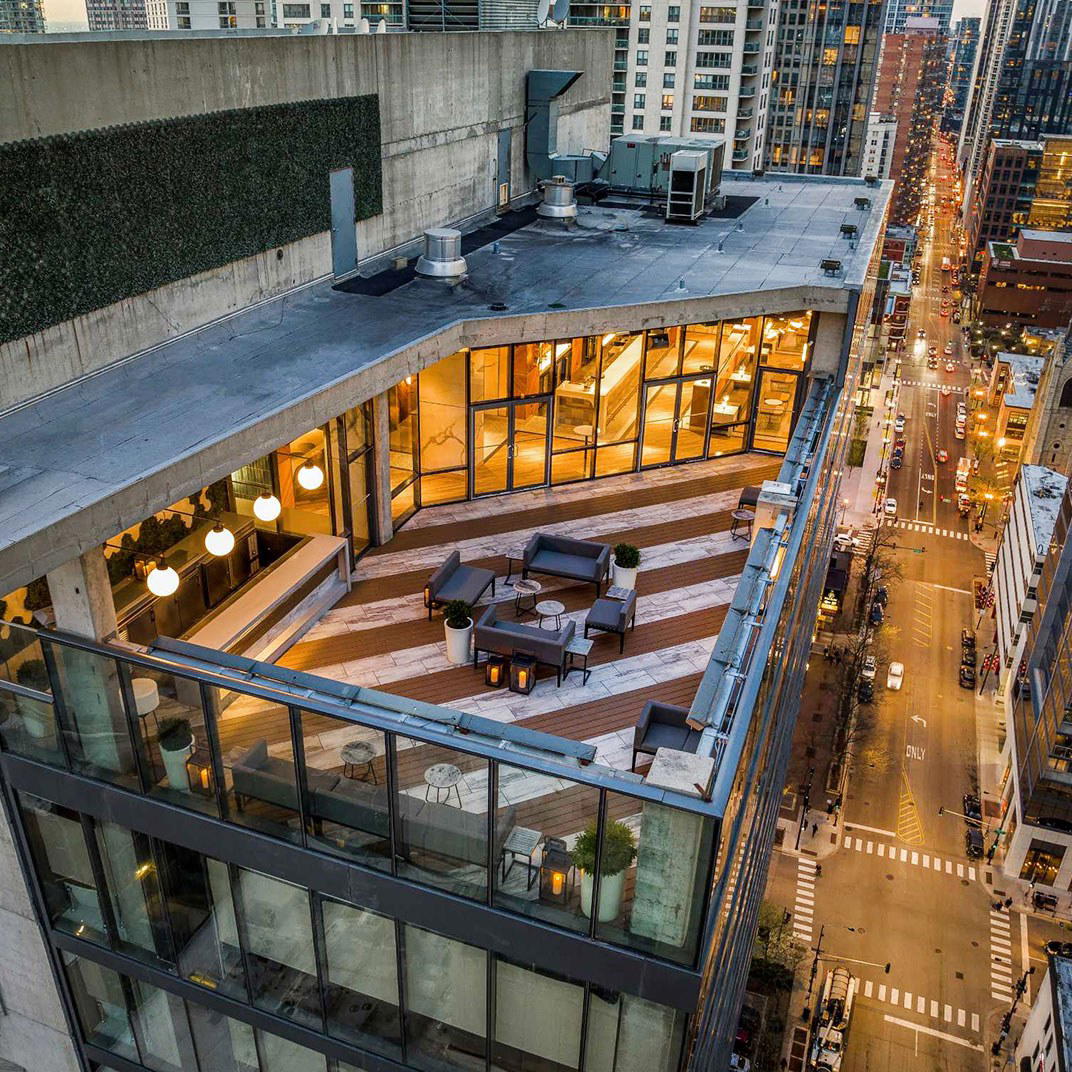
Chicago's Magnificent Mile has never lacked for height, but altitude alone does not make a dining room. The fifth-floor perch at Upstairs at The Gwen, accessed via The Gwen hotel at 521 N Rush Street, works because the building earns its position in the streetscape. Rush Street below carries the concentrated energy of River North, one of the city's densest corridors for premium hospitality, and the elevation creates a particular kind of remove: present enough to feel urban, separated enough to slow the pace. That spatial logic is what distinguishes hotel bar-dining formats that succeed from those that simply occupy a view.
The Gwen itself is a landmarked building, its facade carrying the kind of architectural specificity that Chicago's historic commercial stock tends to reward. That context matters for a room on its fifth floor: the interior does not have to manufacture character from scratch. It inherits a physical container with existing geometry and material memory, which gives the design program something to respond to rather than impose over. In a city where Alinea has made the dining environment an explicit part of the experience, and where Smyth uses its West Loop space to frame a particular kind of focused attention, the question for any hotel venue is whether the room contributes something beyond its address.
Where Hotel Dining Sits in Chicago's Tier Structure
Chicago's premium dining scene has stratified clearly over the past decade. At one end sit the destination tasting-menu operations: Oriole, Next Restaurant, and the broader cohort of Michelin-tracked progressive American kitchens that require advance planning and signal a full evening's commitment. At the other end, the city's neighbourhood casualty bars and accessible Filipino-American spots like Kasama have expanded what serious dining can mean at a more approachable price point.
Hotel restaurants and bars occupy a middle tier that is harder to define but increasingly hard to ignore. Properties in the Magnificent Mile and River North corridors have invested in their food and beverage programs as genuine amenities rather than afterthoughts, and Upstairs at The Gwen sits within that pattern. The competitive set for a venue in this position is not the city's tasting-menu rooms but the broader category of destination hotel bars where design, drink programs, and kitchen output combine into a coherent offer. Nationally, that tier includes spaces like Lazy Bear in San Francisco on one end of the experiential spectrum and Le Bernardin in New York City on the more formal end, though Upstairs at The Gwen operates closer to the bar-forward, accessible middle ground.
The Architecture of the Space
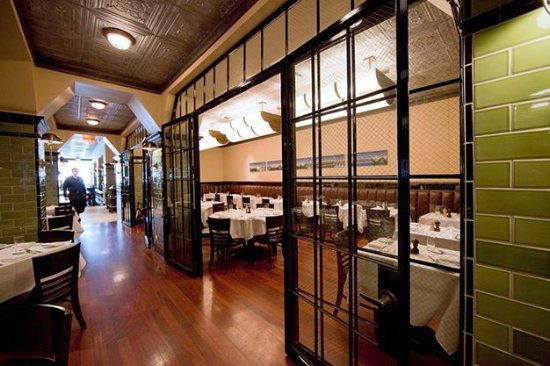
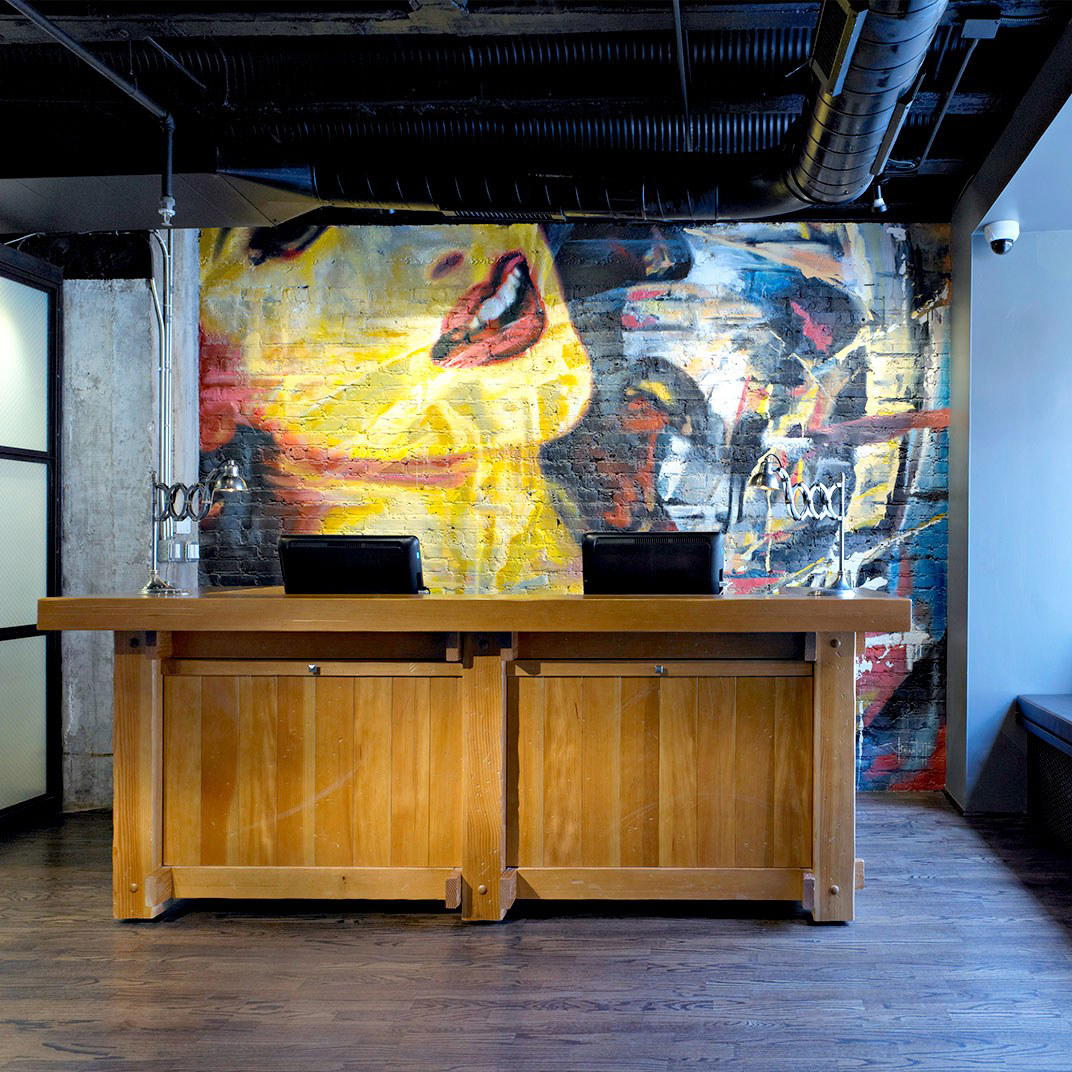
Fifth-floor rooms in historic commercial buildings carry particular design constraints. Ceiling heights, column placement, and window lines are fixed by the original structure, and how a design program responds to those constraints tells you something about its ambitions. Venues that work against the building's bones tend to feel provisional; those that read the existing geometry and amplify it tend to settle into something more durable.
The broader category of hotel rooftop and upper-floor venues across American cities has moved away from the open-terrace party format that defined the 2010s. In Chicago specifically, where weather compresses the viable outdoor season into roughly May through October, spaces that function as genuine interiors for the bulk of the year carry structural advantages. A room designed for year-round use in a climate like Chicago's needs to work as a room first, with outdoor access as a seasonal supplement, not the other way around. That orientation shapes everything from furniture selection to acoustic treatment to how natural light is handled across different times of day.
For context on how comparable venues approach this problem in other markets, Addison in San Diego and Providence in Los Angeles operate in climates where indoor-outdoor integration is less constrained, giving their design programs different freedoms. Chicago venues have to solve for January as much as July, and the ones that do it well tend to invest in materials and warmth at the expense of the breezy openness that works in more temperate markets.
Rush Street and Its Dining Context
Rush Street and the surrounding River North grid represent Chicago's most concentrated zone of premium hospitality. The neighbourhood draws a mix of hotel guests, finance and professional crowds from nearby offices, and out-of-town visitors who orient around the Magnificent Mile's retail and cultural infrastructure. That audience profile shapes what works: formats that reward efficiency and legibility alongside quality tend to outperform highly conceptual experiences that require significant guest investment in understanding the proposition.
Nationally, the model for serious dining embedded in premium hotel corridors includes The Inn at Little Washington, Blue Hill at Stone Barns in Tarrytown, and destination-driven properties like Single Thread Farm in Healdsburg, all of which treat the dining room as the primary draw rather than an amenity. Upstairs at The Gwen operates in a different register: it is part of a hotel ecosystem rather than the reason for a dedicated trip, which changes how its food and beverage program should be read. The relevant comparison is less with those destination experiences and more with the tier of urban hotel bars that have earned genuine local followings, separate from their guest populations.
For a broader orientation to the city's dining structure across neighbourhoods, EP Club's full Chicago restaurants guide maps the tier structure from progressive tasting-menu rooms through to neighbourhood fixtures. Venues like Bacchanalia in Atlanta, Emeril's in New Orleans, and Atomix in New York City each illustrate different approaches to anchoring a premium dining identity within a hotel or destination context, and the range of those approaches reflects how varied the category has become. Internationally, a venue like 8 1/2 Otto e Mezzo Bombana in Hong Kong shows how a hotel-adjacent fine dining identity can become destination-grade over time through consistent program investment.
Planning a Visit
Upstairs at The Gwen sits at 521 N Rush Street, fifth floor, in River North, a short walk from the Chicago Red and Brown Line stations at Grand and Chicago stops. The surrounding block is walkable to the core Magnificent Mile stretch and the Riverwalk, making it a practical stop either before or after other evening programming in the area. As a hotel venue, it draws both in-house guests and walk-in traffic from the neighbourhood, and its position in a busy corridor generally means capacity pressure on weekend evenings; earlier sittings or weeknight visits tend to give the room more space to breathe.
Frequently asked questions
What part of town is Upstairs at The Gwen in?
Upstairs at The Gwen is located at 521 N Rush St 5th Floor, Chicago, IL 60611, Chicago.
Is Upstairs at The Gwen a good option for a business dinner in Chicago's River North?
The fifth-floor location at 521 N Rush Street places Upstairs at The Gwen well above the street-level density of River North, which tends to suit conversations that require more than shouting across a bar. The Gwen hotel address carries professional context in Chicago's Magnificent Mile corridor, making it a functional choice for hosted dinners where setting carries weight. Confirm current hours and reservation availability directly with the venue before booking.
What's the must-try dish at Upstairs at The Gwen?
The restaurant sits on the fifth floor of The Gwen hotel on Rush Street, Chicago, within a neighbourhood dense with premium dining competition, which typically pushes hotel kitchens toward a focused, seasonally adjusted menu rather than a single signature anchor.
Do they take walk-ins at Upstairs at The Gwen?
Walk-in policy at Upstairs at The Gwen has not been confirmed in available editorial data. Given its location at 521 N Rush Street in River North, one of Chicago's busiest hospitality corridors, demand on weekend evenings tends to run high at this tier of hotel dining. Contacting the venue directly before arrival is the safer approach.
What's the defining dish or idea at Upstairs at The Gwen?
What distinguishes the venue editorially is its positioning: a fifth-floor dining room inside The Gwen hotel on Rush Street, set apart from street-level River North noise while remaining central to Chicago's Magnificent Mile hospitality zone. The room itself, rather than a single plate, appears to be the primary draw.
Where It Fits
Comparable venues nearby, for context on price, style, and recognition.
| Venue | Cuisine | Price | Awards | Notes |
|---|---|---|---|---|
| Upstairs at The GwenThis venue (the venue you are viewing) | American with Mediterranean Influences | $50–100 | Not listed | Not listed |
| Homestead On The Roof | Farm-to-Table American with Latin Influences | Not listed | Not listed | West Town |
| etc. | Elevated Southern American with Global Influences | $50–100 | James Beard Award Semi Finalist | Loop |
| Soul Prime | Elevated Soul Food | $50–100 | Not listed | Lincoln Park |
| Wood | American Fusion | $50–100 | Not listed | Northalsted |
| The Hampton Social | New England-Style Seafood | $50–100 | Not listed | River North |