Our verdict
Kesselhaus3 serves Modern German Fine Dining in a historic building with an open kitchen and an extensive wine list, paced for lunch or dinner.

Pearl is the En Primeur Club membership app — saves, bookings, and concierge access live there. Same editors, same standards.
- Address
- Griesbachstraße 10c, 76185 Karlsruhe, Germany
- Phone
- +497216699269
- Hours
- Mon ClosedTue–Fri 12–2 PM, 6–11 PMSat 6–11 PMSun Closed
- Website
- kesselhaus-ka.de
- Directions
- Get directions
- Booking
- Book on the venue's website
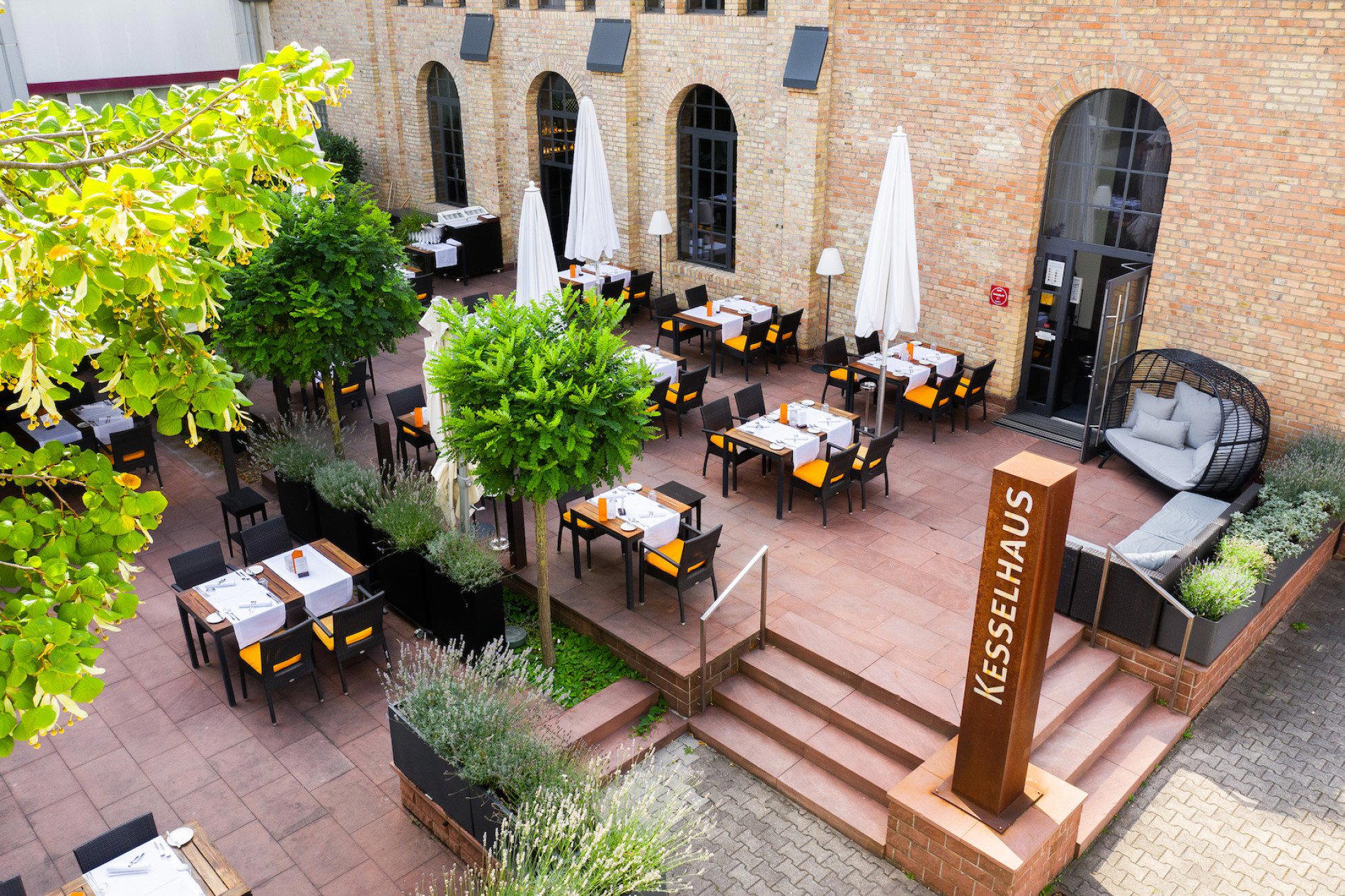
An Industrial Shell, a Culinary Intention
The address on Griesbachstraße sits in a quarter of Karlsruhe where repurposed industrial architecture has quietly become the preferred setting for a certain kind of serious eating. The Kesselhaus format, a building with the bones of a former boiler house or industrial plant refitted for hospitality, carries a particular atmospheric logic: high ceilings, raw materials, and spaces that resist the softening instincts of conventional restaurant interiors. It is a context that tends to attract operators with something to prove beyond surface-level comfort, and in Karlsruhe that context matters more than it might in cities with longer fine-dining pedigrees.
Karlsruhe does not announce itself the way Munich or Hamburg does when it comes to restaurant culture, yet the city has developed a small and increasingly coherent tier of serious dining addresses. sein operates at the upper end of the modern cuisine bracket, while 5 SEN:SES by Mario Aliberti takes an international frame to its menus. Kesselhaus3, positioned on Griesbachstraße 10c, enters this conversation from a different spatial register, one shaped by its industrial container as much as by what happens at the table.
Where the Food Comes From and Why That Frame Matters
Across Germany's more ambitious mid-tier restaurants, ingredient sourcing has become the primary editorial language through which kitchens communicate identity. The shift is structural, not cosmetic. As supply chains for heritage breeds, single-farm vegetables, and regional fish stocks have matured over the past decade, kitchens that built relationships with specific producers early now hold a meaningful advantage in consistency and in the specificity of what they can put on a plate. The question worth asking of any serious German restaurant is not simply what the kitchen cooks, but where its raw materials originate and how those relationships shape what is possible on any given week.
This framing connects Kesselhaus3 to a broader movement across southwestern Germany, where proximity to Baden-Württemberg's agricultural output, the Black Forest's foraging traditions, and Alsace across the Rhine creates a sourcing environment that kitchens in less geographically fortunate cities cannot replicate. The region around Karlsruhe sits within reach of asparagus fields in the Rheinebene, trout and char from the higher Black Forest elevations, and market gardens that have supplied Baden's bourgeois table for generations. Restaurants that understand and use this geography are playing a different game from those importing standardised produce through central distributors. The gap in the plate is perceptible.
For reference, the kitchens that have drawn the most sustained critical attention in the German southwest, among them Schwarzwaldstube in Baiersbronn, built their identities in large part on the specificity of regional sourcing rather than on technique alone. Further afield, Waldhotel Sonnora in Dreis and Vendôme in Bergisch Gladbach represent the tier at which sourcing precision and kitchen execution become essentially inseparable. Karlsruhe's dining scene is not yet operating at that tier across the board, but the ambition is visible in several addresses, and Kesselhaus3's industrial setting suggests an operator interested in substance over decorative hospitality.
Karlsruhe's Dining Character and Where This Address Sits
The city's restaurant scene has historically skewed toward reliable regional cuisine at accessible price points, represented well by addresses like Adria Taverne and Aubrac Restaurant and Terrasse, which serve a clientele that values familiarity and consistency. The more ambitious tier, where Anders auf dem Turmberg also operates with its refined panoramic setting, is smaller and requires more from the kitchen in terms of identity and point of view.
Kesselhaus3 occupies a postcode in the northwestern part of the city that is less saturated with conventional restaurant competition than the Innenstadt. This has advantages: kitchens in such locations often develop a more committed regular base rather than relying on tourist or passing trade, which in turn allows for tighter menu rotation tied to what producers actually have available at a given moment. It is the same dynamic seen at destination kitchens elsewhere in Germany, from ES:SENZ in Grassau to Schanz in Piesport, where physical remove from city-centre noise creates the conditions for a kitchen to develop on its own terms.
Planning a Visit
Griesbachstraße 10c is a specific address in an area of Karlsruhe that rewards arriving oriented rather than exploratory. Public transport from the Karlsruhe Hauptbahnhof connects to the northwestern districts, though the precise transit options to this specific street are worth confirming before the visit. For context on the broader Karlsruhe dining scene and how to structure a longer stay in the city, the full Karlsruhe restaurants guide covers the range of options from regional to international.
For readers building an itinerary around serious German dining at the higher end of the national spectrum, the reference points are kitchens like Aqua in Wolfsburg, JAN in Munich, Victor's Fine Dining by Christian Bau in Perl, Restaurant Haerlin in Hamburg, and CODA Dessert Dining in Berlin. Internationally, the structural parallels with ingredient-driven sourcing programs can be found at addresses like Le Bernardin in New York City and Atomix in New York City, both of which demonstrate how sourcing specificity at the top of the market creates a different category of dining experience from technically proficient but generically sourced kitchens.
Frequently asked questions
Is Kesselhaus3 formal or casual?
The setting at Griesbachstraße 10c, within Karlsruhe's repurposed industrial quarter, signals something between relaxed and considered. Industrial architecture in this part of the city tends to attract kitchens with culinary ambition but without formal dining codes. Dress practically but thoughtfully.
What's the address for Kesselhaus3?
Kesselhaus3 is located at Griesbachstraße 10c, 76185 Karlsruhe, Germany, Karlsruhe.
What kind of space is Kesselhaus3 — and does the building itself shape the dining experience?
The name Kesselhaus references a boiler house, a typology common to late-19th and early-20th century industrial infrastructure, and the Griesbachstraße 10c address sits in a Karlsruhe quarter where such conversions have become the setting of choice for a specific tier of independent operator. In spaces of this kind, raw structural elements — exposed brick, high ceilings, original fittings — typically inform atmosphere as much as the kitchen does. Whether that industrial shell at Kesselhaus3 is preserved or reinterpreted is best confirmed on arrival.
What do regulars order at Kesselhaus3?
Specific dish data for Kesselhaus3 isn't on record here. Karlsruhe's more ambitious mid-tier addresses in this neighbourhood typically anchor their menus around regional sourcing, so market-driven specials are usually the stronger call over fixed standards. Ask staff what arrived that week.
How far ahead should I plan for Kesselhaus3?
No booking window data is confirmed for Kesselhaus3. Restaurants operating in Karlsruhe's emerging industrial-quarter dining corridor can fill quickly on weekends given limited seating in converted spaces. Contacting the venue directly via their address at Griesbachstraße 10c or checking current online listings before arrival is advisable.
What do critics highlight about Kesselhaus3?
Its position in Karlsruhe's repurposed-architecture dining corridor places it among a cohort of addresses where the physical setting and sourcing ethos are typically the points of editorial interest rather than classical technique or celebrity chef attachment.
How does Kesselhaus3 handle allergies?
Standard practice at Karlsruhe restaurants of this type is to discuss requirements when booking or on arrival. Given the address format suggests a smaller operation, direct advance communication is the practical approach.
A Quick Peer Check
Comparable venues nearby, for context on price, style, and recognition.
| Venue | Cuisine | Price | Awards | Notes |
|---|---|---|---|---|
| Kesselhaus3This venue — the venue you are viewing | Modern German Fine Dining | $50–100 | Not listed | Not listed |
| Stilbruch | Modern German Soul Dining | $50–100 | Michelin Plate | Weststadt |
| Anders auf dem Turmberg | Modern Regional Tapas with Mediterranean Influences | $50–100 | Michelin Plate | Durlach |
| Nagels Kranz | Refined Seasonal German-European Fine Dining | $50–100 | Michelin Plate | Neureut |
| Der KofferRaum | Cocktail Bar with Small Plates | $20–30 | Falstaff Bar - 91 Falstaff Points | Innenstadt-West |
| Portale 50 | Modern Italian Gourmet | $30–50 | Not listed | Innenstadt-West |
Continue exploring
More in Karlsruhe
Restaurants in Karlsruhe
Browse all →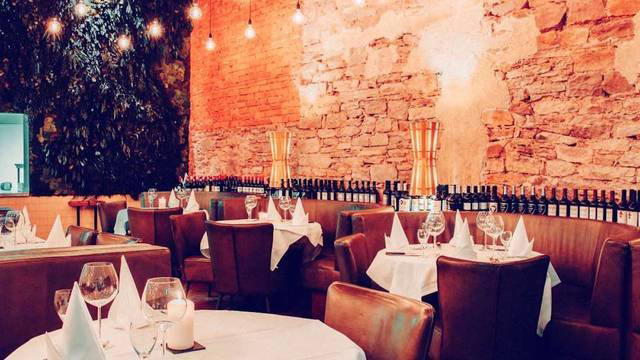
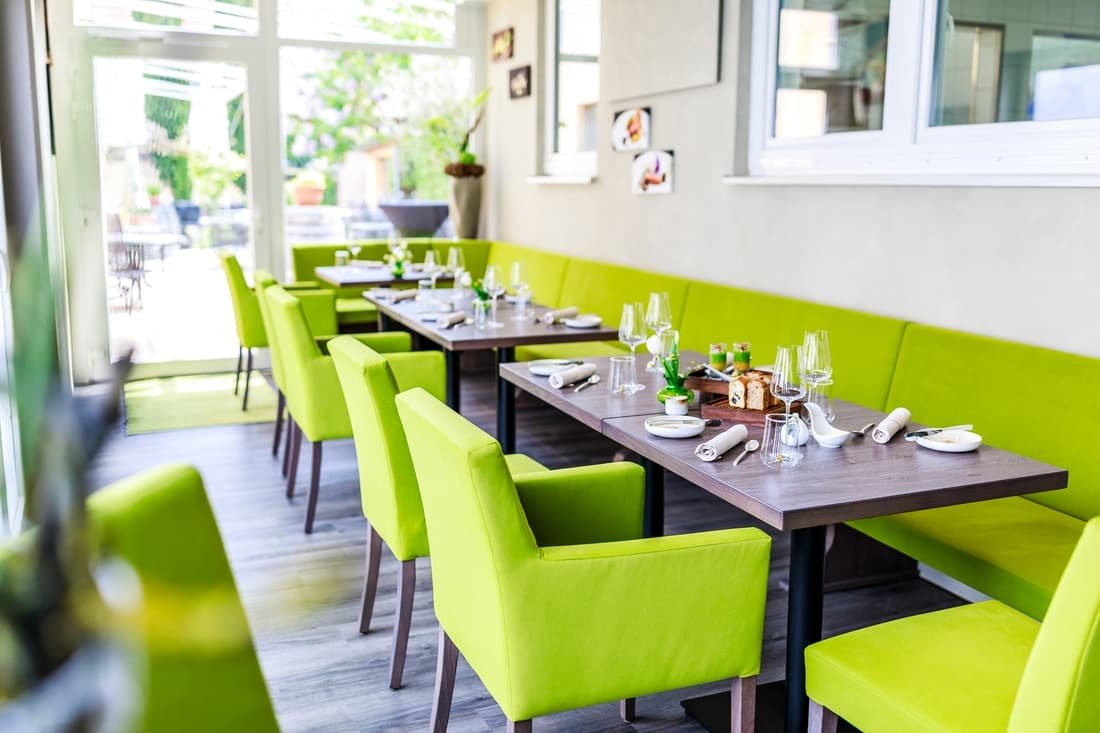
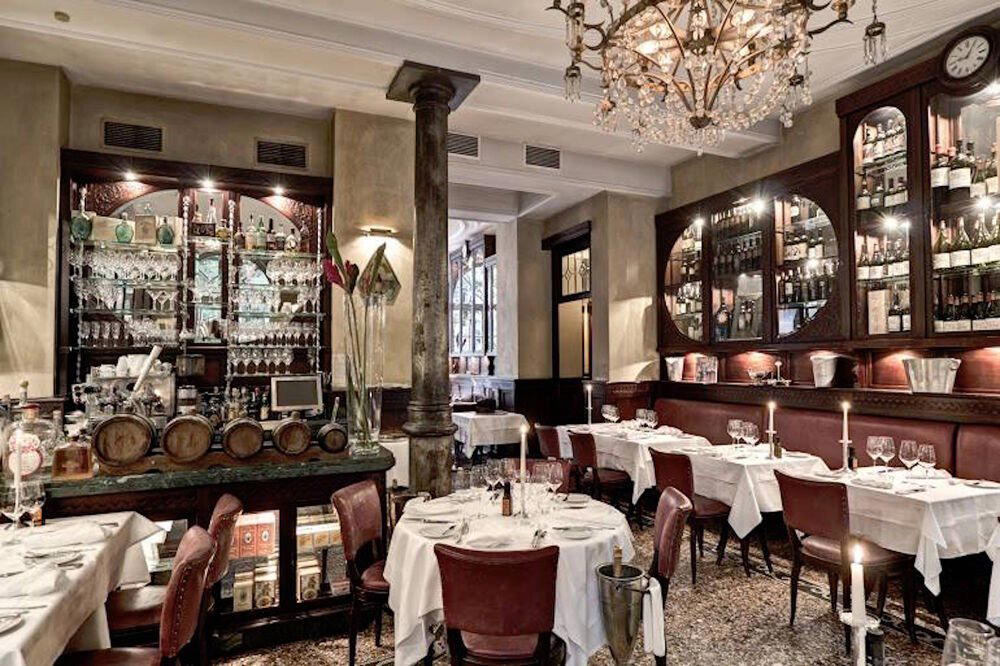
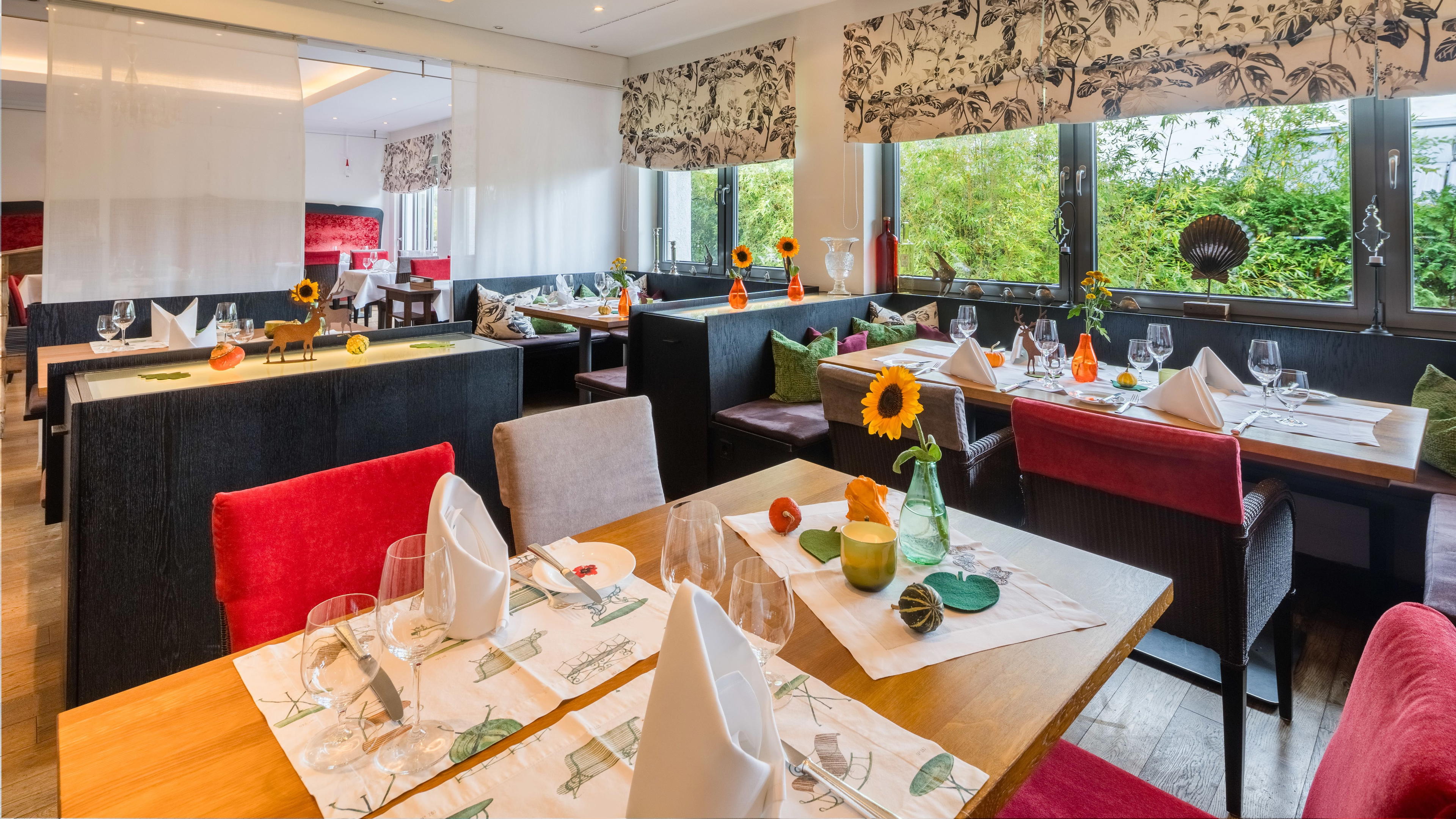
Bars in Karlsruhe
Browse all →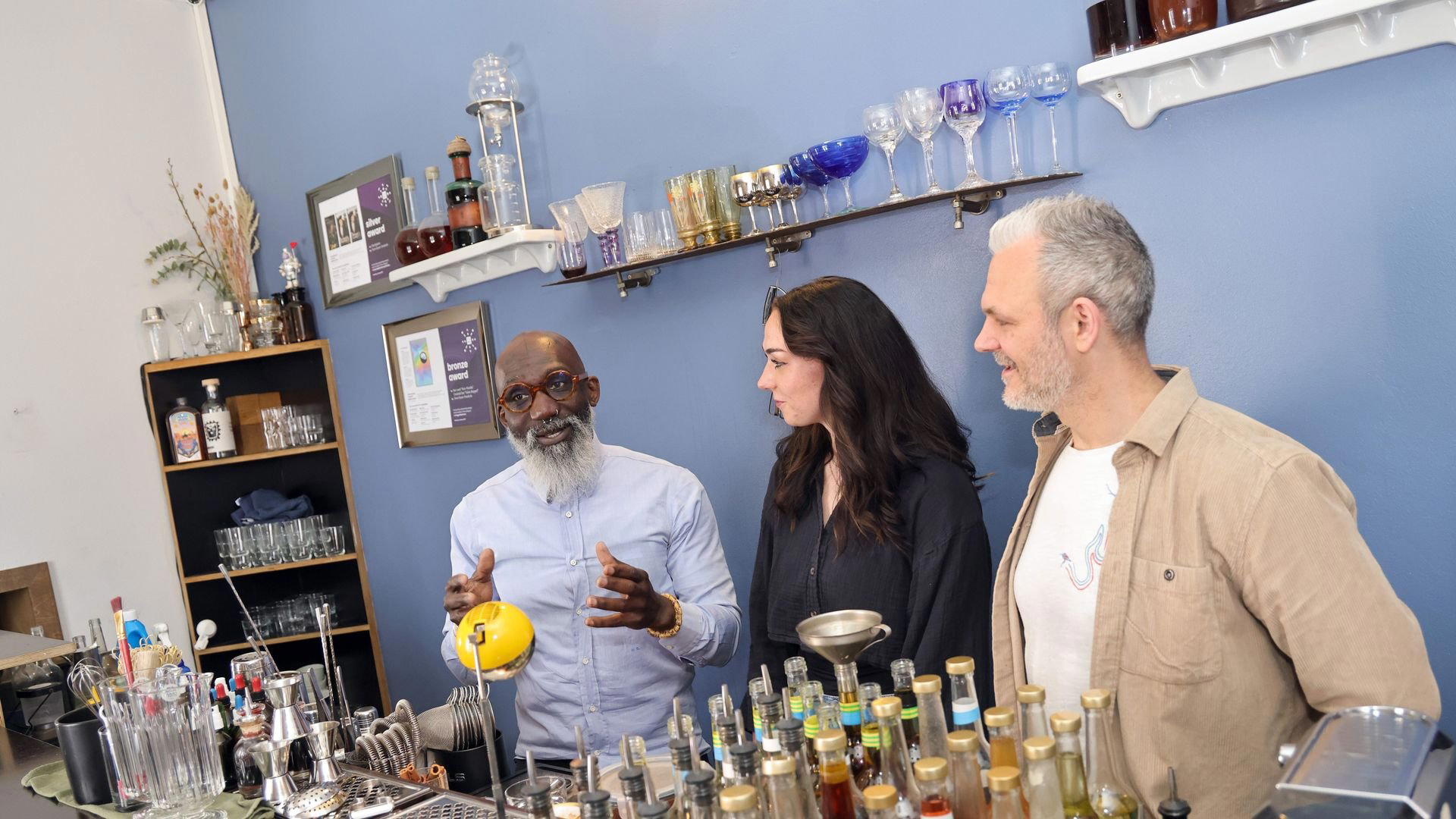

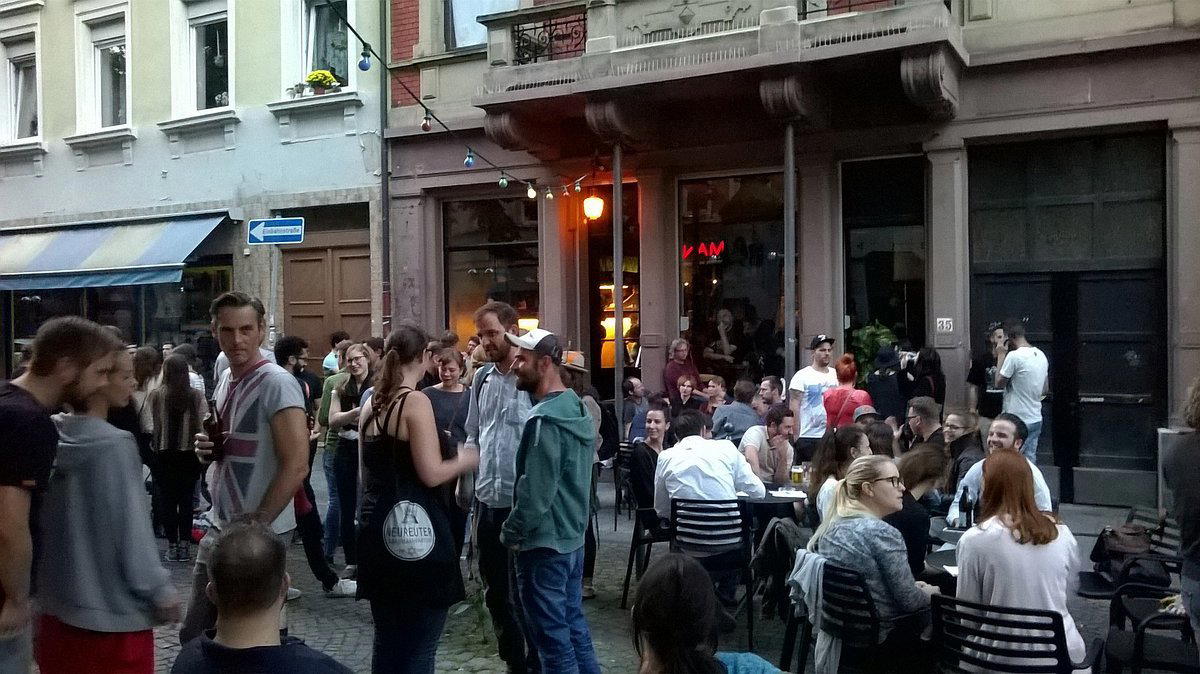
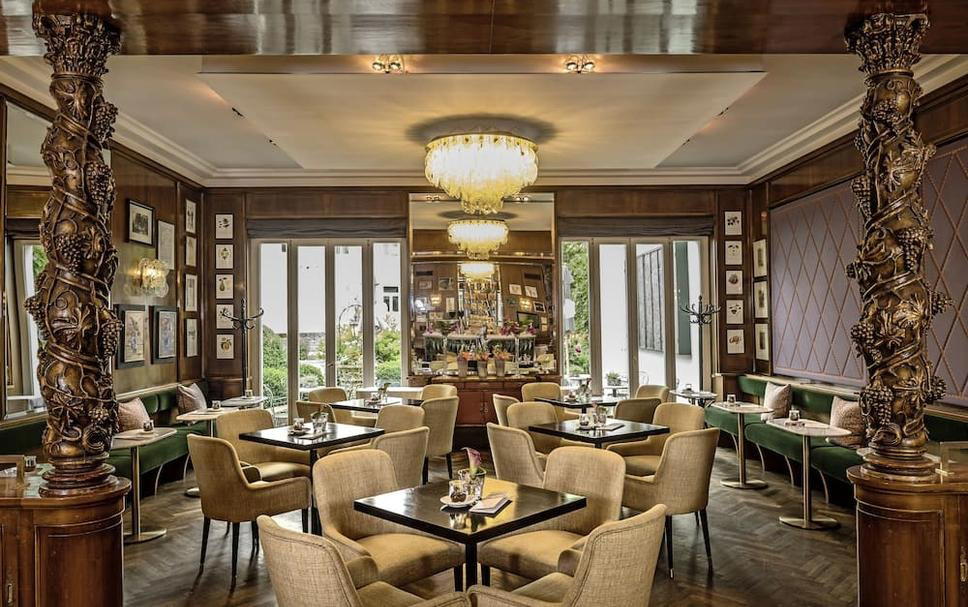
Hotels in Karlsruhe
Browse all →
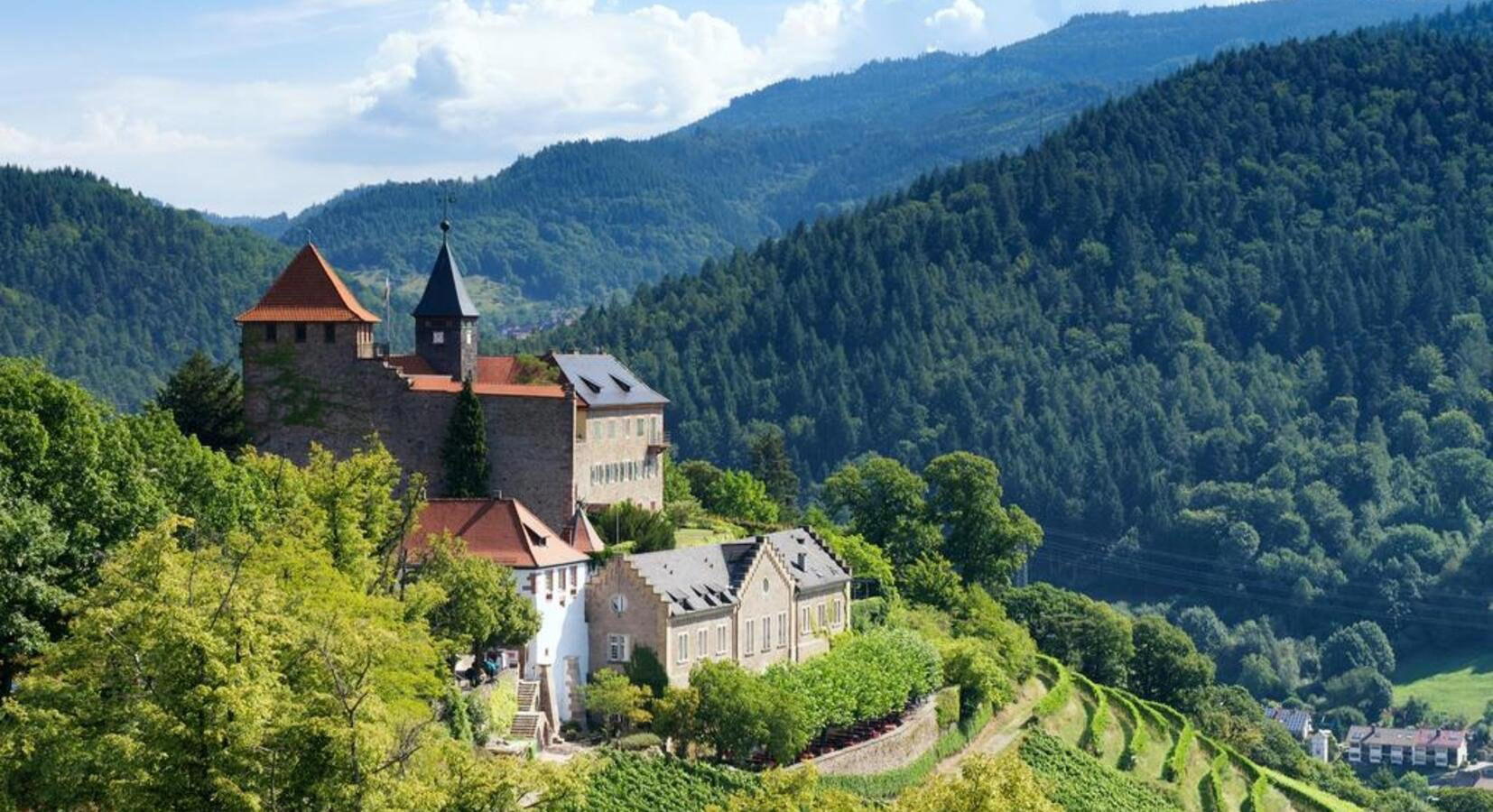
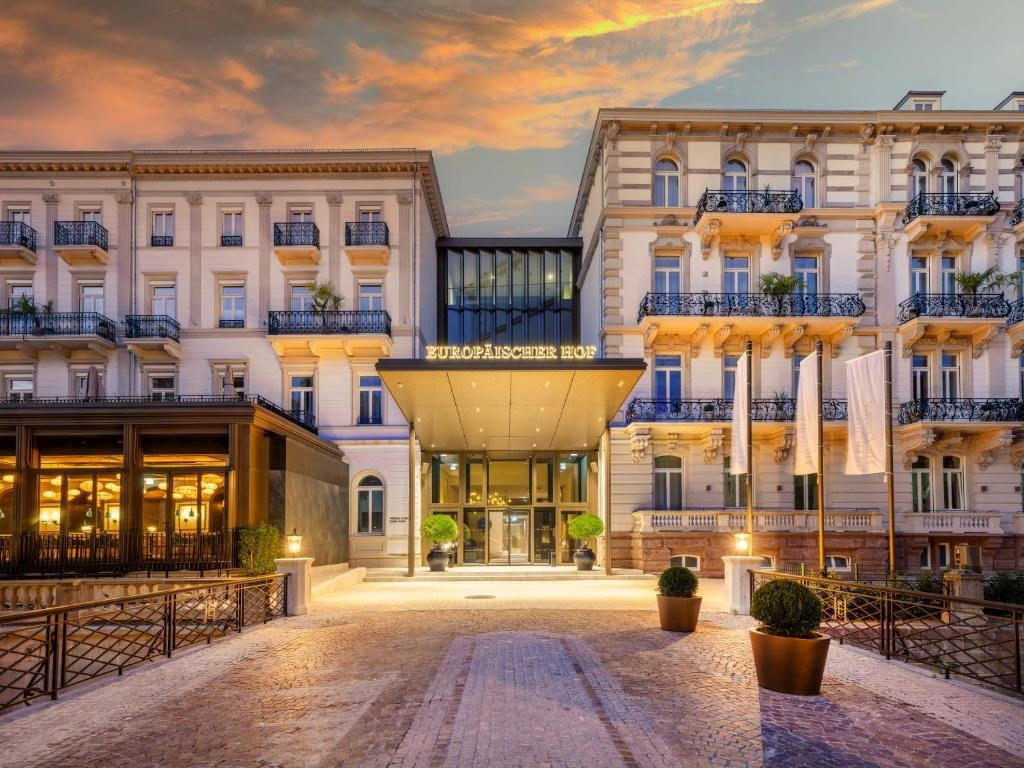
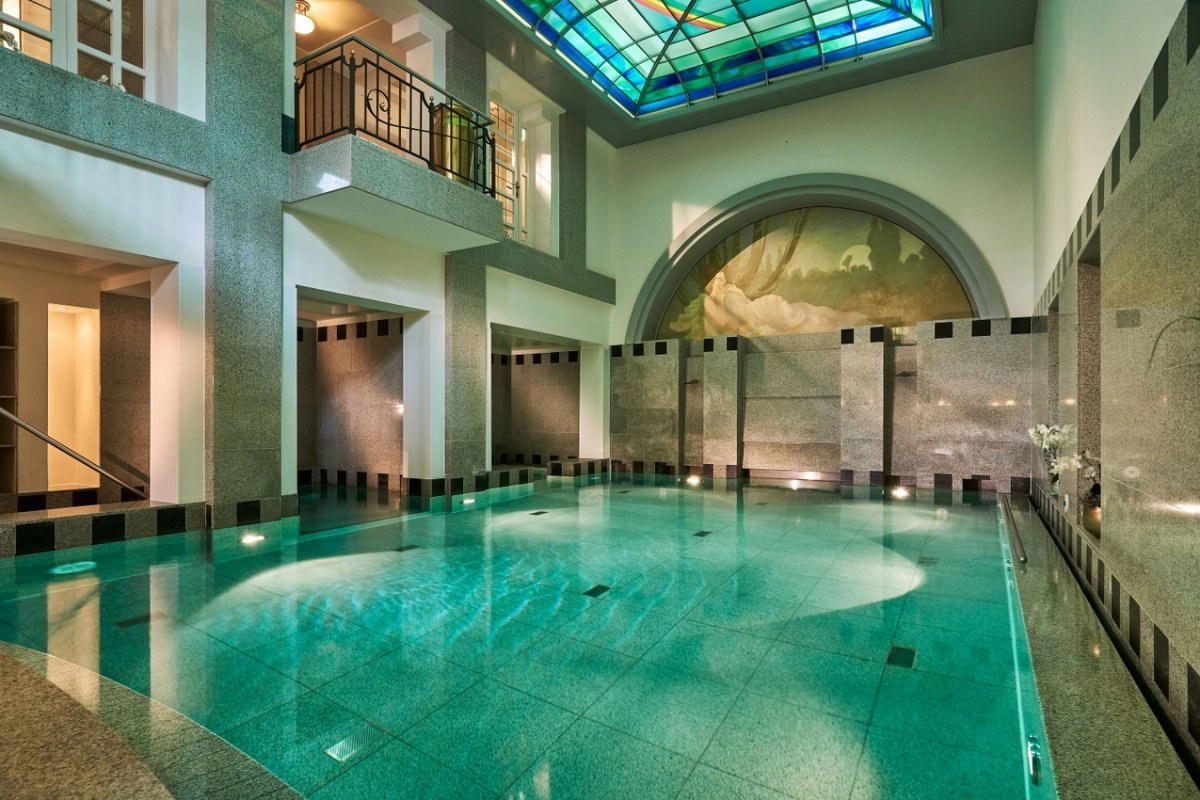
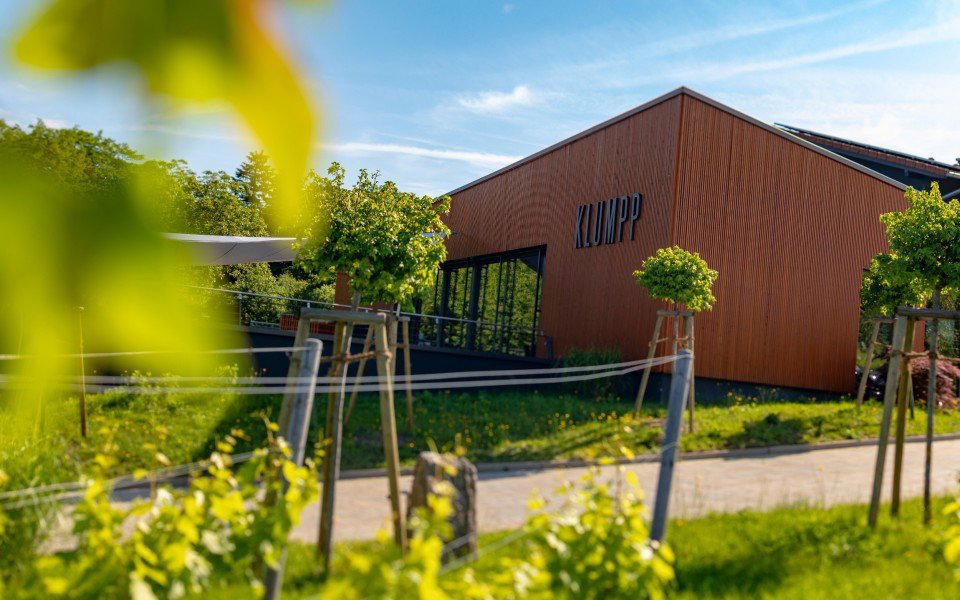
Kesselhaus3
The wine
- Wine program
- Curated wine list
- Extensive wine list
Details
- Industrial
- Modern
- Elegant
- Business Dinner
- Special Occasion
- Date Night
- Historic Building
- Open Kitchen
- Extensive Wine List
- A La Carte
- Prix Fixe
- Vegetarian Friendly
- Vegan Options
Current opening hours
- Monday
- Closed
- Tuesday
- 12–2 PM, 6–11 PM
- Wednesday
- 12–2 PM, 6–11 PM
- Thursday
- 12–2 PM, 6–11 PM
- Friday
- 12–2 PM, 6–11 PM
- Saturday
- 6–11 PM
- Sunday
- Closed
Hours can change for holidays and private events. Last verified .
Industrial chic ambiance in a renovated listed building with warm, sophisticated lighting and familial hospitality.