
1 Michelin Key
A fourteenth-century hilltop castle above the Murg Valley, Schloss Eberstein operates as a 14-room hotel that places guests inside one of the Black Forest region's most coherent historic structures. The Schloss-Schänke dining room draws on Baden's regional kitchen, and the property's refined position delivers valley views that define the experience from arrival onward. Rates from around $166 per night make it a credible alternative to larger spa-resort formats in the region.

Pearl is the En Primeur Club membership app — saves, bookings, and concierge access live there. Same editors, same standards.
- Address
- Schloss Eberstein 1, 76593 Gernsbach
- Phone
- +49 7224 995950
- Website
- hotel-schloss-eberstein.de
- Directions
- Get directions
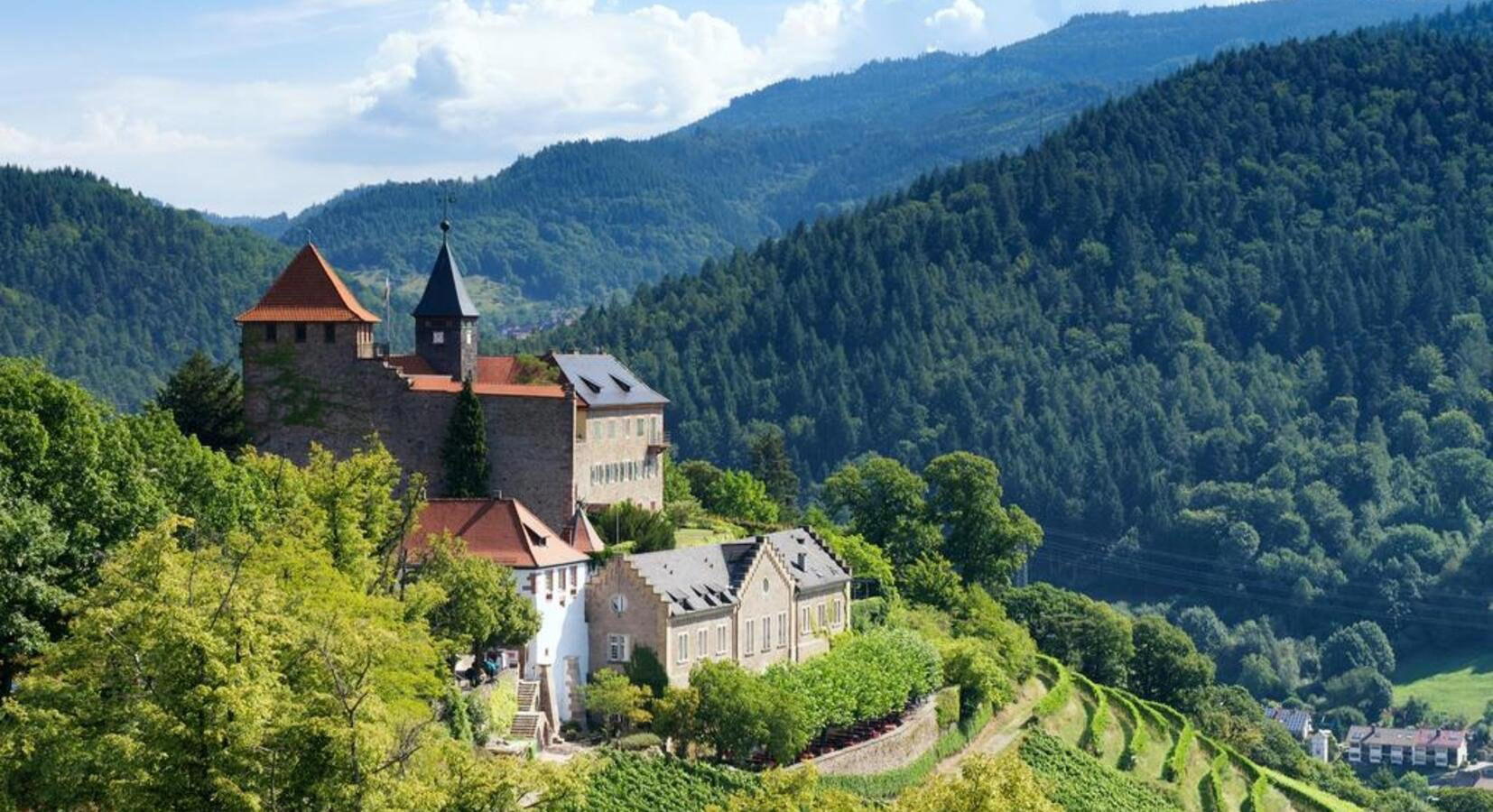
A Castle on a Ridge: What the Approach Tells You
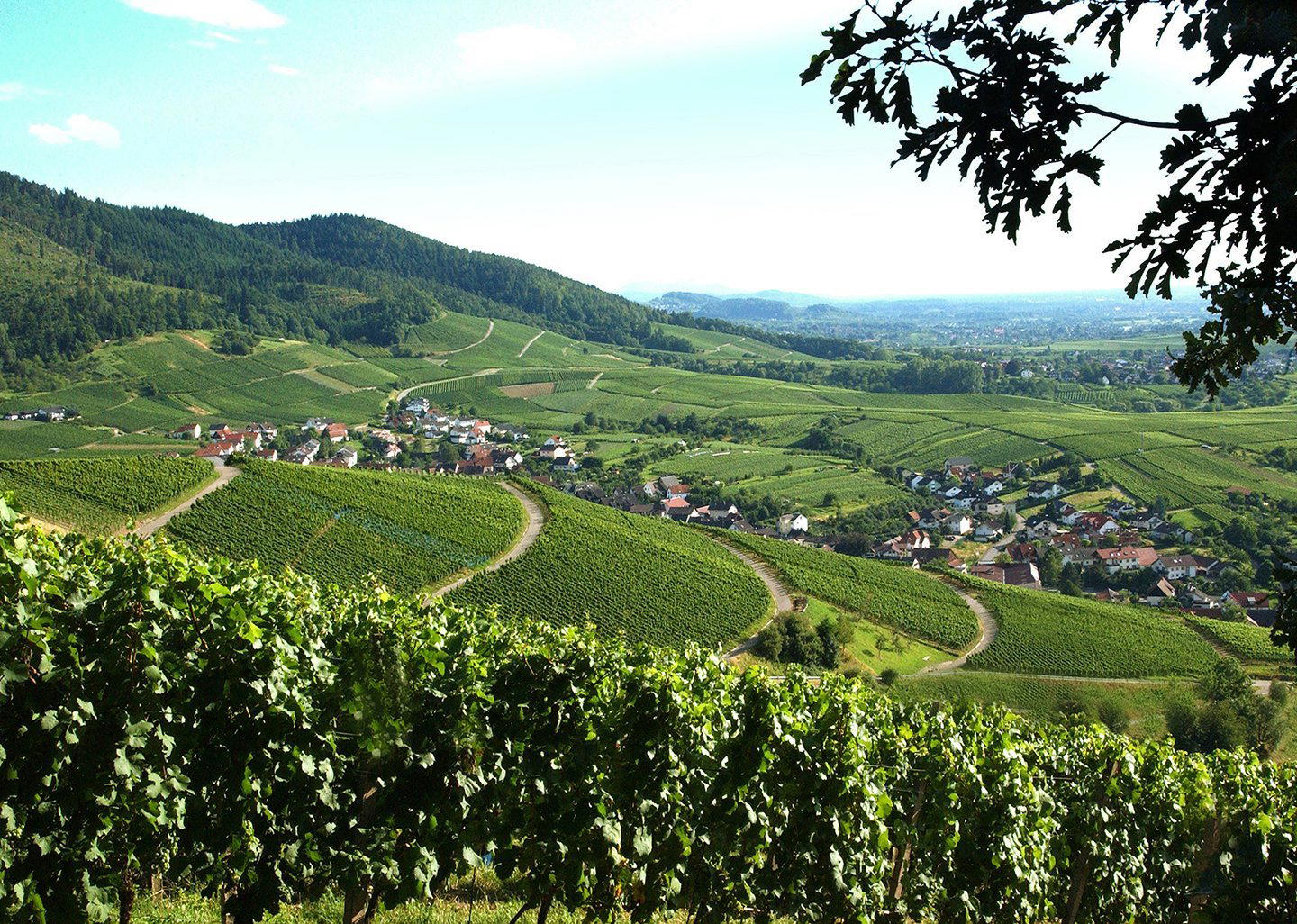
The road to Schloss Eberstein climbs out of Gernsbach through the Murg Valley in a series of switchbacks that prepare you, whether intentionally or not, for what the property is about: height, separation, and a physical relationship with the surrounding Black Forest landscape that no amount of interior design can manufacture. When the castle appears at the ridge's end, it reads less as a hotel arrival and more as a destination reached. That distinction matters, because it shapes everything about how the property functions as a place to stay.
Castle hotels in Germany occupy a well-established tier of hospitality, running from fully restored grand residences with spa infrastructure and conference facilities down to smaller, owner-managed properties where the architecture itself is the primary offering. Schloss Eberstein sits firmly in the latter category: 14 rooms, no large-scale amenity stack, and a setting that does the work that hundreds of additional square footage of wellness space might otherwise attempt. For a point of comparison within the broader German market, properties such as Schloss Elmau Luxury Spa Retreat & Cultural Hideaway in Elmau represent the full-service castle-resort model, with programming and scale that place them in an entirely different competitive tier. Schloss Eberstein is a different argument: that the structure, the position, and the regional specificity are sufficient in themselves.
The Architecture as the Design Brief
The castle's origins trace to the fourteenth century, and the property's design approach reads as custodial rather than transformative. Where some historic German hotels impose contemporary interiors on medieval shells, creating a deliberate tension between old stone and modern materials, Schloss Eberstein reads as a property that has worked with its inherited vocabulary. Rooms carry modern facilities, which is a practical necessity rather than a design statement, but the aesthetic register remains aligned with the building's character. Taste and restraint appear to have been the operating principles, which in castle hotels is less common than it should be.
The physical position on a peak above the Murg Valley means that views are structural to the experience rather than incidental. In hotels where the landscape is genuinely integrated into the spatial logic, the result is that the building and its surroundings become mutually reinforcing. At Schloss Eberstein, the valley views from an refined ridge position are not a feature you select; they are a condition of being there. This is a meaningful distinction from valley-floor or town-centre properties in the region, where landscape access requires deliberate effort.
For travellers whose itineraries include other German historic properties, the contrast with larger formats is instructive. Bülow Palais in Dresden and Excelsior Hotel Ernst in Cologne represent the urban-palace end of German historic hospitality, where the architecture is embedded in city fabric. Schloss Eberstein's value proposition is the opposite: deliberate removal from town centres, with Gernsbach accessible below but the property operating as its own contained world above.
Baden in the Kitchen: The Schloss-Schänke
The Schloss-Schänke, the property's restaurant, grounds itself in the Baden regional tradition, which is one of Germany's most coherent and well-defined provincial kitchens. Baden cuisine draws on proximity to both Alsace and the Black Forest's agricultural produce, favouring dishes built around game, freshwater fish, and seasonal vegetables from the Rhine plain and surrounding hills. At the upper end of the Baden restaurant spectrum, names such as Hotel Bareiss in Baiersbronn represent the Michelin-starred tier, where the regional tradition is expressed through technically demanding cooking. The Schloss-Schänke operates at a different register: regional kitchen at a scale and tone appropriate to a 14-room property, serving guests whose primary orientation is the castle and its setting rather than a destination dining experience.
Baden's wine production reinforces the restaurant's regional focus. The Baden wine region, running along the eastern edge of the Rhine Valley from the Swiss border northward, produces Pinot Noir and Pinot Gris at a quality level that has attracted serious attention, alongside the Gutedel variety that defines the Markgräflerland sub-region. A castle hotel kitchen in this corridor has natural access to a wine list that could be coherently local without sacrifice in quality. This regional pairing of food and wine is a structural advantage of Baden properties that urban German hotels in Frankfurt or Hamburg cannot replicate with the same authenticity.
Scale, Positioning, and the German Castle Hotel Market
At 14 rooms and a rate from approximately $166 per night, Schloss Eberstein occupies a specific position in the German premium-but-accessible segment. The Black Forest and surrounding region carry a number of properties competing for similar travellers, including Luisenhöhe in Horben and Der Öschberghof in Donaueschingen, which lean toward wellness and sport infrastructure respectively. Schloss Eberstein makes no such infrastructural claim. Its 14-room count positions it closer to the owner-managed chateau model common in France than to the larger German spa-hotel format.
The limited room count has practical implications for booking. Small castle hotels in this category fill quickly in summer and during regional festival periods, and the property's operational detail is worth noting: reception operates only until 6 pm. Guests arriving after that hour are directed to a key-safe system, which requires advance coordination to obtain the code and access instructions. This is not an unusual arrangement for smaller European historic properties, but it does require planning in a way that larger-format hotels with 24-hour staffing do not.
For travellers building multi-property itineraries across southern Germany and the broader region, Schloss Eberstein connects naturally into a circuit that might include Althoff Seehotel Überfahrt in Rottach-Egern for lakeside contrast, or Kempinski Hotel Berchtesgaden in Berchtesgaden for Alpine scale. Further afield, the northern German coast offers properties such as Weissenhaus Private Nature Luxury Resort in Weissenhaus and BUDERSAND Hotel in Hörnum, both of which operate in the same owner-managed, landscape-primary mode despite their entirely different geography.
Planning Your Stay
Gernsbach sits in the Murg Valley in the northern Black Forest, approximately 20 kilometres east of Baden-Baden, which is served by its own regional airport and by train connections from Karlsruhe and Stuttgart. The valley towns along the Murg are reachable by car or regional bus, and the drive from Baden-Baden to Gernsbach covers the transition from spa-town infrastructure to the quieter, forested character of the valley interior in under 30 minutes. The castle is above the town, requiring a final uphill approach.
Rooms run from around $166 per night, positioning the property within reach of travellers who would otherwise be looking at mid-tier regional hotels without the architectural and setting premium that Schloss Eberstein brings. The 14-room count means that the property can reasonably be fully reserved during high season, and early booking applies here more directly than at larger properties. Contact ahead of any late arrival to receive key-safe access instructions, as the reception closure at 6 pm is a firm operational constraint rather than a guideline.
For further context on what the Gernsbach area offers beyond the castle itself, see our full Gernsbach restaurants guide.
At-a-Glance Comparison
Comparable venues nearby, for context on price, style, and recognition.
| Venue | Cuisine | Price | Awards | Notes |
|---|---|---|---|---|
| Schloss EbersteinThis venue — the venue you are viewing | Historic castle hotel with modern comforts in a fairytale Black Forest setting. | $100–200 | 1 Michelin Key | Not listed |
| PURS Luxury Boutique Hotel & Restaurant | Contemporary luxury design integrated into a historic 1677 baroque building, emphasizing minimalist aesthetics and curated art collection. | $300–500 | 2 Michelin Keys · Relais Chateaux Award | Andernach Old Town |
| Luisenhöhe | Modern resort with organic architecture following contour lines on a high plateau. | Not listed | 2 Michelin Keys | Horben |
| Hotel Dollenberg | Traditional Black Forest exterior with high-quality contemporary interior furnishings, blending classic architecture with modern luxury. | $200–300 | 1 Michelin Key · Relais Chateaux Award | Bad Peterstal-Griesbach |
| RoLigio® & Wellness Resort Romantischer Winkel | Wellness-focused resort blending family amenities with romantic escapes | Not listed | 1 Michelin Key | Bad Sachsa |
| Kloster Hornbach | Historic monastery with modern accents | $200–300 | 1 Michelin Key | Hornbach |
Recognition history
Dated appearances from independent guides and award organizations, with the underlying list record or original source where available.
Michelin 1 Key
Michelin
Continue exploring
More in Gernsbach
Hotels in Gernsbach
Browse all →
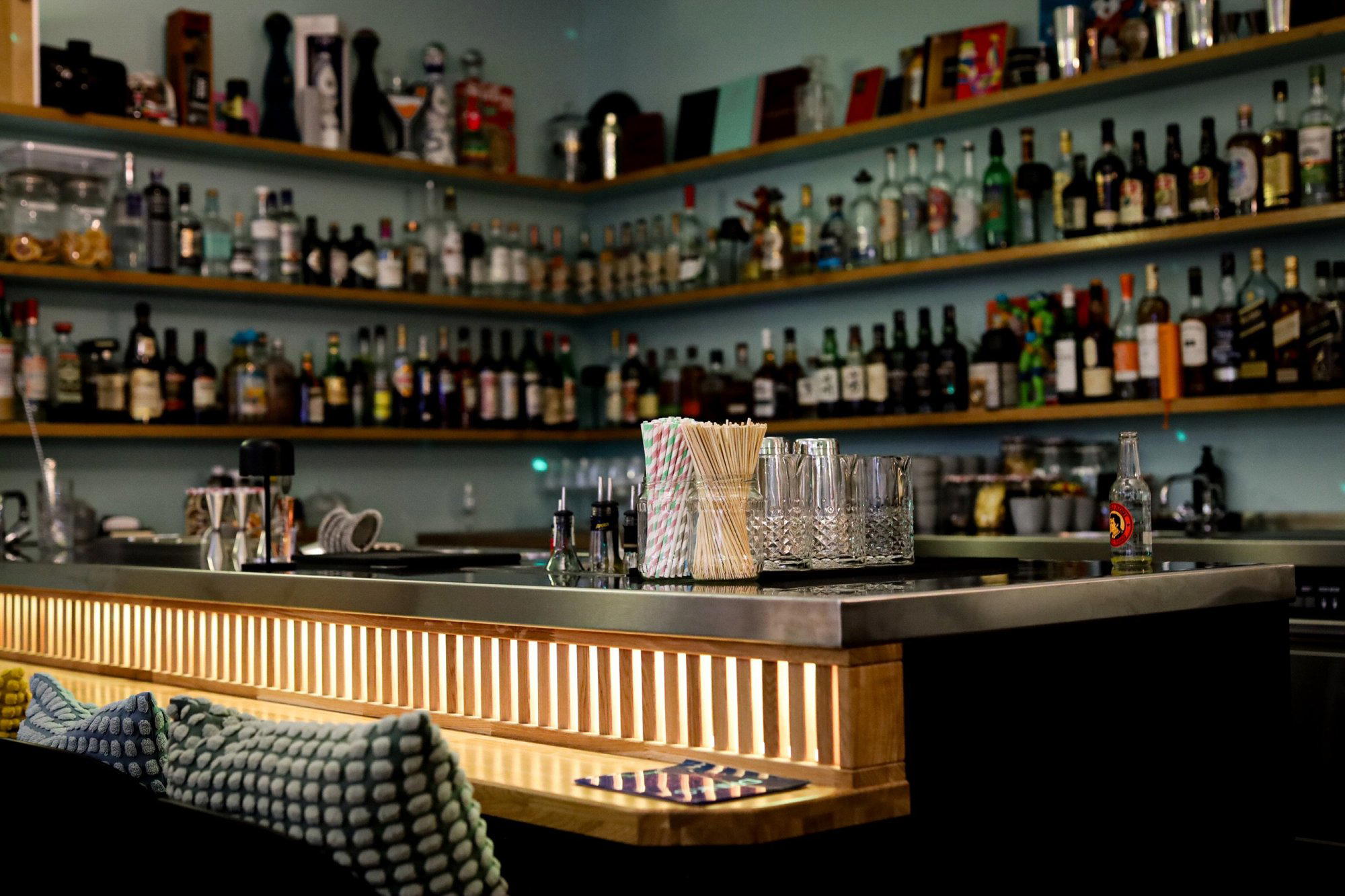
Bars in Gernsbach
Browse all →

Restaurants in Gernsbach
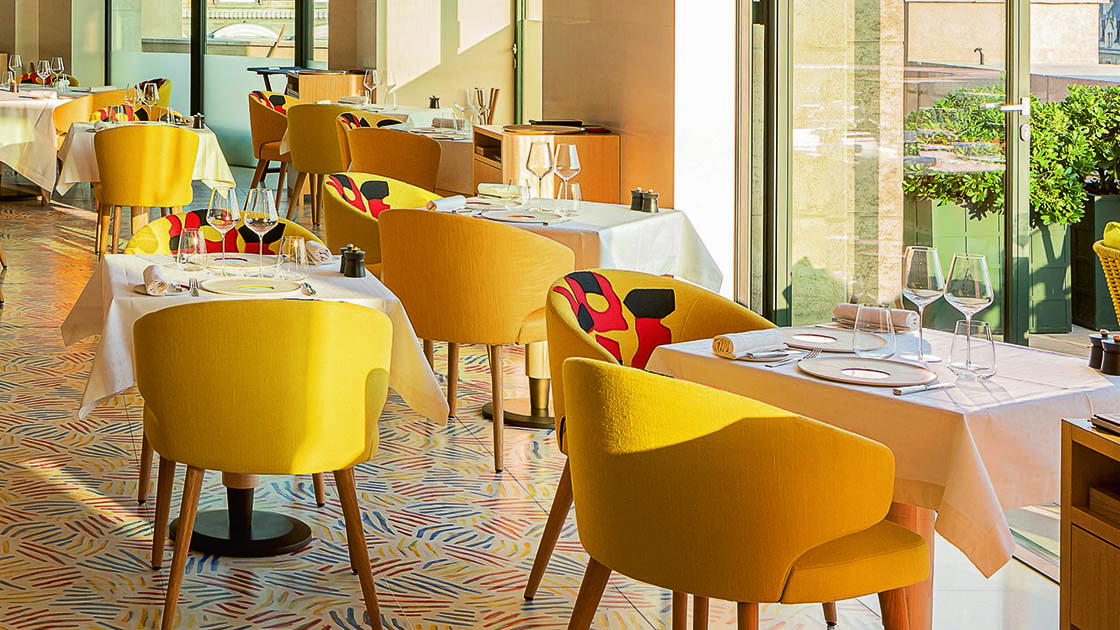
Browse all →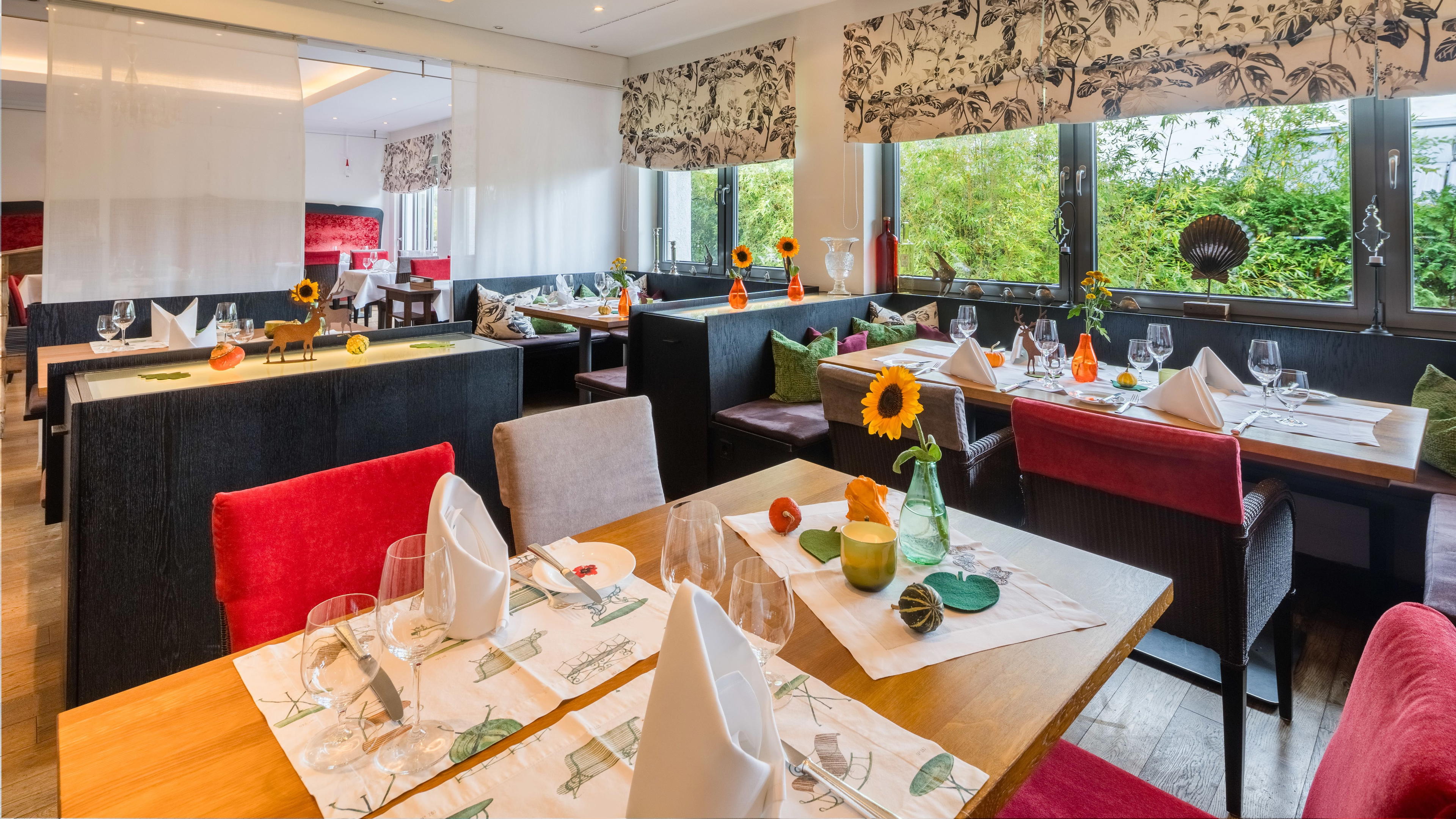
Details
- Romantic
- Elegant
- Scenic
- Classic
- Cozy
- Sophisticated
- Romantic Getaway
- Honeymoon
- Anniversary
- Weekend Escape
- Historic Building
- Panoramic View
- Terrace
- Wi Fi
- Room Service
- Restaurant
- Garden
- Pet Friendly
- Mountain
- Garden
- Vineyard
- Wheelchair Accessible
- Elevator
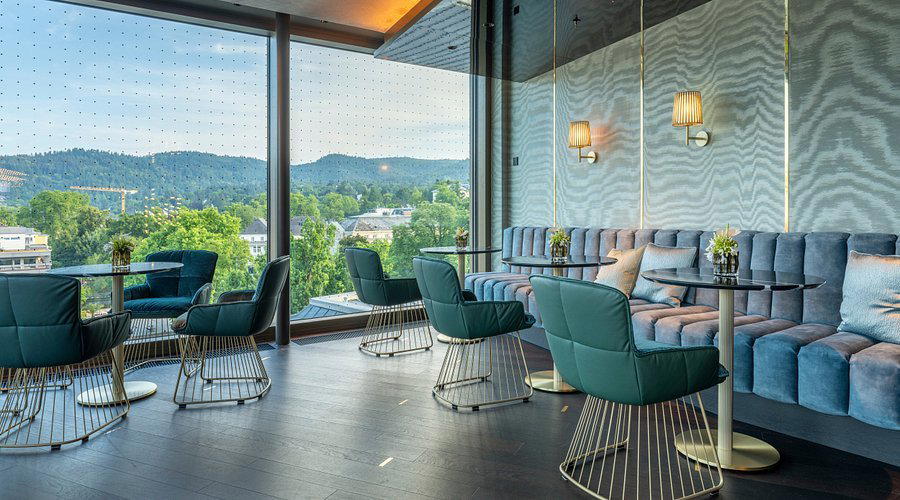
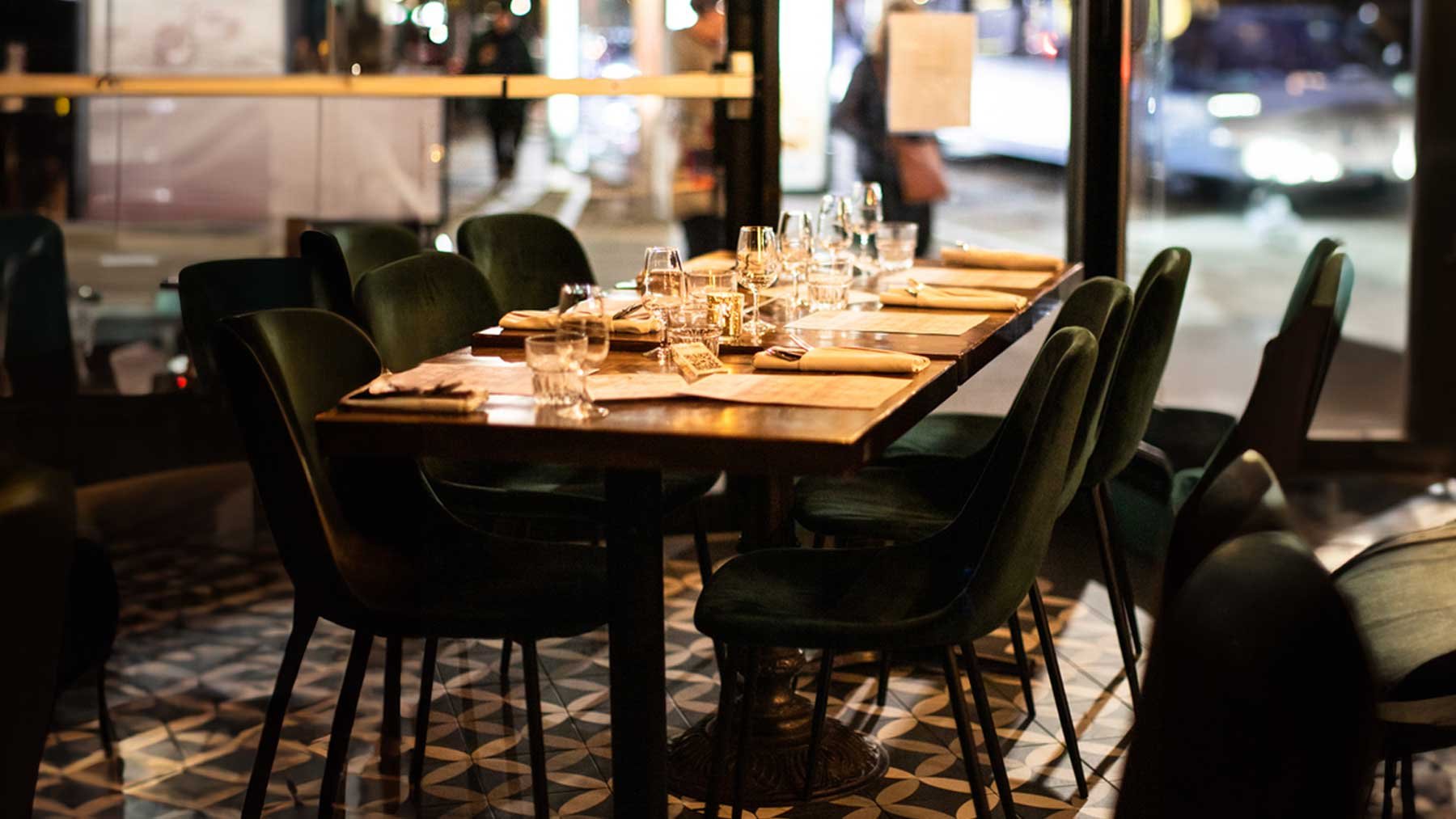
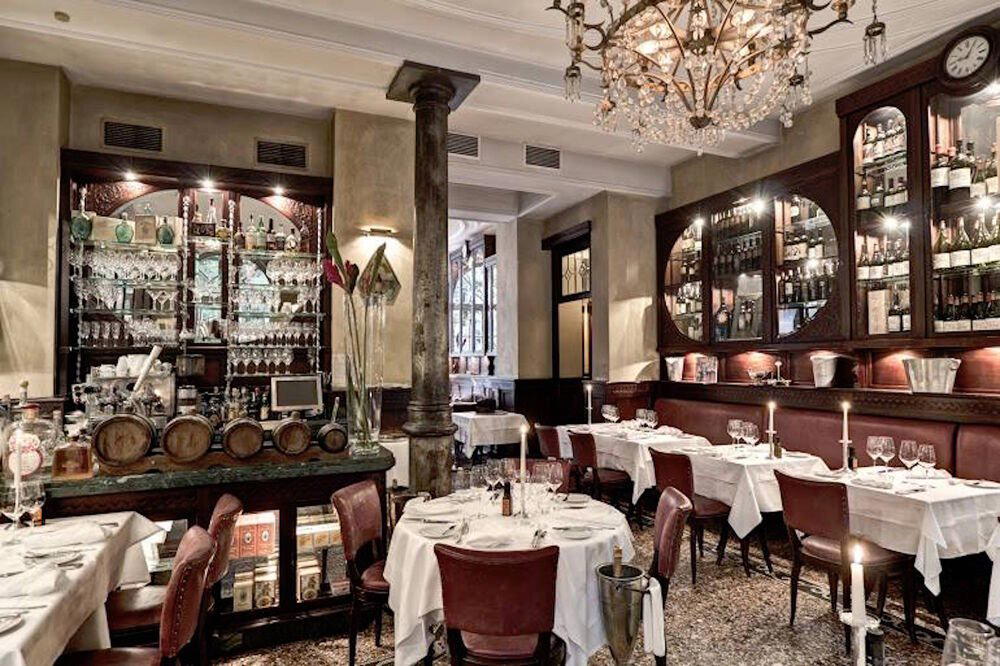
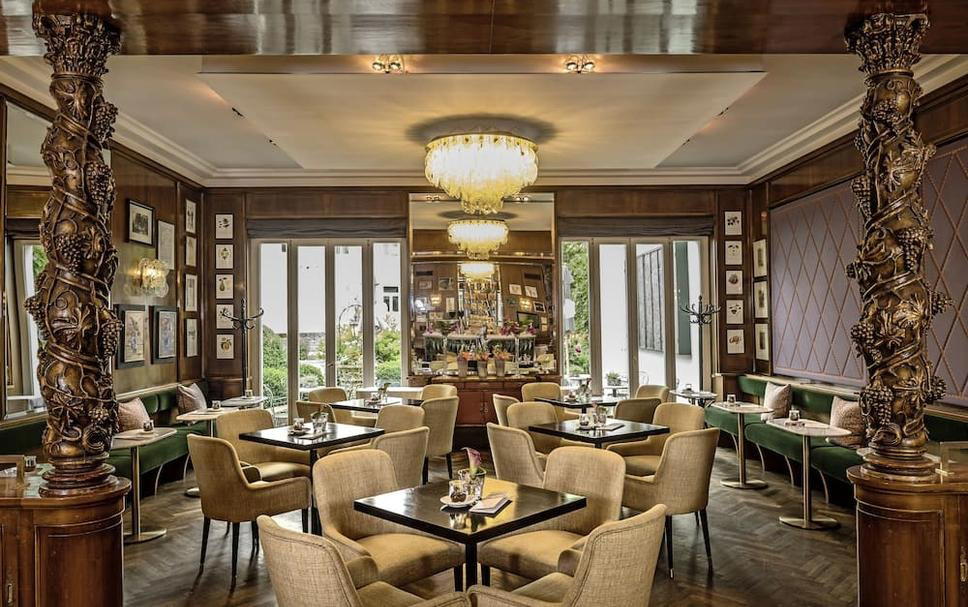
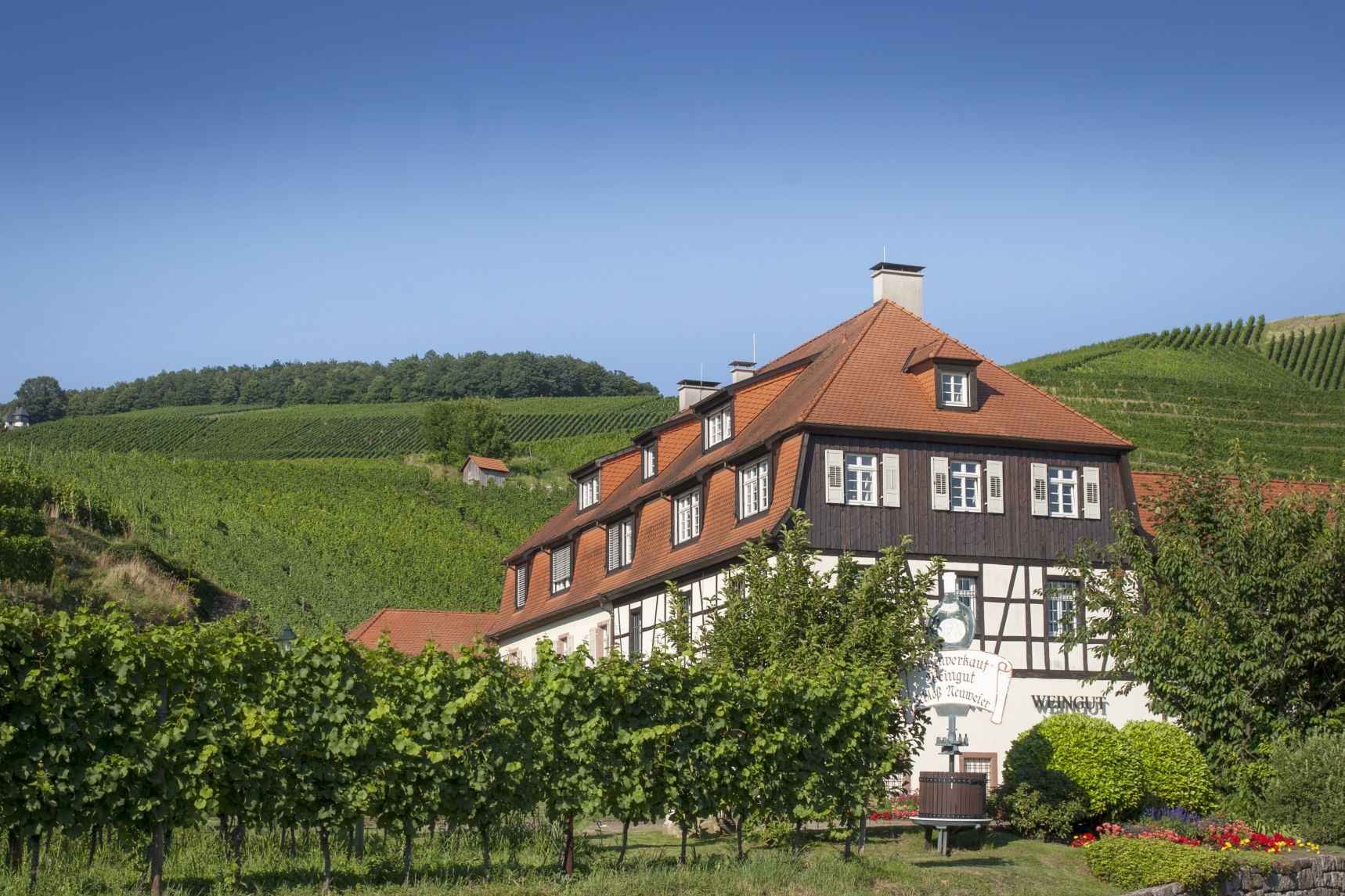
Cozy and romantic with stylish furnishings, valley views from large windows, and a serene, old-world castle atmosphere.