
Karlsruhe’s international dining tier is small enough that sourcing and format matter more than spectacle. 5 SEN:SES by Mario Aliberti sits in the city’s €€€ bracket with Michelin Plate recognition in 2024 and 2025, making it a useful marker for readers comparing polished, ingredient-led cooking against the city’s more casual regional tables and higher-priced destination formats.
Pearl is the En Primeur Club membership app — saves, bookings, and concierge access live there. Same editors, same standards.
- Address
- Blumenstraße 19, 76133 Karlsruhe, Germany
- Phone
- +49 721 20628
- Website
- mario-aliberti.de
- Directions
- Get directions
 Saves & bookings on Pearl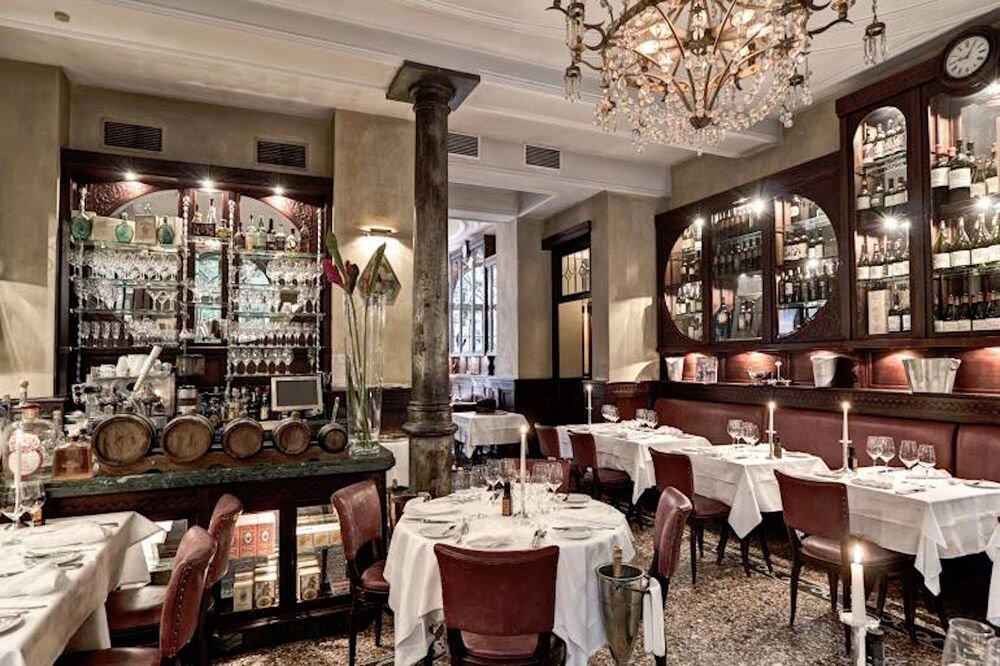
The approach is urban rather than theatrical: Karlsruhe, a composed kitchen, and a dining room positioned for guests who want a considered evening without the ceremony of a destination tasting counter. In a city better known for legal institutions, engineering, and Baden practicality than for culinary grandstanding, restaurants in this bracket have to work harder. They need polish, but they also need clarity. 5 SEN:SES by Mario Aliberti sits in that space, where the appeal is not spectacle but a carefully framed city-restaurant experience at a serious level.
Karlsruhe’s restaurant scene rewards versatility. The city draws from Baden, Alsace-facing produce traditions, Italian influence, and the broader German appetite for technically controlled menus that do not necessarily announce themselves as avant-garde. That context matters here. The Michelin Plate recognition in 2024 and 2025 places the restaurant within a vetted group of establishments that Michelin considers notable, without pushing it into the expectations attached to starred dining. For readers weighing Karlsruhe options, that distinction is useful: this is the polished end of the city’s dining field, not a temple of extended dégustation.
A polished Karlsruhe middle tier
Labels can be vague in lesser hands; in Karlsruhe, a serious restaurant often has to escape the limits of strict regionalism while staying legible to a business, cultural, and weekend audience. 5 SEN:SES by Mario Aliberti operates in a comparable serious-city-restaurant orbit to EigenArt, another Karlsruhe address where a polished dining-room expectation shapes the evening. That comparison is more useful than measuring it against casual taverns or destination rooms outside the city: the question is not whether Karlsruhe can imitate larger dining capitals, but how well its serious restaurants define sophistication at local scale.
Within that frame, the restaurant’s value lies in control. A Michelin Plate does not promise luxury excess; it points to cooking that has been noticed for consistency and craft. For a restaurant in a mid-sized German city, that signal matters because the category can otherwise blur into hotel dining, business menus, and ambitious but unfocused kitchens. Here, the name on the door gives the room a clear identity, while the awards history gives outside confirmation that the restaurant has moved beyond neighbourhood goodwill.
Karlsruhe diners also have a wide spread of alternatives. Other dining rooms speak to the city’s appetite for Mediterranean comfort; some draw attention through setting and occasion; others belong to a more classic meal-out tradition or anchor the regional end of the spectrum. Against that field, 5 SEN:SES is for the guest who wants range, polish, and a more composed identity.
Mario Aliberti's name signals authorship, not biography
Named restaurants can easily turn into personality projects on paper, but the more interesting point is structural. In smaller German cities, a name above the door helps a serious restaurant separate itself from generic upscale dining. At 5 SEN:SES by Mario Aliberti, that naming gives the restaurant a point of accountability: the experience is presented as an authored room rather than a committee-driven concept. That does not require a long biographical narrative to be meaningful. It tells the diner how to read the place.
The journey angle is therefore less about mythology and more about evolution in format. Serious restaurants in Germany have spent the past decade shifting away from heavy luxury codes and toward more flexible expressions of technique: cleaner plating, wider references, less dependence on old French signalling, and a willingness to let broader European or global notes sit inside a German dining rhythm. 5 SEN:SES belongs to that shift. The name may foreground authorship, but the stronger editorial reading is that Karlsruhe’s ambitious dining has become less parochial while remaining practical.
That practicality also explains why a Michelin Plate is a better interpretive tool here than a star-chasing lens. It marks the restaurant as credible without asking diners to expect the intensity, formality, or cost structure of Germany’s haute cuisine destinations. In EP Club terms, it is a restaurant to consider when the evening calls for polish, authorship, and a dining room with external recognition, not when the goal is an experimental pilgrimage.
How to place it within a Karlsruhe itinerary
Karlsruhe is not a city where every serious meal needs to become the centre of the trip. Its stronger rhythm is modular: one polished dinner, one regional meal, a bar stop if the night continues, and cultural time around the city’s museums, institutions, and green axes. For a wider scan of the city’s dining field, start with our full Karlsruhe restaurants guide; for overnight planning, compare the hospitality picture through our full Karlsruhe hotels guide. The city’s drinking and adjacent categories are narrower but still useful for planning, especially via our full Karlsruhe bars guide, our full Karlsruhe wineries guide, and our full Karlsruhe experiences guide.
Travelers building a broader Germany food route should resist treating every city as if it plays the same role. Some destinations support culture-led food formats, while nearby historic cities lean into a different visitor rhythm through their own established dining rooms. Elsewhere, the map widens quickly, with restaurants in northern, eastern, and southern Germany showing how the country’s restaurant categories shift by city, audience, and format.
The polished city-restaurant category also travels well across Europe, but it changes meaning by place. Compare Karlsruhe’s restrained, authored middle tier with other European dining rooms that use broad contemporary references, and the lesson is clear: this is not a single cuisine so much as a positioning. In Karlsruhe, the restaurant makes sense when that positioning is attached to Michelin-noted consistency and a name that gives the restaurant a defined centre of gravity.
Comparable Spots, Quickly
Comparable venues by cuisine and price in the same metro.
| Venue | Cuisine | Price | Awards | Notes |
|---|---|---|---|---|
| 5 SEN:SES by Mario AlibertiThis venue — the venue you are viewing | Italian-Asian Fusion Fine Dining | $$$ | Michelin Plate | Not listed |
| EigenArt | Seasonal International Farm-to-Table | $$$ | Michelin Plate | Innenstadt-West |
| Anders auf dem Turmberg | Modern Regional Tapas with Mediterranean Influences | $$$ | Michelin Plate | Durlach |
| Ivy | Modern Crossover Fusion | $$$$ | Michelin Plate | Innenstadt-West |
| Bistro Margarete | Regional German Bistro | $$ | Bib Gourmand | Weststadt |
| Stilbruch | Modern German Soul Dining | $$$ | Michelin Plate | Weststadt |
Recognition history
Dated appearances from independent guides and award organizations, with the underlying list record or original source where available.
Michelin Plate
Michelin · 2026 Michelin Plate
Michelin Plate
Michelin
Michelin Plate
Michelin
Continue exploring
More in Karlsruhe
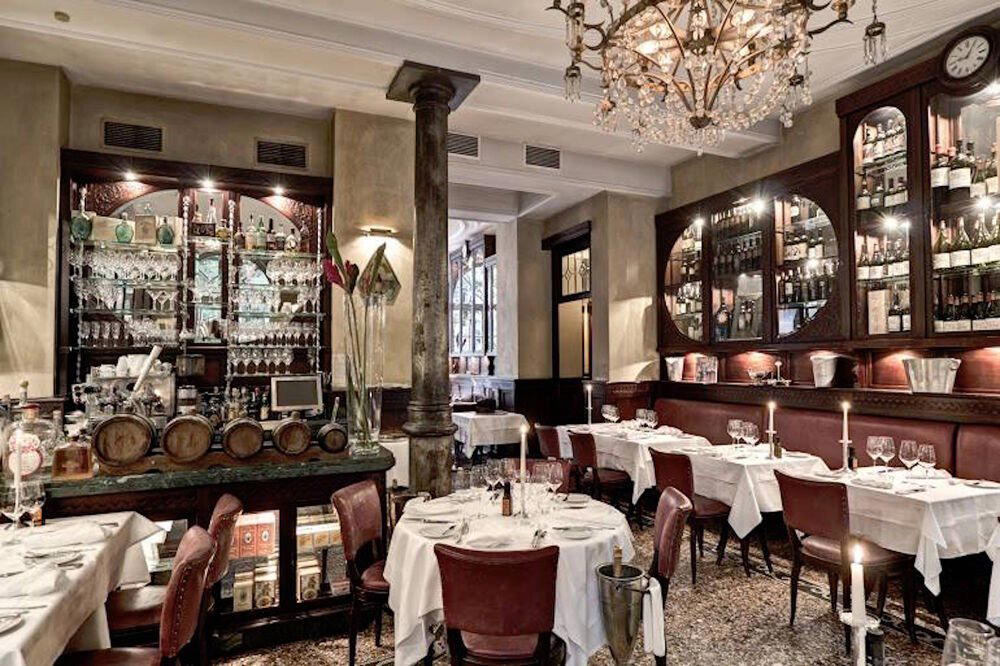
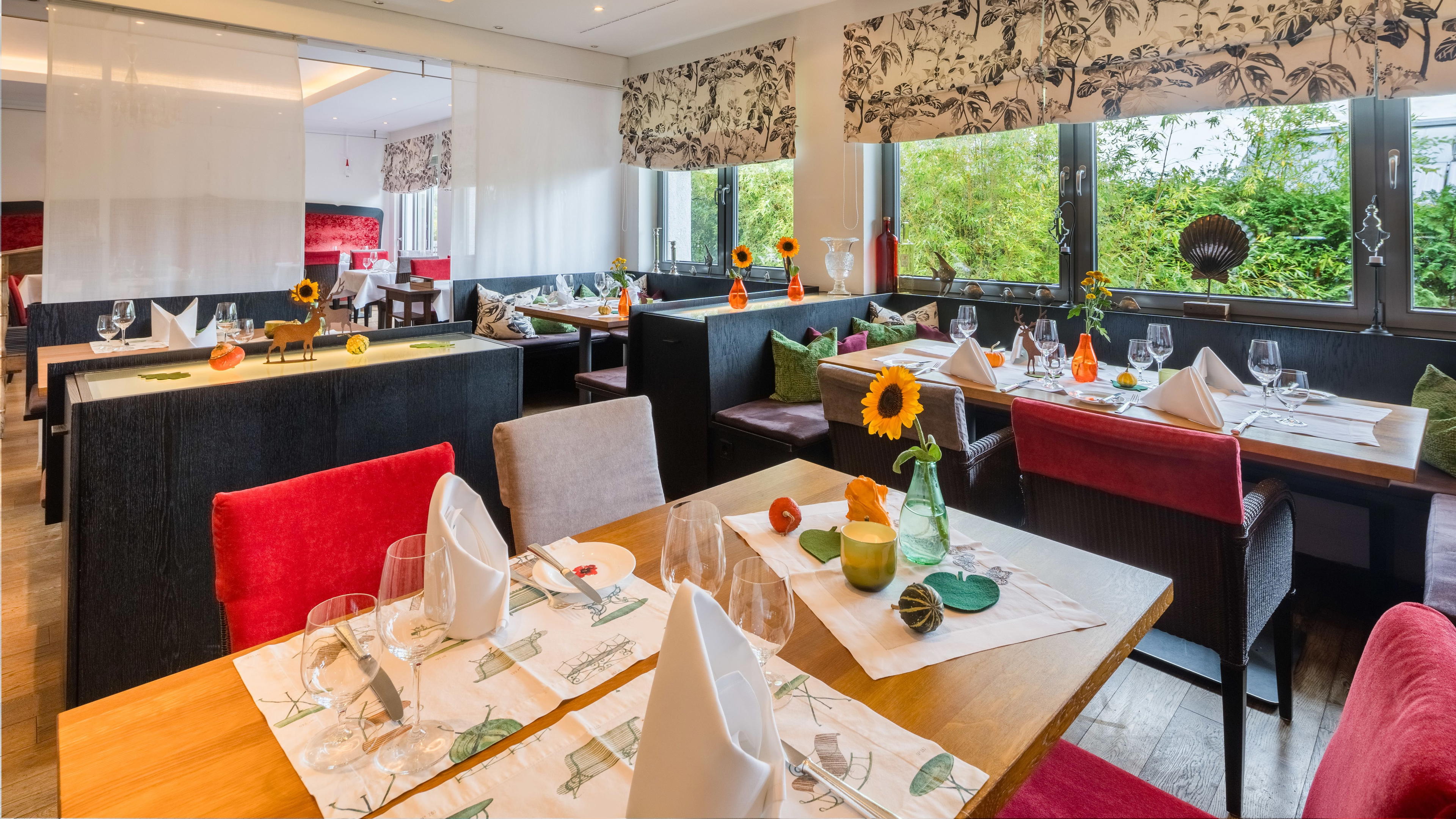
Restaurants in Karlsruhe
Browse all →
Bars in Karlsruhe
Browse all →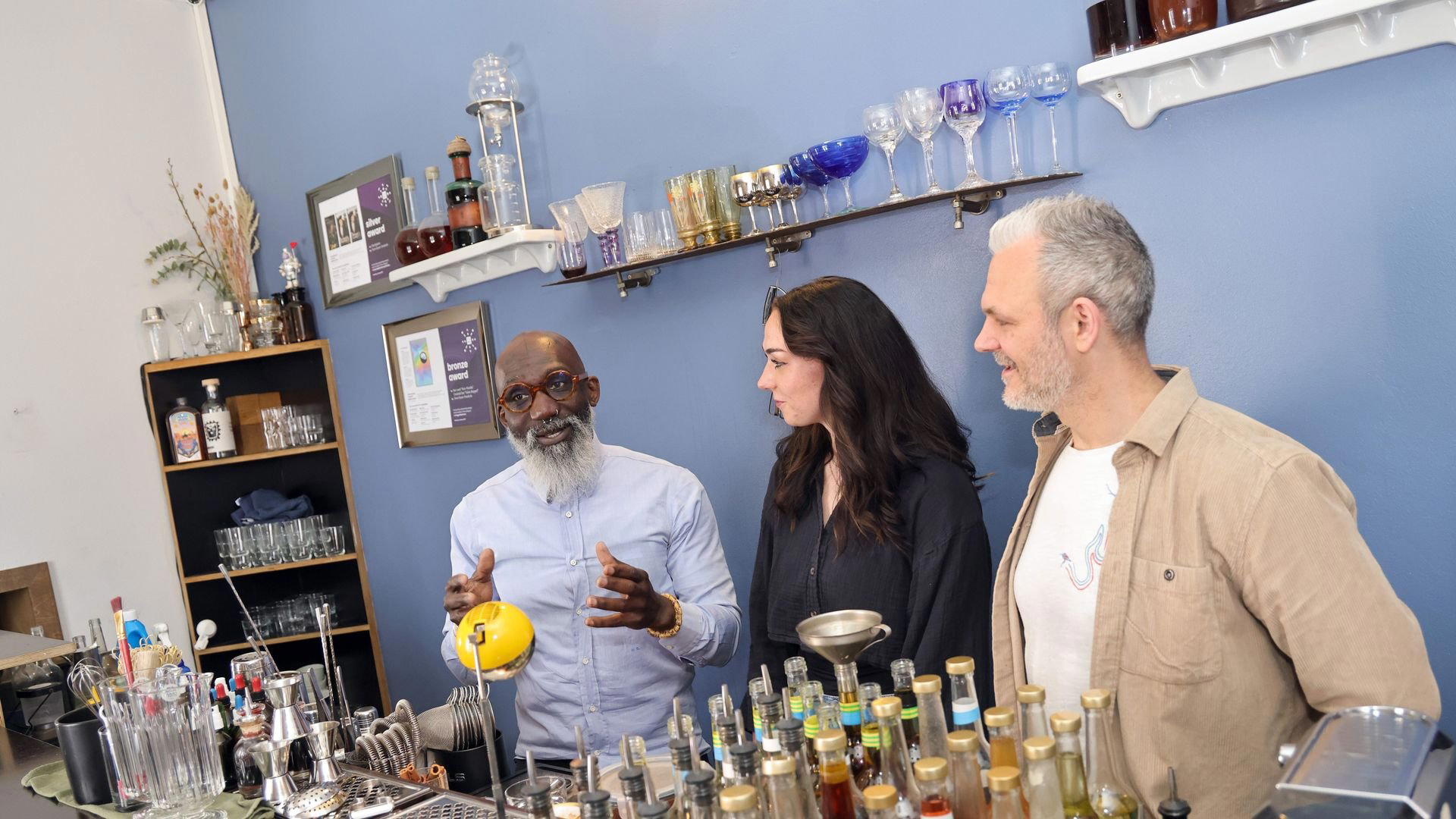

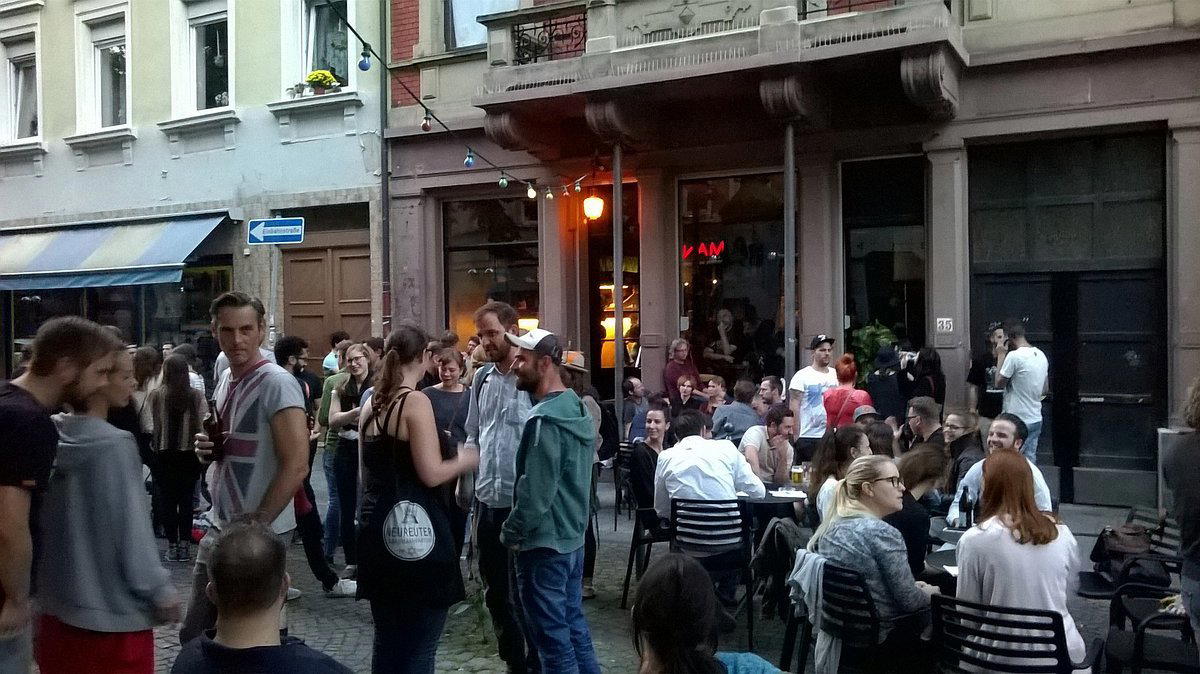

Hotels in Karlsruhe
Browse all →

At a Glance
- Elegant
- Modern
- Sophisticated
- Intimate
- Date Night
- Business Dinner
- Special Occasion
- Celebration
- Open Kitchen
- Terrace
- Standalone
- Extensive Wine List
- Sommelier Led
- Local Sourcing
- Street Scene
Current opening hours
- Monday
- 5:30–9:30 PM
- Tuesday
- 12–2 PM, 6–11 PM
- Wednesday
- 12–2 PM, 6–11 PM
- Thursday
- 12–2 PM, 6–11 PM
- Friday
- 12–2 PM, 6–11 PM
- Saturday
- 5:30 PM–12 AM
- Sunday
- Closed
Hours can change for holidays and private events. Last verified .
Modern and inviting interior with a distinct lounge feel; stylish yet welcoming atmosphere with elegant table settings and a relaxed, living-room-like character that maintains sophisticated elegance.