Das garbo zum Löwen

Das garbo zum Löwen holds a Michelin star earned in both 2024 and 2025, making it the most formally recognised kitchen in Eggenstein-Leopoldshafen. Chef Marcel Kazda runs a farm-to-table program at the €€€€ price tier, positioning the restaurant well above the region's traditional country-cooking circuit. For the Upper Rhine corridor, it represents an outlier worth the detour.
Pearl is the En Primeur Club membership app — saves, bookings, and concierge access live there. Same editors, same standards.
- Address
- Hauptstraße 51, 76344 Eggenstein-Leopoldshafen, Germany
- Phone
- +49 721 780070
- Website
- garbo-loewen.de
 Saves & bookings on Pearl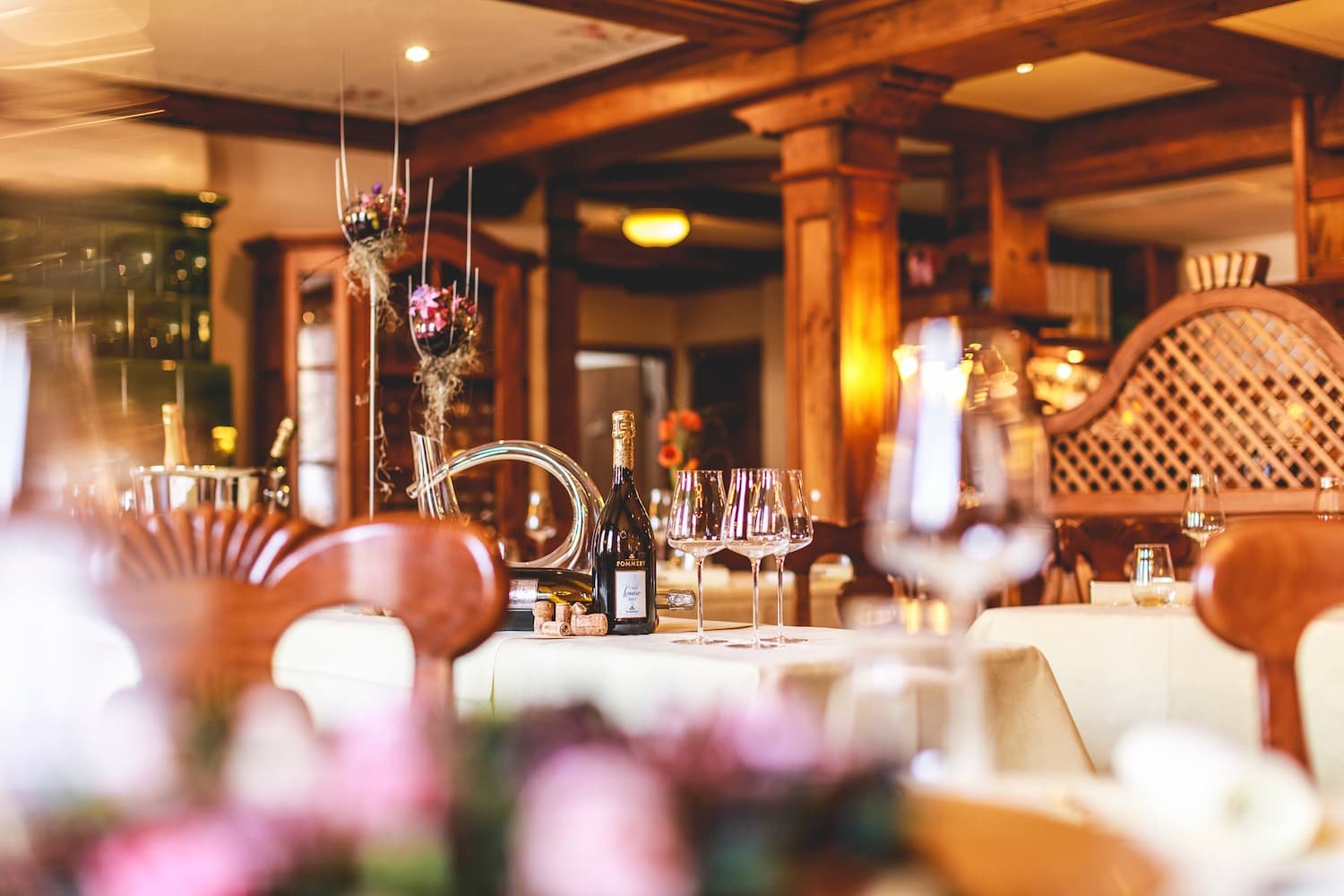
A Star in the Suburbs: What Michelin Recognition Means in Eggenstein-Leopoldshafen
The Upper Rhine corridor between Karlsruhe and the Black Forest is not short of serious cooking. Baiersbronn alone commands international attention through the Schwarzwaldstube, and the region broadly has become a reference point for German fine dining alongside the more discussed kitchens in Munich and Berlin. Against that backdrop, a Michelin-starred restaurant operating on Hauptstraße in a small Rhine-plain town like Eggenstein-Leopoldshafen is an anomaly worth explaining rather than simply celebrating. Das garbo zum Löwen earned its star in 2024 and retained it in 2025, confirming that the recognition was not a debut-year anomaly but a sustained standard. A Google review average of 4.7 across 282 reviews suggests the room agrees with the guide's assessment.
The building sits at the civic centre of a town that most drivers pass through on the way to Karlsruhe, twelve kilometres to the south. Arriving via Hauptstraße, the setting reads as traditional German inn before it reads as destination restaurant. That tension between the vernacular exterior and the kitchen ambitions inside is something German fine dining has refined into a distinct subgenre: serious technique in provincial rooms, far from the urban press circuits. It is a tradition that runs from the Mosel valley through to the Eifel, and Das garbo zum Löwen belongs to that lineage.
Farm-to-Table in the Upper Rhine Plain
Farm-to-table at Michelin level carries a specific meaning that separates it from the generic use of the phrase at brasseries and bistros. At this price tier (€€€€), a declared commitment to regional sourcing implies active supplier relationships, seasonal menu cycles tightly bound to what local farms and orchards actually produce, and a cooking style that derives its identity from place rather than from imported technique applied to local ingredients as decoration. The Upper Rhine plain is agriculturally dense, with market gardening, Rhine fisheries, and Baden wine production all within accessible radius. A farm-to-table kitchen in this geography has real material to work with, which distinguishes it from city restaurants where the same label often masks a supply chain that ends at a central wholesale market.
Marcel Kazda's role as chef anchors the program's direction. The editorial angle here is less about biography and more about what a Michelin-starred farm-to-table commitment in this specific geography produces as a culinary argument. Germany's Michelin-starred farm-to-table cohort is smaller than its French or Nordic equivalents, and restaurants in this category tend to operate with particular menu discipline: shorter lists, higher dependency on what the season provides, and a pricing structure that reflects the true cost of sourcing over volume. The €€€€ price range confirms Das garbo zum Löwen sits at the top of that cost structure, not as a concession but as a consequence of the approach. For comparison, farm-to-table programs at similar commitment levels in other German regions, such as BOK Restaurant Brust oder Keule in Münster or Au Gré du Vent in Seneffe, illustrate how the format scales across geographies with different agricultural profiles.
Where Marcel Kazda's Kitchen Sits in the German Fine Dining Tier
Germany's Michelin one-star tier is broader and more geographically dispersed than the three-star bracket that attracts international travel. The three-star category in Germany includes restaurants like Aqua in Wolfsburg, whose contemporary German program draws from Italian and Japanese technique, and the Schwarzwaldstube in Baiersbronn, which represents the high-classical French tradition in German fine dining. The two-star cohort adds CODA Dessert Dining in Berlin, Vendôme in Bergisch Gladbach, and others that push into creative or modern European registers. Das garbo zum Löwen in the one-star bracket operates with a different mandate: place-specificity over internationalism, regional identity over cosmopolitan technique.
That is not a lesser position. One-star kitchens in Germany that hold their stars across consecutive years, as this one has done through 2024 and 2025, have typically established a stable kitchen identity and a repeat-visitor base that sustains the model. The star does not indicate a kitchen in transition or a debut performance still finding its form. It indicates a defined program that inspectors have assessed across multiple visits and found consistently at standard. Among the broader comparable set of serious German one-star restaurants outside major city centres, Das garbo zum Löwen is in good company with kitchens like JAN in Munich, Schanz in Piesport, ES:SENZ in Grassau, Restaurant Haerlin in Hamburg, Victor's Fine Dining by Christian Bau in Perl, and Waldhotel Sonnora in Dreis.
Eggenstein-Leopoldshafen as a Dining Destination
The broader Eggenstein-Leopoldshafen dining scene operates primarily in the traditional German register. Zum Goldenen Anker represents the country-cooking tradition that defines the area's everyday food culture: hearty, locally grounded, priced for regulars rather than occasion diners. Das garbo zum Löwen occupies a separate tier entirely, functioning less as part of the local restaurant circuit and more as a destination within a regional fine dining itinerary that might otherwise skip the town. That positioning is common for Michelin-starred provincial restaurants across Germany: they draw visitors from Karlsruhe, Heidelberg, or even further, while remaining embedded in a community that may or may not engage with the format.
The bar scene and local experiences in the town are oriented toward residents rather than overnight visitors, while the Rhine plain's wine scene offers some regional context for those extending the visit.
Planning a Visit: What to Know Before You Book
Das garbo zum Löwen prices at €€€€, placing it at the top of the local and regional cost tier. At that price point, farm-to-table Michelin-starred kitchens in Germany typically operate tasting menus of between five and nine courses, with the option of wine pairings from regional producers. The restaurant is open Tue 6-11 PM, Wed 6-11 PM, Thu 12-2 PM and 6-11 PM, Fri 12-2 PM and 6-11 PM, and Sat 6-11 PM; reservations are essential. Reservations are essential. The address is Hauptstraße 51, 76344 Eggenstein-Leopoldshafen.
What do people recommend at Das garbo zum Löwen?
With a 4.7 Google rating across 282 reviews, the broad consensus points to the kitchen's consistency and the quality of its seasonal farm-to-table format under Chef Marcel Kazda. At the €€€€ price tier with its Michelin star, guests are typically arriving for a full tasting experience rather than à la carte selections. The farm-to-table approach means the menu reflects what the Upper Rhine agricultural region produces at any given time, so specific dish recommendations shift with the season. The most consistent signal from the review base is that the experience justifies the price tier in a setting that reads more provincial inn than metropolitan dining room, which is part of the appeal for guests making a deliberate detour to reach it.
Quick Comparison
Comparable venues nearby, for context on price, style, and recognition.
| Venue | Cuisine | Price | Awards | Notes |
|---|---|---|---|---|
| Das garbo zum Löwen | Classic French Farm-to-Table Fine Dining | $$$$ | Michelin 1 Star | Eggenstein-Leopoldshafen |
| Zum Goldenen Anker | Modern German Regional | $$$ | Bib Gourmand | Eggenstein |
| Gourmetrestaurant Nico Burkhardt | Modern French Fine Dining | $$$$ | Michelin 1 Star | old town |
| Borst | Michelin-Starred Classic French | $$$$ | Michelin 1 Star | Maßweiler |
| Dobler's | French-German Fine Dining | $$$$ | Michelin 1 Star | Schwetzingerstadt |
| Schwitzer's Gourmet-Restaurant | Modern French Fine Dining | $$$$ | Michelin 1 Star | Waldbronn |
Continue exploring
More in Eggenstein-Leopoldshafen
Restaurants in Eggenstein-Leopoldshafen
Browse all →
Bars in Eggenstein-Leopoldshafen
Browse all →
Hotels in Eggenstein-Leopoldshafen
Browse all →
At a Glance
- Elegant
- Cozy
- Sophisticated
- Classic
- Business Dinner
- Special Occasion
- Date Night
- Hotel Restaurant
- Historic Building
- Extensive Wine List
- Sommelier Led
- Farm To Table
- Local Sourcing
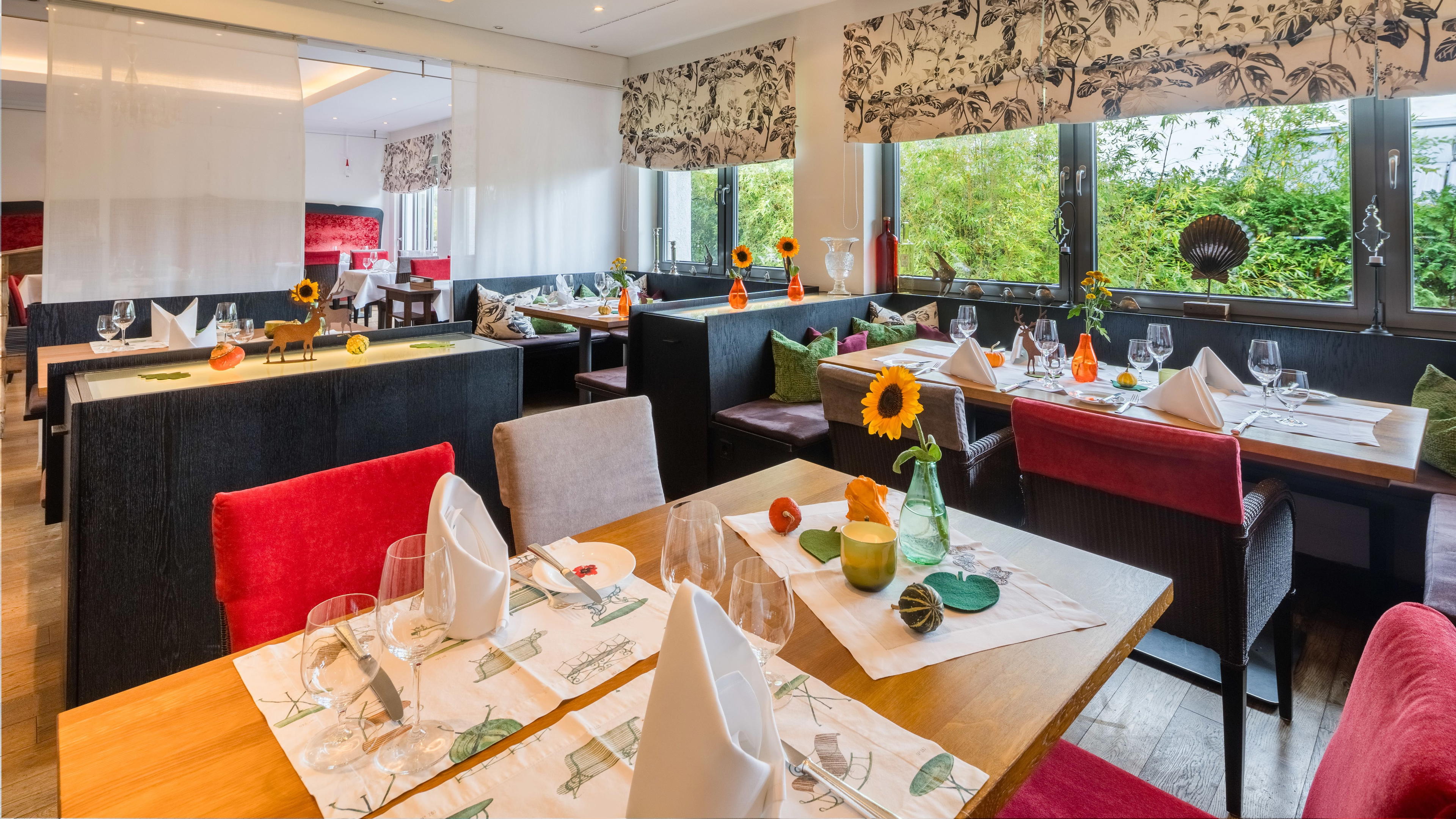
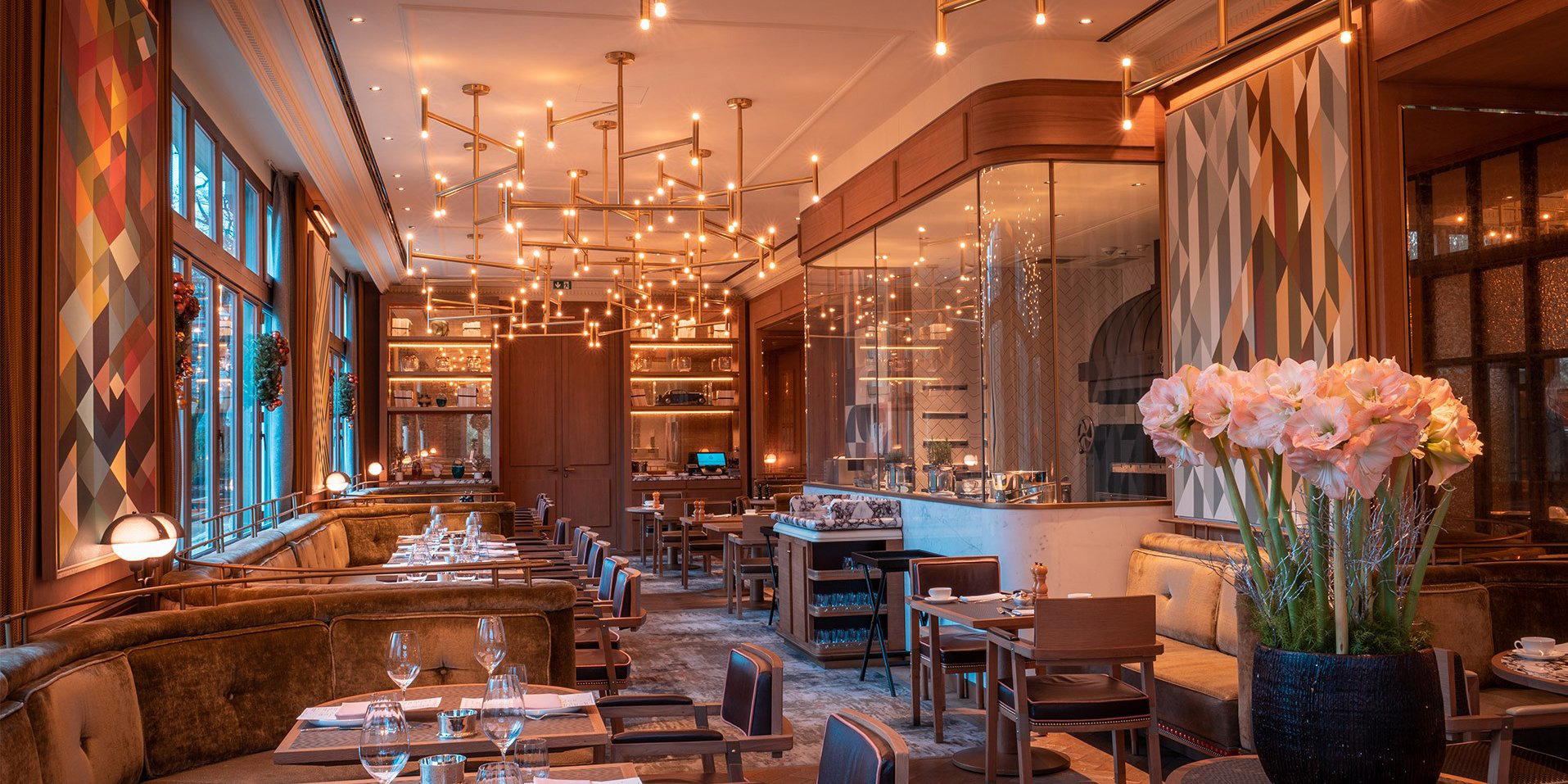
Attractive decor combining rural charm and elegance with warm wood finishings, tiled stove, pretty fabrics, and high-quality tableware.