
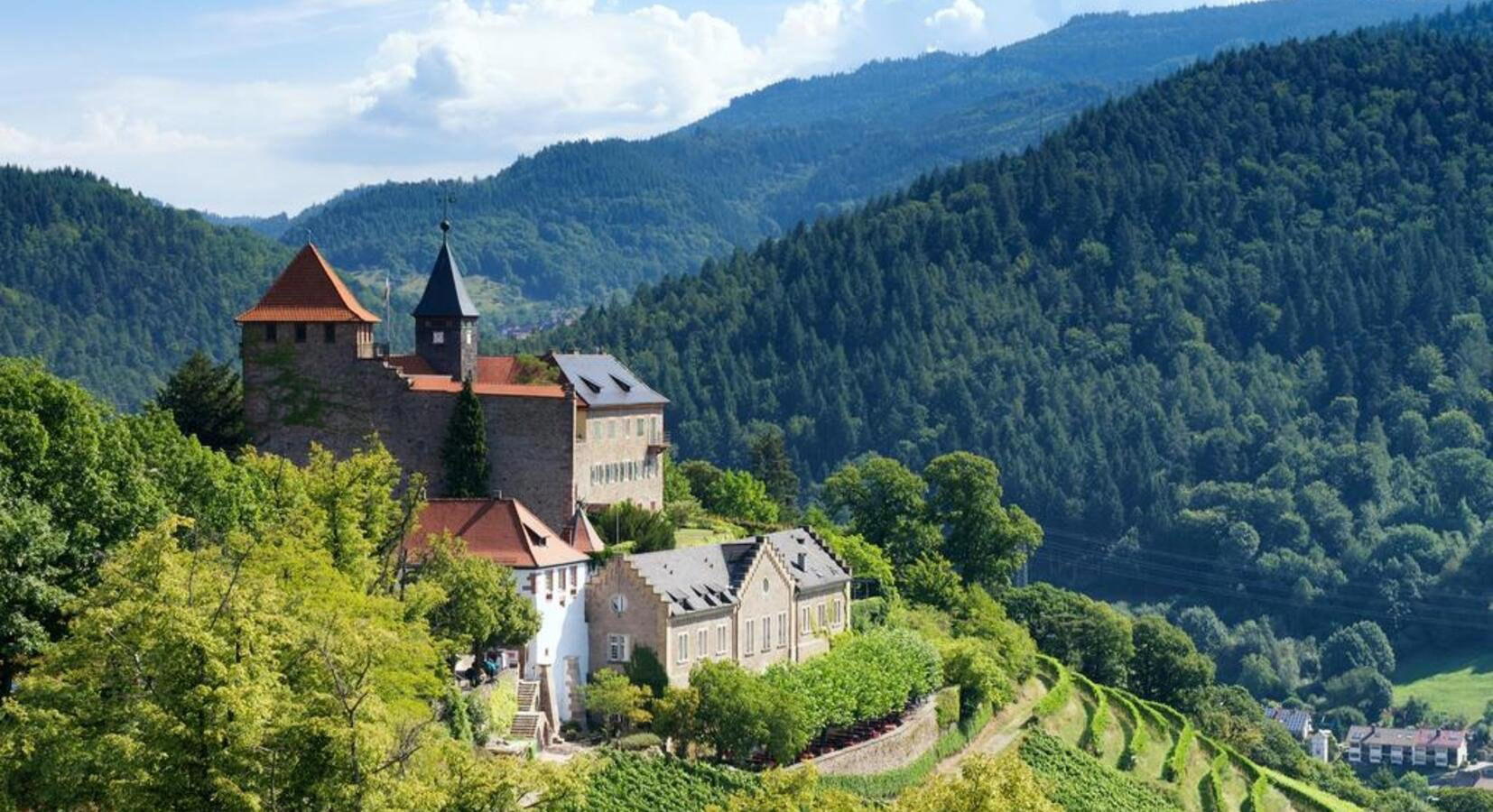
Perched on the Turmberg hill above Karlsruhe, Anders auf dem Turmberg pairs sweeping views across the Rhine Valley to the Vosges mountains with a sharing-plate format that draws on both regional German produce and Mediterranean ingredients. Chef-patron Sören Anders runs a pared-back, window-fronted dining room where braised ox ribs and tuna with buttermilk and lime sit comfortably on the same menu. A food truck in the courtyard serves small plates during daytime hours.
Pearl is the En Primeur Club membership app — saves, bookings, and concierge access live there. Same editors, same standards.
- Address
- Reichardtstraße 22
- Phone
- +49 721 41459
- Website
- anders-turmberg.de
- Directions
- Get directions
 Saves & bookings on Pearl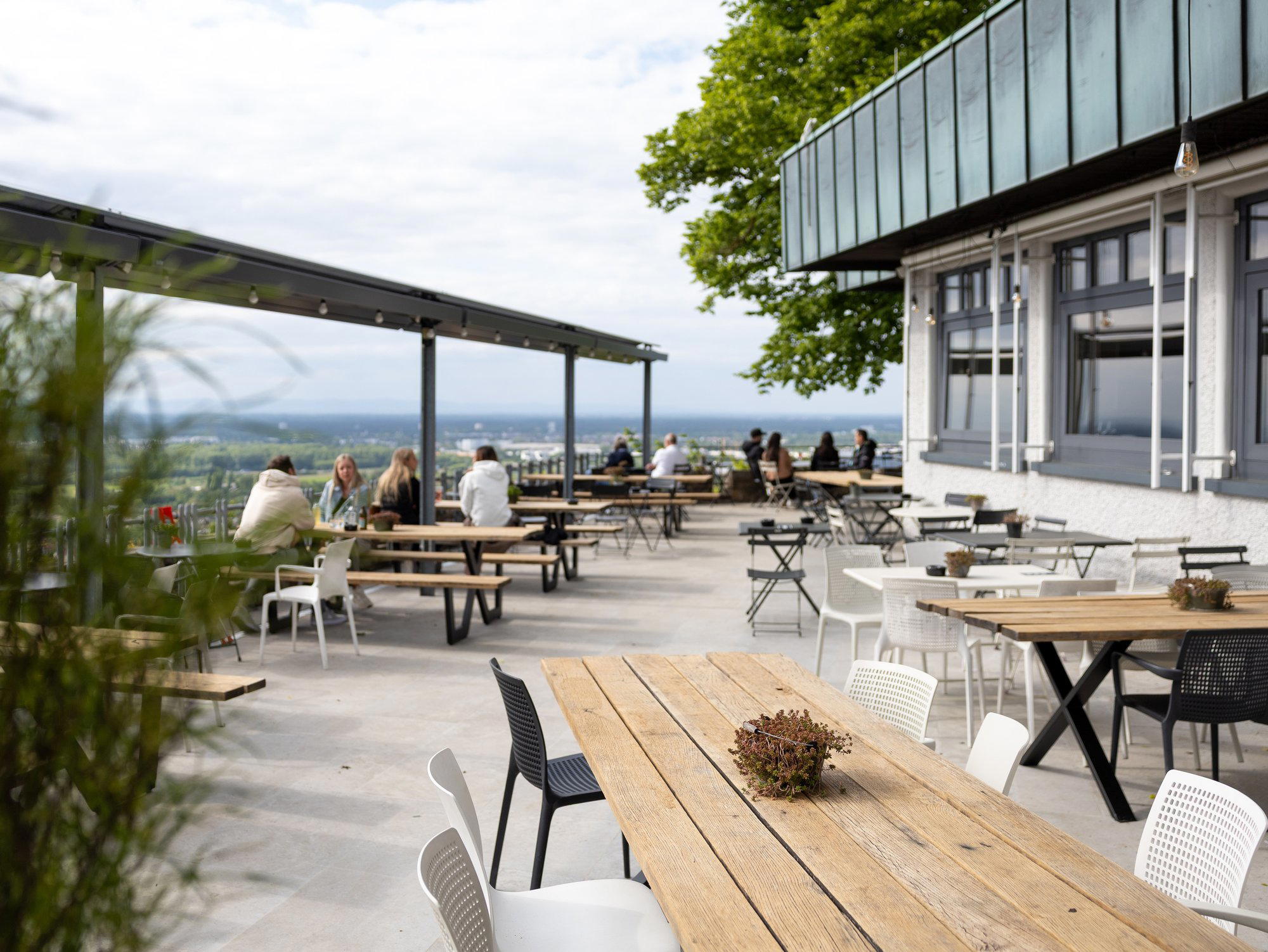
High Ground, Grounded Food
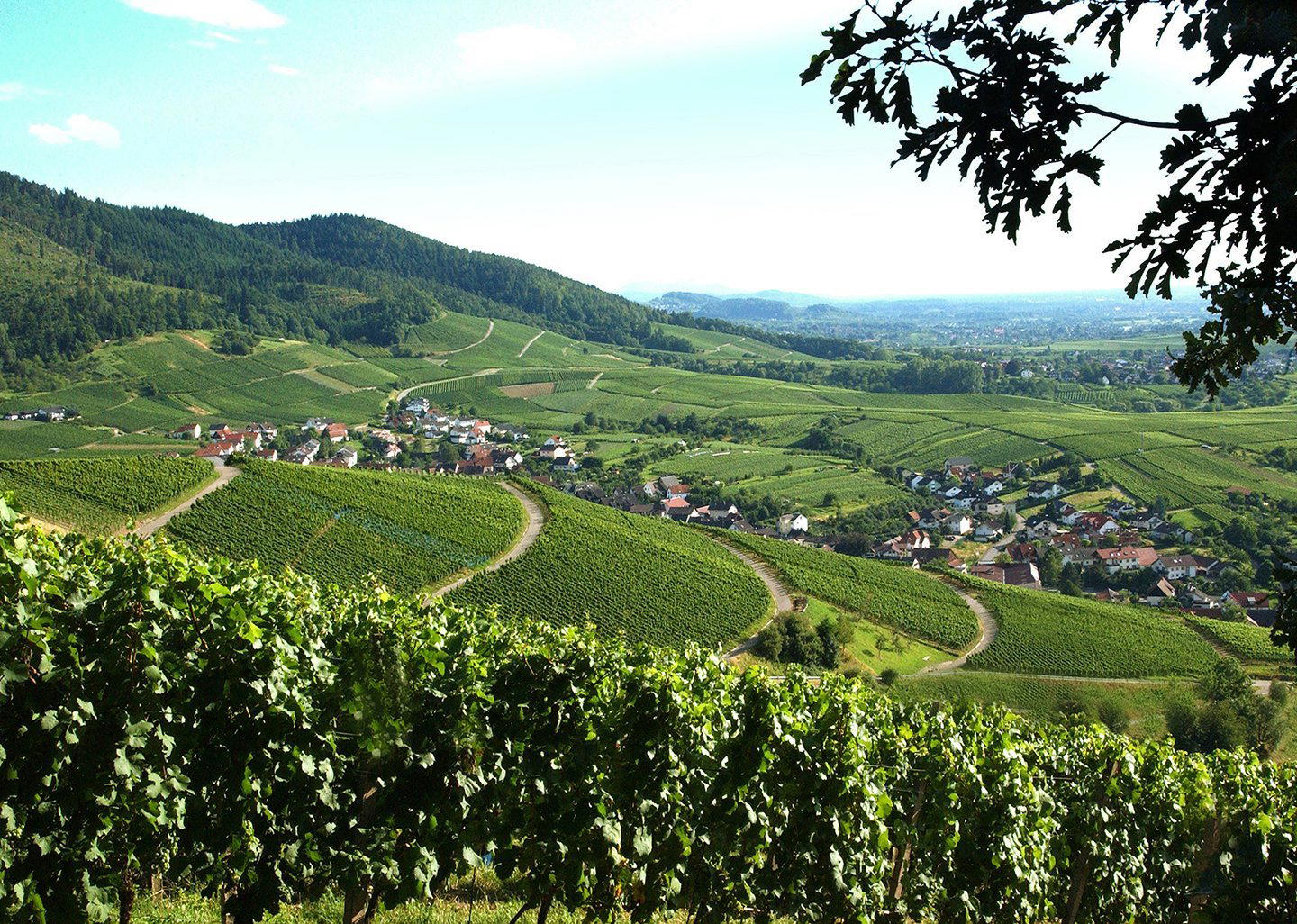
Karlsruhe's dining scene divides fairly cleanly between the city-centre restaurant corridor, where addresses like sein and 5 SEN:SES by Mario Aliberti serve ambitious tasting menus to guests who have booked well in advance, and a smaller set of neighbourhood and destination restaurants that trade on context as much as cuisine. Anders auf dem Turmberg belongs to that second group, and the context here is considerable. The restaurant sits at the summit of the Turmberg, Karlsruhe's own modest elevation to the southeast of the city, and on a clear day the view sweeps west across the Rhine floodplain and into the Vosges foothills in France. That prospect shapes the entire proposition: the interior's large windows are oriented to capture it, seating is arranged side by side along the glass rather than face-to-face across tables, and the food itself takes a deliberately relaxed, shareable form that suits a long afternoon of looking out at the valley.
A Format Built for the View
The sharing-plate format that has become common across European mid-market dining takes on particular logic here. When the horizon stretches this far, a sequence of small dishes keeps the table engaged without demanding the kind of focused, course-by-course attention that a formal tasting menu requires. Germany has been slower than Spain or the United Kingdom to absorb the tapas-style model into mainstream restaurant culture, but a generation of chef-patrons who trained under more structured kitchens has increasingly adopted it as a vehicle for technique without ceremony. Anders auf dem Turmberg follows that pattern: the plates are concise, the kitchen's skills are visible in the combinations, and the pacing invites guests to linger rather than progress efficiently toward dessert.
That kind of dual-format operation, where a full dining room co-exists with a more casual outdoor service, is increasingly common at destination restaurants across Germany, particularly those attached to scenic or heritage sites where visitor traffic peaks at different times of day to conventional dinner-service demand.
Where the Ingredients Come From
Menu at Anders auf dem Turmberg draws on two distinct source traditions, and the tension between them is what gives the cooking its character. Regional Baden-Württemberg produce provides the grounding: corn for a cream base under braised ox ribs, the kind of slow-cooked, collagen-rich preparation that remains a thread through south German culinary tradition even when presented in a contemporary small-plate format. The Mediterranean current runs alongside it, not as a fashionable overlay but as a genuine parallel register. Tuna with buttermilk and lime places an ocean fish in an acidic, dairy-softened context that belongs more to the southern European coastal pantry than to inland German cooking.
That dual sourcing is a practical consequence of Karlsruhe's geography. The city sits close to the French border and within reasonable supply range of the upper Rhine wine corridor, which gives chefs access to both Alpine and Mediterranean-influenced produce with relative ease. Restaurants in this part of Baden-Württemberg have historically drawn on French Alsatian technique as a reference point, and the cleaner, more ingredient-direct approach visible in dishes like the tuna preparation reflects that cross-border influence without explicitly advertising it. The restaurant's dual-register sourcing places it in a different category from all three.
Chef-patron Sören Anders brings established credentials to this sourcing approach. That matters in a format where small plates can obscure technical gaps: at the restaurant, the combination of chilli heat in the ox rib dish and the acid balance in the tuna preparation suggests a kitchen that is making deliberate decisions about where contrast and restraint each belong.
The Room and the Reach
The interior keeps its ambitions narrow and effective. Pared-back and modern, it frames the windows rather than competing with them. Large-format glazing of this kind, oriented toward a long-distance view, appears in a small number of German restaurant contexts, most notably at refined or lakeside sites where the architecture has always been secondary to the prospect: ES:SENZ in Grassau operates on a comparable logic of landscape-as-context, though at a higher price point and with a more formal service register. The restaurant keeps things considerably less formal, which is consistent with its sharing-plate format and destination-walk audience.
The Turmberg site gives this restaurant a catchment that extends beyond Karlsruhe's dining-out regulars. That dynamic appears at comparable German destination restaurants: Schwarzwaldstube in Baiersbronn operates at a different price tier and formality level, but the underlying logic of travel-to-destination dining is shared.
Planning a Visit
Reservations are advisable for evening dining, particularly for window seats, given that the view is the central reason most guests choose the room over comparable small-plate formats in the city centre. The courtyard food truck operates during the day, offering a lower-commitment way to experience the site without a full dinner reservation. Guests who want to sit side by side at the window, which is the configuration the restaurant itself recommends for maximum sightline, should specify this at booking. The Turmberg is accessible by funicular from the Durlach district of Karlsruhe, which connects to the city's tram network.
Side-by-Side Snapshot
Comparable venues nearby, for context on price, style, and recognition.
| Venue | Cuisine | Price | Awards | Notes |
|---|---|---|---|---|
| Anders auf dem TurmbergThis venue — the venue you are viewing | Modern Regional Tapas with Mediterranean Influences | $$$ | Michelin Plate | Not listed |
| Oberländer Weinstube | Modern Regional German | $$$$ | Michelin Plate | Innenstadt-West |
| Stilbruch | Modern German Soul Dining | $$$ | Michelin Plate | Weststadt |
| Aubrac Restaurant & Terrasse | Baden Regional German | $$ | Not listed | Stupferich |
| Bistro Margarete | Regional German Bistro | $$ | Bib Gourmand | Weststadt |
| Il Teatro² | Creative Classic Italian | $$$ | Michelin Plate | Südweststadt |
Recognition history
Dated appearances from independent guides and award organizations, with the underlying list record or original source where available.
Michelin Plate
Michelin · 2026 Michelin Plate
Continue exploring
More in Karlsruhe
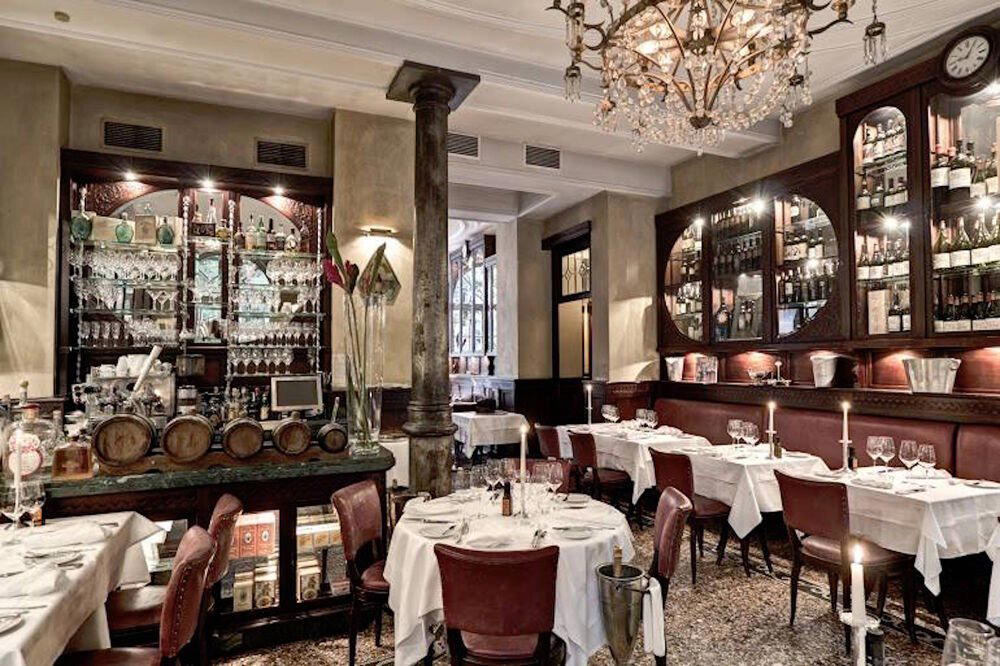
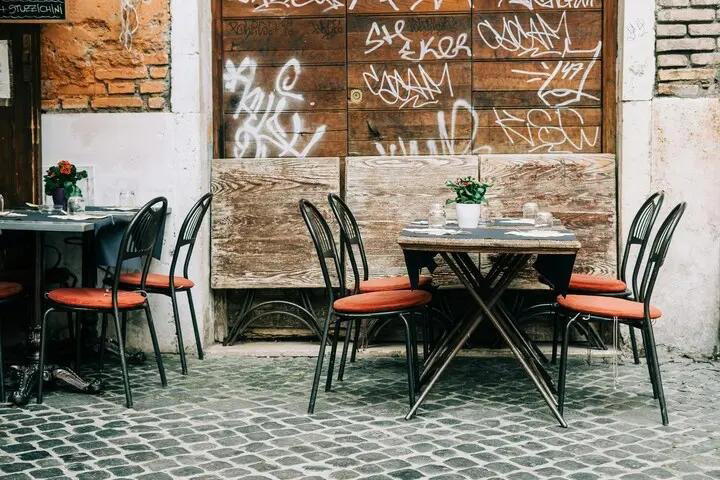
Restaurants in Karlsruhe
Browse all →
Bars in Karlsruhe
Browse all →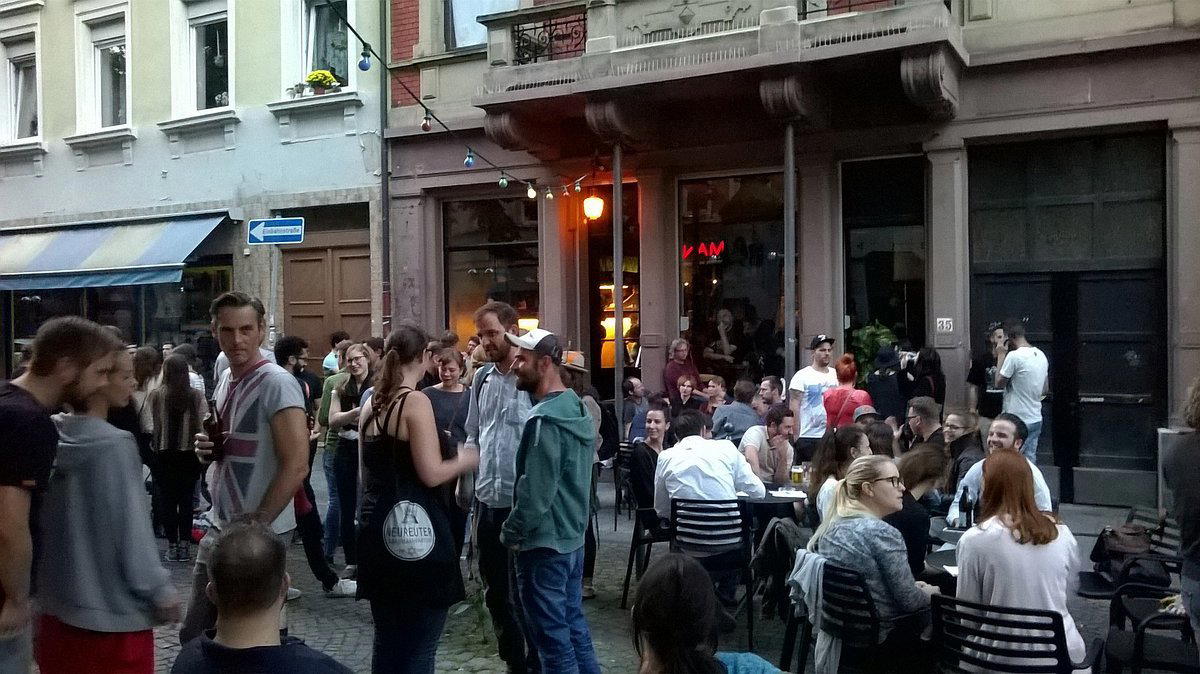

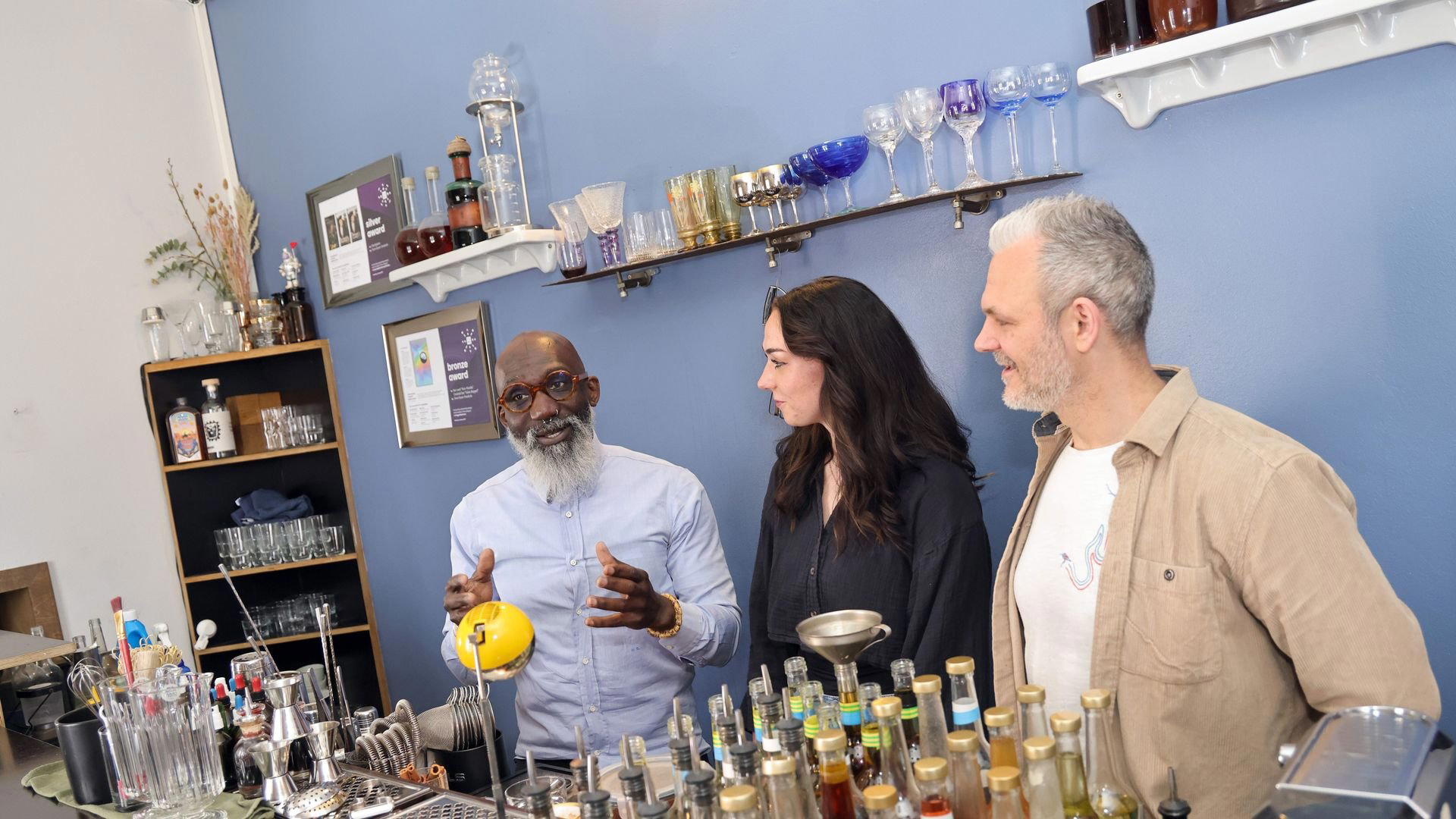
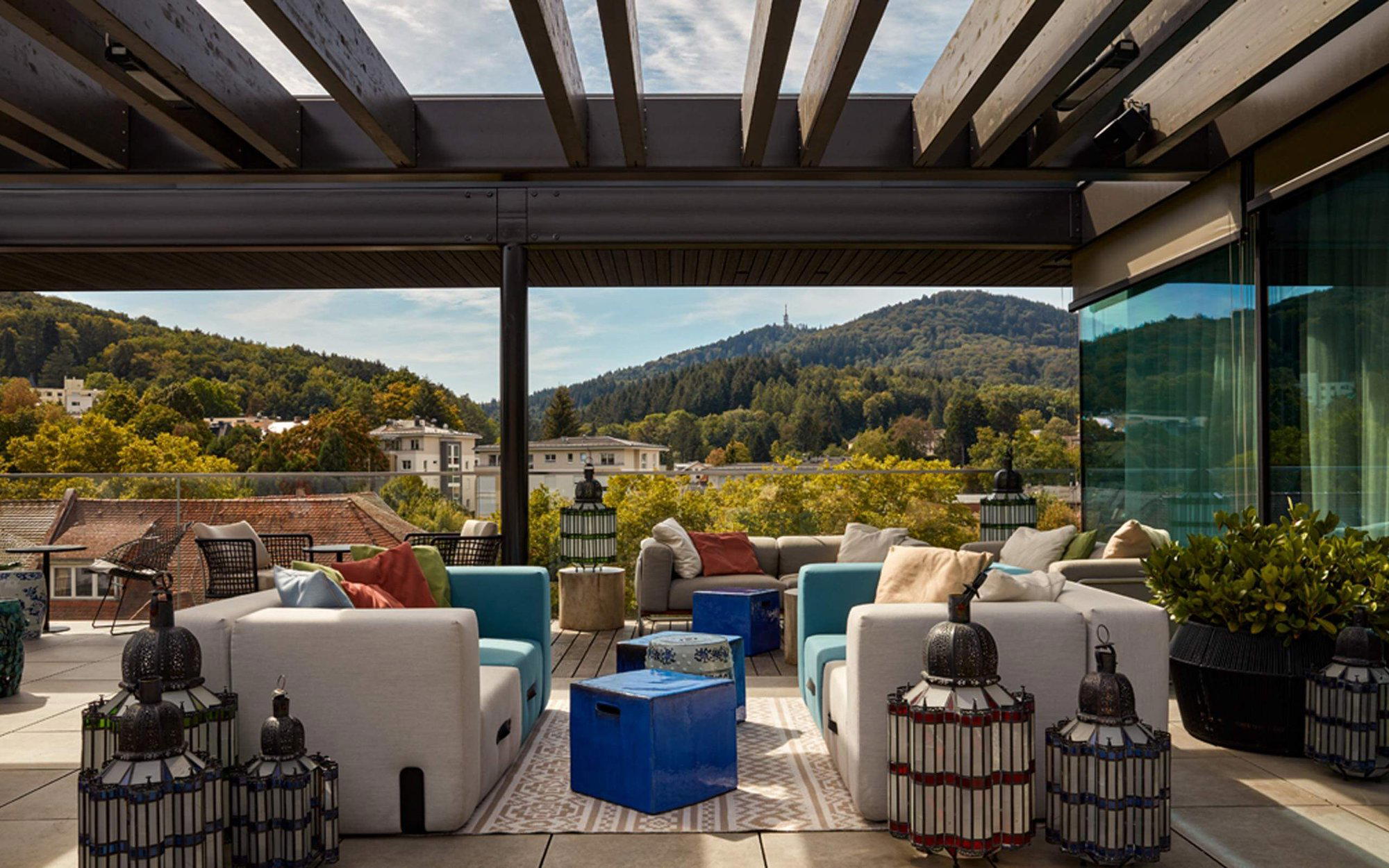
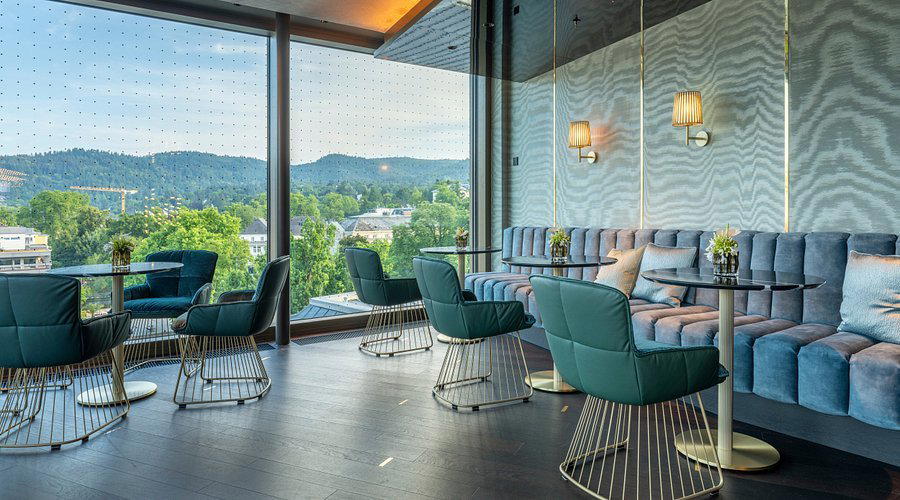
Hotels in Karlsruhe
Browse all →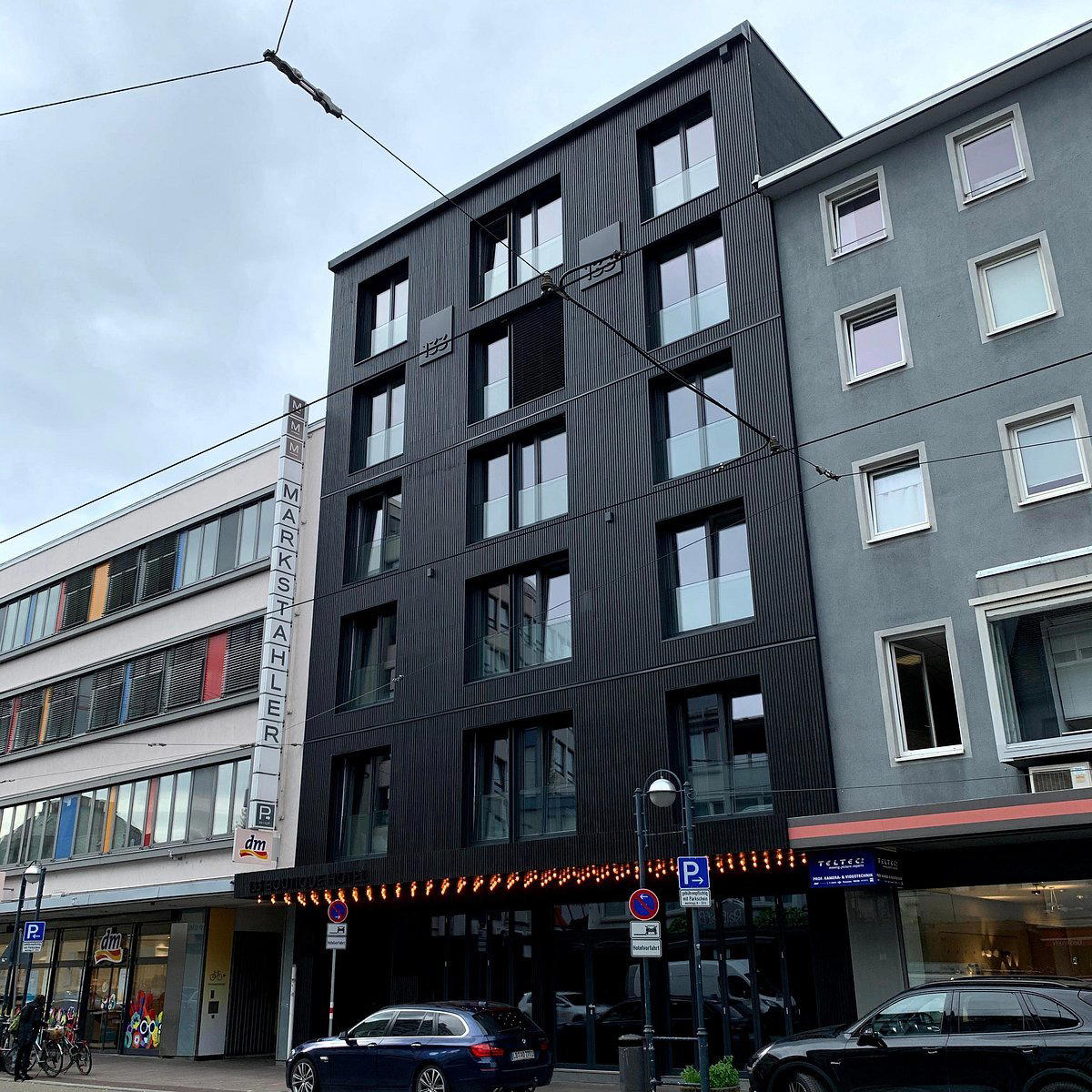
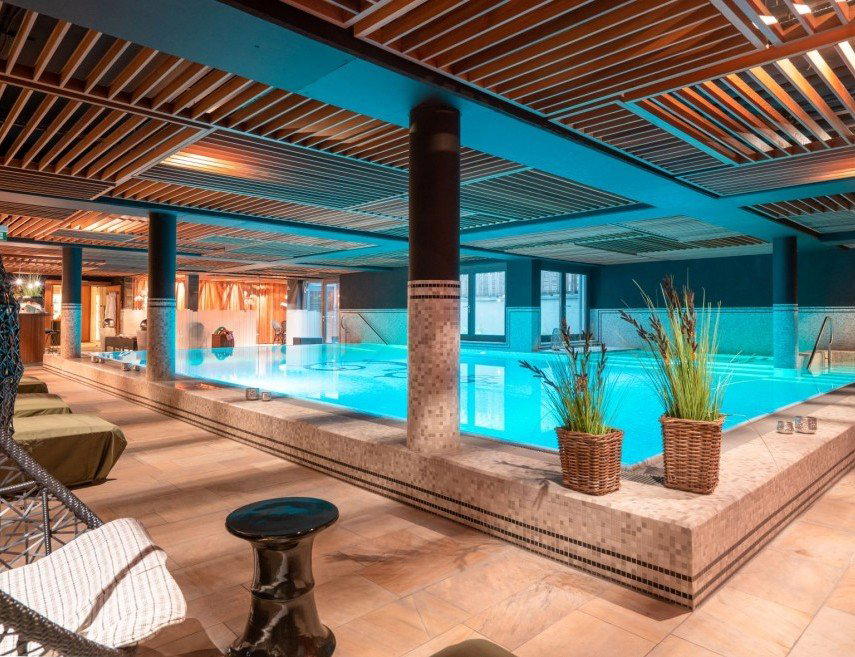

At a Glance
- Modern
- Scenic
- Elegant
- Cozy
- Date Night
- Special Occasion
- Group Dining
- Rooftop
- Terrace
- Panoramic View
- Extensive Wine List
- Local Sourcing
- Skyline
- Mountain
Current opening hours
- Monday
- 2–10:30 PM
- Tuesday
- 12–10:30 PM
- Wednesday
- 12–10:30 PM
- Thursday
- 12–10:30 PM
- Friday
- 12–10:30 PM
- Saturday
- 12–10:30 PM
- Sunday
- 12–10:30 PM
Hours can change for holidays and private events. Last verified .
Pared-back modern interior with large panoramic windows maximizing the dramatic views; relaxed urban vibe with comfortable seating and tasteful decor.