Le Jardin de France im Stahlbad


Baden-Baden's thermal spa tradition meets classical French cooking at Le Jardin de France im Stahlbad, a Michelin-starred restaurant on Augustaplatz that has held its star consecutively through 2024 and 2025. Under chef Michaël Fulci, the kitchen works in the disciplined register of classic French technique, placing it in a distinct tier above the city's more casual dining options.
Pearl is the En Primeur Club membership app — saves, bookings, and concierge access live there. Same editors, same standards.
- Address
- Augustapl. 2, 76530 Baden-Baden, Germany
- Phone
- +49 7221 3007860
- Website
- lejardindefrance.de
- Directions
- Get directions
 Saves & bookings on Pearl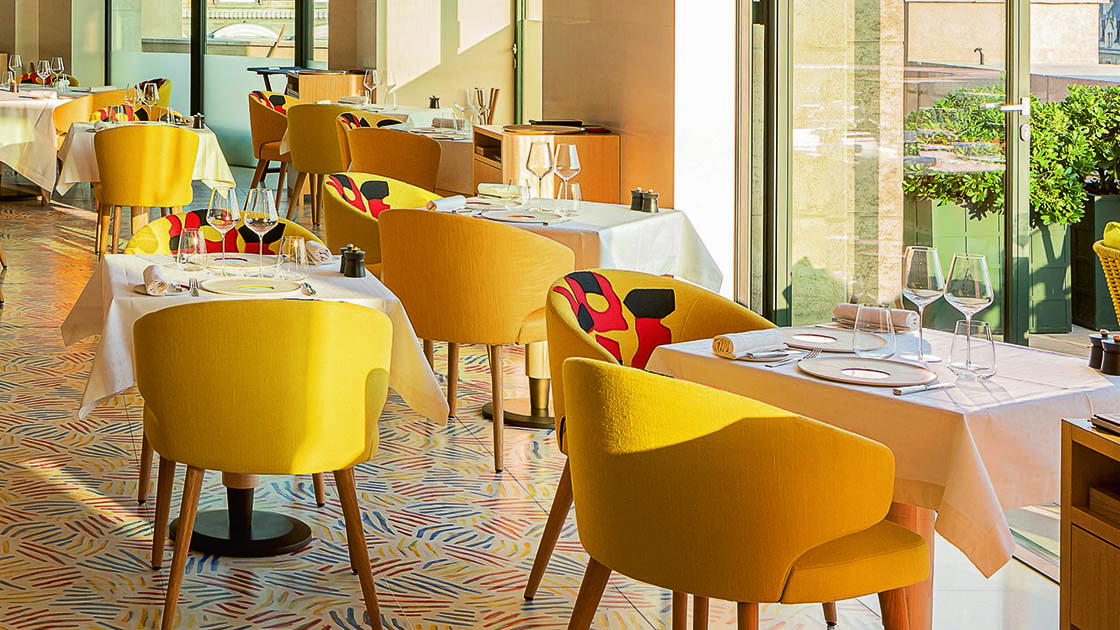
Where Classical France Meets the Black Forest Spa Circuit
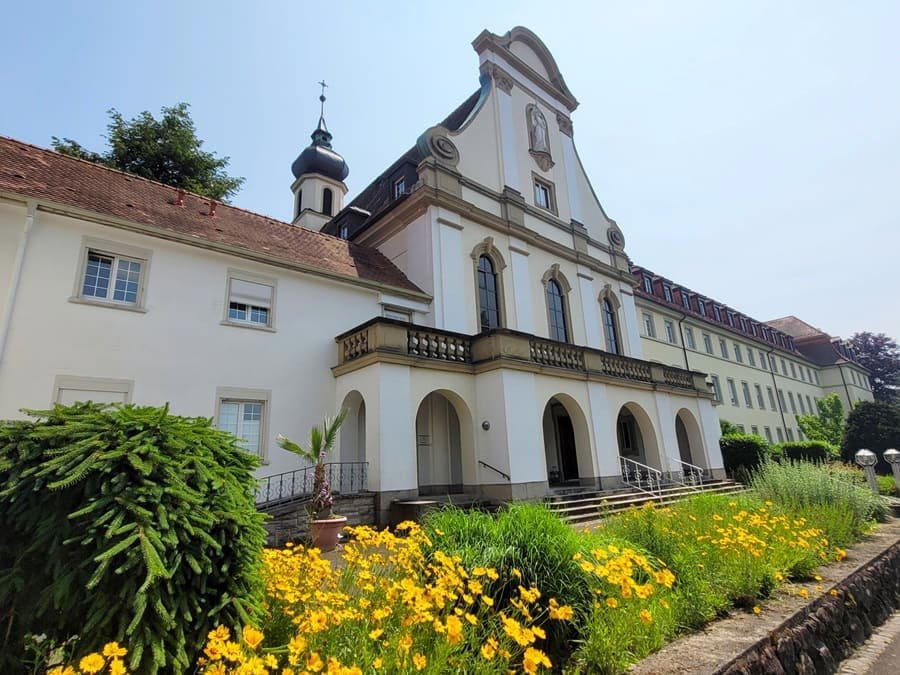
Augustaplatz sits at the ceremonial heart of Baden-Baden, the kind of address that places a restaurant inside the city's long-standing conversation about leisure, wealth, and European refinement. The square has anchored the spa town's identity for well over a century, and a table at Le Jardin de France im Stahlbad places the diner directly inside that tradition. The setting, the former Stahlbad mineral bathhouse, carries architectural weight that few dining rooms in the Black Forest region can match. Before a dish arrives, the room is already making an argument about seriousness.
Baden-Baden's fine dining scene is smaller and more concentrated than its reputation might suggest. The city draws visitors from across Germany and neighbouring Switzerland for its thermal baths, the Festspielhaus concert programme, and the Casino, and the restaurant tier reflects that transient, occasion-driven clientele. Most of the city's mid-range options, Die Klosterschänke and Heiligenstein at the €€ level, moriki in the mid-tier Asian bracket, serve a different purpose than Le Jardin de France. At the €€€€ price point, the restaurant's direct peer in the city is Maltes hidden kitchen, which operates in a modern cuisine register, and Nigrum with its international approach. Le Jardin de France distinguishes itself by anchoring to classical French cooking rather than pivoting toward contemporary fusion formats.
The Classical French Position, and What It Costs to Hold It
Across Germany's fine dining circuit, the tension between classical French tradition and modern innovation has sharpened considerably over the past decade. A younger generation of German chefs trained in Nordic and Japanese-influenced kitchens has pushed the dominant register toward restraint, fermentation, and local foraging, formats visible at CODA Dessert Dining in Berlin and ES:SENZ in Grassau. Against that shift, the kitchens still operating in a recognisably classical French idiom occupy a narrower, more deliberate niche. They reference Escoffier-era technique, saucing, reduction, buttery emulsification, precision carving, but the serious ones are not merely nostalgic. The question that separates the credible classical kitchens from the museums is whether the French grammar is being used to say something, or simply repeated from memory.
Chef Michaël Fulci's approach at Le Jardin de France places it in the former category. The Michelin inspectors' consecutive recognition in 2024 and 2025 signals that the kitchen is operating with consistent technical discipline, not coasting on a historical reputation. A single Michelin star in the German guide represents a specific and demanding standard: it means the inspectors found cooking of high quality in its category, worth a detour but not necessarily the primary reason to travel to the city. At that tier in southwest Germany, the comparable set extends beyond Baden-Baden itself to include Schwarzwaldstube in Baiersbronn, one of the region's most decorated kitchens, and internationally toward Cheval Blanc by Peter Knogl in Basel, where classical French cooking with Swiss and Alsatian inflections holds multiple stars just across the Rhine border.
The classical French position is an expensive one to maintain. The sourcing demands of a French-inflected kitchen, quality dairy, appropriate proteins, the aromatics and reductions that define the style, carry a cost structure that pushes menus into the upper price tier almost by default. At €€€€ pricing, diners are paying for the ingredients, the brigade structure, and the labour-intensive preparation that classical French cooking requires. This is not incidental to the experience; it is the experience. The value proposition is coherence: every element on a classically composed plate should justify its presence through technique and flavour logic, not decorative impulse.
New French in an Old Room: The Editorial Case for Tension
The more interesting critical question is not whether Le Jardin de France executes classical French cooking correctly, the sustained Michelin recognition answers that, but where the kitchen's relationship with innovation sits. In the broader European context, the restaurants that have most successfully held Michelin recognition in the classical French register are those that acknowledge the vocabulary without treating it as a boundary. Across the Rhine at Basel's leading table level, and further north at Vendôme in Bergisch Gladbach, Joachim Wissler's kitchen, which has held multiple stars for years in a French-influenced fine dining format, the argument is that classical French technique gains rather than loses authority when it opens itself to regional produce and contemporary plating logic.
Where Le Jardin de France positions itself on that spectrum is something a visit reveals more clearly than any database entry. What the Michelin record does confirm is that the kitchen has not resolved the tension by abandoning either pole. Two consecutive stars in consecutive years, at a time when the Michelin Guide Germany has been actively rewarding kitchens that update their reference points, suggests the inspectors found something that felt both grounded and alive. That is the argument for classic French cooking in 2025: not that it resists change, but that its structure gives change a grammar.
Visiting Le Jardin de France: What to Know Before You Go
The restaurant sits at Augustapl. 2 in Baden-Baden. For those travelling from further afield, covers the accommodation options within reach of the central spa quarter. and for programming before or after dinner.
At the €€€€ price point with Michelin recognition, booking in advance is sensible. Booking in advance is essential, especially on weekends and during festival periods. The restaurant is open Tuesday to Saturday for lunch, with dinner service on Tuesday, Wednesday, Friday, and Saturday; it is closed Monday and Sunday. The dress code is smart casual.
For readers building a wider picture of the city's dining options, maps the full range from the regional end to stronger examples from the fine dining tier. Those with an interest in wine touring in the broader region can find relevant context in.
Cuisine and Credentials
Comparable venues nearby, for context on price, style, and recognition.
| Venue | Cuisine | Price | Awards | Notes |
|---|---|---|---|---|
| Le Jardin de France im StahlbadThis venue — the venue you are viewing | Classic French Fine Dining | $$$$ | Michelin 1 Star | Not listed |
| Maltes hidden kitchen | Modern German with Asian Influences | $$$$ | Michelin 1 Star | Old Town Baden-Baden |
| Wintergarten | Contemporary European with Mediterranean Accents | $$$$ | Michelin Plate | Lichtentaler Allee |
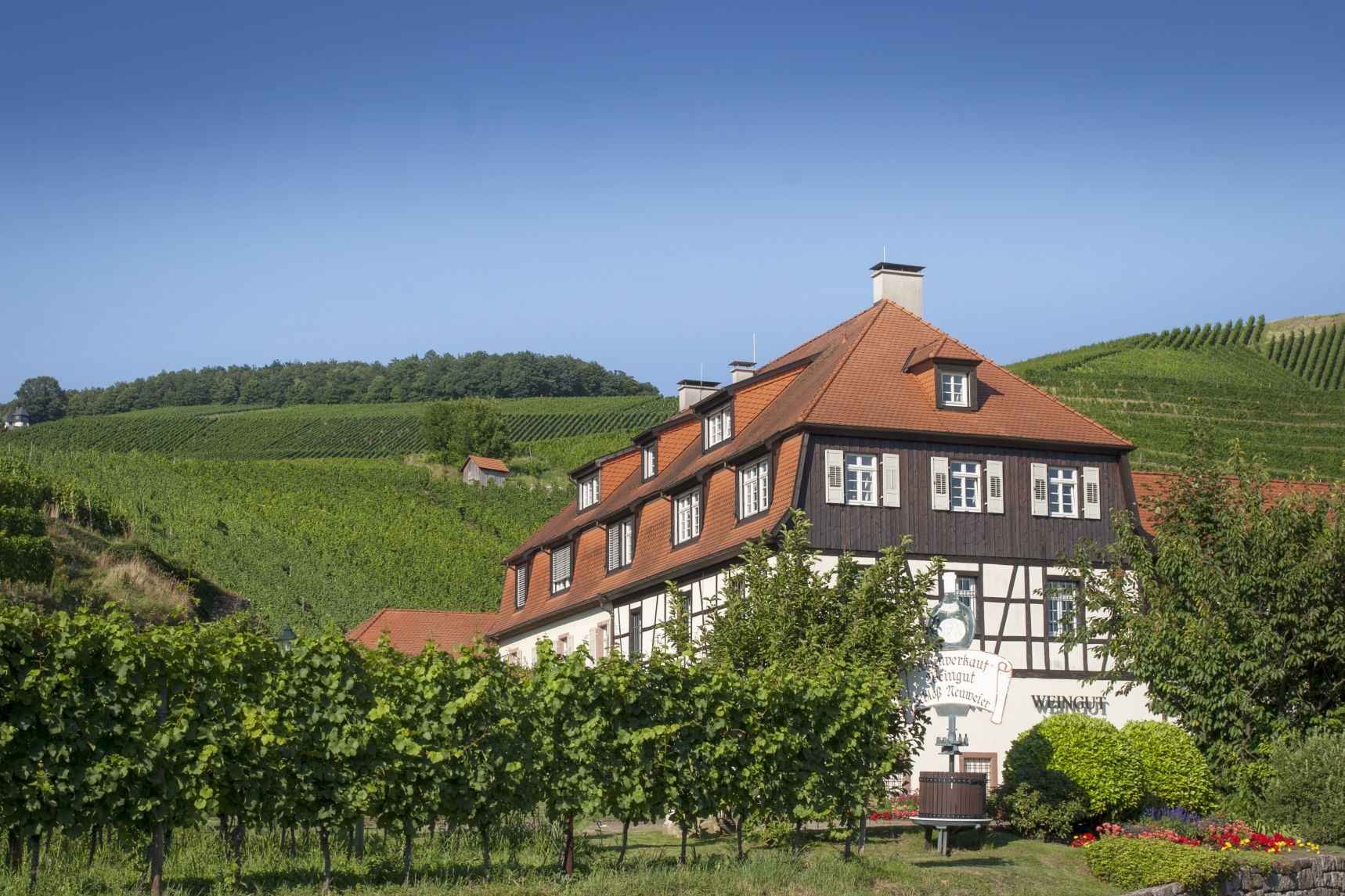
| Weinstube zum Engel | Modern Regional Baden Cuisine | $$$ | Bib Gourmand | Neuweier |
| moriki | Japanese Fusion Sushi | $$$ | Michelin Plate | city center |
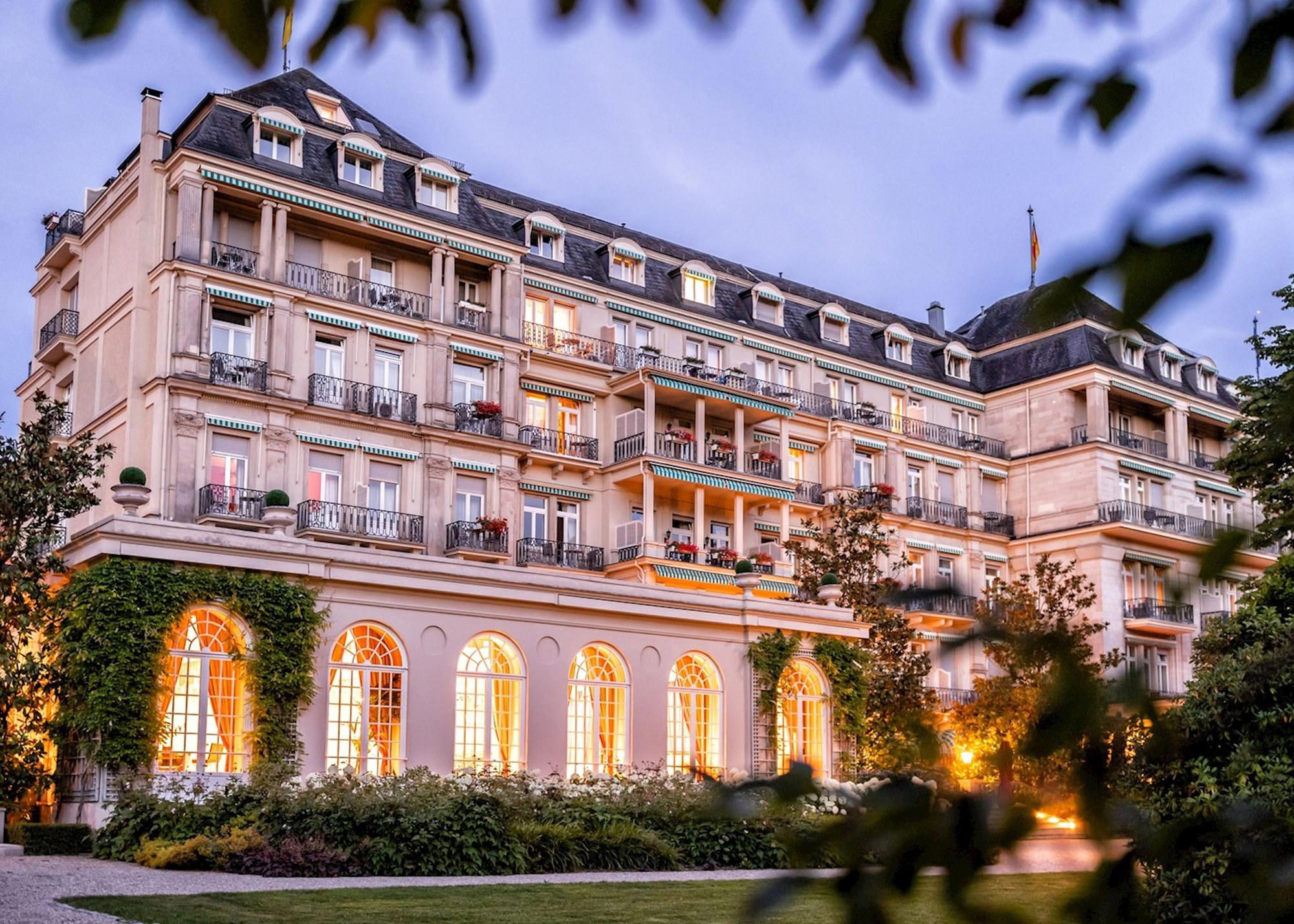
| Brenners Park-Hotel & Spa | Modern Grill & Contemporary European | $$$$ | Not listed | Lichtentaler Allee |
Recognition history
Dated appearances from independent guides and award organizations, with the underlying list record or original source where available.
Michelin 1 Star
Michelin
Opinionated About Dining Newly Added European Restaurants
Opinionated About Dining
Opinionated About Dining Classical in Europe Highly Recommended
Opinionated About Dining
Michelin 1 Star
Michelin
Michelin 1 Star
Michelin
Continue exploring
More in Baden-Baden
Restaurants in Baden-Baden
Browse all →
Bars in Baden-Baden
Browse all →

Hotels in Baden-Baden
Browse all →
At a Glance
- Elegant
- Romantic
- Intimate
- Sophisticated
- Date Night
- Special Occasion
- Business Dinner
- Garden
- Private Dining
- Historic Building
- Extensive Wine List
- Sommelier Led
- Local Sourcing
- Garden
Current opening hours
- Monday
- Closed
- Tuesday
- 12–3 PM, 6:30–11 PM
- Wednesday
- 12–3 PM, 6:30–11 PM
- Thursday
- 12–3 PM
- Friday
- 12–3 PM, 6:30–11 PM
- Saturday
- 12–3 PM, 6:30–11 PM
- Sunday
- Closed
Hours can change for holidays and private events. Last verified .
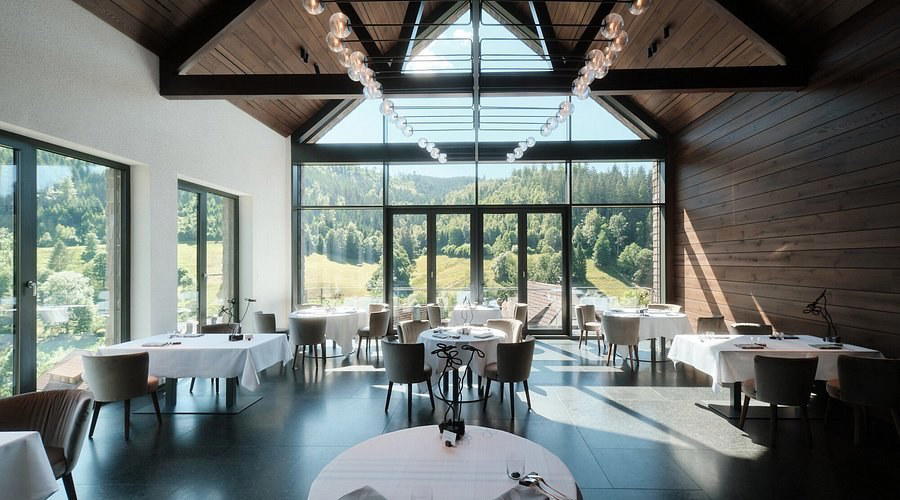
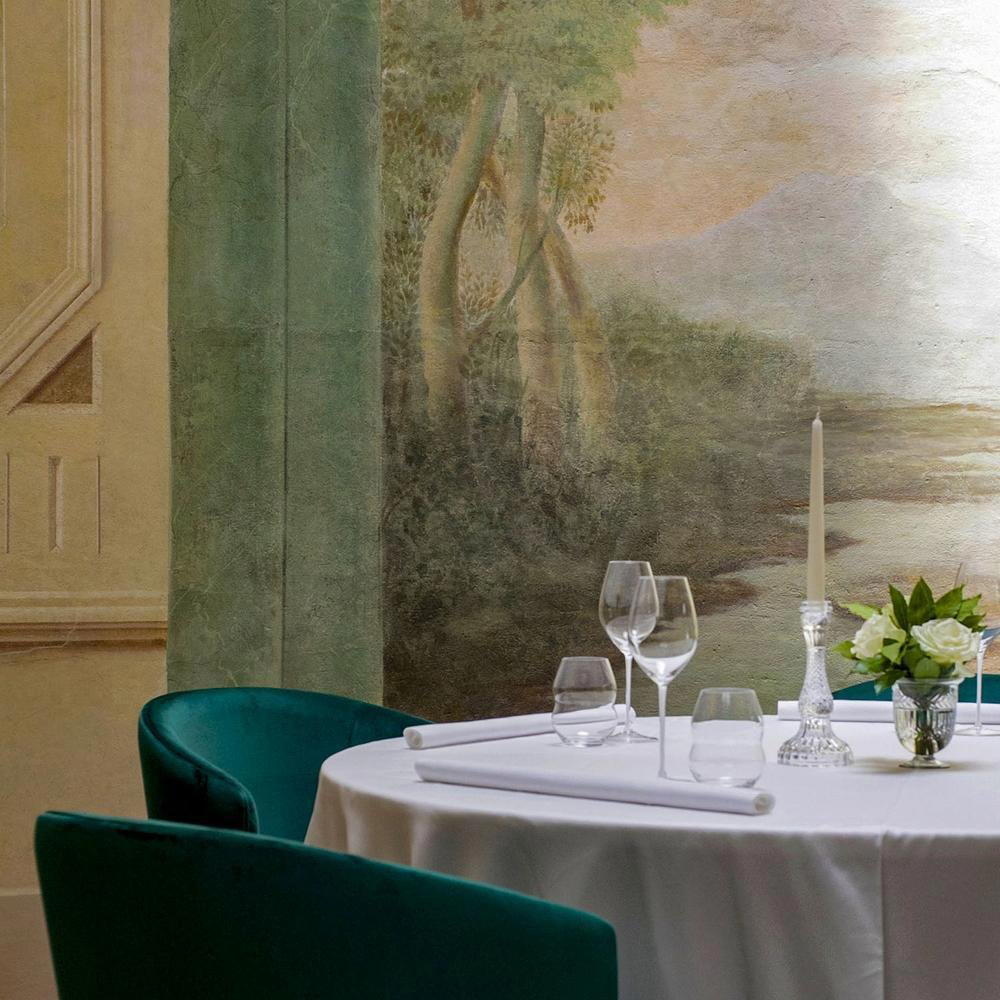
Elegant and intimate with a light wintergarten offering garden views, cozy upper rooms, and a warm, unpretentious atmosphere.