
Tabelog 100 #6
Our verdict
Keihan Uji Ekimae Surugaya belongs to Uji’s compact world of tea-country wagashi, where sweets are not an afterthought to sightseeing but part of the city’s grammar. Its Tabelog 100 selection for Japanese traditional sweets and sweets cafés in WEST 2023 places it in a recognized Kansai tier, with a format that reads more like a focused stop than a long meal.

Pearl is the En Primeur Club membership app, where members save venues, book tables and use the concierge.
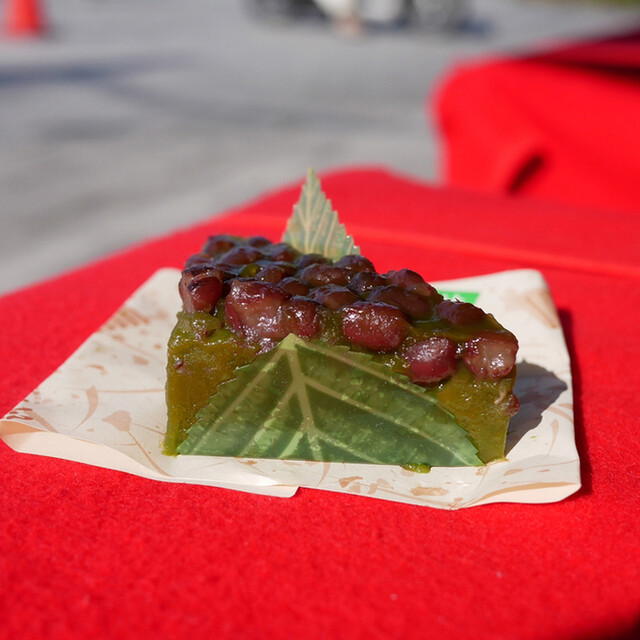
The menu
What to order
- Chadango
- Matcha soft serve
- Warabi mochi
- Suama
Approaching Keihan Uji Ekimae Surugaya in Kyoto, the city’s food map shifts toward short stops, tea culture, and sweets that feel less like dessert than local routine. This frames Keihan Uji Ekimae Surugaya. Kyoto wagashi culture is not tasting menus or chef-led theatre, but short decisions, seasonal cues, and the old pairing of tea bitterness with confectionery sweetness.
That matters in Kyoto, where visitors often sort restaurants by ceremony: formal counters, temple-day lunches, reservations with social weight. This sweets category runs differently. Tea is the anchor, and sweets sit beside it as a practical language of place. A shop like this belongs to the low-ticket, high-specificity end of the city’s food map, closer in function to other Kyoto snack and sweets stops than to a formal dinner room. The point is not duration. The point is calibration.
Uji wagashi works by restraint, not abundance
Japanese confectionery shops in tea-focused settings show seriousness through narrowness. A broad menu can be a weakness when local expectation is precision: rice texture, bean paste sweetness, tea bitterness, and whether a sweet can be eaten cleanly while walking, gifting, or pausing during a Kyoto day. Keihan Uji Ekimae Surugaya sits inside that tradition, and its recognition in Tabelog’s 2023 Hyakumeiten selection for Japanese traditional sweets and sweets cafés gives the stop a useful external signal.
The menu reads as a small-format sweets program, not a café meal. In Kyoto, the categories do the work: wagashi for tea pairing, takeout-friendly sweets, and café-adjacent items for a brief pause rather than a full afternoon. The structure reflects the city’s pattern. Tea culture rewards specialization because visitors arrive with context: matcha, sencha, walks, historic sightseeing, and a dense concentration of confections tied to that ecology.
Compared with Nakamura Tokichi Honten Uji honten, which sits elsewhere in Kyoto’s sweets-and-tea conversation, this address reads as a tighter, lower-spend version of the same broad culture. That is not a demotion, but a different use case: Nakamura Tokichi Honten Uji honten may suit a more planned stop; Keihan Uji Ekimae Surugaya suits someone who knows some of Kyoto’s better food moments last ten minutes and need no choreography.
Kyoto’s casual-food circuit reinforces the point. A quick snack stop, a bakery run such as Mogu Mogu Bakery, or a compact counter meal can shape a day as much as a reservation dinner. Kyoto sweets carry a stronger local grammar. They are not merely convenient; they explain why this part of the city’s food culture remains a destination rather than just a heritage detour.
The award signal is useful because the category is crowded
Wagashi is hard for travelers to read from outside. Visual polish helps, but can mislead: a beautifully boxed sweet may be designed for gifting, while a modest storefront may work within a lineage locals grasp immediately. Tabelog’s Hyakumeiten list helps separate recognized specialists from tourist-facing confectionery counters. The 2023 selection places Keihan Uji Ekimae Surugaya in a wider conversation, not merely a convenience role.
That matters because Kyoto receives overlapping audiences: day-trippers arriving for history, and tea-focused visitors treating sweets as part of the destination. The first group often wants a quick, legible sweet. The second is more sensitive to how sugar, tea, and format interact. A shop in this lane must serve both without becoming theme-park confectionery. The compact format helps: less spectacle, more pressure on the core sweets.
In Kyoto proper, the comparison set changes. Other Kyoto dining rooms belong to a different urban restaurant conversation, where design, pacing, wine, and dinner structure may carry more editorial weight. Shubaku sits in another register again, with a different role in the city’s eating day. Kyoto wagashi does not compete there. It competes on immediacy, portability, and whether a short stop can say something accurate about place.
The ideal way to use this address is not to over-plan it. Let the larger Kyoto itinerary carry the reservations, then leave room for sweets between transit, walks, and sightseeing. For a deeper read on the city’s dining range, keep Our full Kyoto restaurants guide nearby; for the rest of the trip architecture, pair it with Our full Kyoto hotels guide, Our full Kyoto bars guide, Our full Kyoto wineries guide, and Our full Kyoto experiences guide.
Who should build it into a Kyoto day
This is a smart stop for travelers who care how regional food habits appear outside formal dining rooms. The value is category fluency: seeing that a sub-JPY 1,000 sweets purchase can carry as much place-specific meaning as a more expensive plate elsewhere. It also suits visitors who prefer low-friction eating during a day of walking, trains, and timed sightseeing.
Travelers chasing a long sit-down café session may prefer a larger tea house. Those building a snack-led Kyoto day should read the city as a sequence: tea, wagashi, walking, general sightseeing, then another small bite before returning to the day’s next plan. That pattern is smarter than forcing every meal into a reservation framework. Keihan Uji Ekimae Surugaya fits because its scale keeps focus on the sweet and surrounding tea culture, not dining-room performance.
For readers mapping casual Japanese food beyond Kyoto, the same editorial logic applies: know the format before judging the meal. A compact specialist, a focused room, or another tightly defined stop should be read through focus rather than breadth. The same is true for regional stops across Japan. In Japan, small formats often carry the sharper lesson.
The editorial call is simple: treat this as a precise Kyoto sweets stop, not a substitute for Kyoto dining. Its usefulness comes from place, category, and recognition in a crowded wagashi field. For a traveler willing to read sweets as part of the city’s food system, that is enough reason to make space in the day.
Frequently asked questions
What are the opening hours for Keihan Uji Ekimae Surugaya?
Opening hours for Keihan Uji Ekimae Surugaya are not specified in the available venue details.
What part of town is Keihan Uji Ekimae Surugaya in?
Kyoto.
How much does it cost to eat at Keihan Uji Ekimae Surugaya?
Pricing at Keihan Uji Ekimae Surugaya is listed as - JPY 999 - JPY 999 View spending breakdown.
What is Keihan Uji Ekimae Surugaya known for?
Keihan Uji Ekimae Surugaya is known for Japanese traditional sweets and a cafe featuring Japanese sweets in Kyoto.
Similar Picks
Comparable options at the same price tier.
| Venue | Cuisine | Price | Awards | Notes |
|---|---|---|---|---|
| Keihan Uji Ekimae SurugayaThis venue (the venue you are viewing) | Japanese Sweets / Matcha Confectionery | $1–10 | Tabelog 100 #6 | Not listed |
| Shubaku | Japanese Soba | Not listed | Tabelog 100 #67 | JPY 1,000 - JPY 1,999 JPY 1,000 - JPY 1,999 View spending breakdown |
| Mogu Mogu Bakery | Not listed | $1–10 | Tabelog 100 #78 | JPY 999 - JPY 999 |
| Chez Hagata | Matcha-focused Japanese patisserie | Not listed | Tabelog 100 #68 | JPY 2,000 - JPY 2,999 |
| Nakamura Tokichi Honten Uji honten | Japanese Tea House Café | $10–20 | Tabelog 100 #14 | JPY 2,000 - JPY 2,999 JPY 1,000 - JPY 1,999 |
Recognition history
Dated appearances from independent guides and award organizations, with the underlying list record or original source where available.
Tabelog 100 #6 · No. 6
Tabelog · Tabelog 100 - Japanese traditional sweets / Japanese sweets cafe - WEST - 2023
Continue exploring
More in Kyoto
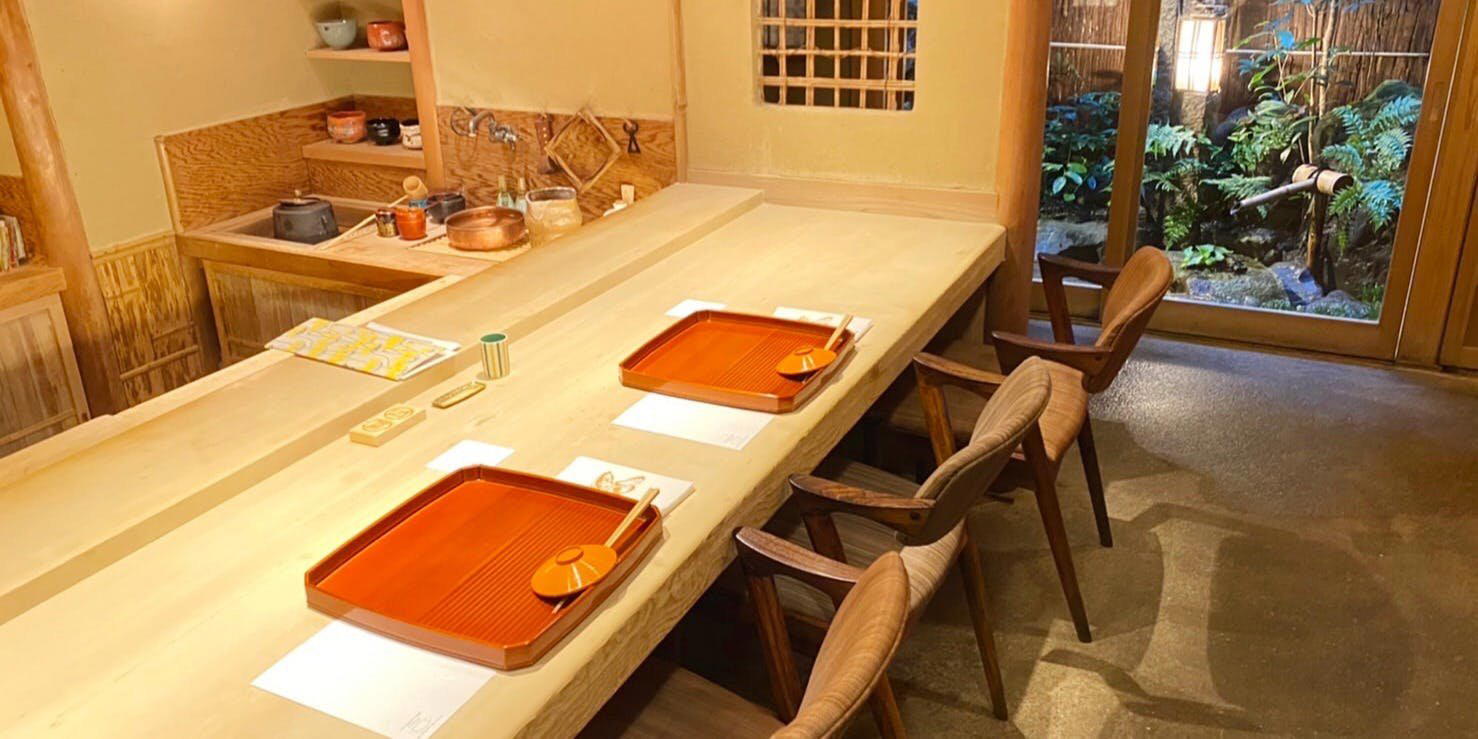
Restaurants in Kyoto
All restaurants in Kyoto →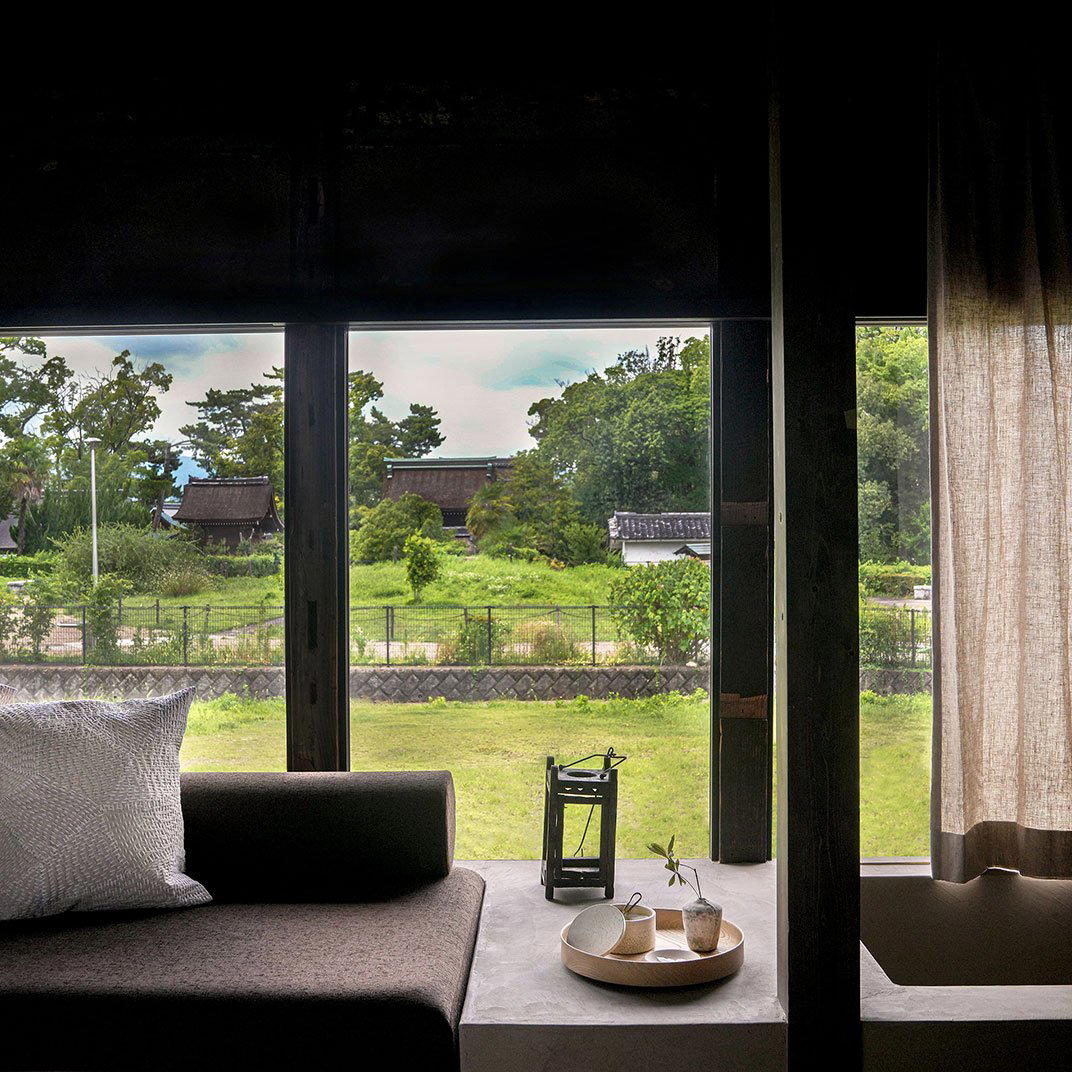
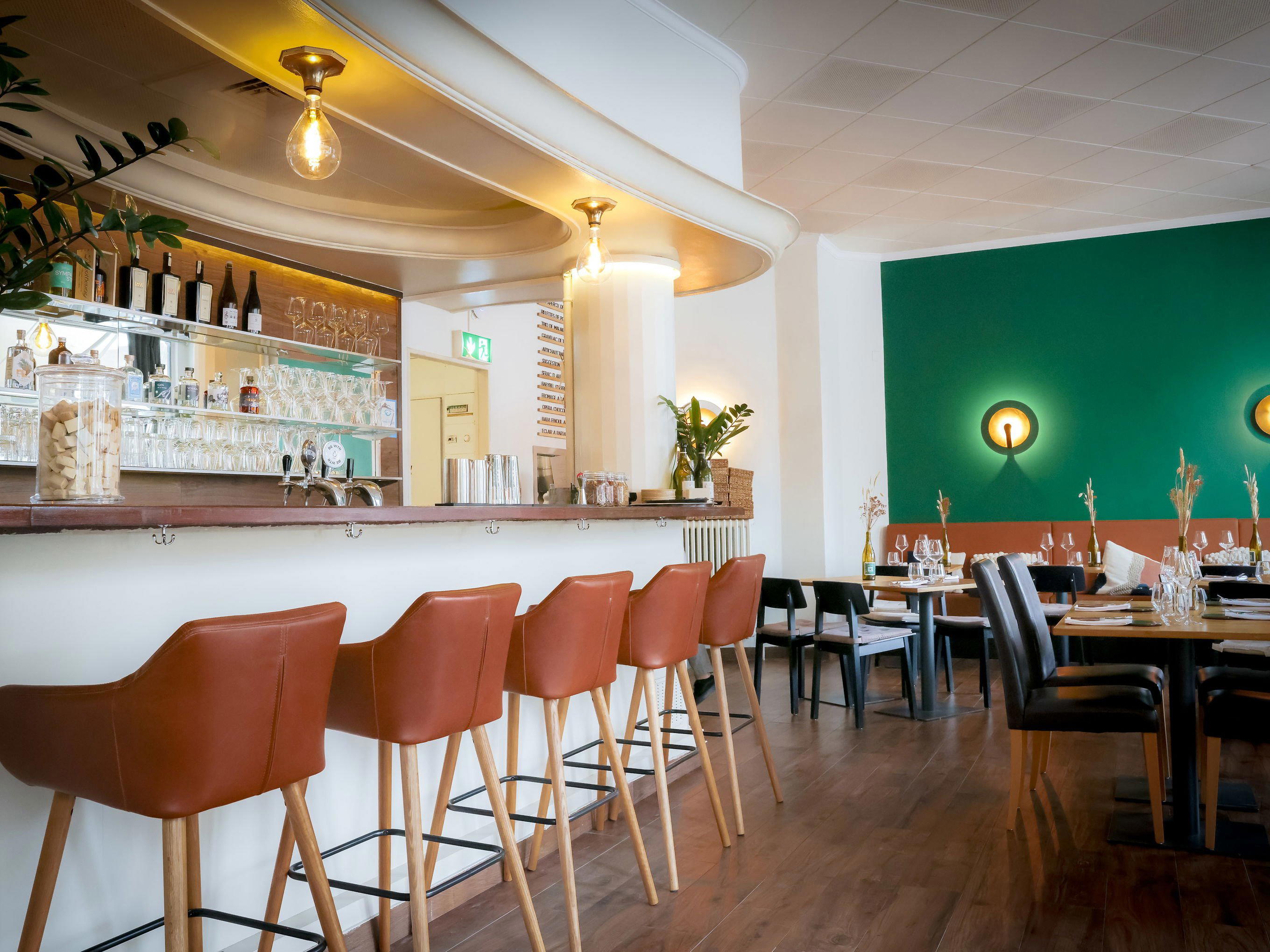
Bars in Kyoto
All bars in Kyoto →

Hotels in Kyoto
All hotels in Kyoto →
Wineries in Kyoto
Browse all →
Details
- Quiet
- Cozy
- Classic
- Casual Hangout
- Solo
- Family
- Standalone
- Sake Program
- Local Sourcing
- Street Scene
- A La Carte
- Counter Dining
- Matcha
- Tea
- Vegetarian Friendly
Current opening hours
- Monday
- 9:30 AM–6 PM
- Tuesday
- 9:30 AM–6 PM
- Wednesday
- 9:30 AM–6 PM
- Thursday
- 9:30 AM–6 PM
- Friday
- 9:30 AM–6 PM
- Saturday
- 9:30 AM–6 PM
- Sunday
- 9:30 AM–6 PM
Hours can change for holidays and private events. Last verified .
A small, traditional Japanese sweets shop atmosphere focused on takeaway and simple in-shop tasting rather than a full dine-in experience.