
Tabelog 100 #14
Our verdict
Uji’s tea-cafe culture is less about ceremony than precision: matcha, sweets, noodles, and a room built for lingering without turning the meal into kaiseki. Nakamura Tokichi Honten Uji honten sits in that tradition with Tabelog 100 recognition for Japanese sweets cafes in WEST 2023, placing it among the region’s more visible addresses for wagashi-led dining rather than temple-district snacking.

Pearl is the En Primeur Club membership app, where members save venues, book tables and use the concierge.
The menu
What to order
- Matcha parfait
- Tea jelly
- Matcha soba
- Matcha ice cream
Approaching Kyoto changes the tempo of dining. The city narrows from imperial capital to a tea-led rhythm, where meals often begin with green rather than sake, and a cafe can carry the cultural weight of a counter or ryotei elsewhere. Nakamura Tokichi Honten Uji honten belongs to that older, tea-led grammar: sweets, cafe dishes, and noodles arranged around tea rather than the Western split between dessert shop and restaurant.
Kyoto is not simply a checklist of temples and formal restaurants. Its food culture makes matcha and Japanese sweets work as a full dining format. In Kyoto, a sweets stop can feel like a pause between visits; here, the category becomes the main event, closer to a regional tasting language. The 2023 Tabelog recognition places Nakamura Tokichi Honten Uji honten inside that specialist bracket, where recognition comes from consistency in a narrow field rather than breadth across modern dining.
Uji tea culture, structured as a cafe meal
The menu architecture is the point. A Japanese sweets cafe in Kyoto must introduce tea as flavour, offer wagashi without turning the room into a formal tea ceremony, and provide enough savoury ballast for lunch traffic. The listed categories, cafe featuring Japanese sweets, cafe, and noodles, describe a tea-led hybrid often misunderstood by travellers expecting either a patisserie counter or a full restaurant.
Read the format in sequence: sweets and tea define the identity; noodles and cafe plates make the visit work as a midday stop rather than a narrow dessert appointment. That differs from other sweets rooms, where the appeal may sit closer to one traditional item and its ritual context. It also differs from comparison points such as Keihan Uji Ekimae Surugaya. Nakamura Tokichi Honten Uji honten operates at a fuller cafe-restaurant level, with dinner listed at JPY 2,000 - JPY 2,999 and lunch at JPY 1,000 - JPY 1,999.
Kyoto rewards specialisation, but its form changes from room to room. Around the city, contemporary formats and compact dining rooms reflect Kyoto’s restaurant density. Nakamura Tokichi Honten Uji honten’s language is narrower and more local in feeling: tea, sweets, unhurried pacing, and a practical menu that can absorb visitors without demanding a long formal meal.
A recognised sweets-cafe tier, not a luxury dining posture
The Tabelog 2023 recognition identifies the competitive set accurately. This is not a Michelin-style fine-dining proposition, and should not be judged by the rituals of counter sushi or kaiseki. Its peers are Japanese sweets cafes and tea-led rooms, measured by clarity of category, reliability, and the ability to turn a regional ingredient into a complete cafe experience.
Within Kyoto, that distinction separates a tea cafe from the city’s broader casual food map. Other urban convenience traditions belong to a different register; Shubaku sits in another register of Kyoto eating; Mogu Mogu Bakery and Seikou Udoku work better as different comparison points than direct substitutes. Value here is not measured only by portion or speed. It comes from a menu that lets tea appear across sweet and savoury categories without forcing the occasion into a tasting-menu frame.
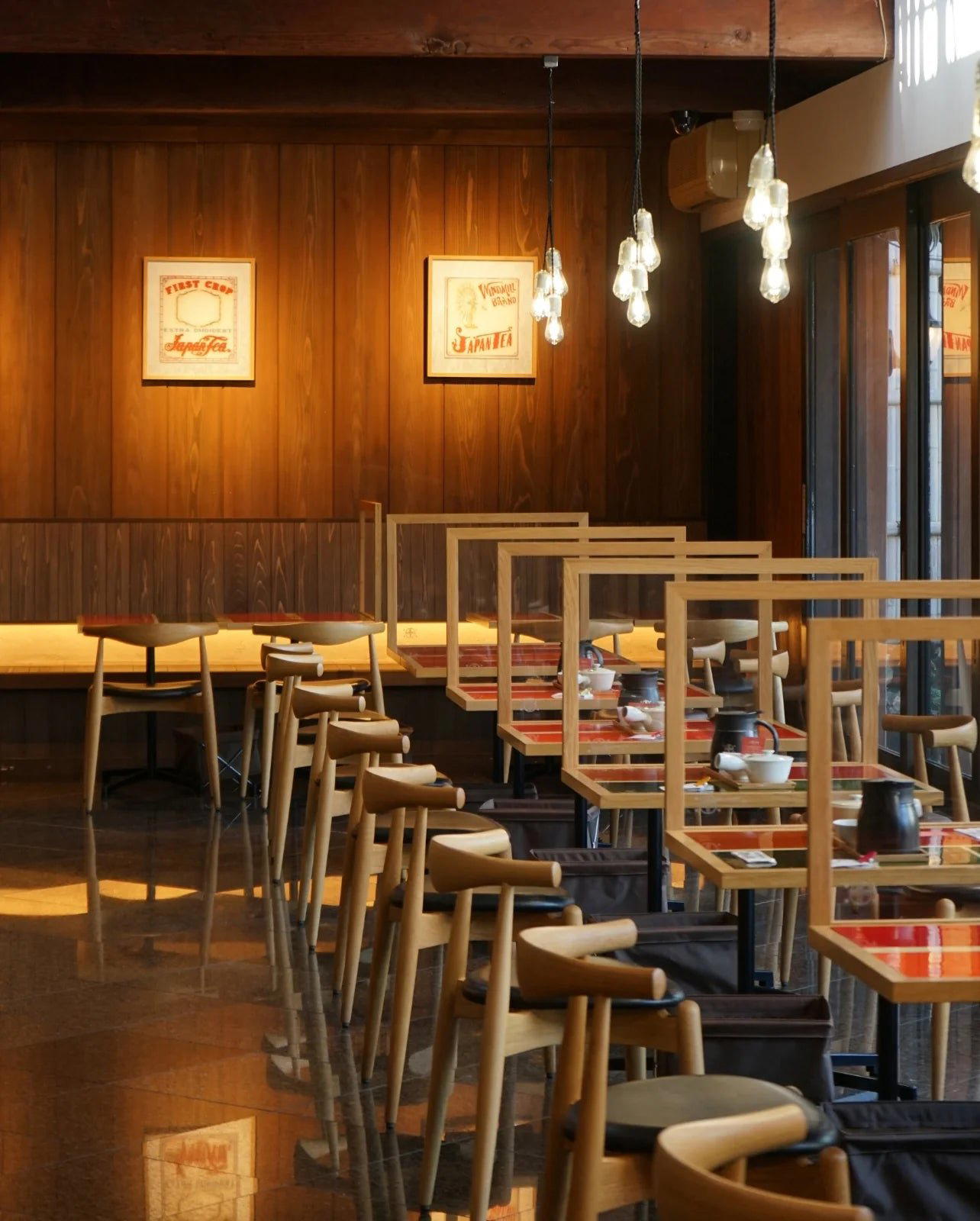
The room reinforces that middle ground without adopting a luxury posture. The public listing frames Nakamura Tokichi Honten Uji honten as a cafe featuring Japanese sweets, cafe, and noodles, which is exactly how to read it. For a Kyoto food itinerary, that flexibility matters. It can sit between cultural visits, tea shopping, and an easy daytime pause rather than consuming an evening.
How to place it in a Kyoto itinerary
Treat this as its own half-day food stop, not a dessert errand tacked onto another meal. The natural use is lunch, afternoon tea, or a sweets-led break rather than a late-night plan. The listed budget also suits that role: dinner at JPY 2,000 - JPY 2,999 and lunch at JPY 1,000 - JPY 1,999.
Nakamura Tokichi Honten Uji honten is especially useful for comparing Kyoto food categories across a trip. A day might start with a Kyoto sweet, continue through a tea-led Kyoto cafe, and end back in the city with a compact counter or modern room. For a broader map, Our full Kyoto restaurants guide gives the restaurant context across the city’s dining spectrum, while Our full Kyoto hotels guide, Our full Kyoto bars guide, Our full Kyoto wineries guide, and Our full Kyoto experiences guide are better for stitching it into a complete stay.
Japanese casual formats beyond Kyoto show how specific this category is. It has little in common with unnamed regional dining, izakaya-grill energy, bakery culture, or contemporary casual rooms elsewhere. Even comfort-food specialists clarify the same point by contrast: Nakamura Tokichi Honten Uji honten’s tea-cafe model is a regional-feeling structure, not a generic Japanese cafe label.
The editorial verdict is restrained but firm. Prioritise this Kyoto address when the goal is to understand tea through menu form rather than through a single sweet. The recognition, listed price band, and practical cafe format make it a high-functioning daytime meal, but the deeper reason to go is category literacy: it shows how tea, wagashi, cafe dining, and noodles can share one table without losing the identity of the place that produced them.
Frequently asked questions
Is Nakamura Tokichi Honten Uji honten a family-friendly restaurant?
The public category listing frames Nakamura Tokichi Honten Uji honten as a cafe featuring Japanese sweets, cafe, and noodles. It is located in Kyoto. Check the venue's official channels for the latest details.
How would you describe the vibe at Nakamura Tokichi Honten Uji honten?
It reads as a Japanese sweets cafe rather than a formal dining room, with Tabelog 2023 recognition. The listed categories are cafe featuring Japanese sweets, cafe, and noodles.
What should I budget for a meal at Nakamura Tokichi Honten Uji honten?
Pricing at Nakamura Tokichi Honten Uji honten is listed as dinner: JPY 2,000 - JPY 2,999; lunch: JPY 1,000 - JPY 1,999.
What time does Nakamura Tokichi Honten Uji honten open and close?
Check Nakamura Tokichi Honten Uji honten's official channels for current opening hours before visiting.
How do I find Nakamura Tokichi Honten Uji honten?
Kyoto.
Comparable Spots
Comparable venues at the same tier.
| Venue | Cuisine | Price | Awards | Notes |
|---|---|---|---|---|
| Nakamura Tokichi Honten Uji hontenThis venue (the venue you are viewing) | Japanese Tea House Café | $10–20 | Tabelog 100 #14 | Not listed |
| Mogu Mogu Bakery | Not listed | $1–10 | Tabelog 100 #78 | JPY 999 - JPY 999 |
| Shubaku | Japanese Soba | Not listed | Tabelog 100 #67 | JPY 1,000 - JPY 1,999 JPY 1,000 - JPY 1,999 View spending breakdown |
| Keihan Uji Ekimae Surugaya | Japanese Sweets / Matcha Confectionery | $1–10 | Tabelog 100 #6 | JPY 999 - JPY 999 View spending breakdown |
| Seikou Udoku | Not listed | Not listed | Not listed | JPY 999 |
Recognition history
Dated appearances from independent guides and award organizations, with the underlying list record or original source where available.
Tabelog 100 #14 · No. 14
Tabelog · Tabelog 100 - Japanese traditional sweets / Japanese sweets cafe - WEST - 2023
Continue exploring
More in Kyoto
Restaurants in Kyoto
All restaurants in Kyoto →

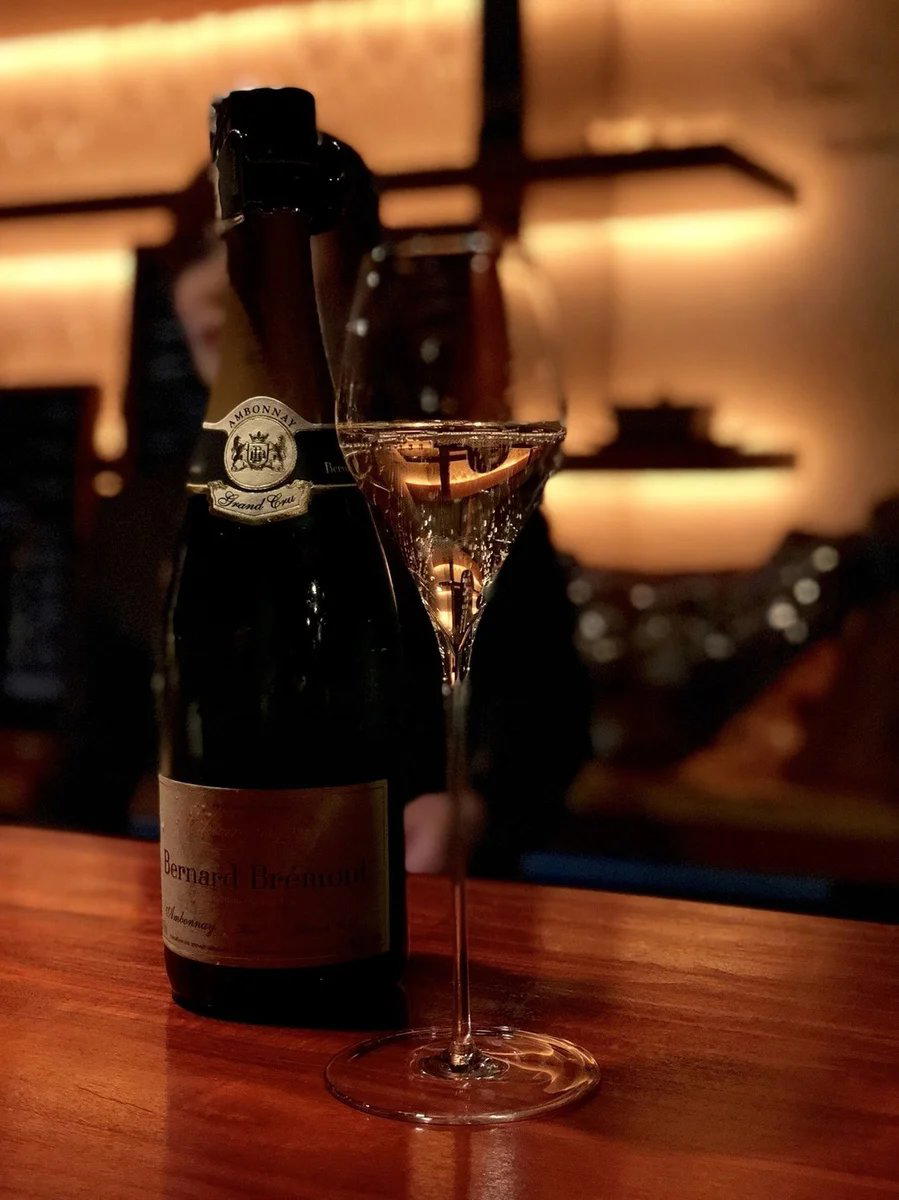
Bars in Kyoto
All bars in Kyoto →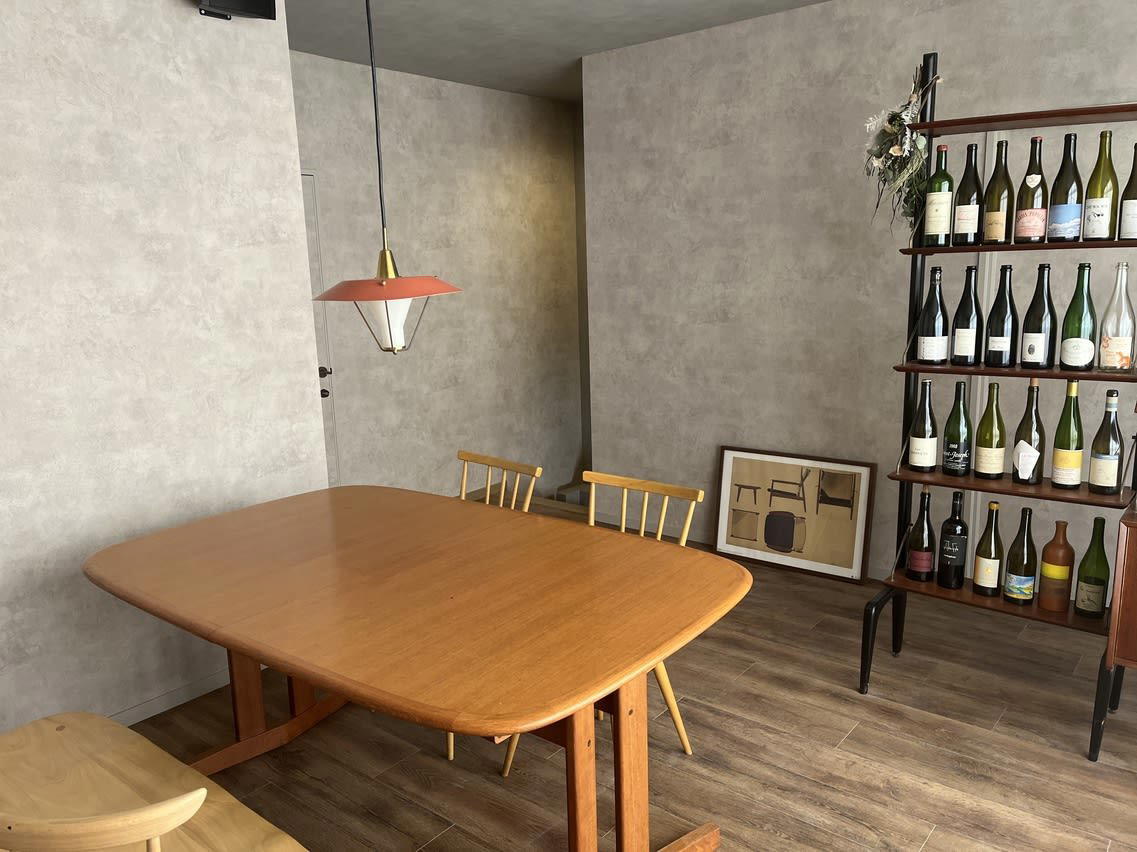



Hotels in Kyoto
All hotels in Kyoto →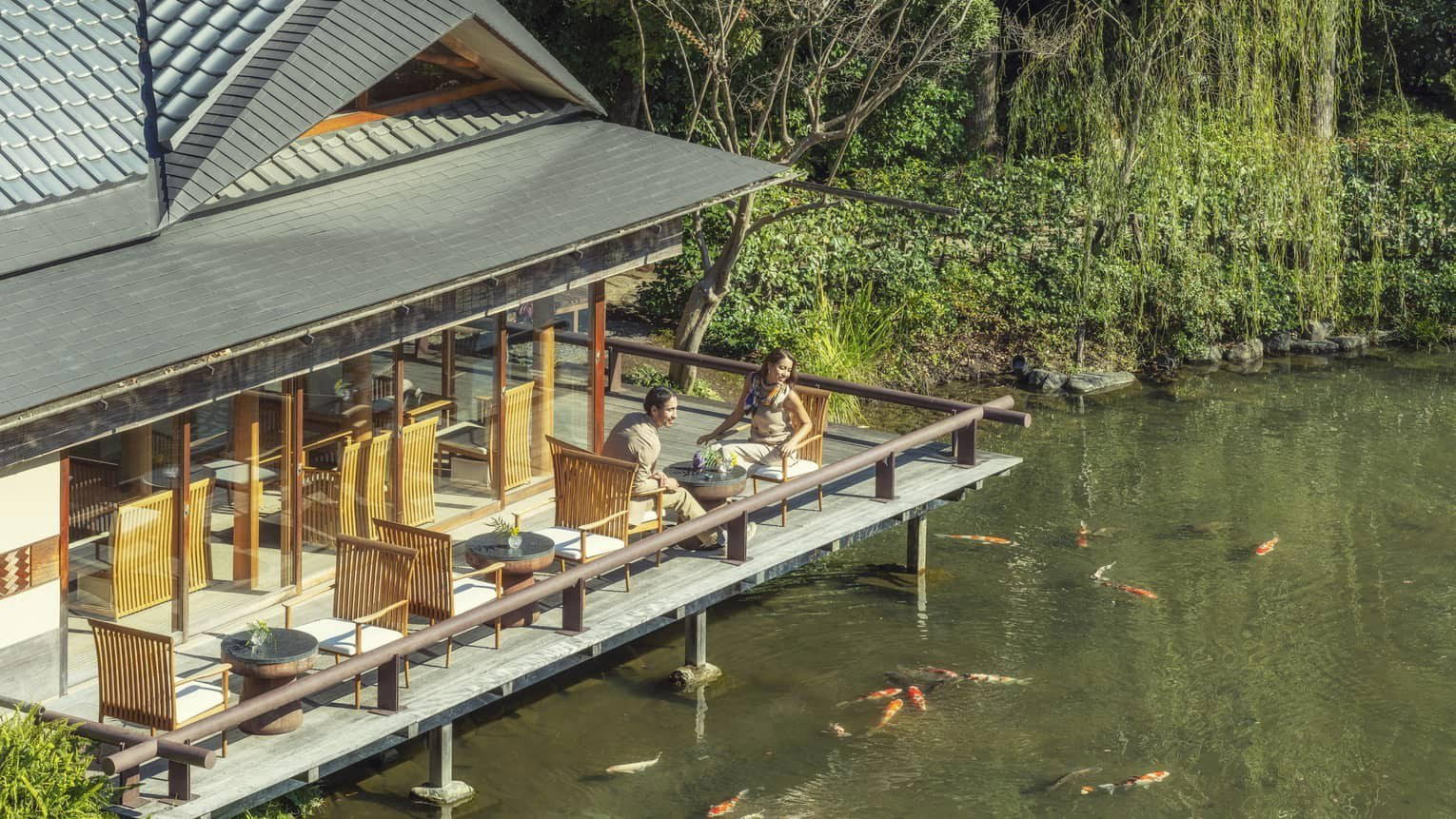
Wineries in Kyoto
Browse all →
Details
- Classic
- Cozy
- Well Known
- Quiet
- Family
- Group Dining
- Casual Hangout
- Solo
- Special Occasion
- Historic Building
- Standalone
- Design Destination
- Sake Program
- Zero Proof
- Local Sourcing
- Garden
- Street Scene
- A La Carte
- Set Menu
- Counter Dining
- Matcha
- Japanese Tea
- Hojicha
- Vegetarian Friendly
Current opening hours
- Monday
- 10 AM–5:30 PM
- Tuesday
- 10 AM–5:30 PM
- Wednesday
- 10 AM–5:30 PM
- Thursday
- 10 AM–5:30 PM
- Friday
- 10 AM–5:30 PM
- Saturday
- 10 AM–5:30 PM
- Sunday
- 10 AM–5:30 PM
Hours can change for holidays and private events. Last verified .
A traditional, heritage-driven teahouse atmosphere centered on tea culture, with an informal café feel for desserts and lunch.