KEI at 193 7th Ave in Chelsea occupies the tier of New York fine dining where sourcing discipline and technique intersect. The address places it within a neighbourhood that has steadily accumulated serious restaurant ambitions over the past decade, and the kitchen operates within a tradition that prizes ingredient provenance above menu spectacle. For diners tracking the city's higher-end options, KEI merits placement alongside the addresses that treat supply chain as the foundation of the plate.
Pearl is the En Primeur Club membership app — saves, bookings, and concierge access live there. Same editors, same standards.
- Address
- 193 7th Ave, New York, NY 10011
- Phone
- +12128755398
- Website
- keinyc.com
- Directions
- Get directions
 Saves & bookings on Pearl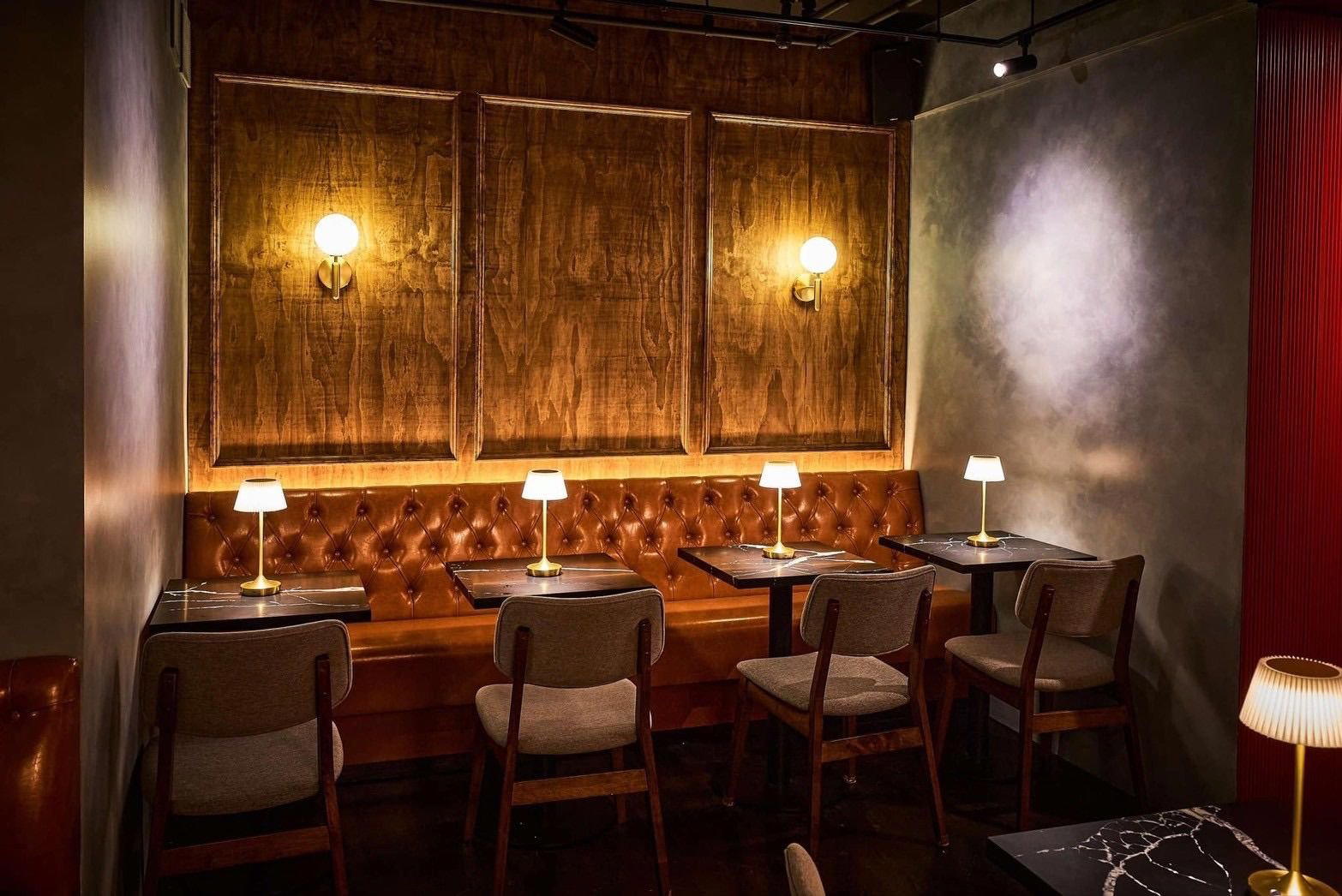
Where Chelsea's Dining Seriousness Shows Up on the Plate
Seventh Avenue in Chelsea does not announce itself the way Midtown's power-dining corridors do. The blocks between 14th and 23rd streets have accumulated restaurant ambition quietly, without the concentrated critical attention that keeps tables in the West Village or the Upper East Side perpetually booked months out. That relative quiet is part of the story for KEI, a modern Japanese izakaya and ramen restaurant at 193 7th Ave in New York City. In a city where a restaurant's postcode can set expectations before a single dish arrives, Chelsea operates with less baggage and, in some rooms, more culinary focus as a result.
That shift has reached the mid-tier and neighbourhood fine dining categories as well: diners at price points well below the multi-Michelin bracket now expect sourcing transparency as a baseline, not a differentiator. KEI operates within that context, on a block where the sourcing conversation is less about spectacle and more about the daily discipline of working with what the season and the supply chain actually offer.
The Ingredient Logic Behind the Address
Sourcing-driven kitchens in New York face a particular set of constraints that their counterparts in, say, California do not. Single Thread Farm in Healdsburg and Providence in Los Angeles both operate in climates where growing seasons are longer and proximity to premium agricultural land is a structural advantage. New York kitchens that commit to ingredient quality must instead build relationships with Hudson Valley farms, Greenmarket vendors, and regional fisheries to achieve comparable provenance at equivalent quality levels. The effort required is higher; the seasonal window is narrower. When a New York kitchen makes ingredient sourcing its organising principle, that commitment shows up in menu flexibility, in the willingness to change dishes when supply dictates, and in a certain discipline about what does not appear on the plate.
That discipline distinguishes sourcing-led kitchens from those that use sourcing language for positioning purposes. The difference is observable in how menus age over the course of a season: a kitchen genuinely structured around ingredient availability will show compositional changes that track the market rather than the marketing calendar. It is a quieter form of quality signal, less immediately legible than a Michelin star or a placement on a ranked list, but durable in a way that award cycles are not.
KEI in the Context of New York's Fine Dining Spectrum
New York's top tier of fine dining is well-documented. Le Bernardin holds its position as the city's clearest benchmark for French seafood technique at the highest level. Masa has established a price point that functions as a category of its own within New York sushi. The Korean fine dining corridor, anchored by Atomix and Jungsik New York, has attracted sustained critical attention and built a competitive comparable set that now extends internationally. KEI sits within Chelsea's more considered dining culture, with a modern Japanese izakaya and ramen focus that keeps the room grounded in everyday appeal rather than formal excess.
For comparison across the United States, the ingredient-sourcing emphasis that defines this tier of cooking appears in different forms at Alinea in Chicago, The French Laundry in Napa, and Addison in San Diego. What those kitchens share, regardless of their specific cuisine category, is a sourcing logic that precedes menu construction: the ingredient informs the dish rather than the other way around. Emeril's in New Orleans, Lazy Bear in San Francisco, Bacchanalia in Atlanta, and The Inn at Little Washington each work within regional sourcing contexts that shape their menus in ways a Manhattan kitchen cannot replicate directly. The New York version of that commitment requires a different infrastructure, but the underlying discipline is comparable. Internationally, the same principle applies at addresses like 8 1/2 Otto e Mezzo Bombana in Hong Kong and Alain Ducasse at Louis XV in Monte Carlo, where ingredient provenance is a load-bearing element of the fine dining argument.
Planning a Visit to KEI
KEI is located at 193 7th Ave, New York, NY 10011, in Chelsea. Diners can plan around the posted schedule and a recommended reservation policy. The neighbourhood is well served by the 1 train at 18th Street and the A, C, and E lines at 14th Street. Reservations are recommended, especially for dinner service.
Reservations are recommended. Dress: Smart casual is the working norm. Budget: Expect about $40 per person.
Price Lens
Comparable venues nearby, for context on price, style, and recognition.
| Venue | Cuisine | Price | Notes |
|---|---|---|---|
| KEIThis venue — the venue you are viewing | Not listed | $$$ | Not listed |
| Yakiniku Gen East Village | Not listed | $$$ | East Village, Authentic Japanese Yakiniku |
| Kizuna | Not listed | $$$ | Upper East Side-Lenox Hill-Roosevelt Island, Japanese Omakase |
| Kissaki Sushi | Not listed | $$$ | East Village, Traditional Japanese Omakase |
| Tomoe | Greenwich Village, Traditional Sushi | $$ | Not listed |
| Zuma New York | Not listed | $$$$ | Midtown-Times Square, Modern Japanese Izakaya |
Continue exploring
More in New York City
Restaurants in New York City
Browse all →
Bars in New York City
Browse all →
Hotels in New York City
Browse all →




At a Glance
- Trendy
- Lively
- Modern
- Cozy
- Casual Hangout
- Group Dining
- After Work
- Open Kitchen
- Craft Cocktails
- Sake Program
Current opening hours
- Monday
- 11:30 AM–4 PM, 5–10 PM
- Tuesday
- 11:30 AM–4 PM, 5–10 PM
- Wednesday
- 11:30 AM–4 PM, 5–10 PM
- Thursday
- 11:30 AM–4 PM, 5–10 PM
- Friday
- 11:30 AM–4 PM, 5–10 PM
- Saturday
- 12–4 PM, 5–9:45 PM
- Sunday
- 12–4 PM, 5–9:45 PM
Hours can change for holidays and private events. Last verified .
Warm and inviting space with moderate noise, blending casual Japanese dining vibes and modern New York energy.