Yakiniku West

Our verdict
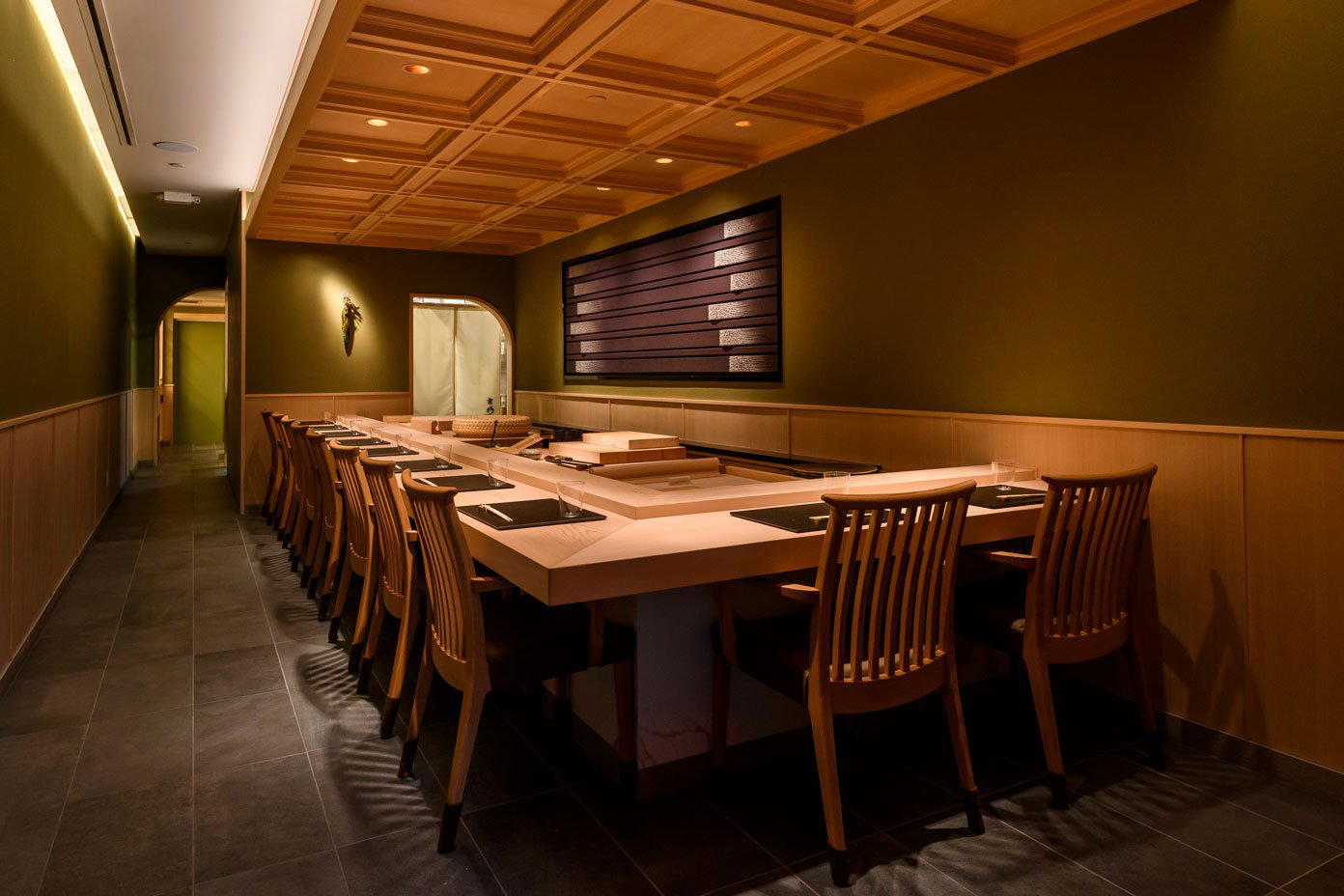
Yakiniku Gen brings the precision of Japanese tabletop grilling to East Village at 218 E 9th Street, occupying a quieter register than the neighbourhood's louder dining crowd. The format centres on quality cuts presented for self-grilling, a tradition that rewards attentive diners over passive ones. For New York's broader Korean and Japanese grill scene, it sits as a neighbourhood-level counter-point to the high-production yakiniku rooms further uptown.

East Village and the Case for Neighbourhood Yakiniku
New York's yakiniku scene has historically clustered around Koreatown on 32nd Street, where volume, ventilation systems, and mid-range pricing define the format. The outliers are the venues that have moved into residential neighbourhoods, trading the district's foot traffic for a more deliberate clientele. Yakiniku Gen on East 9th Street sits in that secondary tier, in a block of the East Village where the dining room isn't competing with the density of Midtown's barbecue corridor. The address alone signals a different kind of evening: quieter, more considered, and without the queue mechanics that define the 32nd Street experience.
That geographic separation matters more than it first appears. The East Village has long supported a range of Japanese and Japanese-adjacent formats, from ramen counters to sake bars, and the neighbourhood's dining culture tends toward regulars over tourists. A yakiniku room here draws from a different reservation pool than one in the Koreatown cluster, and the result is a dining room where the format itself has room to breathe. In that context, Yakiniku Gen functions less as a destination grill house and more as a neighbourhood anchor for a specific kind of meal.
For context on what New York's premium end looks like, counters such as Masa and tasting formats like Atomix or Jungsik New York represent the city's most structured Japanese and Korean fine-dining tiers. Yakiniku Gen occupies a different register entirely: informal, participatory, and priced for repeat visits rather than special occasions. See our full New York City restaurants guide for how it maps against the wider scene.
The Lunch and Dinner Divide in Yakiniku Service
Yakiniku as a format behaves differently depending on the time of day, and that divide is more pronounced in neighbourhood rooms than in high-volume grill houses. At dinner, the experience is social and paced: cuts arrive in sequence, smoke accumulates pleasantly, and the meal extends over ninety minutes or more without pressure. The grill becomes a focal point for conversation in a way that a plated tasting menu structurally cannot be. At lunch, the same format compresses. Portions are typically smaller, the pace quickens, and the value calculus shifts toward efficiency rather than leisure.
For East Village workers and locals, a midday yakiniku service offers something relatively rare in the neighbourhood: a hot, protein-forward meal that doesn't require thirty minutes of queue time. The dinner version of the same room rewards those who arrive with a reservation and time to commit. Neither service is better in the abstract; they serve different decisions. If the evening is available, the longer format is the one that justifies the format's logic. If the calendar is tight, lunch represents a practical entry point into a cuisine that typically demands more of a diner's evening.
This lunch-versus-dinner split mirrors patterns visible at other participatory dining formats across American cities. The communal grill tradition in Korean and Japanese cuisine is fundamentally a slow-food format that has been adapted, with varying success, into fast-casual frameworks. The venues that maintain the original format's integrity tend to keep dinner as the primary experience and treat lunch as an accessible but secondary offering. Yakiniku Gen's East Village positioning suggests a similar approach, even if the specifics of its service schedule require direct confirmation before planning.
Where Yakiniku Sits in New York's Broader Grill Tradition
American barbecue and Japanese yakiniku share the tabletop grill as a conceptual object but diverge sharply in execution. Yakiniku prioritises thin, precisely cut meat cooked quickly over high heat, with emphasis on the quality of individual cuts rather than the cumulative result of long smoke. In New York, the format arrived through the Korean barbecue tradition before Japanese-style yakiniku carved out its own following among diners interested in the finer cut distinctions: wagyu grades, tongue preparations, harami versus skirt, the logic of fat-to-lean ratios at different temperatures.
That specificity is what separates a capable yakiniku room from a generic grill house. At the same price point, a diner in Koreatown is often paying for volume and variety. A yakiniku room with a more focused menu is making a different argument: that fewer, better cuts, grilled with attention, produce a more coherent meal. Whether Yakiniku Gen makes that argument in its menu structure is something the room itself will confirm, but the East Village positioning and the format's own logic suggest a narrower, more deliberate selection than the all-you-can-eat tier.
For those who want to place this within a wider frame of American fine dining, the participatory format also appears in very different guises at venues like Alinea in Chicago or Lazy Bear in San Francisco, where the diner's physical involvement in the meal is engineered deliberately. Yakiniku achieves a version of the same effect through a centuries-old technique rather than avant-garde design. The grill at the table is not a novelty; it is the method.
Planning Your Visit to East 9th Street
Yakiniku Gen is at 218 E 9th Street in the East Village, accessible from the L train at First Avenue or the 6 at Astor Place, both within a short walk. The neighbourhood is compact and walkable, with a density of bars and cafes that makes pre- or post-dinner plans direct to arrange.
For comparison, the city's most reservation-intensive Japanese counters, including Masa, require weeks of advance planning. Yakiniku Gen, operating in a neighbourhood rather than a hotel or flagship location, is likely more accessible on shorter notice, though weekend evenings in the East Village rarely allow for reliable walk-ins at any format. The practical advice is to reserve ahead where the mechanism exists, and to treat a weekday lunch or early dinner as the lowest-friction entry point.
New York's broader restaurant scene, covered in our full city guide, includes a range of Korean and Japanese formats from the tasting-menu precision of Atomix and Jungsik New York to the seafood-driven French discipline of Le Bernardin and the contemporary formality of Per Se. Yakiniku Gen operates at none of those price points or formality levels, which is precisely the argument for it: an evening of participatory grilling in a residential neighbourhood is a different kind of New York dining decision, and a valid one.
Frequently asked questions
What's the address for Yakiniku Gen East Village?
Yakiniku Gen East Village is located at 218 E 9th St, New York, NY 10003, New York City.
Is Yakiniku Gen East Village a good option for a group dinner in New York City?
The tabletop grill format that defines yakiniku is inherently communal, the cooking surface becomes a shared focal point, which makes the format well-suited to groups of four to six. At a neighbourhood room like Yakiniku Gen at 218 E 9th Street in the East Village, group dynamics tend to work better with advance coordination rather than a walk-in attempt. Contacting the venue directly to discuss table configuration and timing is the practical first step for any party larger than two.
What do regulars order at Yakiniku Gen East Village?
Yakiniku regulars typically build a meal around a progression of cuts, starting with leaner slices before moving to fattier, more marbled selections grilled directly at the table. At a neighbourhood room like Gen on E 9th Street, the expectation is that staff guide that sequence rather than leaving it entirely to the diner. The East Village location draws a crowd that tends to order with intention rather than novelty, working through the menu methodically.
Can I walk in to Yakiniku Gen East Village?
Walk-in availability at yakiniku spots in New York depends heavily on the day and time, weekday lunches tend to be the most accessible windows, while weekend evenings at a well-regarded East Village address like 218 E 9th Street fill quickly. Calling ahead is always the more reliable approach for evening visits. The venue's phone details are not currently listed, so checking directly through the restaurant or a third-party reservation platform is advisable.
What has Yakiniku Gen East Village built its reputation on?
Gen's position in the East Village places it deliberately outside the high-volume Koreatown corridor on 32nd Street, which shapes the entire experience, smaller room, more controlled pacing, and a dining register that leans toward the neighbourhood rather than the tourist circuit. New York City's yakiniku scene is competitive, and operating on E 9th Street signals a specific commitment to local regulars over throughput. That geographic choice is itself a statement about the kind of grill room Gen intends to be.
Can Yakiniku Gen East Village adjust for dietary needs?
Yakiniku as a format is structurally flexible: proteins and vegetables are grilled separately at the table, which gives kitchens meaningful room to accommodate dietary restrictions on a per-item basis. Specific menu accommodations at Yakiniku Gen's East Village location are best confirmed directly with the restaurant before visiting, as the range of adjustments depends on the current menu composition. Guests with strict requirements should contact the venue in advance.
Recognition history
Dated appearances from independent guides and award organizations, with the underlying list record or original source where available.
Opinionated About Dining Casual in North America Ranked #634
Opinionated About Dining
Full recognition history (2 entries)
Opinionated About Dining Casual in North America Recommended
Opinionated About Dining
Continue exploring